REVIEW · BUDAPEST
E-Bike Guided Tour in Castle Hill Budapest
Book on Viator →Operated by Bestbike Tours kft. · Bookable on Viator
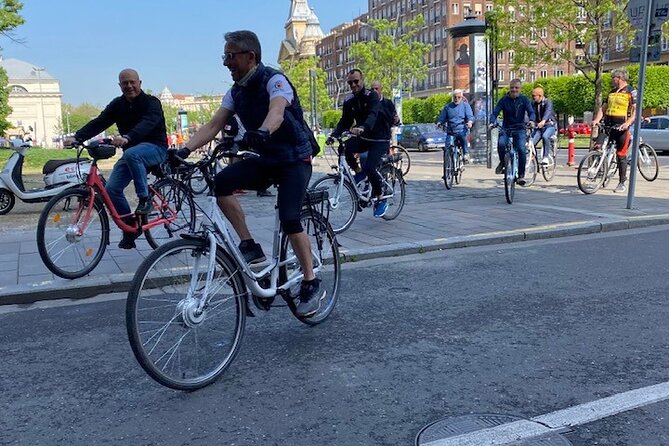
One ride, a lot of landmarks—on easy wheels. This 3-hour e-bike tour strings together Budapest’s most photo-worthy sights, from the Danube promenade to Castle District viewpoints, with a live English guide telling you what you’re looking at and why it matters.
I love how much ground you cover without turning it into a slog. I also like the small-group feel, capped at 10 riders, which makes it easier to ask questions and grab quick photos.
My only watch-out: the Castle District is the main hilly segment (about 12 minutes). The e-bike helps, but if you’re very sensitive on slopes, plan on taking it slow there.
In This Review
- Key things to know before you pedal
- Your e-bike cruise view of Budapest’s “greatest hits”
- Starting on Duna Corso: the Danube view that sets the tone
- Erzsébet Bridge: quick panoramas and a World War II rebuild story
- Castle District viewpoints: Buda Castle and Matthias Church from the right angle
- Margaret Island break: a green reset between big monuments
- Hungarian Parliament Building: the photo stop you’ll actually understand
- Liberty Square: monuments, controversy, and the 20th-century layer
- St. Stephen’s Basilica: the holy relic detail that makes the dome meaningful
- Andrássy Avenue and Heroes’ Square: optional grand finale
- What makes this tour good value for $60.08
- First-time e-bike tips: balance and comfort on the ride
- Who this tour fits best
- Should you book this Castle Hill e-bike tour?
- FAQ
- How long is the E-Bike Guided Tour in Castle Hill Budapest?
- What’s included in the price?
- Where does the tour start?
- What’s the minimum age to participate?
- Does the tour run in bad weather?
- Can I cancel for a full refund?
Key things to know before you pedal
- Danube Corso start: iconic river views early in the ride, before the crowds thicken.
- Short, focused stops: most landmarks get a tight photo window so you keep momentum.
- Castle District has the only real climb: plan your energy for that brief uphill.
- Historical stories included: bridges, monuments, and churches are explained as you arrive.
- Optional Andrássy Avenue and Heroes’ Square: you might add a grand boulevard and a national landmark.
- Front-hub e-bike feel: if you’re new to e-bikes, give yourself a minute to adapt to steering balance.
Your e-bike cruise view of Budapest’s “greatest hits”
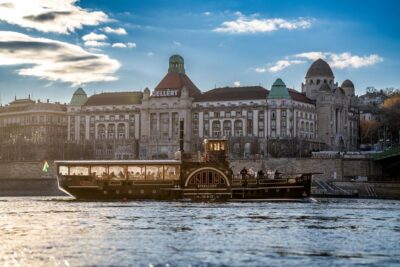
Budapest has a way of making you choose between beauty and effort. This tour tries to solve that. You start along the Danube’s Duna Corso riverside promenade, where you can see the Buda side sweeping up across the water—Gellért Hill and the Liberty Statue in the frame, with major landmarks lining the route.
Then you bounce across to key points on the Pest side: the Erzsébet Bridge, the Castle District viewpoint, and a straight line toward Parliament and the grand religious architecture at St. Stephen’s Basilica. It’s a smart format for a short visit: instead of waiting until day three to figure out geography, you get it immediately—river layout, hill areas, and how the neighborhoods connect.
And because it’s an e-bike with a live guide, you’re not just moving. You’re learning what to look for while you’re moving.
You can also read our reviews of more cycling tours in Budapest



Starting on Duna Corso: the Danube view that sets the tone
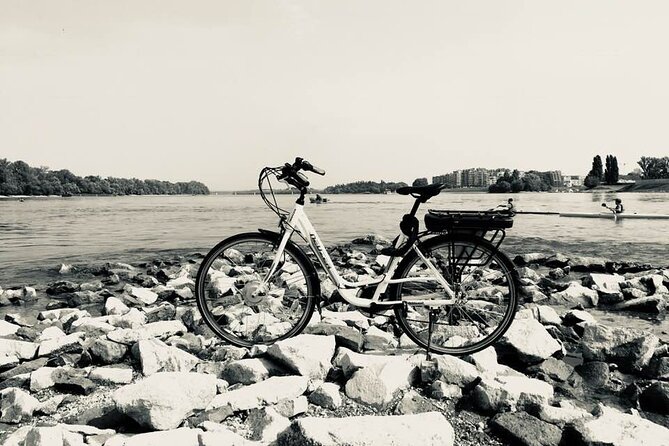
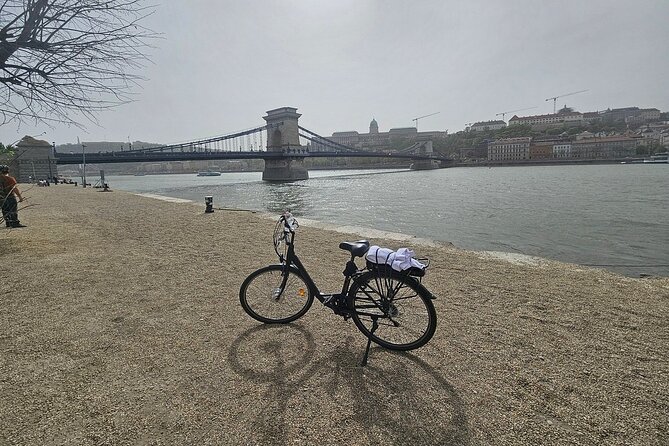
The ride kicks off along Duna Corso, one of the city’s signature riverside promenades. This is the part you’ll feel instantly: wide views, the sense of Budapest’s scale, and that classic Danube framing where Buda Castle looks like it’s perched just for your photos.
Your guide points out what’s around you—historic landmarks along the promenade and the statues tied to Hungary’s past. There’s also time for a quick photo stop here, which is practical. Getting a river + skyline shot is easiest when the group is fresh and your camera battery is still willing.
If you like architecture and public space, this opening section works because it’s visual first, story second—then the story helps you recognize what you’re seeing on the next stops.
Erzsébet Bridge: quick panoramas and a World War II rebuild story
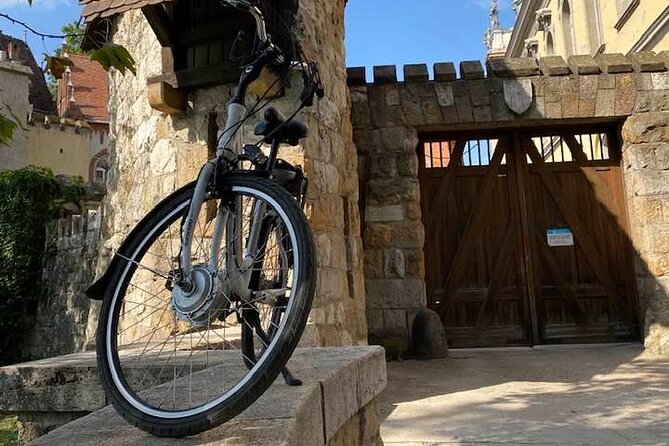
Next up is Erzsébet (Elizabeth) Bridge. You pause on the bridge for panoramic views of both sides of the city—Buda and Pest facing each other across the water.
The guide shares the bridge’s naming story (Queen Elizabeth) and the fact that it was destroyed during World War II and later reconstructed. That kind of context turns a “pretty bridge” into a timeline. You’ll start noticing how often Budapest’s landmarks were reshaped by 20th-century events.
This stop is also a good chance to compare architectural styles. You’re literally looking at how two halves of one city grew and rebuilt in different ways.
Castle District viewpoints: Buda Castle and Matthias Church from the right angle
After crossing the river, you climb into the Castle District—the only real hilly stretch on this route (about 12 minutes). The e-bike takes the sting out of the climb, but it still matters for comfort and footing. If your legs tire easily, keep it steady and don’t try to match anyone else’s pace.
Once you’re up, the rewards are immediate:
- Buda Castle, a UNESCO World Heritage Site
- Matthias Church, known for its Gothic architecture
This stop is about what you came for: the sweeping overlook where Pest, the Danube, and the Chain Bridge sit in one view. The guide also talks about the district’s medieval origins, royal residents, and why this hill mattered strategically over centuries.
A practical note: cobblestones and narrow streets can make the “rolling slow for photos” part feel a little slower than you’d expect. It’s normal. The ride format keeps it short—about 20 minutes here—so you can enjoy the view without getting stuck in a long transit grind.
Margaret Island break: a green reset between big monuments
From Castle Hill, the tour heads toward Margaret Island, which locals call Budapest’s “green lung.” This is a welcome contrast. Instead of stone and power, you get gardens, open space, and a calmer pace along the water.
Your guide shares how the island changed over time—from a royal hunting reserve to a public park. Then you get a break (about 20 minutes) to relax, stroll, and photograph the island’s well-known sights such as:
- the Music Fountain
- the medieval Dominican Convent ruins
This is the part of the tour I’d recommend if you like having a sensory pause. You’ll feel the difference in your legs and your mood—especially after the Castle climb.
If you prefer to move nonstop, you might find the break slightly more “park time” than “sight sprint.” But that’s also why it works: you’ll be ready to enjoy Parliament and the rest of the city without rushing.
You can also read our reviews of more guided tours in Budapest






Hungarian Parliament Building: the photo stop you’ll actually understand
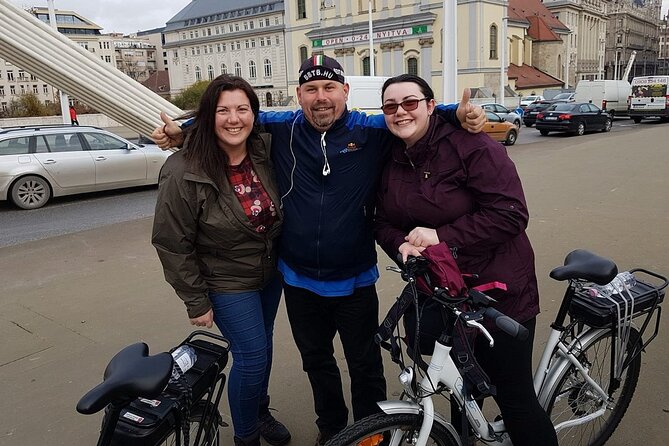
Next comes Hungarian Parliament Building, the neo-Gothic icon sitting right on the Danube. Your guide explains construction and its role in Hungarian political life, plus small details that make the building feel less like a postcard and more like a working civic symbol.
You’ll also learn about the crown jewels being housed within. Even if you don’t go inside, that kind of information changes your scan of the façade and the overall design.
This is a short stop (about 15 minutes), but it’s positioned perfectly for photography. The building reflects in the river, and you get a strong “big moment” view without losing half the day to a long visit.
Liberty Square: monuments, controversy, and the 20th-century layer
Liberty Square adds a different kind of energy. Here you’re dealing with 20th-century history—a mix of monuments tied to Soviet and Nazi occupations.
The guide talks through the stories behind the monuments, including the Soviet War Memorial and the presence of the American Embassy. That contrast can be surprising in person, and it’s exactly what makes this stop worthwhile.
This isn’t a “stand here and look pretty” stop. It’s a “stand here and think” stop, with time (about 15 minutes) to ask questions and get your camera ready.
If your travel style includes political history, symbolism, or how cities remember hard periods, this part is a highlight.
St. Stephen’s Basilica: the holy relic detail that makes the dome meaningful

Then you head to St. Stephen’s Basilica (Szent Istvan Bazilika), one of the city’s most important religious sites. The big draw here is the scale—plus the famous dome—and the guide adds a detail that makes it stick: the mummified hand of St. Stephen is housed there.
The guide also shares how the basilica survived World War II, and why it remains culturally important.
You’ll have around 15 minutes at the basilica to admire the façade details and, if you choose, take a quick peek inside. Even without a long visit, the stop works because the guide gives you a narrative hook: you’re not just looking at architecture, you’re seeing why it has endurance.
Andrássy Avenue and Heroes’ Square: optional grand finale
If time allows, you may continue along Andrássy Avenue, often compared to Budapest’s Champs-Élysées. You cycle through a grand boulevard scene with neo-renaissance mansion facades, luxury storefronts, and cultural landmarks.
Your guide points out the Hungarian State Opera House and the House of Terror—a museum focused on victims of fascism and communism. Even if you don’t go in, being told what the building represents changes the way you experience the street.
If you still have time, the tour may end at Heroes’ Square, a monumental site celebrating Hungary’s national leaders and the 1,000-year history. The guide explains the symbolism behind the statues and the Millennium Monument in the center. Afterward, City Park is nearby, where you can find calm options like Vajdahunyad Castle or just a break near the boating lake.
This optional section is the kind of bonus that turns a solid sightseeing loop into a more memorable whole-day feeling—without the pressure of committing to extra tickets.
What makes this tour good value for $60.08
At $60.08 per person for about 3 hours, this tour costs less than many single-attraction tours you might add on later. The value isn’t just the price tag—it’s the package.
You get:
- the bicycle (e-bike use)
- helmet
- bottled water
- a live guide in English
- and a route that hits multiple big-name areas efficiently
You’re also in a small group (maximum of 10), which helps with pacing and questions. That’s a big deal in Budapest, where traffic and foot crowds can make big sightseeing days feel chaotic.
One more practical value point: the e-bike makes geography easier. Instead of spending your day deciding whether to walk uphill, you’re seeing the city’s layout as it actually connects—river, bridges, hill district, and back down toward the next landmark.
Also, booking tends to happen ahead. The tour is commonly booked about a month in advance on average, so if you’re traveling in peak season, I’d plan on reserving early so you don’t miss your preferred time slot.
First-time e-bike tips: balance and comfort on the ride
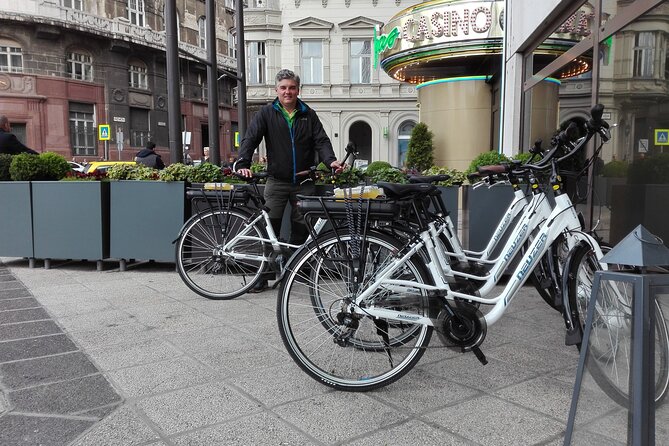
If you haven’t ridden an e-bike before, don’t treat it like a normal bicycle. The steering and weight feel different—especially on models with a front hub motor.
One past rider note (useful for you) is that front-hub e-bikes can feel like a different balancing act at first, and that angled handle bars may help you adapt to the front weight more easily. Even if your bike setup feels slightly different, the takeaway is the same: give yourself the first couple minutes to get comfortable before you start taking perfect photos.
Helmet use is included. If you ever want it adjusted differently, ask—past feedback mentions helmets being available upon request too, which is a reminder to speak up if fit matters to you.
Who this tour fits best
This is a great choice if:
- you want an efficient orientation to Budapest in a short time
- you like stories that connect landmarks to history
- you want to see both sides of the river without wasting hours on walking
- you’re traveling with limited time and want a guided route that actually makes sense
It’s also recommended to use e-bikes for the elderly, which tells you the operator is thinking about the reality of hills. Just remember: the Castle District has the one noticeable climb, so you’ll want to be okay with a short uphill stretch.
There’s also an age rule: participation is only allowed over age 12. And the tour runs in all weather, so pack accordingly.
Should you book this Castle Hill e-bike tour?
Yes—if you want a quick, guided, high-signal tour that mixes Danube views, Castle District panoramas, and central Budapest monuments in one smooth ride. The small group size, English guide, and inclusion of the bike, helmet, and water make it feel like real touring value rather than just a rental with a route.
I’d skip it (or at least reconsider) if you want long, slow museum visits or you hate hills completely—because even though it’s mostly easy, the Castle District climb is the one part that will remind you you’re on a hill.
If you’re in Budapest for a few days and want to get your bearings fast, this is the kind of tour that sets you up for the rest of your trip.
FAQ
How long is the E-Bike Guided Tour in Castle Hill Budapest?
It’s approximately 3 hours.
What’s included in the price?
The tour includes bicycle use, a helmet, bottled water, and a live guide in English.
Where does the tour start?
The meeting point is Semmelweis u. 14, 1052 Budapest. The tour ends back at the meeting point.
What’s the minimum age to participate?
Participation is only allowed over the age of 12.
Does the tour run in bad weather?
Yes. The tour goes in all weather conditions, so you’ll need to dress properly.
Can I cancel for a full refund?
Yes, you can cancel up to 24 hours in advance for a full refund. If you cancel less than 24 hours before the start time, the amount paid isn’t refunded.