Budapest in a few focused hours.
This best-of loop strings together big-name viewpoints and classic neighborhoods, from Gellért Hill over the Danube to the Central Market Hall area for food-and-souvenir browsing. You’ll also get a tight look at the City Park side of town, the grand church stops, and the UNESCO-level architecture that makes Budapest feel like two cities stitched together.
I especially like the private, English-speaking guide approach. You’ll also get built-in structure: St. Stephen’s Basilica and Matthias Church are ticketed for you, so you don’t spend your short time lining up.
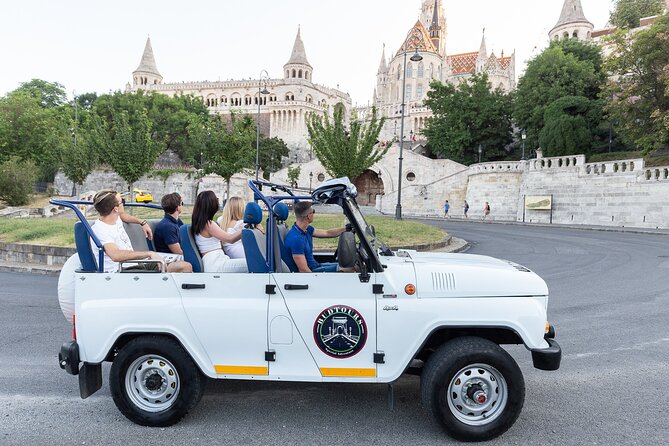
One drawback: it’s a lot of ground for 3–4 hours. Expect outdoor photo time and quick stops, and if you’re in an open-top vehicle, plan for cold wind—wrap up warm.
In This Review
- Key highlights you’ll actually feel during the tour
- Why This Best-of Budapest Route Works in 3–4 Hours
- Hotel Pickup, Private Guide, and What Your Money Covers
- Gellért Hill and Citadella: Danube Views Plus the Liberation Monument
- Castle Garden Bazaar to Fisherman’s Bastion: Photo Stops That Feel Like a Story
- Matthias Church Inside: The Included Stop You’ll Want to See Longer
- Buda Castle and the Big UNESCO Name: Seeing the Context Around the Symbols
- Parliament Area and Nyugati Station: Two Different Kinds of Grand
- St. Stephen’s Basilica: The Tallest Tower in Budapest (With Included Entry)
- Andrássy Avenue and the Opera Zone: UNESCO Boulevard to the House of Terror Area
- Heroes’ Square to City Park: The Millennium Monument and Why People Hang Here
- Dohány Street Synagogue and Central Market Hall: Architecture and Shopping You Can Touch
- Liberty Bridge and the Gellért Thermal Baths Finish: Iconic Views Without Forcing a Spa Cost
- Price and Logistics: Is It Worth $516.68 per Group?
- Who This Tour Suits Best (and Who Might Want Something Different)
- Should You Book This Best of Budapest Tour?
- FAQ
- How long is the Best of Budapest tour?
- What time does the tour start?
- Is hotel pickup and drop-off included?
- What entrance tickets are included?
- Are there any other places that require admission fees?
- Is this a private tour?
- What’s included in the price, and what’s not?
- Is cancellation free?
Key highlights you’ll actually feel during the tour
- Private group up to 6: quieter pace and more attention than big-bus crowds.
- 9:00 am pickup with hotel or cruise pickup help, so you start sightseeing already in motion.
- Two included church entries: Matthias Church and St. Stephen’s Basilica.
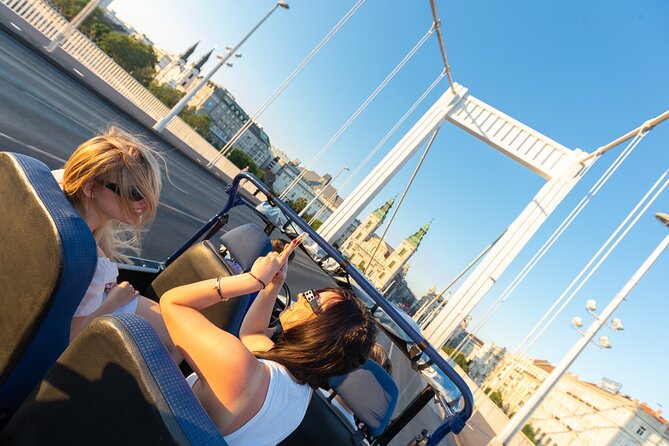
- Iconic viewpoints early at Gellért Hill and Citadella, with Danube-and-bridge views.
- Smart mix of views and time on streets: Castle Quarter, Andrássy Avenue, Heroes’ Square, and Central Market Hall.
- Free stops most of the way: many major sights are covered without buying extra tickets on the spot.
Why This Best-of Budapest Route Works in 3–4 Hours
This tour is designed for the “first-time in Budapest” mindset: you want the highlights, but you also want to understand how the city parts connect. The schedule leans on viewpoints and architecture, then lands you in areas where you can keep walking afterward if you want more.
The pacing is fast, but not random. You move in a logical arc from Buda-side views down toward Pest-side landmarks, with a stop-and-look rhythm that fits the time window.
You can also read our reviews of more tours and experiences in Budapest.



Hotel Pickup, Private Guide, and What Your Money Covers
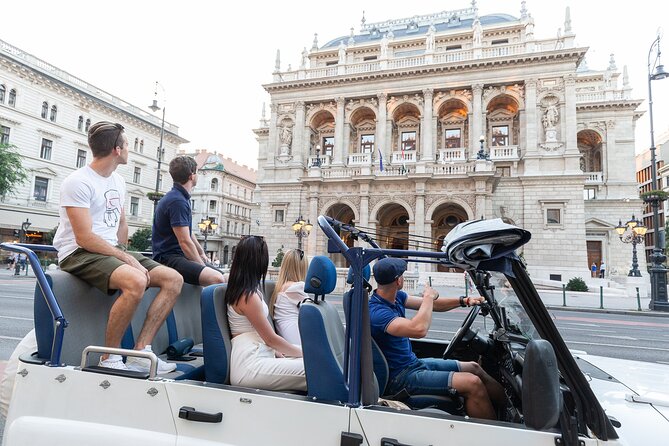
The biggest value for your group is the pickup and drop-off plus the private guide setup. You’re paying $516.68 per group (up to 6), so the cost works best when you fill those seats with friends or family. If you’re a solo traveler, it can still be worth it if you really want a guided shortcut through the city’s top sights.
Tickets are also handled in a practical way. Entry is included for Matthias Church and St. Stephen’s Basilica. Other key sights along the route are mostly free to access, though only the upper level of Fisherman’s Bastion requires an admission fee, and some interiors (like the Opera House) aren’t included.
One more small detail that matters: this is offered in English, and it’s described as a private activity with only your group. That usually means fewer waiting games and more direct answers when you ask questions.
Gellért Hill and Citadella: Danube Views Plus the Liberation Monument
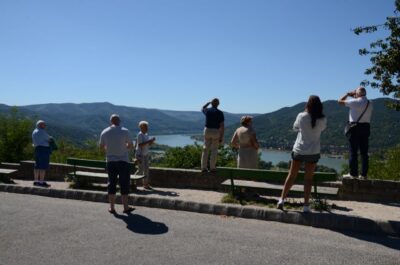
You start with Gellért Hill, and that choice is smart. The climb is short, but it puts you above the city in time for a classic “Budapest postcard” moment. From the lookout area, you can take in the Danube, the bridges, and the Buda Castle area in one wide sweep. Even if you only get a few minutes at the best spot, it’s enough to orient you.
Then comes Citadella, perched on the same hill. This fortress-style viewpoint includes the Liberation Monument, a dramatic statue connected to Hungary’s fallen heroes. It’s also tied to UNESCO World Heritage status, which gives the stop an extra layer of meaning beyond photos.
If you’re sensitive to wind and cold, plan ahead. Hilltop weather can change quickly, and this part is outside for at least part of the time.
Castle Garden Bazaar to Fisherman’s Bastion: Photo Stops That Feel Like a Story
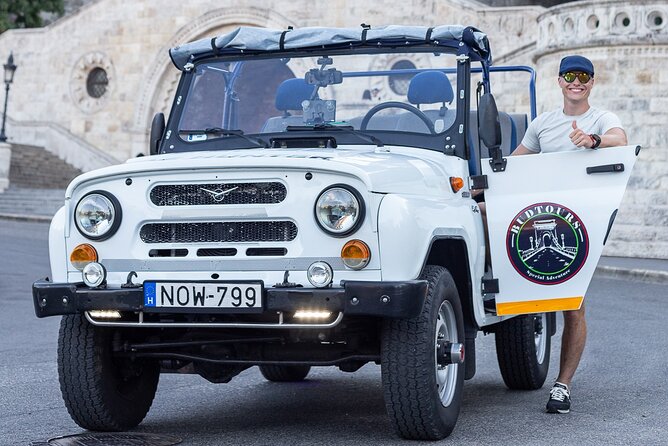
After the big views, the route shifts into the Castle Quarter mood. The Castle Garden Bazaar sits inside the Buda Castle complex area, described as a Neo-Renaissance style space that often hosts exhibitions, concerts, and dance shows. Even with short time, it’s a nice contrast to the hilltop viewpoints—more strolling energy, less “stand and shoot.”
Then you reach Fisherman’s Bastion, one of the most recognizable silhouettes on Castle Hill. It looks old, but the key detail here is that it was built in the early 20th century to celebrate Hungary’s 1000th birthday. That history makes the place feel less like a fantasy set and more like a planned symbol.
You’ll have time for photos and for the viewpoints over the Danube. Just know that only the upper level needs an admission fee, so you can decide how much time you want to spend there.
Matthias Church Inside: The Included Stop You’ll Want to See Longer
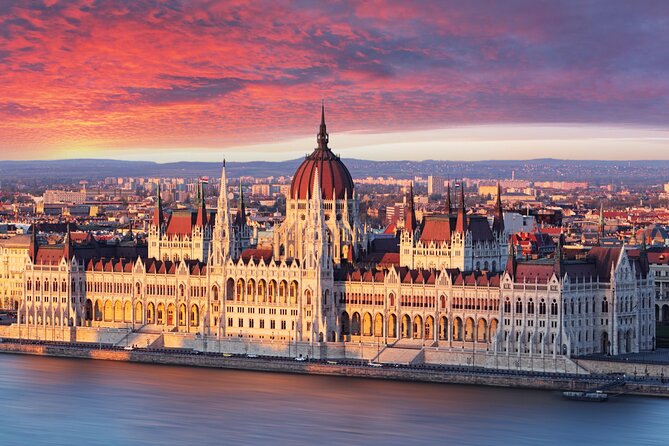
The tour’s most “hands-on” cultural interior is Matthias Church. The included entry is a big deal because church interiors often take the longest if you’re doing everything on your own. Here, you get that time built in: about half an hour is set aside.
What makes Matthias worth your attention is how it doesn’t stick to one visual theme. Its interior is described as a mix of oriental flair and romantic historicism, topped with Neo-Gothic vibes. That blend can feel surprising in person, and it’s exactly the kind of contrast that helps you understand why Budapest’s architecture doesn’t follow one single style.
If you only have limited time and you’re choosing what to prioritize, Matthias Church is the place where the included ticket feels most “useful,” not just convenient.





Buda Castle and the Big UNESCO Name: Seeing the Context Around the Symbols
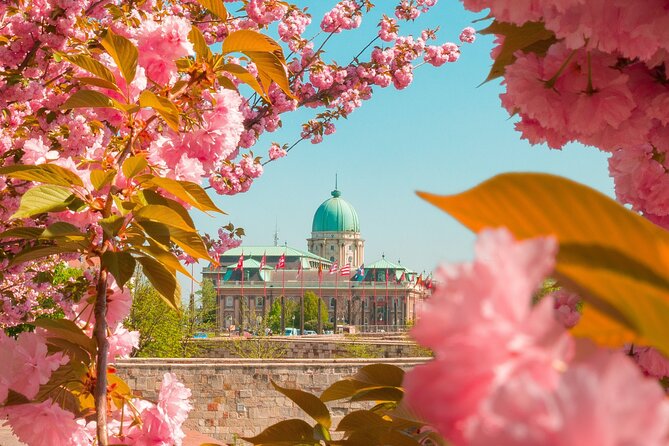
You don’t just look at a single building here. You get a sense of the broader Buda Castle complex, which is described as a palace area that once housed Hungarian kings and now sits as part of a UNESCO World Heritage Site. The quarter includes a mix of Medieval, Baroque, and Neoclassical styles, so you’re not looking at one era—you’re seeing a timeline.
In practical terms, this helps you connect what you saw from the hilltops. When you take those first Danube-over-bridge views, the Castle Hill area becomes a destination. Later, when you walk through this part of the quarter, it stops being a distant skyline and turns into something you can picture clearly.
Parliament Area and Nyugati Station: Two Different Kinds of Grand
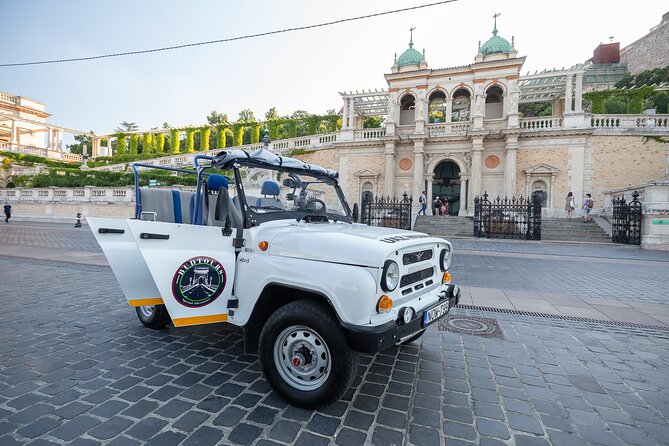
Crossing toward Pest-side icons, you’ll pass by the Hungarian Parliament Building. It’s described as neo-Gothic, the grand home of Hungary’s National Assembly, and a major tourist magnet. In other words: it’s the “Budapest pride” building. Even without going inside, seeing it from the outside gives you a clear anchor for photos along the Danube.
Next, you’ll also pass Budapest Nyugati station. This is one of those landmarks that feels both historic and slightly playful. Nyugati dates back to 1877, and it’s also known for housing one of the world’s fanciest McDonald’s spots next to a revived square with trendy bars and cafés. It’s a reminder that Budapest didn’t freeze in time—modern life moves right beside the old grandeur.
St. Stephen’s Basilica: The Tallest Tower in Budapest (With Included Entry)
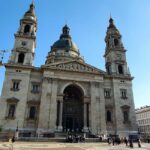
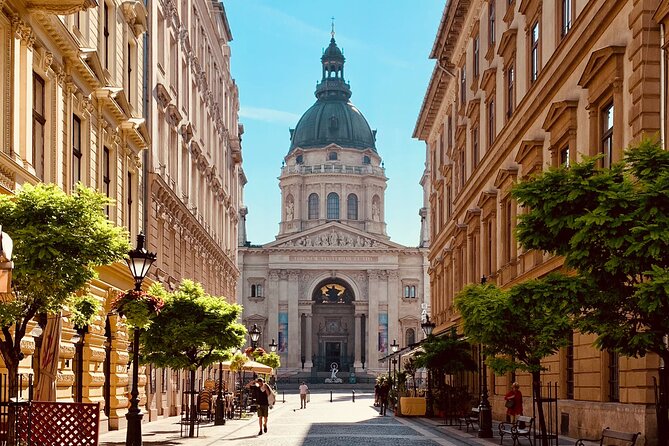
St. Stephen’s Basilica is another included ticket stop, and it’s placed well in the route. The basilica honors Hungary’s first king, and it’s described as the third largest church in Hungary and the tallest church in Budapest, with World Heritage status.
Inside, you’re getting a major architectural and cultural stop without paying extra for the entry ticket. The tour gives you about 20 minutes, which is short enough to stay focused and long enough to see the main features rather than just glance at the façade.
This is also a good “reset moment.” After hills, monuments, and fast street movement, it’s a chance to slow down, stand still, and let the scale of the building land.
Andrássy Avenue and the Opera Zone: UNESCO Boulevard to the House of Terror Area
One of Budapest’s signature streets is Andrássy Avenue, recognized as UNESCO and lined with Neo-Renaissance buildings. The tour gives you time to walk and absorb the feel: upscale shops, cafés, restaurants, and a formal boulevard vibe.
You’ll also get a look at the Hungarian State Opera House from the outside. The description highlights the neo-Renaissance styling and a symmetrical façade with composer sculptures. It also mentions that the interior is known for marble, frescoes, and gold accents, though entry isn’t included, so think of this as an exterior and photo moment unless you plan another visit on your own.
As you move along the avenue, you’ll also pass by the House of Terror at 60 Andrássy Avenue. This museum and memorial is dedicated to Hungary’s struggles under fascist and communist regimes. The tour framing is essentially “see it from the route,” not a full museum visit, so if that topic is a priority for you, it’s worth planning a separate time.
Heroes’ Square to City Park: The Millennium Monument and Why People Hang Here
The schedule then points you to Heroes’ Square, known for the Millennium Monument with statues of important Hungarian leaders and the Seven Chieftains of the Magyars. It sits at the end of Andrássy Avenue near City Park, so it feels like the boulevard’s finale—big, formal, and made for photos.
From there, you head to Varosliget/City Park. This is a good stop because it mixes recreation with recognizable landmarks. The data calls out several options nearby:
- A major thermal bath culture stop (the bath requires payment to enter)
- A zoo and circus (also ticketed)
- Vajdahunyad Castle, a multi-style structure built for the Millennium celebrations
- Views from walking or crossing near the lake area
Even with limited time, you’ll get the sense of why locals and visitors treat this park like a playground. If baths or the zoo are your priority, you’ll want extra time later, but as a tour preview, it works well.
The route also mentions New York Palace, a café spot that has been chosen as café of the year several times. It’s the kind of stylish pause that’s perfect if you’re walking straight past it and want a quick drink.
Dohány Street Synagogue and Central Market Hall: Architecture and Shopping You Can Touch
Next comes the Heroes’ Temple Synagogue area on Dohány Street, also called the Dohány Street Synagogue / Great Synagogue. It’s described as Europe’s biggest synagogue with Moorish Revival architecture—so visually, it’s hard to miss. The tour notes that admission isn’t included, so this is mainly a brief stop to see the outside.
Then you reach Central Market Hall, one of Budapest’s best “walk in and smell the place” experiences. You’ll get about 40 minutes here, and that time is valuable because you’re in an indoor market setting with late-19th-century architecture and a full, active layout. It’s described as the oldest and largest indoor market, and it’s positioned next to Liberty Bridge and near the end of Váci utca.
If you’re the type who likes practical travel souvenirs—food, spices, paprika, small gifts—this is the moment. It’s also where you can turn your route into real life: try snacks, compare prices, and buy something you’ll actually use later.
Liberty Bridge and the Gellért Thermal Baths Finish: Iconic Views Without Forcing a Spa Cost
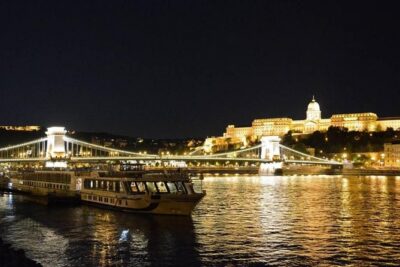
To round out the Danube vibe, you pass Liberty Bridge. It’s described as an Art Nouveau icon with mythological sculptures and Hungary’s coat of arms. The bridge also ties to the Millennium World Exhibition, and it connects Buda and Pest between well-known squares.
After that, the tour ends with the Gellért Thermal Bath and Swimming Pool area at the Hotel Gellért side. This stop is more about seeing the setting than paying for entry. The thermal baths are described as historic, dating to the early 20th century, with thermal springs that are meant for relaxation and recovery. Since admission isn’t included, think of it as a visual send-off—and a reason to plan a bath visit on another day.
Price and Logistics: Is It Worth $516.68 per Group?
For a group of up to 6, $516.68 per group can be a strong value when you compare it to the time saved and the included entries. You’re getting:
- Hotel pickup and drop-off
- A private English-speaking guide
- Entry tickets included for two major churches
- Many major sightseeing stops without paid entry (with a clear note that some places charge, like the upper level of Fisherman’s Bastion)
If you’re splitting it with a few people, the effective cost per person drops fast. If you’re traveling solo or as a couple, it can still make sense if you prefer guided time over coordinating transit and sorting tickets yourself—especially because the route is dense and designed to work inside a 3–4 hour window.
This tour is also booked fairly far in advance (on average 82 days). If your dates are fixed, I’d treat it as a popular slot and lock it in early.
Who This Tour Suits Best (and Who Might Want Something Different)
This tour is a great fit if:
- You want the main highlights in a short time.
- You like photo viewpoints plus a couple of meaningful interiors.
- You’d rather have one plan and let the guide manage the flow.
You might want a slower, more specialized tour instead if you:
- Want lots of time inside museums (House of Terror and Opera aren’t included).
- Want full bathing time at Gellért Baths or a full zoo-and-circus day at City Park.
- Prefer long shopping sessions at the market without time pressure.
The tour is efficient, not leisurely. That’s the point.
Should You Book This Best of Budapest Tour?
Yes, if you’re booking Budapest with limited time and you want a smooth, structured route that hits the big Budapest icons plus two included church interiors. The private group format, pickup, and ticket coverage make it feel less like a checklist and more like a guided “what to see first” plan.
No, if your ideal day is slow walking, multiple museum interiors, and a long pause for baths or attractions. In that case, you’ll enjoy Budapest more by adding separate time blocks for the places that charge admission or take longer than a 5–30 minute stop.
FAQ
How long is the Best of Budapest tour?
It runs for about 3 to 4 hours.
What time does the tour start?
The start time is 9:00 am.
Is hotel pickup and drop-off included?
Yes. Hotel pickup and drop-off are included, and pickup details are provided when you book.
What entrance tickets are included?
Entry tickets are included for St. Stephen’s Basilica and Matthias Church.
Are there any other places that require admission fees?
The upper level of Fisherman’s Bastion requires an admission fee. The tour also notes that some attractions at City Park (like the bath, zoo, and circus) require payment to enter. The Opera House interior and the Great Synagogue are not included.
Is this a private tour?
Yes. It’s private, and only your group participates (up to 6).
What’s included in the price, and what’s not?
Included: pickup/drop-off, a private guide in English, complete flexibility, and the two included church entries. Not included: alcoholic beverages.
Is cancellation free?
Yes. You can cancel for a full refund up to 24 hours before the experience start time.