REVIEW · BUDAPEST
Budapest : Must-see attractions walking tour
Book on GetYourGuide →Operated by Guydeez Tours · Bookable on GetYourGuide
Budapest can be a lot on day one. This private 2-hour walking tour gets you oriented fast, with major sights tied to clear stories, architecture, and everyday life. You start at Erzsébet tér and glide through the city’s signature viewpoints along the Danube, finishing at the Hungarian Parliament.
I especially like the private, customizable format. It means you can steer small detours toward what you actually care about, and you get your guide’s attention without a crowd vibe.
One consideration: it’s only two hours, so you’ll see highlights rather than lingering long at any single spot. If you want deep museum time or lots of photo stops at one location, you’ll need an extra plan.
In This Review
- Key highlights I’d pencil in first
- Why a private 2-hour walk is a smart first move
- Starting at Kempinski Hotel Corvinus on Erzsébet tér
- St. Stephen’s Basilica: big scale, clear architectural cues
- St. Stephen’s Square and the public art with a sense of humor
- József nádor tér: Habsburg threads and painted ceramics
- Vörösmarty Square to the end of Váci utca: city energy, without the chaos
- Danube Embankment panoramas: the views you’ll keep using
- Vigadó Square: Franz Joseph and Sissy’s coronation banquet story
- Chain Bridge and Gresham Palace: engineering meets secessionist style
- Finishing at the Hungarian Parliament Building: neo-Gothic plus modern context
- Price and value: what $29 buys you in real terms
- Who should book this, and who should not
- A quick note on guides, languages, and customizing your route
- Should you book this Budapest must-see walking tour?
- FAQ
- How long is the Budapest must-see attractions walking tour?
- Where does the tour start and end?
- What’s included in the tour price?
- Is the tour private?
- What languages are available for the live guide?
- What is the cancellation and payment flexibility?
Key highlights I’d pencil in first

- Kempinski Hotel Corvinus meetup at Erzsébet tér for an easy start point
- St. Stephen’s Basilica + St. Stephen’s Square with architecture, public art, and food culture context
- Danube Embankment viewpoints aimed at Castle Hill, Matthias Church, Fisherman’s Bastion, Buda Castle, and Gellért Hill
- Little Princess Statue stop for a quick secret wish moment before you head onward
- Chain Bridge + Gresham Palace connected through engineering history and secessionist style
- Hungarian Parliament Building finish with neo-Gothic architecture plus election-era context
Why a private 2-hour walk is a smart first move
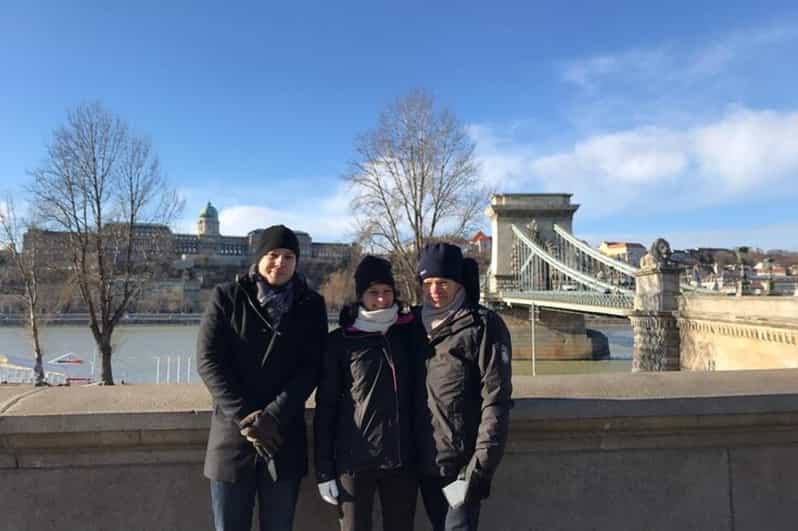
Budapest feels like two cities in one: Buda’s hills and views, and Pest’s wide streets and big landmarks. This tour is designed to help you connect the dots quickly, without wasting your limited first day time. You get a guide who can translate what you’re seeing into something you’ll remember later.
The best part is the pacing. In about two hours, you hit the kinds of places you’d otherwise bounce around to on your own—without knowing where to start or what to notice. For first-timers, that orientation alone is worth a lot.
You’ll also get practical cultural context. The guide doesn’t just name buildings. You’ll hear how public art fits the city’s identity, how Hungarian culinary art shows up in everyday traditions, and a bit of basic Hungarian language to make street interactions easier.
You can also read our reviews of more walking tours in Budapest


Starting at Kempinski Hotel Corvinus on Erzsébet tér
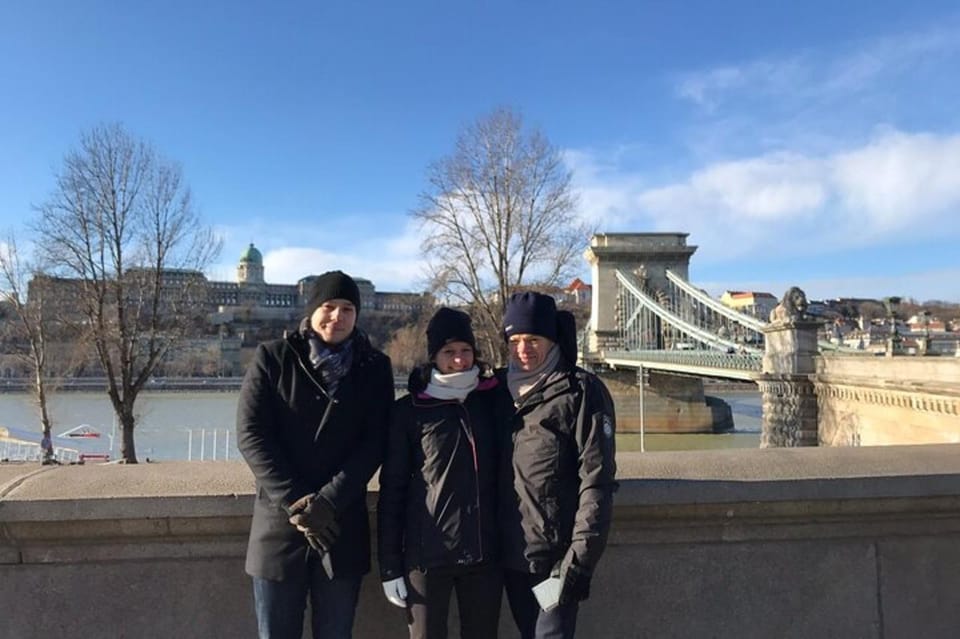
You meet in front of the Kempinski Hotel Corvinus Budapest. From there, the tour begins around Erzsébet tér (Elizabeth Square), which is a strong launchpad because it sits close to the action and helps you settle your bearings right away.
This start matters more than it sounds. When you begin near a major square, you’re less likely to feel lost in the first 20 minutes. Also, you’re positioned to move into St. Stephen’s area and the city center efficiently.
If you’re the type who likes a plan but hates rigid timetables, the private format helps. You can ask questions as you go, and the guide can tweak the flow based on your interests.
St. Stephen’s Basilica: big scale, clear architectural cues
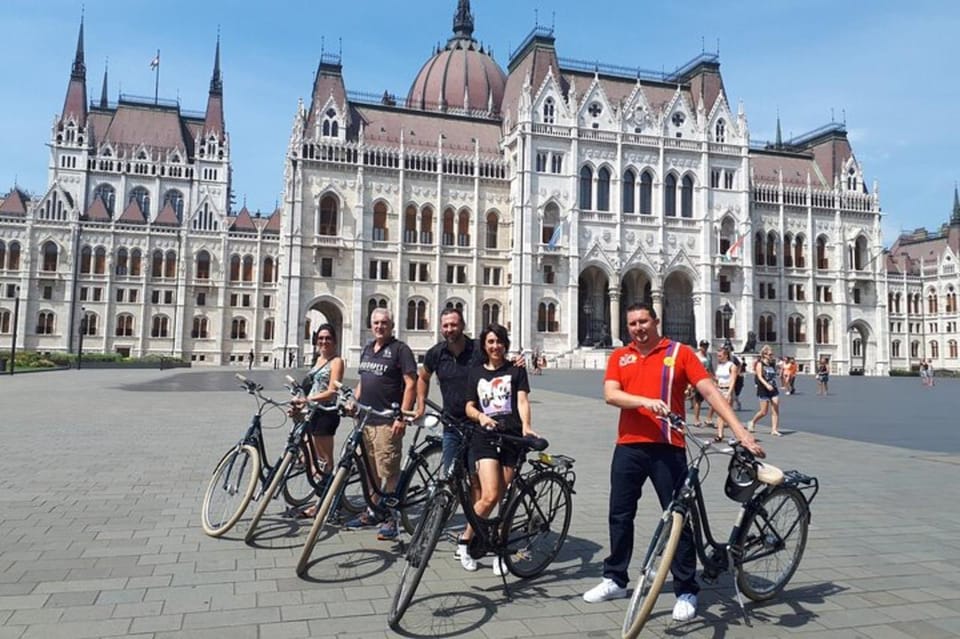
St. Stephen’s Basilica is the kind of church that dominates the skyline, and this tour gives you the “why” behind that impression. You’ll learn about its architecture and history, which helps you look beyond the postcard angles.
What makes this stop valuable is how your guide connects the building to the city’s broader identity. Even if you’re not a deep church-history person, the explanations can help you notice details you’d otherwise walk past.
Practical tip: plan for some walking uphill and around the area. It’s part of the experience here—mostly exterior viewing with guided context—so comfort shoes are a good call.
St. Stephen’s Square and the public art with a sense of humor
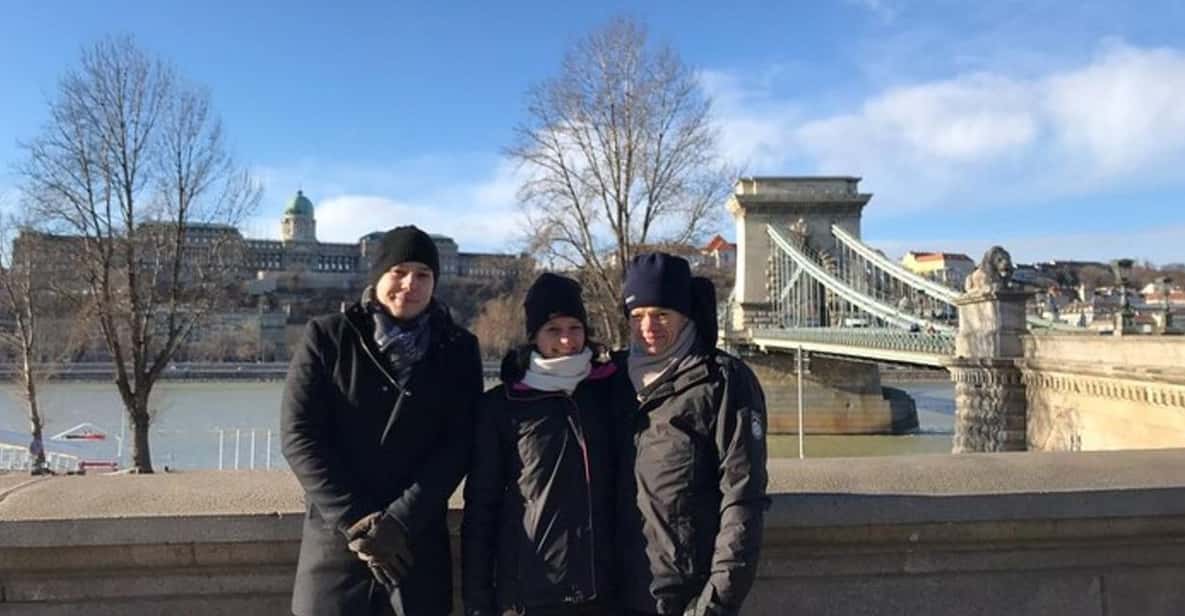
From the basilica area, you move into St. Stephen’s Square, where public art creates a memorable conversation starter. You’ll see depictions of fat policemen, and you’ll learn how that kind of artwork fits into Hungarian cultural storytelling.
This is one of those stops I like because it doesn’t feel like a checklist item. It feels like you’re learning how the city talks—sometimes seriously, sometimes with a wink. And since the guide also shares information about Hungarian culinary art and history, the square becomes more than just scenery.
If you’re the kind of traveler who likes to understand how locals see themselves, this is a smart moment to slow down. The city is full of symbolism, and this is an easy entry point.
József nádor tér: Habsburg threads and painted ceramics
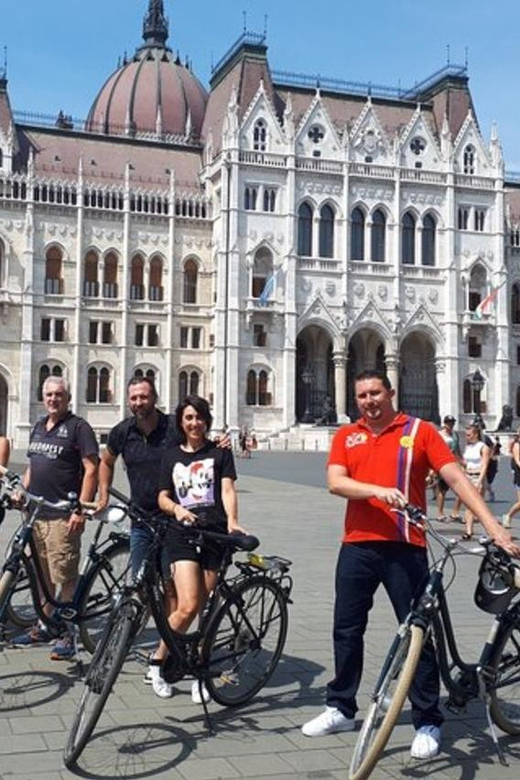
Next comes József nádor tér, where the story turns toward Hungarian Habsburg history. This stop works well because it ties a political era to something you can actually see. You’ll also get to look at exquisite hand-painted porcelains and colorful ceramics, which gives the tour a tactile, eye-candy side.
Even if you don’t consider yourself a history buff, this kind of stop makes the political story more human. It’s easier to remember eras when they’re linked to objects, art styles, and craft traditions.
What to watch for: look at color and design choices in the ceramics. The point here isn’t to become an expert—it’s to train your eyes so you feel like you’re collecting impressions, not just photos.






Vörösmarty Square to the end of Váci utca: city energy, without the chaos
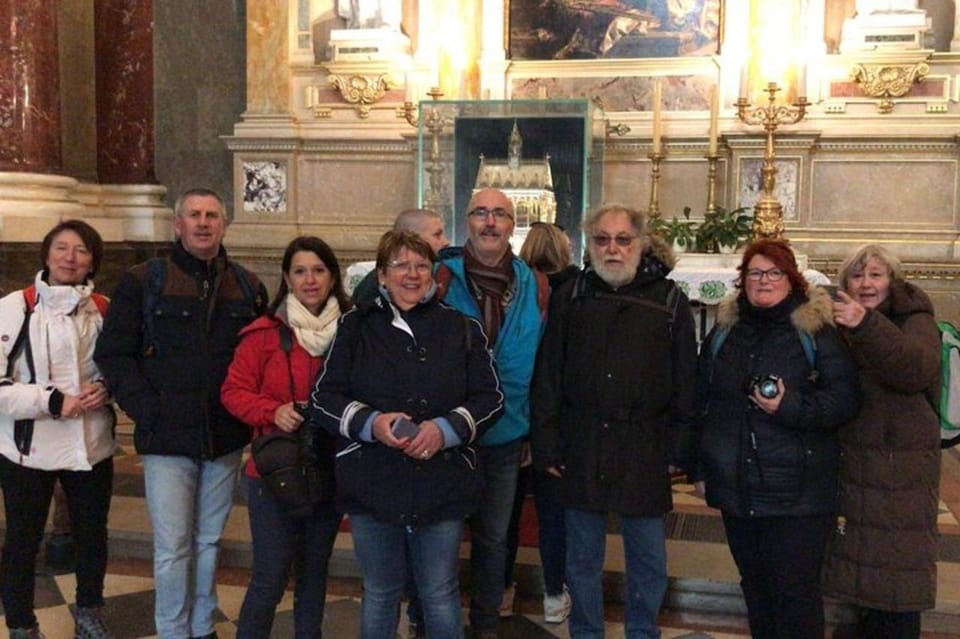
You’ll head to Vörösmarty Square, a great place for people-watching, and then toward the pedestrian stretch of Váci utca. This is where the tour shifts from monumental sights to everyday city feel.
I like this part because it reminds you that Budapest isn’t only monuments. It’s also shopping streets, casual conversations, and quick street-life moments. When you finish walking, you’ll have a better sense of where you’d want to return on your own.
This section is also useful if you’re building a next-day plan. After a short sit-and-watch at Vörösmarty, it becomes easier to decide whether you want more time on the shopping pedestrian streets, or pivot toward museums and viewpoints.
Danube Embankment panoramas: the views you’ll keep using
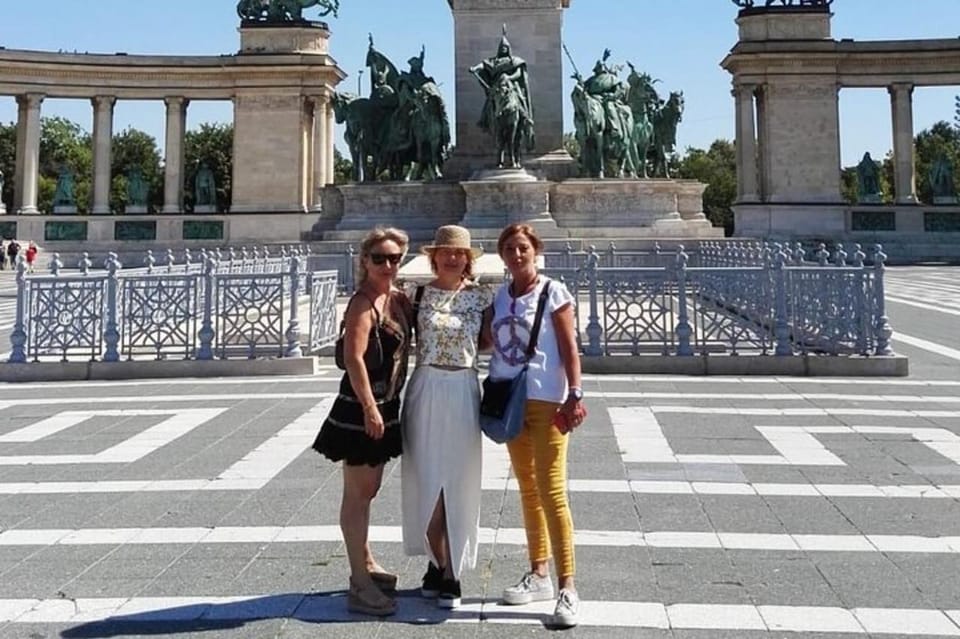
One of the strongest segments is the walk along the Danube Embankment. This isn’t just “pretty water.” It’s a built-in orientation lesson for the geography of Budapest.
Your guide points out panoramic sights you’ll want to remember from postcards and guidebooks:
- Castle Hill
- Matthias Church
- Fisherman’s Bastion
- Buda Castle
- Gellért Hill with Citadel
Once you’ve seen those from the embankment angle, future exploring makes more sense. You’ll be able to understand where “up on the hill” actually is, and why different neighborhoods feel connected but distinct.
A quick, fun stop comes next: the Little Princess Statue. You’ll pause here for a secret wish before continuing. It’s brief, but it’s exactly the kind of moment that makes a short tour feel personal and memorable.
Vigadó Square: Franz Joseph and Sissy’s coronation banquet story

You’ll continue to Vigadó Square, where the guide connects the location to Franz Joseph’s and Sissy’s coronation banquet. This is history told through place, and that’s one of the best ways to learn in a city like Budapest.
What I like about this stop is that it adds character to the surrounding streets. Suddenly, you’re not just walking through an open area—you’re standing where an event tied to the monarchy once unfolded.
If you enjoy narrative travel, this is the point where your brain starts connecting the dots between architecture, politics, and symbolism across the city center.
Chain Bridge and Gresham Palace: engineering meets secessionist style
The tour then turns to the story of the Chain Bridge, including what makes it historically significant. After that, you’ll admire Gresham Palace and learn about its secessionist character.
This combo is smart. It pairs a landmark bridge that changed how people moved with a building style that changed how people looked at design. You get both city function and city aesthetics in a short window.
If you like “how it works” details, your guide’s explanations here can be satisfying. You’ll understand why the bridge became iconic and what design language you’re seeing at Gresham Palace.
Finishing at the Hungarian Parliament Building: neo-Gothic plus modern context
The tour ends at the Hungarian Parliament Building, where you’ll learn about its neo-Gothic architecture. You’ll also hear about more recent history, including elections and what that means in Hungary’s political story.
This final stop is effective because it widens the lens. Early on, you’re focused on monuments and landmarks. Near the end, the guide connects the city’s physical landmarks to modern civic life.
If you plan to visit Parliament later on your own, this finish helps you decide how much time to budget. You’ll know what to look for, and you’ll understand the building’s broader role beyond “big and famous.”
Price and value: what $29 buys you in real terms
At $29 per person for a private tour lasting about 2 hours, the value comes from three things: time saved, context added, and access to a real guide.
First, the time is tight but efficient. You’re not trying to build a perfect route from scratch. You’re also not spending your first day staring at street maps like a stressed-out extra in a travel movie.
Second, context matters more than most people think. A list of sights is easy. The skill is knowing what to notice at each stop—architecture cues, public art meaning, and why these places matter. In a short tour, that’s what turns “I saw buildings” into “I understood the city.”
Third, privacy makes questions easy. You can ask about what you’re confused by as you go, rather than saving questions for later when you might not remember what sparked them. That’s a big part of why this format tends to land well for first-timers.
Who should book this, and who should not
This tour is a good fit if you:
- are visiting Budapest for the first time and want a fast, coherent highlights route
- like learning how a city’s landmarks connect to culture and everyday life
- prefer a guide who can answer questions on the fly
- want a short plan that still leaves space to roam after
It may be less ideal if you:
- want lots of time inside buildings or long museum stops
- plan to do multiple major indoor attractions on the same day and need slower pacing
- dislike walking in city-center crowds for any stretch (since you’ll pass through lively public areas)
A quick note on guides, languages, and customizing your route
The live guide leads in English, Spanish, Italian, and French, and the tour is wheelchair accessible. It’s also set up as a private group, so you won’t be merged with strangers.
One small but important detail: the tour includes walking and public transport as needed, unless you select an option that changes that balance. That helps keep the route efficient without turning it into a full-day walking mission.
Customization is part of the deal, and that’s where the tour can feel different from generic city circuits. If you’re more into architecture, public art, food culture, or viewpoints, your guide can steer emphasis accordingly.
Should you book this Budapest must-see walking tour?
If you want a fast route that teaches you what you’re looking at, I’d book this. The combo of major landmarks, Danube embankment viewpoints, public art stops, and a finish at Parliament gives you a strong “mental map” of Budapest in just two hours.
Two reasons to lean in: the tour is private, and the guide’s explanations focus on more than just naming places. You’ll walk away with useful context and plenty of ideas for what to do next.
If you’re someone who needs long stays at single attractions, pair it with a later visit to the places you care about most. Do this tour first for orientation, then go deep afterward.
FAQ
How long is the Budapest must-see attractions walking tour?
It lasts 2 hours.
Where does the tour start and end?
It starts and ends at Erzsébet tér 7, meeting your guide in front of the Kempinski Hotel Corvinus Budapest.
What’s included in the tour price?
The tour includes a private and exclusive guided experience, customization, walking tour and public transport (except if you select one of the options), and help to book tickets for the visits you want.
Is the tour private?
Yes. It’s a private group with no one else in your group.
What languages are available for the live guide?
The guide is available in English, Spanish, Italian, and French.
What is the cancellation and payment flexibility?
There is free cancellation up to 24 hours in advance for a full refund, and you can reserve now & pay later.