REVIEW · BUDAPEST
3-Hour Orientation Walking Tour of Buda and Pest
Book on GetYourGuide →Operated by Tourist Angel · Bookable on GetYourGuide
Budapest hits different when you see Buda and Pest as one story. This 3-hour orientation walk takes you through the city’s most recognizable landmarks and shows how the views connect across the Danube, with a local guide who keeps it practical and funny. I especially like that you get a guided mix of Matthias Church and St. Stephen’s Basilica plus a real public-transport crossing, not just photos. One thing to consider: it’s mostly on foot, so you’ll want good shoes and a bit of stamina for a fast 3 hours.
If it’s your first day in town, this tour helps you get your bearings fast. You’ll see the big architectural anchors of both sides of the river, and your guide will answer questions as you go. It’s also a smart choice if you want history and modern life tied together, without sitting through a long lecture.
In This Review
- Key Takeaways Before You Go
- Why a 3-Hour Orientation in Budapest Makes Sense
- Meeting at St. Stephen’s Basilica and Starting With the Right Energy
- St. Stephen’s to the Hungarian Parliament: Symbols You Can Actually Read
- Public Transport Crossing: The Trick That Saves You Confusion
- Buda Castle and the Royal Palace: Where Views Feel Like a Time Machine
- Matthias Church: Details, Atmosphere, and Possible Tower Views
- The Real Star: The Local Guide (Not Just the Route)
- Group Size and Pace: Why Small Matters on Day One
- Price and Value: Is $41 Worth It?
- Who This Tour Is Best For
- Should You Book This Orientation Tour?
- FAQ
- FAQ
- How long is the 3-Hour Orientation Walking Tour of Buda and Pest?
- Where do we meet for the tour?
- What major sights does the tour include?
- Is the Danube crossing included in the tour, and how is it done?
- Are public transport tickets included in the price?
- What languages are available for the live guide?
- Is there free cancellation?
Key Takeaways Before You Go
- Meet at St. Stephen’s Basilica with an easy-to-find landmark: California Coffee Company
- Major sights in a tight 3 hours including Matthias Church, Buda Castle, and the Hungarian Parliament building
- Danube crossing by public transport so you learn the rhythm of the city, not just the skyline
- Guides who steer to your interests, with time for questions along the way
- Small-group or private options can make the pacing feel more personal and less rushed
Why a 3-Hour Orientation in Budapest Makes Sense
Budapest is one of those cities where the postcard views are only half the story. The other half is how the river splits the city—and how locals move between the hills and the streets. That’s why this kind of orientation walk is such good value.
For $41 for a 3-hour guided experience, you’re paying mainly for two things: someone local to interpret what you’re seeing, and an efficient route that strings together the top sights without wasting time. The public transport part matters too. Yes, you can technically visit these places on your own—but learning how to cross the Danube by transit early saves effort later, especially when you’re tired and you’d rather not guess.
You can also read our reviews of more walking tours in Budapest


Meeting at St. Stephen’s Basilica and Starting With the Right Energy
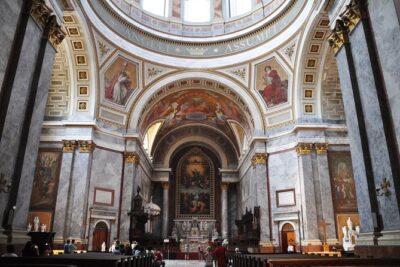
You start next to Saint Stephen’s Basilica, in front of the California Coffee Company coffee shop. It’s a solid meeting point because it’s a big visual anchor on the Pest side and easy to orient around.
From there, the tour sets a theme: Budapest isn’t just old buildings—it’s a city shaped by changing politics, shifting borders, and everyday life that continues right now. If your guide has you start at St. Stephen’s Basilica, you’re also in a great spot for first impressions. You’ll see the scale of the center, the way streets funnel toward major landmarks, and how quickly the city turns from casual sidewalks to grand architecture.
Practical note: because you’re in a busy landmark area, arrive a few minutes early so you’re not scrambling in a crowd. Bring a photo-ready layer, because you’ll likely want to stop often for viewpoints and details.
St. Stephen’s to the Hungarian Parliament: Symbols You Can Actually Read
After starting at St. Stephen’s, the route moves through Pest toward the Hungarian Parliament building area. This is one of those spots where the architecture is so dominant that it can feel like a backdrop—unless someone explains why it matters.
That’s where a good guide changes the whole experience. The tour is designed to connect “what you see” to “what it meant at the time,” and then to “how it shows up today.” Expect a mix of historical context and contemporary culture, framed in a way that’s easy to follow on a walking timeline.
What I like about this approach is that you don’t just end up with a list of monuments. You start learning how Budapest thinks in layers: royal eras and religious identity, then modern nation-building, then the everyday city life that grew around it.
Public Transport Crossing: The Trick That Saves You Confusion
One smart feature here is that the tour crosses the Danube from Pest to Buda using public transport. That means you’re not stuck doing a long walk uphill or relying only on taxis and guesswork. You’ll also learn the practical part—how to use the transit system efficiently.
Public transport tickets are not included. You’ll need 4 tickets per person for 1400 HUF total. Your guide can help you navigate which ticket option makes sense and how to buy or validate it so you don’t lose time.
In real terms, this is a huge quality-of-life benefit:
- You’ll understand the basic flow of getting between sides.
- You’ll see the city from both street level and transit level, which feels more like living here.
- After the tour, you can plan your next days with less friction.
If you’re the type who likes to return to places you’ve already seen but with a new route, this part pays off quickly.
Buda Castle and the Royal Palace: Where Views Feel Like a Time Machine
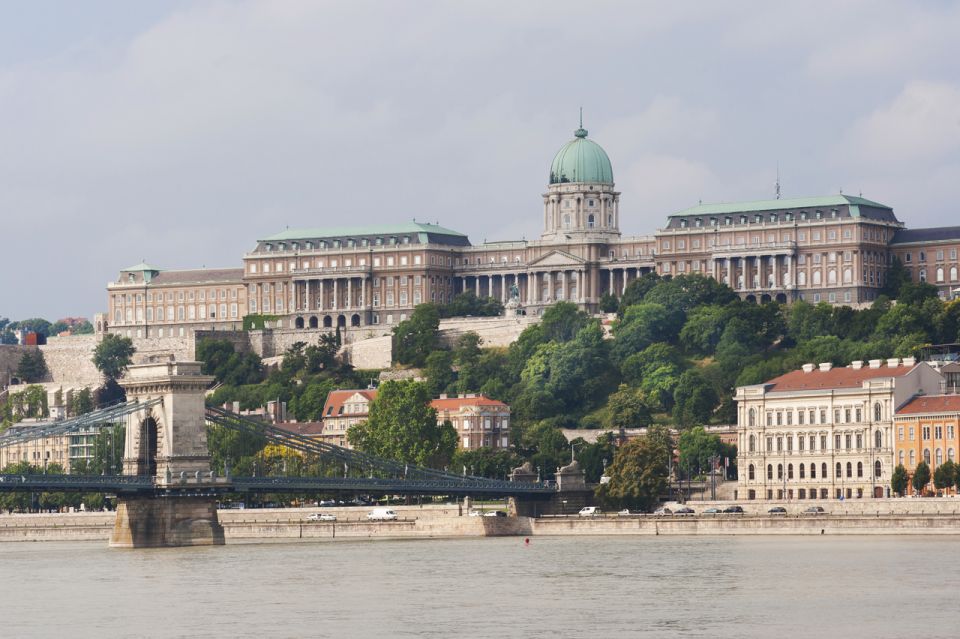
Once you’re on the Buda side, the tour heads toward Buda Castle and the Royal Palace area. This is where Budapest does the “big viewpoint” thing—wide sightlines, hilltop structure, and a skyline that looks different from every angle.
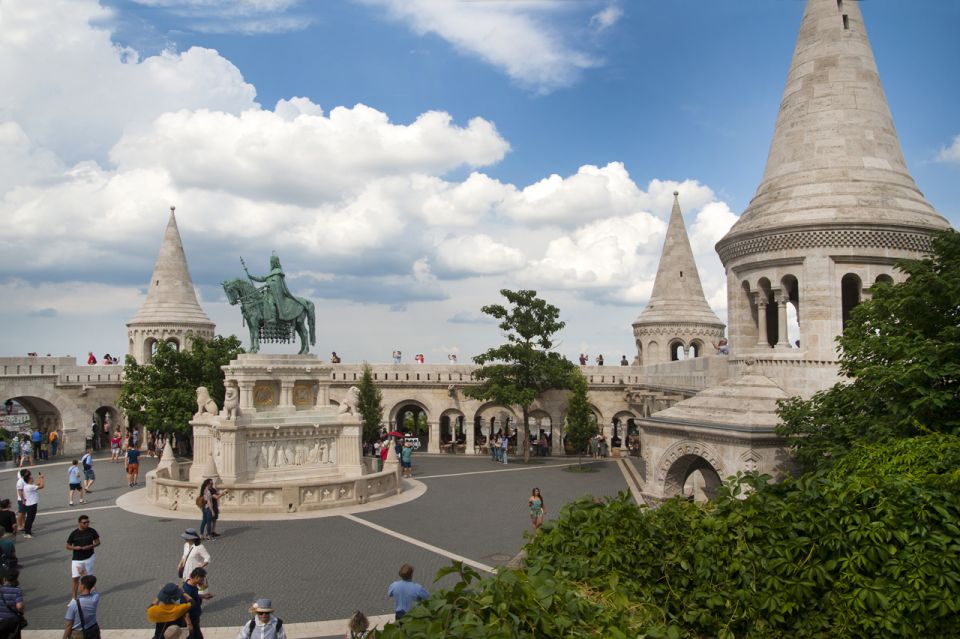
This area can feel overwhelming if you visit alone. You’ll see stone walls, arches, courtyards, and a whole cluster of buildings—but you might not know what’s connected to what, or which parts matter most.
On this tour, the guide’s job is to point out what to look for and why. You’ll get the “long and often turbulent” story of the city tied to the physical layout: what stands where, what changed, and how the space carries meaning beyond its looks.
One more thing you can count on: lots of stops. The tour is only 3 hours, but it’s built around pacing you through key areas rather than sprinting past everything. That makes it a better first-day experience for photos too, because you’re not constantly catching up.
You can also read our reviews of more tours and experiences in Budapest






Matthias Church: Details, Atmosphere, and Possible Tower Views
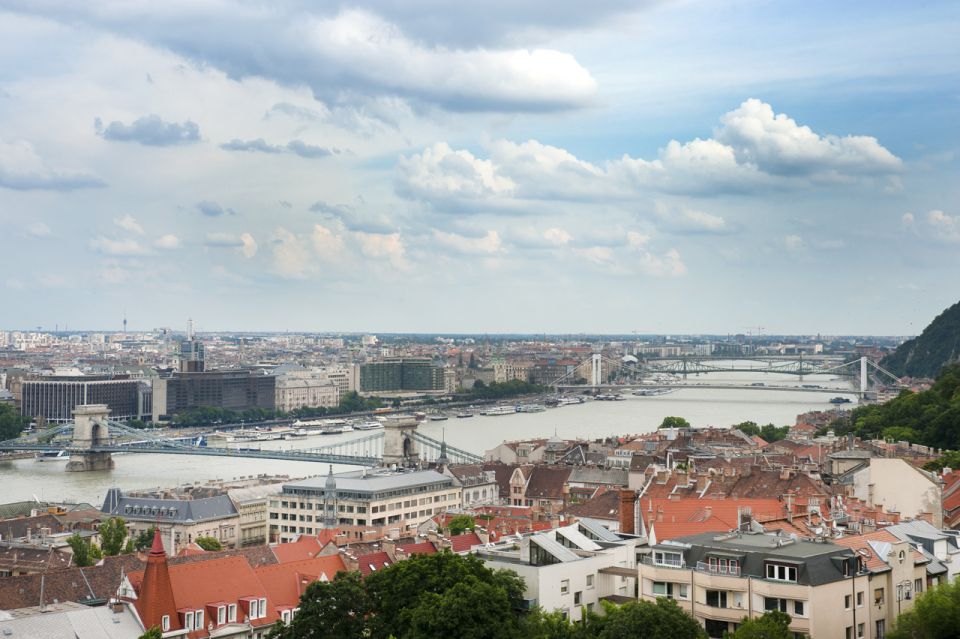
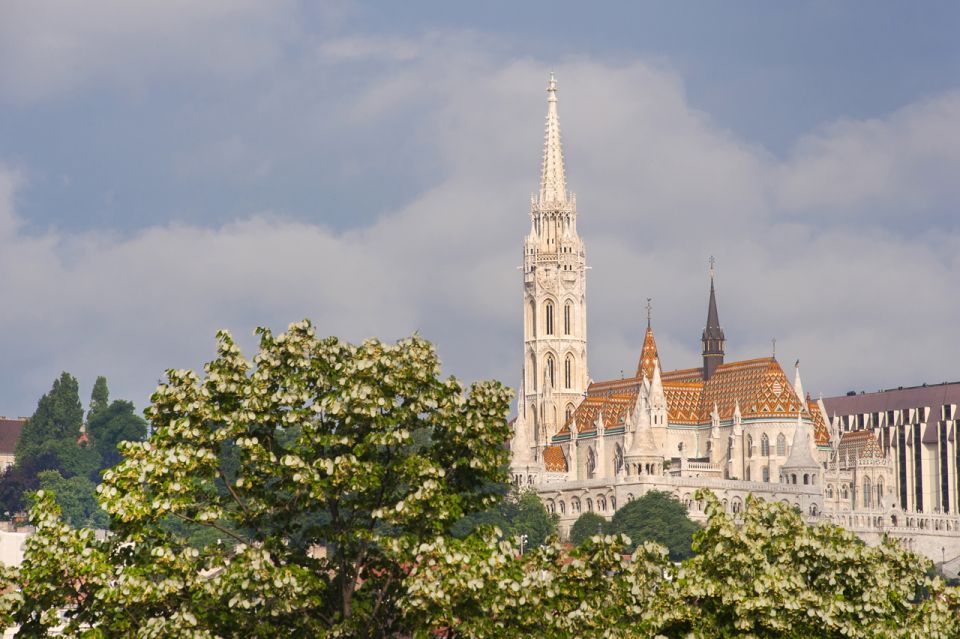
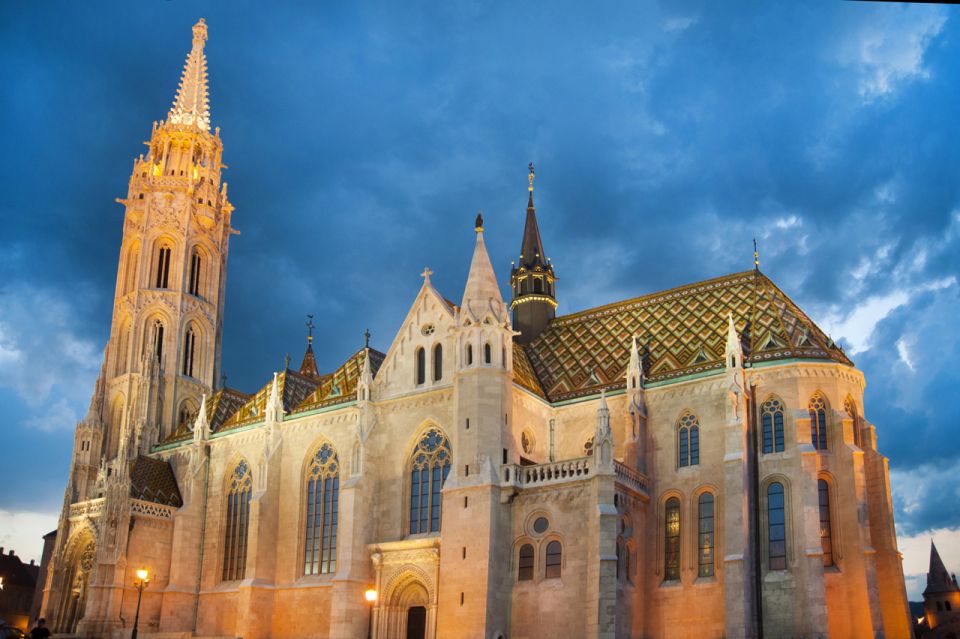
Matthias Church is one of the big draws of the Buda side, and it deserves it. The tour includes the church visit, and you’ll spend time there getting context instead of just snapping a picture and moving on.
In at least some instances, the experience also includes a tower climb connected to the church, which is where the payoff is real: the city spreads out below you and you finally see how Pest, the river, and the castle district relate.
Even if you don’t take the tower option (it’s not guaranteed in every setup), you’ll still get something useful: a sense of why Matthias Church is such a reference point in Budapest. Expect stories that connect religion and state power, plus guide commentary that makes the church feel like part of the living city rather than a museum piece.
Dress for the weather here. Buda Castle district areas can feel exposed, and even short climbs or waiting around viewpoints can get chilly fast.
The Real Star: The Local Guide (Not Just the Route)
Most walking tours are mostly walking. This one stands or falls on the guide—and the data you provided strongly points to consistent strengths: guides who make people comfortable quickly, keep a light energy, and can explain history without turning it into a textbook.
You may meet guides such as Zoli, Alexandra, Zsóka, Luisa, Verónika Lantos, or Monika. Across the examples, the common threads are:
- Clear, engaging explanations with room for questions
- Humor and a friendly pace that helps groups stay together
- Practical recommendations right after the tour
That last part is underrated. A good guide doesn’t just point at the next attraction—they often steer you to local food and smart ways to spend your remaining time. If you’re trying to plan a first trip, it’s worth prioritizing a tour where the guide feels like a translator between what you see and what you should do next.
Group Size and Pace: Why Small Matters on Day One
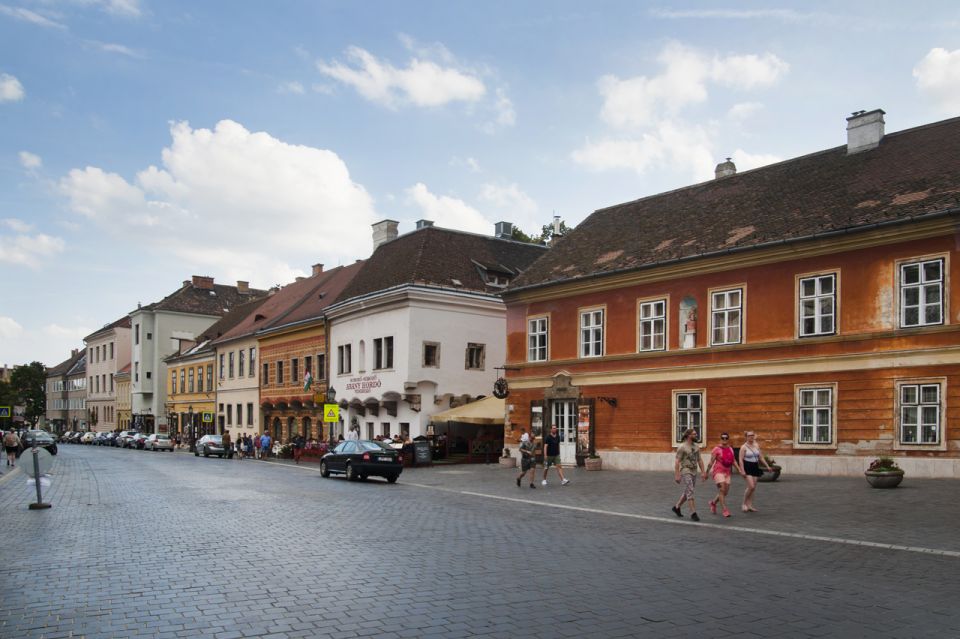
This experience can be private or in small groups. When a tour is small, it tends to work better for question-asking and flexibility, especially in places with crowds and tricky viewpoints.
From the information you shared, you can expect guides to adjust to what the group cares about. That’s helpful because Budapest has multiple “versions” depending on what you like: architecture, history, everyday culture, or just getting to the best views without stress.
If you hate feeling rushed, choose the small-group option. If you’re traveling with a mix of ages, small groups also make it easier to keep everyone moving at the same pace.
Price and Value: Is $41 Worth It?
Let’s talk value without hand-waving. At $41 per person for a 3-hour orientation, you’re buying:
1) A guided route that hits the most important sights on both sides of the Danube
2) Interpretive context so the landmarks mean something
3) A public transport crossing lesson that helps you move around independently later
The only additional cost you should budget is the public transport tickets: 1400 HUF total for 4 tickets per person. Those tickets are not huge money, but they matter for planning, so don’t treat them as an afterthought.
For first-time visitors, the value is especially strong because Budapest can be confusing early. If you’d otherwise spend time figuring out routes, transit, and which sites to prioritize, the guided structure reduces that friction. If you already know Budapest well and just want views, you might find it less urgent. But most people—especially on a tight itinerary—tend to feel the payoff fast.
Who This Tour Is Best For
This works best if you:
- Want a first-day orientation that covers Buda and Pest key sights in a short window
- Like history but prefer it explained in real time while walking
- Want help using public transport across the Danube
- Appreciate a guide who answers questions and gives next-day ideas
It may be less ideal if you have very limited mobility or you strongly dislike walking in cold or windy conditions. The tour is short, but it still requires steady on-your-feet time.
Should You Book This Orientation Tour?
If you’re trying to make Budapest feel manageable from day one, I’d book it. The combination of major landmarks, Danube crossing by transit, and a guide who clearly knows how to keep things friendly and organized adds up to a great starting point.
I’d skip it only if you already have a tight plan and you’re confident navigating everything alone without transit guidance. Otherwise, this is a smart way to reduce guesswork, spot the places you’ll want to return to, and leave with better momentum for the rest of your trip.
FAQ
FAQ
How long is the 3-Hour Orientation Walking Tour of Buda and Pest?
The tour lasts 3 hours.
Where do we meet for the tour?
Meet next to Saint Stephen’s Basilica, in front of California Coffee Company.
What major sights does the tour include?
It covers sights such as Saint Stephen’s Basilica, the Hungarian Parliament building, Matthias Church, Buda Castle, and the Royal Palace.
Is the Danube crossing included in the tour, and how is it done?
Yes, you’ll use public transport to cross the Danube from Pest to the Buda side.
Are public transport tickets included in the price?
No. Public transport tickets cost 1400 HUF total for 4 tickets per person (metro and bus).
What languages are available for the live guide?
The tour offers English, French, German, Italian, Russian, and Spanish.
Is there free cancellation?
Yes. Free cancellation is available up to 24 hours in advance for a full refund.