REVIEW · BUDAPEST
Budapest 3-Hour Walking Tour in Italian
Book on GetYourGuide →Operated by Tourist Angel · Bookable on GetYourGuide
Budapest compresses a lot into a short walk. This 3-hour Budapest walking tour in Italian strings together Pest’s center and the Buda Castle area with real city context, not just photo stops.
I like that the pacing works for a first visit, with a smooth mix of major sights and street-level explanations. I also love having an Italian-speaking guide who can answer questions as you go, which makes the landmarks feel connected instead of random.
The only real drawback: it’s still mostly on foot, so you’ll want comfortable shoes and you may have to plan for a brief public-transport crossing.
In This Review
- Key highlights worth your attention
- First Steps: Meeting Near St. Stephen’s Basilica
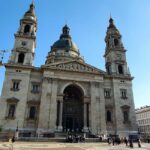
- St. Stephen’s Basilica: Why This Stop Works at the Start
- Pest to Buda: Crossing the Danube with Public Transport
- Buda Castle Quarter: Fortified Walls and Big-Picture History
- Royal Palace and President’s Palace: Power in Stone
- Matthias Church: Gothic Details That Feel Close-Up
- Fishermen’s Bastion: Views Worth Building the Tour Around
- The Guide Makes the Difference: Italian + Answers On the Spot
- Price and Value in a 3-Hour Window
- How the Timing Feels: A Short Tour That Doesn’t Skimp on Meaning
- Footwear and Dress Code: Small Rules, Big Smoothness
- Who Should Book This Italian-Language Tour?
- Should You Book This Budapest 3-Hour Walking Tour in Italian?
- FAQ
- Where does the tour start?
- What is the duration of the Budapest walking tour in Italian?
- How much does the tour cost?
- What language is the tour guide?
- Is public transport included in the price?
- What is included in the tour?
- What should I wear?
Key highlights worth your attention
- Italian explanations on the big hitters, with chances to ask questions as you walk
- St. Stephen’s Basilica as a strong “start here” moment for scale and style
- Buda Castle Quarter sights that show how Hungary’s power shifted over time
- Matthias Church + Fishermen’s Bastion for Gothic architecture and standout views
- A quick public-transport hop across the Danube between Pest and Buda
- Private or small-group options if you want more room to interact
First Steps: Meeting Near St. Stephen’s Basilica
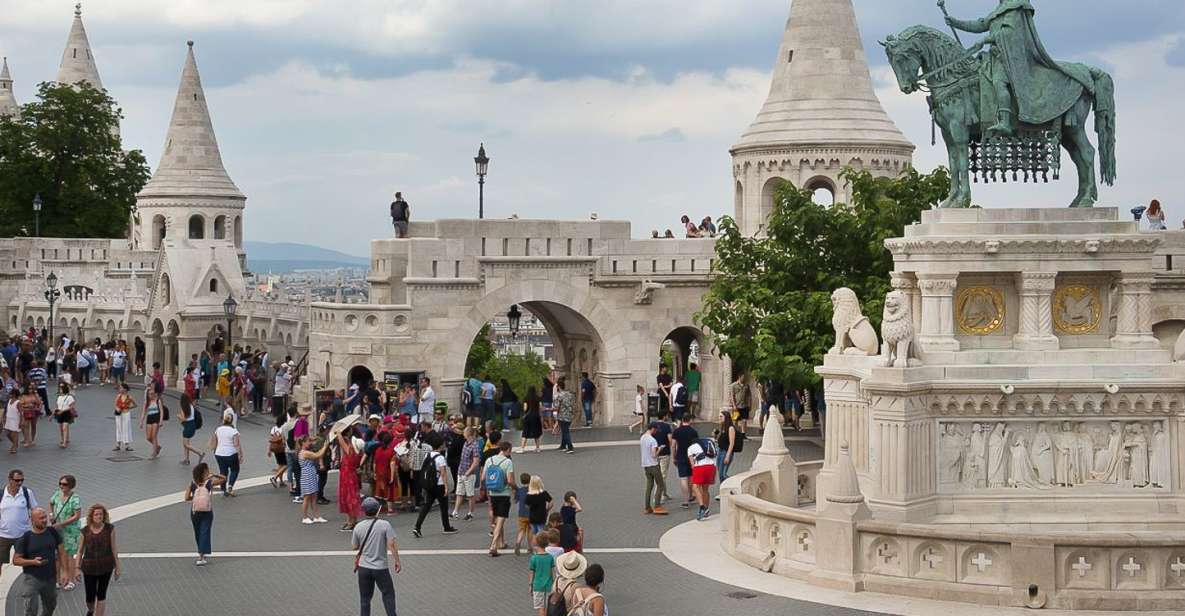
You start right in the heart of things: next to St. Stephen’s Basilica, in front of California Coffee Company. That’s a smart setup. You’re in the center of Pest immediately, surrounded by the city’s “main character” energy, and the walk begins with a landmark that most people come to Budapest for in the first place.
Because this is a guided walk (Italian language), you’re not just looking at buildings—you’re learning what to notice while you’re standing there. That matters in Budapest, where architecture, power, and religion often show up in the same view.
Also keep an eye on the practical details from day one: the tour is designed for a broad range of travelers and ages, but it’s not a sit-and-watch experience.
You can also read our reviews of more walking tours in Budapest

St. Stephen’s Basilica: Why This Stop Works at the Start
St. Stephen’s Basilica isn’t just impressive because it’s famous. It’s useful because it gives you a baseline for understanding the city’s cultural tone. In a short tour, you want a first stop that helps your brain “map” Budapest—scale, style, and where you are in the city.
From the meeting area, your guide helps you connect what you see with what it means in Hungarian history and identity. Even if you don’t plan a full cathedral deep-dive, you’ll get enough context to make the rest of the landmarks click.
One practical note: religious buildings can be picky about attire. Shorts and sleeveless shirts are not allowed, so plan your outfit accordingly.
Pest to Buda: Crossing the Danube with Public Transport
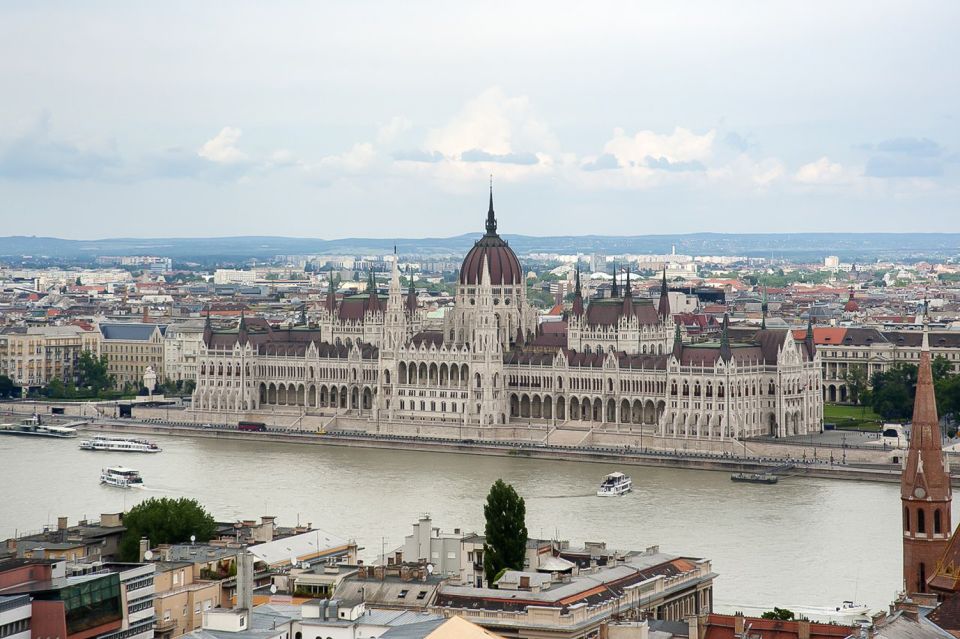
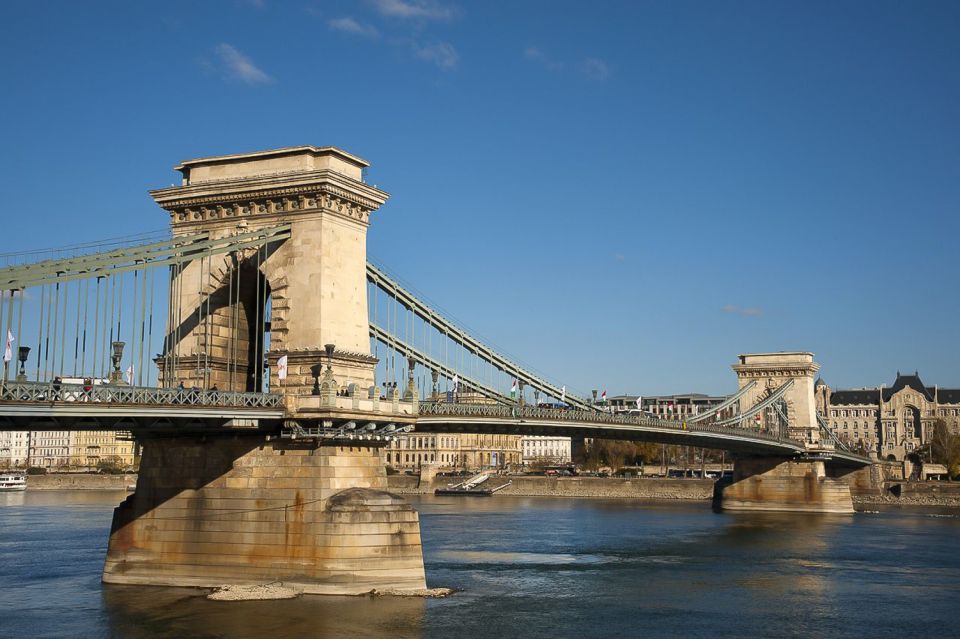
A nice feature here is that you don’t just “walk around the edges” forever. You also use public transport (metro and bus) to cross from Pest to the Buda side. That’s good for time and energy, especially in a tour that lasts only 3 hours.
Here’s the key logistics detail you’ll want to budget for: public transport tickets are not included. The tour info specifies 4 tickets/person totaling 1400 HUF. If you’re trying to keep things simple, this is the one item you’ll have to handle on your own.
I like this approach because it feels more like living in the city than being shuttled. You get the fast geographic shift across the Danube, then you land in the Buda Castle area ready to look outward.
Buda Castle Quarter: Fortified Walls and Big-Picture History
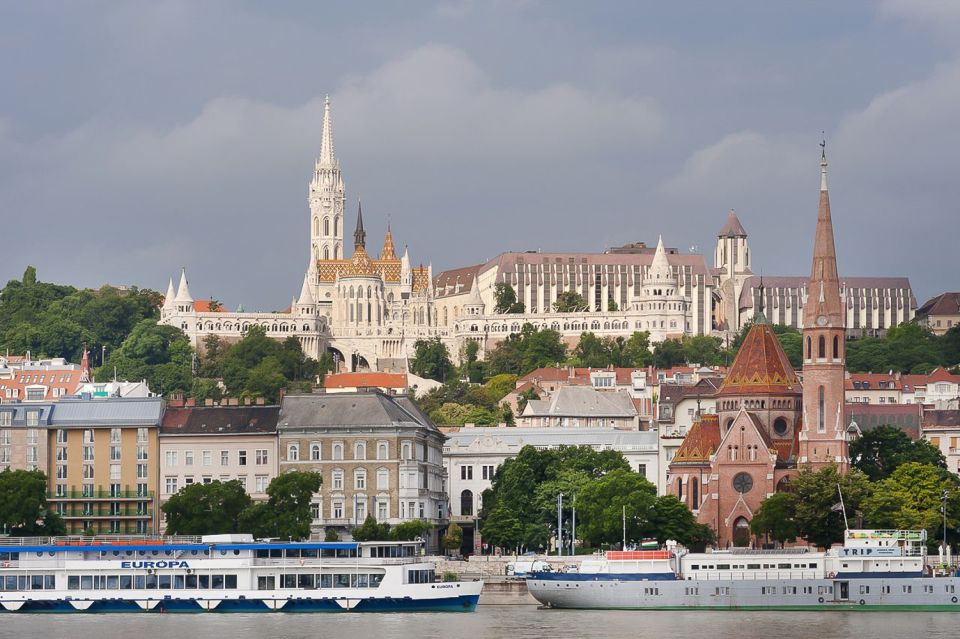
Once you’re on the Buda side, the tour leans into the Castle Quarter—the area where medieval and royal Budapest feel closest to the surface. You’ll see the fortified Buda Castle area and get explanations that connect the physical space to a longer timeline.
This is where the tour’s “about 1,100 years” framing starts to make sense. You’re not just touring a single era. You’re seeing how conquest, changing rulers, and later democratic transformations left visible marks in the city’s layout and monuments.
Even if history isn’t your main interest, this part is valuable because it teaches you how to read the scenery. From walls and courtyards to the positioning of major buildings, the guide helps you understand why these spots were built where they were—and why they still matter.
Royal Palace and President’s Palace: Power in Stone
Two standout stops here are the Royal Palace and the President’s Palace. They’re different in purpose, but they both underline the same idea: Budapest’s public life has long been tied to architecture and authority.
On a short tour, you can easily end up only admiring façades. What makes these stops work is that your Italian-speaking guide adds the “so what.” You start noticing how the city projects status—through form, placement, and the way these buildings sit within the castle area.
If you’re the kind of traveler who likes to connect politics, culture, and everyday streets, this portion hits a good balance between facts and interpretation.
You can also read our reviews of more tours and experiences in Budapest




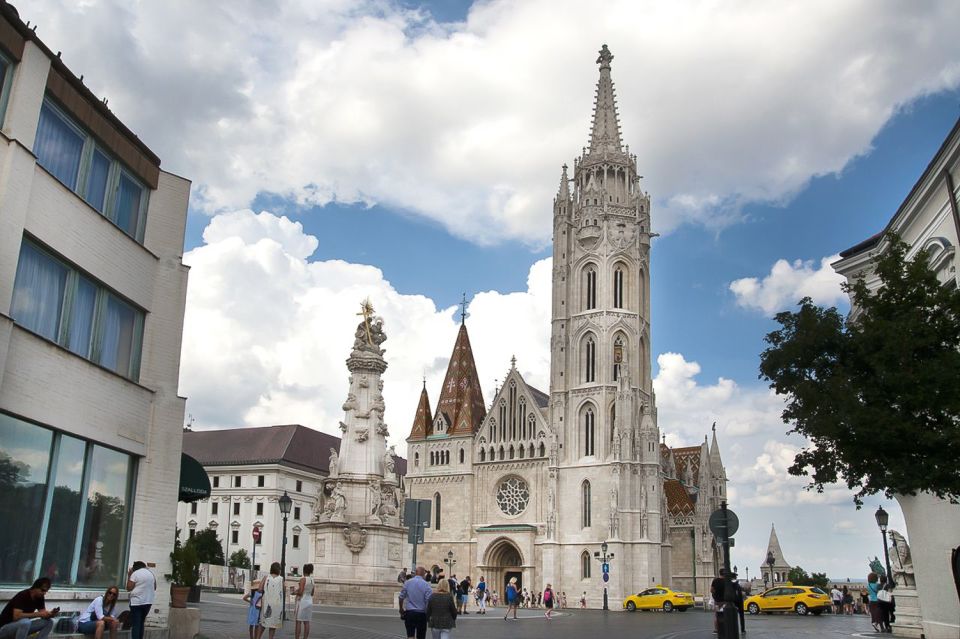
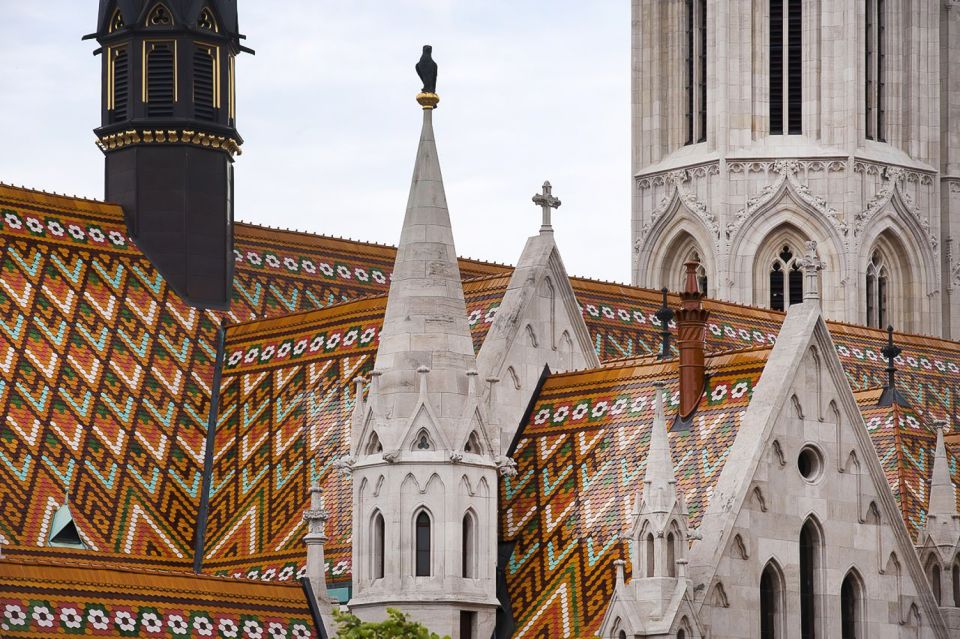
Matthias Church: Gothic Details That Feel Close-Up
Matthias Church is one of those places where a guided stop changes everything. The building is visually strong on its own, but the guide helps you focus on what to look for and why it’s significant.
Gothic architecture can be a blur if you’re just snapping photos. With the tour framing, you’re more likely to spot stylistic cues and understand what they represent. In other words: you leave with impressions plus a few mental hooks.
This is also a great moment for questions. If you’re curious about how Hungary’s identity shows up in religious and civic art, your guide’s Italian explanations are exactly the kind of added context that turns a landmark into an experience.
Fishermen’s Bastion: Views Worth Building the Tour Around
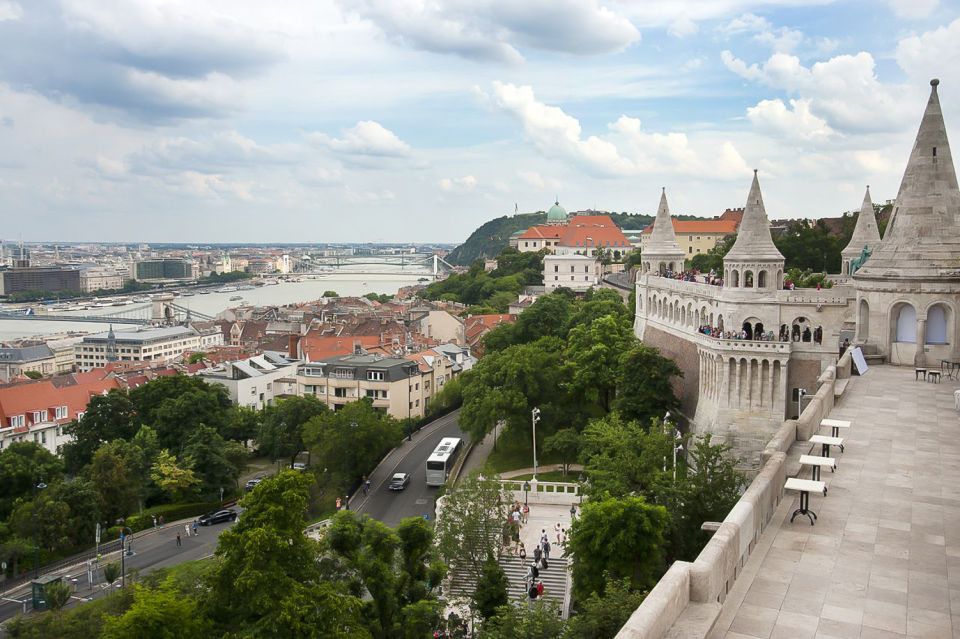
Then comes Fishermen’s Bastion, the kind of stop people often chase for views—and for good reason. It’s a classic Budapest panorama, but it becomes more meaningful when you understand what you’re looking at and why this lookout matters.
What I like about including it in a short, structured tour is that you’re not just standing there for a few seconds. You get time to register the layout of the city, then connect that view back to the Buda-side identity of the city.
You’ll also likely appreciate how it contrasts with the earlier stops. Earlier, you’re in history’s “rooms.” Here, you’re in history’s “overlook,” seeing how the city opens up once you’re high enough.
The Guide Makes the Difference: Italian + Answers On the Spot
The tour’s headline promise is an Italian-speaking guide, and the reviews strongly reinforce why that matters. Names like Caterina, Katalin, and Elisabetta show up in feedback tied to clear explanations and a friendly, welcoming style.
The most consistently praised trait isn’t just language—it’s how approachable the guides feel while still being well-prepared. That’s a big deal on a tight schedule. When you can ask questions and get direct answers, you don’t waste time guessing what you’re seeing.
If you prefer walking tours where the guide feels like a guide (not a microphone), this format is a strong match. Small details—like what to look for at each stop and how to connect sites to the bigger story—are exactly the kinds of things that make a 3-hour tour feel like more than three hours.
Price and Value in a 3-Hour Window
The price is $41 per person for a 3-hour walking tour with an Italian-speaking tour guide. That’s not “cheap” in the way supermarket snacks are cheap. But for Budapest’s top-tier landmarks and the time you’re saving by having a guide connect them for you, it can be solid value—especially if you’re visiting briefly.
One cost to factor in: public transport tickets are separate. You should plan for 4 tickets/person at 1400 HUF total (metro and bus). Still, it’s simple: you’re buying exactly what you need to cross the Danube and keep the tour moving.
Also, the option for private or small groups can raise the perceived value if you hate crowds. In a historic city like Budapest, comfort and the ability to ask questions can be worth paying for.
If your schedule is tight and you want a first-pass route that hits the major sights without turning into an all-day marathon, this price structure makes sense.
How the Timing Feels: A Short Tour That Doesn’t Skimp on Meaning
A 3-hour tour is long enough to cover real ground, but short enough that it doesn’t crush your day. The route keeps you moving through the oldest parts of Budapest, with Pest center plus the Buda Castle area.
The big win is that you’re not left with a checklist of landmarks. You’re getting the context to understand them as pieces of the same city story—conquest and kingdom days, castle-era power, and later democratic changes.
If you’re visiting for the first time, this is the kind of tour that helps you decide what to see again later on your own. You’ll know what grabbed you—church details, royal spaces, or big panorama views—and you can build from there.
Footwear and Dress Code: Small Rules, Big Smoothness
Bring comfortable shoes. Even in a short tour, cobblestones and uneven sidewalks can add up. If you’re used to city walking, you’ll be fine; if you’re only planning for “museum slippers,” you’ll feel it.
And yes, the clothing rule matters: shorts and sleeveless shirts are not allowed. That’s especially relevant around church stops like St. Stephen’s Basilica and Matthias Church. If you’re traveling in warmer weather, plan a light layer that still looks normal.
These rules are easy to respect, but they’re also the kind of thing that can slow you down if you forget.
Who Should Book This Italian-Language Tour?
This is a smart choice if:
- You want a quick first introduction to Budapest’s core sights on both sides of the Danube
- You’d rather learn in Italian than use English headsets
- You like your history delivered while you’re standing in the real setting
- You prefer a guided route so you don’t waste time figuring out how to connect the landmarks
It may be less ideal if you’re looking for a long, slow photography session where you stop for long stretches in each location. This tour is built for movement and explanation within 3 hours.
Should You Book This Budapest 3-Hour Walking Tour in Italian?
If you’re aiming to see the highlights—St. Stephen’s Basilica, Buda Castle areas, Matthias Church, and Fishermen’s Bastion—and you want them explained in Italian, I think it’s a strong booking. The guide-driven focus is the main value: it helps the city feel coherent fast.
Just go in with two small preparations: plan for the public transport tickets and wear shoes you trust on cobblestones. Do that, and you’ll come away with the kind of Budapest “map in your head” that makes the rest of your trip easier to enjoy.
FAQ
Where does the tour start?
It meets next to Saint Stephen’s Basilica, in front of the California Coffee Company coffee shop.
What is the duration of the Budapest walking tour in Italian?
The tour lasts 3 hours.
How much does the tour cost?
The price is $41 per person.
What language is the tour guide?
The live tour guide speaks Italian.
Is public transport included in the price?
No. Public transport tickets (metro and bus) are not included. The tour notes 4 tickets per person for a total of 1400 HUF.
What is included in the tour?
The tour includes an Italian-speaking tour guide.
What should I wear?
Bring comfortable shoes, and note that shorts and sleeveless shirts are not allowed.