REVIEW · BUDAPEST
Virtual Reality Walking Tour
Book on Viator →Operated by VR Tours · Bookable on Viator
This VR walking tour pairs a short walk in Budapest with 360/3D scenes of Buda Castle as it changed over time, explained by clear audio narration. It’s a smart way to learn the place without staring at a single plaque for an hour.
I also like the practical setup: you don’t need to rent gear, because a VR headset is provided on site. One drawback to plan around is health and age limits: it’s not recommended for travelers suffering from epilepsy and it’s not for kids under 13.
In This Review
- Key highlights at a glance
- Why Buda Castle makes such a perfect VR subject
- What you’re really paying for: guided context, not just headsets
- Where the tour starts: finding Lánchíd u. 23 with zero stress
- How the VR walking format works in real life
- What you’ll learn: Buda Castle, shown through events and changing views
- The guide and staff experience: friendly, helpful, and easy to follow
- Pace and physical comfort: what moderate fitness really means
- Who should book this VR walking tour
- Weather and timing: why conditions matter for this kind of tour
- Price, value, and booking timing in Budapest terms
- Practical tips to get the most out of your headset time
- Should you book this Budapest Buda Castle VR tour?
Key highlights at a glance

- Buda Castle history through 360/3D virtual scenes you can actually follow
- Audio narration that helps you understand what the visuals are showing
- Headset provided, so you can travel light
- Small group size (max 20) for steadier pacing
- Works best for people with moderate mobility needs only, not strenuous walking
- English-only experience, ideal if you prefer guided narration over reading
Why Buda Castle makes such a perfect VR subject
Buda Castle is the kind of place where photos feel like snapshots of stone. The VR format changes that. Instead of treating the castle as one fixed view, you get a sense of how it was used, how events played out, and how the setting can look from different angles and moments.
The biggest win here is that the tour doesn’t just throw visuals at you. It’s designed as a walking experience, then ties the virtual scenes to what you’re seeing in the area. That combination matters. Without that tie-in, VR tours can feel random, like you’re watching a video while walking through a different world. With audio narration guiding you, you’re given context as you go.
And yes, it can be fun in a brain-friendly way. Several people call the experience enjoyable and point to the storytelling. The point is not just spectacle. It’s understanding—faster.
You can also read our reviews of more walking tours in Budapest



What you’re really paying for: guided context, not just headsets

At $48.37 per person, you’re paying for three things at once: a guided program, a VR headset you don’t have to bring, and a time-managed flow (about 1 hour 15 minutes to 1 hour 35 minutes). If you’re already in Budapest and trying to get meaning out of your time, that “meaning per hour” is where the value comes from.
Here’s how to think about value:
- If you like history but hate slow museum wandering, this gives you structured storytelling in a set window.
- If you’re curious about VR but don’t want to hunt for gear, the headset included part is a real convenience.
- If you want something a bit different from the usual walking tour format, this swaps some facts-on-a-map for scenes that you can visualize.
The crowd-size limit (max 20) also helps justify the price. Small groups generally mean less waiting, fewer “where do we stand?” moments, and a smoother experience.
Where the tour starts: finding Lánchíd u. 23 with zero stress
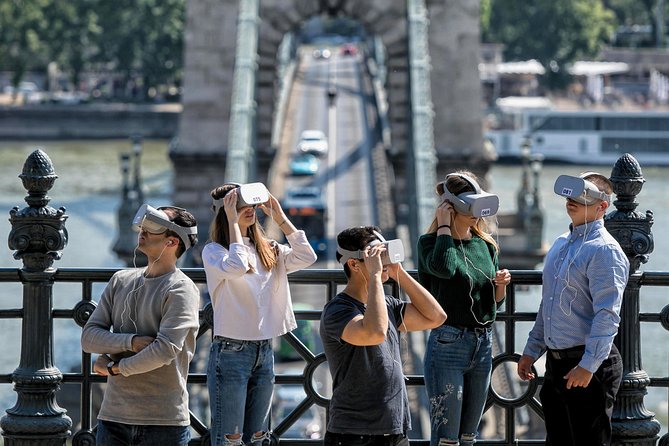
The meeting point is Budapest, Lánchíd u. 23, 1013 Hungary. The good news is that it’s described as near public transportation, which matters a lot in Budapest where the tram and metro grid can save your legs.
Plan to arrive a few minutes early. Even with a simple meeting point, VR experiences depend on everyone getting fitted and organized without rushing. Also, because it’s a headset-based activity, you’ll want a calm start—no frantic “we’re late” energy.
The tour ends back at the meeting point. So you’re not building the day around a long trek across town just to check one activity off your list.
How the VR walking format works in real life
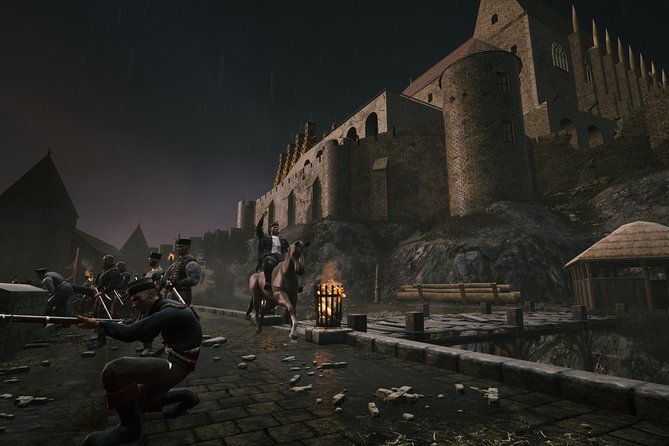
This is a mobile-ticket experience in English, and the tour uses a VR headset provided by the operator. You’ll spend your time following along while the virtual visuals support the story.
In practice, that means you’re doing two kinds of attention at once:
1) listening to the narration, and
2) watching what the visuals show you.
When narration is clear, that double attention becomes a benefit instead of a headache. The audio is there to explain what you’re seeing in the virtual scenes, which is exactly what you want. If you’ve ever tried to read explanations from a distance in a windy courtyard, you already know why sound guidance helps.
Timing also seems to work well. People mention that the pacing felt good, suggesting you won’t be left waiting forever between steps. For a VR-based tour, that’s important, since the headset portion can feel longer if the group is stuck.
What you’ll learn: Buda Castle, shown through events and changing views

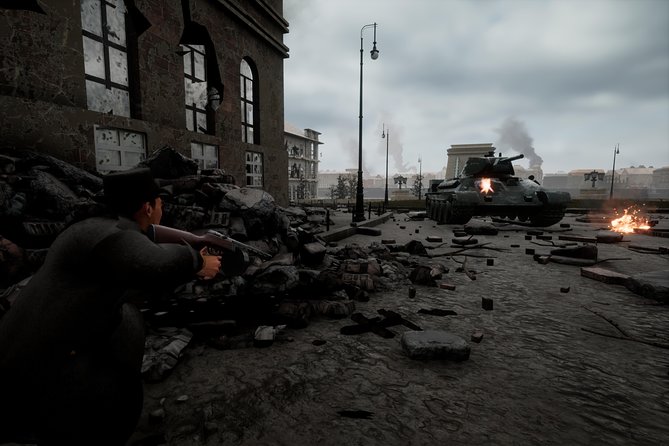
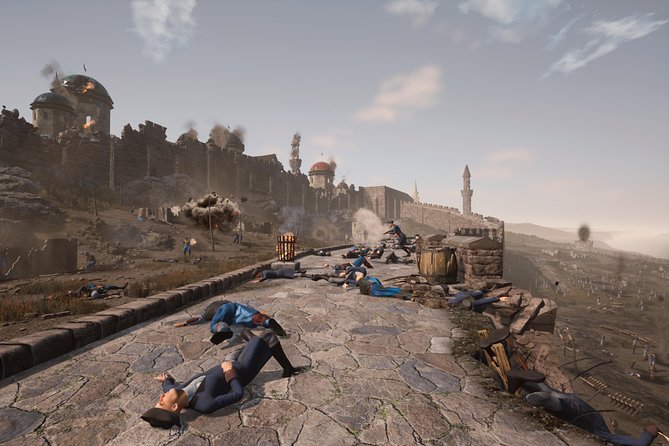
This program is centered on the history of Buda Castle, one of the most visually impressive landmarks in Budapest. The key idea is that you don’t just hear that it’s important—you watch it “happen,” through virtual reconstructions.
Here’s what that experience is likely to feel like as you move through the story:
- You’re given context about what you’re looking at in the real world.
- Then VR scenes show how it could have looked during past events.
- The audio commentary keeps tying the virtual visuals back to the real place.
That tie-back is what makes the learning stick. You’re building a mental map, not just absorbing facts.
Also, because it’s 360 / 3D, the effect is less like watching a film and more like directing your attention around a space. Even if you don’t love technology, that format can make you feel closer to the setting.






The guide and staff experience: friendly, helpful, and easy to follow

A big part of whether a VR tour lands well is onboarding. Headsets can be fiddly, and not everyone is comfortable with new tech.
The feedback here is strongly positive on staff support. People say the staff were pleasant, easy to connect with, and willing to help step by step. That matters because it reduces friction. You’re more likely to enjoy the tour when someone handles the setup calmly and answers your questions right away.
You’ll also want a guide who explains the virtual scenes as they happen. That’s called out in the strongest comments: narration is informative and captivating, and the VR visuals help with understanding and capturing the scenes. In other words, the tour isn’t just showing. It’s teaching.
Pace and physical comfort: what moderate fitness really means
The tour notes that travelers should have a moderate physical fitness level. That doesn’t automatically mean “hard hike,” but it does mean you should be comfortable with a bit of walking and standing.
Since the tour length tops out around 1 hour 35 minutes, you’re not committing to a long endurance test. Still, arrive ready for a moving experience. If you have mobility limits, check whether “moderate fitness” matches what you can handle for short walking segments plus time wearing a headset.
Who should book this VR walking tour
This is a great fit if:
- you want a guided history experience without spending hours in quiet reading mode
- you enjoy 360/3D visuals and want a fresh angle on a major Budapest landmark
- you prefer English narration and want help understanding what you see
- you like smaller groups (max 20) that feel easier to manage
It’s less of a fit if:
- you’re under 13
- you have epilepsy or are advised to avoid VR-based experiences
- you dislike being guided by audio while you watch a screen-like environment
Weather and timing: why conditions matter for this kind of tour
The operator states the experience requires good weather. If conditions are poor, your options are either a different date or a full refund. That makes sense because it’s a walking tour, not a fully indoor show.
So if you’re planning this on a day with rain in the forecast, keep some flexibility. Budapest weather can change quickly, and a “we’ll figure it out” attitude can save the day.
Price, value, and booking timing in Budapest terms
Let’s talk about the $48.37 price with the context you actually need.
You’re not just buying a ticket to “watch VR.” You’re buying:
- a headset provided for you
- an English narration track
- staff help and guided pacing
- a structured story built around Buda Castle
- a timed slot that fits into a short visit
The reviews data also suggests solid reliability: the experience is rated 4.8 with 434 reviews, and 99% of customers recommend it. A high recommendation rate isn’t proof that it’s perfect for everyone, but it does tell you the concept works for most people.
Booking tends to happen about 14 days in advance on average, which suggests demand is common enough to plan early if your schedule is tight.
Practical tips to get the most out of your headset time
You’ll get more from the tour if you approach it like a guided show, not a solo tech demo.
A few practical moves:
- Go in ready to listen. The audio commentary is doing real work here.
- Take your time with the VR scenes. Look around with intention, not just at the first thing you see.
- If you wear glasses, you’ll want to be comfortable with wearing them during VR use (the operator will fit you, but comfort is personal).
- Keep your expectations realistic: this is learning-by-visualization, not a replacement for walking the castle grounds on your own.
And if you’re prone to motion sickness, it’s worth thinking ahead. The tour isn’t described as intense, but VR can affect people differently.
Should you book this Budapest Buda Castle VR tour?
Book it if you want a smarter, faster way to connect Buda Castle to its past. The combination of English narration, VR scenes, and a guided format is a strong match for first-timers and people who want history they can “see,” not just read.
Skip it if VR is a no-go for you due to epilepsy concerns, you’re traveling with kids under 13, or you prefer classic walking tours with minimal tech. Also, if weather is iffy and you can’t move plans, you may feel stuck—because this activity depends on good conditions.
If your ideal Budapest day mixes culture with something a bit unusual, this one is worth a spot. It’s short enough to fit cleanly into your itinerary, and the support from the staff makes the tech feel like part of the tour, not a barrier.