REVIEW · BUDAPEST
Budapest: Walking Tour in German
Book on GetYourGuide →Operated by Tourist Angel · Bookable on GetYourGuide
Budapest turns time into footsteps. In just 3 hours you get a German-speaking guide and a focused look at St. Stephen’s Basilica, plus the Castle Quarter and Gothic churches. The main catch: it’s mostly on foot and you’ll use public transport to cross the Danube, so plan for that—and note the strict rule of no shorts.
What makes this tour especially good for first-time planning is how it strings landmarks into a story of Hungary’s 1,100 years of change, from conquest through modern democracy. You’ll walk through old neighborhoods like Leopoldstadt, then pivot into Buda’s fortified areas for viewpoints that make the whole city feel reachable. If you want a guide who answers questions on the spot, that’s built into the experience.
I also like that the group can be private or small, so the walk feels less like a cattle line. In the German guidance, you may even hear memorable extras from specific guides—Ewa has been praised for interesting storytelling, Ursula for going above and beyond (including a Hungarian song moment), and Monika for helpful practical tips, like a strong restaurant suggestion.
In This Review
- Key points I’d highlight before you go
- Meeting by St. Stephen’s Basilica: where the walk starts
- A German-speaking guide who connects landmarks to 1,100 years of change
- Pest landmarks first: Leopoldstadt and the Chain Bridge
- St. Stephen’s Basilica and Parliament area: icons with a story
- Crossing the Danube by public transport: local, fast, and worth planning for
- Buda Castle and Royal quarters: the fortified feel of old power
- Matthias Church and Fisherman’s Bastion: Gothic architecture plus the best angles
- Price and value: $41 for German-led coverage of top sights
- Who this tour suits best (and what to watch)
- A simple booking checklist before you commit
- Should you book this Budapest walking tour in German?
- FAQ
- Is the guide on this tour speaking German?
- Where do I meet the tour?
- How long is the walking tour?
- What is the price, and what’s included?
- Are public transport tickets included?
- Is there a cancellation policy?
Key points I’d highlight before you go
- German-speaking guide: Clear explanations in German, with guides such as Ewa, Ursula, and Monika noted for strong communication.
- Big Budapest icons in 3 hours: St. Stephen’s Basilica, the Parliament area, Chain Bridge, Buda Castle, Matthias Church, Fisherman’s Bastion.
- One city, two levels: A Pest-to-Buda switch that includes a public-transport Danube crossing.
- Views with context: Castle and church viewpoints explained, not just pointed at.
- History you can follow: A guided timeline covering about 1,100 years of Hungarian history.
- Practical starting point: Meeting right by St. Stephen’s Basilica near California Coffee Company.
Meeting by St. Stephen’s Basilica: where the walk starts
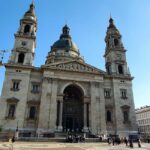
The tour starts next to Saint Stephen’s Basilica, in front of the California Coffee Company coffee shop. That’s a smart meeting point because you’ll begin in one of Budapest’s easiest-to-orient areas, with the basilica right there as your landmark anchor.
If you arrive early, you’ll have a chance to get your bearings before the group gathers. This matters because the route moves quickly through classic sights—so it helps to start with one big reference point already in your head.
You can also read our reviews of more walking tours in Budapest

A German-speaking guide who connects landmarks to 1,100 years of change
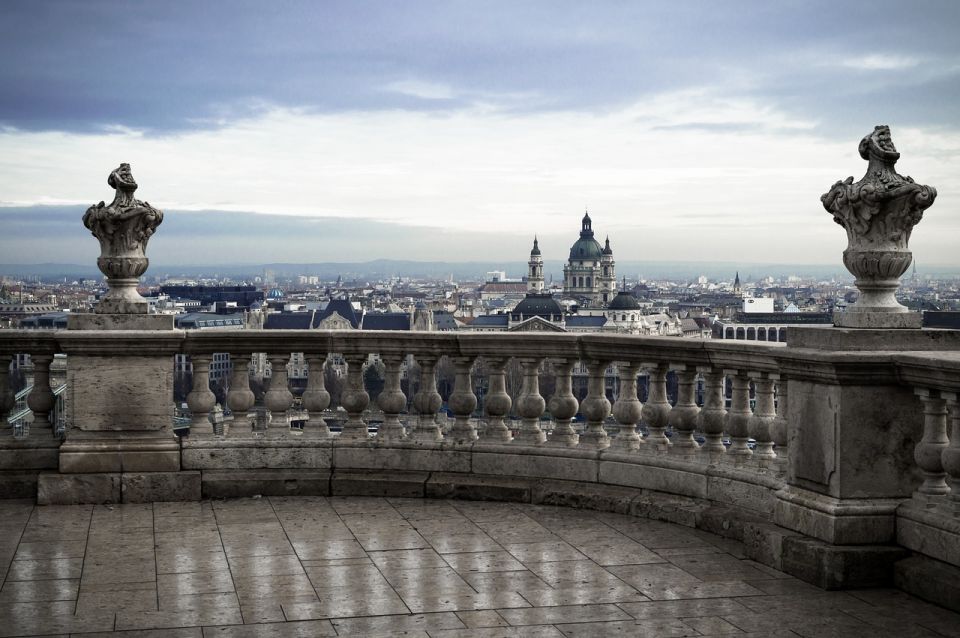
This is not a “here’s a photo, next stop” walk. The guide builds a running explanation of Hungarian history—about 1,100 years—from the country’s early conquest era to the democratic changes of more recent times. You get to see the buildings, then hear what they mean, which is a big difference in how Budapest sticks with you after the tour ends.
Expect the guide to answer questions along the way. That sounds basic, but on a short tour it’s what turns memorization into understanding. If something doesn’t click—why a church looks the way it does, what a palace area represents—you’ll be able to ask right then.
Also, the language focus is important: the tour is listed as German. If you’re comfortable in German, this can be a much smoother way to connect with the city than using an app or reading alone.
Pest landmarks first: Leopoldstadt and the Chain Bridge
You begin in Budapest’s older, eastern side—Leopoldstadt (Leopold Town)—then work your way toward the Chain Bridge area before moving into the Castle side of town. That order is practical. It helps you understand how Pest and Buda grew into a single capital, with the Danube acting like the divider—and the connector.
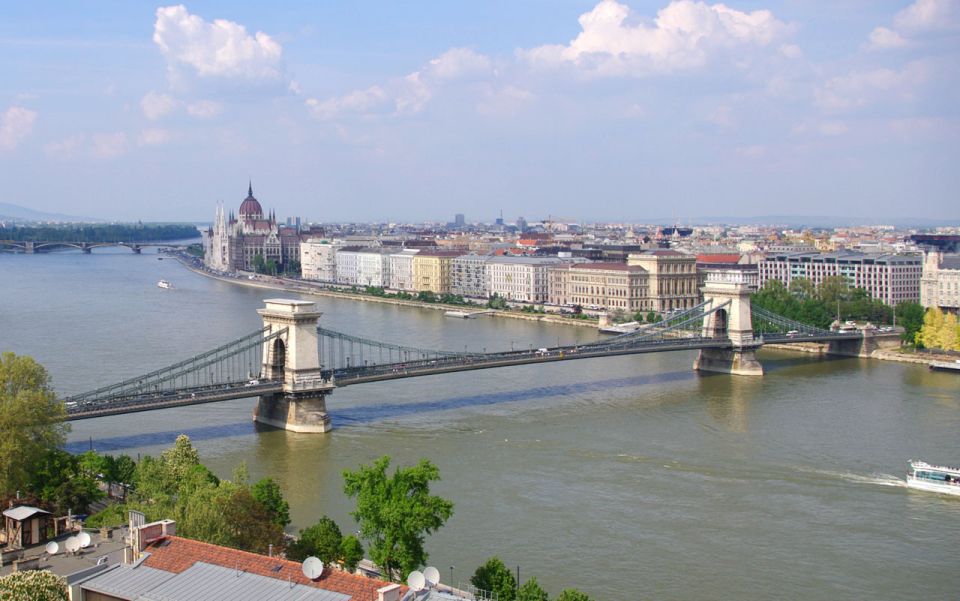
Leopoldstadt is a good early stop because it gives you a sense of how neighborhoods feel, not just how they look from one angle. Then the Chain Bridge acts like a visual “hinge” point between worlds: wide river views, big engineering presence, and the sense that you’re about to climb into a different chapter of the city.
St. Stephen’s Basilica and Parliament area: icons with a story
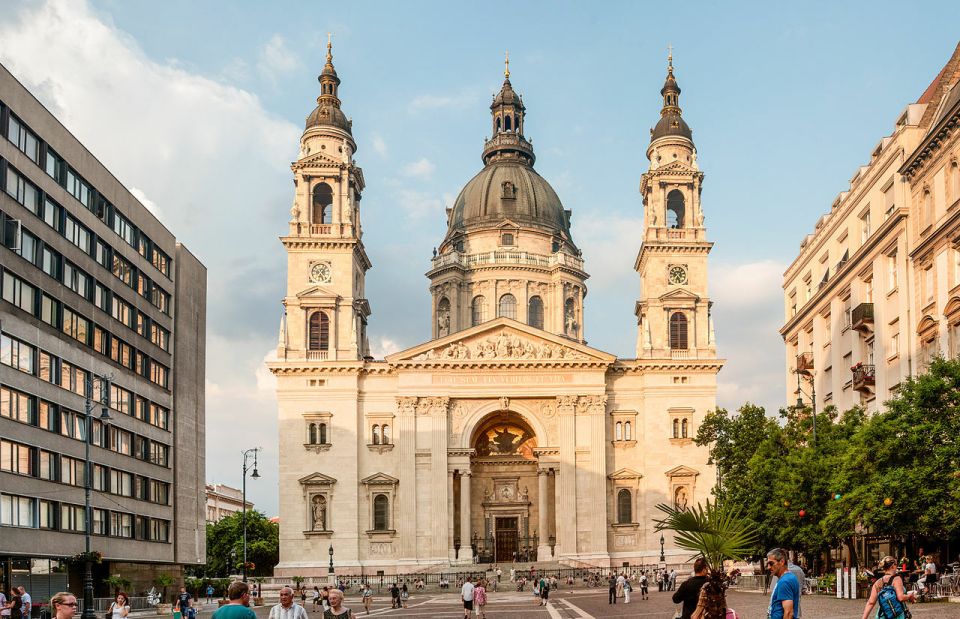
From the start location onward, St. Stephen’s Basilica is the tour’s emotional and architectural center. It’s not just a pretty building. The guide’s context helps you read the basilica as a symbol of national identity, not only a postcard stop.
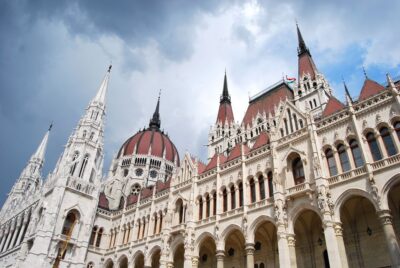
The tour also includes major government landmarks in the same general orbit—like the Hungarian Parliament and other prominent civic buildings such as the President’s Palace (listed as part of the experience). Even if you’re not going inside, you’ll get a sense of how official Budapest presents itself, and how the city’s political story is written into its most visible structures.
If you like photography, this is also where you’ll start building an angle map in your mind. The route is designed so you keep earning new perspectives, rather than repeating the same view from the same street corner.
Crossing the Danube by public transport: local, fast, and worth planning for
One of the key things to know is that the tour is mainly walking, but it includes a public transport ride to cross the Danube from Pest to the Buda side. That’s not a weakness. It’s a time-saver and it keeps the experience grounded in how people actually move around the city.
Public transport tickets are not included, and the data says it’s 4 tickets per person at a cost of 1400 HU. So when you budget, don’t just think about the $41. You’ll also want to carry the right amount for those tickets so the group doesn’t get stuck at the start of the transfer.
After the crossing, you’ll be in the Castle side zone where the walking feels different—steeper, more stone-and-views, more built-up “fortress” energy. The transport segment makes it easier to get there without exhausting yourself early.






Buda Castle and Royal quarters: the fortified feel of old power
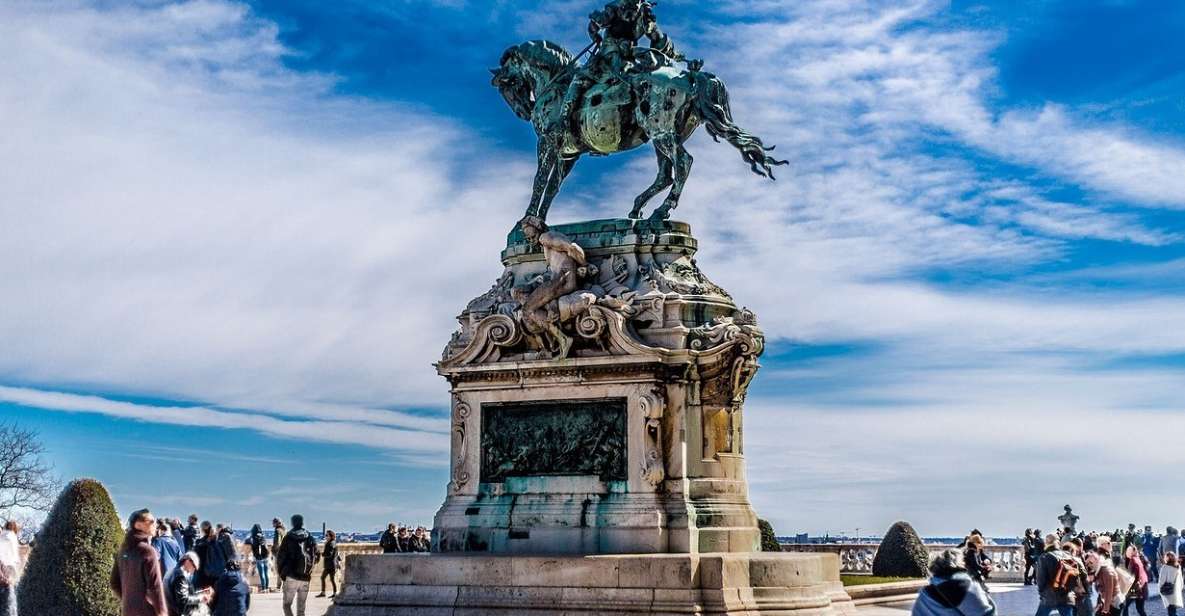
Once you’re on the Buda side, the tour leans into fortified Budapest. You’ll visit the Buda Castle area and move through the Castle Quarter, including stops tied to the Royal Palace and the President’s Palace areas (both listed as part of what you’ll see).
This is where the city’s architecture starts to make sense as defense and display at the same time. Castle areas often feel like a step backward in time, but with the guide’s explanation, it becomes easier to understand why these spaces were built the way they were—and what they signaled to the people living there.
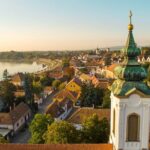
You’ll also get city views from the Castle side. Even if you’ve seen Budapest from posters, it hits differently once you’re standing where the old structures frame the river. That’s the point of pairing “history” with “where you are”—you aren’t just hearing facts, you’re seeing the geography those facts came from.
Matthias Church and Fisherman’s Bastion: Gothic architecture plus the best angles
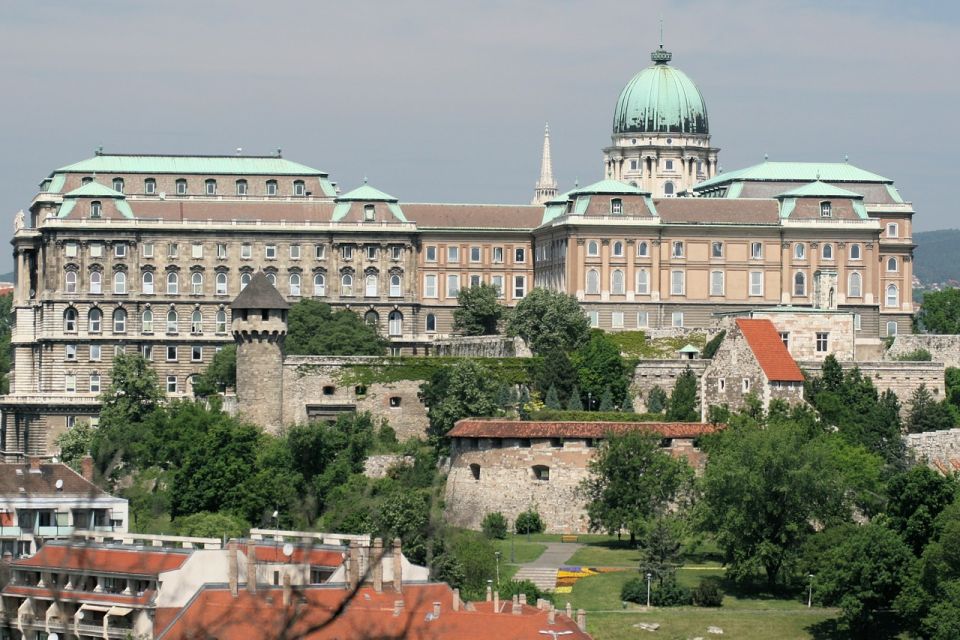
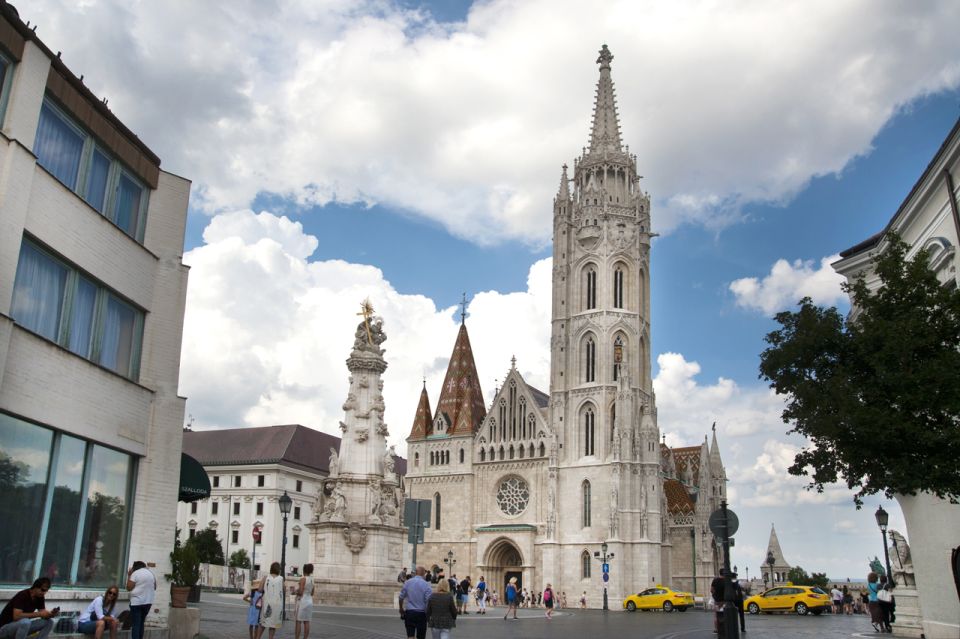
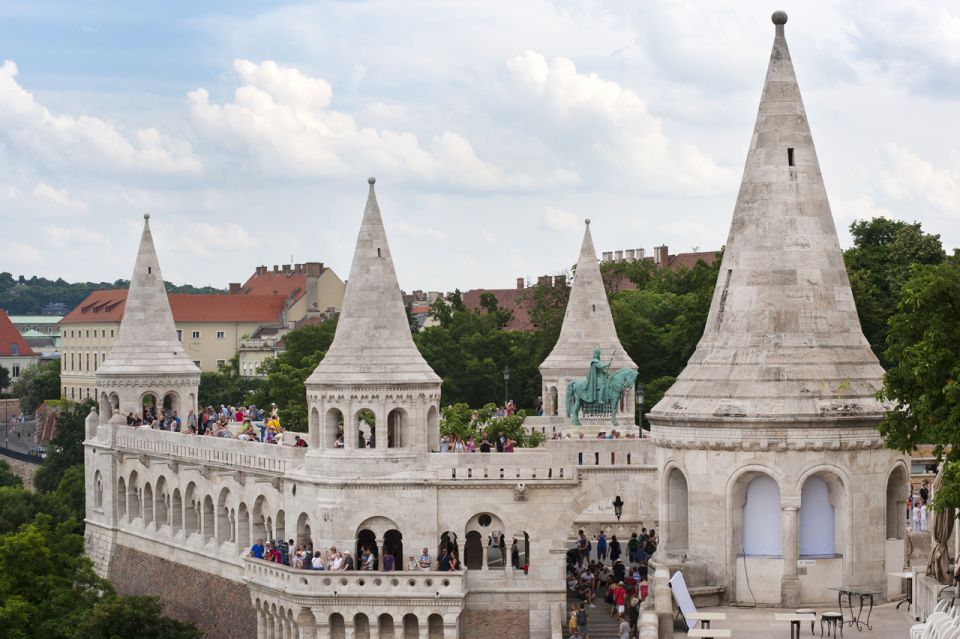
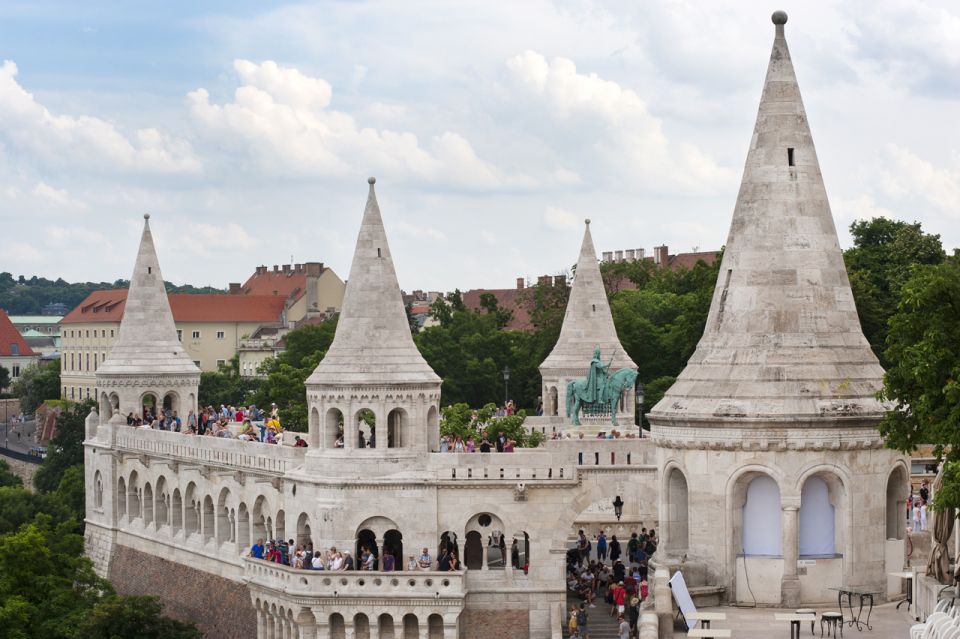
Two of the biggest highlights here are Matthias Church and Fisherman’s Bastion. The tour explicitly calls out the Gothic architecture of Matthias Church, and that matters because Budapest’s churches don’t all look like the same European stereotype. You’ll come away with a clearer sense of style—how the church fits into the Buda skyline and why it remains one of the most photographed spots for a reason.
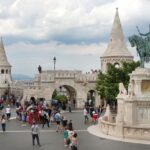
Then you’ll shift to the viewpoint energy of Fisherman’s Bastion. The tour lists it as a key stop, and this is where the city opens up in layers: rooftops, the river line, and the sense that Budapest is designed for looking outward.
The guide’s job isn’t just to point. With the background of the surrounding castle area and civic context, those views feel earned instead of random. You’re looking at symbols and spaces that connect to that bigger Hungarian story the guide is telling.
Price and value: $41 for German-led coverage of top sights
At $41 per person for about 3 hours, this is priced like an efficient orientation tour that still covers major ground. The included item is straightforward: a German-speaking guide. That matters because Budapest’s top sights can turn into a “walk, read, guess” experience if you’re alone.
What you’re paying for is time plus interpretation. In a city where the highlights are spread across Pest and Buda, a guided route helps you hit the right clusters of landmarks without spending most of your day figuring out how to connect them.
Do keep the extra transport cost in mind: public transport tickets are not included, and the listed price is 1400 HU for 4 tickets per person. Still, even with that added, you’re getting a structured route that includes the Danube crossing and multiple signature stops.
If your German is solid, this can be a strong value because you don’t have to compromise on language just to get a guide.
Who this tour suits best (and what to watch)
This walk fits best if you want:
- A first-time Budapest orientation that hits both Pest and Buda
- A German-language guide for deeper understanding
- A short, efficient route that includes St. Stephen’s Basilica, Chain Bridge, Buda Castle, Matthias Church, and Fisherman’s Bastion
There are also a couple of practical limits. The tour notes no shorts, which is unusual but clear. If you’re traveling in warm weather, plan for lightweight long pants or alternatives that meet the rule.
Also, because it uses a public transport crossing and is mainly on foot, it’s best if you’re comfortable with walking and a quick ride. If you’re hoping for a fully seated or step-free experience, this might not be the best match since that detail isn’t promised.
A simple booking checklist before you commit
- Bring a plan for public transport tickets since they aren’t included (listed as 4 tickets per person for 1400 HU).
- Wear clothes that follow the no shorts rule.
- Confirm the start time that fits your day, since durations are listed as 3 hours and starting times depend on availability.
- If you’re choosing between “German tour” options, this one works well when you want a focused route through the major historic cluster.
One more practical thought: this tour starts at a very busy tourist anchor (St. Stephen’s Basilica), so build in a few minutes buffer. Even if you’re punctual, crowds can slow you down.
Should you book this Budapest walking tour in German?
Yes—if you speak or read German and you want a tight 3-hour plan that connects the biggest sights to a clear Hungarian story. The value is strongest for first-timers who want to feel oriented quickly: Basilica to bridge to Castle Quarter to Matthias and the big viewpoints, all explained in a way you can follow step by step.
I’d hesitate if you don’t want to deal with the Danube crossing on public transport or if your plans depend on wearing shorts. I’d also skip it if you need guidance in another language, since German is the listed language for the live guide.
If you match those conditions, this tour is a smart way to get the “Budapest feeling” without losing your day to logistics—and you’ll leave with a mental map of where Pest ends, where Buda begins, and why the river still matters.
FAQ
Is the guide on this tour speaking German?
Yes. The tour includes a live guide and the listed language for the guide is German.
Where do I meet the tour?
You meet next to Saint Stephen’s Basilica, in front of the California Coffee Company coffee shop.
How long is the walking tour?
The duration is listed as 3 hours.
What is the price, and what’s included?
The price is $41 per person. What’s included is a German-speaking guide.
Are public transport tickets included?
No. Public transport tickets are not included. The information lists 4 tickets per person at a cost of 1400 HU.
Is there a cancellation policy?
Yes. Free cancellation is offered up to 24 hours in advance for a full refund.