REVIEW · BUDAPEST
Buda Castle Walking Tour: Fishermans Bastion – Royal Palace
Book on GetYourGuide →Operated by Purple Team · Bookable on GetYourGuide
Best views happen when you know where to stand. This Buda Castle walking tour strings together standout viewpoints in the Castle District with real context about Hungarian life, power, and everyday corners you’d miss on your own.
I particularly like the photo-friendly route built around the Fisherman’s Bastion and the UNESCO panorama, where the sightlines make sense instead of feeling random. And I really like the guides’ style: they keep the pace lively, explain clearly (often with amplification so you can hear), and share practical tips for what to see next.
One consideration: you’ll be walking a fair bit on stone streets for about two hours, and the stops are timed for photos and stories, not speed.
In This Review
- Key highlights at a glance
- Why this Buda Castle viewpoints walk feels worth the time
- Starting at Szentháromság tér: find the purple umbrella and go
- Fisherman’s Bastion and Matthias Church: where the views earn the backstory
- Ruszwurm Confectionery pause: a quick break that can turn into a plan
- The UNESCO panorama angle: seeing Parliament, Chain Bridge, and the Buda Hills on purpose
- Chain Bridge, the funicular photo stop, and why the route feels efficient
- Buda Castle and the Royal Palace area: more than stones and statues
- Sándor Palace area: the political side of the view
- Price and practical logistics: quick value check
- Who this tour is best for
- The guide experience: clear stories, lively answers, useful follow-up
- Should you book the Buda Castle Fisherman’s Bastion to Royal Palace tour?
- FAQ
- How long is the Buda Castle Walking Tour?
- What’s the price per person?
- Where does the tour start and how do I find it?
- Where does the tour end?
- What’s included in the tour?
- Is museum entry included?
Key highlights at a glance
- Fisherman’s Bastion viewpoint with stories that help you read the scene
- Matthias Church stop plus the details that explain why it matters
- Ruszwurm Confectionery pause for a quick snack or coffee break on the route
- UNESCO panorama outlook aimed at big landmarks across the river
- Buda Castle and Royal District walk with government buildings along the way
- A guide-led pace that stays clear and manageable, not rushed
Why this Buda Castle viewpoints walk feels worth the time
Budapest’s Castle District can be dazzling and confusing in the same breath. You see postcard angles, then you turn a corner and suddenly you’re staring at stone and history with no clue what connects it all. That’s where this tour earns its keep.
It’s built like a “see it, then understand it” loop. You start at Szentháromság tér and move through the layers of Castle Hill: church to palace, lookout to royal residences, and back toward the river views that define this part of town. The best part is that you’re not just told facts. You get the why behind the walls, the politics behind the architecture, and little bits of day-to-day life that make the place feel inhabited rather than museum-like.
At roughly $3.40 per person for a 2-hour guided walk, the value is hard to ignore. You’re paying for a live guide, multiple major viewpoints, and photo pauses in one of Budapest’s most popular zones. The only real “cost” you should plan for is what you choose to add yourself, like a museum ticket or a snack.
You can also read our reviews of more walking tours in Budapest


Starting at Szentháromság tér: find the purple umbrella and go
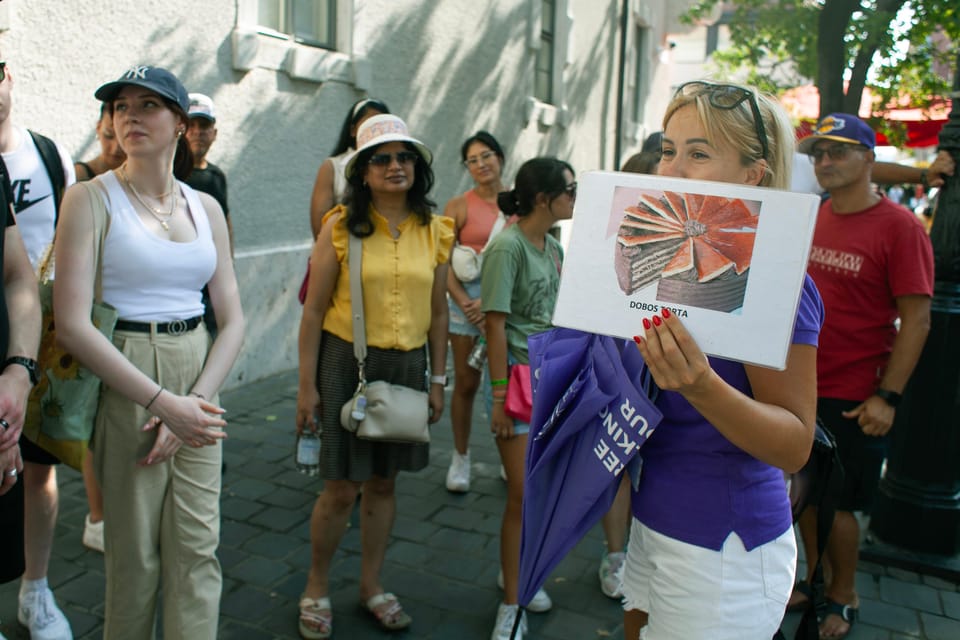
The tour begins at Szentháromság tér, right by the Holy Trinity statue in the middle of the square. Look for the purple umbrella, and you’ll be in the right place fast.
This start point matters more than you might think. You’re at the edge of the Castle District’s action, which means your first minutes are spent getting oriented rather than doing long, aimless walking. After you meet, the guide sets the tone with short background so you understand what you’re about to see, especially in the areas around Fisherman’s Bastion and Matthias Church.
You’ll also appreciate the practical touring rhythm. The route includes short sightseeing windows, so you’re not stuck in any one spot waiting for a long lecture. And because the tour runs every day and isn’t tied to good weather conditions, it’s a reliable option when your schedule is tight.
Fisherman’s Bastion and Matthias Church: where the views earn the backstory
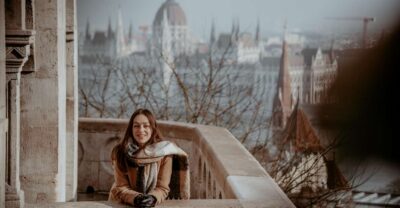
The first big “wow” moment is the Fisherman’s Bastion stop. This is the viewpoint people come for, but it’s even better when you know what you’re looking at. From up here, the city’s layout becomes obvious: where the river cuts, where major landmarks sit, and how Castle Hill dominates the panorama.
Instead of treating it like a drive-by photo spot, the guide points out details that help you frame your pictures. You get enough historical and cultural context to make the structures feel purposeful, not just pretty. That’s what turns the viewpoint into a memory you can explain later.
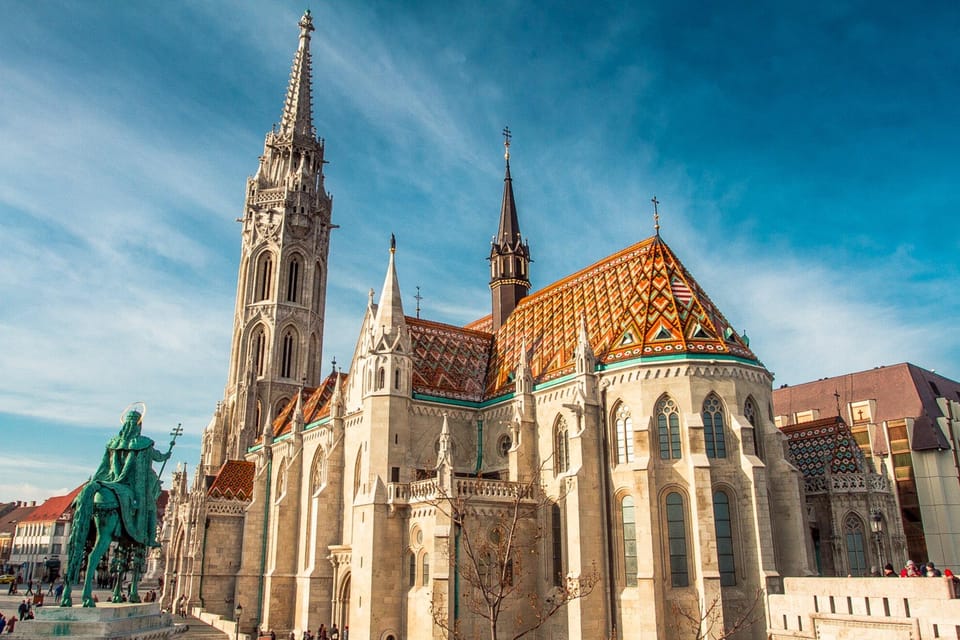
Next comes Matthias Church, another anchor of the Castle District. This stop is about more than photos of a famous facade. You learn how the church fits into the bigger story of Hungary’s past and present, and you pick up details that make the building feel connected to people and power.
A nice bonus: the tour keeps your questions welcome. Some guides are funny and quick with answers, and that matters here because Castle District landmarks can feel overly formal if you only look at them from a distance. A good guide makes the place feel human.
Ruszwurm Confectionery pause: a quick break that can turn into a plan
You’ll make a short stop near Ruszwurm Confectionery. It’s one of those places that works perfectly in a walking tour: you get a breather without losing momentum.
This is a smart moment to decide if you want a snack or drink before you climb deeper into the viewpoints. Even if you skip buying anything, you can use the time to regroup, refuel, and get your camera ready for the next set of stops. I like these short “reset” moments because they keep the pace comfortable, especially if you’re combining this with other sights afterward.
Also, the guides often share up-to-date recommendations for nearby cafés and restaurants. That kind of guidance helps you avoid the trap of heading into the wrong place just because it’s close to a tourist landmark.
The UNESCO panorama angle: seeing Parliament, Chain Bridge, and the Buda Hills on purpose
The heart of the experience is the Castle District viewpoint time aimed at the UNESCO panorama. You get the kind of view that makes you understand why Budapest’s “best angles” keep repeating on postcards.
Here’s what you can expect to spot when the weather gives you decent visibility: the Parliament across the river, the Chain Bridge, and the Buda Hills stretching in the background. It’s not just a pretty picture. It’s a city map with depth. Once you’ve seen the skyline from this perspective with an explanation, you start recognizing how the city is arranged even after you move on.
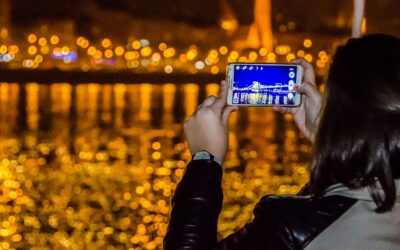
This is where photo pauses matter. You have time to compose shots, not just stand for a second and hope the light is right. And because the guide is there with context, you’re not stuck guessing which landmark is which.
If you’re the type who likes to photograph buildings and bridges, you’ll love the order of this route. It’s designed so you’re not repeatedly walking to chase the same angle. Instead, the route naturally funnels you from one viewpoint to the next.






Chain Bridge, the funicular photo stop, and why the route feels efficient
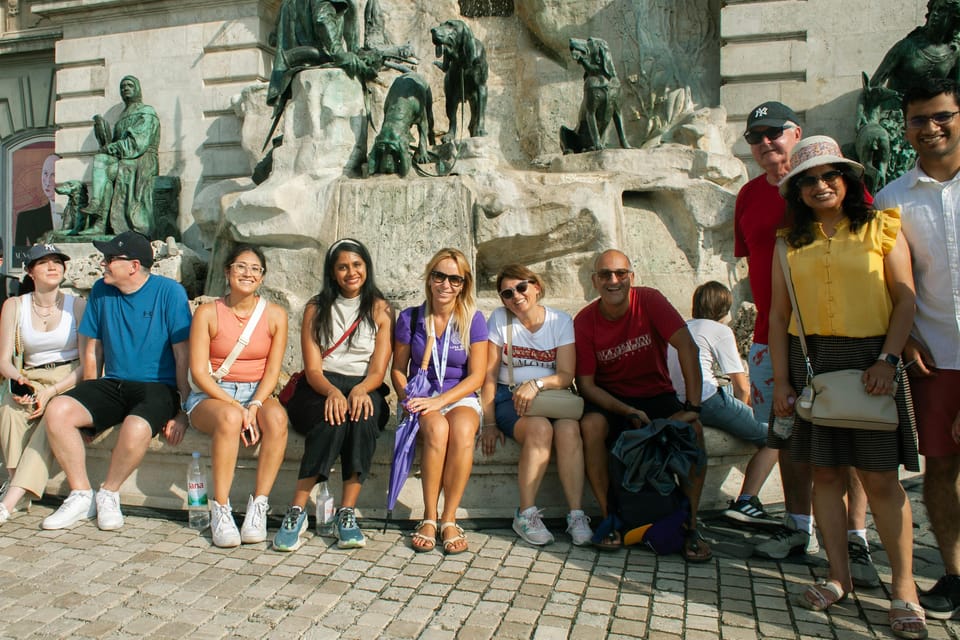
After the major panorama moments, you continue toward other key sightlines. You’ll get a stop with Chain Bridge views, which helps connect what you just saw across the water to what’s closer to you. This is a good way to “read” Budapest’s geography, because you’re matching distant landmarks with the streets you’re standing on.
Then comes the Castle Hill funicular photo stop. The funicular is useful for getting around in real life, but in this tour it’s mainly a photo and orientation moment. You’ll see it as part of the district’s rhythm, like a practical thread tying the hill’s steep angles to the city below.
The efficiency here is the quiet win. The walking time feels purposeful because each segment supports the next viewpoint. You spend less time wandering and more time learning how the district works.
Buda Castle and the Royal Palace area: more than stones and statues
The Buda Castle stop is longer, with time for both photos and sightseeing. This is where the tour shifts from lookout points to the royal and governmental world that shaped the district.
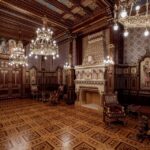
You’ll walk through parts of the Castle District that feel more like residences than a theme park, including smaller 1800s houses. That detail matters. It’s easy to assume this place exists only for tourists, but these little streets and buildings hint at the lived-in side of Castle Hill. You also see royal and governmental buildings along the way, which helps explain why this neighborhood has always been tied to leadership and national identity.
You’ll also hear stories and legends connected to the area. The tour keeps the tone practical and human, including cultural notes about everyday life and what it can feel like to be Hungarian. That approach helps the “key puzzles” of Hungarian history click into place rather than staying like a list of dates.
And yes, the time is built for pictures. You get a real window to frame and shoot without feeling pushed out the door.
Sándor Palace area: the political side of the view
After Buda Castle, the tour moves toward Sándor Palace. This stop is a walk segment that keeps you moving while still giving you time to take in the feel of the area.
The palace zone reinforces the tour’s larger message: Castle Hill isn’t just scenery. It’s where state power and national stories lived close to the street. Even if you don’t go inside any building, you learn enough to look at the exterior and understand the role these sites played.
This is also a good moment for questions. If you’ve been wondering how Hungary’s history shaped the present day, the guide can connect the dots from what you saw at the viewpoints to the government buildings around you.
Price and practical logistics: quick value check
At $3.40 per person, this is one of those rare deals where you’re not paying “tourist premium” for the guide alone. You’re getting about two hours of guided walking in a top sightseeing zone plus multiple major photo points.
What you should plan for:
- Comfortable shoes are non-negotiable on Castle District streets.
- Bring food and drinks if you want to stay comfortable through the pauses and walking.
- Dress in comfortable clothes for changing hill angles and any cool breezes up top.
What’s not included: tickets to museums. So if you want to go inside a museum or monument, treat that as an optional add-on and budget for it. The tour focuses on the district and viewpoints, so it works even if you only want outdoor sightseeing and clear storytelling.
Also, it runs every day and is described as not affected by weather conditions. In practice, that means you should still bring a sensible layer, but you shouldn’t have to rearrange your day just because conditions change.
Who this tour is best for
This tour fits well if you want:
- A guided route through the Castle District with strong viewpoint timing
- A guide who tells stories in a way that makes the place feel understandable and not dry
- Plenty of photo stops without turning the day into a stop-and-go mess
It’s especially good for first-timers in Budapest who don’t want to guess their way through Fisherman’s Bastion, Matthias Church, and the Royal Palace area. It can also work for return visitors who want a smarter route and a clearer picture of how the landmarks connect.
If you’re traveling with mobility needs, note that it’s described as wheelchair accessible. You’ll still want to wear grippy shoes if you can walk, but the tour is built with access in mind.
The guide experience: clear stories, lively answers, useful follow-up
One of the most praised parts of this tour is the guide energy. You’ll likely meet different guides depending on the day, and names like Kitti, Sou, Claudia, Béla, and Ignácio/Nacho show up in the guide roster. The common theme in how they teach is simple: they’re friendly, funny when it fits, and very comfortable answering questions.
You’ll also get practical aftercare. The tour isn’t only about the walk itself; guides often share up-to-date recommendations for museums, cafés, and restaurants. That turns the tour into something you can build on right away rather than a standalone experience.
And when groups move through busy areas and around viewpoints, hearing your guide matters. One of the repeat positives is that the tour is set up so you can understand what’s being said, including use of amplification when needed.
Should you book the Buda Castle Fisherman’s Bastion to Royal Palace tour?
If you want an efficient way to hit the Castle District’s best viewpoints with context, I’d book it. The price-to-time ratio is strong, and the route is structured so you aren’t just wandering between famous spots. You’re learning what you’re seeing as you photograph it.
Book it especially if:
- You’re short on time and want the major highlights in about two hours
- You like your history tied to real places, not just timelines
- You care about photo angles and want a guide to help you get them right
Skip it or consider a different option if:
- You prefer long museum interior time over outdoor viewpoints
- You hate walking on hills and stone streets (this tour does involve steady movement)
Overall, this is the kind of tour that makes Budapest’s Castle District feel like a city, not a postcard set.
FAQ
How long is the Buda Castle Walking Tour?
The duration is 2 hours (starting times vary by availability).
What’s the price per person?
The price listed is $3.40 per person.
Where does the tour start and how do I find it?
Meet at Szentháromság tér at the Holy Trinity statue in the middle of the square. Look for the purple umbrella.
Where does the tour end?
The activity ends back at the meeting point, and it includes an endpoint at Savoyai terasz.
What’s included in the tour?
A guided tour in the Buda Castle district with a live English-speaking guide, plus history and legends, photo stops, and up-to-date recommendations for museums, cafés, and restaurants.
Is museum entry included?
No. Tickets to museums are not included.