REVIEW · BUDAPEST
Alternative Budapest Walking Tour
Book on GetYourGuide →Operated by Absolute Tours · Bookable on GetYourGuide
Budapest has a second personality.
This walking tour focuses on street art and alternative culture, bouncing between Buda and Pest to show a Budapest you usually miss. It’s small-group, English-led, and built around present-day scenes, not just photo-stops.
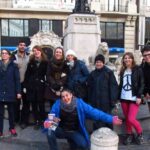
I especially like the small group size. You’re limited to 10 people, so the guide can actually talk with you, answer questions, and tailor the pace. I also love the stop-and-sit rhythm when it fits the story—coffee, beer, galleries, and design shops along the way.
One thing to consider: this is a real walking tour. Expect steady time on your feet, and it’s not set up for people with mobility impairments or wheelchair users.
In This Review
- Key highlights you’ll care about
- Why This Alternative Budapest Walk Beats the Usual Sights
- Starting at the Lutheran Church: Your First Local Landmark
- The Jewish Quarter and Street Art: Where Budapest Gets Bold
- Ruin Bars, Squats, and Community Spaces: The Real Social History
- Buda and Pest Together: How Two Sides Change the Mood
- Coffee, Beer, Galleries, and Design Shops: Stops That Feel Like Local Time
- Guide Quality Is the Whole Game Here
- Price and Value: Does $67 Make Sense?
- Who This Tour Fits Best (and Who Should Skip It)
- Should You Book This Alternative Budapest Walking Tour?
- FAQ
- How long is the Alternative Budapest Walking Tour?
- How big are the groups?
- Where do I meet the guide?
- What’s included in the price?
- What’s not included?
- Is it accessible for wheelchair users?
Key highlights you’ll care about
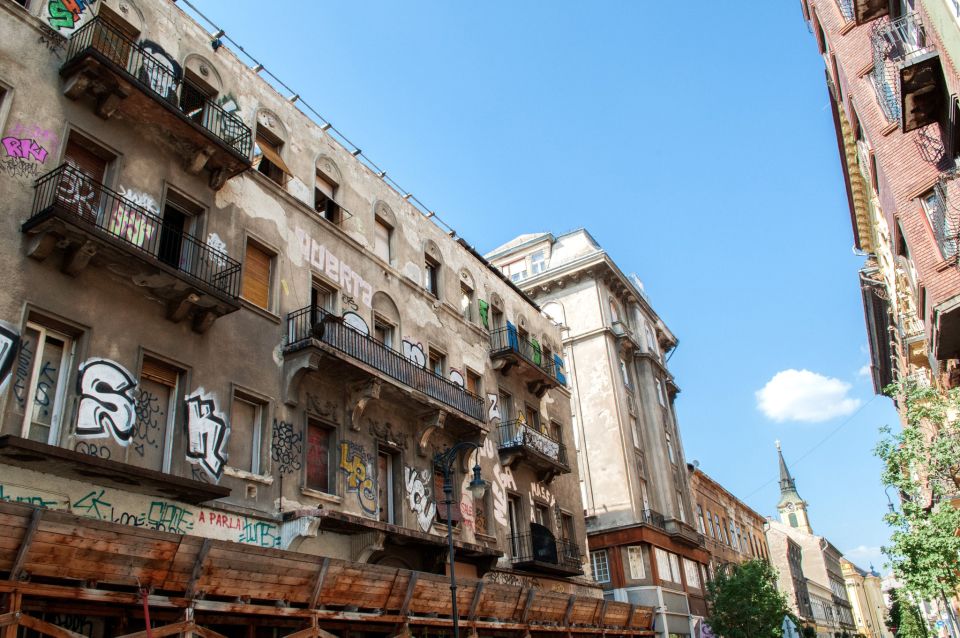
- Street art with context: learn what local graffiti writers and street artists are doing and why.
- Jewish Quarter energy: explore the district where the city’s alternative scene has been taking off.
- Ruin bars and cultural spaces: see how squats, cultural centers, and community hangouts shaped the nightlife.
- Guides with up-to-date instincts: many groups report guides like Raymond/Ray, Petra, Krisztián, Anna, and Antonia bringing smart, current advice for the rest of your stay.
- Art + daily life stops: the tour doesn’t feel like a museum route; it’s closer to how locals actually spend time.
Why This Alternative Budapest Walk Beats the Usual Sights
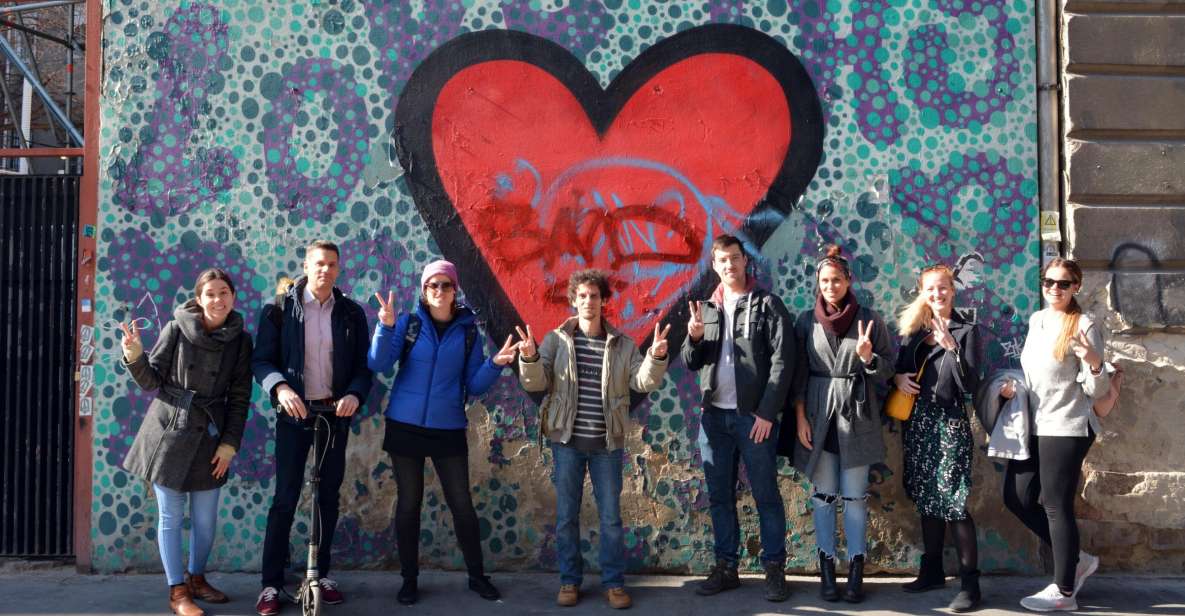
If you’ve already seen Parliament and the big viewpoints, you’re craving something more lived-in. That’s the whole point here. This tour is built around Budapest’s street art, design, and nightlife ecosystem—places where creativity shows up on walls, in storefronts, and in back rooms.
What makes it work is that it’s not only about the past. You spend more time on what’s happening now and where the scene is going next. The guide frames the history only as much as you need to understand the vibe of each neighborhood.
Also, it’s a walking tour with variety. One moment you’re reading a mural like a visual essay. The next you’re hearing how a ruin bar or cultural center became a social engine for the neighborhood.
You can also read our reviews of more walking tours in Budapest



Starting at the Lutheran Church: Your First Local Landmark
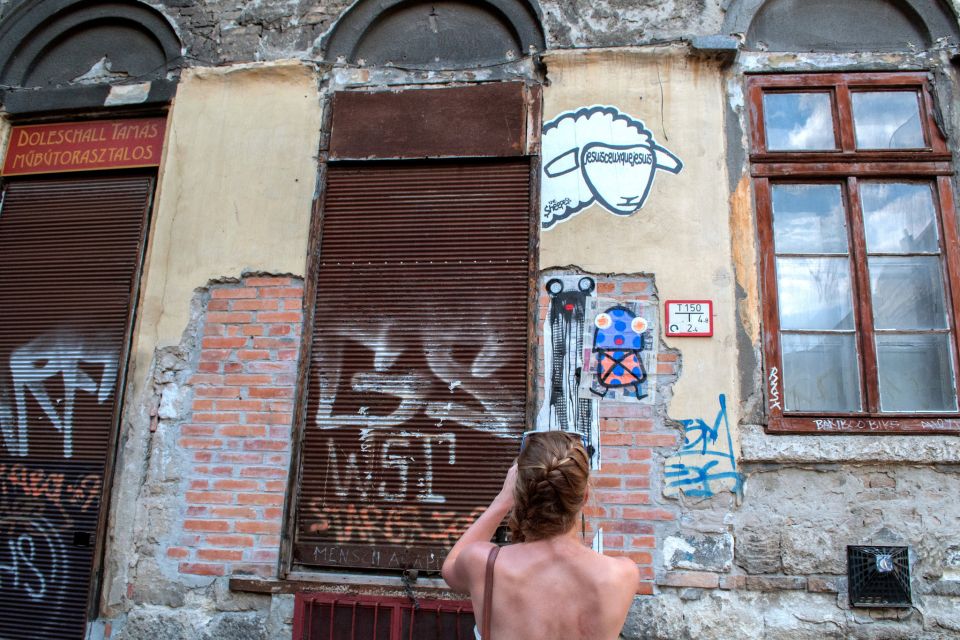
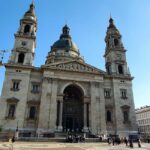
You meet your guide in front of the Lutheran Church (pale yellow), right on the church steps. It’s an easy landmark to find, and it’s a good way to get oriented before you start zig-zagging through smaller streets.
A detail I appreciate: you get off the classic tourist trail quickly. Several guides are known for setting expectations early—pointing out the main tourist zone first, then steering you away from it. That matters, because the best part of this tour is the contrast: normal streets can turn interesting fast once you know where to look.
Bring comfortable shoes. This is one of those tours where your legs do a lot of the sightseeing. If your footwear is questionable, you’ll feel it by hour one.
The Jewish Quarter and Street Art: Where Budapest Gets Bold
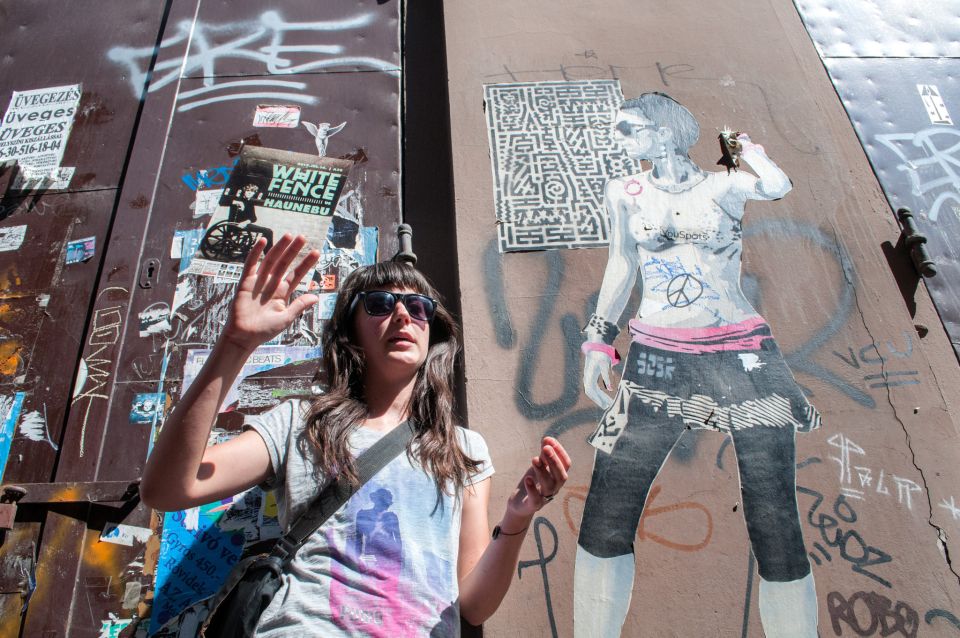
The tour’s early momentum often swings toward the Jewish district and the 7th district area. This is where you’ll see the alternative culture “starting up,” the kind of scene people compare to other European cities—districts that used to be ignored and then became creative magnets.
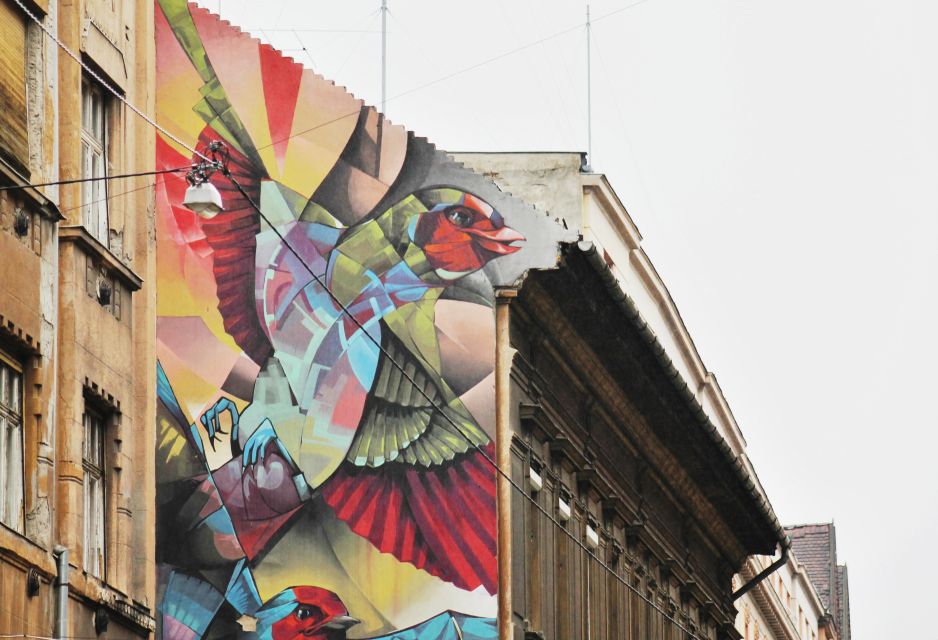
Street art is the main language. The guide points out pieces and explains the people behind them—how local writers and street artists operate, what styles mean, and how the neighborhood context shapes the work. You start noticing patterns: the difference between random tags, commissioned murals, and artwork tied to specific spaces.
One practical upside: you’ll learn how to keep reading the city after the tour. By the time you’re finished, you’re less likely to walk past a mural without registering it.
Another nice touch from groups: the tour often includes chances to ask questions. That makes a difference with street art, because you’re not just looking—you’re trying to understand intent.
Ruin Bars, Squats, and Community Spaces: The Real Social History
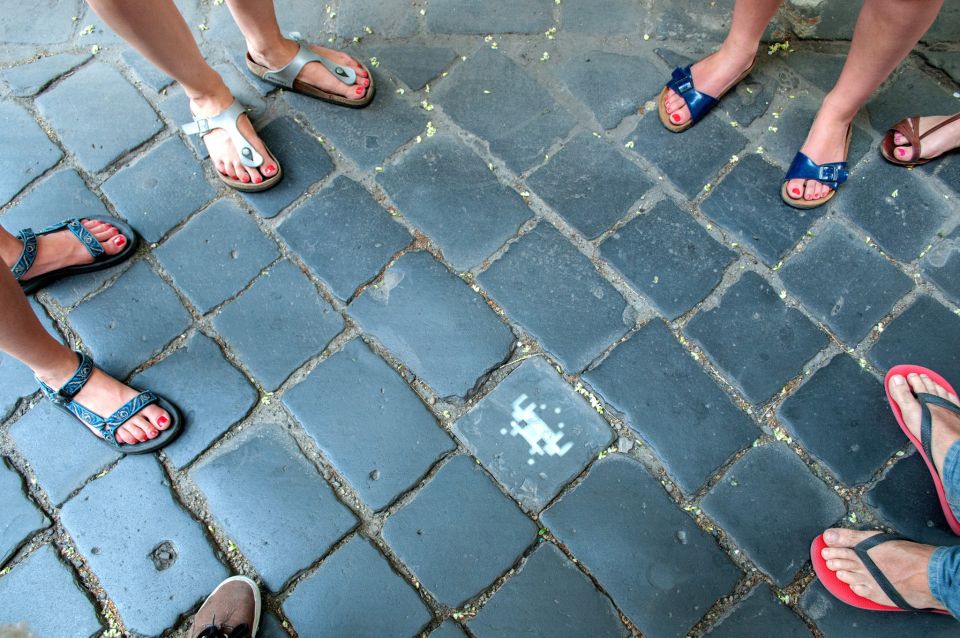
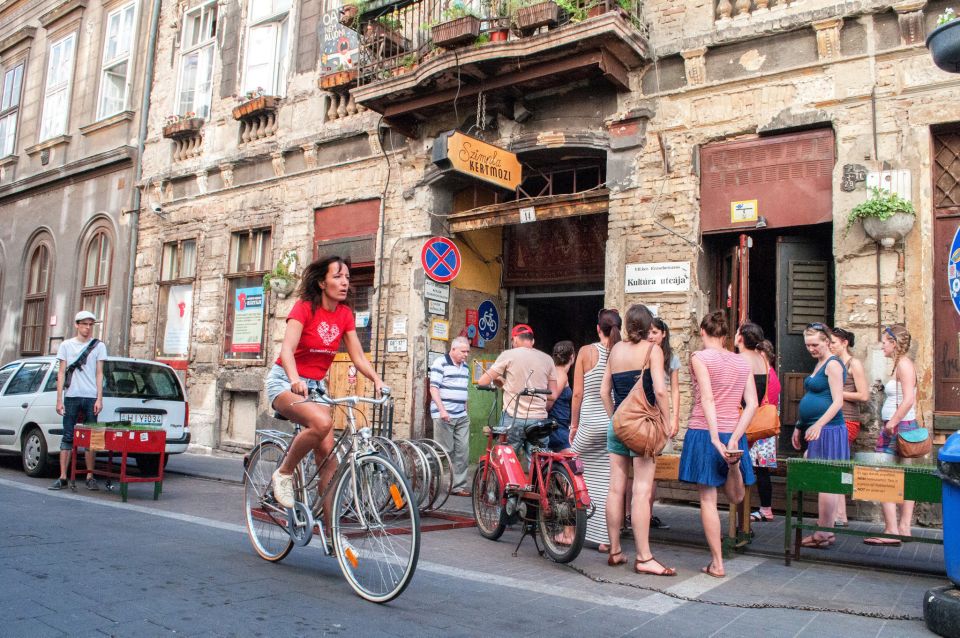
Budapest’s ruin bars are famous, but this tour treats them like more than party stops. You’ll hear how these venues functioned as community centers—where creative people gathered, where artists stayed visible, and where the neighborhood energy built itself.
Some groups specifically mention stops tied to the ruin bar scene, including Szimpla Kert. Even if your exact route varies, the storytelling focus is consistent: the guide connects the space to why it matters.
You also might encounter ideas like squats, cultural centers, and abandoned synagogues as part of the broader alternative landscape. You’re not just seeing “cool buildings.” You’re getting the human logic of why certain spaces became meeting points.
And because the tour is small-group, the guide can explain the delicate parts without turning it into a lecture. You get the background, then you move on before the topic gets heavy.
Buda and Pest Together: How Two Sides Change the Mood
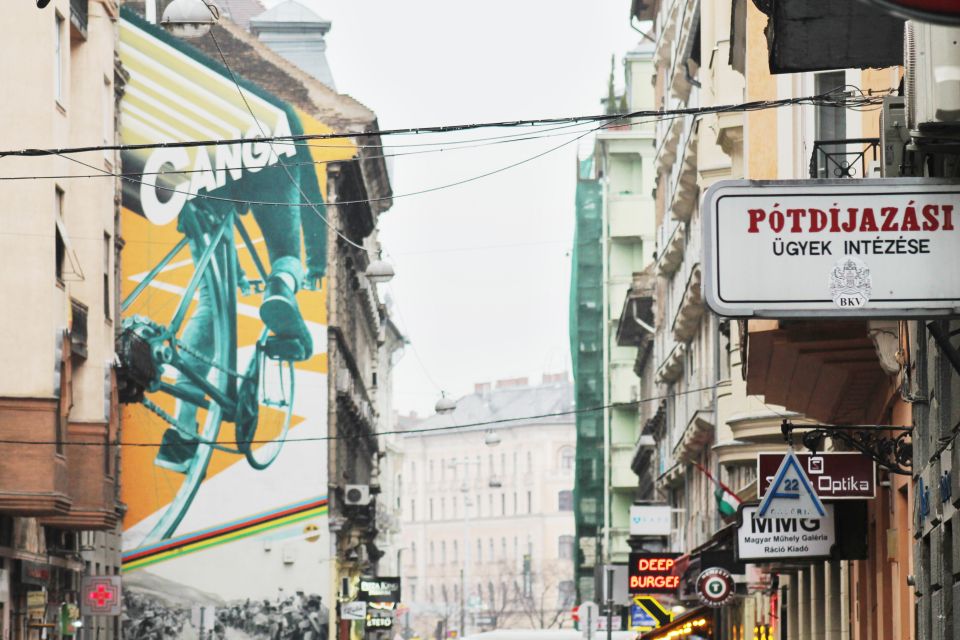
This tour crosses both Buda and Pest, so you don’t get stuck in one repeatable vibe. Pest tends to feel more scene-driven and street-level; Buda can shift the texture and pace as you move across different kinds of streets and views.
That split is useful for first-timers. If you only explore one side, you can miss how Budapest’s neighborhoods “sound” different. Here, the walking plan helps you feel the city’s geography as culture—what changes as you move, not just what looks good in photos.
You’ll likely spend plenty of time between ordinary corners and artsy storefronts. That’s where the guide shines: you begin to understand why certain streets feel creative even if nothing obvious is happening at first glance.






Coffee, Beer, Galleries, and Design Shops: Stops That Feel Like Local Time
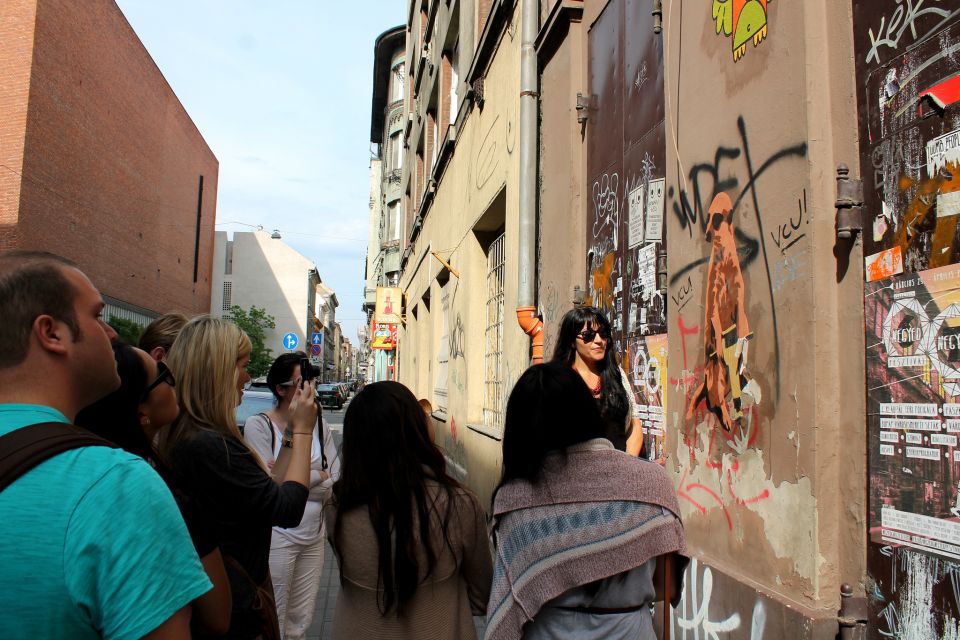
The tour isn’t only street art on repeat. It mixes in real-world breaks at places where creative people actually hang out.
From the info and reported experiences, you may stop for coffee or beer at an art and coffee collective or similar community space. You might also see an eco design shop stop—one name that comes up is Printa. These are the kinds of places where the walls tell one story and the shelves tell another: local brands, art objects, and a sense of what people care about today.
Some groups also mention a book shop café stop and then finishing around the ruin bar atmosphere. That’s a smart structure, because it gives your brain a reset. You go from looking at visual culture to sitting down and processing it.
One more music-scene detail: one group highlighted the A38 ship bar/venue area, including seeing sound-check energy. If your route includes something similar, it’s a great reminder that Budapest’s alternative culture isn’t stuck in one lane. Music, street art, and fashion share the same social ecosystem.
Guide Quality Is the Whole Game Here
This is the kind of tour where the guide makes or breaks it. The good news: the guide feedback in the data is consistently strong. People name guides like Petra, Ray/Raymond, Kristian/Krisztián, Anna, Zsophia, Lauren, Bogata, Bella, Antonia, and Cristian.
Common threads show up across those names:
- Personal conversation rather than a scripted monologue
- Clear English and lots of room for questions
- Practical local pointers for what to do next in Budapest
Even when one person thought it was slightly overpriced, they still described the tour as interesting and talk-forward, with value in the background stories. That’s a clue about what you’re really paying for: context and local judgment, not just walking between landmarks.
Price and Value: Does $67 Make Sense?
At $67 per person for about 2.5 hours, this isn’t the cheapest way to see Budapest. But value here comes from three places that matter.
First, it’s small-group (limited to 10). That changes the experience from lecture to conversation. Second, the tour includes the guide’s professional storytelling—street art context, neighborhood history, and current-scene guidance. Third, the tour is designed to get you into places you might not find on your own, like art and coffee collectives, design shops, analogue photography galleries, bike workshops, and community-oriented ruin bar spaces (depending on the route and day).
The tradeoff: you’re paying more than the classic “big sites” tour. If you’re only in Budapest for architecture photo ops, this may feel pricey for what you get.
If you like your travel with personality—murals, live music corners, and design shops—then $67 can feel fair. You’re buying a lens on the city, not just a route.
Who This Tour Fits Best (and Who Should Skip It)
This is a great pick if you:
- Care about street art and want the local context
- Want a current look at how Budapest’s alternative scene grew
- Prefer small groups where you can ask questions
- Like a mix of walking plus sitting down for coffee or beer
It may not be the best fit if:
- You need a low-walking itinerary
- You use a wheelchair or have mobility limits (the tour isn’t suitable for wheelchair users or people with mobility impairments)
- You’re expecting lots of major monument time and museum-style stops
Also, bring weather-appropriate layers. The tour runs outside, and you’ll walk through districts that can feel different quickly.
Should You Book This Alternative Budapest Walking Tour?
Book it if you want Budapest to feel modern and human. This is the kind of tour that helps you spot what you’d miss: why certain walls matter, why ruin bars are more than party fuel, and how the city’s Jewish district and creative spaces connect to today’s culture.
I’d skip it only if your travel style is strictly “top sights first” and you don’t care about street art, nightlife scenes, and design shops. In that case, you’ll probably feel like you paid for a niche interest.
If you do book, treat it like your creative orientation session. After the tour, use the guide’s brain for what to see next. The best outcome isn’t just what you walked to—it’s what you understand well enough to keep exploring on your own.
FAQ
How long is the Alternative Budapest Walking Tour?
The tour is listed as 2.5 hours.
How big are the groups?
It’s a small group, limited to 10 participants.
Where do I meet the guide?
Meet your guide in front of the Lutheran Church (pale yellow), on the church steps.
What’s included in the price?
The tour includes a walking tour and a professional guide.
What’s not included?
Entrance fees and food and beverages are not included, and there’s no pick up or drop off.
Is it accessible for wheelchair users?
No. It’s not suitable for people with mobility impairments or wheelchair users.