REVIEW · BUDAPEST
Budapest: City Center Walking Tour
Book on GetYourGuide →Operated by Tourist Angel · Bookable on GetYourGuide
Pest clicks into place in just two hours. This walk helps you skip the crush of tour buses and take in the Saint Stephen’s Basilica dome and the small-group feel right in the middle of the action. It’s a fast orientation through 19th-century architecture and big-city monuments, with guides like Lena or Bea adding the context that most guidebooks skip.
I especially like the way the route threads the city’s mood—pretty views along the river, then straight into the heavier stories near Hungarian Parliament building. A fair warning: you’ll be outside the whole time, since it runs rain or shine, so bring a real rain layer and expect a steady pace.
In This Review
- Key Things You’ll Notice on This Budapest Walk
- Getting Your Bearings on Pest, Starting at Marcius 15 Square
- From the Great Blessed Lady to Duna Corso: River Views That Make It Real
- Pesti Vigado to Vorosmarty Square: Cafés, Squares, and City-Center Rhythm
- Elizabeth Park and Budapest Eye: A Short Reset in the Middle of the Walk
- Saint Stephen’s Basilica and the Mr. Safe Smile Break
- Liberty Square: Dictatorship, Nazi Occupation, and Communist Oppression
- Kossuth Square and the Hungarian Parliament Building Story Walk
- Wrapping Up by the Danube: Shoes on the Danube Bank
- Price, Pace, and Value for Money (and for Your Feet)
- Should You Book This Budapest City Center Tour?
- FAQ
- How long is the Budapest City Center Walking Tour?
- Where does the tour start?
- Is there an entrance fee included?
- Is the tour guided?
- What language is the tour in?
- Does the tour run in bad weather?
- Is the tour wheelchair accessible?
- Is it a small group tour?
- Can I cancel for a refund?
- Do I have to pay immediately?
Key Things You’ll Notice on This Budapest Walk
- Saint Stephen’s Basilica up close: the dome and colonnade stop you in your tracks.
- Duna Corso river promenade views: Danube bridges and the Castle of Buda across the water.
- Parliament-area monuments and 1956 stories: the city’s 20th-century pressure is hard to ignore.
- A smoother city-center pace: no bus rides, just guided walking through Pest’s core.
- Small-group energy: questions get answered, and guides stay engaged (like Lena’s or Dominic’s style).
Getting Your Bearings on Pest, Starting at Marcius 15 Square
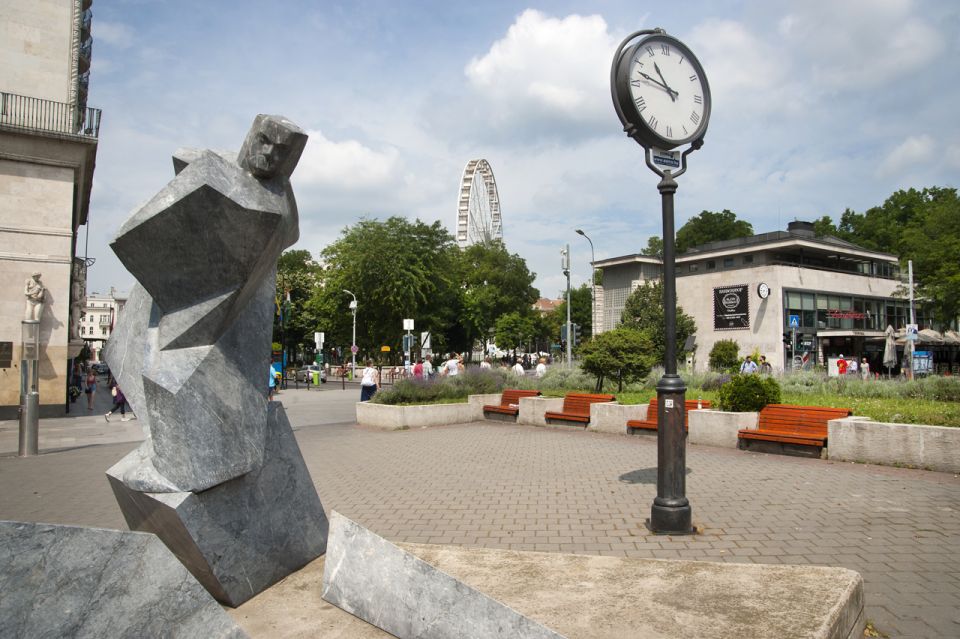
If you arrive in Budapest and feel a little lost, this is the kind of tour that fixes that fast. You start in Marcius 15 Square, a solid launchpad for understanding Pest’s layout. It’s also a nice “first day” move because you’ll learn the names of key spots you’ll want later, when you’re wandering on your own.
Early on, you’ll spot the Gothic Medieval church known as the Great Blessed Lady Cathedral. It gives you an instant sense of Budapest’s timeline. This isn’t just pretty buildings. Your guide connects style to the people who lived through the city’s shifts—empire, nation-building, and later the political shocks of the 1900s.
I like that you’re not rushed from one landmark to the next with no breathing room. Instead, your guide keeps you oriented: where you are, what you’re seeing, and why it matters. That helps you take better photos too, because you’re standing in the right place for the right angle—not just the closest one.
You can also read our reviews of more walking tours in Budapest



From the Great Blessed Lady to Duna Corso: River Views That Make It Real
Next comes a big highlight: the walk along the Duna Corso river promenade. This is where the Danube stops feeling like a line on a map and starts feeling like the spine of the city. You’ll get viewpoints over the water toward the Danube bridges and the Castle of Buda across the river.
This part matters more than it sounds. Budapest is famous, but it’s also easy to miss how dramatically the river shapes the whole experience. Standing on the Pest side and looking across helps you understand why these buildings were built where they were—and why the city keeps turning back toward the river.
You’ll also pass major landmarks along the way, including the Pesti Vigado dance palace. It’s a good reminder that Budapest’s “classic monument” world isn’t only cathedrals and government buildings. There’s also a cultural side—music, performance spaces, and public life.
If you’re the type who enjoys a good photo, come prepared. This promenade is one of those stretches where you’ll want to stop more than once. And since you’re walking, you can do it without feeling like you’re holding up a bus tour.
Pesti Vigado to Vorosmarty Square: Cafés, Squares, and City-Center Rhythm
As the walk pushes deeper into the core of Pest, you’ll move through the rhythm of the city center: grand facades, open squares, and pedestrian streets where you can actually feel the city moving.
One of the stops is Vorosmarty Square, where you’ll see the historical Gerbeaud Cafe. Even if you don’t go in, it’s worth pausing. It’s the kind of place that anchors the idea that Budapest isn’t just “sights.” It’s also habits—meeting points, old-school café culture, and everyday rituals.
In this section, I like how the tour keeps mixing visual wow with human scale. Yes, you’ll see big architecture. But you’ll also be pointed toward how locals use these areas: where people stroll, how the sidewalks flow, and what to look for beyond the first famous sign.
Your guide also tends to include small practical hints. From what I’ve seen on tours with guides like Bea and Dominic, they often share advice on where to eat after the walk—especially if you ask. One common theme from past group experiences: dessert stops can become a bonus moment later, like finding a strudel shop you wouldn’t stumble into by accident.
Elizabeth Park and Budapest Eye: A Short Reset in the Middle of the Walk
You’ll then cut toward Elizabeth Park. This is a welcome shift from the tight, monumental feel of the squares and government area. The park gives you a little breathing space while keeping you in the middle of Pest’s major sights.
From there, you’ll see the Budapest Eye, the largest Ferris wheel in Europe. It’s not just a skyline object. It’s a useful landmark because it’s easy to spot later as you roam the city. Even if you skip the ride, knowing where it sits helps you map Budapest visually.
This section works well for pacing. Two hours is a short tour, so it can’t be all heavy history and high drama. The park-and-wheel stop breaks the walking rhythm without turning the tour into filler.
If you’re traveling with family or teens, this is also the moment where attention often lifts. The setting feels calmer, and the Budapest Eye is the kind of landmark people actually enjoy talking about.
Saint Stephen’s Basilica and the Mr. Safe Smile Break
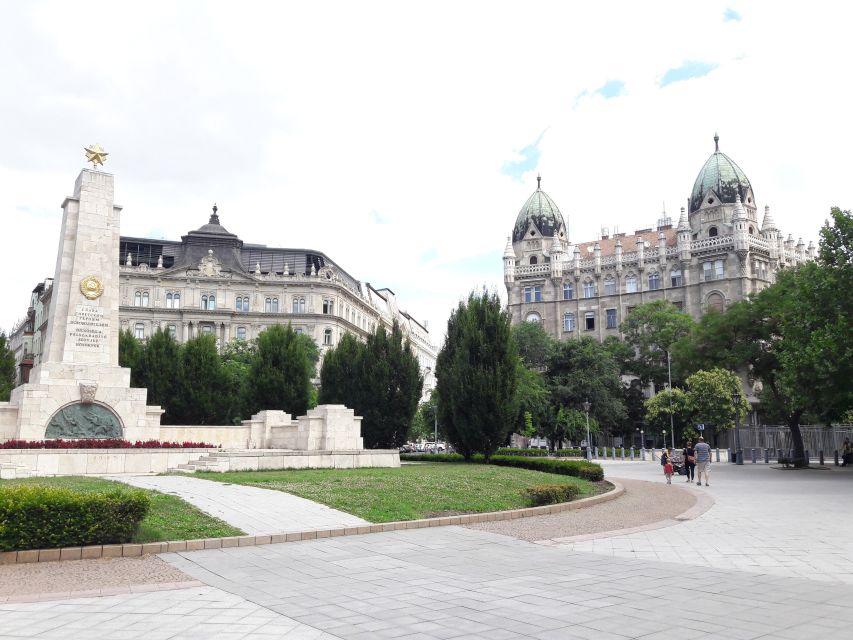
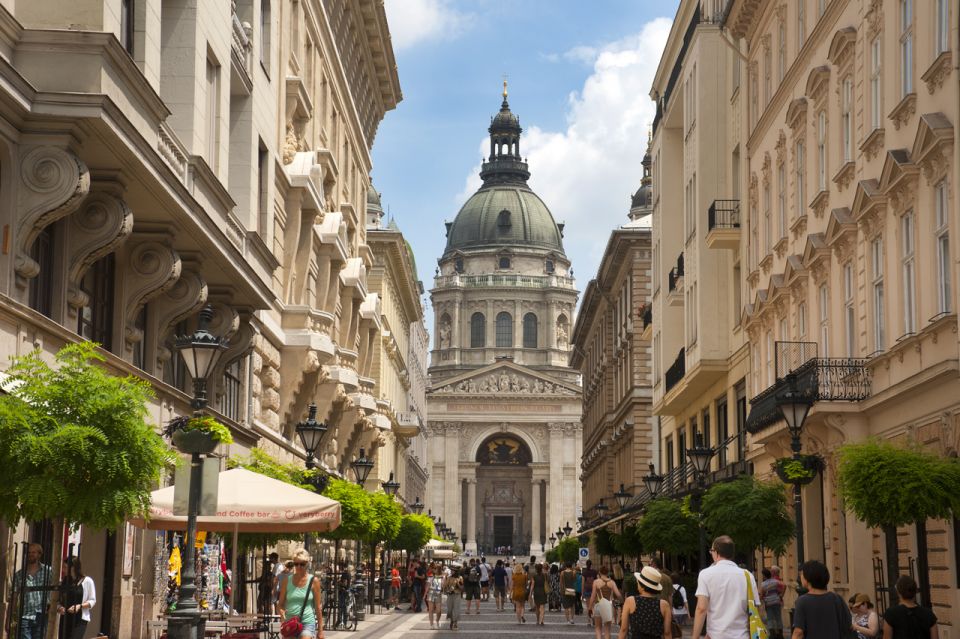
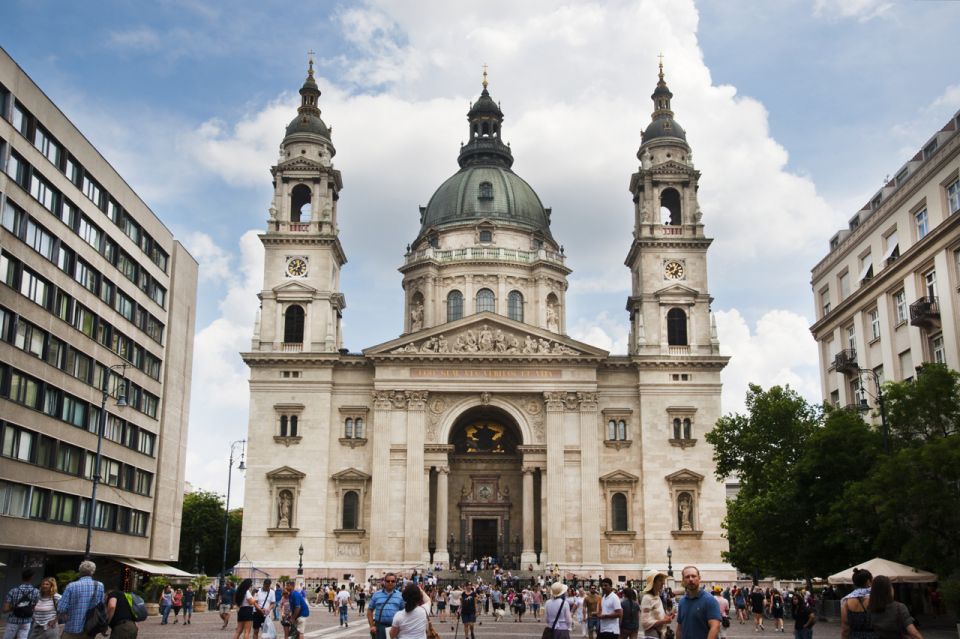
Then you hit one of the biggest payoff moments: St Stephen’s Basilica. The guide points out the monumental dome and the colonnade, and it’s the kind of sight that doesn’t need extra explanation. You just look up.
Even if you’ve seen famous churches in other European cities, this one has a particular presence. It’s central, it’s monumental, and it feels tied to Hungary’s identity in a way you can sense immediately.
After that, the tour shifts tone in a smart way. You’ll pass through traditional pedestrian streets and see the cute statue of Mr. Safe. Yes, it’s a little playful. But it also does something useful: it reminds you Budapest isn’t only solemn monuments. It’s a living city where people put humor into public space.
I like that your guide doesn’t treat the walk like a museum line. The tour has light moments on purpose. That keeps the heavier stops from feeling like nonstop gloom.
You can also read our reviews of more city tours in Budapest





Liberty Square: Dictatorship, Nazi Occupation, and Communist Oppression
Now the tour turns serious. You arrive at Liberty Square, where you’ll learn about Budapest’s traumatic past—first as a center of Nazi occupation, then under Communist oppression. The stories here are not abstract. Your guide connects the political shifts to what you can still see in the city.
This is also where the guide’s role gets essential. If you’re not getting context, these places can feel like nameplates. With a good guide, you start to understand why certain squares and buildings became symbols—why they were used, threatened, protected, and remembered.
You’ll hear about dictatorship and the 1956 revolution. That part is emotionally heavy, but it’s also important if you want to understand why modern Budapest feels the way it does. The city carries memory on its face.
If you prefer lighter tours, this might be more intense than you expected. But if you want a real introduction to Budapest beyond postcard angles, this is the section that makes the walk worth more than the photos.
Kossuth Square and the Hungarian Parliament Building Story Walk
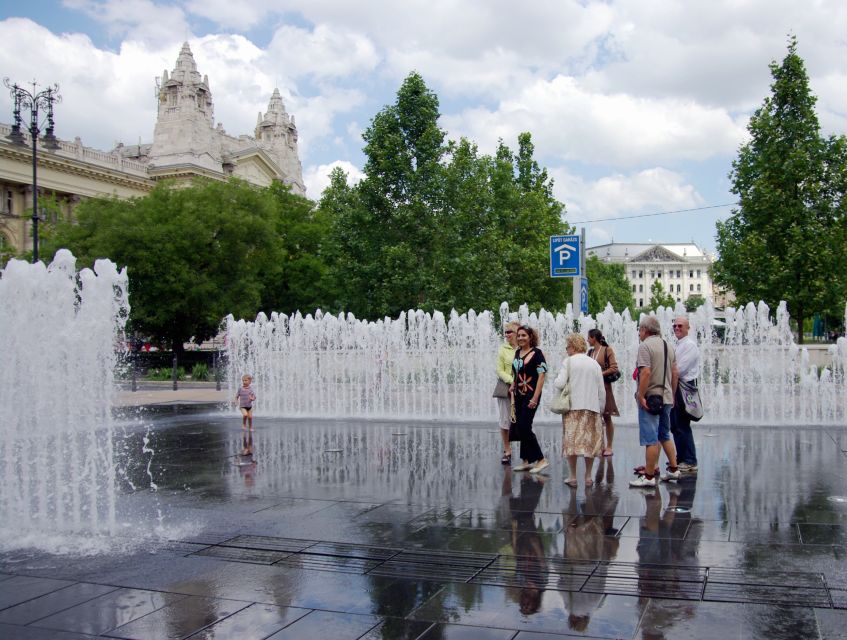
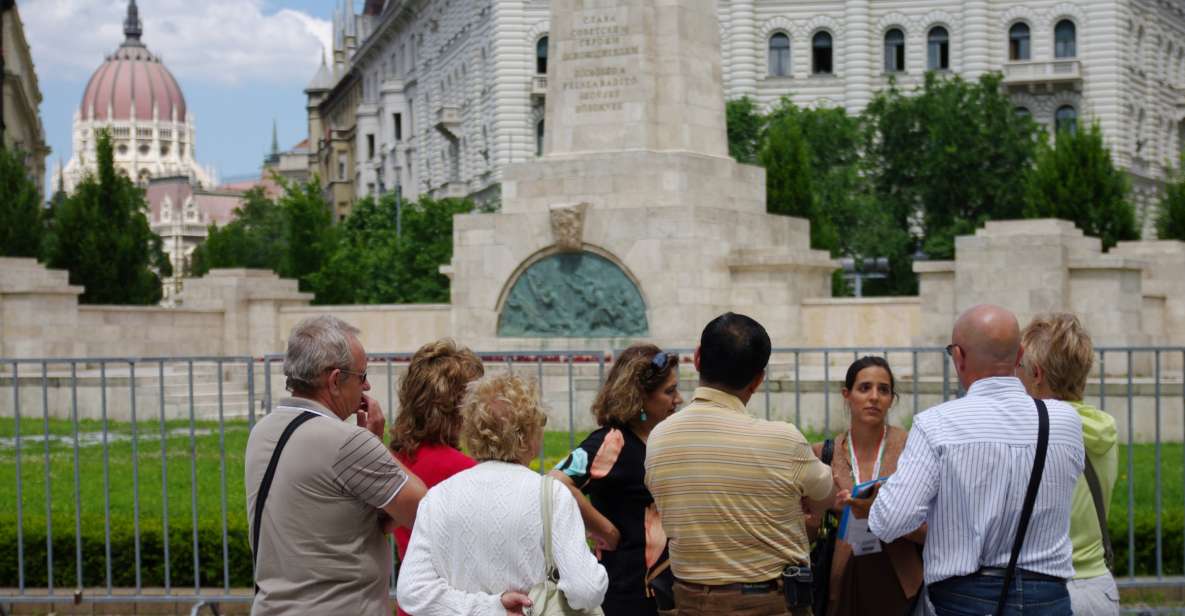
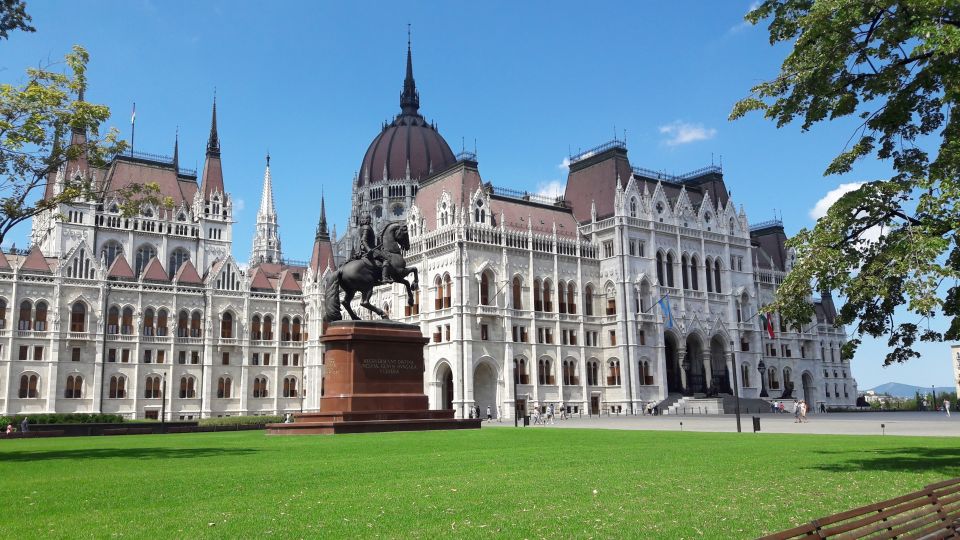
From Liberty Square, you continue to Kossuth Square. This is the finish-line feeling. It’s also where the majestic Hungarian Parliament building becomes the visual center of gravity.
Your guide ties together what you’ve learned so far: monarchy-to-nation shifts, then the 20th-century takeover stories, then the revolution. The aim isn’t to overwhelm you with dates. It’s to give you a map of meaning.
This part matters because Budapest’s most famous architecture is tied to power. Parliament isn’t just a pretty building. It’s a statement—and the tour explains the pressure around it so you don’t miss what the stone is trying to say.
By the time you reach the Parliament-area sights, you’ll likely feel two things at once: awe at the architecture, and a clear sense that Hungary’s story includes conflict, occupation, and resistance.
Wrapping Up by the Danube: Shoes on the Danube Bank
To close, you can pay a visit to the Shoes on the Danube Bank monument or simply enjoy the riverbanks afterward. This is the kind of stop that stays with you because it’s specific and human. It’s also a stark reminder that history happens to real people, not just governments and headlines.
If you want a final dose of atmosphere, staying along the Danube banks after the tour is a good idea. The river at street level is beautiful in a different way than the castle viewpoints. You’ll notice movement, light, and the everyday flow of the city.
And because this tour ends in the Parliament area zone, you’re well placed for your next move—either continuing your sightseeing or heading into the city center for dinner.
Price, Pace, and Value for Money (and for Your Feet)
The price is about $14 per person for a 2-hour walking tour with a live English guide. That’s solid value for two reasons.
First, you’re paying for guide time and interpretation. Budapest’s biggest landmarks can be impressive even without context, but you’ll get far more from your stops if someone connects architecture to events and everyday life. The guides here tend to answer questions and keep the pacing in a way that doesn’t leave you behind.
Second, you’re not paying for transit time. Walking is slower than buses, but it’s also cheaper and more personal. You’re in the middle of the city, stopping where the stories are.
Pace-wise, it’s an active 2 hours. It’s not labeled as a long hike, but you should wear comfortable shoes and plan on steady walking. One small practical note from past group experiences: tours sometimes run a bit longer if people keep asking questions. That usually sounds like a good problem—just don’t schedule something extremely tight right after.
Should You Book This Budapest City Center Tour?
I think you should book this if you want a fast, street-level way to understand Pest and its major landmarks in one shot. It’s a great choice for first-timers because it covers the Basilica, the Parliament-area monuments, and Danube viewpoints, plus it adds the context that makes the city feel real.
Skip it if you hate history content or you want a purely light, sightseeing-only day. Also, if you have very limited stamina, the “rain or shine” format means you’ll still be outside, so you’ll need to plan your comfort carefully.
Otherwise, this tour is a smart first step. Do it early, then use what you learn to guide your free wandering the rest of your trip.
FAQ
How long is the Budapest City Center Walking Tour?
The tour runs for 2 hours.
Where does the tour start?
The start is in Marcius 15 Square, though the exact meeting point may vary depending on the option you book.
Is there an entrance fee included?
Entrance fees are not included.
Is the tour guided?
Yes. A live tour guide is included.
What language is the tour in?
The tour is available in English.
Does the tour run in bad weather?
Yes. It takes place rain or shine.
Is the tour wheelchair accessible?
Yes, the tour is wheelchair accessible.
Is it a small group tour?
Small group options are available.
Can I cancel for a refund?
Yes. You can cancel up to 24 hours in advance for a full refund.
Do I have to pay immediately?
No. There is a reserve now, pay later option (you can reserve without paying today).