REVIEW · BUDAPEST
Budapest: 1.5-Hour Fun Segway Sightseeing
Book on GetYourGuide →Operated by GetSegway™ · Bookable on GetYourGuide
Budapest on a Segway feels like cheating, in a good way. I love the easy, on-site training that gets you rolling fast, and I love the chance to cover major landmarks without killing your feet. One thing to consider: you’re doing real street riding with crossings, so you need calm balance and patience, not just curiosity.
This 1.5-hour downtown loop is built for momentum. You start at Katsuhayabi ki-dojo, get your safety briefing, then glide with a private guide who times photo stops and keeps the ride moving at a pace that works for beginners. With sights like Elizabeth Square, St. Stephen’s Basilica, Szabadság Square, the Hungarian Parliament, and the Danube waterfront, you get a lot of Budapest in a short window.
In This Review
- Key Things You’ll Notice Fast
- Getting Started at Katsuhayabi ki-dojo: Training, Safety, and First Control
- Elizabeth Square to St. Stephen’s Basilica: Downtown Sights Without the March
- Szabadság Square: The Quick Hit of City Perspective
- The Hungarian Parliament Area: Big Architecture, Better Angles, and a Photo Moment
- Shoes on the Danube Memorial: The Pause That Makes the Whole Ride Mean More
- Chain Bridge Views and Danube Waterfront Motion: How the Route Feels
- The Guide Makes the Difference: Stories, Humor, and Photo Help
- Price and Value for $53: What You Actually Get in 90 Minutes
- Practical Tips Before You Ride (So It Feels Fun, Not Frazzling)
- Who This Tour Suits Best (And Who Might Want Another Plan)
- Should You Book This Downtown Budapest Segway Tour?
Key Things You’ll Notice Fast
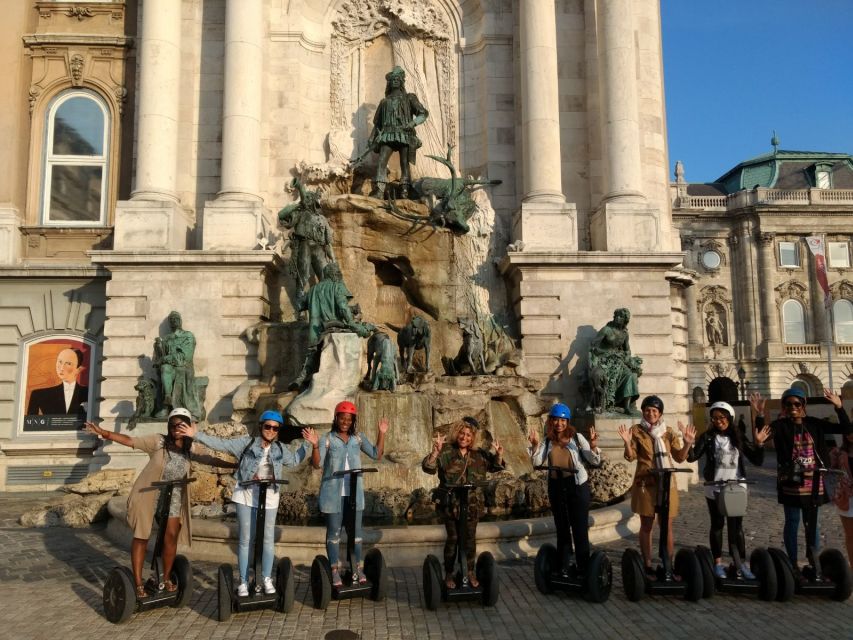
- Training first: you practice control before joining the street scene
- Iconic stops: Parliament, St. Stephen’s Basilica, and the Shoes on the Danube
- Photo-friendly pauses: frequent stops for views and Instagram-ready angles
- Downtown + Danube focus: you cover both grandeur streets and waterfront atmosphere
- Guide support in multiple languages: English plus several other options
- First-time Segway confidence: many guides are patient, and the pace adjusts to you
Getting Started at Katsuhayabi ki-dojo: Training, Safety, and First Control
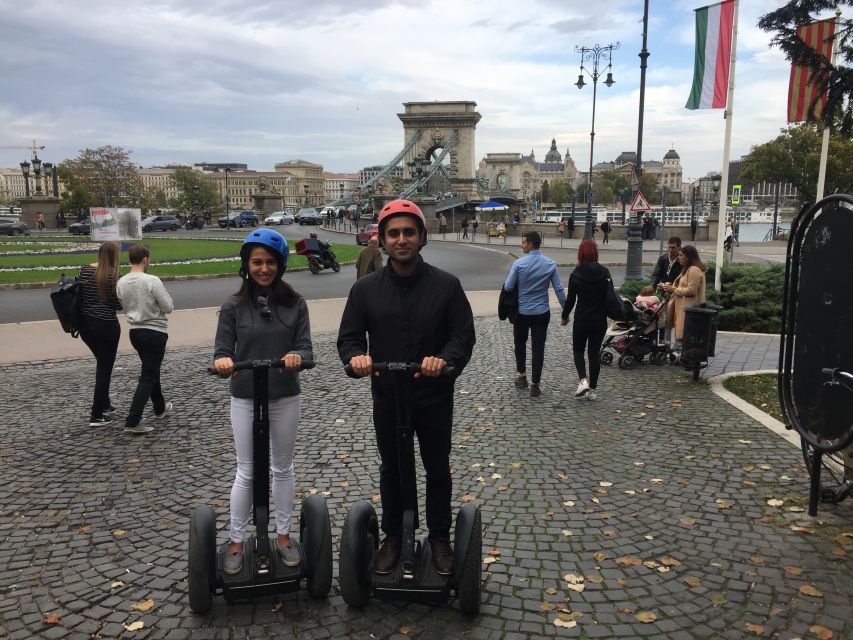
The experience begins at Katsuhayabi ki-dojo, where you don’t just get handed a Segway and a shrug. You start with a safety briefing (about 15 minutes) and then a guided training period that teaches you how the Segway behaves as you steer, stop, and accelerate.
This matters more than it sounds. Budapest streets can look easy on Google Maps, but once you’re on two wheels, you feel everything: curb edges, turns, and the rhythm of pedestrian traffic. That training phase is the difference between stress and flow.
When I look at tours like this, I care about one thing: can you get comfortable quickly? The repeated feedback from different guides highlights that you get instruction, practice time, and constant attention at the start, especially for people who are new or a little nervous. Guides like Sam, Beka, José, and Nour show up often in accounts for being patient and checking in.
Practical note: you’ll need an ID/passport (a copy is accepted), and you’ll want to arrive ready to move. If you’re the type who likes to hover at the edges, tell your guide right away. The better tours actively manage confidence, not just routes.
You can also read our reviews of more tours and experiences in Budapest.



Elizabeth Square to St. Stephen’s Basilica: Downtown Sights Without the March
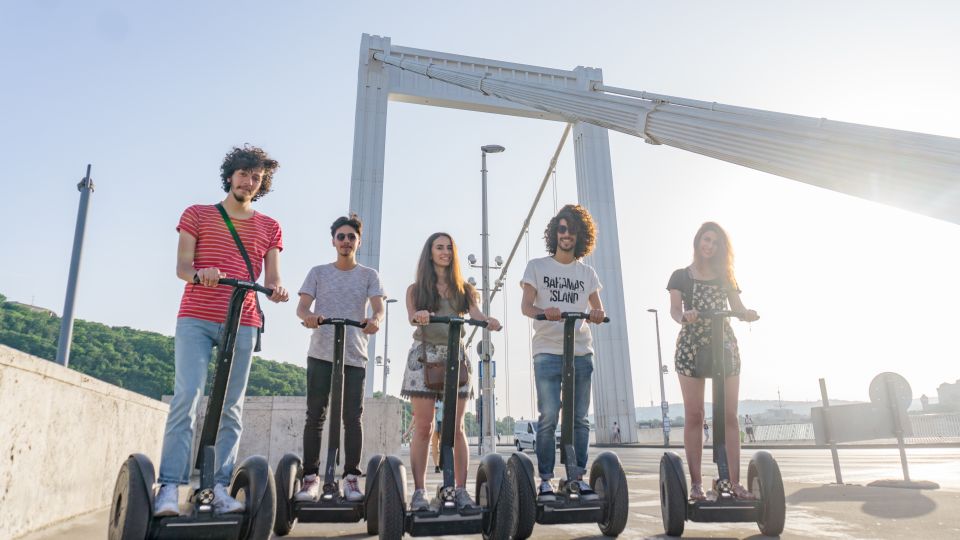
Once training is done, the Segway ride kicks off from Elizabeth Square (Erzsébet tér) for about 10 minutes. This is a smart first choice for a downtown route because it gives you a gentle runway: you can get used to steering and speed before the bigger-ticket photo stops.
Elizabeth Square is often treated like a central “hub” area, and in practice it works as a mood setter. You feel like you’re in the city center right away, with easy sightlines for landmarks and good opportunities to stop for photos.
Next is St. Stephen’s Basilica, with roughly a 10-minute segment. The basilica is one of those places where, even if you’ve seen pictures, the scale hits in person. On a Segway, you get the benefit of approaching at a comfortable pace, rather than arriving sweaty from a steep climb on foot.
Why this section is valuable: you’re stacking two different kinds of sightseeing early—open downtown energy at Elizabeth Square, then a major cultural landmark at the basilica. That early momentum helps a lot if your time in Budapest is limited.
Watch-out (small but real): because you’re on a Segway, you’ll spend less time standing still than you would on a walking tour. If you love lingering, plan on using the stops the guide makes for you rather than expecting long sightseeing windows.
Szabadság Square: The Quick Hit of City Perspective

From there, you roll toward Szabadság Square for a shorter ride segment (around 5 minutes). This stop works like a breather in the itinerary: it’s not only about the location, it’s about resetting your legs and your rhythm.
In a 90-minute tour, these short segments are what keep the whole experience feeling smooth. You get continuous movement, but you’re not stuck in one long “ride-only” stretch either. It’s the difference between feeling like a transportation ride versus a tour.
Even if you treat Szabadság Square as a quick waypoint, you’ll likely appreciate how the route strings together recognizable areas without turning the outing into a marathon. That’s a real value for first-time Segway riders too.
The Hungarian Parliament Area: Big Architecture, Better Angles, and a Photo Moment
This is where the tour really leans into Budapest’s dramatic side.
You’ll spend about 10 minutes riding toward and around the Hungarian Parliament Building, plus a dedicated photo stop of around 5 minutes. On a Segway, you can position yourself for angles that are harder to get on foot without weaving through crowds or doing extra distance.
The Parliament area is also one of those places where stories help. A good guide doesn’t just list facts; they explain why the building matters and how it fits into the city’s identity. The guides in this format often do a solid job of keeping explanations short and interesting, while still covering what you actually care about when you’re staring at something famous.
Small consideration: photo stops can feel brief if you’re picky about shots. However, the route is built to keep you moving and to prevent the “stand around waiting” problem that can happen on group tours. If you want a perfect shot, ask your guide for the best side to face and try to be ready before the stop is over.
Shoes on the Danube Memorial: The Pause That Makes the Whole Ride Mean More
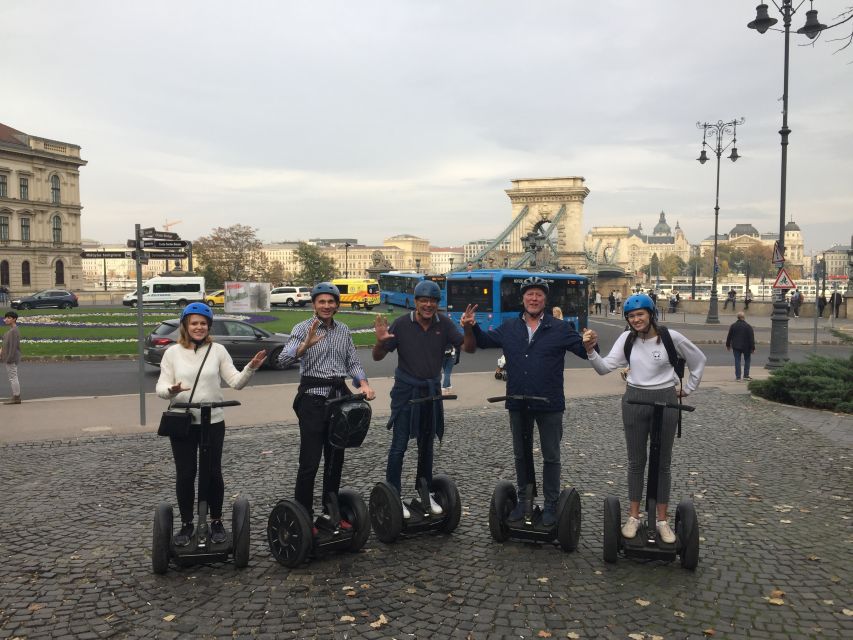
Next up is the Shoes on the Danube Bank memorial area. This segment is about 5 minutes of riding, followed by a break of roughly 5 minutes.
This is the moment that changes the tone. It’s not just “see a landmark.” It’s a memorial site, so you’ll want a little space in your head as you look. The guide’s pacing here matters, and the break helps because you’re not rushed through the emotional weight of the place.
What I like about building this into a Segway tour is balance. Budapest can feel like beauty on repeat, but the Danube waterfront includes places that force you to pay attention to real human history and tragedy. You can still have fun on the wheels, but you’re not skipping the serious part.
If you’re traveling with kids or you’re not sure how they’ll react, it helps that there’s time to step back and take a breath. Your guide can also steer you toward respectful viewing without turning it into a lecture you didn’t ask for.





Chain Bridge Views and Danube Waterfront Motion: How the Route Feels
Even though the itinerary is tight, you get strong “wow” windows. The ride includes gliding along the waterfront and pausing for views connected to the Chain Bridge. You’ll also get photo moments where you can take in views toward Buda Castle and Fisherman’s Bastion.
This is one of the best reasons to choose a Segway format in Budapest: bridges and elevated viewpoints are harder to access efficiently on foot, especially if you’re trying to see a lot in a single morning or afternoon.
On the waterfront, you feel more of the river air and the city’s layout. The Danube isn’t just scenery here; it’s a navigation tool for understanding how the city’s sides connect.
One more practical note: street and crossing behavior. More than once, guide feedback highlights that you’re watched closely as you get comfortable, particularly when getting through traffic and road crossings at first. That attention makes the difference between feeling “unsafe” and feeling guided.
The Guide Makes the Difference: Stories, Humor, and Photo Help
If you care about authenticity, pay attention to the human part. In the feedback tied to this tour format, guide names come up repeatedly: Jonny, Johnny, Beka, Sam, Philip, José, Nour, Hami, Yusuf, Nila, and Hafa.
That matters because a good guide doesn’t just know where to go. They help you interpret what you’re seeing.
What I’d watch for in the way your guide runs the ride:
- They teach you until you feel steady, not until you “think you’re fine.”
- They keep explanations short enough that you’re not bored, but detailed enough that you remember what mattered.
- They take photos for you and give clear directions for where to stand and how to face the landmark.
One tip that showed up in feedback: some guides build in extra little moments, like help for someone afraid of heights when crossing and even time for a drink on certain days. You can’t count on that every time, but it’s a sign that guides are thinking about comfort and vibe, not just movement.
If you’re nervous at the start, tell your guide. Several people reported feeling calmer because their guides were patient and helped them through the first turns and crossings.
Price and Value for $53: What You Actually Get in 90 Minutes
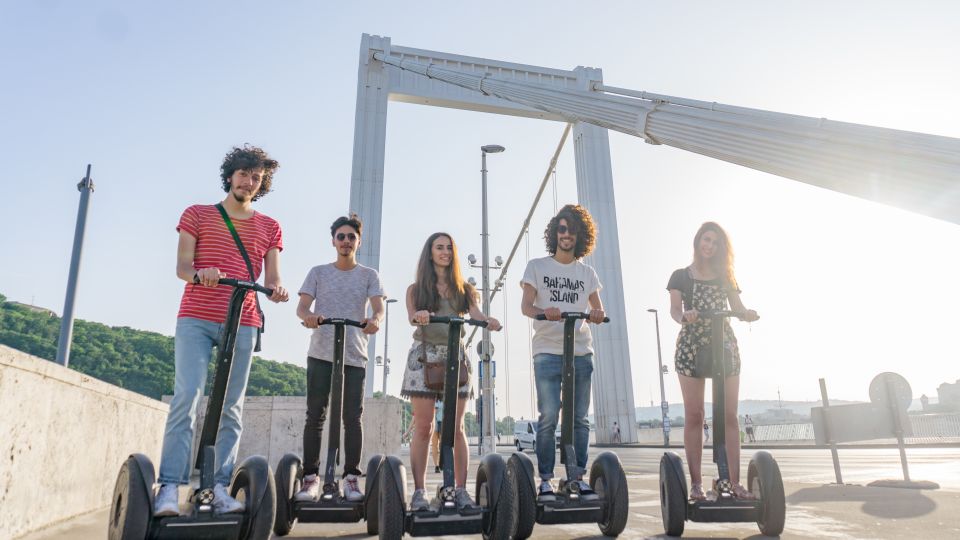
At $53 per person for about 1.5 hours, this isn’t a “cheap” activity. But it also isn’t priced like a once-in-a-lifetime extravagance.
Here’s the value math I see: you’re paying for three things at once—
1) transportation that covers distance quickly,
2) training so you don’t waste your time figuring it out,
3) a guided route with stops at major landmarks instead of random hopping.
Walking a loop that hits Parliament, St. Stephen’s Basilica, and the Danube waterfront can be done, but it takes longer and you’ll spend more energy. For many people, this Segway format is a sweet spot: you still get outdoors time, fresh air, and memorable views, but with less fatigue.
Also, the guide-led photo stops are a real value. If you’ve ever taken a dozen bad phone photos while trying to “be in the picture,” you’ll appreciate someone handling angles and timing.
Who gets the best value? First-time Segway riders, couples, and anyone with limited time who wants a high-impact introduction to downtown Budapest. If you’re already a confident Segway rider with lots of time to explore, you might prefer a longer Segway day or a mix of walking plus one transit experience.
Practical Tips Before You Ride (So It Feels Fun, Not Frazzling)
Here’s how to make the day go smoothly.
Wear shoes you can grip. The tour is short, but you’ll be on sidewalks and doing turns. You don’t want slick soles or shoes you regret on curbs.
Bring an ID. A passport or ID card works, and a copy is accepted.
Know the limits. This tour isn’t suitable for children under 8, pregnant women, and people under 66 lbs (30 kg). If any of those apply, skip the Segway idea and choose a walking or coach-based option.
Plan for a confidence ramp. Even if you feel steady, remember that the first minutes are the most important. Follow your guide’s directions and don’t rush your body into faster riding just because you see other people moving confidently.
Ask about pace. One of the better guide traits mentioned in feedback is adapting to different comfort levels. If someone in your group is more hesitant, your guide should handle that without making the ride feel awkward.
If weather is bad, you’ll be dealing with an outdoor activity. The good news is that your tour format can often be adjusted by the provider when conditions aren’t right, which is a practical advantage when you’re traveling with a tight schedule.
Who This Tour Suits Best (And Who Might Want Another Plan)
This is a strong match for you if:
- you want a fast, downtown-friendly overview of Budapest without walking for hours,
- you’re okay riding city streets with guidance,
- you enjoy landmarks plus explanations that help you connect the dots.
It can also work for families, as long as everyone meets the minimum age requirement and is comfortable with the training element.
It may not be ideal if:
- you’re not comfortable on two-wheeled equipment,
- you need lots of quiet, long stops for reading or lingering (this tour keeps moving),
- you’re pregnant or below the minimum weight requirement.
If you’re traveling with someone who dislikes heights, it helps to know that guides have supported passengers during crossings by offering extra help. Still, if fear is intense, it’s smart to choose a quieter sightseeing option.
Should You Book This Downtown Budapest Segway Tour?
For most visitors, I’d say yes—especially if you’re trying to get the downtown highlights without turning your trip into a long foot slog.
Book it if you want:
- a 90-minute hit of the most famous sights (Parliament, Basilica, Danube memorials),
- training that helps you feel steady,
- frequent photo pauses and a guide who handles the route and the storytelling.
Think twice if you:
- hate any kind of street riding or road crossings,
- need extended museum-style time at memorials,
- fall into the age, weight, or pregnancy limits.
If you’re choosing between spending the morning walking or doing a short guided Segway loop, this is one of those rare compromises that tends to satisfy both sides: you still get Budapest in the open air, but you do it with wheels and someone steering the experience.