REVIEW · BUDAPEST
Escape Rooms by PanIQ Room in Budapest
Book on GetYourGuide →Operated by PÁNiQ SZOBA · Bookable on GetYourGuide
Code-cracking beats jet lag. This Budapest escape room set lets you pick from 13 themed rooms, including a jungle case and a Saw-style challenge, then race a one-hour clock.
I especially like the way the games lean on teamwork and communication, not just random guessing. The second big plus is the built-in support: you can request help through unlimited walkie-talkie guidance, so you keep moving instead of stalling. The only real drawback to plan for is that a few rooms may feel a bit light on set decoration, and some puzzle mechanics can be a little less smooth than the rest of the experience.
In This Review
- Key things to know before you go
- First stop: picking your Budapest case (and finding the place fast)
- What happens before you enter: briefing, rules, and how hints work
- The one-hour format: how to win when time is tight
- Inside the room: what your team actually does
- The 13-room menu: jungle, ancient artifacts, and a Saw-style challenge
- Puzzle difficulty and room mechanics: where the experience shines and where it can wobble
- The game master touch: safety, pacing, and making sure you finish
- Value for money: is $20 per person worth it?
- Who should book PanIQ Room, and who might skip it
- Practical tips for your hour inside the clock
- Should you book this escape room in Budapest?
- FAQ
- How much does Escape Rooms by PanIQ Room cost?
- How long is the escape room experience?
- How many rooms can I choose from?
- What languages do the staff/game masters speak?
- Is it suitable for children?
- Are cameras allowed during the game?
- Is there help if our team gets stuck?
- Where do we meet?
Key things to know before you go
- 13 room choices so you can match the story to your group’s mood
- Saw-style option plus jungle and ancient artifact themes for variety
- Unlimited walkie-talkie hints to keep the game fun even when stuck
- Time pressure in a one-hour run that rewards clear team roles
- Easy meeting point: ring the doorbell next to the entrance
- Photo after the game so you can remember the chaos
First stop: picking your Budapest case (and finding the place fast)
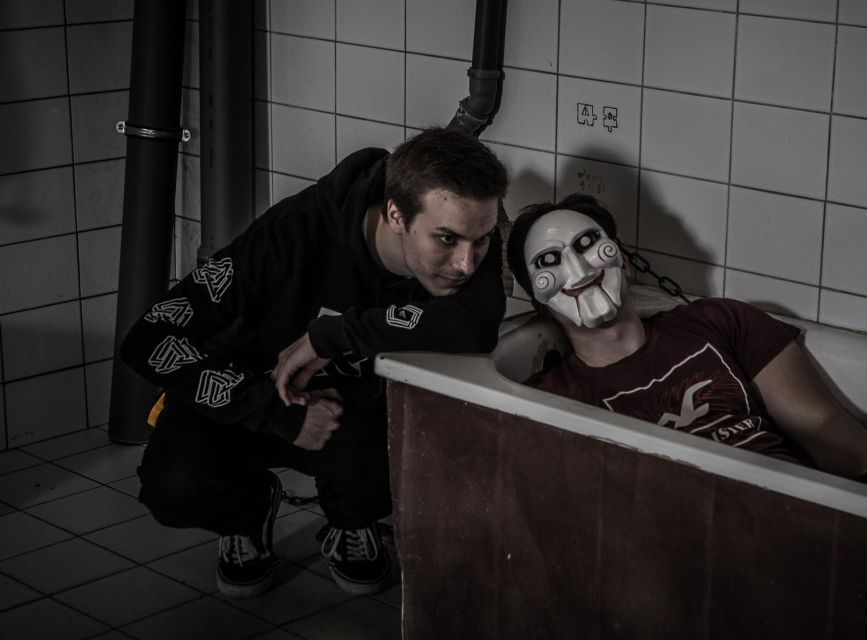
PanIQ Room by PÁNiQ SZOBA is built for one thing: a focused hour of problem-solving in a themed scenario. You’ll choose the room you want to play before you start, and that choice matters because each room has its own story and puzzle style. If your group loves horror vibes, there’s a Saw-style room. If you’d rather go adventure mode, there are also options like a jungle scenario and challenges tied to ancient artifacts.
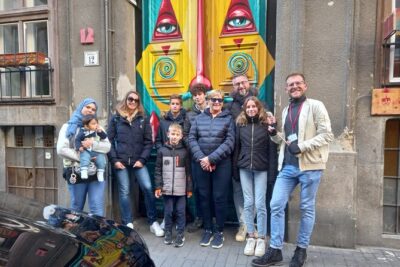
Location is part of the value here. People have called it easy to find, which is a big deal in a city where a lot of escape rooms hide in side streets. You meet at the entrance area, and you ring the doorbell next to the entrance. That small detail is worth remembering because it saves you from wandering around looking for staff.
This is also set up as a private group experience. That’s good if you don’t want to get mixed into a random team. Just plan for the vibe: you’re all in it together, and the room is designed to make you talk, point, and coordinate.
You can also read our reviews of more tours and experiences in Budapest.



What happens before you enter: briefing, rules, and how hints work
Before the clock starts, you’ll get a briefing and rules from the game master. This is where you’ll learn how the game works, what you can and can’t do, and what to do when you’re stuck. Expect the rules to be practical and game-focused, not a long lecture.
The most useful thing you get is expert guidance during the game, and it comes through unlimited walkie-talkie assistance. That changes the feel of escape rooms. Instead of the usual “we’re stuck and now we’re just dead in the water,” you can ask for help and get directed back toward progress. You still solve things yourself, but the game master helps you avoid going in circles.
Languages are Hungarian and English, so if your Hungarian is limited, you still should be able to handle clue requests. One small consideration: there can be a slight language gap when you ask for hints, so it helps to keep clue questions simple and factual. For example, ask what you should check next or where to find a missing clue rather than explaining your entire theory.
The one-hour format: how to win when time is tight
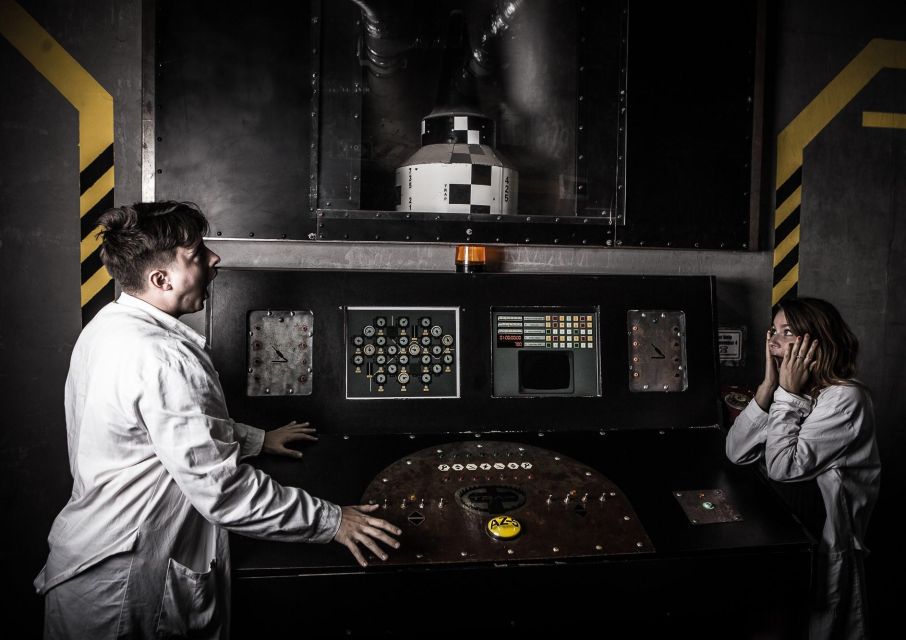
Your total play time is 1 hour. That sounds short, because it is. Most rooms are designed around steady progress: find items, interpret clues, combine solutions, and repeat. The time limit also rewards team organization early, before you get sucked into one puzzle that feels promising but goes nowhere.
Here’s how I’d run your hour if you want the best odds:
- Assign roles fast: one person reads/searches clues, one handles hands-on puzzles, and one tracks time and requests hints if the team stalls.
- Keep communication clear: say what you found and what you think it’s for, even if you’re not sure. Miscommunication costs minutes.
- When you get stuck, don’t wait too long to ask for a hint. The walkie-talkie support is there for a reason.
Also, this isn’t a room where you can wander freely. You’ll likely spend a lot of your time interacting with objects, checking mechanisms, and connecting clues. The hour moves quickly, so the key is staying active and not overthinking one dead end.
Inside the room: what your team actually does
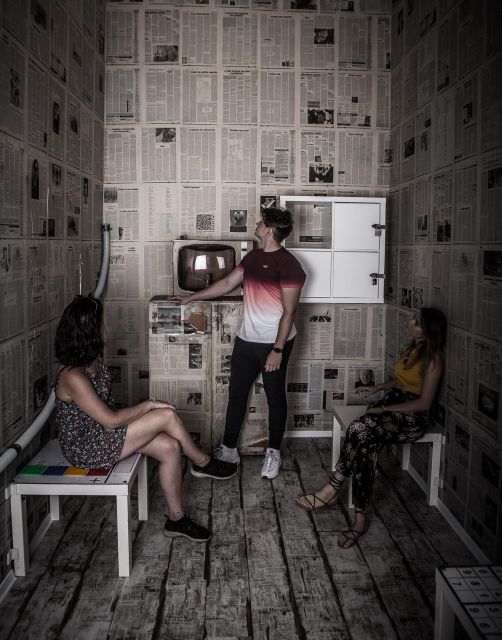
Escape rooms can feel either like a scavenger hunt or like a logic puzzle. PanIQ Room leans into both, with the emphasis on realistic, detailed sets and props. You’ll be solving codes, looking for hidden objects, and interacting with puzzle elements that are meant to feel like part of the story.
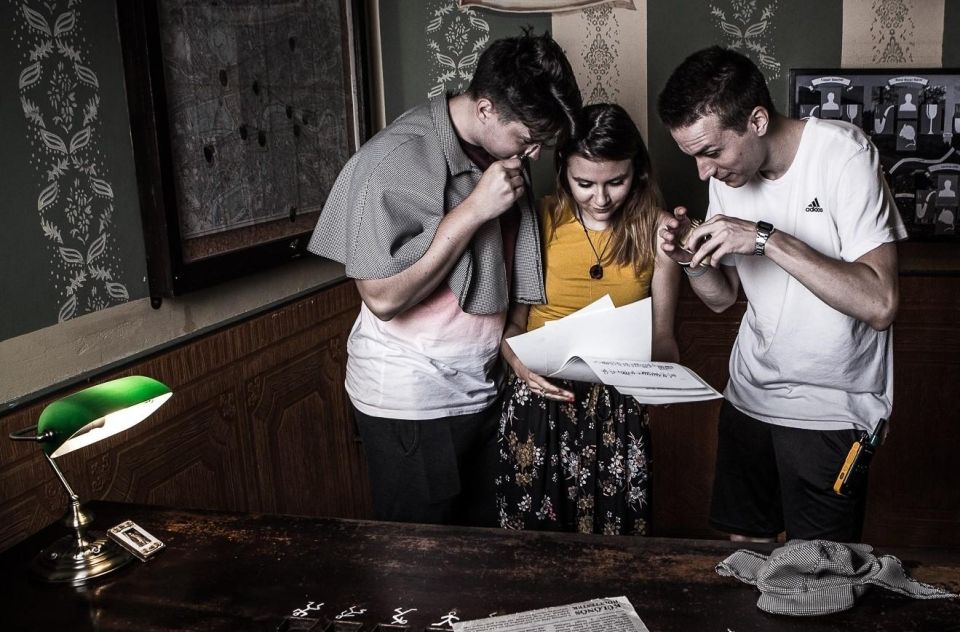
The best part is that the games are designed for teamwork, not solo heroics. When you work well together, the room becomes a chain reaction: one clue leads to another, one person spots a detail another person missed, and suddenly you’re moving again.
You should also expect some puzzles to be challenging in a good way. One highlight from play experiences is that the rooms can feel pleasantly difficult, which is what you want if you’ve done escape rooms before. If it’s your first time, that difficulty is still manageable, as long as you use the hint system instead of spinning.
What to bring is simple: comfortable clothes. You might be moving around the room and leaning in for close inspection, so skip anything restrictive. Also note the no-cameras rule, and plan to leave cameras behind (or at least avoid using them inside the room). Alcohol and drugs are not allowed, obviously, but comfortable, normal travel gear is exactly what you need.
The 13-room menu: jungle, ancient artifacts, and a Saw-style challenge
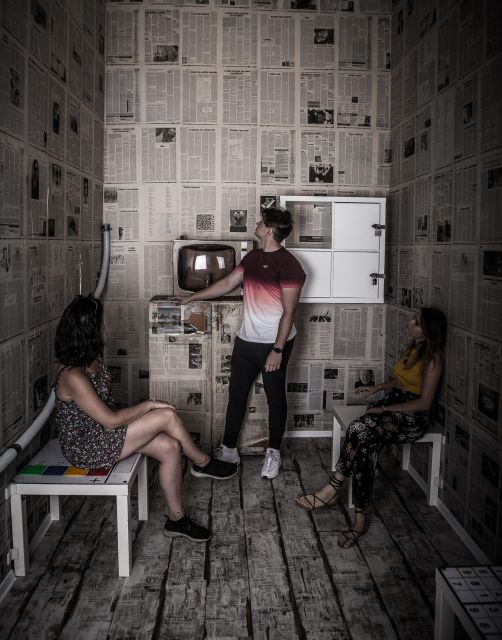
One of the smartest things about this escape room setup is that you’re not stuck with one theme. You get 13 choices, and each has a different story and set of challenges. That means you can tailor the evening to your group.
Here are the themes you can expect from the available options:
- A jungle-themed adventure case, with puzzles that fit that exploratory vibe
- Ancient artifact mysteries, which tend to invite clue-reading and pattern thinking
- A Saw movie-style experience, which is the one to choose if your group wants something darker and more intense
Because each room is its own challenge, your experience can differ a lot depending on which case you pick. That’s why it’s smart to choose based on your group’s puzzle tastes, not just popularity. If you’re the type who likes codes and logical steps, go for the room that feels like it matches that energy. If your group enjoys horror atmosphere, the Saw-style room is likely the most exciting match.
One small caution from the real-world experience of playing: in some rooms, the decoration may feel a bit minimal. That’s not the same thing as “bad room,” because the puzzles and set design still do the job. But if you’re the type who expects every inch to feel like a movie set, you might notice the difference.





Puzzle difficulty and room mechanics: where the experience shines and where it can wobble
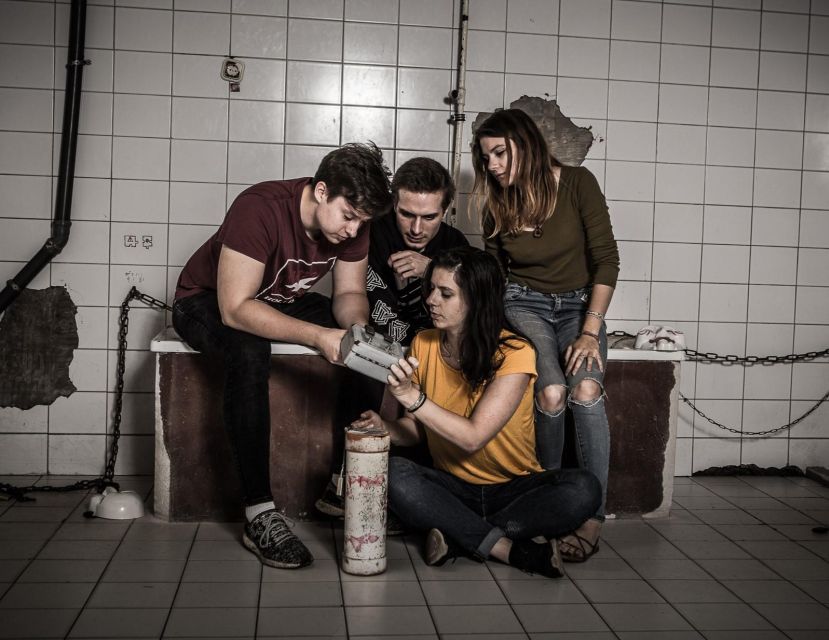
The core of PanIQ Room is puzzle design, and that’s where it tends to score big. People have highlighted brilliant puzzles and good room quality, and you can feel that during play. The best puzzles are the ones that make you stop, think, and then realize the room gave you the clue all along.
Still, the experience isn’t perfect everywhere. One note that comes up is that some puzzle mechanics can be a little rough, including magnet-related functions that might not behave as smoothly as the rest. When that happens, it can cost you a minute or two while you figure out what the puzzle is asking.
If you run into that kind of hiccup, treat it like part of the game:
- Try again slowly and check for alignment or expected placement.
- If it still doesn’t work, ask for a hint. The game master’s guidance is there to keep the game moving.
In other words, don’t let a mechanical wobble turn into a frustration spiral. The overall format is set up to recover quickly and keep you engaged.
The game master touch: safety, pacing, and making sure you finish
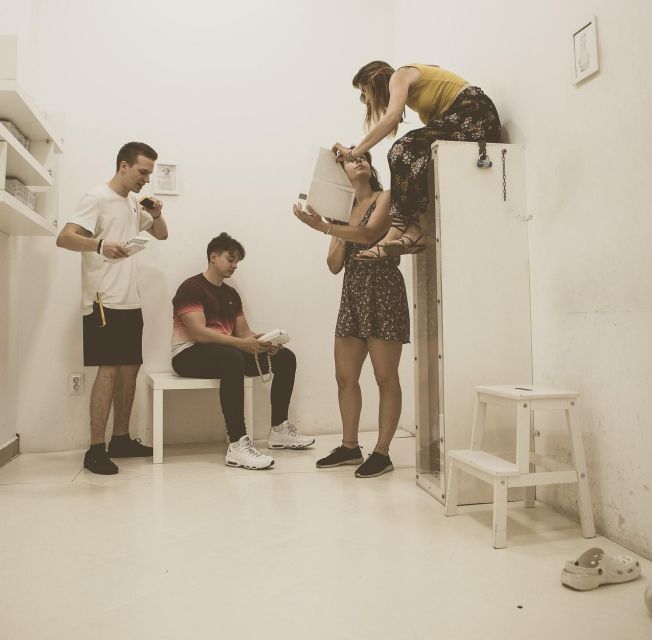
A dedicated game master runs the experience, and your job is to solve. Their job is to keep the game safe and fun, and to prevent you from getting stuck so long that you lose momentum.
The unlimited walkie-talkie assistance is your best friend for pacing. If your team is stuck on something that should be solvable but isn’t clicking, you don’t have to brute-force it for the entire hour. You can request help and get nudged back into the right direction.
This matters most for mixed-skill groups. In many escape rooms, only the strongest puzzle solvers keep the team going. Here, the hint system helps everyone stay part of the process, which is ideal if you’re playing with friends or family and you want everyone to feel included.
Value for money: is $20 per person worth it?
At about $20 per person for a one-hour experience, the value is usually strong, especially if your group likes real challenges. Escape rooms can get expensive, and a lot of the cost comes from set-building and staffing. Here you’re getting 1 hour of active problem-solving, a professional briefing, on-the-fly guidance, and access to the puzzle system for your chosen room.
The reason I think the price works is that you’re not paying for a passive show. You’re paying for a timed team activity with real consequences: solve or fail, and you’ll learn something from the clues either way. And the fact you have unlimited hint access means you’re paying for an experience, not a test of stubbornness.
If you’re planning a night out with a group, this also competes well with other Budapest activities that cost more for less active participation. Choose the room that your group will enjoy, show up ready to communicate, and you’ll likely feel like you got your money’s worth.
Who should book PanIQ Room, and who might skip it
This is best for groups who like hands-on problem-solving and conversation. It works well for:
- Friends who enjoy puzzles and want a shared challenge
- Families with older kids who can follow instructions and collaborate
- Couples who want a team activity where communication matters
- Colleagues doing something non-dry and away from screens
It’s not suitable for children under 12 years, so if you’re traveling with young kids, look for other family-friendly options in the city.
Also, if your group hates time pressure, an escape room might feel stressful. The one-hour format is intense by design. If you’re cool with that pace, you’ll have a good time.
Practical tips for your hour inside the clock
A few small details can make the difference between a fun win and a frustrating scramble.
- Wear comfortable clothes. You might move around and lean in for puzzles.
- Keep your clue requests short if you’re relying on English. Clear questions get clearer hints.
- Assign a time-keeper early. One person watching the clock prevents panic.
- Don’t save all your questions for the end. If you’re stuck, ask earlier so you still have time to finish.
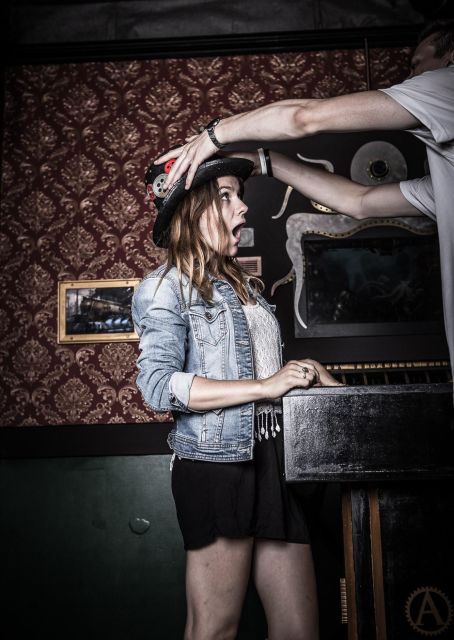
And if you’re curious about the vibe: there’s a post-game photo opportunity. It’s a nice way to remember what happened without turning the activity into a photo shoot.
Should you book this escape room in Budapest?
Yes, if you want a high-energy, team-based puzzle game with 13 different room choices and real support built in. It’s a strong pick for groups that enjoy puzzles and want a practical, time-limited challenge that feels different from typical sightseeing.
Skip it if you’re expecting a fully cinematic set in every room or if you hate any chance of mechanical puzzle hiccups. The experience is still designed to be solvable with guidance, but your satisfaction will track the room you choose and how your group handles the pressure.
If you book, choose your theme based on what your group actually wants to do: jungle adventure for classic adventure energy, ancient artifacts for clue-style thinking, or the Saw-style room if you want the darker story option.
FAQ
How much does Escape Rooms by PanIQ Room cost?
It’s listed at $20 per person.
How long is the escape room experience?
Plan on 1 hour for your game.
How many rooms can I choose from?
You can choose from 13 themed rooms.
What languages do the staff/game masters speak?
The game master/instructor speaks Hungarian and English.
Is it suitable for children?
It is not suitable for children under 12 years.
Are cameras allowed during the game?
Cameras are not allowed.
Is there help if our team gets stuck?
Yes. You can get guidance through unlimited walkie-talkie assistance during the game.
Where do we meet?
You need to ring the doorbell next to the entrance.