REVIEW · BUDAPEST
Lives of Hungarians Under Communist and Capitalist system
Book on Viator →Operated by Triptobudapest.hu - Free Budapest Walking Tours · Bookable on Viator
Budapest has a different memory of the 20th century. This Communism-focused walk is interesting because it’s grounded in real-life perspective from guides who lived through the era, not just textbook facts. You’ll also get an interactive context lesson early on, so the rest of the sights make sense fast.
I love how the tour ties history to everyday stuff you can still picture today, like travel rules, housing, education, and media culture. I also like that it doesn’t treat religion or daily life as one-size-fits-all, with stories that vary by family and denomination.
One thing to consider: this tour leans thoughtful and political, so if you want pure palace photos and light sightseeing only, you may find the subject matter heavier than expected. The upside is that the guide keeps it personal and practical, so it doesn’t turn into a lecture.
In This Review
- Key things to know before you go
- A 90-Minute Communism Story Told on Budapest Sidewalks
- Meet Near Budapest Eye, Then Get the Context in 15 Minutes
- Fröccsterasz: Travel Rules, Paperwork, and Communist Transport Clues
- St. Stephen’s Basilica: Faith Under Communism, Family by Family
- District V Inner City: Housing, Health Care, Schools, Media, and Propaganda
- Szabadság tér: The Nuclear Bunker Exit and Monuments With Real Tension
- Budapest Parliament Area and the 1956 Uprising Memory
- Price and Tips: What You Pay vs What You Support
- Who This Tour Is For (and Who Might Skip It)
- Quick Planning Tips for a Smooth Walk
- Should You Book This Communism Tour in Budapest?
- FAQ
- How long is the tour?
- What is the meeting point for the tour?
- Where does the tour end?
- What does the tour cost?
- Is there a mobile ticket?
- Are entrance tickets included for the stops?
- How many people are in the group?
- Do I need to tip the guide?
- Is confirmation sent after booking?
- What is the cancellation policy?
Key things to know before you go
- Small group vibe (max 20) helps the guide pace the stories and answer questions.
- Short orientation history lesson at the start helps you understand what you’re seeing along the route.
- Stop-by-stop focus on daily life under communism: travel documents, housing, schools, propaganda, and sports.
- Unusual sights like the emergency exit tied to the F4 military nuclear bunker.
- 1956 memory on the street level, including bullet holes you’ll learn how to read and understand.
- Value depends on tipping, since the guide’s earnings rely on donations at the end.
A 90-Minute Communism Story Told on Budapest Sidewalks
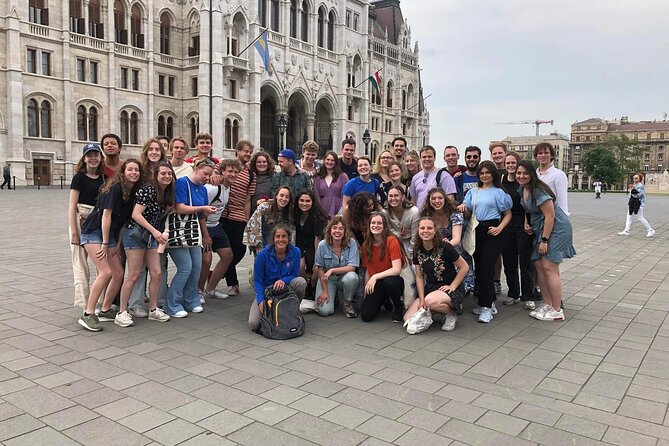
This is not a museum tour where everything sits behind glass. It’s a guided walk through central Budapest where the guide connects the buildings and monuments to how people actually lived—then shows what changed after the system collapsed.
The format is about 1 hour 30 minutes, which is just long enough to get the big picture without burning your whole afternoon. The start time is 3:30 pm, so you can still do other sights before dinner or take this as your first “history reset” day.
The group size is capped at 20 travelers, and that matters. In a small group, you’re more likely to get straight answers to questions, and the guide can keep the pacing tight.
There’s also a practical side: you get a mobile ticket, the meeting point is clear near a famous landmark, and the route ends close to public transport. In other words, it’s designed to be easy to fit into a normal sightseeing plan.
You can also read our reviews of more tours and experiences in Budapest.



Meet Near Budapest Eye, Then Get the Context in 15 Minutes
You start at the Ferris Wheel of Budapest (Budapest Eye), meeting your fully licensed guide about 20 meters away at Erzsébet tér. If you’ve ever been in busy central Budapest, you know how useful it is to have a pinpoint meeting spot near a major landmark.
Right from the beginning, the guide includes a 15-minute interactive history lesson on Hungarian and Central European communism. That early context is a real gift. It gives you the map you need for the rest of the tour—what the system tried to do, what it meant for ordinary people, and why the post-communist period is still debated today.
Then the walk starts branching into the specific themes you’ll keep seeing throughout: movement, control, everyday services, education, faith, and memory. You don’t just hear big events; you hear what life felt like around them.
If you’re traveling with teens or students, this kind of setup can turn abstract history into something your brain can place on a map. One thing I really value in tours like this is that the guide gives you a structure to hang the details on.
Fröccsterasz: Travel Rules, Paperwork, and Communist Transport Clues
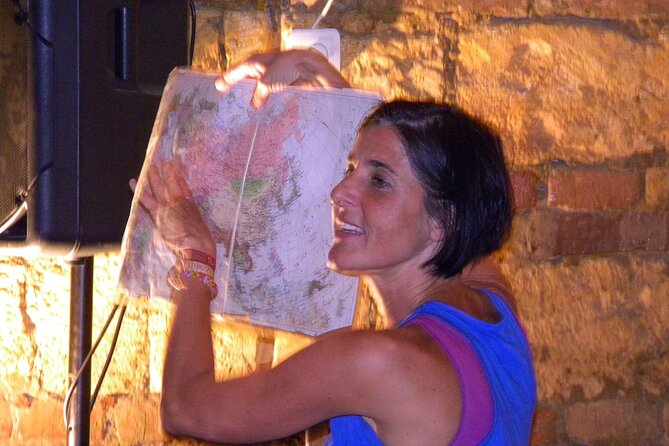
One stop brings you to Fröccsterasz, where the talk shifts into travel—especially what it meant for people entering and leaving Hungary. The focus isn’t on glamorous routes. It’s on the reality of travel documents and how rules shaped movement.
You’ll see examples of basic travel documents (as part of the story) and learn how outgoing and incoming travel worked under communism. Even if you’ve read about border control, hearing it tied to everyday processes makes it feel real, not theoretical.
This is also where the guide covers communist car types and other transportation in more depth. That may sound niche, but it’s actually a smart way to talk about economics and systems: vehicles aren’t just objects. They reflect what was available, what was prioritized, and how people adapted.
What I like here is that the tour doesn’t only point at restrictions. It also helps you understand how people negotiated them, planned around them, and sometimes found workarounds in daily life. That’s the difference between knowing history and grasping lived experience.
The only downside at this kind of stop is that it can be more story-driven than photo-driven. If you’re hoping for quick “grab a picture” moments every five minutes, you’ll still enjoy it, but you’ll be listening more than shooting.
St. Stephen’s Basilica: Faith Under Communism, Family by Family
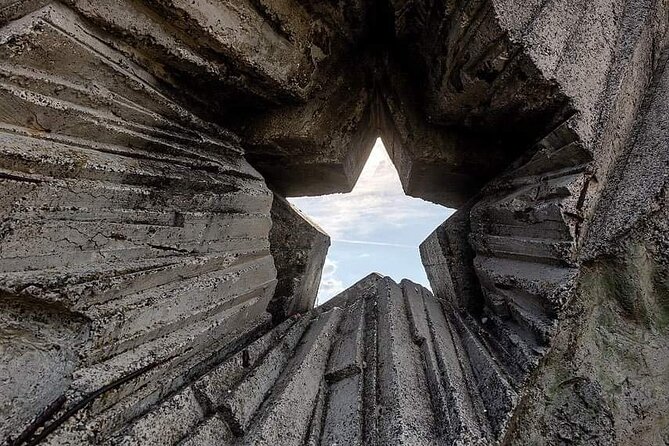
Next you move to Szent István Bazilika (St. Stephen’s Basilica). Here the focus is how communism affected different denominations—and, more importantly, how religious life could vary from one family to another.
This stop works well because it avoids simplistic storytelling. Instead of claiming everyone had the same experience, the guide points to different difficulties for different denominations and explains that lived religion depended on the household and personal circumstances.
For me, this part adds balance. Many commuism-and-past tours focus heavily on politics and state institutions. This one brings faith into the conversation, showing how belief systems intersected with control, rules, and public life.
You’ll also get a sense of how the communist era reshaped the space around religion, without pretending people’s private beliefs disappeared overnight. That detail matters if you’re trying to understand why post-communist Hungary isn’t a clean break from the past.
Practical tip: basilicas and churches can be busy and sometimes have their own visitor rules. Even though the tour itself lists admission tickets as free, you’ll still want to be respectful of quiet areas and any on-site guidelines.
District V Inner City: Housing, Health Care, Schools, Media, and Propaganda
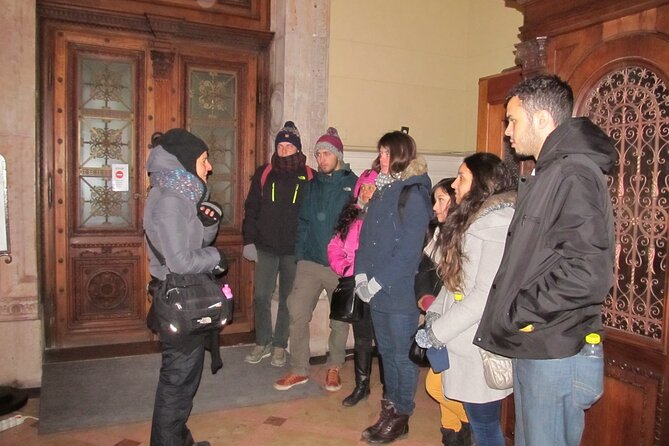
In the inner city area around District V, the tour broadens into the biggest everyday themes: housing, health care, education, media culture and propaganda, and even sport and the Olympic Games in both communism and post-communism.
This is the heart of the “life under the system” message. You’re not just hearing about government ideology. You’re hearing about how daily routines were shaped: where people lived, how services worked, what was taught, and what information was allowed to flow.
The media and propaganda piece is especially important because it helps you understand why people’s trust in information can shift over time. When you see how messaging worked during communism, it becomes easier to understand why some people view the post-communist era with suspicion—or why others feel nostalgia toward parts of the older system.
Yes, the tour addresses why some people have nostalgia for communism. That doesn’t mean the guide pretends the era was harmless. It means the guide explains the emotional and practical reasons people can miss certain aspects (even if they also recognize the harms). That kind of balanced talk is rare, and it’s one reason the tour earns a near-perfect overall rating.
If you want to connect dots for your own understanding, pay attention to this section. It’s where you start seeing the long-term effects—how the system shaped habits and expectations, not just policies.



Szabadság tér: The Nuclear Bunker Exit and Monuments With Real Tension
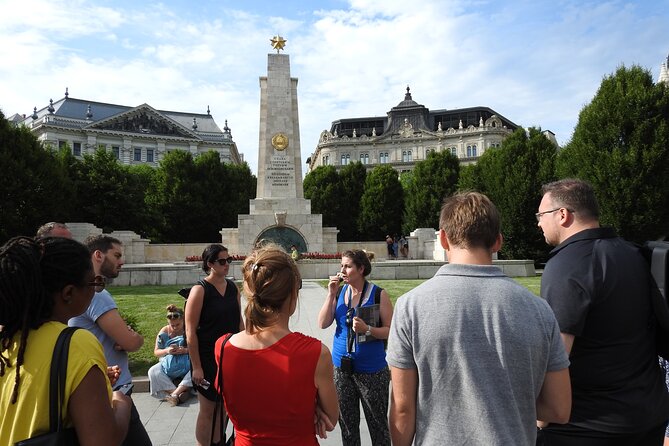
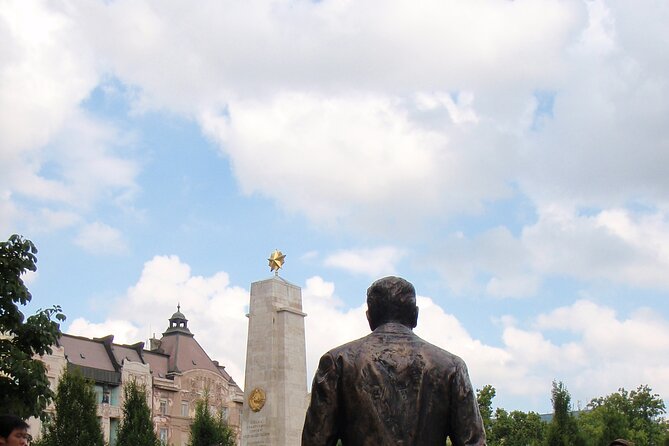
At Szabadság tér, the tour leans into the physical reminders of the communist and military mindset—plus the politics of how Hungary remembers.
You’ll see controversial monuments together with the emergency exit of the F4 military nuclear bunker. That detail is striking. It takes an abstract fear from history and turns it into a concrete piece of the city’s architecture and infrastructure.
The guide also points out urban art guerilla statues, adding another layer: not everything about memory is official. Some of it comes from street-level commentary, symbolism, and public disagreement.
Then there’s a truly specific detail: the tour mentions the second most guarded building in Budapest, connected to a place that offered shelter to a prominent Hungarian person for over 15 years. That’s the kind of story that makes you realize how much power and fear lived behind ordinary-looking spaces.
And yes, this stop has tension baked in—both in the monuments and in the stories. It’s the right kind of discomfort for a history tour, because it reminds you that public space often doubles as political messaging.
If you’re the type who loves absorbing context while standing in the open air, you’ll do fine here. If you prefer strictly chronological history, you might find the connections jump between military, political, and memory issues—though that’s also what makes it feel real.
Budapest Parliament Area and the 1956 Uprising Memory
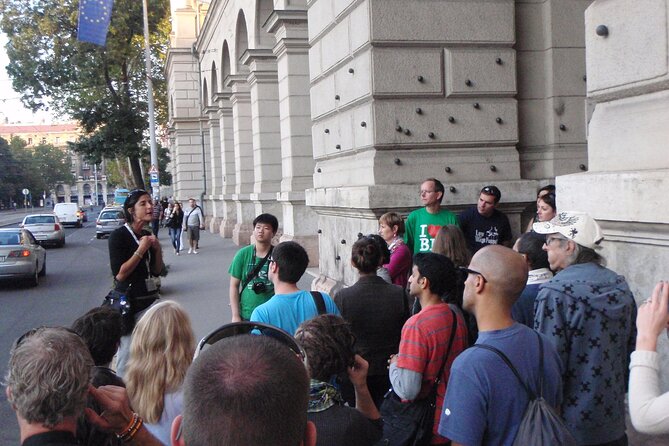
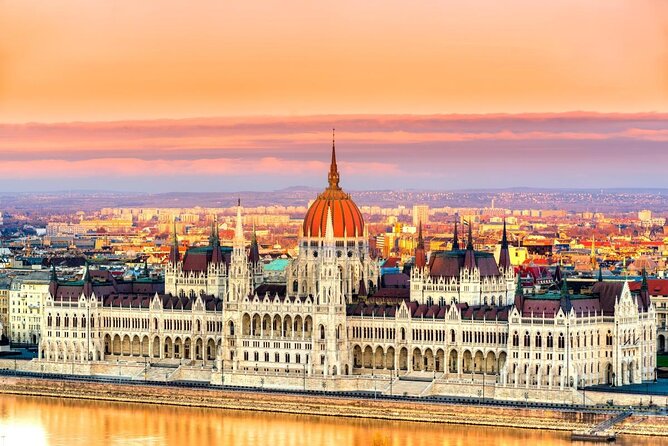
The tour finishes at the Hungarian Parliament Building area, where the focus becomes the 1956 uprising and how that memory is still written into the city.
You’ll learn about the uprising in depth and hear stories tied to experiencing the revolution “as a child.” That personal angle matters because it changes the event from a dated headline into something people felt, feared, and carried forward.
You’ll also see bullet holes on the facade of some residential buildings around the Parliament. That’s a powerful moment, because it forces you to notice how violence can be preserved in stone and plaster. The guide helps you read what you’re looking at, instead of letting it become just another photo spot.
Finally, you’ll connect the heroes of 1956 to broader themes of communism—resistance, survival, and the complicated aftermath. Tours sometimes treat 1956 like a single chapter. Here, it’s part of the larger story of control, identity, and how societies heal unevenly.
Timing-wise, this ending works well because it’s near major landmarks and the metro line. The tour’s conclusion point is about 50 meters from the M2 red metro line, which makes it easy to head toward dinner or your next stop.
Price and Tips: What You Pay vs What You Support
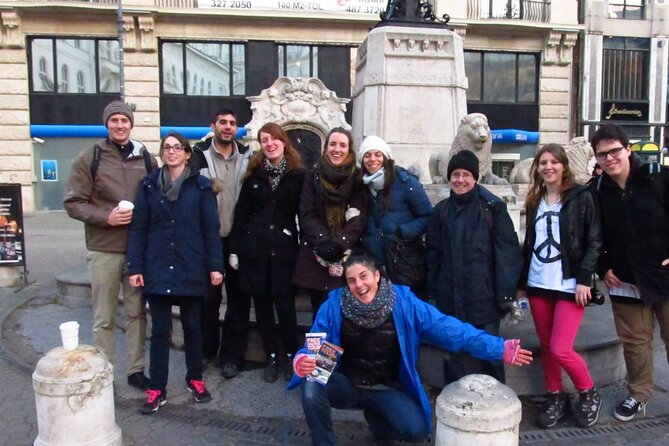
The price listed is $4.65 per person, and that’s low enough to feel almost symbolic. Here’s the key: the tour includes a booking fee, which is described as directed toward administration and does not contribute to the guide’s earnings.
So the real financial support for your guide comes from tips at the end. The guidance shared is that many guests tip €10 per person, with some tipping more. This is one of those tours where your tip isn’t optional in practice—it’s what keeps the model working and what ensures the guides can keep doing this kind of storytelling.
To me, that’s a fair trade. You’re paying a small base amount to reserve your place, then you’re recognizing a guide’s lived perspective and effort with the donation. If you like these talks, plan your budget accordingly.
One more value point: admission fees at the stops are listed as free in the tour schedule, which keeps the cost predictable. You’re not stacking entrances on top of a low ticket price.
If you hate tipping, this might not be your best fit. If you’re comfortable supporting local guides directly, this is strong value.
Who This Tour Is For (and Who Might Skip It)
I think this works best for three types of travelers:
First, history lovers who want more than dates. You’ll like the way the guide connects events to daily life—travel rules, housing, schooling, propaganda, faith, and sports.
Second, families traveling with older kids or teens. The tour aims to make history tangible, especially through stories and the guide’s personal perspective. One review specifically mentioned how it helped for teen kids who had only seen this in school.
Third, anyone who wants to understand Budapest beyond architecture and nightlife. If you want context for why certain monuments feel controversial or why people argue about the past, you’ll get a clearer view.
You might want to skip or choose a different tour if you’re trying to fill a full day with quick photo stops and minimal talking. This walk is story-forward, and it’s political.
Also, because it ends near a metro line and the route stays in central Budapest, it’s easy to combine with other sightseeing. But don’t schedule it so tightly that you’ll feel rushed afterward.
Quick Planning Tips for a Smooth Walk
Since the meeting point is near Budapest Eye, I’d arrive a few minutes early so you can settle and find the guide without stress. The tour uses a mobile ticket, so have it ready on your phone.
Wear comfortable shoes. This is a walking tour in central Budapest, with time spent standing at multiple stops.
Bring a light layer if you’re going in cooler months. Even with short stops, you’ll be outside enough for weather to matter.
And come with one open question in mind, like:
- How did daily life differ under communism compared to today?
- Why would someone feel nostalgia for a system that caused real harm?
The guide’s job is to answer questions, but your mindset helps you catch the nuance.
Should You Book This Communism Tour in Budapest?
I’d book it if you want a human-scale view of communism and its aftermath, told through real perspective and tied to specific streets, buildings, and symbols. The structure makes it easy to follow: context at the start, then daily life themes, then the sharp memory of 1956.
I wouldn’t book it if you only want light entertainment and you’re uncomfortable with political history. The tour has a serious tone, and it’s meant to leave you thinking.
Bottom line: for the money, and especially if you plan to tip generously, this is an unusually direct way to understand Hungary’s modern identity from the inside out.
FAQ
How long is the tour?
The tour runs for about 1 hour 30 minutes.
What is the meeting point for the tour?
You meet at the Ferris Wheel of Budapest (Budapest Eye), at Erzsébet tér, about 20 meters from the landmark.
Where does the tour end?
It ends at the Hungarian Parliament Building area on Kossuth Lajos tér 1-3, about 50 meters from the M2 red metro line.
What does the tour cost?
The price listed is $4.65 per person.
Is there a mobile ticket?
Yes, the tour uses a mobile ticket.
Are entrance tickets included for the stops?
The schedule lists admission ticket free for the stops, so you’re not paying separate entrance fees at those points based on the provided info.
How many people are in the group?
The tour has a maximum of 20 travelers.
Do I need to tip the guide?
The tour notes that tips are not included and that guides depend on donations at the end. A common guideline given is about €10 per person.
Is confirmation sent after booking?
Yes, confirmation is received at the time of booking.
What is the cancellation policy?
You can cancel for a full refund if you cancel at least 24 hours before the experience’s start time.