Jewish Budapest hits hard, in the best way. This Jewish Heritage tour uses a small-group format to connect the big landmarks to what Jewish life can mean in Hungary today, with guided stops at the Dohány Street Synagogue complex and the Danube memorials. I loved how Edith made the stories human and current, and I loved the way the tour balances sacred space with the heavy reality of WWII. One drawback to plan for: the main synagogue entrance costs extra.
The pacing is built for real touring, not a long march. You get a licensed local guide, an English-speaking experience, and a route designed to keep the big moments from feeling rushed. The mobile ticket helps too, especially when you’re moving between stops.
By the end, you’ll have seen why this area matters—past and present, faith and remembrance—without spending the whole day locked into one location. Expect discussion and questions along the way, not just a lecture, and you’ll still have time for other Budapest plans after the tour.
In This Review
- Key things I’d mark on your Budapest map
- How the 3-hour flow starts near Deák Ferenc tér
- Shoes on the Danube Bank: the memorial that forces a pause
- The Memorial to the Victims of the German Invasion: why it sparks protests
- Dohány Street Synagogue complex: buildings, gardens, cemetery, and living discussion
- Ticket note you should plan for
- Price and value: what $80.86 buys you (and what costs extra)
- What you should expect from Edith and the small-group setup
- Who this tour suits best (and who might want a different plan)
- Should you book this Jewish Heritage tour with Edith?
- FAQ
- How long is the full Jewish Heritage tour in Budapest?
- What’s included in the tour price?
- Is the Dohány Street Synagogue ticket included?
- How big is the group?
- Is the tour offered in English?
- What happens if the weather is bad or I want to cancel?
Key things I’d mark on your Budapest map
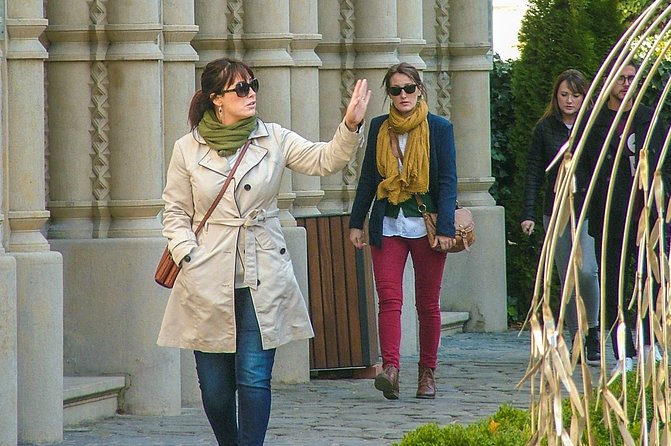
- Edith guides the experience and turns history into lived context with personal reflections and careful explanations.
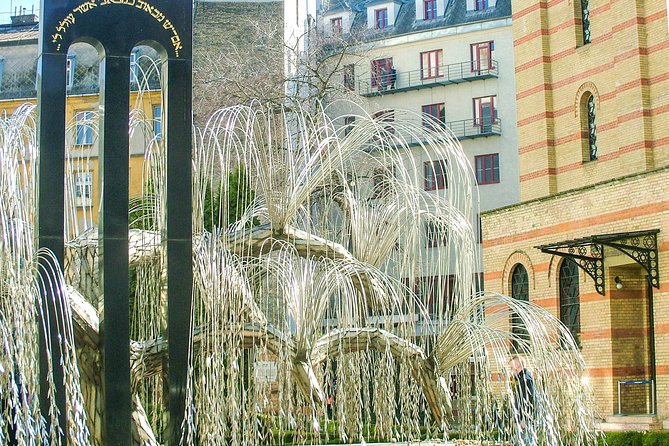
- Dohány Street Synagogue complex visit includes the Raoul Wallenberg Memorial Garden, the Jewish Cemetery area, and the Emmanuel Tree monument connected to Tony Curtis.
- Danube Shoes memorial stops stay short, focused, and emotionally powerful.
- A controversial German invasion memorial adds a modern layer: it has ongoing protests tied to how it was created and interpreted.
- Small-group cap (listed up to 13, with the experience designed for no more than about 10) keeps room for conversation.
- You use Budapest’s transit as part of the route, which makes the tour practical instead of just walking.
How the 3-hour flow starts near Deák Ferenc tér
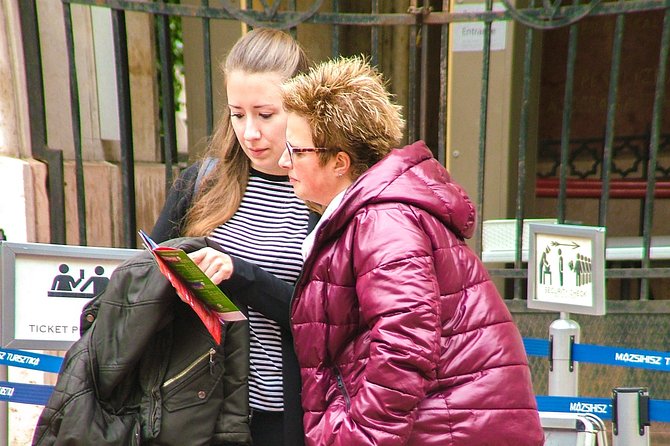
You meet in the city center at Deák Ferenc tér, which is a smart starting point if you’re trying to keep your day efficient. The whole experience runs about 3 hours, so it works well as a morning plan or a focused late-afternoon slot.
From there, the rhythm is simple: quick, meaningful stops for the memorials, then a longer stop at the synagogue complex. That structure matters. It keeps the tour from dragging, and it gives you time to absorb what you’re seeing rather than just checking boxes.
Also, go in ready to ask questions. This isn’t a silent headset tour. The format encourages dialogue—what it means to be Jewish in Hungary today is a theme Edith comes back to, and she’s comfortable talking about the shifts from WWII to the present.
You can also read our reviews of more historical tours in Budapest



Shoes on the Danube Bank: the memorial that forces a pause
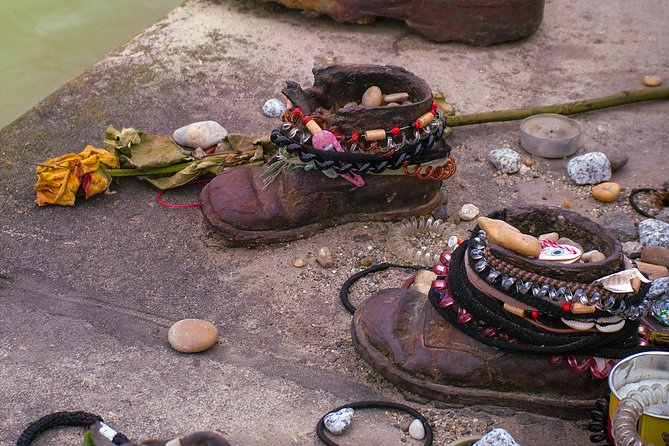
The Shoes on the Danube Bank stop is only about 15 minutes, but it’s built to land. This memorial remembers the thousands of Jews who were shot into the Danube, and it’s the kind of site where you feel the weight even if you’ve read about it before.
Here’s what makes this short stop effective: you’re not asked to process everything in one go. You’ll get context, then you get space to look. If you’re the type who needs a moment to stand back and take it in, you’ll be grateful for the limited time pressure.
Practical tip: wear shoes you can stand in comfortably. Even a brief stop can feel longer when the subject is this heavy.
The Memorial to the Victims of the German Invasion: why it sparks protests
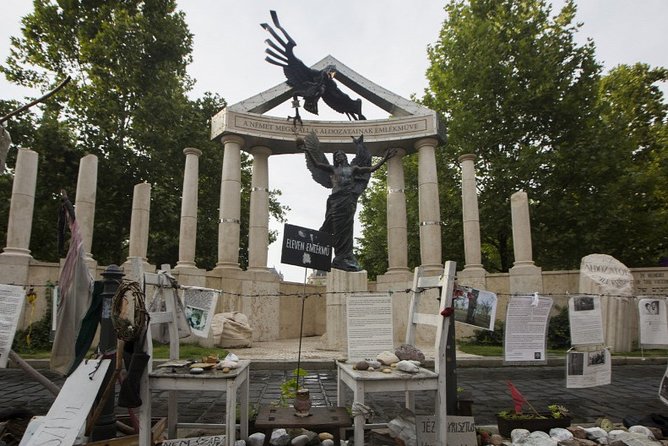
Next comes the Memorial to the Victims of the German Invasion, also around 15 minutes. This one is known as one of Budapest’s more controversial memorials, and the tension isn’t historical-only—it’s active.
What you’ll be told is specific: it was erected under the darkness of the night and guarded by policemen. Since it was established about ten years ago, protests have happened every day. That ongoing reaction is a key part of the lesson. Memorials are not just about the past; they reflect politics, identity, and how a country chooses to frame difficult events.
If you’re sensitive to emotionally charged topics, treat this as a deliberate stop, not a quick photo break. The point is understanding why this place remains contested, not just seeing a sign and moving on.
Dohány Street Synagogue complex: buildings, gardens, cemetery, and living discussion
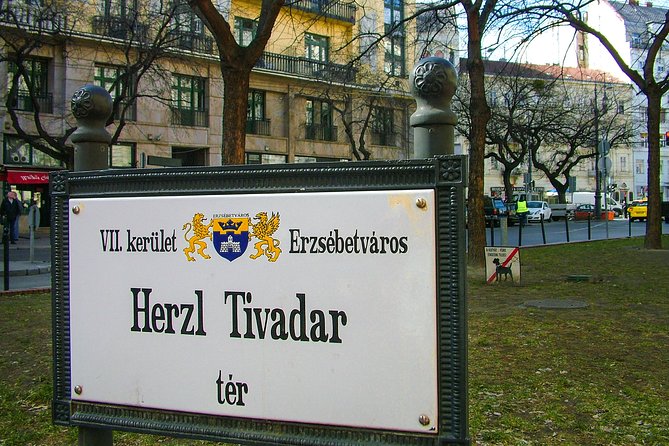
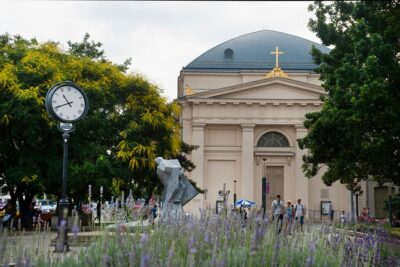
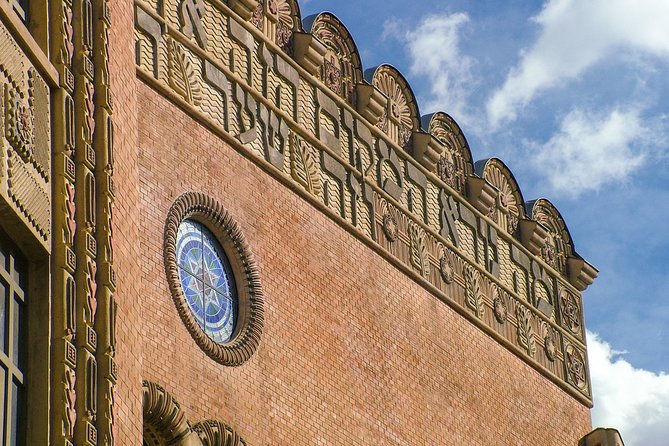
This is the big finish. The Dohány Street Synagogue area is the second largest synagogue in the world, and it’s right in the city center. You’ll spend about two hours here, with a guided visit that doesn’t just focus on the façade.
First, you’ll see the synagogue building and the surrounding complex. Then the tour brings you through key memorial spaces tied to local Jewish history and remembrance, including the Raoul Wallenberg Memorial Garden and the Jewish Cemetery. You’ll also encounter the Emmanuel Tree, a moving monument established by Tony Curtis.
One reason this stop earns so much praise is that it links multiple layers at once:
- sacred architecture (the synagogue itself),
- remembrance (garden and cemetery spaces),
- and symbolism that connects people across time (like the Emmanuel Tree reference).
Edith’s style is a major part of the value here. In the reviews, many people highlight how she uses personal stories and clear explanations to connect WWII-era details to what happened afterward—and to what Jewish life can look like now in Hungary. If you want more than a scan of facts, this is where you’ll feel it most.
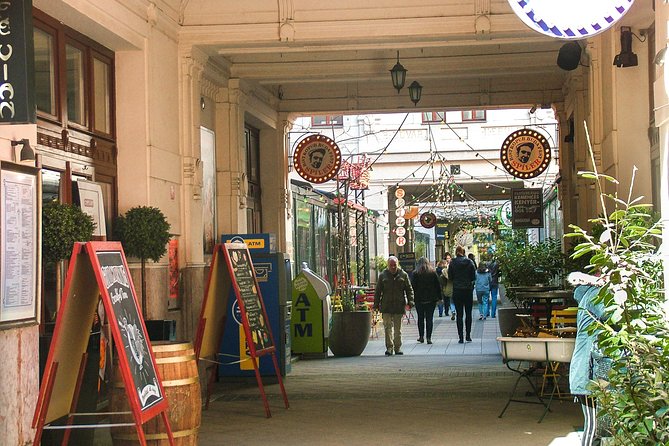
You’ll also hear about other elements in the neighborhood, including the sense that this quarter is not only about the past. It’s also tied to present-day activity, with notes about the area’s street art and nightlife culture. That balance matters. It helps you see the neighborhood as lived space, not only a museum-like set.
Ticket note you should plan for
The tour guide is included, but synagogue admission is not included. The entrance fee is listed as €26.00 per person. So if you’re budgeting tightly, treat the tour price as the guiding cost, then add the synagogue ticket for the full experience.






Price and value: what $80.86 buys you (and what costs extra)
The listed price is $80.86 per person, and the guide is included. For a tour that includes a licensed local guide, multiple high-impact stops, and a longer visit inside the major synagogue complex, it’s generally strong value.
Here’s the math reality check. You’ll likely add €26 for the Dohány Street Synagogue entrance (since it’s not included). Even with that added, the experience still tends to feel worthwhile because you’re paying for more than entry:
- You’re paying for context at each stop.
- You’re paying for someone to connect the dots between WWII events and what people experience now.
- You’re paying for a small-group setting where questions are welcome.
Also, the emotional sites are brief (15 minutes each for the Danube Shoes and the German Invasion memorial). That matters for value. You’re not spending hours trapped in standing still with no guidance.
If you want the shortest possible route, you could DIY these places. But if you care about meaning—not just location—this tour is designed exactly for that.
What you should expect from Edith and the small-group setup
This experience is sold as a small group. The details list a maximum of 13 travelers, and the tour description emphasizes keeping it under about ten for a more personal feel. Either way, you should expect something less crowded than the standard big-bus style.
Edith is the standout factor. Across the feedback, people repeatedly mention:
- clear, excellent English,
- patience with questions,
- and the way she makes the experience personal without turning it into a monologue.
One practical plus: she helps you navigate the day. In reviews, people talk about her clarity on meeting points and timing, plus her willingness to help with practical plans afterward (like food and local suggestions). That’s not required for the tour to work, but it’s a real comfort when you’re trying to keep your day smooth.
Who this tour suits best (and who might want a different plan)
This is a great match if you want Jewish Budapest to feel connected and human. You’ll likely enjoy it most if you’re:
- curious about how history is remembered in public spaces,
- open to discussion about Jewish life in Hungary today,
- and comfortable with emotional WWII memorial sites.
It may be less ideal if you prefer purely architectural sightseeing with minimal heavy content. These stops are intentionally serious, and Edith doesn’t try to soften the subject. For many people, that honesty is the point. For others, it can feel like too much in one morning.
It’s also not a great fit if you want a super-fast “grab-and-go” checklist tour. This one builds in context and conversation, especially during the synagogue segment.
Should you book this Jewish Heritage tour with Edith?
I think you should book it if you want the best kind of guided experience: focused, emotional, and grounded in real context. The synagogue complex alone makes it hard to beat for value, and the Danube and German Invasion memorials add the crucial remembrance layer. Add Edith’s calm, story-driven guiding, and you get an experience that sticks beyond a handful of photos.
I’d book especially if it’s your first time in Budapest or your first time visiting Jewish heritage sites there. You’ll get your bearings fast, understand what you’re seeing, and leave with a clearer sense of how the past still shapes the present.
If you’re budget-sensitive, plan for the extra €26 synagogue ticket. If you’re expecting a light, casual walk, temper those expectations. This is thoughtful, and it can be gutting in the best honest way.
FAQ
How long is the full Jewish Heritage tour in Budapest?
It’s approximately 3 hours.
What’s included in the tour price?
Guiding by a local licensed tour guide is included.
Is the Dohány Street Synagogue ticket included?
No. The entrance fee for the Dohány Street Synagogue is listed as €26.00 per person, and it’s not included in the tour price.
How big is the group?
The tour lists a maximum of 13 travelers, and the experience is described as keeping the group small for a more personal feel.
Is the tour offered in English?
Yes, it’s offered in English.
What happens if the weather is bad or I want to cancel?
The experience requires good weather. If it’s canceled due to poor weather, you’ll be offered a different date or a full refund. Free cancellation is available up to 24 hours before the experience starts for a full refund.