REVIEW · BUDAPEST
Budapest: Jewish Heritage Guided Tour with Synagogue Ticket
Book on GetYourGuide →Operated by Hungaria Koncert Ltd. · Bookable on GetYourGuide
Some places in Budapest hit fast.
This guided walk in the Jewish Quarter connects the architecture you see with the stories you hear, and it’s especially powerful once you’re inside Dohány Street Synagogue. I also like the practical setup, including skip-the-line entry and a guide who keeps the history clear and human.
One thing to keep in mind: in the shortest time windows, the stops move along and you may not get long reading breaks inside the museum or memorial spaces. If you like to study every panel at your own pace, plan your expectations (and bring patience).
In This Review
- Key highlights at a glance
- Walking Budapest’s Jewish Quarter with context, not trivia
- Dohány Street Synagogue: where the building does the talking
- The Jewish Museum: art, daily life, and the Holocaust room
- Rumbach Street Synagogue and Moorish Revival architecture
- Holocaust remembrance stops: Martyrs’ Cemetery, Wallenberg Park, Heroes’ Temple
- Kazinczy Street Synagogue and the Ghetto Wall (the longer option)
- Price and timing: is $81 good value?
- Who this tour is for—and who should think twice
- Practical tips so your visit stays smooth
- Should you book this Budapest Jewish Heritage Tour?
- FAQ
- How long is the Budapest Jewish Heritage Guided Tour?
- What’s included in the tour price?
- Which locations will we visit?
- Is entry included for the synagogue and museum?
- What language is the tour guide?
- Where do we meet for the tour?
- What should I bring?
- Is the tour wheelchair accessible?
- Are pets or luggage allowed?
- Can I cancel for a refund?
- Do I have to pay right away to reserve?
Key highlights at a glance
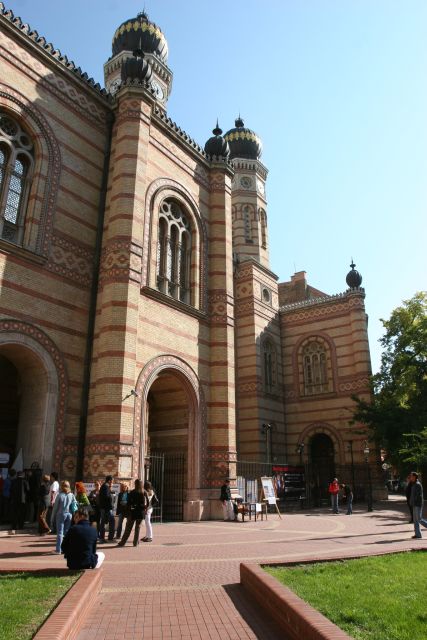
- Dohány Street Synagogue interior entry, where you get the setting and the significance, not just photos
- Jewish Museum stop with both everyday life and Holocaust commemoration, including a dedicated room
- Rumbach Street Synagogue exterior focus in the longer option, with its famous Moorish Revival look
- Raoul Wallenberg Memorial Park and Tree of Life, plus other remembrance stops that keep the emotion grounded
- Optional additions in the longer tour, like Kazinczy Street Synagogue and the Ghetto Wall exhibition
Walking Budapest’s Jewish Quarter with context, not trivia
Budapest’s Jewish District can feel like a maze if you’re on your own. This tour gives you the thread: what changed over time, what stayed, and what the places were built to protect or remember. You’re not just hopping from monument to monument. You’re following a story across streets in Pest.
I like that the format keeps you moving at a walkable pace—stopping often enough to make sense of what you’re seeing. And because it’s a live English guide, you can ask what something means in plain language. In multiple sessions, I noticed guides such as Benjamin, Orshi, Suzanne, Scilla, Barbi, and Ursula are specifically praised for bringing the area to life through clear explanations and good back-and-forth.
Your route depends on which time option you choose. Shorter versions focus on the core synagogue-and-museum experience, while the longer tour adds more exterior architectural stops and extra commemorative sites.
You can also read our reviews of more tours and experiences in Budapest



Dohány Street Synagogue: where the building does the talking
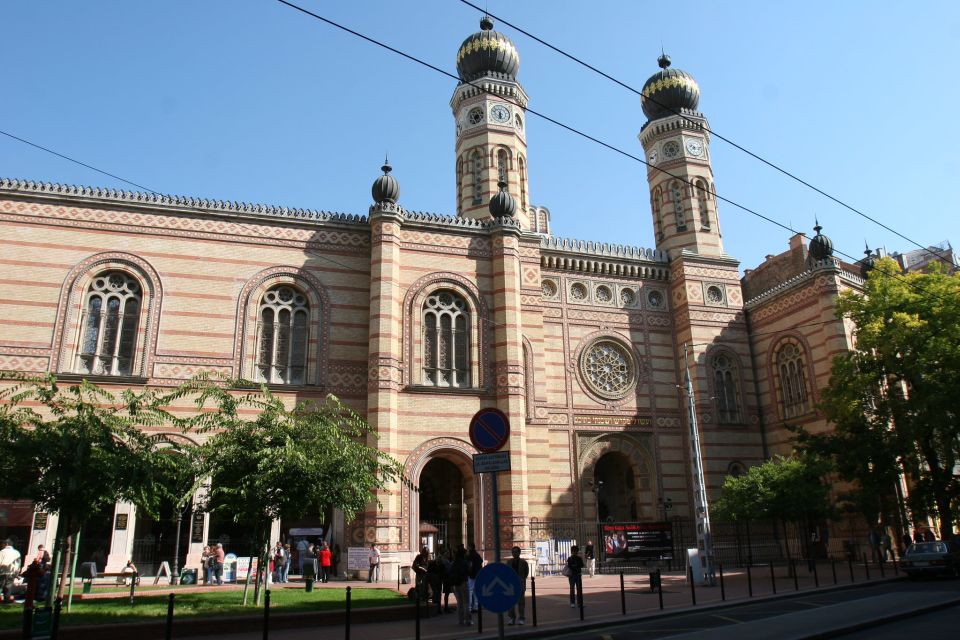
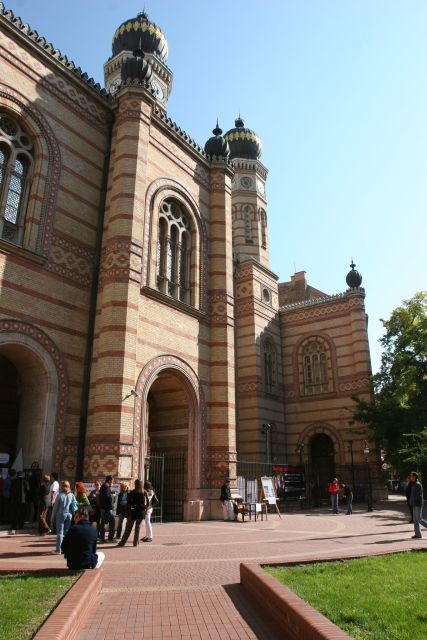
The tour’s anchor is Dohány Street Synagogue, known as the largest in Europe and second largest in the world. From the street, you get that immediate wow-factor: big scale, strong presence, and a sense that this is more than a landmark.
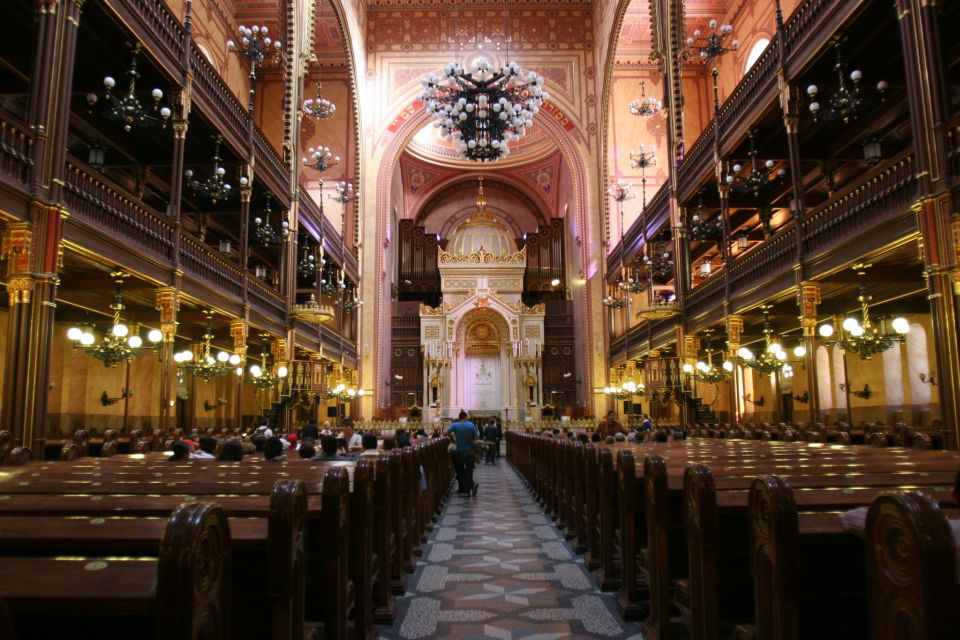
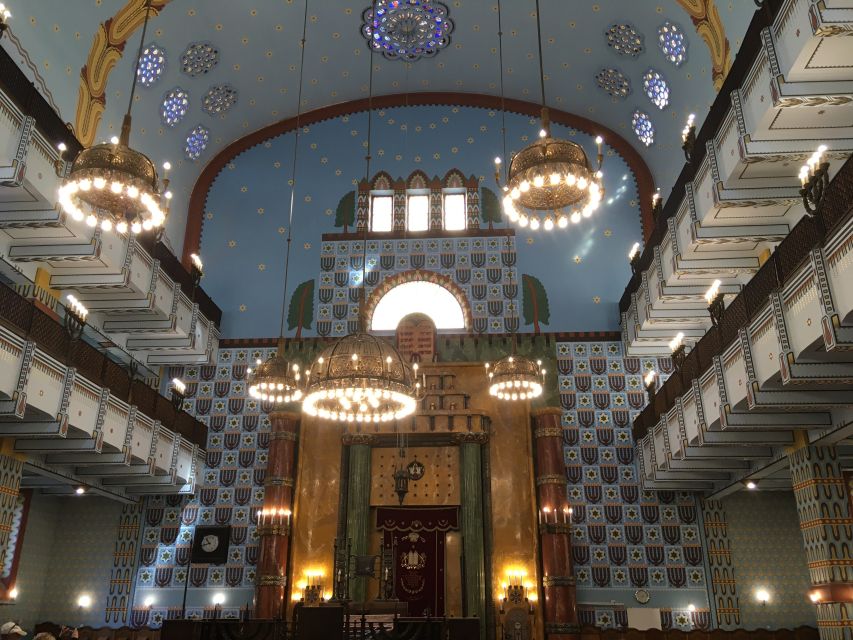
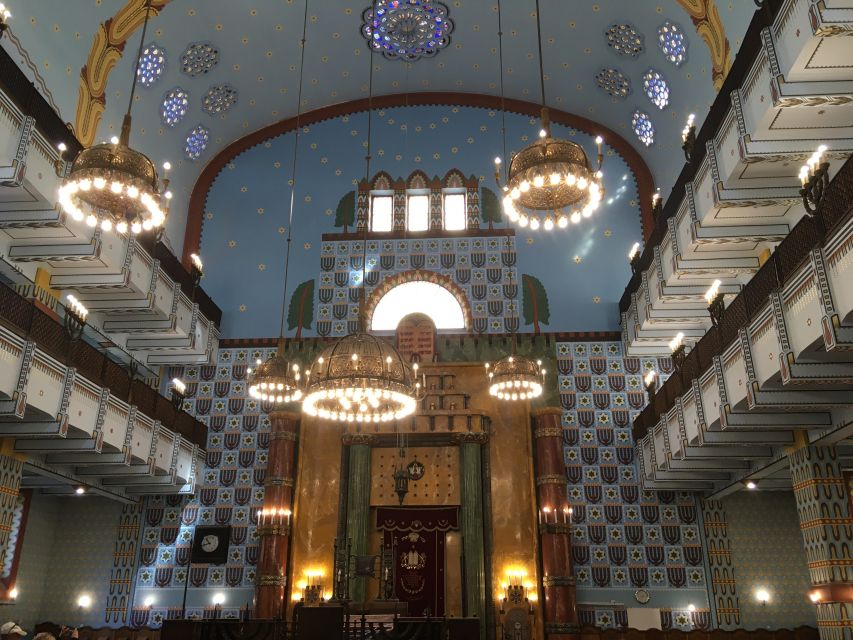
Then you go inside, and that’s where it becomes more than impressive. High ceilings and ornate details set the tone, and your guide links the space to Hungarian-Jewish community life and later history. This is also the moment where the tour’s tone shifts from sightseeing to meaning, especially when the guide connects the synagogue to both survival and continuity.
Practical tip: wear comfortable shoes and take your time on the entry and exit paths. Synagogue interiors can be visually demanding, and you’ll likely want a few extra seconds just to orient yourself before listening starts.
The Jewish Museum: art, daily life, and the Holocaust room
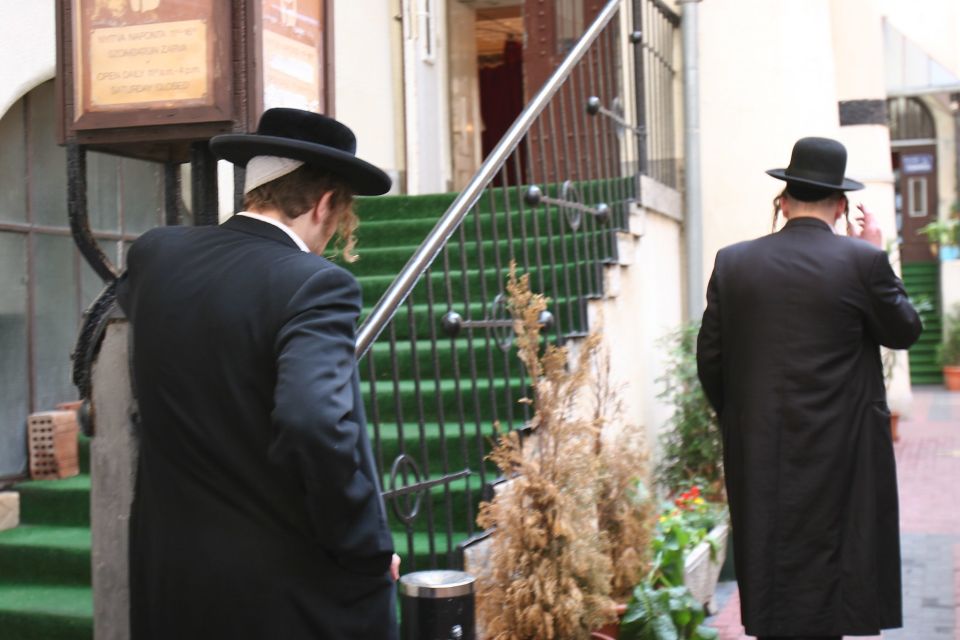
After the synagogue, you’ll head to the Jewish Museum Budapest. This is the stop where the tour can feel most educational, because you’re seeing objects and displays that explain Jewish life in Hungary and Eastern Europe in more than one way.
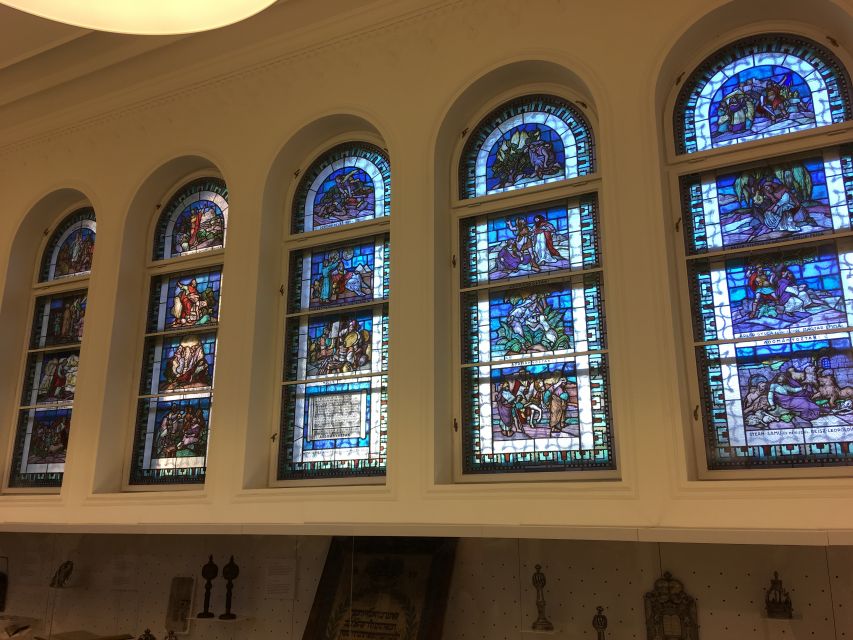
I like how the museum doesn’t only point at the tragedy. You see aspects of culture, holidays, and everyday life, which helps you understand the community as people—not only victims or symbols. Then there’s a separate section that is dedicated to commemorating the Holocaust in Hungary, with a room set aside for those who perished.
One realistic consideration: depending on your total tour length, your museum time may feel shorter than what you’d want if you love reading every label. If you’re the type who gets lost in exhibits, you might want to add extra solo time later, so the museum doesn’t become a rushed scan.
Rumbach Street Synagogue and Moorish Revival architecture
In the longer option (the one that runs up to about 4 hours), you also get Rumbach Street Synagogue into the mix. Even from the outside, it has that distinctive Moorish Revival look—ornate lines, strong character, and a very recognizable silhouette.
This architectural focus matters because it changes how you read the district. You start noticing style as a historical clue: communities expressing identity through buildings, and buildings expressing the ambition and resilience of the people who built them. It also helps you connect what you learned indoors (synagogue and museum) to the streets outside.
If you’re short on time, don’t worry. The shorter versions still center the key spiritual and museum stops. But if architecture is part of what excites you in a city, the longer route is the one that gives you more to look at and more to explain.
Holocaust remembrance stops: Martyrs’ Cemetery, Wallenberg Park, Heroes’ Temple
One of the most important parts of this experience is where it asks you to slow down—places built for memory rather than entertainment. After the museum, you’ll walk to the Martyrs’ Cemetery and the Raoul Wallenberg Memorial Park, including the Tree of Life area.
Your guide also includes the Heroes’ Temple stop on the walking route. Taken together, these stops form a chain of remembrance that moves beyond a single monument. You’re not only seeing names or symbols. You’re learning how remembrance was planned into the landscape.
Even if the subject matter is heavy, the tour stays practical. The guide helps you understand what each stop is for, and how it fits into the wider story of Hungarian-Jewish history and resilience. That’s a key value here: the emotion is real, but the explanation keeps it from becoming vague.
Tip: if you’re someone who gets overwhelmed in memorial settings, plan a calm moment after the tour. A quiet café stop nearby can help your brain process what you just heard.
You can also read our reviews of more guided tours in Budapest




Kazinczy Street Synagogue and the Ghetto Wall (the longer option)
If you book the longer time window, you may also include Kazinczy Street Synagogue and the Ghetto Wall with exhibition. These additions help show the district not as one frozen moment, but as layers: different locations, different eras, and different ways the community was shaped by what happened around it.
The Ghetto Wall exhibition is especially meaningful because it turns a boundary into a document. You’re guided toward understanding what those walls represent and why the area is remembered the way it is.
For architecture and street-level history lovers, this longer route tends to feel like the best “whole picture” option. You get the centerpiece synagogue, you get the museum, and then you get more physical reminders around the district.
Price and timing: is $81 good value?
At around $81 per person for a 2 to 4 hour walking experience, the value depends on what you want from the day.
Here’s the math that matters: your ticket covers a guided walk, plus entry to the Jewish Museum, Dohány Street Synagogue, the Raoul Wallenberg Memorial Park, and (in the longer option) Rumbach Synagogue and the Ghetto Wall exhibition. So you’re not only paying for a guide’s narration. You’re also paying for access to places you’d otherwise spend extra time figuring out or queueing for.
Also, the tour includes skip-the-line entry through a separate entrance, which is a real time-saver in Budapest. For a city where you often have just a day or two to “hit the big ideas,” saving waiting time can be as valuable as the content itself.
The one caution: because it’s time-boxed, you’ll have less freedom to linger than on a totally self-guided day. Still, if you want a guided framework fast, this is a strong deal for what you cover in a few hours.
Who this tour is for—and who should think twice
This is a great fit if you want:
- A guided way to understand Hungarian-Jewish history through major sites in one route
- Entry into both the synagogue and the museum, with context that turns buildings into meaning
- A guide who welcomes questions and explains in everyday language (many sessions are praised for exactly that)
It’s also a decent match for first-time visitors to Budapest’s Jewish Quarter, especially if you feel you need a hand making sense of what’s where.
Think twice if:
- You want a slow, reading-heavy museum visit with lots of unstructured time
- You need wheelchair accessibility. This tour is not suitable for wheelchair users.
Practical tips so your visit stays smooth
A few small things can make a big difference here.
Bring ID (passport or ID card) and wear comfortable shoes. This is a walking tour, and you’ll be moving between outdoor memorial areas and indoor museum/synagogue spaces.
Leave pets and large bags at home. The tour notes that pets aren’t allowed, and luggage or large bags aren’t permitted. If you travel with a backpack, plan to keep it small and easy.
On the content side, bring one mindset: expect emotional weight. Then balance it with curiosity. Your guide’s job is to help you hold both truths at once—what happened, and what life looked like before and after.
If your guide is Benjamin (a name that appears frequently in the guide mentions), you’ll likely get an extra-personal storytelling style, along with strong engagement and lots of Q&A. If it’s someone else, the common thread is still the same: clear explanations and room for questions.
Should you book this Budapest Jewish Heritage Tour?
Book it if you want the essentials done right: synagogue entry, Jewish Museum context, and Holocaust remembrance stops in one guided loop. The price makes sense when you account for entries and the time you save with skip-the-line access.
Skip it (or pair it with extra solo time) if you need long exhibit reading and slow pacing. In a short tour window, you may not get the quiet, page-by-page museum experience you’re hoping for.
If you’re coming to Budapest for a mix of architecture, history, and human stories, this is one of the most grounded and meaningful ways to understand the Jewish Quarter—without getting lost, and without flattening the subject into generic facts.
FAQ
How long is the Budapest Jewish Heritage Guided Tour?
The tour duration is listed as 2 to 4 hours, depending on the option you book.
What’s included in the tour price?
It includes a walking tour with a live English guide, entry to the Jewish Museum, entry to the Dohány Street Synagogue, and entry to the Raoul Wallenberg Memorial Park. Depending on the option, it can also include entry to Rumbach Synagogue and the Ghetto Wall exhibition.
Which locations will we visit?
The core sights include the Dohány Street Synagogue, the Jewish Museum, the Raoul Wallenberg Holocaust Memorial Park area, and the related remembrance stops on the route (including Martyrs’ Cemetery). The longer option can add Rumbach Street Synagogue, Kazinczy Street Synagogue, and the Ghetto Wall exhibition.
Is entry included for the synagogue and museum?
Yes. Entry to both the Jewish Museum and the Dohány Street Synagogue is included, and skip-the-line access is provided via a separate entrance.
What language is the tour guide?
The live tour guide is available in English.
Where do we meet for the tour?
The meeting point may vary depending on the option booked.
What should I bring?
Bring your passport or ID card and wear comfortable shoes.
Is the tour wheelchair accessible?
No. The tour is not suitable for wheelchair users.
Are pets or luggage allowed?
Pets are not allowed, and luggage or large bags are not allowed.
Can I cancel for a refund?
Yes. Free cancellation is available up to 24 hours in advance for a full refund.
Do I have to pay right away to reserve?
No. You can reserve now and pay later, which means you keep your travel plans flexible and pay nothing today.