REVIEW · BUDAPEST
Budapest: Opera House Guided Tour
Book on GetYourGuide →Operated by bookinbudapest.com · Bookable on GetYourGuide
Gold and frescoes in 60 minutes. You’ll love the restored auditorium with its grand staircase and dramatic wall-and-ceiling artwork, and you’ll also love the live singing teaser at the end that lets you hear why the hall is famous for sound. One consideration: tours aren’t wheelchair-friendly, and on some dates rehearsals can mean reduced light in the auditorium.
The tour is built for people who want the wow factor fast, without hunting for the right doors inside. You start in the Opera House hall (meeting point is inside), and you’ll typically appreciate the skip the ticket line setup so you lose less time to queues.
I also liked the guide-led storytelling. Even on a short schedule, the historic details land, from the building’s 1884 origins (plans by Miklós Ybl) to what changed with the 2022 restoration. In one group, the guide was named Eva, and she set a clear, upbeat pace for the visit.
In This Review
- Key highlights to look for
- Inside the Hungarian State Opera House in just 60 minutes
- Your first wow moment: frescoes, the auditorium, and that staircase
- 1884 origins and the 2022 restoration: what the guide helps you notice
- Skip the confusion: how the tour actually runs
- The live singing finale: why acoustics matter here
- Price and value: why $33 works (and when it doesn’t)
- Who should book this Opera House tour
- Quick decision guide: book now or skip
- FAQ
- Where is the meeting point for the tour?
- How long is the Budapest Opera House guided tour?
- Is the tour guided in English?
- Does the tour include a concert?
- Does the tour skip the ticket line?
- What should I bring or plan for food and drinks?
- Is the Opera House tour wheelchair accessible?
- What happens if tours are canceled due to rehearsals?
Key highlights to look for
- Restored interiors (2022 work you can see up close), not just a quick look from the lobby
- Frescoes and gilded details in the auditorium that make the building feel theatrical even before the show
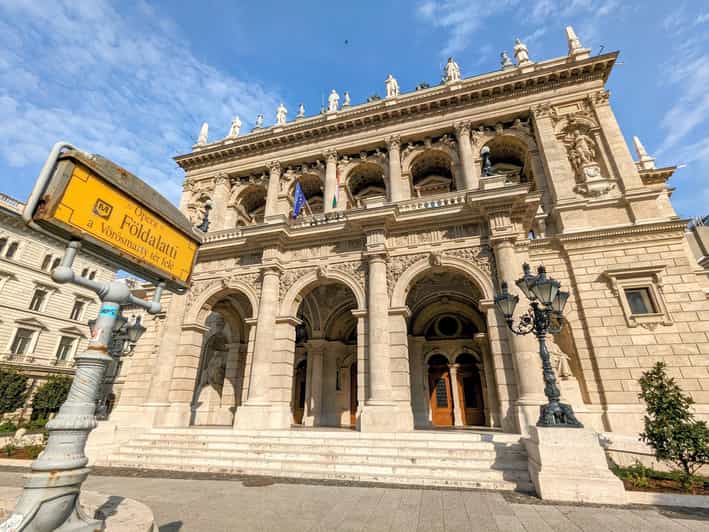
- Miklós Ybl’s 1884 design explained in plain terms during the 60-minute flow
- A short live concert at the end, often around 10–15 minutes, where the acoustics get the spotlight
- A well-run visit for mixed interests, including people who aren’t opera fans
- Multiple languages (English, German, Spanish, Italian, French) with a live guide
Inside the Hungarian State Opera House in just 60 minutes
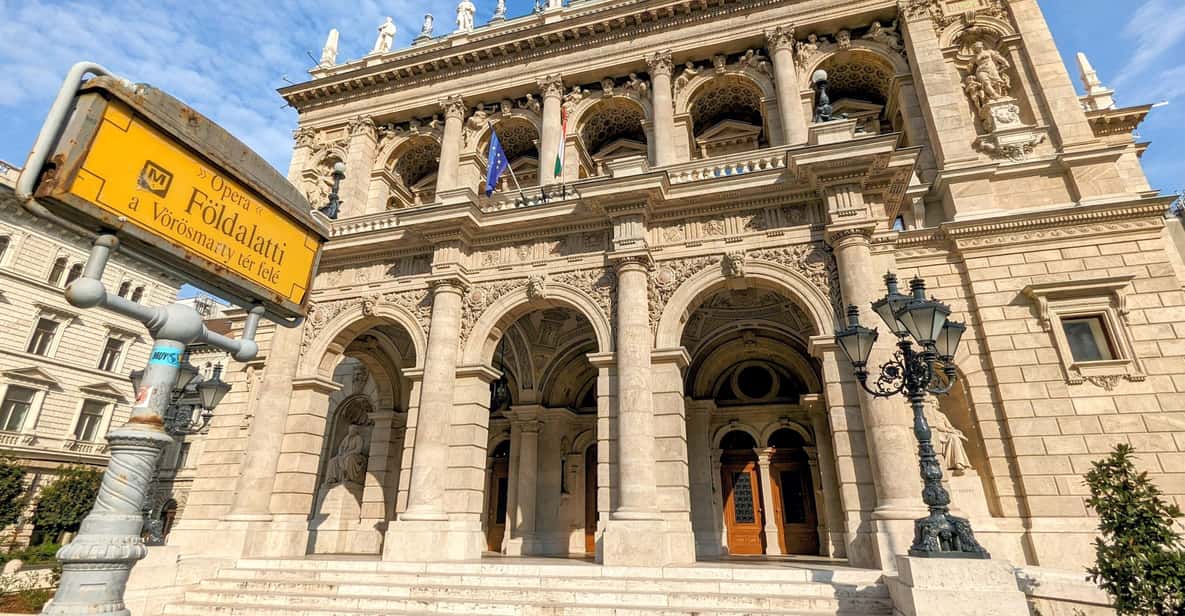
This tour hits a sweet spot. You get a guided interior walk through one of Budapest’s iconic landmarks, but you’re not committing to a full evening performance. It’s timed at about 1 hour, which means you can fit it around dinner plans, a Danube walk, or a day of museums without turning your schedule into a spreadsheet.
The biggest practical win is that you get structured access. The Opera House has serious “look but don’t touch” vibes in many venues like this, so a guided visit helps you see rooms and design features you might otherwise miss. And because the guide is live and the tour is paced by someone who knows where the best viewpoints are, you’re not standing around guessing what matters.
There’s also a psychological bonus. When you step into a restored building like this, you naturally want to slow down. A one-hour format forces focus: you’ll spend your time on the details that explain why this place still matters.
You can also read our reviews of more guided tours in Budapest


Your first wow moment: frescoes, the auditorium, and that staircase
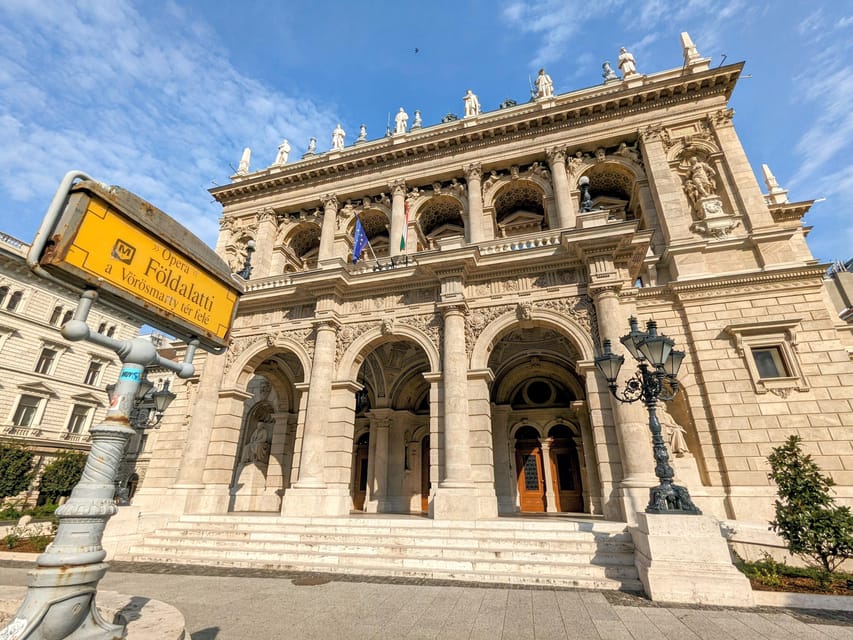
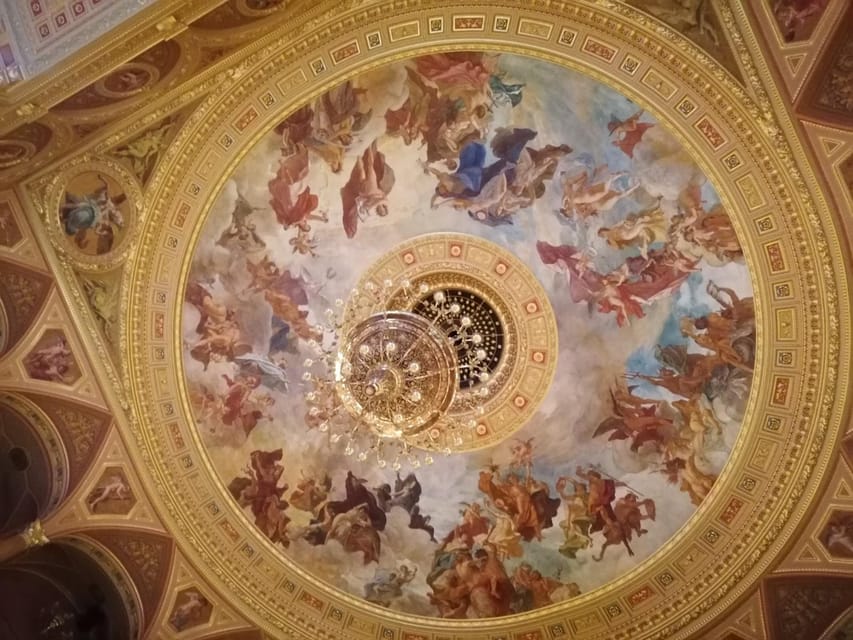
The interior tour centers on the areas that make the Hungarian State Opera House instantly recognizable once you’re inside. Expect the auditorium atmosphere to be the headline. The hall is known for its striking decorative work, and you’ll get the chance to take it in while listening to what the guide points out.
Two things stand out here:
- Frescoes in the auditorium
These aren’t just background decoration. The tour frames them as part of the experience—how the space was designed to feel grand, and why the visuals work with the performance setting.
- The staircase design
The staircase gets singled out in the tour experience because it’s one of those architectural elements you can’t easily understand from outside photographs. Seeing it in person helps you grasp the building’s “procession” feeling: opera isn’t just what happens on stage, it’s also the drama of entering the space.
You should also know the light can vary. On some occasions tied to rehearsals, the auditorium may have reduced light. If you’re the type who wants sharp photos, that’s a reasonable heads-up rather than a dealbreaker.
1884 origins and the 2022 restoration: what the guide helps you notice
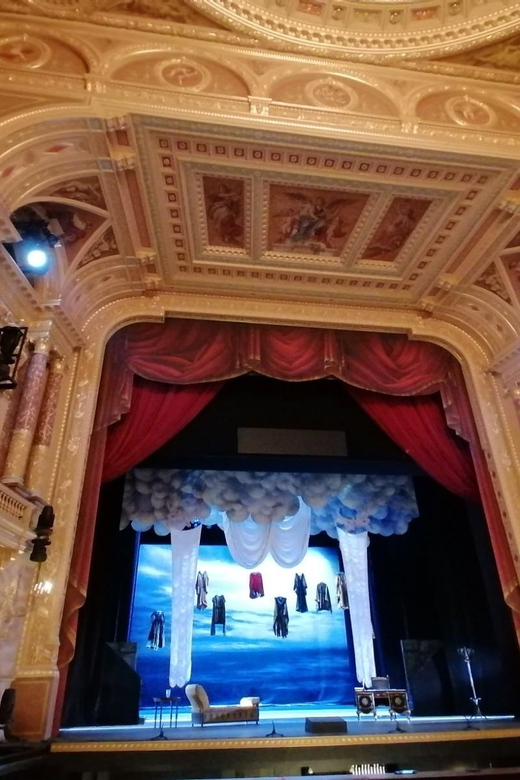
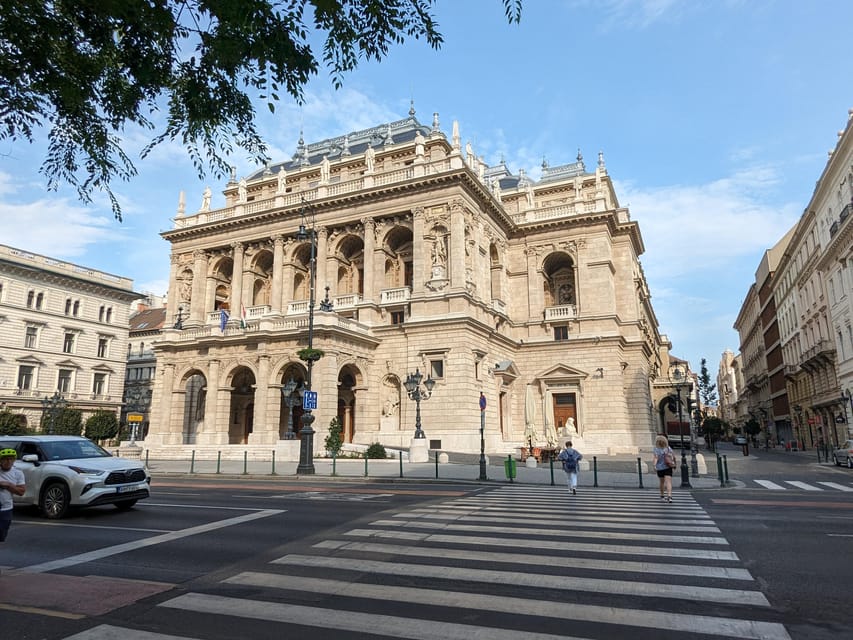
This is where a good guide earns their keep. The tour explains that the Opera House was built in 1884 based on the plans of Miklós Ybl, and then it brings you into the restoration story tied to 2022.
Why does that matter to you as a visitor? Because it changes how you look at what you’re seeing. Instead of only thinking gold = beautiful, you start paying attention to why certain choices were made in the first place. Restoration is also more than cleaning. It can mean returning surfaces and finishes closer to their intended look, and making sure the building’s character holds up decades later.
If you like architecture facts, you’ll likely appreciate how the guide connects design choices to practical show-day needs, like how the hall supports sound and how the space is organized for performance. People often come in expecting a quick sightseeing stop; this tour nudges you into seeing the Opera House as an operating venue, not just an ornate room.
Skip the confusion: how the tour actually runs
Let’s talk logistics in a way that helps you plan.
- Meeting point: in the Opera House hall, and that’s inside the building
- Duration: 60 minutes
- Live guide: available in English, plus German, Spanish, Italian, and French
- Ticket line: you’ll skip the ticket line
That last point is more valuable than it sounds. In a busy city, the difference between arriving early and arriving on time can be the difference between a relaxed start and a rushed one. Skipping the line helps you walk in with your brain switched on, instead of calculating how much time you have before the tour begins.
The flow is designed around quick comprehension. In multiple experiences, the visit includes time in key rooms for the guide’s explanations and for photos. Also, the Opera House manages crowds by splitting groups—so you may get small-group movement even if the overall number is large.
One other note: because this place is an active performance venue, tours can be affected by rehearsals. If a tour is canceled due to rehearsals, an alternative date is offered. In some cases, you’ll see reduced light conditions in the auditorium.
The live singing finale: why acoustics matter here
The end of the tour is the part people remember, even if they weren’t planning to be opera people.
Included in your ticket is a brief concert. The guide’s descriptions set the stage, then you get live singing as a kind of hands-on lesson in why opera houses are treated like instruments. The acoustics in this hall get praised for a reason: the building carries voices in a way that feels immediate, not distant.
Timing seems to land in the same ballpark across many experiences. Expect a short performance—often described as around 10 to 15 minutes—rather than a full production. It’s long enough to feel like something real, and short enough to work as a “try it” moment.
If you’re bringing someone who thinks opera is boring, this is exactly the angle that usually works. A short, live teaser lets them feel the drama and craft without the commitment of a full evening.





Price and value: why $33 works (and when it doesn’t)
At $33 per person for a 60-minute interior tour, this is priced like a high-demand “major building” experience. But the value isn’t just access to a famous interior.
You’re paying for:
- a live guide (not an audio-only route)
- access to the interior spaces that fit into the story of the building
- and a brief live concert at the end
That combo is the math. Many guided tours show you rooms; fewer include a live sound-and-performance payoff. If you love architecture, the restoration details and the auditorium design are worth it. If you love music, the finale is a tangible reason to care.
When might it not be the best fit? If you’re wheelchair-bound, the tour is not suitable for wheelchair users. And if you’re only interested in a full opera night, the short performance may feel like a tease rather than a replacement.
Who should book this Opera House tour
I think this tour is a strong choice if you’re:
- short on time in Budapest but want a major cultural stop
- curious about the Opera House beyond postcards
- interested in architecture and the “why” behind the design
- traveling with someone who might not choose an opera ticket on their own
- someone who wants live singing without committing to a full evening
It may be less ideal if you want a long, slow museum-style visit with no guiding voice. This is guided, structured, and time-conscious. Also, if you’re sensitive to changes in lighting due to rehearsals, plan flexibility matters.
Quick decision guide: book now or skip
Book this tour if you want the quickest path to understanding the Hungarian State Opera House as both a stunning building and a working performance venue. The restoration story (1884 origins by Miklós Ybl, plus the 2022 restoration) gives context, and the live singing finale turns the visit from sightseeing into an experience you can hear in your bones.
Skip it if you already have opera tickets for the same days and you’re mainly chasing a full performance. In that case, you can choose to spend the time on rehearsals-free areas of town or other museums you might not see twice. And if mobility is an issue, remember the tour isn’t suitable for wheelchair users.
If you’re on the fence, I’d pick this—especially if you’re the kind of visitor who loves a place more after you learn how it works.
FAQ
Where is the meeting point for the tour?
The meeting point is in the hall of the Opera House, and it is inside the building.
How long is the Budapest Opera House guided tour?
The tour lasts 60 minutes.
Is the tour guided in English?
Yes. There is a live guide in English, and the tour is also offered in German, Spanish, Italian, and French.
Does the tour include a concert?
Yes. A brief concert is included at the end of the tour.
Does the tour skip the ticket line?
Yes, the tour includes skipping the ticket line.
What should I bring or plan for food and drinks?
Food and drinks are not included, so you’ll want to plan around meals separately.
Is the Opera House tour wheelchair accessible?
No. The tour is not suitable for wheelchair users.
What happens if tours are canceled due to rehearsals?
The Opera House may cancel tours during rehearsals. In that case, an alternative date is offered, and there may be reduced light conditions in the auditorium on some occasions.