REVIEW · BUDAPEST
Budapest: Hammer & Sickle Communism Walking Tour
Book on GetYourGuide →Operated by Absolute Tours · Bookable on GetYourGuide
The hammer and sickle is still here. This Budapest communism walking tour takes you through the real streets of Pest while explaining how Hungary lived under Soviet-style control, from passports to workday life. You’ll connect the propaganda icons to everyday details people actually dealt with.
I especially like two things: first, the way the tour uses specific landmarks—Liberty Square’s Soviet memorial and the Parliament area—to make the history feel physical. Second, you get a licensed guide who brings the story into plain language; in at least one run I’ve seen strong praise for George from Absolute Tours.
One caution: it’s 2 hours of continuous walking, and the tour is not recommended for kids under 14 or for people with mobility impairments. If you don’t enjoy long city walking, this might feel like too much time on your feet.
In This Review
- Key highlights worth planning for
- Entering the communist story at Deak Ferenc Square
- The 2.5-hour format: what you’ll actually do on your feet
- How the guide connects 50 years of rule to real daily life
- The 1956 Revolution exhibition: why this stop matters
- Walking to Liberty Square: the Soviet memorial and its shadow
- Parliament-area lessons: power, fear, and protest talk
- Trabant culture and workday reality: the human side of propaganda
- Coffee and comfort: the included refreshment
- Price and value: is $72 fair for 2.5 hours?
- Who this tour fits best (and who should skip it)
- The guides: what to look for in a good performance
- Should you book the Budapest Hammer & Sickle Communism Walking Tour?
- FAQ
- Where do I meet the guide?
- How long is the tour?
- Is the tour in English?
- What’s included in the price?
- What should I wear or bring?
- How much walking is involved?
- Is the tour suitable for children?
- What about cancellation?
- Is pickup available?
Key highlights worth planning for
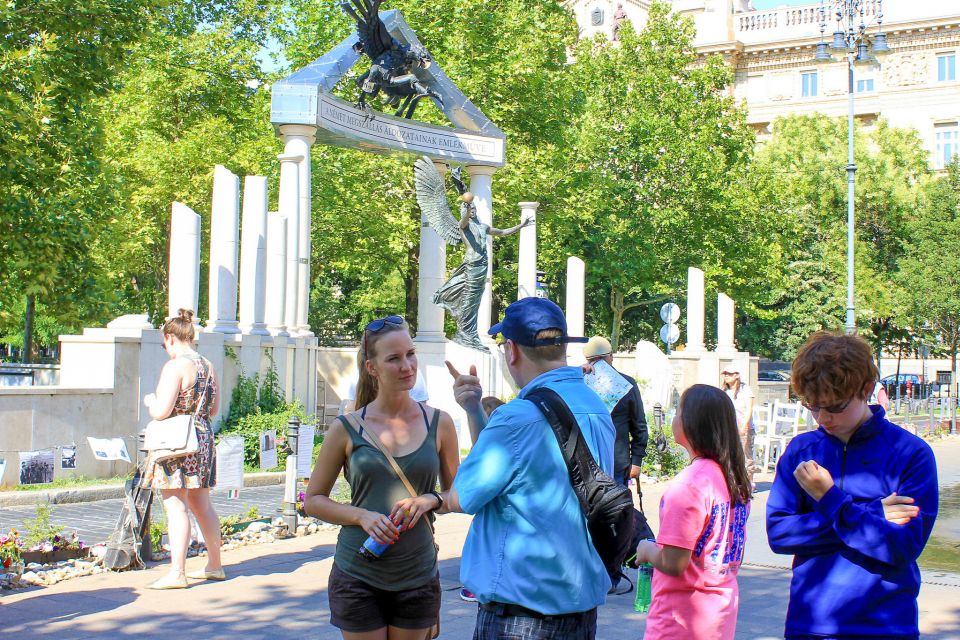
- Liberty Square Soviet Memorial: see the Cold War symbol and hear the meaning behind it.
- 1956 Revolution exhibition stop: a focused look at the uprising and its significance.
- Pest street-level storytelling: talk about everyday life, not just big dates.
- Hungarian Parliament area walk: connect political power to what people saw and feared.
- A guide who sets the pace: strong emphasis on clear explanations, sometimes with varied enthusiasm by guide.
Entering the communist story at Deak Ferenc Square
Most tours start with a map. This one starts with a place. You’ll meet at 1052 Budapest, Deak Ferenc ter 4, in front of the pale yellow Lutheran Church, right on the church steps. It’s a smart pick-up spot in central Pest, so you can get situated quickly before the walking begins.
From there, the tone is practical and human. You’re not just hearing slogans. You’re learning how life functioned under the rules of the era—how people worked, studied, got documents, and navigated daily friction with the system. That matters because communism can sound like a political label from a textbook, until someone explains how it shaped ordinary mornings.
You can also read our reviews of more walking tours in Budapest
The 2.5-hour format: what you’ll actually do on your feet
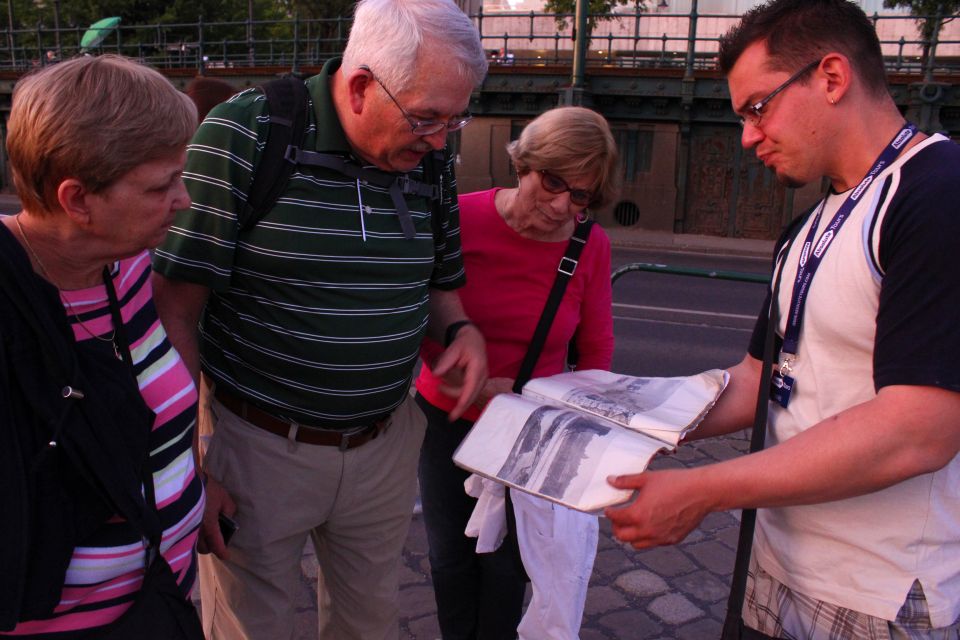
The total time is 2.5 hours, with about 2 hours of continuous walking. That’s enough time to cover key central sites in Pest, but not enough time to linger. I like that pace because the tour feels like a guided “throughline,” not a stop-and-start museum day.
You should wear comfortable shoes and dress for weather. The tour runs in all weather conditions, so bring a jacket or umbrella if your forecast says you’ll need it. If rain and wind make you miserable, you’ll feel it here, because the walking is steady rather than broken up by long indoor segments.
How the guide connects 50 years of rule to real daily life
The tour’s big promise is an overview of Hungary’s communist era, and it doesn’t stay abstract. You’ll hear how people lived with the Iron Curtain in the background, and how everyday issues were handled through negotiation, routine, and small compromises.
Expect stories that cover details like:
- how passport access worked in practice
- how school life was shaped by the regime
- how cultural life and workplace life connected to what was allowed—and what wasn’t
I like that the guide tends to connect the political to the practical. Instead of only explaining who was in power, the tour shows how power traveled into daily life. That’s where the real interest kicks in: you start to see the system as something people managed, not just something governments imposed.
The 1956 Revolution exhibition: why this stop matters
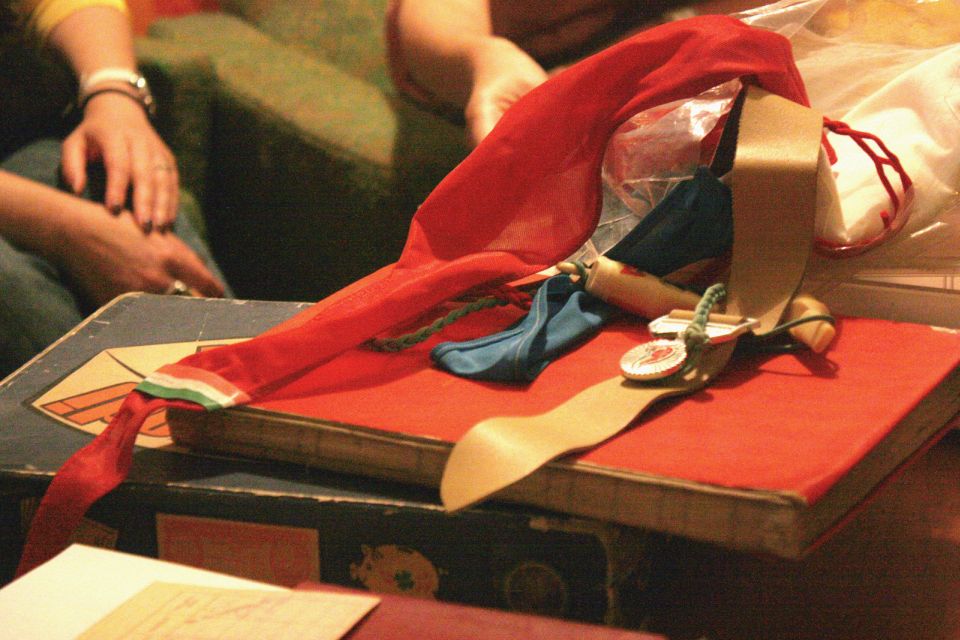
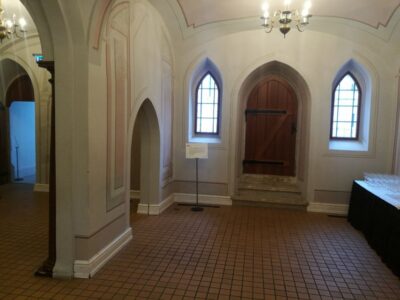
One of the most meaningful parts of the walk is the visit to a small exhibition about the 1956 Revolution. This is where the story gets sharper. Rather than focusing only on what daily life looked like, you get a clearer view of the breaking point—moments when citizens pushed back against an unethical regime.
You’ll also hear about the first protests and how opposition grew from there. Some tours include discussion of the exhibition’s commemorative elements, tied to the uprising’s violence and the people impacted by it. If you’ve only heard 1956 as a headline, this stop helps you understand why it became such a lasting reference point in Hungary’s national memory.
Walking to Liberty Square: the Soviet memorial and its shadow
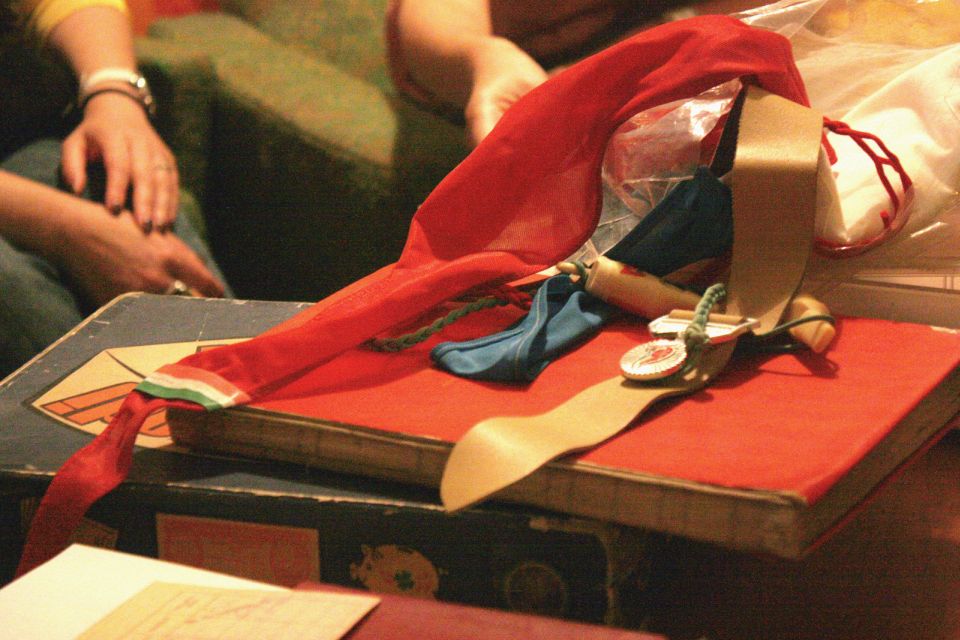
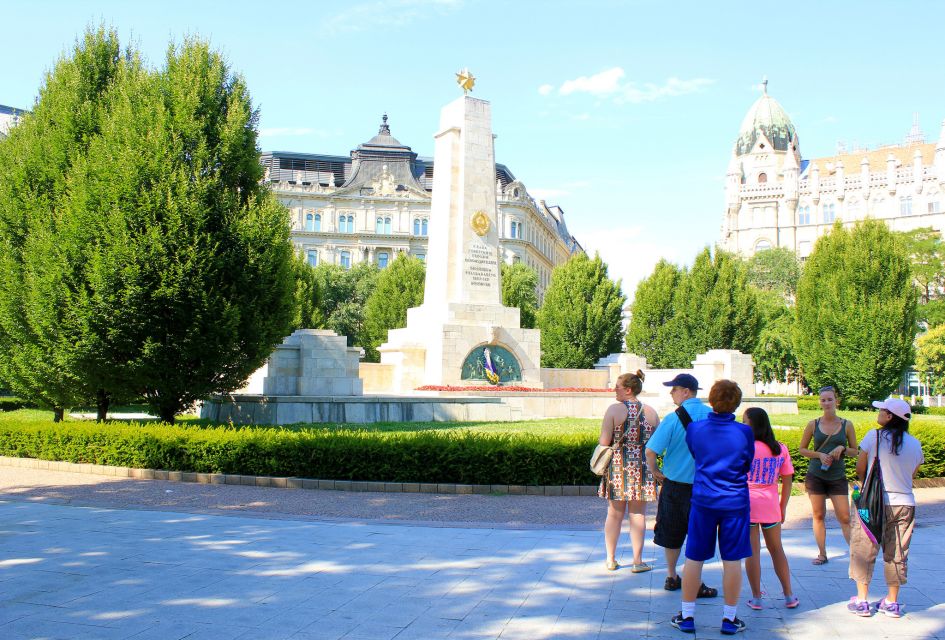
The walk to Liberty Square is the part that visually anchors the Cold War. You’ll get to see the last Soviet monument, and the guide explains what it represents in the city today. A memorial isn’t just a statue; it’s a statement about which story was prioritized, and for how long.
What I find valuable here is the contrast between present-day Budapest and the era you’re stepping into. Liberty Square is part of the city’s everyday fabric, but the Soviet symbol forces you to notice how recent that history is. When the guide ties the memorial to the broader “50 years of communist rule,” the monument stops being a photo opportunity and becomes an explanation of political control.
If you like history that connects to physical places, this stop delivers. If you’re expecting something more like a formal museum interpretation, you’ll still get the context, just through street-level storytelling instead of heavy display time.






Parliament-area lessons: power, fear, and protest talk
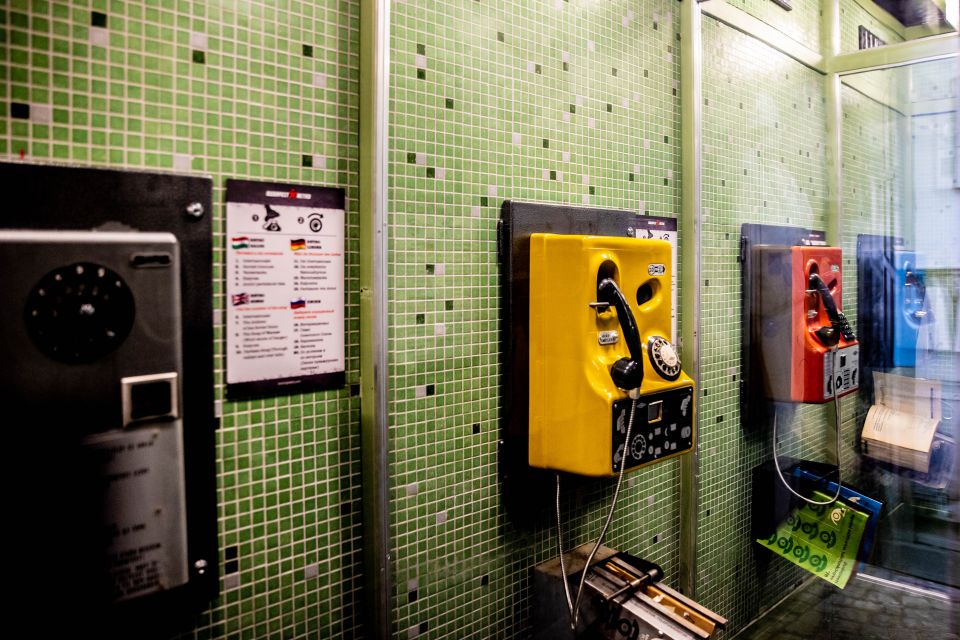
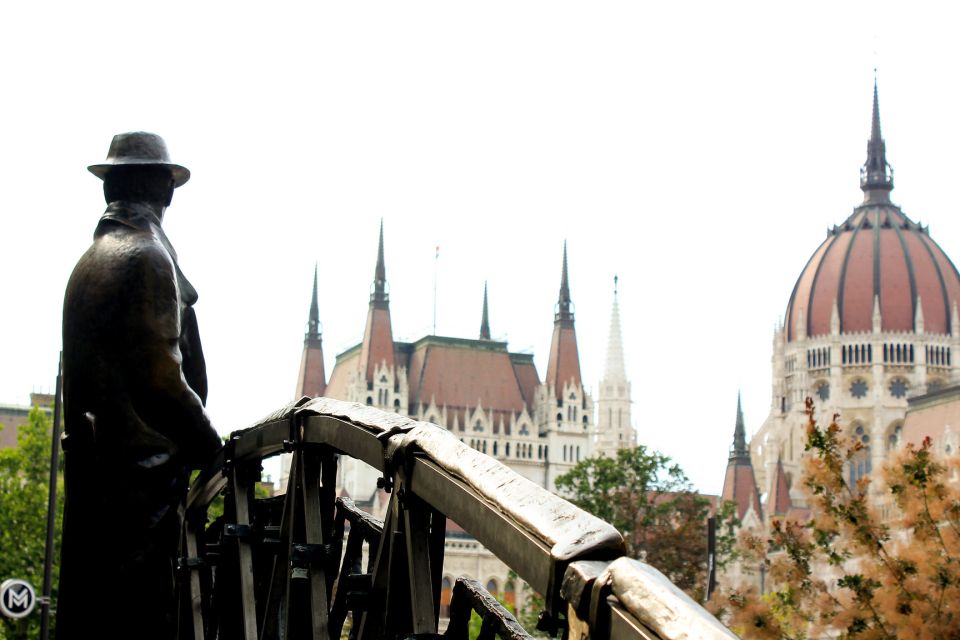
The tour also includes a walk to the Parliament and Liberty Square area, where the political center of the era can’t be ignored. Even if you’ve seen photos of Hungary’s Parliament before, the tour uses the surroundings to set up why politics mattered so much to everyday life.
Here’s what you’ll likely hear: how the regime structured power, how public disagreement could be dangerous, and how people learned to respond without always being able to say what they truly felt out loud. The guide connects these themes to protest moments from the 1956 story, including talk about the first protests against the system.
This part works best if you’re willing to listen for the cause-and-effect. The tour keeps returning to one idea: control wasn’t only about tanks and rules—it was about shaping what people thought was possible.
Trabant culture and workday reality: the human side of propaganda
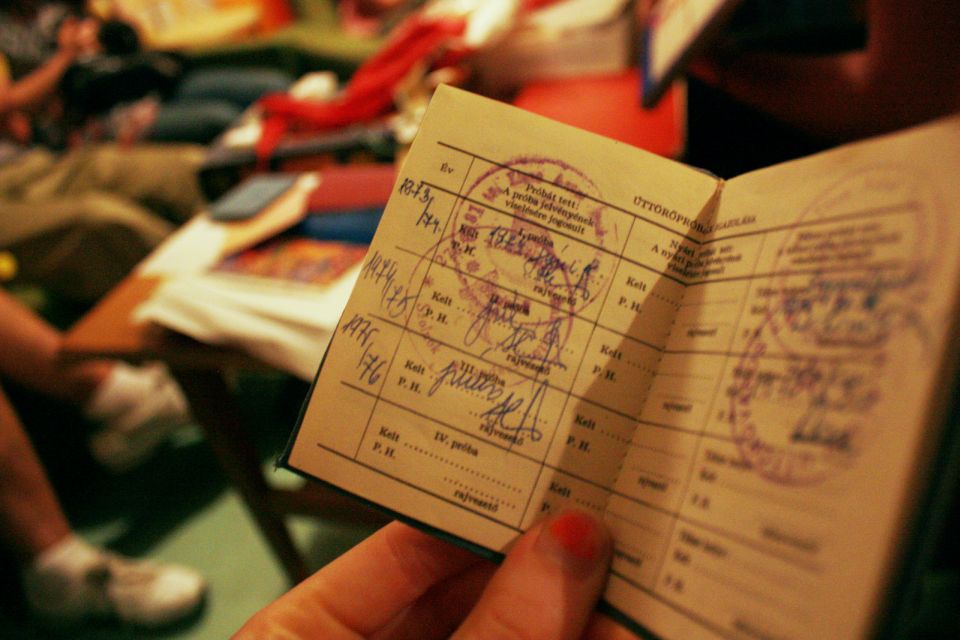
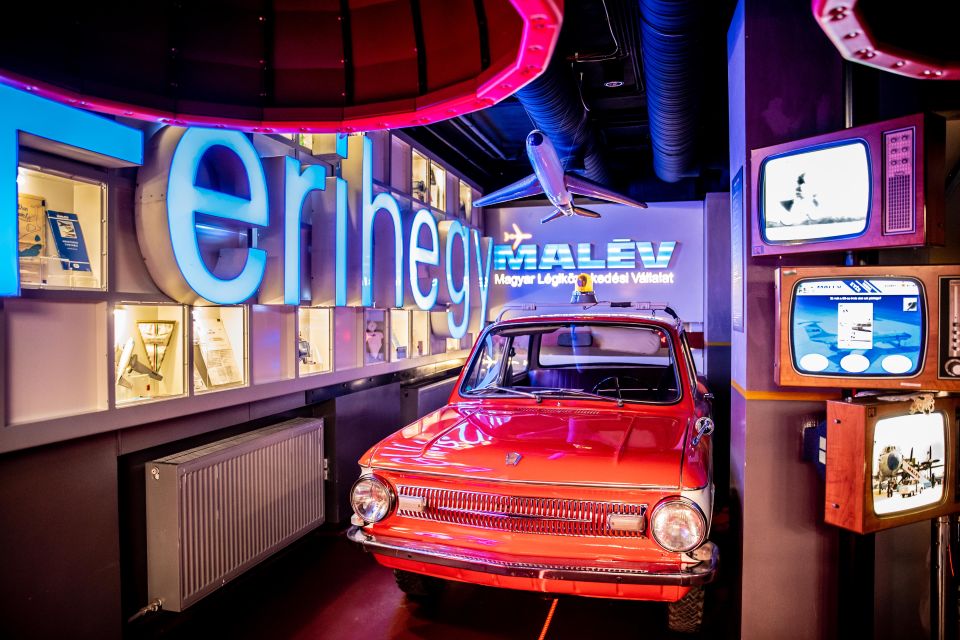
Communist-era Hungary is sometimes explained in big political terms. This tour mixes that with cultural details that make the era feel lived-in. You’ll hear about the iconic Trabant and how residents experienced everyday life under communism, including workplace culture and social habits.
In at least one described run, coffee was paired with a small Trabant-themed moment, plus a traditional Hungarian sweet. Even if you don’t get the same exact treat version, the refreshment is part of the experience and helps break up the walking without turning the tour into a café stop.
The value here is simple: it gives you something to visualize. When you can picture how people traveled, what they did at work, and what they drank or shared during routine, the political story becomes easier to understand.
Coffee and comfort: the included refreshment
You do get a refreshment: coffee, tea, or a soft drink. In a 2.5-hour walk, that little pause matters. It gives your brain a rest so you can keep absorbing the history without feeling like your feet and thoughts are both burning.
Keep in mind: this is still a walking tour, not a long indoor break. If you need a full meal, plan it for before or after. The tour doesn’t include food, so don’t schedule this right before dinner unless you like squeezing in quick bites.
Price and value: is $72 fair for 2.5 hours?

At $72 per person for 2.5 hours, you’re paying for two things: a licensed guide and focused access to interpretation of the sites. That price can feel steep if you expected a short casual stroll. It’s also fair if you want historical context that actually ties together the streets, the symbols, and the daily realities of the era.
I think it’s good value when the guide is sharp and energized. One review praises a guide described as personable and well prepared, with an inside look at pre-change Hungary. Another comment points out a lack of enthusiasm in one run and suggests the talk could have had a clearer sequence. That tells me something practical: with this kind of history walk, delivery matters.
So here’s my way to judge it before booking: if you love listening to stories that connect political systems to everyday details, this is the kind of tour that can pay off. If you want a more museum-like, tightly structured timeline presentation every minute, you might find the pacing depends on the guide.
Who this tour fits best (and who should skip it)
This tour is a strong match if you:
- enjoy history on foot through city landmarks
- like learning how political control shaped daily life
- want a guided route to 1956 Revolution context and Soviet-era memorial sites
It’s not a great fit if you:
- have trouble with long walking (2 hours continuous)
- need accessible routes (it’s not suitable for mobility impairments)
- are traveling with children under 14 (not recommended)
Also, be honest with yourself about the topic. The tour deals with political oppression and protests, so expect heavier themes rather than light storytelling.
The guides: what to look for in a good performance
The tour is run by Absolute Tours, and the guide can make a noticeable difference in how the experience lands. I saw repeated praise for professional preparation and conversational explanations, including praise for a guide named George who was described as personable and informative.
On the flip side, one lower-score comment mentioned that the guide showed very little enthusiasm and that the talk lacked a clear sequence. That doesn’t mean every run is like that, but it does suggest you should look for a guide who can hold attention and organize the story.
When you book, try to pick a time when you’re most alert and not rushed. A history walk like this rewards focus.
Should you book the Budapest Hammer & Sickle Communism Walking Tour?
Book it if you want a street-level explanation of Hungary under communism—anchored by real central landmarks, with a stop connected to the 1956 Revolution and context that goes beyond dates. I especially recommend it to adults who enjoy learning how governments shaped normal life, not just big events.
Skip it if your idea of a good tour is minimal walking, lots of sitting, or purely “museum-style” information. The duration and continuous walking are real, and the subject matter isn’t meant as casual entertainment.
If you come prepared with comfortable shoes and a curious mind, this walk is a solid way to understand why Budapest looks the way it does—and why some symbols still matter.
FAQ
Where do I meet the guide?
Meet your guide at 1052 Budapest, Deak Ferenc ter 4, in front of the Lutheran Church (pale yellow), on the church steps.
How long is the tour?
The tour runs for 2.5 hours.
Is the tour in English?
Yes, it’s a live tour guide in English.
What’s included in the price?
You get a licensed expert guide and a refreshment (coffee, tea, or a soft drink).
What should I wear or bring?
Wear comfortable shoes and comfortable clothes, and dress for the weather. The tour operates in all weather conditions.
How much walking is involved?
The tour includes 2 hours of continuous walking.
Is the tour suitable for children?
It’s not recommended for children under 14.
What about cancellation?
You can cancel up to 24 hours in advance for a full refund.
Is pickup available?
Pickup is optional. You can enter your centrally located accommodation details during booking, or you can meet the guide at Deak Ferenc Square.