REVIEW · BUDAPEST
Budapest: Parliament Building Entry Ticket and Audio Guide
Book on GetYourGuide →Operated by Magic Tourways · Bookable on GetYourGuide
Budapest’s Parliament delivers instant wow. This self-paced visit pairs entry to the Hungarian Parliament Building with a downloadable audio program that starts at Kossuth Square, so you arrive with context instead of just staring at stone. I like that the experience is structured enough to keep you moving, but flexible enough that you can slow down when something grabs your attention.
Two things I really enjoyed: the Main Staircase inside (the red carpet, chandeliers, and gilded details are not subtle), and the audio guide device, which explains what you’re seeing in plain, practical terms. One drawback to know upfront: the timed format is short. If you want to wander every corridor at human speed, this may feel a bit tight for the price.
Still, if you’re trying to do Budapest efficiently without giving up the best indoor rooms, this is one of those tickets that pays off fast.
In This Review
- Key things I’d plan around
- Kossuth Square: why you should start here first
- The Visitor Centre check-in and security: quick but real
- Main Staircase: the “stop and stare” moment
- Assembly Hall and Hall of the Dome: what to notice
- Old Upper House and Councils of Deputies: the political heart
- History of the House exhibition: the extra layer
- Outside monuments: finishing with context, not just photos
- Audio guide practicality: how to make it easy
- Timing, crowd flow, and why the visit feels short
- Price and value: is $45 worth it?
- Who this tour suits best
- Should you book this Parliament audio ticket?
- FAQ
- What time does the tour last?
- What is included with the ticket?
- Where do I meet for this experience?
- What do I need to bring?
- Are the audio guides available in multiple languages?
- Is there a live guide?
- Can I cancel for a full refund?
Key things I’d plan around
- Start at Kossuth Square for the monument stories before you ever reach the security line.
- Main Staircase first sets the tone with the building’s most dramatic “wow” moment.
- Hall of the Dome is where the audio focuses you on the Crown Jewels area.
- Assembly Hall and Old Upper House help you understand what you’re looking at beyond decoration.
- History of the House exhibition gives you extra context after the tour rooms.
- Meeting point clarity matters: it’s outside the Visitor Centre near the entrance, not by the riverside.
Kossuth Square: why you should start here first
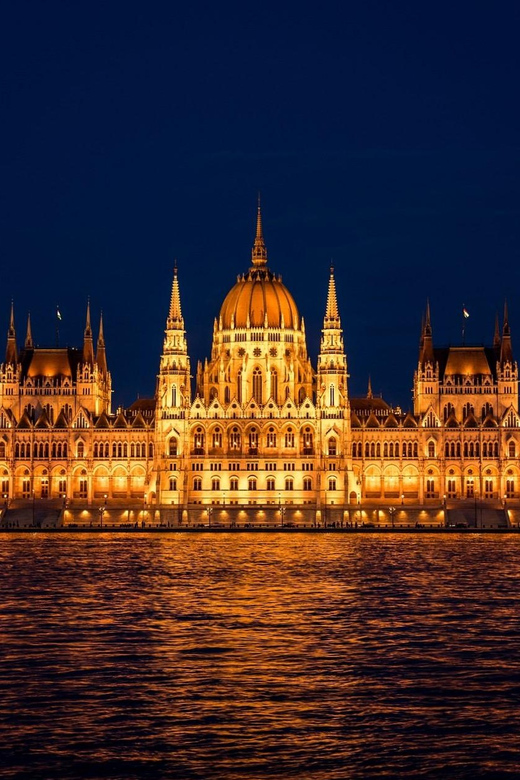
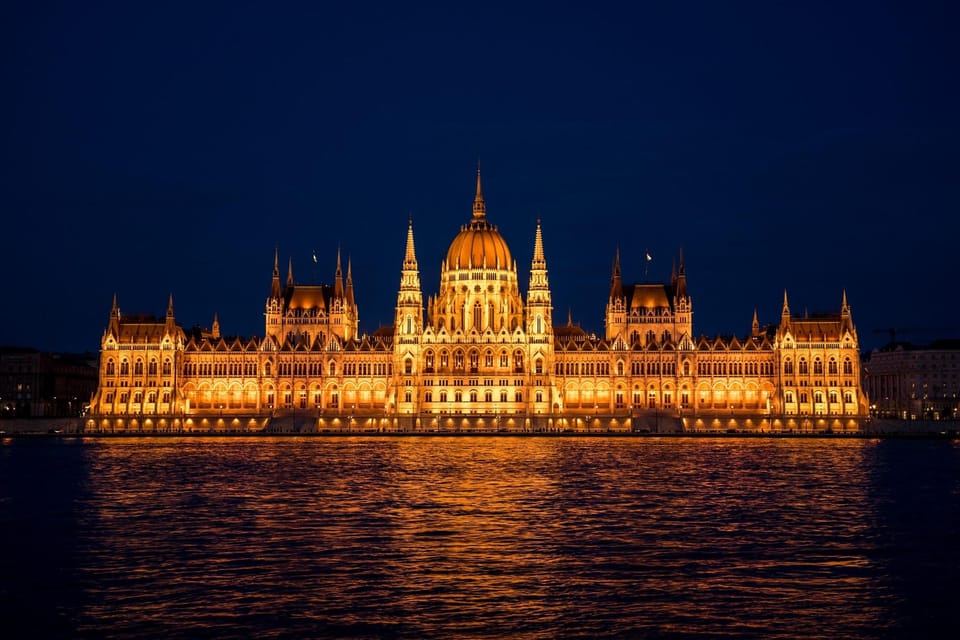
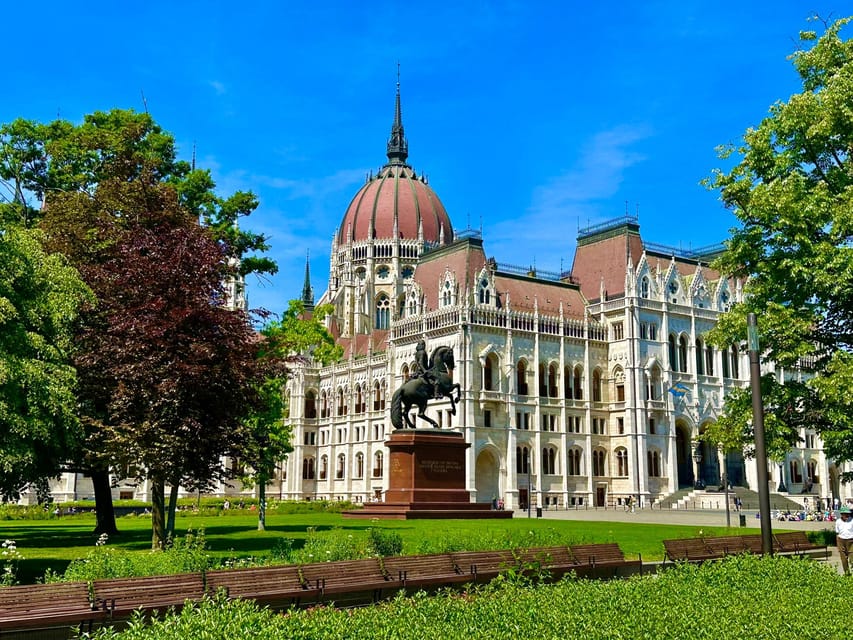
Most people rush straight to the Parliament doors. Don’t. Starting at Kossuth Square changes the whole visit because the audio program walks you through what those buildings and memorials mean.
You’ll get stories tied to the square and the Parliament’s surroundings, with landmarks like the statue of Ferenc Rákóczi. The audio also points out memorials such as the Monument to the Victims of the Red Terror and the National Unity Monument. That’s a lot of weight for one city block, and hearing it before you go inside helps you see the Parliament as more than a postcard.
If you’re the type who likes to understand why a place matters, this prelude is a big part of the value. It’s also a nice “warm-up” when your legs are still fresh and you haven’t queued up yet.
One practical note: the meeting instructions can be confusing because there are two entrances near the Visitor Centre. Aim for the stated pick-up spot outside the Visitor Centre near the entrance. If you arrive early, take 2 minutes to verify you’re at the right side before you start drifting.
You can also read our reviews of more tours and experiences in Budapest


The Visitor Centre check-in and security: quick but real
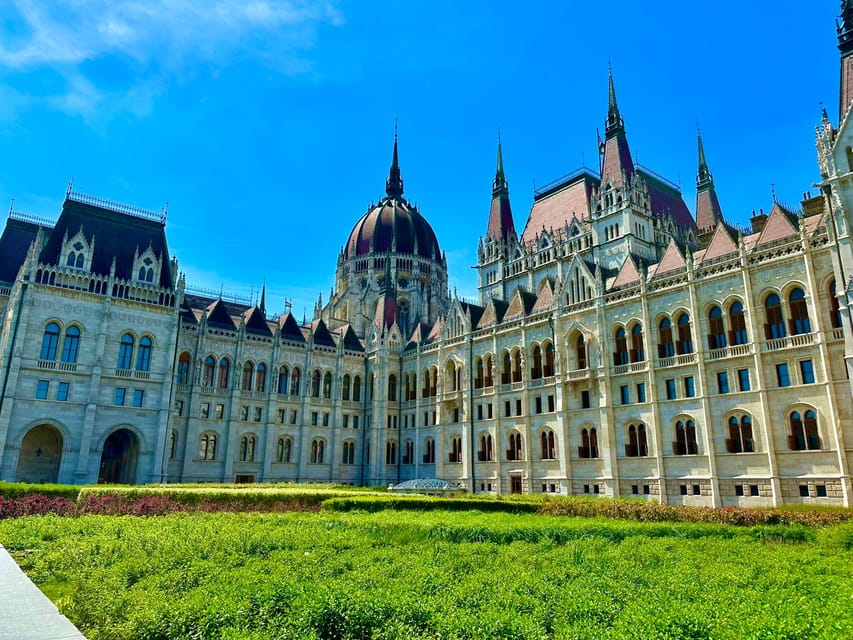
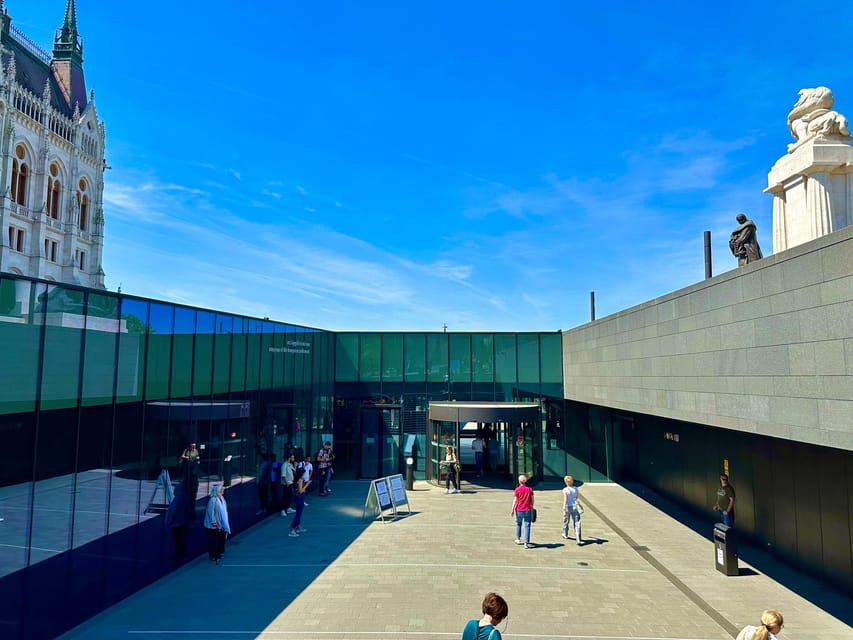
Once you’ve finished the Kossuth Square audio segment, you head to the Parliament Visitor Centre with your entry ticket.
Plan for a short check-in window—about 15 minutes is built in for check-in, information, and tickets. After that, you go through security. This is the part where you’ll be glad your visit is organized for you, even though it’s audio-led. You don’t want your entire trip hinging on, Did I bring the right item? (Bring your passport or ID card.)
Inside, you receive the multilingual audio guide device. The language options are broad (Arabic, Bulgarian, Chinese, English, French, German, Hebrew, Italian, Japanese, Polish, Portuguese, Russian, Spanish, and more). If you’re traveling with mixed language needs, it’s comforting that the system supports so many options—no awkward improvising.
Main Staircase: the “stop and stare” moment
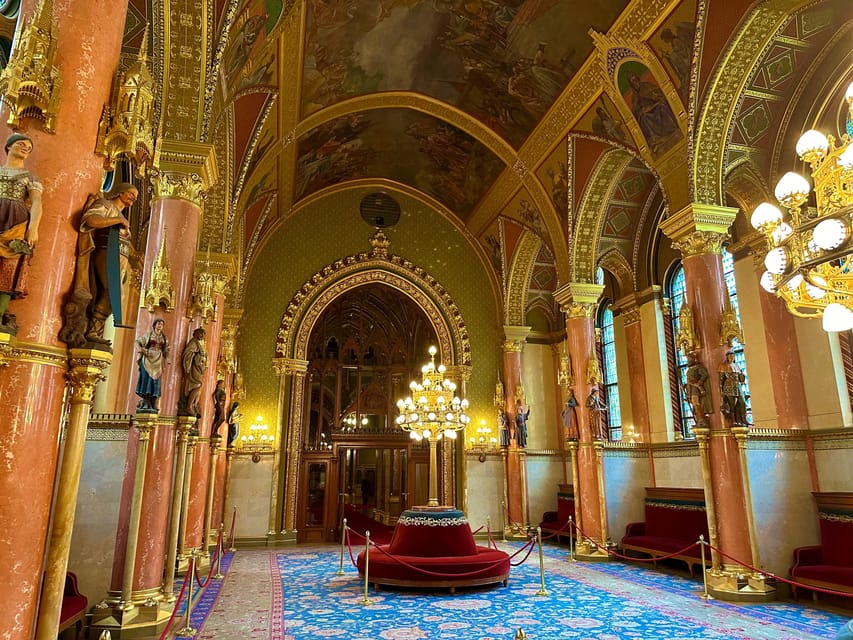
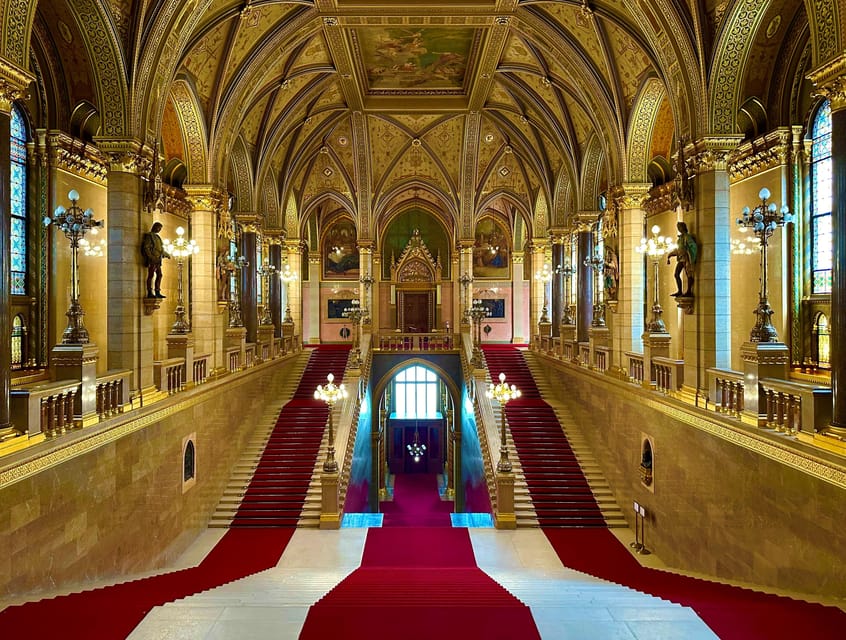
Step onto the Main Staircase and you’ll see why people travel across countries for this building. The audio guide brings you through the big visual beats, but your eyes will probably do the talking first: long red carpets, chandeliers overhead, and gold-plated ornamentation that feels lavish in a very old-world way.
This is one of those places where it’s worth letting yourself be a little amazed. The decoration isn’t just for show; it’s meant to create a sense of ceremony. Even if you don’t care about politics, the design language communicates power and tradition.
Because your tour is self-guided with narration, you can pause and look up. You can also move at a pace that matches your attention span. That matters here, because the staircase and hallway details reward time—without forcing it.
Assembly Hall and Hall of the Dome: what to notice
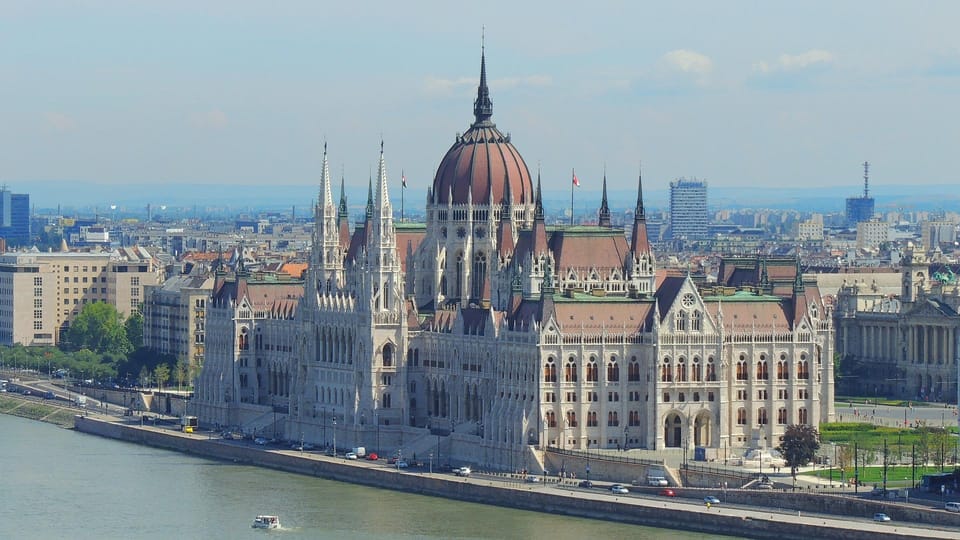
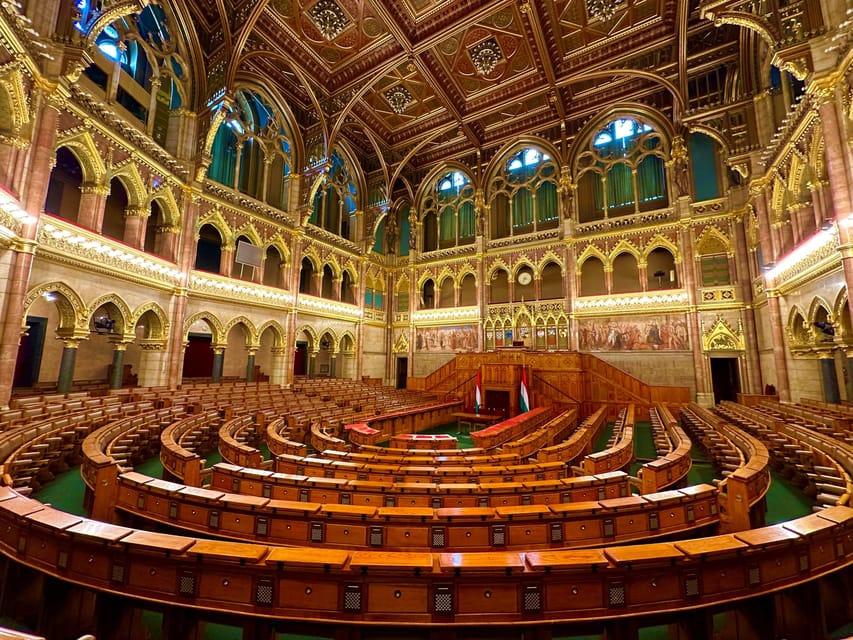
After the staircase, you’ll continue into the Assembly Hall, where important legislative sessions occur. The audio helps you translate the room. Instead of just staring at furniture and flags, you get the “why this layout” context while you’re standing in it.
Then the tour points you toward the Hall of the Dome, where you can admire the Crown Jewels area. The narration is doing a useful job here: guiding your attention to the elements you might otherwise miss when you’re taking photos and trying to keep moving.
The experience is designed as a room-by-room visit. You’ll likely spend less time than you want in each space, but the trade-off is that you’ll see the core rooms without needing a guide you have to follow closely.
If you’re traveling in a group, this format can actually reduce friction. Everyone hears the same story in their language, but you aren’t stuck in one tight line of sight for the whole hour.
Old Upper House and Councils of Deputies: the political heart
The building isn’t only decorative. Your path also includes rooms tied to Hungary’s political history, including the Old Upper House and the Councils of Deputies.
This is where the audio earns its keep. Without narration, you can look at the space and still not know what role it played. With the narration, you start connecting the architecture to the function—how power was expressed, how decisions were made, and how the building became part of national identity.
You’ll get more than a quick glance. Even with the time limits, the audio structure encourages you to keep an eye out for details tied to what the room is for.
You can also read our reviews of more guided tours in Budapest



History of the House exhibition: the extra layer
After you finish the Parliament tour rooms, you’ll have time for the History of the House exhibition. This is a smart “second act” because it gives you depth after the wow-factor rooms.
Think of it as the part where your visit stops being only visual and becomes historical and practical. It helps you understand the Parliament building as a living institution—past and present—rather than a museum piece you walk through and forget.
If you like museums that explain things in a steady, not-overwhelming way, you’ll probably appreciate this. If you’re short on time, you can still use it as a quick refresher before you leave, since it’s positioned after the main interior circuit.
Outside monuments: finishing with context, not just photos
Once you’re done inside, you can explore the surrounding monuments and exhibitions with the mapped audio guide in English, Italian, and Spanish.
This is a helpful option if you like your city walks structured. It’s also useful for people who don’t want a live guide but still want the walk to make sense.
The best use of this outdoor portion is simple: choose one or two spots you care about (memorials, statues, or exhibition areas) and let the audio guide help you connect the dots. If you try to do everything, you’ll feel rushed. If you pick your priorities, it’s a satisfying way to round out the visit.
Audio guide practicality: how to make it easy
This visit is centered on an audio-led experience, not a live guide. That sounds simple, but the difference between a good audio system and an annoying one is night-and-day—and this one is built for room-by-room listening.
A few practical tips that will help you enjoy it more:
- Wear comfortable shoes before you reach the Main Staircase. Even in an hour, you’ll walk enough to feel it.
- Keep your ID ready. Security is the moment where people slow down or panic.
- Don’t overstuff your photo roll at the expense of listening. The narration tells you what’s worth noticing.
- If you’re traveling with accessibility needs, it’s worth knowing that staff have offered an elevator option for some visitors during the visit (you might be asked to request help).
Audio is also a win if you’re the kind of traveler who reads slowly. You can replay sections if you missed a detail, and your pace stays under your control.
Timing, crowd flow, and why the visit feels short
The whole experience is listed as about 1 hour, with 45 minutes for the building tour plus time for check-in and the surrounding area audio segment.
That time pressure is the main reason some people feel the experience is pricey or short. But here’s the useful way to think about it: this is a high-demand building. The ticket is designed to deliver the most important interior spaces and the most meaningful surroundings without turning the visit into a half-day project.
If you’re trying to see Parliament and still do other Budapest highlights the same day, this is a strong fit. If you want to linger over every ceiling detail and hallway twist for hours, you might feel like you got the highlights, not the whole experience.
One extra detail: if your timing lines up, you might catch the guard change. One visitor specifically mentioned the 10:00 change as a highlight. Don’t build your entire plan on that exact time, but if you can, match your arrival to typical schedule expectations once you have your entry slot.
Price and value: is $45 worth it?
At $45 per person, you’re paying for several things at once: entry to the Parliament Building, a multilingual audio device inside, and audio coverage of Kossuth Square and the surroundings. That’s not just “a ticket to a room.” It’s an organized experience with a guided-style structure, even though it’s audio rather than a live lecturer.
That said, the math depends on what you want:
- If you want the interior wow-factor and useful context, it can feel worth it quickly.
- If you expected a longer, more in-depth guided walk, you may feel shortchanged. Many comments point to the duration being a letdown compared to the price.
Here’s the smartest move: decide whether you’re paying for the building itself or the time you’ll spend in it. If it’s the building and the key rooms, the ticket makes sense. If it’s a long, leisurely tour, you may want to consider whether you’d rather buy directly from the official ticket channels (some people found better pricing elsewhere for what they described as the same kind of access).
Who this tour suits best
This is a good match if you:
- Want Budapest’s top political building without spending your day in line or following a live group for every step.
- Prefer audio in your language (the range is excellent), so you don’t miss details.
- Enjoy history, but not the kind that requires an hour-long lecture.
It’s less ideal if you:
- Want a long, slow museum-style visit with lots of unscheduled time inside.
- Need a highly flexible plan, because this is timed and organized.
If you’re visiting with kids, the audio could work if your children enjoy listening. If not, you might find the time limit pushes you to keep moving. For seniors or mobility-limited visitors, it’s encouraging that staff have assisted with elevator options for some guests, so ask for help if you need it.
Should you book this Parliament audio ticket?
I’d book it if you want a fast, high-impact Budapest stop that does two things well: it gets you into the Parliament Building and it sets the context outside so the sights land with meaning.
Skip or think twice if you strongly prefer long, unhurried visits, or if the price feels like it needs more time built in for your style of travel. In that case, you may want a plan that prioritizes flexibility inside the building.
My practical takeaway: if you’re doing Budapest smart—one standout indoor experience plus a meaningful walk around Kossuth Square—this ticket is a solid way to do it in an hour.
FAQ
What time does the tour last?
The experience is about 1 hour total, with a 45-minute tour inside the Parliament Building.
What is included with the ticket?
You get entry to the Hungarian Parliament Building, a multilingual audio-guided tour of the building (about 45 minutes), and a multilingual audio-guided tour of the surrounding area. You also have support by email and WhatsApp.
Where do I meet for this experience?
Meet outside the Visitor Centre near the entrance.
What do I need to bring?
Bring your passport or ID card.
Are the audio guides available in multiple languages?
Yes. The audio guide device supports many languages, including English and Hungarian, plus Arabic, French, German, Italian, Spanish, and more.
Is there a live guide?
No. This experience uses an audio guide and does not include a live guide.
Can I cancel for a full refund?
Yes. Free cancellation is available up to 24 hours in advance for a full refund.