REVIEW · BUDAPEST
Budapest: Cinema Mystica Entry Ticket
Book on GetYourGuide →Operated by Cinema Mystica kft · Bookable on GetYourGuide
One ticket, 23 ways to lose track of time. Cinema Mystica, the Museum of Lights and Magic in Budapest, is a walk-through of light-and-sound rooms built around 23 installations. I love the dedicated avatar creation room, and I love how you get 3D-printed sculptures mixed with short movies and projected worlds.
Plan for one downside: some rooms use strong visuals and movement effects, so if you’re sensitive to motion or flashing light, go slower and take breaks in the calmer spaces.
In This Review
- Key highlights to know before you go
- What Cinema Mystica is really like in Budapest
- The layout: 10 rooms, 23 installations, and how to pace yourself
- What you’ll see: from 3D-printed sculptures to short films
- Hands-on moments: avatar creation and interactive rooms
- Photo strategy: how to get great shots without slowing everyone down
- Sound, stimulation, and the rooms that feel like a reset
- Location and entry: what’s easy, what’s worth planning
- Value check: is the $21 price fair for what you get?
- Who should go, and who might skip it
- When to go: timing advice that actually helps
- Should you book Cinema Mystica in Budapest?
Key highlights to know before you go
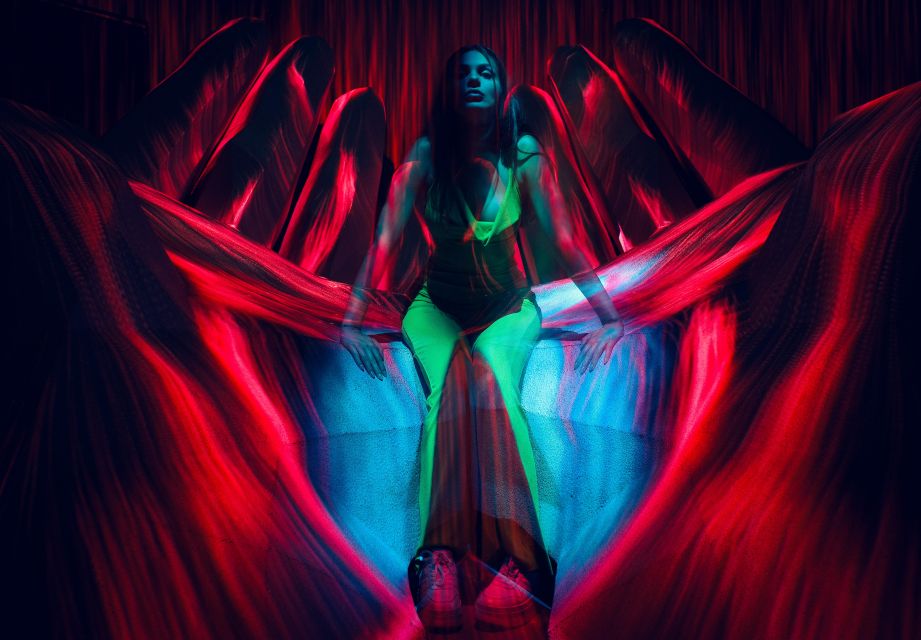
- 23 installations across 10 rooms: you’ll switch worlds often, so it stays fresh.
- Avatar creation: a hands-on stop that’s fun even if you usually skip interactive things.
- 3D-printed sculptures and projection-mapped scenes: not just flat lights, but full 3D-feeling visuals.
- Relax zones: poufs/beanbag-style seating lets you recharge mid-visit.
- Photo opportunities at the entrance: you’ll start snapping right away.
- English-speaking help on site: Hungarian and English staff are there to greet you.
What Cinema Mystica is really like in Budapest
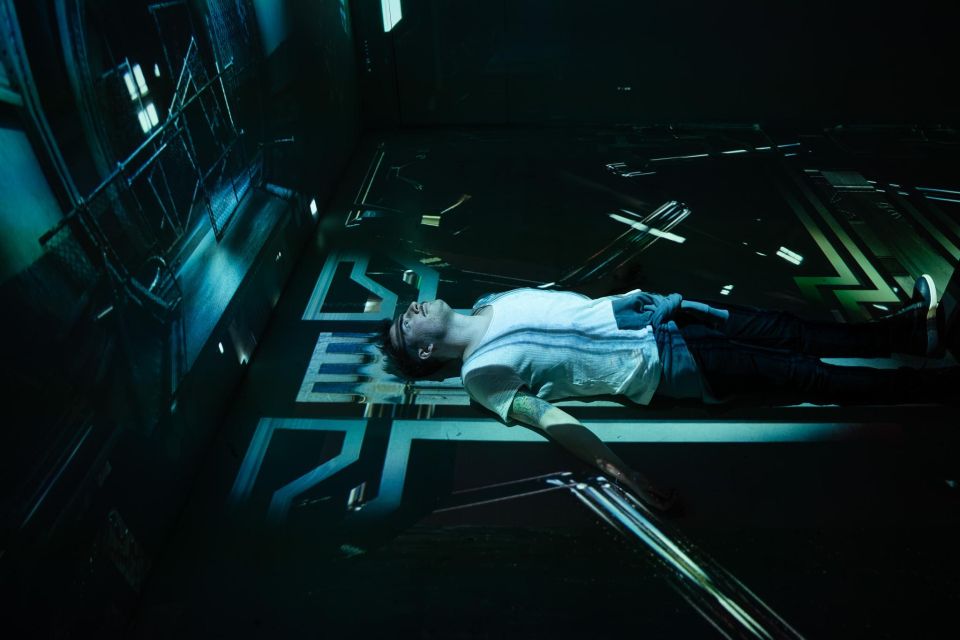
Cinema Mystica is one of those places where you trade museum-reading for a physical experience. You move room to room in a themed flow built around light, sound, and digital art. The “museum” part is real, but the vibe is closer to a fun sensory playground that still feels designed and intentional.
I like that it’s not trying to be educational in a lecture way. It’s more about letting your eyes and ears do the work. You’ll see a mix of visuals such as projection-mapped spaces, digital artworks, and sculptural elements, plus short movie moments in certain rooms. It’s also set up so you can wander at your own speed, which matters because different people enjoy different levels of stimulation.
The overall rating score and the volume of bookings are high for a reason: it’s one of the easiest “non-traditional” things to do in Budapest that doesn’t require planning a long day around transport. If you’re after something different from thermal baths, ruin bars, or architecture walks, this fits the bill.
You can also read our reviews of more tours and experiences in Budapest


The layout: 10 rooms, 23 installations, and how to pace yourself
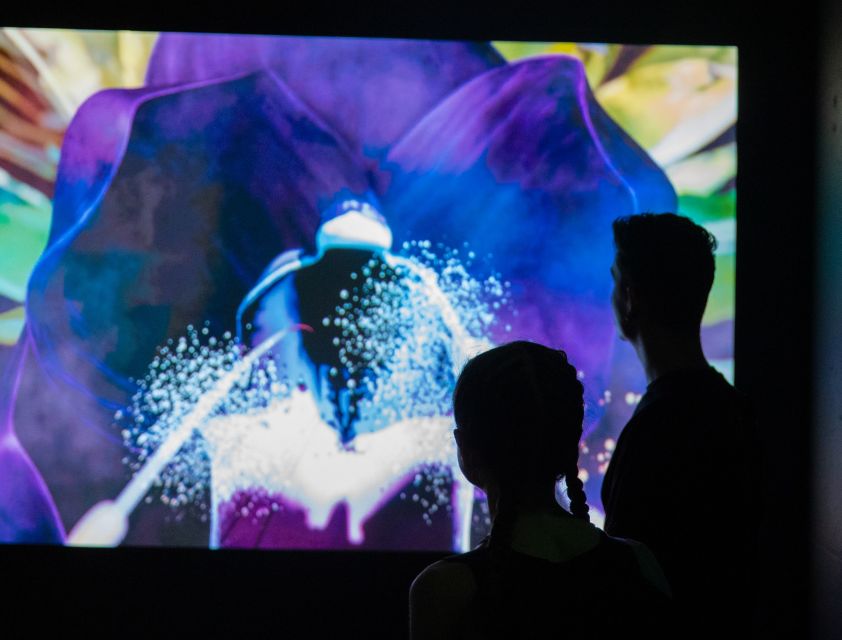
Your ticket is for a visit day, and the experience is spread across multiple rooms, totaling 10 rooms and 23 installations. You’re not stuck in one show. Instead, you keep moving between scenes, some active and some calmer.
Here’s a practical way to pace it so you don’t burn out:
- If you like action and visuals, start earlier when it’s quieter and spend longer in the rooms that actually catch your attention.
- If you get overstimulated, save your energy for the rooms you’ll remember most. Many areas give you a chance to sit or lie down and just watch.
- If you’re prone to motion sickness, take special care with rooms that include movement-heavy projection effects. Slow down, and step out briefly if you need to.
In terms of time, plan on about 1 to 2 hours as a comfortable range. Some people move briskly and finish faster; others linger for photos and the interactive parts. Either way, it’s a great add-on to a busy sightseeing day, or a calm evening plan after dinner.
What you’ll see: from 3D-printed sculptures to short films
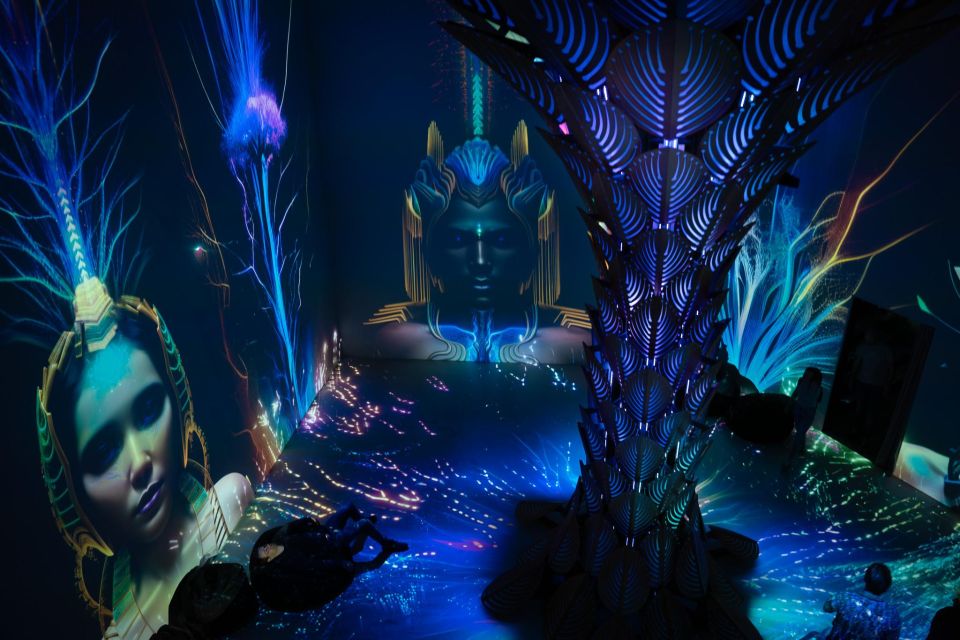
The art mix here is the main reason people keep recommending it. You’re not looking at the same effect over and over.
A few highlight categories you should expect:
- 3D-printed sculptures: These give the digital art a physical anchor, so the room feels less like a screen and more like a world.
- Short movies: In some spaces you’ll watch brief video-based scenes that change the rhythm from purely interactive visuals.
- Projection-mapped environments: Light isn’t just projected onto a wall; it’s designed to make surfaces and objects feel animated.
- Magical-creature style moments: Several installations lean into fantasy visuals, which is a big part of the fun factor.
- Digital artworks and themed spaces: Each room has its own rules, palette, and sound mood.
One room in particular is a fan favorite: the Solfeggio area. It’s set up as a more peaceful stop, with sound and frequency-style ambiance that many people describe as calming. If you’re the type who likes to experience an attraction but also wants a breather, this kind of room helps.
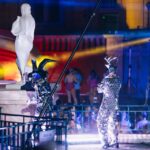
And yes, there’s plenty of fun for people who love photos. The lighting turns regular poses into something more cinematic, especially when you’re walking through designed entry scenes.
Hands-on moments: avatar creation and interactive rooms
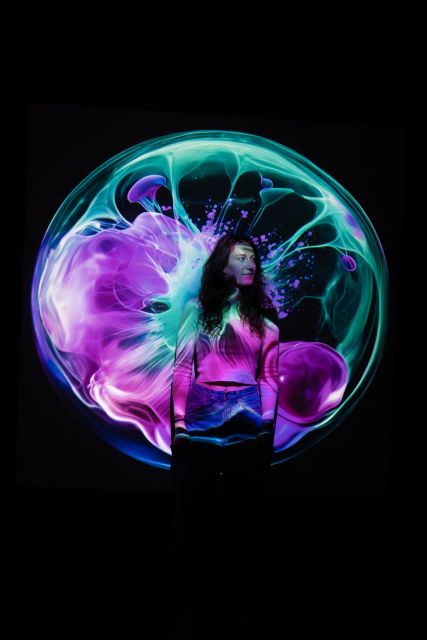
If you’re wondering whether this is just looking, the answer is: you’ll find some real interaction. One standout is the avatar creation room, where you can design your own avatar. It’s the kind of activity that works well for couples, friends, and kids because it adds a personal element to the visuals.
You’ll also find interactive elements across other rooms, but they don’t all work the same way. Some spaces are interactive through your movement or how you position yourself. Other spaces invite you to touch, play, or respond visually in a more direct way.
My advice: don’t treat every interactive moment like a mission. Pick 1–2 rooms to interact with fully, then let the rest of your time be spent just absorbing the visuals. That balance prevents the visit from turning into constant button-pressing.
Photo strategy: how to get great shots without slowing everyone down
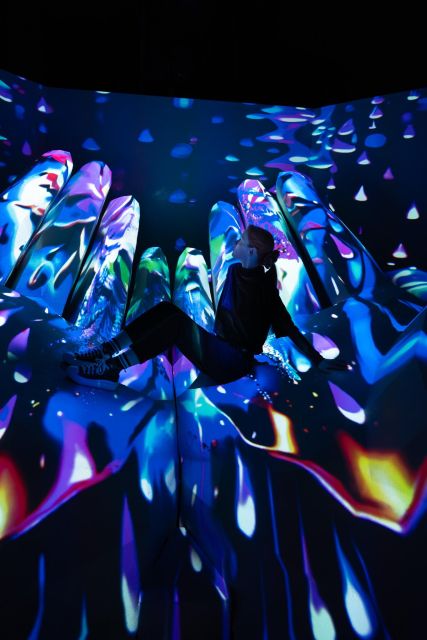
Cinema Mystica is built for pictures. The lighting makes even quick snapshots look good, and the themed rooms provide real backdrops. The key is timing and behavior.
If you want smoother photo sessions:
- Go at opening if you can. Getting there earlier typically means fewer people in the frame.
- Spend your “photos first” time in the entrance or the early rooms, then shift into a slower rhythm.
- When a room gets busy, swap to “standing back and watching” for a few minutes, then return when it calms down.
You’ll also find calm seating areas where you can pause. That matters because it lets you get photos without racing your own energy level.




Sound, stimulation, and the rooms that feel like a reset
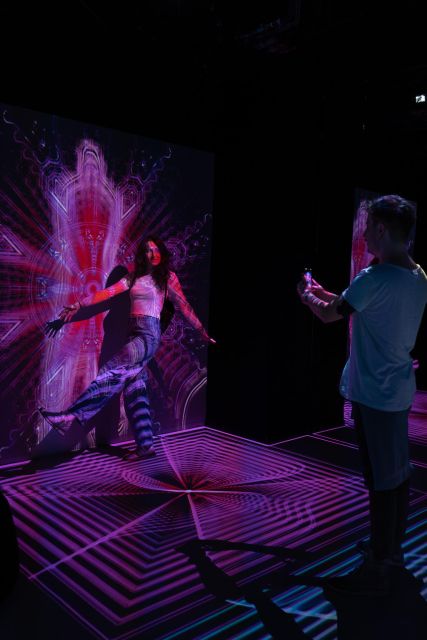
Not every room is about bright chaos. Some spaces feel almost like a quiet lounge inside a light show.
A lot of people love the relaxation setup, including cozy poufs and areas where you can just lie down. Those calmer zones are not an afterthought. They’re part of the design, and they give you a place to recover your focus after the more intense rooms.
If you’re planning this after a full day of walking, that’s a big plus. It becomes a “stop and reset” break rather than just another ticketed activity you rush through.
There’s also a broader vibe element: the experience tends to reward the right mood. If you go in expecting to be mentally entertained, you’ll probably enjoy it more than if you’re looking for a traditional museum format.
Location and entry: what’s easy, what’s worth planning
Your meeting point is straightforward: go directly to the Cinema Mystica Museum in Budapest. There’s no complicated pickup. And there’s help on site from a host/greeter who speaks Hungarian and English.
Two things that help the visit feel smoother:
- Skip the ticket line: you start earlier and waste less energy.
- Wheelchair accessible: the experience is designed to be usable for visitors who need it.
There’s also a small convenience that people talk about: a free coat storage area. If you’re visiting in cooler weather, that’s a practical relief. You can move around without keeping your jacket in your hands.
Value check: is the $21 price fair for what you get?
At about $21 per person for a 1-day ticket, the price isn’t “cheap,” but it can still feel like good value because you’re buying a full sensory hour-plus with multiple themed rooms. You’re not paying for one short show; you’re paying for variety across 23 installations.
Here’s how to decide if it’s worth it for you:
- It’s good value if you like visual experiences, photography, interactive elements, or family-friendly activities.
- It’s less satisfying if you hate sensory overload, don’t enjoy light/sound environments, or you only want something with deep historical context.
One more reality check: the experience can feel short if you compare it to half-day museum marathons. That doesn’t mean it’s small, though. It means you should plan your time accordingly and go in ready to enjoy the ride, not ready to “finish” it like a checklist.
Who should go, and who might skip it
Cinema Mystica fits best when you want something different from the usual Budapest routine.
You’ll likely love it if you:
- want a break between sightseeing blocks
- enjoy modern digital art, light installations, and themed environments
- travel with kids or teens who like interactive experiences
- want an evening plan that’s more relaxing than another walking tour
- enjoy taking photos, especially in designed light scenes
You might want to be careful if you:
- get motion sickness easily or are sensitive to strong visual effects
- prefer quiet, text-heavy museum experiences over sound-and-light rooms
- need a very structured schedule with clear timelines and guided commentary
When to go: timing advice that actually helps
Going at quieter times makes a noticeable difference. Many visitors find the earlier part of the day calmer, with less queueing and more room for photos. If you’re visiting in the evening, it can still work well because the experience includes calming spaces that help it feel less crowded mentally.
Some people also like it as a night option because it can stay open late (one common note is until around 10pm). That makes it an easy “after dinner” choice on a travel itinerary that already feels full.
Should you book Cinema Mystica in Budapest?
Book it if you want a modern, playful Budapest break with real themed rooms, hands-on avatar creation, and photo-friendly light art. It’s also a solid choice when you need something enjoyable that doesn’t require long travel planning.
Hold off if you’re strongly sensitive to flashing visuals or movement-heavy effects, or if you only enjoy traditional museums with lots of text and guided interpretation. In that case, you may find parts of the experience too intense or too short for the money.
If you’re on the fence, here’s the simplest rule: if you’d enjoy spending about 1–2 hours inside a sound-and-light world, Cinema Mystica is a smart booking.