REVIEW · BUDAPEST
Budapest: Private Customizable Tour in French
Book on GetYourGuide →Operated by BUDAVENTURE · Bookable on GetYourGuide
Budapest can feel like a puzzle at first. This private tour helps you get oriented fast and then see the city through local eyes, not a brochure. I like that it’s flexible enough to match your curiosity, whether you want architecture, neighborhoods, or “how locals actually live.” You’ll also have the option to add Budaventure, an outdoor escape game, if you want something a bit more playful.
What I like most is the pacing: short photo stops, then real walking time in key districts, with quick metro hops to keep energy up. The second big plus is the guide quality—people highlighted how the guide (for example, Peter) handled questions well and helped them understand what they were seeing, not just where to stand for photos. One consideration: this isn’t an all-entry, all-day sightseeing package, so monument interiors and ticketed museums aren’t included.
In This Review
- Key highlights worth planning around
- Price and what $200 actually buys you
- How the meeting at the Ferris Wheel sets up your day
- Andrássy Avenue: where Budapest looks like a postcard, and explains itself
- Heroes’ Square: big symbolism, quick stops, and room for questions
- Into the Jewish Quarter: street life, murals, and the pulse of ruin bars
- Getting around: metro hops, optional e-transport, and why it matters
- Customize your focus: baths, museums, markets, and Danube ideas
- Budaventure: turning Budapest into a game (if you want the fun version)
- Accessibility and comfort: what you can rely on, what you should plan for
- Who this tour suits best
- Should you book this private French Budapest tour?
Key highlights worth planning around

- Private group, 3 hours: small and personal, not a slow-moving crowd
- French-speaking guide: clear explanations, plus you can steer the conversation
- Metro + walking flow: you cover more ground without turning the day into a forced march
- Neighborhood focus: Andrassy Avenue, Heroes’ Square, and the Jewish Quarter’s street life
- Customizable transport: public transport is standard, with alternatives like e-bike or Segway available
- Budaventure add-on: a way to make the city feel like a game, not a lecture
Price and what $200 actually buys you
This tour is priced at $200 per group (up to 4 people) for 3 hours, which changes the value math fast. If you’re traveling as two friends, it can feel like you’re paying for a “good restaurant meal” worth of time—except you’re buying guided city context and orientation.
Here’s the practical angle: because it’s private, you’re not trapped in someone else’s schedule. You can ask questions on the spot, stop for extra photos, or shift the emphasis toward the kind of Budapest you like—grand avenues and viewpoints, or neighborhoods and street culture. That’s especially useful if it’s your first day in town and you want to decide where to return later.
Also, keep expectations aligned: food, drinks, and entry tickets aren’t included. You’ll be doing sightseeing and photo moments, plus walking tours of areas. If you want interior access (Parliament, National Opera, the Synagogue), the guide can integrate it if you wish, but those institutions run their own guided visits.
You can also read our reviews of more private tours in Budapest



How the meeting at the Ferris Wheel sets up your day
You start right in the middle of things: in front of the Ferris Wheel on Erzsébet square. The guide will be easy to spot with a baseball cap that has the Budaventure logo on it. That matters more than it sounds, especially when you’re trying to connect with a guide quickly in a city you’re still learning.
From there, the tour is designed to avoid unnecessary backtracking. You’ll move through the city using a combination of walking and metro/subway rides, staying efficient without losing the street-level feel. If you prefer, the tour can also end back at the same location or finish somewhere more central—so you’re not forced to retrace your steps.
A small heads-up for planning: there’s no hotel pickup/drop-off, so you’ll want to build in time to reach the meeting point. If you’re staying farther out, that’s the main “logistics friction” to consider.
Andrássy Avenue: where Budapest looks like a postcard, and explains itself
Your first major stop is Andrássy Avenue. This is the stretch where Budapest shows its serious, elegant side—tree-lined boulevards, grand facades, and that “central Europe capital” vibe that makes you immediately understand why this city is so often photographed.
You’ll get a mix of photo stops and sightseeing, plus a guided walk (about 40 minutes in the flow of the tour). This is a great early segment because the guide can frame what you’re seeing: what the avenue means historically, how it connects to the city’s layout, and which details to actually look for rather than just pass by.
One practical reason I like starting here: the avenue gives you a visual anchor. After that, you’ll hop to other districts and it’ll be easier to understand how neighborhoods connect. You’ll likely notice patterns—who built what, how streets are organized, and where “the big monuments” sit relative to daily life.
Heroes’ Square: big symbolism, quick stops, and room for questions
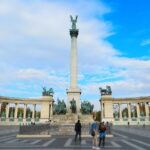
Next comes Heroes’ Square, with a guided walk and plenty of time to absorb it (about 70 minutes). This is one of those places where you can’t help but feel the scale. It’s also where a guide earns their fee—because the meaning behind the monuments turns it from “I saw a square” into “I get why this matters.”
Expect a mix of sightseeing, guided explanation, and walking time, with photo opportunities built in. The time also gives you flexibility: if you want to focus on the statues and layout, you can. If you’d rather understand how the square fits into the broader city plan—how it connects toward the City Park and landmark culture areas—you can steer there.
A real benefit here is decision-making. If you’re the type who wants to know where to spend your next day, this stop helps. Once you understand how Heroes’ Square sits in Budapest’s structure, you’ll be better at choosing which other areas deserve your limited time.
Into the Jewish Quarter: street life, murals, and the pulse of ruin bars
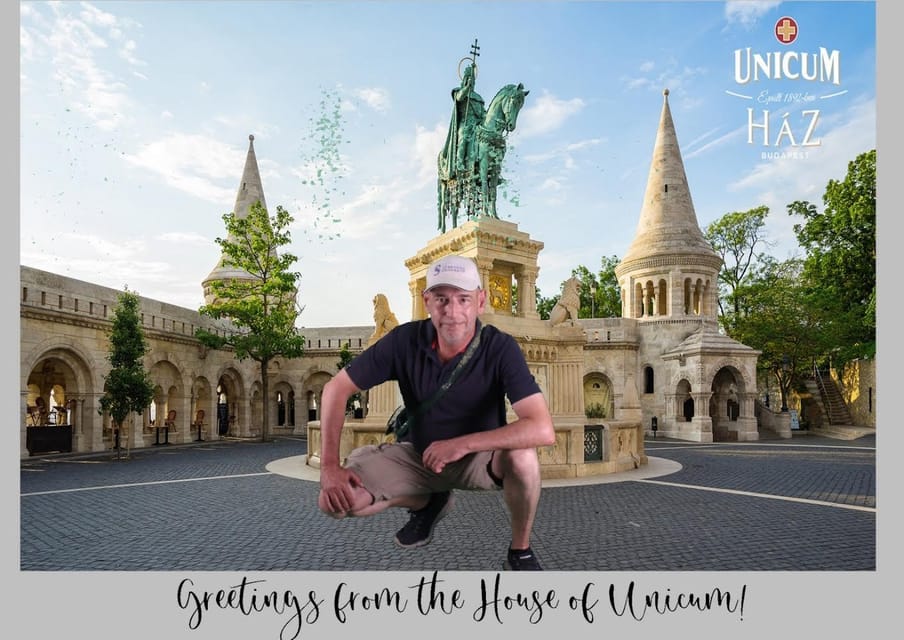
Then you move to the Jewish Quarter, which is where Budapest shifts from “monument city” to “neighborhood city.” You’ll spend about 65 minutes there with photo stops, guided touring, and walking.
This segment is built around what makes the area feel distinct: you’ll pass through the pedestrian street connected with the Great Synagogue, see mural paintings, and get pointed toward cultural nightlife like ruin bars. Those details are exactly what makes this district feel more alive than the big-sight sections.
One more reason this stop is so useful: it helps you break the city into readable chunks. Instead of treating Budapest like one long list of famous buildings, you start seeing it as multiple overlapping communities—each with its own mood, rhythm, and visual language.
If you enjoy eating and wandering, this is where your instincts will kick in. You’ll likely find yourself wanting to slow down, repeat a few streets, and come back for a meal later. That’s the kind of practical outcome you want from a 3-hour orientation tour.






Getting around: metro hops, optional e-transport, and why it matters

A big part of this tour’s feel is how it moves. Public transport is described as well organized in Budapest, and the tour uses that to move quickly between zones while staying connected to locals.
So you get:
- quick metro/subway transitions (you’ll have short transit windows built into the schedule)
- then walking time where it counts
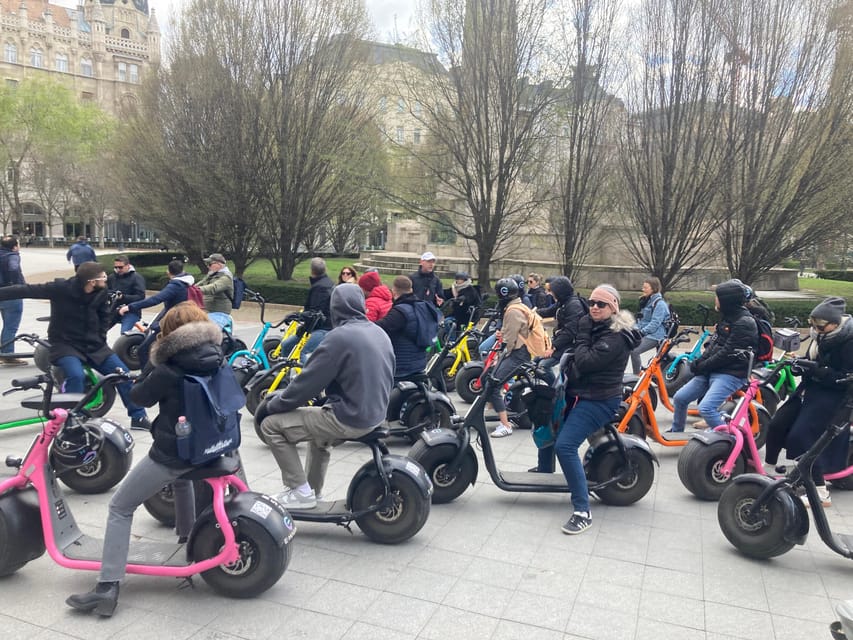
You also have options. The standard approach includes public transport, but alternative modes are available such as e-bike, Segway, and other choices—not included in the price, but available as a customization. That’s great if you want to match your energy level or your comfort with walking.
If you’re wondering which transport option to choose, use this simple rule: if it’s your first day and you want to learn the city’s geography, public transport is helpful because it forces you to understand the actual routes people use. If you already feel confident and want more comfort, an e-bike or similar option can reduce walking stress while still letting you see the key areas.
Customize your focus: baths, museums, markets, and Danube ideas
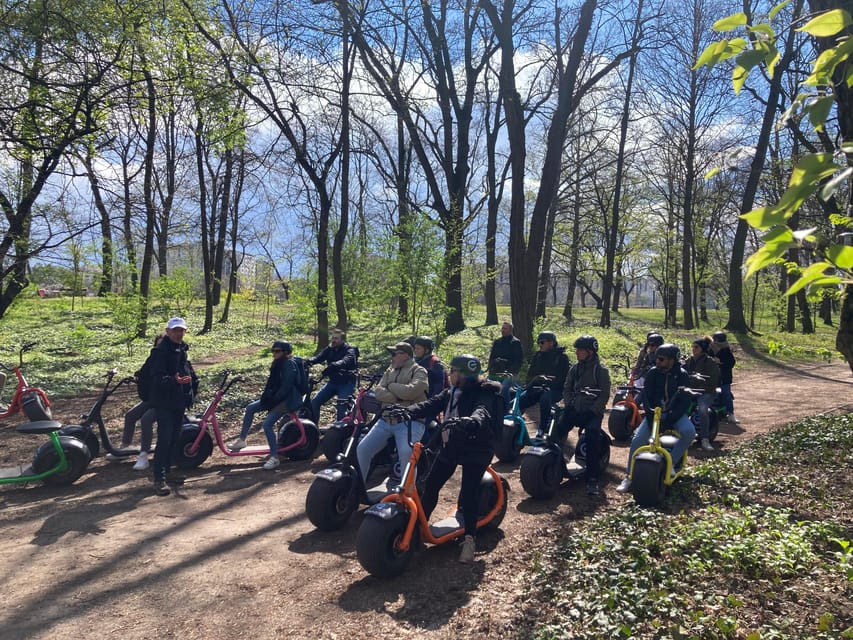
The tour’s concept is customizable, and the wider “real Budapest” framing includes several major anchors you can steer toward depending on what you’re most excited by.
Here are the kinds of places the guide can weave into your experience:
- City Park around the Opera and Heroes’ Square area
- Vajdahunyad Castle (often a strong photo and atmosphere spot)
- Széchenyi baths and Gellért baths (classic Budapest spa energy, different vibes)
- the new Museum of Ethnography and the House of Music in the Budapest district associated with more modern culture
- Váci street and the Central Market for shopping and everyday food culture
Now, a careful note: interior visits at certain institutions (like Parliament, the National Opera, and the Synagogue) aren’t included as standard because they have guided tours run by those places. The guide can integrate them if you wish, but you’ll want to plan around whether tickets or timed entry are needed.
If you want to extend beyond the city highlights, the guide also offers suggestions for:
- nice restaurants
- a night cruise on the Danube
- shows and concerts
- excursions around Budapest
- unusual programs
This is where customization becomes valuable. A good orientation tour doesn’t just show you sights—it sets up your next decisions with ideas that fit your preferences.
Budaventure: turning Budapest into a game (if you want the fun version)
For more adventure, the tour mentions Budaventure, an outdoor city escape game. You can add it to the experience if that’s the style you like—more movement, more puzzle-solving, less “standing and listening.”
I like this option because it works well in a city like Budapest, where the streets and districts carry different personalities. A game encourages you to look closely: signs, small details, street layout. It can be a fun way to learn without feeling like homework.
One planning thought: because it’s an add-on, you’ll want to make sure it fits the time you have. The base tour is 3 hours, so adding an extra activity should still leave you enough energy to wander afterward.
Accessibility and comfort: what you can rely on, what you should plan for
This experience is wheelchair accessible, and it’s a private group, which generally makes it easier to adjust pace and stop frequency. Still, since the tour includes walking segments and uses public spaces, it’s wise to think about your own mobility needs before booking.
The tour also explicitly includes photo opportunities, which means you’ll want to keep your phone/camera charged and ready. Budapest rewards people who slow down for details—doorways, street textures, and the visual contrast between districts.
Who this tour suits best
This tour is a strong fit if:
- you want a first-day orientation so you can plan the rest of your trip
- you prefer a private, question-friendly guide experience
- you like mixing major sights with neighborhood street atmosphere
- you’re traveling in a small group (up to 4) and want efficient use of time
It’s also ideal if you don’t want a rigid “checklist tour.” The structure supports customization, so you can spend more time where your curiosity pulls you.
And based on guide feedback people shared—especially about guides like Peter answering questions and showing both beauty and story—you can expect explanations that help you understand what you’re looking at, not just where you are.
Should you book this private French Budapest tour?
Book it if you want a smart, human-scale way to see Budapest in a short time. The private format, French guide, and mix of major sights with neighborhood culture makes it excellent value for small groups—especially at the $200-per-group level.
You might skip it (or at least adjust expectations) if you’re hoping for a ticket-heavy itinerary with lots of indoor monument time. This is mainly about outdoor sightseeing, photos, and guided walking, with interiors handled separately by those institutions.
If it’s your first day and you want to walk away with a clear sense of where to spend more time next, this kind of tour is exactly the tool you’re looking for.