REVIEW · BUDAPEST
Hungarian Cooking Class with Iconic Dishes
Book on GetYourGuide →Operated by Cooking Hungary - Culinary Experiences · Bookable on GetYourGuide
Your dinner starts with a pot of paprika. In central Budapest, this hands-on Hungarian cooking class has you cook one iconic dish with chef Marti, in a small group setting, while also learning Hungarian food customs and tasting homemade Hungarian bites and drinks. I especially love the practical kitchen tricks you can actually use later, and the way the evening turns into easy conversation about Hungarian life and history; the one real drawback is you only make one main dish from the menu, not all four.
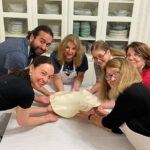
The format keeps it human-sized. You’re not stuck watching from the sidelines; you’re in a cozy studio apartment kitchen in the center of town, with space to work and ask questions, and it feels more like a thoughtful evening than a “check-the-box” tour.
If you have dietary needs, this is one of the calmer classes to consider. You can request vegetarian options, and they also say they can handle gluten-free, lactose-free, and nut allergy needs if you ask in advance. The other thing to know is that drinks are part of the experience, so plan your evening accordingly (then again, that’s kind of the point).
In This Review
- Key things you’ll notice right away
- Why this Budapest cooking class feels like an actual evening
- Entering Marti’s studio kitchen: where the class actually happens
- The menu choices: what you can cook in 2.5 hours
- Cooking your dish: the real value is the technique, not just the taste
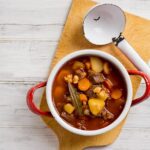
- Goulash soup: beef, celery, and paprika comfort
- Chicken paprikash with small dumplings: the sauce is the star
- Stuffed cabbage: classic comfort and real assembly skills
- Hortobágy-style meat crêpe: savory, portable-feeling Hungarian
- Hungarian bites, wine, and homemade soft drinks
- The stories that come with the meal
- The take-home recipes that make this class worth repeating
- Price and value: does $102 make sense?
- Who should book this class (and who might not)
- Should you book this Hungarian Cooking Class in Budapest?
- FAQ
- What is the duration of the cooking experience?
- Where does the class start and where does it end?
- How many people are in the group?
- How much does it cost?
- What dishes can I choose to cook?
- Are drinks included?
- What food is included besides your main dish?
- Can the class accommodate dietary needs?
- Do I get recipes to take home?
- Is free cancellation available?
Key things you’ll notice right away
- Small group cooking with chef Marti makes questions and hands-on help easy
- Central Budapest studio apartment setting feels quieter and more local than a tourist kitchen
- Pick one dish (goulash, chicken paprikash, stuffed cabbage, or Hortobágy-style meat crêpe) and learn it end-to-end
- Homemade bites and soft drinks plus wine turn the class into a full Hungarian meal
- Stories about customs and Jewish life run alongside the cooking, not as a lecture
- Take-home recipes and kitchen tips help you recreate the food for family or friends
Why this Budapest cooking class feels like an actual evening
Hungarian food has a talent for comfort. Paprika-forward sauces, slow-cooked depth, and dumplings or cabbage that turn dinner into something you want seconds of. What makes this class worth your time is the way it links the flavors to everyday culture—so you’re not just learning recipes, you’re learning context.
You also get a clear structure: a 2.5-hour hands-on session, a single iconic dish to cook, and built-in tasting and drinks. That’s a great fit if you like food learning with a real payoff. There’s no waiting around for the “main event,” because you’re working in the kitchen throughout.
You can also read our reviews of more cooking classes in Budapest


Entering Marti’s studio kitchen: where the class actually happens
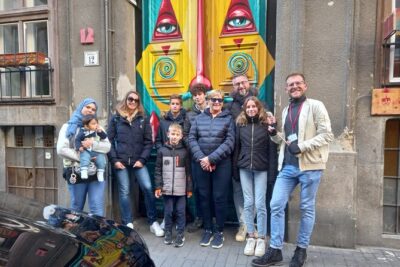
The meeting point is Flavors of Budapest, Király u. 77, 1077 Hungary, and the experience ends back at the same place. From there, you’ll head into a private, cosy studio apartment in the center of Budapest. The vibe matters here. A studio setting keeps the group tight, the noise down, and the kitchen work doable—especially with a class limited to 8 participants.
Chef Marti is central to the experience. In the way people describe her, you’re not getting a robotic script; you’re getting a host who enjoys sharing. One review notes that she uses recipes from her husband’s grandmother’s books, and that the grandmother is still alive and able to teach—so you’re cooking from something living, not just from a stack of printed notes.
That same personal touch shows up in the conversations. People highlight feeling at home, chatting like old friends, and getting cultural stories that feel spoken, not delivered. If you prefer big-group sightseeing, you might find this more intimate than you expect—but for a cooking class, that’s the advantage.
The menu choices: what you can cook in 2.5 hours
This class is built around making one dish from four iconic options. That’s important for expectations. You’ll get a full experience for your chosen recipe, plus tasting bites during the session, but you won’t leave with four finished “main dish” plates.
Here are your menu options:
- Goulash soup (beef and celery)
- Chicken paprikash with small dumplings (dairy, egg, flour)
- Stuffed cabbage (pork, dairy, egg)
- Savoury meat crêpe – Hortobágy style (dairy, egg, flour)
If you’re not sure what to choose, think about what you want to cook again later. Goulash soup is ideal for a cozy weeknight meal. Chicken paprikash is great if you like creamy paprika sauces and bite-sized dumplings. Stuffed cabbage is the “classic comfort” option when you don’t mind a bit more assembly. Hortobágy-style meat crêpe is a smart pick if you want something that feels a little more special at the dinner table.
Cooking your dish: the real value is the technique, not just the taste
The point of a hands-on class is simple: you should leave knowing what to do when you’re alone in your own kitchen. This experience is set up for that. You’ll have all ingredients, kitchen tools, and equipment provided, and you’ll get cooking tips and tricks while you work.
It’s also structured for learning. You’ll cook alongside the chef, then eat what you made as part of the experience. That matters because technique sticks better when you immediately see it turn into something edible. Even the “small” moments—like how a sauce tightens, or how dumplings hold up—become lessons you can repeat.
For your future self, the take-home recipes and useful kitchen tips are where the value really lands. You’re paying for a meal, yes. But you’re also buying the shortcut to cooking Hungarian food with confidence. If you’ve ever tried a paprika recipe at home and wondered why it didn’t taste right, this is the kind of class that helps you troubleshoot.
Goulash soup: beef, celery, and paprika comfort
Goulash soup is one of those dishes that instantly signals Hungary. In this class, you make it with beef and celery, and you’ll learn how the flavors come together in a soup format rather than a stew you eat off a spoon only at festivals.
Why this choice is practical: goulash soup translates well to home cooking. It’s a good base for leftovers, and it suits the Hungarian approach of hearty comfort food. You’ll also get a feel for the role paprika plays in building flavor depth, especially when you’re cooking with the right timing.
If you like dishes that taste even better the next day, this is your pick. You’ll get hands-on time, tasting bites during the session, and then a homemade meal built around the soup you created.
You can also read our reviews of more tours and experiences in Budapest





Chicken paprikash with small dumplings: the sauce is the star
Chicken paprikash is famous for a reason: creamy, paprika-forward sauce that wraps around tender chicken. In this class, you also make small dumplings, with dairy, egg, and flour involved in the process.
This option is a great learning path if you care about sauce texture. Getting paprikash right isn’t just about flavor; it’s about consistency. The dumplings add a second skill—how they cook and what “done” looks like—so you leave with more than one takeaway.
If you want something that feels like a proper sit-down meal, this is it. The combination of chicken, sauce, and dumplings makes it feel celebratory without being complicated in a “restaurant-only” way.
Stuffed cabbage: classic comfort and real assembly skills
Stuffed cabbage is the dish that teaches patience. Here, it’s made with pork, dairy, and egg, and it’s built around the kind of layered cooking that feels like Sunday dinner.
You’ll likely find this option is more hands-on in the “put it together right” sense. Cabbage can be forgiving, but the final outcome depends on how carefully it’s assembled and cooked. That makes it a strong choice if you enjoy learning process—how to roll, manage timing, and get even flavor.
When you cook this, you’ll understand why Hungarian comfort food often uses cabbage and slow-cooking elements. It’s not only delicious. It’s also practical cooking that makes a meal stretch and feel abundant.
Hortobágy-style meat crêpe: savory, portable-feeling Hungarian
If you want something less common than goulash and paprikash, go for the Hortobágy-style meat crêpe. The class option includes a savoury meat crêpe with dairy, egg, and flour.
This choice is useful if you like variety in your home-cooking rotation. Crêpes feel different from soups and cabbage rolls, and they’re a fun way to present Hungarian flavors in a format that works for dinner gatherings. You’ll also get technique with dough/batter cooking, which can be a confidence boost if you’ve only eaten crêpes in cafés.
It’s a good pick when you want Hungarian food with a slightly “cooking-show” feel, but still something you can repeat at home without needing rare equipment.
Hungarian bites, wine, and homemade soft drinks
Food classes often over-promise on the tasting. This one is clearer. During the session, you’ll have Hungarian bites and drinks, including mineral water (still and/or sparkling), two types of homemade soft drinks, and wine (white and/or red).
This is one of the best parts because it keeps you in the Hungarian flavor lane throughout the evening. You’re not eating one thing at the start and then waiting for the cooked dish later. The bites and drinks create a rhythm: cook, taste, adjust, and talk.
One detail that stands out from descriptions of the host: the homemade drinks are made fresh, and Marti knows her wine well because she grew up in a wine region. That means the wine element isn’t random. It fits the larger theme of learning food culture as you go, not just eating at the end.
The stories that come with the meal
Hungarian cuisine comes with baggage—in the best way. Central European history, Jewish community life, border shifts, and cultural traditions all show up in what people cook and how they serve it. This class includes lots of stories about Hungarian customs, culture, and history, and the conversations can include Jewish life too.
What I like about story-based food learning is that it explains choices. Why paprika is everywhere. Why certain ingredients matter. Why comfort foods show up in everyday life, not only on holidays. The best part is how personal the storytelling feels in this setting—like lived experience, not textbook background.
You should expect the session to feel like an evening with a good host. You cook. You eat. You talk. You learn. That’s a rare combo in the world of short tours.
The take-home recipes that make this class worth repeating
The biggest reason this works as value is what you leave with: all recipes plus useful kitchen tips. That’s what lets you recreate your dish for family or friends without having to guess.
You also get kitchen know-how, the kind you can’t copy from a recipe card alone. Tips and tricks are mentioned as part of the experience, and those are typically the differences between an okay attempt and a dish that tastes right.
If you’re the type who likes hosting, this is a ready-made plan. Pick your chosen dish, follow your take-home recipe, and serve it like you know what you’re doing. Even if you don’t become a Hungarian-food person overnight, you’ll at least gain one dependable menu item you can cook with confidence.
Price and value: does $102 make sense?
At $102 per person, you’re paying for more than a snack and a show. You get:
- a 2.5-hour hands-on cooking session
- one main dish from a choice of four
- ingredients and all kitchen tools/equipment
- Hungarian bites during the session
- drinks, including wine and homemade soft drinks
- a “farmer’s plate” included
- recipes and kitchen tips to take home
- a small group capped at 8 participants
For Budapest, that price is easiest to justify if you treat it like a full meal + skills workshop, not just a tasting. The drinks and included food help, but the real value is the practical learning and the take-home recipes.
If you prefer “do many small things” tours, this may feel narrower. You’re not sampling everything on the menu. But if you’re serious about learning one Hungarian dish and recreating it later, this feels like a fair deal.
Who should book this class (and who might not)
This fits best if you:
- want hands-on cooking in a small group
- like paprika-forward Hungarian flavors
- want cultural stories tied directly to food
- enjoy learning techniques you can repeat at home
It might not be your best match if you want a sampler of all four main dishes. The class is designed around one iconic dish option, plus bites, not a four-dish tasting showdown.
Should you book this Hungarian Cooking Class in Budapest?
I’d book it if you’re looking for one honest skill-based evening in Budapest—one where you cook, eat, drink, and talk, and you leave with recipes you can use. The small group size, the studio apartment setting in central Budapest, and chef Marti’s personal, story-driven hosting are exactly the kind of details that make food travel memorable.
If you’re shopping on price alone, compare it to what you’d pay for a similar-quality meal plus a workshop. Once you factor in the included drinks, ingredients, tools, and take-home recipes, the $102 lands in the sensible zone—especially if you like the idea of making Hungarian food for friends back home.
FAQ
What is the duration of the cooking experience?
The class lasts 2.5 hours.
Where does the class start and where does it end?
It starts at Flavors of Budapest, Király u. 77, 1077 Hungary, and ends back at the meeting point.
How many people are in the group?
The group is limited to 8 participants.
How much does it cost?
The price is $102 per person.
What dishes can I choose to cook?
You choose one: Goulash soup, Chicken paprikash with small dumplings, Stuffed cabbage, or Savoury meat crêpe – Hortobágy style.
Are drinks included?
Yes. Drinks included are mineral water (still and/or sparkling), two types of homemade soft drinks, and wine (white and/or red).
What food is included besides your main dish?
A farmer’s plate is included, and there are Hungarian bites during the session.
Can the class accommodate dietary needs?
They say no problem if you let them know. Options mentioned include vegetarian, gluten-free, lactose-free, and nut allergy.
Do I get recipes to take home?
Yes. All recipes and useful kitchen tips are provided for you to take home.
Is free cancellation available?
Free cancellation is available up to 24 hours in advance for a full refund.