REVIEW · BUDAPEST
Hungarian Strudel Making Class: Stretch & Fill Two Ways
Book on Viator →Operated by Flavors of Budapest · Bookable on Viator
Flour on your hands. Budapest on your plate. This 100% hands-on class has you working the family-recipe strudel dough from start to finish, not just watching. I love the fact that you get real practice stretching the dough thin, with clear guidance so you can actually feel the technique.
You’ll eat what you bake, and that makes the whole evening feel worth it. I also love how the class ties strudel-making to Hungarian food culture, with history plus a starter spread of Hungarian flavors while the oven does its job. One small catch to plan for: there’s no hotel pick-up, so you’ll want to be ready to get yourself to Király u. 77.
In This Review
- Key things that make this class special
- Budapest strudel, in a real home kitchen at Király u. 77
- How the class works: Marti teaches, you do
- Choosing your two fillings: apple, cabbage, sweet farmer cheese, and more
- Stretching the dough: the skill you’ll want to repeat
- Two strudels, plus Hungarian bites while the oven bakes
- Drinks during class: Hungarian wine and homemade soft drinks
- Timing and logistics that actually matter
- Price: is $95.34 a good deal for 2.5 hours and two strudels?
- Who should book this class
- Should you book the Hungarian Strudel Making Class?
- FAQ
- How long is the Hungarian strudel making class?
- How many people are in the group?
- Can I choose which fillings I make?
- What’s included with the class?
- Where do we meet, and is there hotel pick-up?
- What is the cancellation window for a full refund?
Key things that make this class special
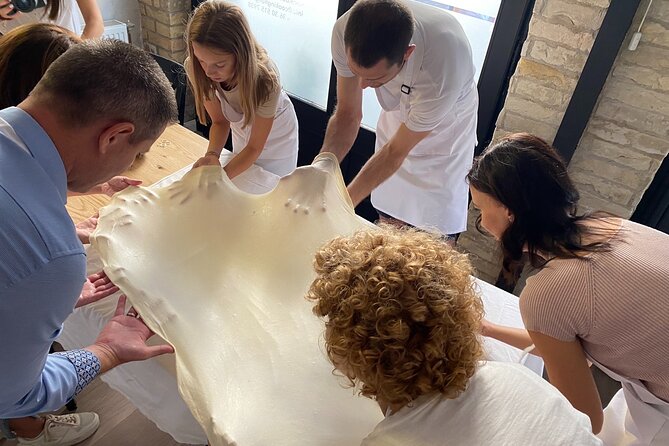
- You make strudel hands-on from stretching the dough to filling and baking
- Two fillings per person, with options like apple, savory cabbage, and poppy-seed pumpkin
- Small group max 10, so the pace stays personal and you’re not lost in the crowd
- A Hungarian farmer-style starter plate with peppers, sausage, spicy cottage cheese cream, and bread
- Wine and homemade soft drinks during the class, timed for the waiting and baking
- A home-kitchen studio in central Budapest, not a basement-style setup
Budapest strudel, in a real home kitchen at Király u. 77

This class happens in a cozy kitchen studio right in central Budapest, at Király u. 77 (1077). That matters more than it sounds. Cooking classes can be either warm and welcoming or more like a demo line in a room you’re renting for the hour. Here, you’re in a home-style space, with the energy of people cooking together.
The location is also handy because it’s near public transportation. You won’t need a complicated schedule of trams or taxis to get there, but you should still leave extra time to get your bearings. The session runs about 2 hours 30 minutes, which is long enough to do the work, taste what’s cooking, and eat.
The class uses a mobile ticket, and you should receive confirmation around the time you book. That’s useful in a city where you may be juggling phone maps, cash, and transit all day. It keeps the start simple: show up, check in, and get to the counter.
Also, this is capped at 10 travelers, and it requires a minimum of 4 participants to run. So the vibe is usually small and focused, but there’s a real possibility of a date shift if the minimum isn’t met.
You can also read our reviews of more tours and experiences in Budapest



How the class works: Marti teaches, you do
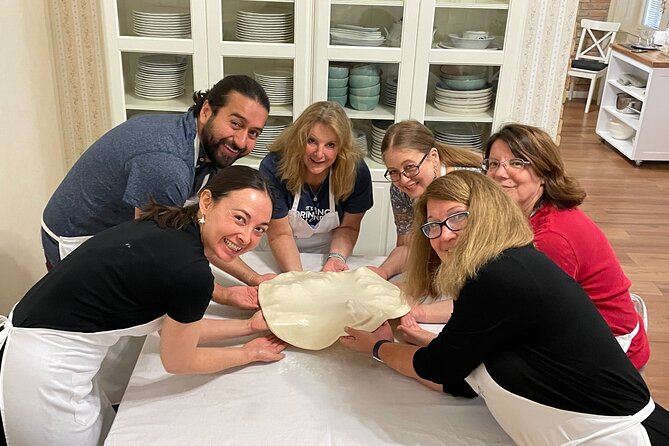
You’ll work as a group, but you’re not sitting on the sidelines. The whole point is that the technique lives in your hands: stretching the dough, choosing two fillings, and assembling strudels the family-recipe way.
Marti, the host and teacher, runs the class with structure. Many people highlight how organized the instruction is, including moments where everyone is expected to participate during explanations and demonstrations. In practical terms, that means you get the method first, then you apply it right away.
There’s also a clear rhythm to the session. You don’t just jump from raw dough to finished pastries. You learn the dough behavior, practice stretching, pick and work your fillings, then wait while baking happens. During that waiting time, you’re fed and you’re taught—more on that next.
What I appreciate most is that you’re learning the “how” and the “why.” The class includes useful tips and practices, plus strudel-related habits that go beyond ingredients. Even if you’ve never made dough before, you’ll understand where mistakes tend to happen, and how to correct course before the dough turns into a tear-and-hope situation.
Choosing your two fillings: apple, cabbage, sweet farmer cheese, and more
This class is built around making stretched strudel with two different fillings. The sample menu makes it easy to plan: your dessert is stretched strudel, and you choose two fillings from the list.
Your options are:
- apple
- sweet farmer cheese with sour cherry
- savoury cabbage
- poppy-seed with pumpkin
If you book early, you may get first pick on the fillings. That’s a simple advantage: you won’t have to settle for whatever’s left. And it’s more than a convenience. Picking your combinations helps you decide what kind of taste experience you want—fruit-forward, nutty-sweet, creamy and tangy, or deeply savory.
The class also pushes you to think like a Hungarian home cook. Strudel here isn’t just a pastry; it’s a dish that shows up with different moods. A sweet strudel gives you dessert vibes. A savory one feels like comfort food. Doing both in one class is a clever way to understand the range without needing separate sessions.
One practical tip for you: if you’re unsure, go with one sweet and one savory. That way, you get contrast, and you’ll remember the taste differences more clearly when you try to recreate it later.
Stretching the dough: the skill you’ll want to repeat
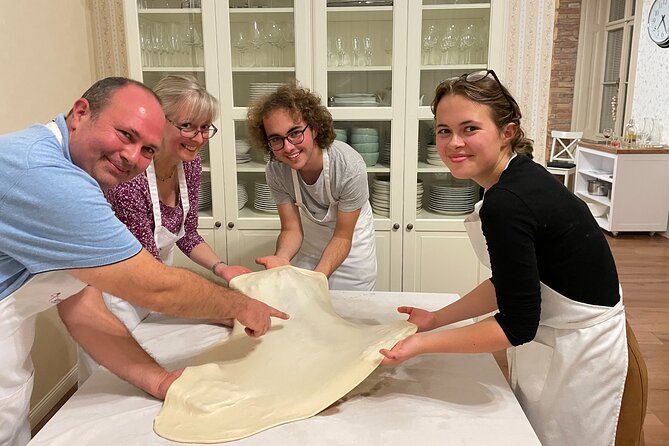
The star of strudel-making is the dough. Most people underestimate it. You’re not rolling thick dough and calling it a day. Stretching thin is the whole magic.
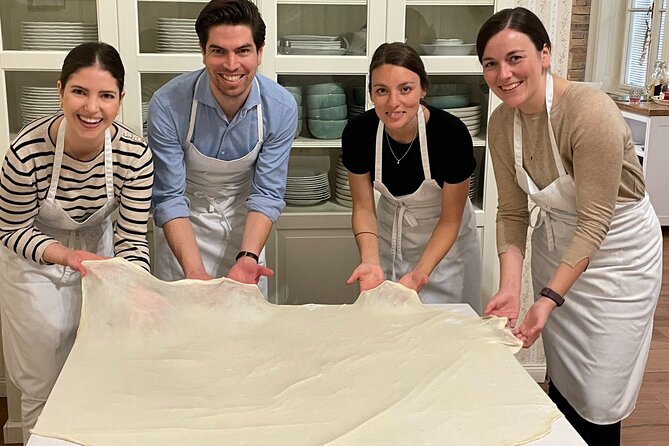
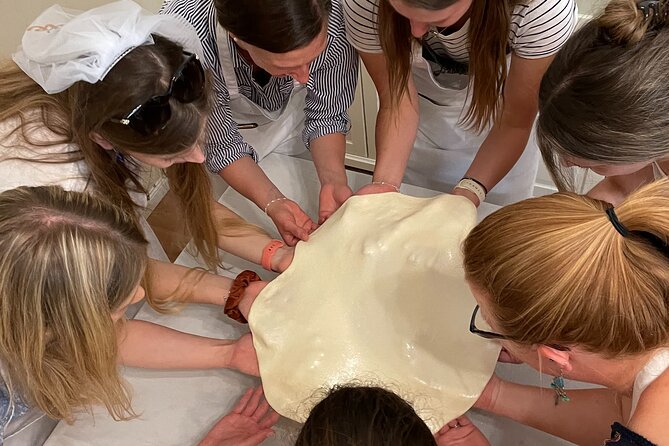
In this class, you learn about stretched strudel dough and then you practice stretching it yourself. The instruction is designed so everyone can participate, not just the fastest hands at the table. Expect a step-by-step approach, including what to watch for as the dough becomes thinner and more flexible.
What I like about learning this way is that stretching isn’t mysterious after you do it once. It becomes a series of manageable actions: work slowly, handle gently, and learn how the dough behaves as it thins. People who take this class often say they’re surprised by how much the dough can stretch, and that’s a key takeaway. The technique is learnable.
Also, the class frames stretching as something with habits attached—small routines and common practices that keep the dough from tearing and help you shape it evenly. That’s what separates a one-time cooking stunt from a skill you can use again.
If you’re worried about skill level, don’t be. This experience is explicitly hands-on, and the teaching style is interactive and supportive. Just come ready to get a little flour on you. That’s part of the deal.
Two strudels, plus Hungarian bites while the oven bakes
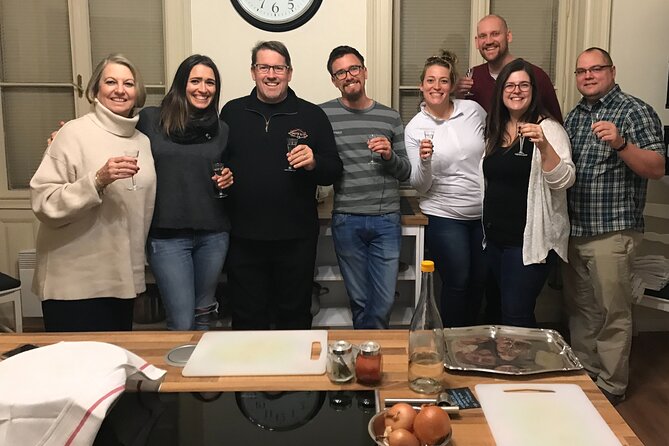
Between dough work and baking, you’ll get fed. The class includes a starter plate called Hungarian Farmer’s plate. It comes with peppers, sausage, spicy cottage cheese cream, and bread. It’s an excellent warm-up because it sets you up for the pepper-and-paprika flavor profile you’ll keep noticing in Hungarian cuisine.
Along the way, you’ll also taste Hungarian bites tied to the class process. The starter is described as Hungarian bites during the baking, including local flavors like different paprikas, sausages, and spicy cottage cheese cream. In plain terms: it’s not just snack food. It’s a mini lesson in what Hungarian ingredients taste like when they’re used in a casual home setting.
And yes, you’ll taste the ingredients while you cook. That helps you connect flavors to steps. You’re not only waiting for the pastries to come out; you’re actively tasting and learning as you go.
Then comes the main event: your stretched strudels with your two chosen fillings. If you picked one sweet and one savory, you’ll feel the contrast as soon as you take the first bite. That comparison helps you understand how the filling choices change the final pastry experience.
One detail I’d highlight: the class is set up so you can enjoy several strudels during the session, not just one small portion. You’ll have enough food to make the time feel like a meal, not a pastry tasting.






Drinks during class: Hungarian wine and homemade soft drinks
Hungarian cooking classes can sometimes feel dry—just you, a bowl, and silence while dough bakes. This one adds a social layer with drinks. You’ll have Hungarian wine, homemade soft drinks, and mineral water during the session.
The timing is practical. Wine and soda make waiting more pleasant while the oven does its work. Plus, the drink selection pairs well with what you’re eating: savory bites first, then sweet and savory strudels. It keeps the tasting flow moving instead of stalling out.
If you’re trying to keep things light, mineral water is on the table too. Homemade soft drinks are also included, which is nice if you want the experience without alcohol. And because everything is included, you won’t need to spend time searching for a drink before or after.
Timing and logistics that actually matter
This experience runs about 2 hours 30 minutes. That’s a smart length for this type of skill-based class. Short classes tend to skim the technique. Longer ones can get slow. This one lands in the middle: enough time to practice stretching and still eat without feeling rushed.
You can choose morning or afternoon class times. That matters in Budapest because your day plan might already include markets, river walks, or museums. If you want to pair strudel with an evening out, pick an afternoon slot. If you want a hands-on start to your day and a normal dinner later, choose the morning.
The class ends back at the meeting point at Király u. 77, and there’s no hotel pickup or drop-off. Plan to travel there on your own, then head wherever you like afterward. Since it’s near public transport, you should have workable options if you’re not taking taxis.
Group size is another key factor. With a maximum of 10 people, you’re less likely to lose track of what step you’re on. Plus, you’ll get more direct feedback while you practice. That’s one of the reasons this type of class can be worth the price: technique isn’t one-size-fits-all, and you benefit from closer instruction.
Price: is $95.34 a good deal for 2.5 hours and two strudels?
At $95.34 per person, this isn’t a budget snack. But it also isn’t just a tasting. You’re paying for ingredients, instruction, and a full experience that includes food and drinks.
Here’s the value math that matters:
- You make stretched strudel with two different fillings (so you’re not just watching)
- You also get a Hungarian farmer-style starter plate
- Drinks are included: Hungarian wine, homemade soft drinks, and mineral water
- The setting is a central home-kitchen studio, with a small-group cap
- The class provides a lot of practical tips and technique, which is hard to replicate on your own
If you’ve ever tried to learn dough stretching from videos, you know the problem. You don’t get real-time feedback when the dough resists or tears. This class gives you coaching while you’re actively doing it, plus background on strudel’s place in Hungarian food.
So yes, it’s pricey compared to buying strudel. But if your goal is to learn a technique and leave with a meal experience that feels genuinely local, the price starts making sense. It’s closer to a guided cooking lesson than a dessert tour.
Who should book this class
This is ideal if you want one of the most tangible Hungarian experiences you can do in a couple hours: hands-on dough work and ingredient-driven food culture.
You’ll probably love it if:
- you enjoy cooking and want a skill you can recreate at home
- you like sweet-and-savory food variety (the two-filling approach makes this easy)
- you want a smaller, more personal class in a home-style space
- you’re traveling in pairs or small groups and want a shared activity that ends with a real meal
It may not be your best fit if you want a purely sightseeing-style activity with zero hands-on work. This is technique-focused, and you’ll be expected to participate.
Should you book the Hungarian Strudel Making Class?
If you’re trying to decide between buying pastries and learning how to make them, I’d steer you toward learning. This class is built around practicing the stretching technique, choosing your own two fillings, and eating Hungarian bites while everything bakes. It’s one of those experiences that gives you a story you can actually repeat, because you’ll remember what your hands learned.
Book it if you’ll be near Király u. 77 and you want a small-group, home-kitchen food lesson with wine and real Hungarian flavor. Skip it if you don’t want to cook at all, or if you rely on hotel pick-up since transportation is on you.
If you want my simple rule: if you like the idea of making strudel rather than just tasting it, this is a strong choice.
FAQ
How long is the Hungarian strudel making class?
It runs for about 2 hours 30 minutes.
How many people are in the group?
The class has a maximum of 10 travelers, and it requires a minimum of 4 participants to run.
Can I choose which fillings I make?
Yes. The class has you choose 2 fillings, selected from apple, sweet farmer cheese with sour cherry, savoury cabbage, and poppy-seed with pumpkin. If you book early, you can choose the fillings first.
What’s included with the class?
You’ll make stretched strudel with 2 different fillings, have a Hungarian Farmer’s plate with peppers, sausage, spicy cottage cheese cream, and bread, and enjoy drinks including Hungarian wine, homemade soft drinks, and mineral water.
Where do we meet, and is there hotel pick-up?
Meeting starts at Budapest, Király u. 77, 1077 Hungary. Hotel pick-up and drop-off are not included.
What is the cancellation window for a full refund?
Free cancellation is available up to 24 hours in advance for a full refund. If you cancel less than 24 hours before the start time, the amount paid is not refunded.