REVIEW · BUDAPEST
Budapest: Essentials of Hungarian Wine Tasting Class
Book on GetYourGuide →Operated by Taste Hungary · Bookable on GetYourGuide
Hungary tastes better than you expect. In just 2 hours, you’ll follow a sommelier through 8 Hungarian wines paired with local bites, finishing with Tokaj Aszú. I like that the lesson is built into what you taste, not tacked on after, and I like that the lineup leans small-producer and carefully chosen. One thing to watch: the pacing can include a fair amount of talking, so if you prefer quiet sipping, you may want to focus on the tasting sheets early.
The class starts in a shop-like tasting room near Budapest’s National Museum, close to Astoria and Kálvin tér, with an easy tram approach. You get tasting sheets (plus a map of Hungarian wine regions), which makes it feel less like a blur and more like a skill you can use later when you’re buying bottles. Overall, it’s a very strong value for the amount of wine and food you’re served for $65.
If you’re curious about Hungary but don’t want to plan a full day of vineyards, this is a practical shortcut. You’ll learn the major regions, key varietals, and why Hungarian wines taste the way they do, while still ending the night happy in the ordinary human sense (wine + cheese is a strong combo).
In This Review
- Key things I’d underline before you go
- Finding Taste Hungary in Budapest’s District VIII cellar-room vibe
- How the 2-hour flight works: aperitif to Tokaj Aszú
- A quick reality check on the pacing
- The Hungarian wine crash course you can actually use later
- Guides you may encounter (and why it’s part of the appeal)
- Whites, reds, and food pairings that teach your palate
- Why these pairings are more than “snacks”
- One small practical note on glass changes
- Small producers, big learning: what you’re really paying for
- What to look for during the tasting (so you get more out of it)
- Price check: does $65 make sense for 2 hours?
- Who should book this Budapest Hungarian wine tasting?
- My booking recommendation: should you sign up?
- FAQ
- FAQ
- How long is the Budapest Hungarian wine tasting class?
- How many wines are included?
- What type of wines do you taste in what order?
- Is food included?
- Where is the meeting point in Budapest?
- Do you need to be an expert in wine?
- What language is the class taught in?
- Is the legal drinking age 18 in Hungary?
- What’s the price per person?
Key things I’d underline before you go
- 8 wines, one logical progression from aperitif through whites/reds and ending with sweet Tokaj Aszú
- Food pairings built in, so you taste with local flavors, not beside them
- Tasting sheets + a wine-region map to help you remember what you liked
- Small producers get the spotlight, not only the famous names
- Chat-friendly format, with time to talk between pours
- Selection can change, which makes repeats worthwhile
Finding Taste Hungary in Budapest’s District VIII cellar-room vibe
You’ll meet at The Tasting Table Budapest, Bródy Sándor utca 9, District VIII, a short walk from the National Museum. The location is convenient because you can reach it easily from Astoria (M2) and Kálvin tér (M3), and trams 47 and 49 stop nearby too.
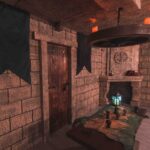
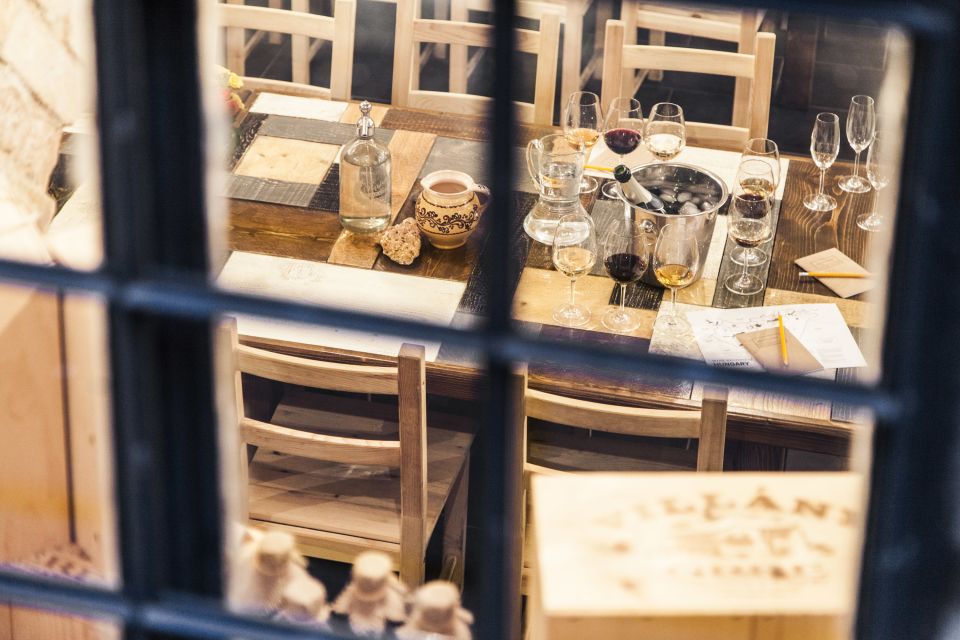
What I like about the setup is that it doesn’t feel like a huge, formal event. People describe the room as charming, and some evenings have that brick-arched cellar feel, which helps you settle in quickly. If you arrive a few minutes early, you’ll usually have time to get your bearings and start the night in a calm way.
Most guides run in English, and you can count on the evening being social. The tasting works well whether you’re coming with friends or showing up solo, because the structure encourages conversation after the first wave of explanations.
You can also read our reviews of more food & drink experiences in Budapest


How the 2-hour flight works: aperitif to Tokaj Aszú
This is a straight-up, 2-hour tasting of 8 Hungarian wines, led by a sommelier. It’s designed like a guided story: an aperitif at the start, then a sequence that typically moves through whites and reds (and sometimes rosé), with a sweet finish.
By the end, you’re tasting a botrytised sweet wine from Tokaj aszú. That last pour matters because it gives you a strong contrast to what came earlier in the evening. You’ll taste the difference between Hungary’s drier styles and the special, dessert-side personality Hungary is known for.
In plain terms, the class gives you a framework for Hungarian wine. You’re not just sampling random bottles; you’re watching the instructor connect regions, grapes, and styles as you go.
A quick reality check on the pacing
You can expect a meaningful amount of explanation during the tasting. The best way to handle that is to write down what you like fast: one line per wine is enough. If you’re the type who likes to talk back, good news: several guides leave space for you to chat between sets rather than running nonstop commentary.
The Hungarian wine crash course you can actually use later
The core value here is how the lesson stays tied to the tasting. Over the 2 hours, you’ll get an overview of Hungarian wine history, the major regions, important varietals, and what makes each style taste the way it does.
This matters because Hungary can feel confusing at first. People hear the name Tokaj and then stop there, but Hungary’s story includes a lot more than one famous category. This class tries to translate that whole range into something you can remember when you’re standing in a shop later.
What you might notice is that the sommelier’s explanations aim to make patterns. For example, you’ll hear how climate and soils link to flavor, and you’ll start learning which types of wines tend to show certain traits.
Guides you may encounter (and why it’s part of the appeal)
The instructor lineup varies by date, but the names you could see include Somali, Sam, Tomas, Carlos, Nikki, Christian, Sebastian, and John. Across those different voices, the consistent theme is enthusiasm for Hungarian wine and the ability to turn background into something you can taste right away.
Some hosts lean toward humor and storytelling, others toward structured region lessons, but the common thread is that you’ll walk out with a mental map. You’ll also have tasting sheets that include a map of Hungarian wine regions, which is a handy souvenir you can actually use.
You can also read our reviews of more wine tours in Budapest
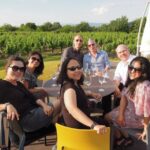
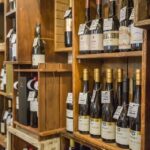
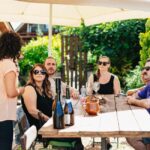
Whites, reds, and food pairings that teach your palate
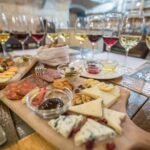
Food pairings are part of the point, not a side dish. You’ll get mineral water plus local Hungarian flavors, and the experience often includes cheese and charcuterie boards meant to match the wine sequence.
From what’s been served, expect a mix of cheeses, cured meats, and bread-type items. Some evenings include details like pumpkin seed oil, plus spreads like chutney alongside the boards. It’s the kind of pairing menu that helps you understand how Hungarian flavors behave with acidity, fruit, and sweetness in the glass.
Why these pairings are more than “snacks”
Pairing wine with local food does two useful things for you:
- It teaches you how the wine’s flavors interact with salt, fat, and spice.
- It shows you what to look for if you’re eating Hungarian food later (and want the wine to make sense with the meal).
If you’re a traveler who only drinks wine occasionally, this approach helps you stop treating wine as a separate activity. You learn how it fits into the culture of eating, not just drinking.
One small practical note on glass changes
One review mentioned a suggestion: swapping glasses between whites and reds could make the tasting feel even cleaner. That’s not a deal-breaker, but it’s worth keeping in mind if you’re sensitive to lingering flavors from one wine to the next. If it happens to you, focus on aroma and temperature cues as you move through the sequence.
Small producers, big learning: what you’re really paying for
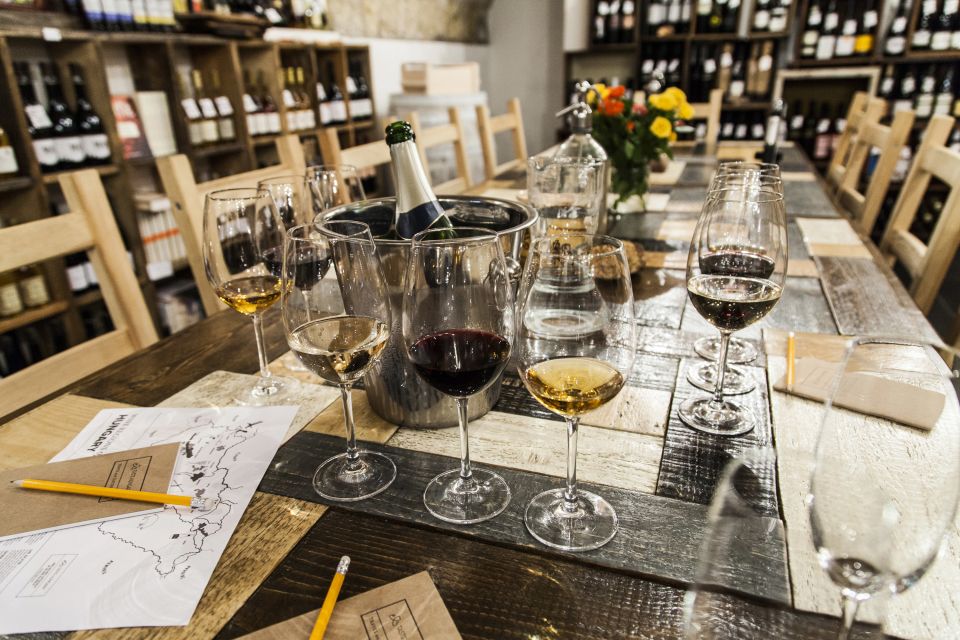
A big chunk of the appeal is the bottle selection. Several people note the wines are exceptional and many come from small producers, bought directly from producers the guides have built relationships with over time. That direct-producer angle is valuable because it often leads to selections you won’t easily find by browsing random shelves.
Another practical plus: the lineup can change. One person specifically said the selection changes regularly, so if you come back on another night, you’re not just repeating the same flight.
What to look for during the tasting (so you get more out of it)
Here’s how I’d “work” the class if you want to turn it into buying power later:
- Pick one wine style you didn’t expect to like (maybe a red you normally skip).
- Note the grape name or region when it’s mentioned, then circle it on the tasting sheet.
- Take one pairing memory: which cheese or meat made the wine feel better?
This is how you’ll avoid the classic souvenir-bottle regret. You won’t just remember the taste. You’ll know what category of wine you genuinely enjoy.
Price check: does $65 make sense for 2 hours?
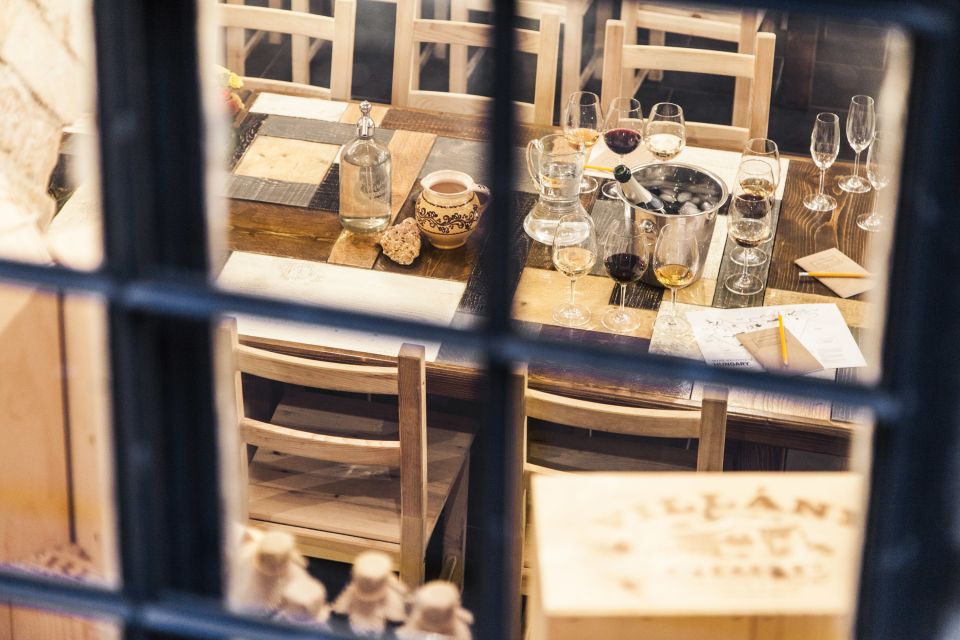
At $65 per person for 2 hours, the price makes sense because the package isn’t just a sip-and-go. You’re getting:
- 8 wines (not tiny tasting-only pours),
- food pairings that function like a proper evening snack/mini-meal,
- tasting sheets and region map,
- and a sommelier-led guided structure.
Several reviews mention generous pours that feel more like a normal glass than a smear of wine. If that matches your night, the value becomes obvious fast.
Even if you’re not a wine person, you’re paying for context: the guide helps you turn Hungarian wine from unfamiliar to understandable. That’s what makes the price feel fair, not just the amount of alcohol.
Who should book this Budapest Hungarian wine tasting?
Book it if:
- You want a guided introduction to Hungarian wine without planning a vineyard day.
- You enjoy learning by tasting, especially when food is involved.
- You’re curious about regions beyond the headline name of Tokaj.
- You like meeting other travelers, since the format supports mingling and conversation.
You might choose something else if:
- You dislike a structured group setting and prefer quiet, self-paced wine time.
- You’re very sensitive to having lots of spoken explanation during tastings.
For most people, though, this works because it balances education and enjoyment. It’s not about turning you into a sommelier. It’s about giving you enough language and taste memory to keep exploring Hungary on your own.
My booking recommendation: should you sign up?
I’d recommend this class as one of the best “first contact” experiences for Hungarian wine in Budapest. The combination of a sommelier-led flight, 8 thoughtfully chosen wines, and real local pairings makes it feel like a night you’ll actually remember after you leave the city.
If you’re short on time, it’s also one of the most efficient ways to get oriented. Within 2 hours, you’ll get the story of Hungarian wine regions and varietals, plus a guided path through the styles that matter—from dry wines to a sweet Tokaj aszú finish.
My practical advice: arrive with a clear intention. Decide you’ll remember two or three wines you like and one you’re curious to try again. With the tasting sheet in hand, you’ll be able to shop smarter afterward instead of buying bottles based on vibes alone.
FAQ
FAQ
How long is the Budapest Hungarian wine tasting class?
It lasts 2 hours.
How many wines are included?
You’ll taste 8 Hungarian wines during the session.
What type of wines do you taste in what order?
The flight starts with an aperitif, then moves through whites and reds (and possibly rosé), and ends with a sweet botrytised Tokaj aszú wine.
Is food included?
Yes. You get food pairings made with local Hungarian flavors, along with mineral water.
Where is the meeting point in Budapest?
You meet at The Tasting Table Budapest, Bródy Sándor utca 9, 1088 Budapest (District VIII), about 150 meters from the National Museum.
Do you need to be an expert in wine?
No. The experience is designed for anyone interested in wine and want to learn more about Hungarian wines.
What language is the class taught in?
The tasting is hosted in English.
Is the legal drinking age 18 in Hungary?
Yes. The legal drinking age is 18, so anyone 18 and above can participate.
What’s the price per person?
The class is $65 per person.