REVIEW · BUDAPEST
Hungarian Wine Tasting (with Cheese and Charcuterie) in Budapest
Book on Viator →Operated by Taste Hungary · Bookable on Viator
Hungarian wine gets personal in a cellar. In Budapest, this tasting is a smart way to learn what makes Hungarian grapes tick while you snack on cheese and charcuterie in a historic underground room with vaulted ceilings. The resident sommelier leads the whole show in English, so you’re not stuck googling terms like Tokaji or figuring out what you actually like.
My favorite part is the pace and pairing: you taste a set of wines, then you eat along, so flavors make sense together. The one catch to watch for is the tight timeline—this is about 1.5 hours, and when groups run back-to-back, the food-and-wine rhythm can feel a bit rushed.
In This Review
- Key reasons this tasting works in Budapest
- Budapest’s 19th-century wine cellar: more than a pretty room
- Meet your sommelier and learn the Hungarian wine map fast
- The wines: five indigenous pours with real regional variety
- What’s on your board: Hungarian cheese, cured meats, and bread
- Pairing in practice: how the tasting stays fun, not fussy
- Timing and logistics: what to plan for before you go
- Price check: is $50 good value in Budapest?
- Who should book this Hungarian wine tasting?
- Should you book: my quick decision guide
- FAQ
- How long is the Hungarian Wine Tasting in Budapest?
- What time does the tasting start?
- What’s included in the tasting?
- Do you include tasting materials or notes?
- Is the tasting offered in English?
- What wines will you taste?
- What types of food are on the board?
- Is there a vegetarian option?
- What is the group size?
- What is the cancellation policy?
Key reasons this tasting works in Budapest
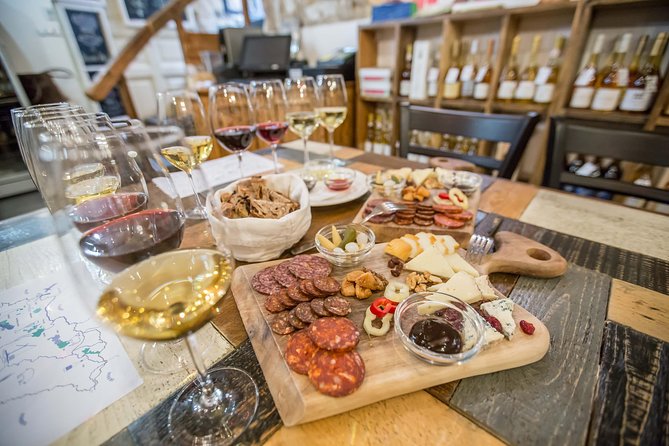
- 19th-century wine cellar setting that makes the whole experience feel like wine country, not a classroom
- Five wine pours focused on Hungarian grape varietals, with local bottles that are harder to find elsewhere
- Cheese and charcuterie revival story, explained with real examples on your board
- Hands-on pairing structure with tasting sheets and a map of Hungary’s wine regions
- Communal table vibe that mixes people from different countries without feeling stiff
Budapest’s 19th-century wine cellar: more than a pretty room
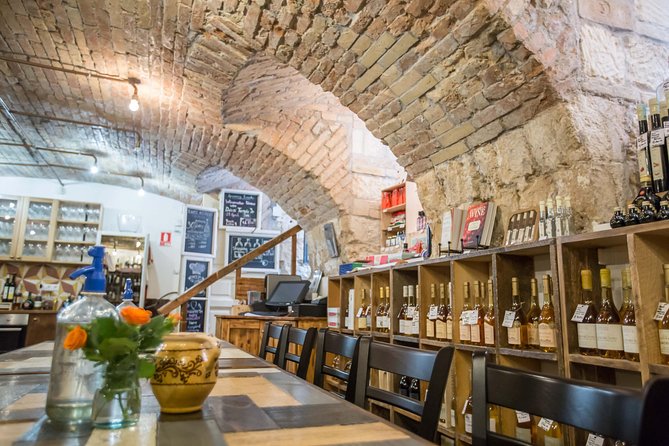
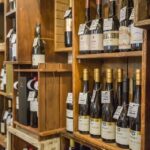
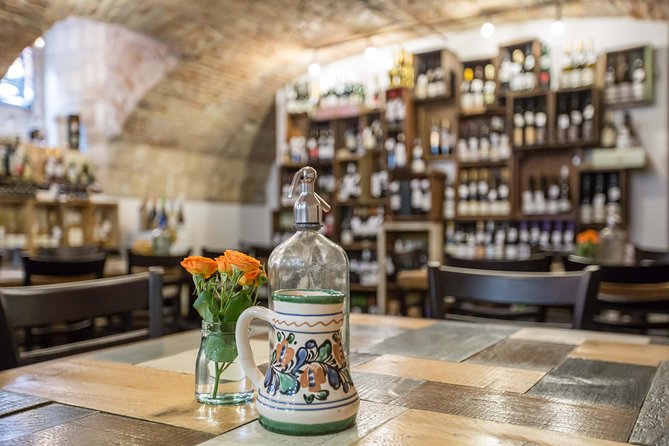
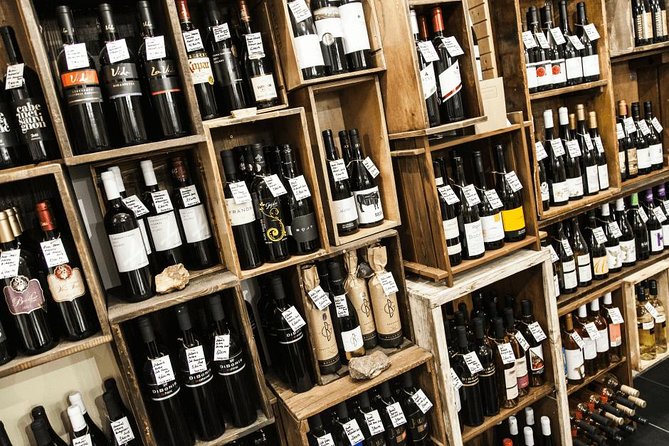
Budapest has plenty of places to drink and snack, but this one has a real wine atmosphere. You meet at the Tasting Table Cellar (by Taste Hungary) in a space with vaulted ceilings that dates back to the 19th century. It’s the kind of setting that makes even a casual wine drinker pay attention.
The format is built for questions. The sommelier is your guide through the tasting, and the room is set up so you can ask about wine-making, grape growing, and what regions you’re tasting from. If you like learning without feeling tested, this is a good fit.
One practical tip: since seating is at communal tables, go in with the mindset of chatting a little. It keeps the mood relaxed and social, which pairs well with wine and cured meats.
You can also read our reviews of more food & drink experiences in Budapest

Meet your sommelier and learn the Hungarian wine map fast
This tasting doesn’t just hand you a glass. It gives you the structure to understand why Hungarian wines taste the way they do.
You’ll get tasting sheets for notes, plus a map of Hungarian wine regions. That matters because it turns the experience into something you can remember later, not just something you forget the moment you step outside. Hungary’s wine regions can feel confusing at first, so having the layout in front of you helps.
What makes the experience feel real is the way the sommelier connects wine to the country’s story. The tasting includes the revival of artisanal cheese and charcuterie after the end of the Communist era, so your board isn’t treated like random snacks. It becomes part of the lesson.
If your guide is Sam, you can expect a strong focus on where grapes grow and how that shapes flavor. If your guide is Thomas, you may hear more of the viticulture history thread—how grape growing developed over time. Either way, the goal is the same: you leave with a clearer picture of Hungarian wine, not just a list of drinks.
The wines: five indigenous pours with real regional variety
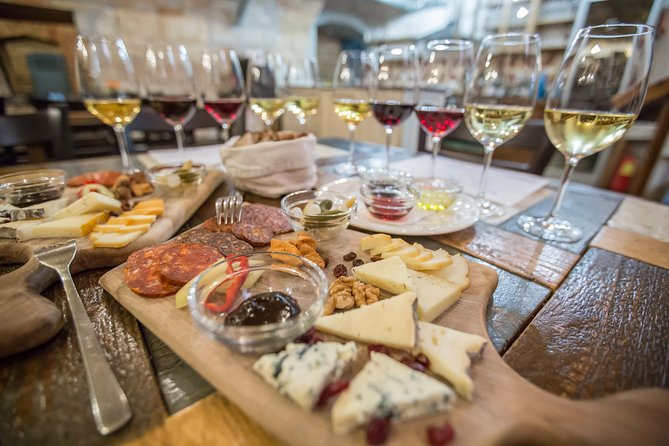
You’ll taste five generous glasses of wine made from Hungarian grape varietals. The lineup is designed to show variety across Hungary, not just one style repeated five times.
A key detail for wine lovers: the tasting is specifically about local grapes and local producers. That means you’re more likely to try bottles that don’t show up on every tourist menu. One finish mentioned in feedback is Tokaji, which is a great example of how Hungarian wine culture has its own icons and rules.
Even if you don’t know anything about grape names, the tasting sheets and pairing structure help you figure out what’s happening in your glass. Is it crisp or round? Does it taste more fruit-forward or more savory? The sommelier can guide you through what to notice, and you’ll get enough bites and sips that you can compare rather than just sample.
What’s on your board: Hungarian cheese, cured meats, and bread
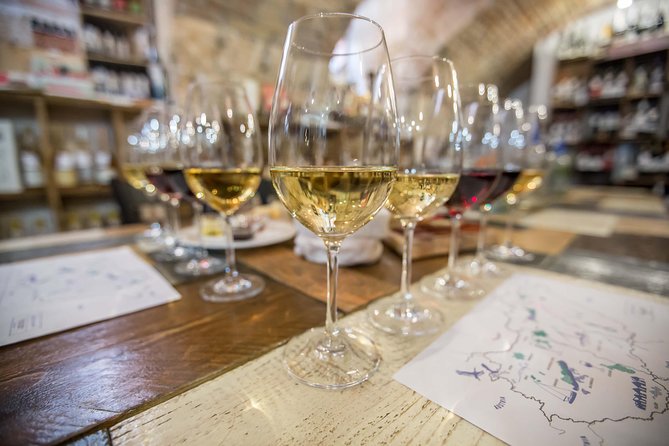
The food is part of the point here. You’re not just tasting wine; you’re building a flavor story with real Hungarian ingredients.
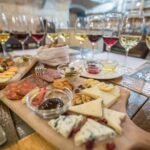
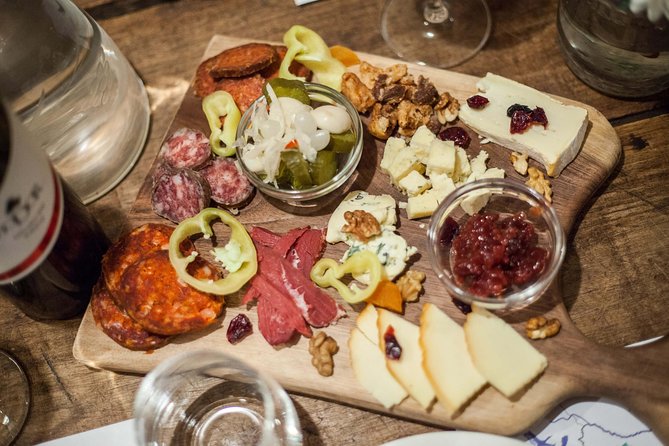
Your starter is a cheese and charcuterie board loaded with local specialties. You’ll typically see four types of cheeses and four types of cured meats, alongside fresh artisan bread and mineral water. You also get tasting sheets so you can track which wine worked best with which bite.
The meats mentioned include some bold, crowd-friendly options:
- beef sausage
- smoked duck breast
- free-range water buffalo salami
- Mangalica pork sausages
These aren’t generic deli choices. They’re the kind of cuts that let you experience salt, smoke, fat, and texture changes as you move through the wines. That’s important because Hungarian wines can be expressive, and the board gives you the contrast to notice it.
One honest consideration: a few people felt the charcuterie quantity could be a bit tight for the price. The quality seems to land well, but if you’re the type who wants a big plate of meat-and-cheese at full lunch size, you may feel slightly short. Still, the board is designed to be enough to pair with five pours, not replace a meal.
Pairing in practice: how the tasting stays fun, not fussy
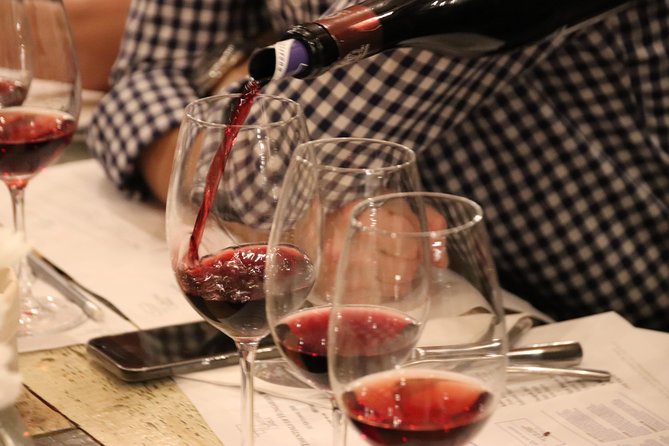
The best wine tastings make you pay attention without making you feel dumb. This one tries to do that with a straightforward pairing flow: sip, bite, listen, then sip again.
Your sommelier explains what you’re tasting and why it pairs with the board. The pairing isn’t just a label like red with salami. The instruction includes how Hungarian grape profiles respond to flavors like smoked meats, cured saltiness, and creamy cheese textures.
If you’re worried you’ll feel out of place, don’t. One of the strongest signals from feedback is how easy it is to enjoy this even if you’re not a wine expert. The sommelier still offers depth—some hosts talk about soil composition and wine-making science—but the tone stays approachable.
Pacing is the other part of pairing. Many people say the guide gives time to enjoy the glass and board, not just rush through facts. Still, because this runs on a schedule with groups, there can be times when you feel the pressure of the next session. If you’re someone who needs a slow, unhurried meal, plan to keep your expectations tied to the overall 1.5-hour duration.
You can also read our reviews of more wine tours in Budapest

Timing and logistics: what to plan for before you go
The tasting starts at 3:00 pm and runs about 1 hour 30 minutes. It ends back at the meeting point, so you don’t need a second plan for where to go after you’re done.
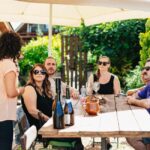
Group size caps at 24 travelers, which helps keep the room from feeling chaotic. Seating is at communal tables, so you’ll sit near other people and likely share the vibe of group conversation. It can be a nice way to meet people without forcing it.
You’ll also get a mobile ticket, which is handy because you can pull it up right away. The meeting spot is near public transportation, so you won’t burn time figuring out complicated last-mile routes.
Vegetarian diners should note this: vegetarian options are available, but you need to tell the provider in advance so alternatives can be prepared. If you don’t mention it ahead of time, you may end up with less than you want.
Price check: is $50 good value in Budapest?
At $50 per person, you’re paying for more than a glass of wine and a snack.
Here’s what’s included:
- 4 kinds of cheeses
- 4 kinds of cured meats
- 5 glasses of wine
- fresh artisan bread
- mineral water
- tasting sheets and a map of Hungarian wine regions
- a professional sommelier
That’s why the price feels fair. Five pours alone can be pricey in many cities when you’re buying individually. Then you add the food components and the guided explanation. For people who like food pairings and want wine education with structure, the value usually lands well.
The only reason to hesitate is if you expect a large meal-sized board. If you’re hungry-hungry, do this as an afternoon experience, then eat dinner afterward. If you want a wine-and-snack class that keeps you engaged, this is a strong use of your time.
Who should book this Hungarian wine tasting?
This is best for you if:
- you want an overview of Hungarian wine without studying a textbook first
- you enjoy food pairings and want the story behind cheeses and cured meats
- you like small-group settings where you can ask questions in English
- you’re curious about how Hungarian wine culture links to history and regional identity
It may be less ideal if:
- you need very large portions of meat-and-cheese (the board may feel smaller than you want)
- you strongly dislike any chance of schedule pressure between groups
- you want a fully private tasting (this is communal seating)
If you’re coming alone, this can be a good social angle because communal tables encourage easy conversation. If you’re on a couple trip, it’s also a solid shared activity that isn’t overly formal.
Should you book: my quick decision guide
Book it if you want a focused, high-quality introduction to Hungarian wine and cuisine in a real wine cellar setting. The combination of five Hungarian wines, the sommelier-led explanations, and the structured cheese-and-meat pairing is what makes this worth your afternoon.
Skip it only if you’re mainly after a long, slow dinner. This is an efficient tasting experience. Plan a proper meal afterward, then come in ready to taste, learn a few names (grapes and regions), and leave with clearer favorites.
FAQ
How long is the Hungarian Wine Tasting in Budapest?
It’s approximately 1 hour 30 minutes.
What time does the tasting start?
The start time listed is 3:00 pm.
What’s included in the tasting?
You get a cheese and charcuterie board, fresh artisan bread, mineral water, and tasting of five glasses of Hungarian wine, led by a professional sommelier.
Do you include tasting materials or notes?
Yes. You receive tasting sheets for notes, plus a map of Hungarian wine regions.
Is the tasting offered in English?
Yes, it is offered in English.
What wines will you taste?
You’ll taste five glasses of wine made from indigenous Hungarian grape varietals, including some local wines that are harder to find elsewhere.
What types of food are on the board?
The board includes four kinds of cheeses and four kinds of cured meats, paired with bread and mineral water. Specific items mentioned include beef sausage, smoked duck breast, water buffalo salami, and Mangalica pork sausages.
Is there a vegetarian option?
Vegetarians are welcome, but you need to let them know in advance so alternatives can be prepared.
What is the group size?
The maximum group size is 24 travelers.
What is the cancellation policy?
It’s non-refundable and cannot be changed for any reason. If it’s canceled because the minimum number of travelers isn’t met, you’ll be offered a different date or a full refund.