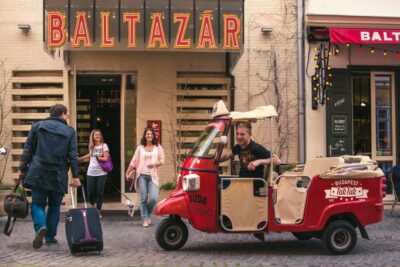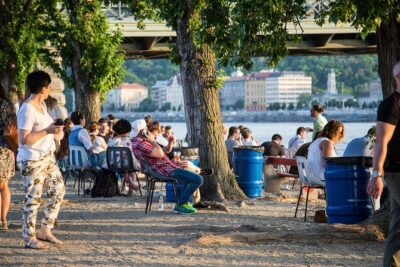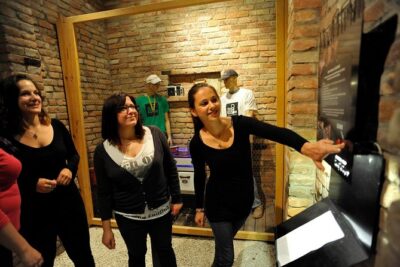
Budapest tastes better with a plan. This small-group tour pairs central landmarks with 10+ tastings of Hungarian comfort food and wine, so you get both flavor and context in about 3 hours. I love how the guide turns everyday dishes into a story about how people live and eat.
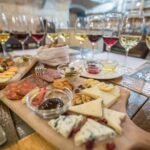
I also like the pacing: you’re walking between iconic buildings, but the day never feels like a lecture. You’ll sample a mix of sweet and savory classics like strudel, lángos, pickled veggies, sausages, cheeses, gulyás soup, bread, coffee, and a secret dish (plus red or white Hungarian wine and water).
The main thing to consider is that the exact route and menu can shift based on availability and weather, so don’t build your day around one single guarantee besides the core tastings. Also, if you’re chasing only tiny family-run spots, know that the tour may include a couple of well-known local chains that many Hungarians still eat at.
In This Review
- Key things to know before you go
- Why this Budapest Centre Food Tour feels like a shortcut to the real city
- The walking route: opera, basilica relics, Lipótváros squares, and Parliament views
- How the food stops actually work (sweet, savory, hearty, and coffee)
- The classic comfort hits you’ll want to remember
- The “secret dish” finale (and why it matters)
- Wine, coffee, and the spirit of Hungarian drinking
- Guides are the difference-maker: George, Zoltan, Angela, Kitti, and Gabor
- Price and logistics: what you’re paying for, and where the tour begins and ends
- Practical tips so you enjoy every stop instead of rushing
- Is it “just food,” or is the culture connection actually worth it?
- Should you book this Budapest Centre Food Tour with 10+ tastings?
- FAQ
- How long is the Budapest Centre Food Tour?
- Where does the tour start and end?
- Is the tour offered in English?
- What’s included in the tastings?
- What about the Hungarian State Opera stop—do I pay admission?
- Do I need to arrange hotel pickup?
- How many people are in the group?
- What if I have dietary requirements?
- Can I cancel for a refund?
Key things to know before you go
- Small group size (max 12) means you’re more likely to hear every detail and ask questions.
- Food-first structure: you’ll get sweet, savory, hearty, and coffee tastings—not just one type of bite.
- Wine is included (red or white) and you’ll also have water for breaks between stops.
- Center-city landmarks fit the theme: opera house, St. Stephen’s Basilica, Lipótváros square, and the Parliament area.
- A big finale happens at the end in the West Station area near Hun&Only Club on Báthory utca.
- Expect to walk and wear comfortable shoes.
Why this Budapest Centre Food Tour feels like a shortcut to the real city
If you’re in Budapest for only a few days, this kind of tour is a smart move. You get to see central landmarks while you’re eating the foods that shape daily life in Hungary. It’s one of those experiences where the history matters, but it’s not dusty.
The price of $118.51 may sound like a splurge until you look at what’s included: multiple food stops, Hungarian wine, coffee, and water, plus a guide who’s focused on both flavors and culture. In practice, that often works out better than paying for meals and drinks one by one across the week—especially in a city center where eating out can add up fast.
The best part is that this is set up for attention. With a maximum of 12 people, the guide can keep the group moving while still answering questions. That is a big deal when the food is new and the Hungarian names are tough to pronounce.
You can also read our reviews of more food & drink experiences in Budapest

The walking route: opera, basilica relics, Lipótváros squares, and Parliament views
This tour starts at Budapest, Andrássy út 22, at the Hungarian State Opera area. Even though the stop is brief (about 15 minutes), it helps set the tone: this is Budapest’s grand, central face, not a hidden alley hunt.
From there, you head toward St. Stephen’s Basilica, a Roman Catholic church dedicated to Stephen, the first King of Hungary. The stop is tied to a real fan-favorite detail: the reliquary that houses the supposed right hand of Stephen. Whether you’re into religion or just architecture, it’s a striking story and a strong bridge to how Hungary’s identity got formed.
Next comes a public square in the Lipótváros neighborhood. Lipótváros is known for its elegant, official-feeling city center vibe, and the square stop gives you a breather while the guide connects place names and politics to what you’re tasting later. It’s the kind of link that makes the walk feel purposeful.
Finally, you reach the Hungarian Parliament building area. Even if you just get views from the surrounding streets, it helps you understand why locals talk about Budapest in layers: empire-era grandeur, modern Hungary, and everyday life happening in the same tight geography.
If you don’t love walking tours, this one might still work—because the food keeps the energy up. Just plan for it: the tour involves a fair amount of walking, and comfortable shoes are non-negotiable.
How the food stops actually work (sweet, savory, hearty, and coffee)
This is sold as a “food tour,” but it’s really a structured tasting program. You’ll hit classic Hungarian flavors in a way that makes it easier to remember what you liked and why.
You should expect a mix of:
- Pastry and coffee, including strudel and rich, aromatic coffee
- Street-style comfort, especially crispy Hungarian lángos
- Pickled bites and tang to balance the fats and dough
- Sausages and local cheeses
- Hearty gulyás soup that tastes like Hungary in a spoon
- Fresh bread and a final surprise called a secret dish
- Hungarian wine (red or white) plus water
One of the strongest recurring themes from guides is that they explain what you’re eating in plain language: what ingredients are doing, why the dish is popular, and what it says about local tastes. That turns tastings into knowledge you can use when you’re ordering later.
The classic comfort hits you’ll want to remember
Strudel is the sweet anchor. It’s often paired with coffee because the flavors work together, and it’s an easy first step if you’re not sure what Hungarian desserts will taste like.
Then comes lángos, Hungary’s famous crispy street snack—think hot dough, salty comfort, and a texture that’s hard to fake. If you’ve had pizza-style cravings before, lángos scratches that itch in a different way.
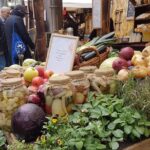
After that, you’ll get more of the savory backbone: tangy pickled vegetables, Hungarian sausages, and cheeses that actually taste like they belong to this region. The tour doesn’t treat them as filler; you’ll get context for why these things show up together.
And yes, gulyás soup is a must-try moment. It’s hearty, warming, and built for the kind of weather and long meals Central Europe is famous for. Even if you’re not a soup person, this tasting stop is the one that tends to make people slow down and pay attention.
The “secret dish” finale (and why it matters)
The day ends with the secret dish and more food variety in the final stop area. Some past tours have described a finish at a more private venue where the owner offered samples of meats, cheeses, and breads in a homey setting—plus more paprika options than you’ll see in typical shops.
That matters because it’s where you can compare flavors side by side. You’re not just eating a single item; you’re building a small map in your head of how Hungarian flavors layer.
You can also read our reviews of more tours and experiences in Budapest






Wine, coffee, and the spirit of Hungarian drinking
You’ll have Hungarian wine included—either red or white—plus water. That’s a good setup if you’re trying to keep your day comfortable. Walking + tastings can get intense, so having water available from the start helps you pace yourself.
Coffee shows up too, and the tour specifically calls out rich, aromatic coffee. That combination—coffee after pastry—is a smart move because it helps reset your palate before the savory stops.
If you’re curious about Hungarian spirits, note that one guide-run experience with Zoltan has included a palinka shot as part of a more secretive final-stop mood. You may not get exactly that on every departure, but it’s a sign of how these guides sometimes add an extra layer of tradition for the end of the meal.
Guides are the difference-maker: George, Zoltan, Angela, Kitti, and Gabor
This tour lives or dies on the guide, and the names you’ll see in the guide lineup—George, Zoltan, Angela, Kitti, and Gabor—point to a consistent style. Expect someone who can switch from food technique to city history without losing the group.
What I like in particular is the way the best guides handle questions. One review story praised a guide for being patient with a lot of questions and for offering modern cultural norms along with historic context. That’s practical, because it helps you avoid the awkward tourist feeling and gives you a clearer read on how locals think.
Humor shows up too. Zoltan is described as funny and energetic, and that matters when the day includes a lot of food. If you’re worried about a stiff, scripted tour, these guide personalities are a good reason to book with confidence.
Price and logistics: what you’re paying for, and where the tour begins and ends
At $118.51 for about 3 hours, the value comes from the built-in sampling. You’re not paying just for walking and sightseeing. You’re paying for a guided tasting route where food, drink, and stories are bundled together.
You also get a small-group structure (max 12), which usually costs more in other formats like private tours. Admission is also handled in a simple way for at least one landmark stop: the Hungarian State Opera meeting point includes a free admission ticket and about 15 minutes there.
What’s not included: hotel pickup and drop-off. So plan to meet at Andrássy út 22 and finish at Báthory utca 23, near the West Station (Nyugati Pályaudvar). That end location is handy if you want an easy next step—dinner, a metro connection, or a train.
Practical tips so you enjoy every stop instead of rushing
First, wear comfortable shoes. This isn’t a sit-on-a-bus tour. You’ll be walking between central points, and your best move is to make your feet happy.
Second, plan your hunger. The tour is built around lots of food and multiple tastings, and many people explicitly recommend arriving hungry. If you eat a heavy breakfast, you might still enjoy everything, but you’ll likely skip bites just to make it through comfortably.
Third, if you have a dietary requirement, contact the operator in advance. They ask you to reach out so they can cater as best they can. That’s important because Hungarian cuisine includes meat, dairy, bread, and pickled items that may not be easy to swap last-minute.
Finally, keep expectations flexible. The tour notes that itinerary and menu can change based on availability, weather, and other circumstances. The core idea stays the same—food tastings plus culture—but the exact sequence can shift.
Is it “just food,” or is the culture connection actually worth it?
This tour is best when you want both. If you only care about eating, you’ll still be happy because you get plenty of bites and drinks. But the payoff is bigger if you like understanding why certain foods show up where they do.
That connection shows up in the landmark order: opera to church to central squares to Parliament area. Each place helps you picture the layers of Hungary—religion and monarchy, civic identity, and the political center—all while the guide keeps tying it back to how people eat.
That’s also where the guide personalities matter. People highlighted that the guides mixed food with history, politics, and everyday cultural norms, and that blend is what turns tastings into a story you can carry around the city.
Should you book this Budapest Centre Food Tour with 10+ tastings?
I’d book it if:
- you want a focused first-day plan in Budapest that combines sights with eating
- you like Hungarian classics like lángos and gulyás and want help ordering the right things
- you prefer a small group where you can ask questions
- you want included wine and coffee, not just one quick snack stop
I might skip or choose another option if:
- you hate walking tours, even short ones
- you have very strict dietary needs and can’t coordinate in advance
- you only want tiny, unknown family-run places every single stop; this tour can include a mix of spots locals still rely on
Overall, this tour is for people who want value in both food and context. You’re buying time saved, tastings handled for you, and a guide who makes the city feel more readable—one bite at a time.
FAQ
How long is the Budapest Centre Food Tour?
It runs for about 3 hours.
Where does the tour start and end?
It starts at Budapest, Andrássy út 22, 1061 Hungary and ends at Budapest, Báthory utca 23-1054, 1054 Hungary near Hun&Only Club.
Is the tour offered in English?
Yes, it’s offered in English.
What’s included in the tastings?
You’ll get tastings including strudel, lángos, pickled vegetables, Hungarian sausages, local cheeses, gulyás soup, bread, coffee, a secret dish, and Hungarian wine (red or white) plus water.
What about the Hungarian State Opera stop—do I pay admission?
The opera house stop includes a free admission ticket.
Do I need to arrange hotel pickup?
No. Hotel pickup and drop-off are not included.
How many people are in the group?
The tour has a maximum of 12 travelers.
What if I have dietary requirements?
Contact the operator in advance so they can cater for you as best as possible.
Can I cancel for a refund?
Yes. You can cancel up to 24 hours in advance for a full refund.