REVIEW · BUDAPEST
The Award-Winning Private Food Tour of Budapest: 6 or 10 Tastings
Book on Viator →Operated by Withlocals · Bookable on Viator
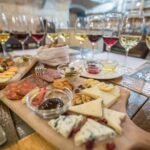
Budapest tastes better with a local in charge. This private setup lets you follow your local foodie guide through iconic spots for 6 or 10 tastings, with history mixed in between. One thing to consider: the shorter 6-tasting option can feel tighter on time and stops, so double-check that you’re getting the kind of food experience you want.
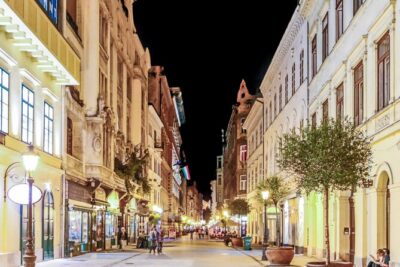
I like that this is built for a personal pace. You’re not stuck in a slow-moving group line, and the walk between stops helps you actually see the city as you eat, from Szimpla Kert to the Central Market Hall area, then into the Jewish Quarter zone near Dohány Street Synagogue.
The price is $133.08 per person for a private tour lasting about 3 hours. For couples or a small group, that can feel like good value for a guided, hands-on tasting route; for solo travelers, it’s still doable, but you’ll want to make the most of those tastings because there’s no hotel pickup included.
In This Review
- Key things that make this tour worth your attention
- Private Food Touring in Budapest: What You’re Really Paying For
- Starting at Market Hall: The Walk-First Setup That Helps You Orient Fast
- Szimpla Kert Tastings: Ruin-Bar Energy With Budapest Flavor
- Central Market Hall Classics: Chimney Cake and Láǵos the Local Way
- Dohány Street Synagogue and Jewish Quarter Context: Food With Real Place-Memory
- Guides Make the Difference: The Local Food-Brain Behind the Best Moments
- Value Check for 6 vs 10 Tastings: Match the Option to Your Hunger
- What You’ll Actually Do During the 3-Hour Experience
- Who This Tour Suits Best (and Who Might Want a Different Plan)
- Book It or Skip It: My Practical Verdict
- FAQ
- How long is the Budapest private food tour?
- Is this a private tour?
- What does 6 or 10 tastings include?
- Where does the tour start?
- Do I get hotel pickup or drop-off?
- Is a vegetarian option available?
- What language is the tour offered in?
- Which stops are included?
- Is the synagogue ticket included?
- Is the tour meant to be carbon neutral?
Key things that make this tour worth your attention
- Private, you-and-your-guide format means fewer compromises and more flexibility.
- 6 or 10 tasting options let you match the tour to your hunger level.
- Hand-picked stops focus on classic Budapest food culture, not random snacks.
- Market Hall + ruin-bar stop gives you both traditional staples and modern city flavor.
- History and city highlights between bites help you understand what you’re eating.
- B-Corp carbon neutral experience adds a feel-good layer without changing how you travel.
Private Food Touring in Budapest: What You’re Really Paying For
This tour is priced per person, and that alone tells you the core value: you’re buying time with a local guide who chooses what to eat and where to go. Since it’s private (only you and your guide), you’re not paying for seat time on a bus or waiting for a group to move together.
Here’s what I’d treat as “the bargain math”:
- If you book the 10-tasting option, you’re likely getting the most noticeable payoff. More bites also usually means more chances to try different Hungarian flavors and drinks.
- If you book the 6-tasting option, you can still have a great time, but you should expect a shorter, more compressed route. Some people end up feeling like they wanted more stops or more face-to-face merchant time, so your best move is to go in clear-eyed and ask your guide how they’ll structure the route around your interests.
The tour is also designed to be more than just eating. Between stops, your guide adds city highlights and food context. That’s especially useful in Budapest, where food culture is tied to neighborhoods, history, and old-school habits.
You can also read our reviews of more food & drink experiences in Budapest


Starting at Market Hall: The Walk-First Setup That Helps You Orient Fast
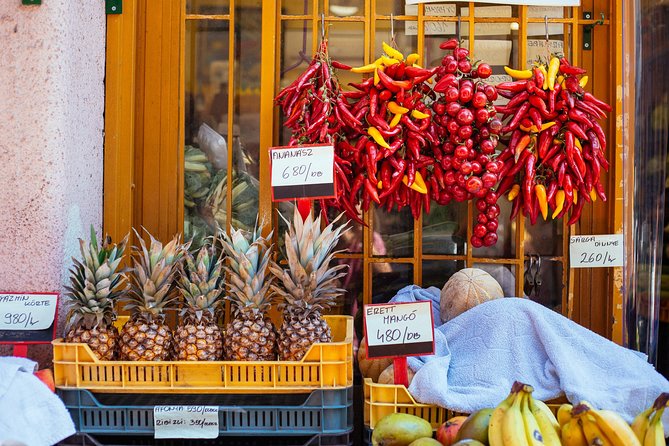
You meet at Market Hall Budapest, Vámház krt. 3, 1093 Hungary, which is a smart starting point. It’s a central “food gravity” zone, so the whole tour starts with the right mood: you’re already in the part of town where locals shop, snack, and argue lovingly about what’s best.
Expect the tour to be mostly on foot. That’s not just a convenience. Walking gives you a better sense of distance and layout, and it makes the in-between commentary useful. You’ll also be near public transportation, which matters if you’re trying to connect the tour to the rest of your day.
There’s no hotel pickup or drop-off. That’s normal for many city-walk experiences, but it does change the planning. If you’re staying far from the Market Hall area, build in extra transit time so you arrive unstressed and ready to taste.
Szimpla Kert Tastings: Ruin-Bar Energy With Budapest Flavor
The first big stop is Szimpla Kert, a place that’s basically a Budapest mood in physical form: creative, slightly chaotic, and very local-in-feel. The tour description frames it as a tasting-focused start, and in the 10-tasting option this stop is where the higher number of tastings happens.
What you’ll like about this part:
- You’re not just sampling; you’re sampling in a setting people actually hang out in.
- The guide’s picks are meant to reflect Budapest’s authentic food-and-drink personality, not a sanitized “tourist greatest hits.”
What to keep in mind:
- Some guides’ styles lean more toward drinks and small bites, and some people prefer fresh, hot-to-the-moment food. If that’s your priority, ask your guide up front: do you expect everything to be served fresh, or should I expect some items that are more like quick pours and small portions?
This is also where you’ll get the early momentum for the day. If your guide is strong on food origins and history, this stop can make the rest of the walk click.
Central Market Hall Classics: Chimney Cake and Láǵos the Local Way
Next up is Central Market Hall, where you can go full classic Budapest. This is one of the most important stops for first-time visitors because it’s where the city’s comfort-food identity shows itself quickly: pastries, street-favorite snacks, and traditional staples.
Two standout items specifically called out here are:
- Chimney cake (often the cinnamon version people get excited about)
- Lángos, the hot, savory, crowd-pleasing fried bread you’ll see in different forms around Hungary
Why this stop matters beyond the food:
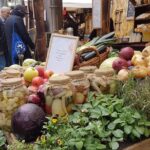
- Market Hall is visual education. Even if you don’t buy anything, you’ll see how vendors and stalls set up what they do best.
- With a local guide, you avoid the guessing game of what’s worth your money and what’s just there for passing tourists.
Practical note: this stop is listed as about 1 hour, which gives enough time to taste, ask questions, and not feel like you’re being herded.
A balanced expectation check: some guests care most about freshness and “just made” quality. When it’s done well, langos and warm pastries hit the spot fast. When it’s not, the experience can feel rushed or less substantial than expected. So, if you’re someone who likes your food hot and served with attention, tell your guide early in the tour so they can steer the tasting order accordingly.
Dohány Street Synagogue and Jewish Quarter Context: Food With Real Place-Memory
The final stop in the tour flow is the Dohány Street Synagogue area. The tour description frames this as more than sightseeing: it’s a cultural segment that pairs food stops with city highlights. It’s also the kind of stop where your guide’s tone matters.
Time is listed at about 30 minutes. Admission for the synagogue is not included, so you shouldn’t assume you’ll be paying for entry as part of the tour price.
If you like tours that give you place-memory—meaning you remember where you were and what the city was doing socially and historically—you’ll likely appreciate this segment. Budapest’s Jewish Quarter story is a big part of why the city feels layered, not just pretty.
Also, because this is between food tastings, you’ll probably feel a mental shift. It’s the moment where the tour stops being only about calories and starts being about understanding.
You can also read our reviews of more tours and experiences in Budapest






Guides Make the Difference: The Local Food-Brain Behind the Best Moments
The most consistently praised aspect in the guide stories is how much they can connect food to history and everyday life. Names that show up with strong mentions include Gabor, Dalma, Anna, Andras, Tibby, Beata, Emoke, Nick, Zsofia, and TB. People often describe guides as friendly, proud of Budapest, and able to explain why a particular bite exists in the first place.
That said, private tours live or die on fit:
- Some guides go heavier on food talk and less on map-walking.
- Some keep a brisk pace.
- Some are better at making you feel like a guest rather than a customer.
So here’s what you should do to get the best outcome:
- Tell your guide what you want most: hot street food, classic sweets, or local drinks.
- If you’re vegetarian, message your host about dietary requirements so alternatives are planned.
- Ask how the tastings will be served: are they expecting you to sample a “variety plate” style, or will you hit individually prepared items?
If you’re flexible and curious, most guides shine. If you’re very strict about freshness and portion size, you’ll want to communicate that early.
Value Check for 6 vs 10 Tastings: Match the Option to Your Hunger
This is the big decision point, and it’s where people can feel delighted or let down depending on what they expected.
The tour is offered in two tasting counts:
- 6 tastings option
- 10 tastings option
The longer version is designed to include more food and drink tastings, and the first stop is explicitly described as including the full set in the 10-tasting format. The shorter version can still include the core highlights, but you may see fewer venues, less time per stop, and fewer “variety hits.”
Here’s my practical advice:
- If you want a true sampler experience and you like comparing flavors, choose 10 tastings.
- If you’re sightseeing more than binge-eating, and you’re happy with a tighter route, 6 tastings can work well.
If you’re a big eater, or you hate feeling rushed, I’d lean toward 10. Multiple people mention leaving the tour still hungry when portions felt small or when tastings leaned toward drinks and smaller items. That doesn’t mean the tour is bad; it means you should choose the option that protects you from disappointment.
What You’ll Actually Do During the 3-Hour Experience
Even without seeing your exact menu list in advance, you can expect a structure that follows the stops:
- Szimpla Kert tasting segment to kick off the day
- Central Market Hall with classic Hungarian snacks like chimney cake and lángos
- Dohány Street Synagogue area for cultural context and city highlights
The walk between stops is part of the value. It’s how your guide turns a “food route” into a city route. In the best versions of this kind of tour, you don’t just eat. You leave understanding what makes Budapest’s food culture feel the way it does.
And because vegetarian alternatives are offered, you’re not automatically forced into “safe” boring food. That still requires communication, though. Mention your needs so your guide can plan replacements instead of improvising on the fly.
Who This Tour Suits Best (and Who Might Want a Different Plan)
This tour fits best if you:
- Want a private way to eat your way through Budapest without the logistics headache
- Like having a local guide connect food to history and neighborhood personality
- Prefer walking and short stop transitions over sitting and listening for hours
- Want classic Hungarian tastes in a guided, low-stress format
You might think twice if you:
- Expect a big number of separate venues for the shorter option
- Care intensely about every bite being served hot and freshly prepared at the moment you arrive
- Are trying to squeeze in a lot of other timed activities immediately before or after, because the tour pace depends on your guide’s flow and the day’s conditions
If your main goal is only “eat everything fast,” a different kind of tasting crawl might suit you better. But if your goal is “taste Hungary while learning how the city thinks,” this tour can be a strong match.
Book It or Skip It: My Practical Verdict
I’d recommend booking this tour if you want a guided, personal way to sample Budapest’s food identity and you’ll use your guide as a resource, not just a walking companion. The private format and the focus on market classics and Szimpla Kert flavors give you a good mix of old and modern Budapest vibes.
I’d be cautious if you’re sensitive to portion size or you’re choosing the 6-tasting option while expecting a long, multi-stop tasting marathon. In that case, choose your option thoughtfully, and start the tour with questions about what you’ll eat and how it’ll be served.
If you want the best odds of leaving fully satisfied, go for the 10-tastings route and come hungry. You’ll also get more value from a guide who explains the why behind each bite, and Budapest is a city where that “why” makes the flavors stick.
FAQ
How long is the Budapest private food tour?
It runs about 3 hours.
Is this a private tour?
Yes. It’s private, with only you and your local guide.
What does 6 or 10 tastings include?
It includes 6 or 10 food and drink tastings, depending on the option you book.
Where does the tour start?
The start point is Market Hall Budapest, Vámház krt. 3, 1093 Hungary.
Do I get hotel pickup or drop-off?
No, hotel pickup and drop-off are not included.
Is a vegetarian option available?
Yes. Vegetarian alternatives are available if you message your host about dietary requirements.
What language is the tour offered in?
The tour is offered in English, with a private multilingual local foodie guide.
Which stops are included?
Stops include Szimpla Kert, Central Market Hall, and the Dohány Street Synagogue area.
Is the synagogue ticket included?
No. Admission for the synagogue stop is not included.
Is the tour meant to be carbon neutral?
Yes. It’s described as a sustainable carbon neutral experience (B-Corp).