REVIEW · BUDAPEST
Premium Hungarian Home Cooking Experience with Chef Marti
Book on Viator →Operated by Flavors of Budapest · Bookable on Viator
Four hours at a real Budapest stove. Chef Marti leads you through a shared Hungarian menu with all ingredients and cookware provided, so you actually cook, not just watch. I love the hands-on pace and the recipe handouts, and I also like that the meal comes with Hungarian drinks. One consideration: the class has a minimum of four participants, so dates can change if that threshold isn’t met.
This is set in a home-style, cozy kitchen studio in the center of Budapest (not a basement room), with a maximum of 8 people. You’ll choose one of three menu options—then everyone in your group works on the same dishes, which makes the teamwork feel natural.
Bring a good appetite and a little curiosity about Hungarian food habits. The session runs about 4 hours, is offered in English, and ends back at the same meeting point on Király u. 77.
In This Review
- Key things to know before you cook
- Chef Marti’s Budapest kitchen: why this feels different
- Menus A, B, or C: pick your Hungarian 3-course plan
- Menu A
- Menu B
- Menu C
- One menu example you’ll see in practice
- Flavors of Budapest: how the 4 hours actually unfold
- Step 1: Start with the starter board
- Step 2: Your chosen menu comes alive in the pot
- Step 3: Finish with dessert and a shared table
- Step 4: Take recipes home
- What you’ll learn at the stove (not just what you’ll eat)
- Paprika isn’t just a seasoning
- Dumplings and stuffing teach structure
- Pancakes and cakes show the lighter side
- Price and logistics: what you’re paying for
- Who this class is best for (and when to skip it)
- My booking advice: how to choose your night and your menu
- Should you book Premium Hungarian Home Cooking Experience with Chef Marti?
- FAQ
- Is this experience in English?
- How long is the cooking class?
- Where do I meet for the class?
- Do I need to choose a menu when I book?
- What do I actually cook?
- Are drinks included?
- Can I request a vegetarian option?
- How big is the group?
- Does the tour require a minimum number of participants?
- Is hotel pickup or drop-off included?
Key things to know before you cook
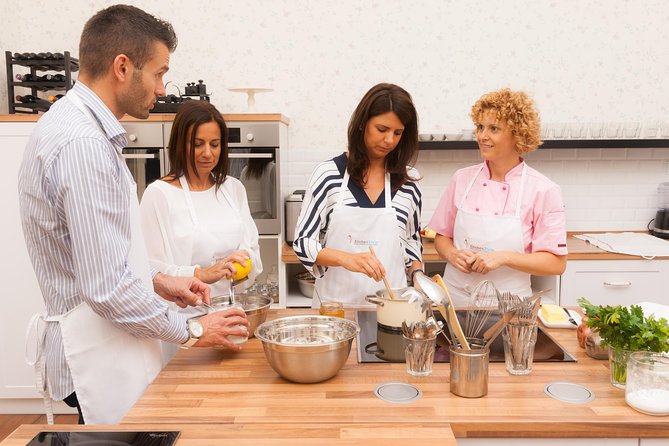
- Chef Marti runs the show with guidance at every step, not a hands-off demo.
- One menu for the whole group means fewer decisions and more shared cooking energy.
- You learn by tasting local ingredients while you cook, especially the paprika world.
- Drinks with dinner include Hungarian wine plus palinka.
- Recipes come home with you, so the class keeps paying off later.
- Central Budapest location makes it easy to fit into your last-night plans.
Chef Marti’s Budapest kitchen: why this feels different
Budapest has plenty of places to eat Hungarian classics. This experience is different because you’re not just ordering them—you’re building them. From the first prep steps to the final bite, you work as a team in a real home-style kitchen studio with everything you need.
The big win here is that you get a clear path through a full Hungarian meal. Instead of hopping between random dishes, you tackle a starter, a main, and a dessert that fit together on the plate. That matters if you want to reproduce this at home later, because you learn the logic of the cooking, not just the names of the food.
I also like how personal the teaching can feel. Several past participants highlighted that Marti threads in stories—family food history, customs, and why certain ingredients matter in Hungarian kitchens. Even if you’re new to Hungarian cooking, those little explanations help your brain store the meal, not just your camera roll.
One practical note: since everyone makes the same menu, your evening depends on the menu that’s selected for your date. If you’re picky about desserts or specific dishes, pick your preferred menu quickly when booking.
You can also read our reviews of more cooking classes in Budapest



Menus A, B, or C: pick your Hungarian 3-course plan
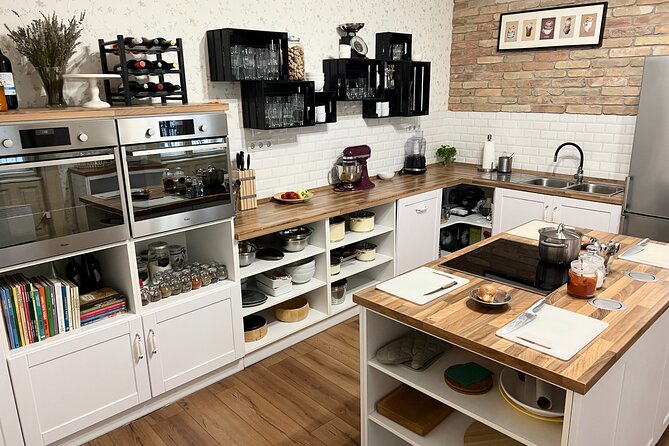
When you book, you choose only one menu option. After that, everyone prepares the same menu together, which keeps the pacing smooth and helps you learn faster.
Here’s what each menu option includes:
Menu A
- Cold sour cherry soup
- Chicken paprikas with dumplings
- Gundel pancake
Sour cherry soup is one of those Hungarian starters that sounds unusual until you taste it. It gives you that signature sweet-tart fruit note that shows up in a lot of Central European flavors. Then you move into paprika chicken territory with dumplings that help make the meal feel properly satisfying.
Menu B
- Goulash soup (beef)
- Savoury pancake Hortobágy style (chicken)
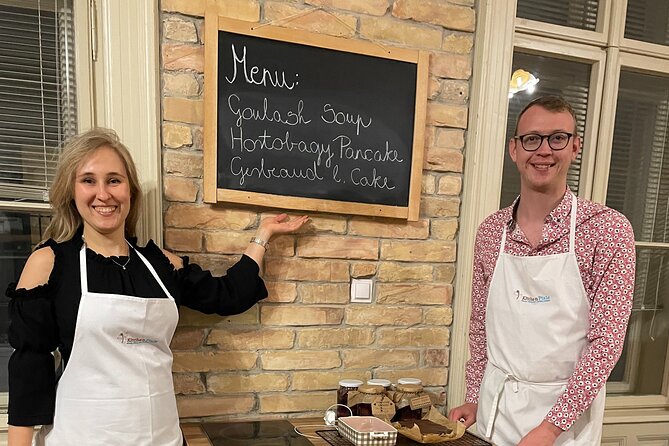
- Gerbeaud layered cake
If you want something that feels instantly familiar but still very local, this is the safest bet. Goulash soup is comforting and aromatic, and Hortobágy-style savory pancakes help you understand how Hungarian cooks turn a traditional flavor profile into something a bit different.
Gerbeaud layered cake is a sweet finish with a more bakery-style feel than the lighter strudel concept. If you like richer desserts, this one will likely land well.
Menu C
- Creamy potato soup with smoked sausage
- Stuffed cabbage (pork meat)
- Poppy-seed bread dumplings + vanilla custard
This menu leans hearty and old-school. Creamy potato soup plus smoked sausage is the kind of comfort food that makes cold weather feel irrelevant. Stuffed cabbage brings the slow-cooked, home-kitchen comfort that Hungarians love, and the dessert turns the meal into a warm, custard-touched finale.






One menu example you’ll see in practice
Some sessions center on a classic trio like goulash soup, then a savory meat pancake Hortobágy style, and finish with warm spiced apple strudel with vanilla custard. That structure is exactly why this works: you get a starter that sets the flavor tone, a main that teaches technique, and a dessert that feels like a real Hungarian finish.
Flavors of Budapest: how the 4 hours actually unfold
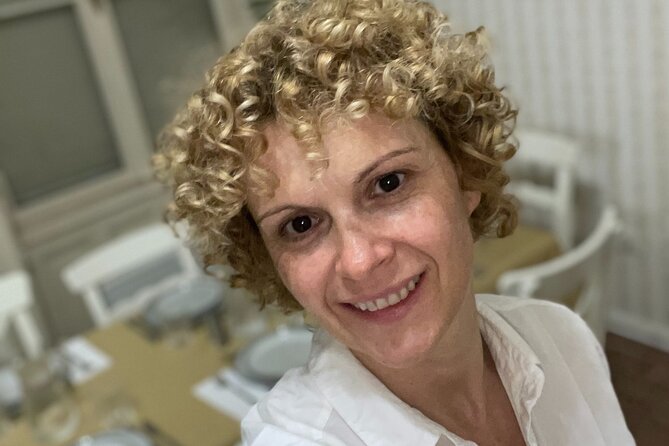
The experience is built around one main theme: cooking Hungarian comfort food as a group. There’s no hopping between locations. Instead, you stay in the kitchen studio and follow the meal all the way through.
Step 1: Start with the starter board
Even before your chosen menu takes center stage, you’re served a farmer’s plate as a starter. This is designed to introduce typical local ingredients—think paprika, sausage, cheese and other familiar Hungarian building blocks. It also helps you taste before you cook, so you can connect flavor to ingredient.
This is a smart approach for beginners. When you taste paprika in the real ingredient form and then see it used in a dish, you understand the role it plays—sweetness, heat, and that smoky depth that feels so Central European.
Step 2: Your chosen menu comes alive in the pot
From there, you cook the starter and main components using what you’ve already tasted. Ingredients and cookware are provided, and the group cooks together as a team.
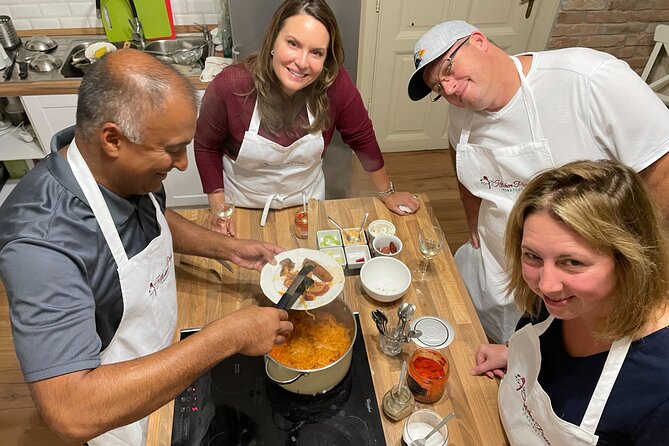
Expect a mix of tasks: chopping, prepping components, and working through recipes step by step. Several participants mentioned interactive parts like flipping pancakes, which is exactly the kind of hands-on moment that makes this class feel more like cooking with friends than following a recipe in a cookbook.
Step 3: Finish with dessert and a shared table
Once the kitchen work is done, you sit down together and eat what you made. The class doesn’t end when you plate the food—it ends when you enjoy it.
Hungarian drinks are part of the experience: palinka and Hungarian wine, plus soft drinks and coffee. The wine is a nice match for paprika-forward dishes and richer mains, and palinka brings that bold fruit spirit that feels very Hungarian.
Step 4: Take recipes home
You receive the recipes of the dishes so you can cook again later. This is one of the best value pieces here. Most classes give you a full evening, but only a few give you something you can repeat at home without guesswork.
What you’ll learn at the stove (not just what you’ll eat)
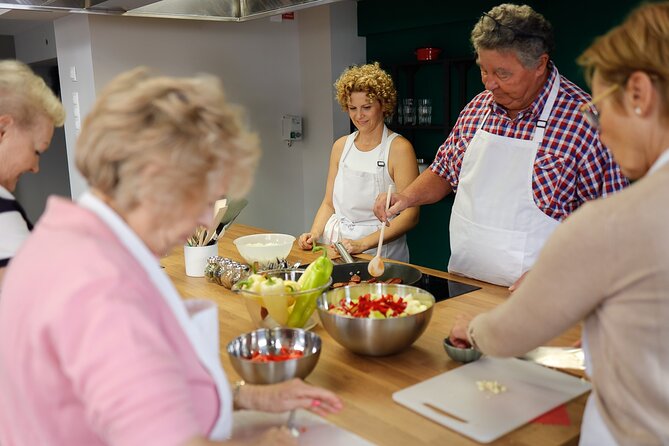
You’ll likely walk away with more than a full stomach. The teaching centers on techniques and ingredients that explain Hungarian cooking patterns.
Paprika isn’t just a seasoning
Paprika shows up as a flavor foundation, not a garnish. When you’re cooking chicken paprikas, goulash-like soups, or sauces that rely on that paprika base, you see how it changes the dish. It’s also why people leave this class talking about paprika—once you understand it as the core flavor, you can reproduce Hungarian-style warmth even if you don’t know every term.
Dumplings and stuffing teach structure
Hungarian cooking often builds comfort in layers. If your menu includes dumplings, you learn how they help carry sauce and create a meal that feels complete without extra complexity. If your menu includes stuffed cabbage, you learn about rolling, filling, and the patience needed for a cohesive bite.
Pancakes and cakes show the lighter side
Not every Hungarian meal is heavy in one direction. Hortobágy style savory pancakes teach how a familiar flavor profile can work with a more portable, pan-cooked format. On the sweet end, the dessert options show different Hungarian moods: layered cake richness versus strudel-style warm fruit and pastry.
Price and logistics: what you’re paying for
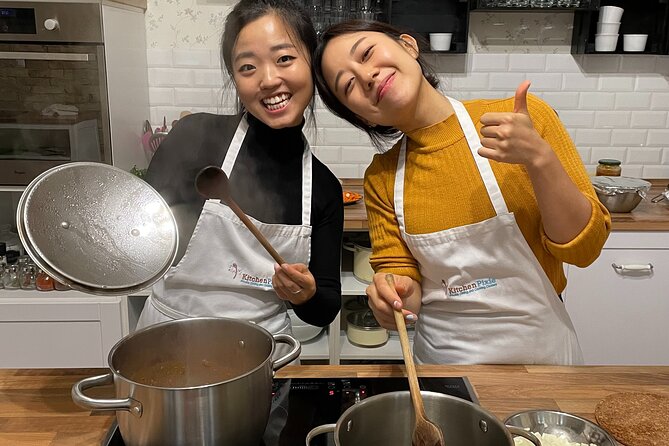
The price is $131.87 per person for about 4 hours. That sounds like more than a casual dinner—because it is. But you’re paying for several tangible things:
- A professional chef’s guidance
- All ingredients and kitchen equipment
- A 3-course meal plus the starter farmer’s plate
- Hungarian wine and palinka
- Soft drinks and coffee
- Take-home recipes
- A smaller group setting (maximum 8)
Where the value really shows is the hands-on part. If you’ve ever done a food tour where you snack and move on, this is the opposite: you slow down, cook, and eat everything you made. It’s a meal plus a skill-building workshop.
Logistics are straightforward. There’s no hotel pickup or drop-off. You meet at Budapest, Király u. 77, 1077 Hungary, and the class ends back at the meeting point. If you’re planning your night, give yourself a little buffer so you’re not sprinting across Budapest right before you start cooking.
Also note the scheduling reality: there’s a minimum of four participants required for the class to run. If you’re traveling at a busy time, booking earlier is smart so you don’t get pushed to a different date.
Who this class is best for (and when to skip it)
This experience fits best if you’re the type of traveler who likes learning by doing. You’ll enjoy it even more if you want a Budapest memory that turns into a kitchen skill.
You’ll likely love it if:
- You want a hands-on cooking night instead of another sit-down restaurant meal
- You care about tasting Hungarian ingredients like paprika and fruit-based flavors
- You like small-group settings where you can actually participate
- You want recipes to recreate the dishes later
You might want to consider another option if:
- You don’t want to cook or handle ingredients and utensils for a full evening
- Your schedule is too tight for a class that depends on the minimum group size
- You prefer eating from a menu where each person chooses different dishes (here, everyone makes the same menu)
My booking advice: how to choose your night and your menu

Start by picking the menu that matches your food mood.
- Choose Menu A if you like fruit-forward flavors and want a more distinctive starter, then a paprika chicken main and Gundel pancake.
- Choose Menu B if you want goulash soup comfort and a bakery-style dessert finish with layered cake.
- Choose Menu C if you love hearty, classic comfort food: potatoes, smoked sausage, stuffed cabbage, and custard-touched sweets.
Then think about timing. Since it’s roughly four hours and you’ll be eating during the class, plan it as an evening meal. Eat lightly before you go so you can enjoy everything without feeling stuffed too early.
Finally, arrive hungry and ready to help. Even if you’ve cooked before, this kind of class rewards your attention and participation. You’ll get a better result on the plate—and a better memory at the table.
Should you book Premium Hungarian Home Cooking Experience with Chef Marti?
If you want one high-impact Budapest experience that’s equal parts dinner and learning, this is a strong yes. Chef Marti’s teaching style and the shared cooking process make it feel personal, and the combination of hands-on work, Hungarian drinks, and take-home recipes gives you value that goes beyond the meal itself.
Book it if you like learning techniques, want a small group setting, and are excited about Hungarian classics like paprika chicken, goulash-style soups, and traditional desserts. If you’d rather just eat with no cooking, you may feel a bit limited here.
FAQ
Is this experience in English?
Yes. The class is offered in English.
How long is the cooking class?
It runs for about 4 hours.
Where do I meet for the class?
You meet at Budapest, Király u. 77, 1077 Hungary, and the activity ends back at the meeting point.
Do I need to choose a menu when I book?
Yes. You choose one menu option only, from the three available menus.
What do I actually cook?
You cook a Hungarian 3-course meal (+ starter). Your group prepares the starter, main, and dessert from the menu you chose, and there is also a farmer’s plate as a starter.
Are drinks included?
Yes. Palinka, Hungarian wine, soft drinks, and coffee are included.
Can I request a vegetarian option?
Vegetarian options are available. You need to advise the provider at the time of booking.
How big is the group?
The class has a maximum of 8 travelers and is described as a smaller, more personalized group.
Does the tour require a minimum number of participants?
Yes. A minimum of 4 participants is required for the class to run.
Is hotel pickup or drop-off included?
No. Hotel pickup and drop-off are not included.