REVIEW · BUDAPEST
Budapest: Organ Concert in St. Stephen’s Basilica
Book on GetYourGuide →Operated by Hungaria Koncert Ltd. · Bookable on GetYourGuide
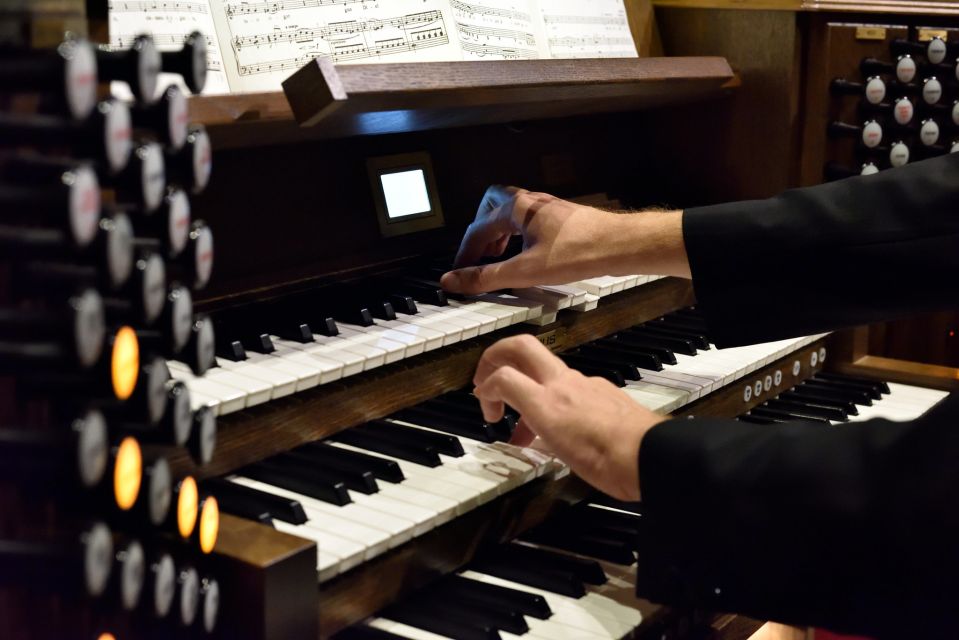
An organ concert in Budapest feels made for evenings. In St. Stephen’s Basilica, the building itself sets the stage for a focused concert night: organ music, plus vocal and flute moments woven into one program. It is a simple plan on paper, but the variety in the music keeps it interesting from the first notes.
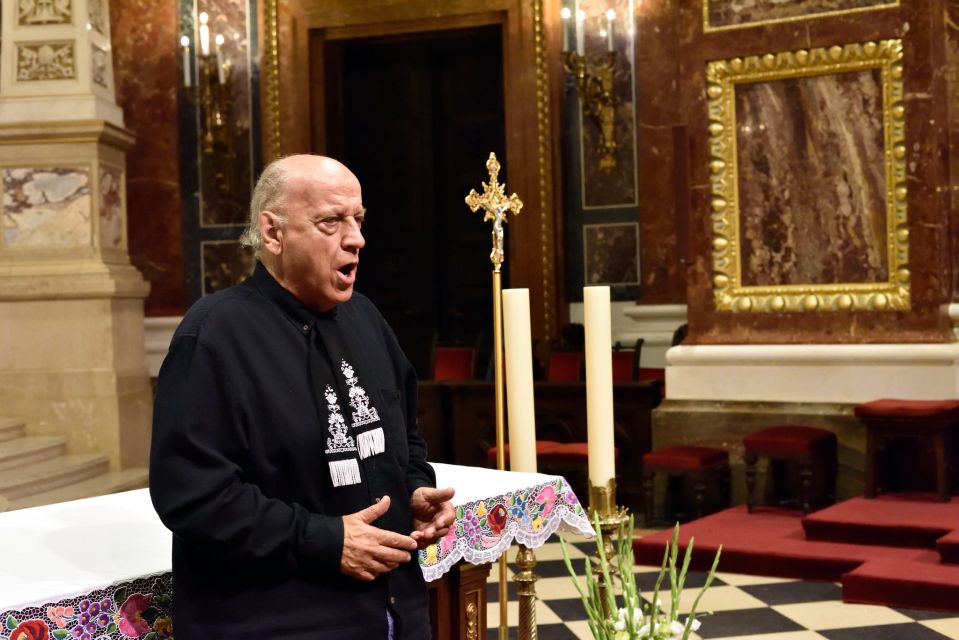
I love the vocal center of the evening. Kolos Kováts performs the arias in the program, and his credentials in Hungarian music are impressive: he received the Liszt Ferenc prize, Merit of Art, and the Kossuth Prize.
One thing to consider is seating. Your ticket category maps directly to rows: Category I is rows 1–6, II is 7–16, and III is 17–26, so if you care about being close, you will want a higher category.
In This Review
- Key highlights you’ll care about
- St. Stephen’s Basilica at 19:40: arriving for the organ concert
- The performers: Kolos Kováts, Miklos Teleki, and Eleonóra Krusic
- The concert program: from Mozart fantasia to Bach’s thunder
- Mozart opens with tension and motion
- Baroque comes with a vocal prayer
- Slow lyrical contrast
- Liszt and Saint-Saëns bring a narrative feel
- Verdi adds operatic intensity
- Bach rounds out the evening like a victory lap
- What to listen for during the organ concert portion
- Ticket categories: choosing rows 1–26 without overthinking it
- Getting there in central Budapest with Hungaria Koncert Ltd.
- Value check: what you get for your evening
- Should you book Budapest’s St. Stephen’s Basilica organ concert?
- FAQ
- What time should I arrive for the Budapest St. Stephen’s Basilica organ concert?
- Where does the concert take place?
- Who performs in the concert?
- What composers are included in the program?
- What ticket categories are available and what rows do they cover?
- Is pick-up or drop-off included?
Key highlights you’ll care about
- St. Stephen’s Basilica as the concert hall: a neo-classical landmark where the organ concert takes place.
- Kolos Kováts on the program: award-winning Hungarian concert and oratorio singer with a central vocal role.
- Flute is part of the show: Eleonóra Krusic adds color alongside the organ and vocal pieces.
- A program that moves across styles: Mozart, Baroque, Liszt/Saint-Saëns, Verdi, and Bach all in one evening.
- Ticket categories tied to specific rows: I (1–6), II (7–16), III (17–26).
- Straightforward start time: meet at St. Stephen’s Basilica at 19:40 with concert tickets included.
St. Stephen’s Basilica at 19:40: arriving for the organ concert
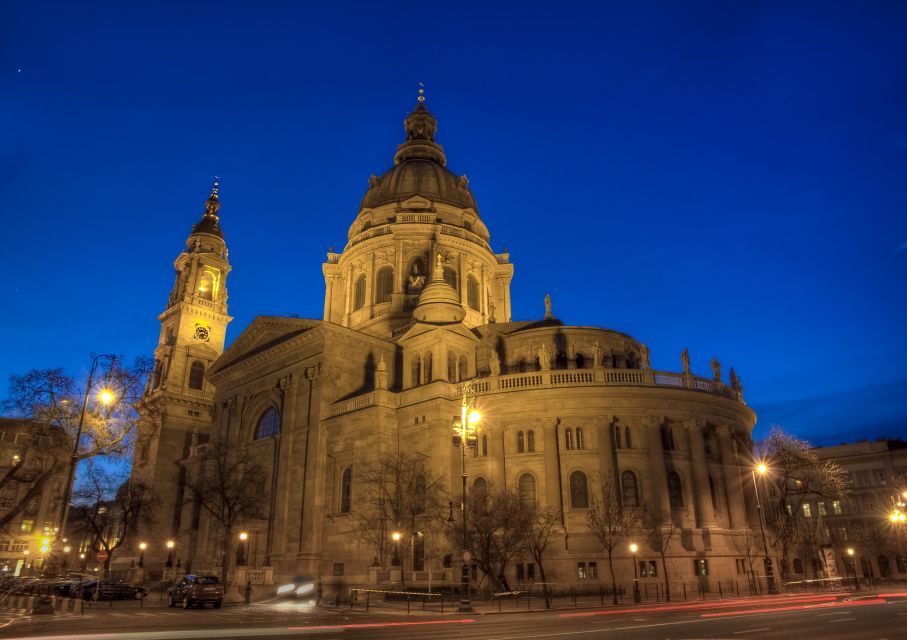
This is one of those Budapest evenings that stays clean and easy. Your meeting point is St. Stephen’s Basilica at 19:40, so you can plan the rest of your night around a single, fixed moment.
Because the plan is time-specific, I suggest getting there with enough margin to find your seat without rushing. The Basilica is a major landmark, and once you are inside, you will want a minute to orient yourself so you can settle in before the first piece begins.
Also, since the experience includes just concert tickets, you do not need to think about a route, transfers, or extra stops. That makes it a good match if you want a cultural hit that does not turn into a logistics puzzle.
You can also read our reviews of more tours and experiences in Budapest



The performers: Kolos Kováts, Miklos Teleki, and Eleonóra Krusic

The lineup is one of the main reasons this concert works so well. Kolos Kováts is the singer you will hear in the arias, and he brings a resume that signals serious craft. He has received the Liszt Ferenc prize, the Merit of Art, and the Kossuth Prize—big-name honors in Hungary’s arts world.
Miklos Teleki is also part of the performance team. The program is clearly organized around organ concert music, so you can expect that his role ties into the instrument-driven side of the evening.
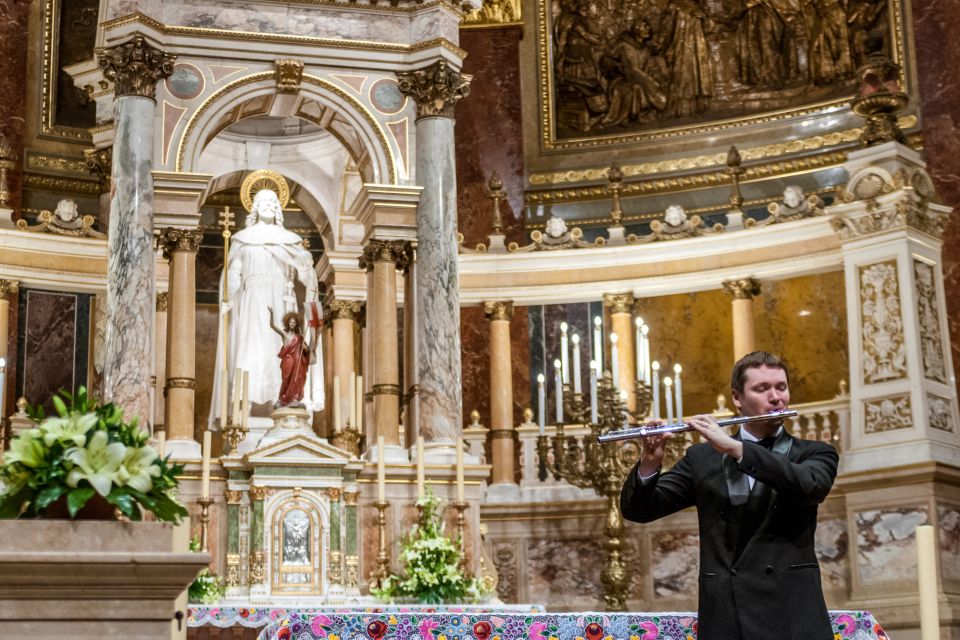
Then there is the flute, performed by Eleonóra Krusic. She has played many times in Hungary and abroad during recent years, including with many orchestras. In practical terms, it means the flute parts are not a random add-on; they are delivered by someone used to performing in established concert settings.
If you enjoy chamber-like touches inside a bigger classical program, you will likely appreciate how the flute breaks up the texture and gives your ears another way to latch onto the melodies.
The concert program: from Mozart fantasia to Bach’s thunder

The set list reads like a guided tour through different eras and moods. It is not just one composer or one style, which helps keep your attention even if you are not a lifelong classical fan.
Mozart opens with tension and motion
The evening begins with Wolfgang Amadeus Mozart: Fantaisie in F minor, K 506. A fantasia name alone hints that you are not getting a simple, predictable structure. Expect variety in character and phrasing, which is a smart opening choice because it sets you up for the broader program ahead.
Baroque comes with a vocal prayer
Next is Alessandro Stradella: Pietà Signore. You get a shift toward voice-led expression, and this is one of the places where Kolos Kováts’ role matters most. If you like sacred-vocal moods—prayer-like melody lines—this is a key moment.





Slow lyrical contrast
Then Tomaso Albinoni: Adagio. This likely functions like a palate cleanser between more active sections. Even without overthinking the theory, an adagio gives your ears time to settle and listen for fine detail.
Liszt and Saint-Saëns bring a narrative feel
After that, you hear a two-part composer highlight: Liszt Ferenc and Camille Saint-Saëns with the Legend in A major (St. Francis of Assisi’s Sermon to the Birds). That subtitle already tells you the piece has story in it.
It also connects nicely with the Basilica setting. You are not only listening to notes; you are hearing music that points toward an image—Saint Francis, birds, the idea of gentle wonder—before you move into darker vocal territory later.
Verdi adds operatic intensity
Then comes Giuseppe Verdi: Prayer of Fiesco from opera Simone Boccanegra. A Verdi prayer is not subtle in the way some songs are; it tends to lean into emotion. If you like the dramatic edge of opera, this is likely to land with force in a hall like St. Stephen’s Basilica.
Bach rounds out the evening like a victory lap
The final stretch is Johann Sebastian Bach, and it is a strong one. You get Polonaise, Minuet and Badinerie from Suite in B minor BWV 1067, followed by Toccata and Fugue in D minor BWV 565.
This is the part of the program where many people stop thinking and start listening with their whole attention. Bach often rewards you for simply staying present. The polonaise and minuet feel dance-like and shaped, while the badinerie tends to feel quick and light. Then the Toccata and Fugue shifts gears into something more urgent and dramatic—an ending that typically leaves audiences wide awake rather than sleepy.
What to listen for during the organ concert portion
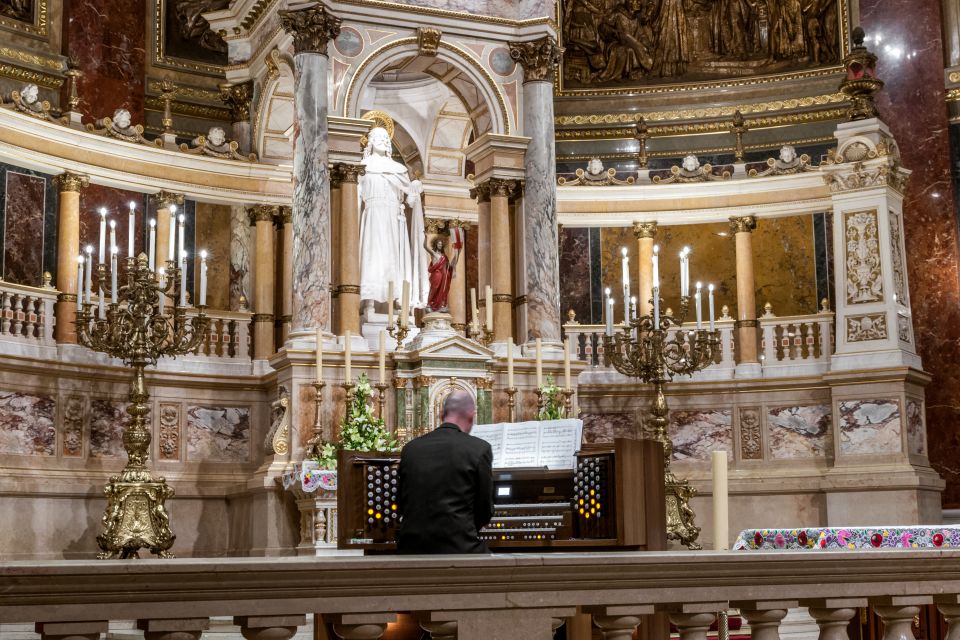
Even if the program is your only guide, you can still make the listening feel personal. With organ music, the easiest win is to focus on how the sound changes across sections.
When the organ is leading, try noticing the transitions between sections rather than just the big melodies. Fantasie-like writing from Mozart can introduce patterns that return in different forms, and Bach will often bring familiar ideas back in a tighter or more forceful way.
When the vocal pieces arrive—Stradella and Verdi—listen for how the phrasing breathes. Vocal arias tend to sound especially compelling when the music supports clear line and emotional pacing.
And when the flute enters, treat it like a separate color palette. A flute line can feel intimate even when the hall is large, so you do not need musical training to appreciate that contrast.
Ticket categories: choosing rows 1–26 without overthinking it
Ticketing is set up by seat rows, which is refreshingly clear:
- Category I: rows 1 to 6
- Category II: rows 7 to 16
- Category III: rows 17 to 26
If you care about being close—seeing performers more clearly—you should aim for Category I. If you want a balance between cost and proximity, Category II is the middle ground.
Category III (rows 17–26) is still workable, especially if your top priority is the music first. The biggest tradeoff is simply distance: you will likely feel less detail in visual cues, even if the program stays just as strong.
One practical tip: whatever category you pick, arrive at your meeting point time (19:40) and use the first few minutes to confirm where your section starts. When seats are numbered by row, that quick check can save you from trying to navigate during the first moments of the concert.
Getting there in central Budapest with Hungaria Koncert Ltd.
This experience is provided by Hungaria Koncert Ltd. The important logistical detail is that it does not include pick-up or drop-off. If you want transportation arranged, it is available for an additional cost, but it is not part of what’s included.
So, you will likely plan your own route to the Basilica. The good news is that you are heading to a major, easy-to-find destination. Treat the Basilica as the anchor for the night, and plan dinner earlier so you are not rushing right before 19:40.
Also, because the only listed meeting point is the Basilica itself, keep your plan simple: no extra pre-arranged stops are part of the experience.
Value check: what you get for your evening
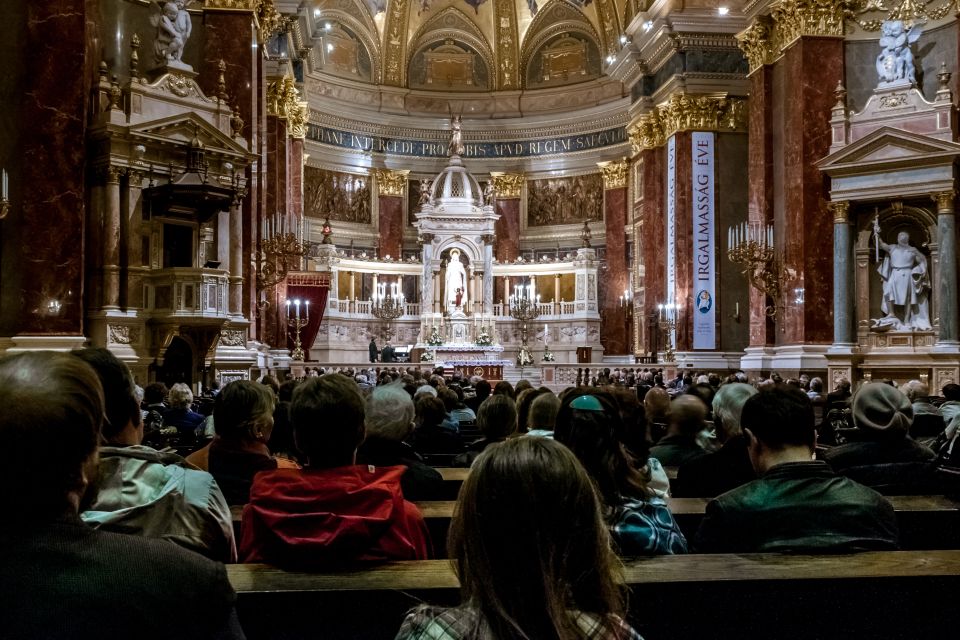
This concert has strong value in the way it bundles talent and variety. You are paying for a live performance at a world-famous Budapest landmark, with tickets included and a complete program of organ, vocal, and flute pieces.
The lineup also feels purpose-built. Kolos Kováts brings award-level recognition and performs the arias, not just a cameo. Eleonóra Krusic adds a flute performance, giving the program a second timbre beyond organ and voice. Miklos Teleki rounds out the core performer team for the instrumental side of the night.
On top of that, the music selection is a smart mix:
- Mozart at the start to set tone and momentum
- Baroque vocal and slow lyric contrast
- A narrative Liszt/Saint-Saëns work tied to St. Francis
- A dramatic Verdi prayer moment
- Bach to close with structure and energy
If you want one evening in Budapest that gives you culture, classical performance, and a memorable hall, this fits.
Should you book Budapest’s St. Stephen’s Basilica organ concert?
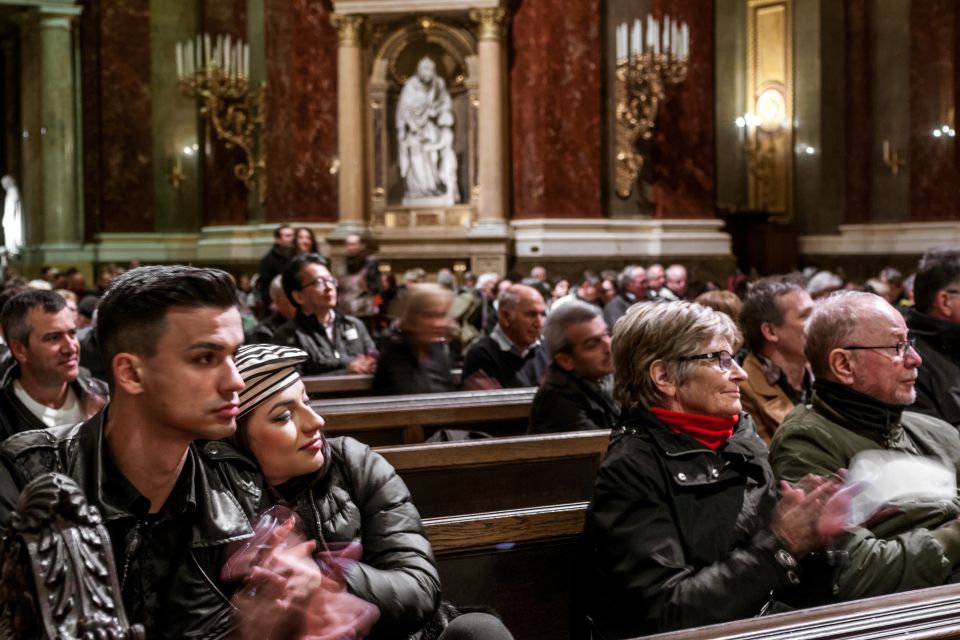
Book it if you want a classic Budapest night that does not require a full-day plan. This is a great choice for music lovers who enjoy organ repertoire, plus anyone who likes vocal arias and appreciates a well-matched flute addition.
Skip it (or at least think twice) if you only want casual background music. This program is very much built for focused listening, and the set list runs through multiple eras and emotions rather than staying light and fluffy.
If you are choosing among seat categories, pick based on how much closeness matters to you. Music comes first, but being in rows 1–6 versus 17–26 changes how immediate the experience feels.
FAQ
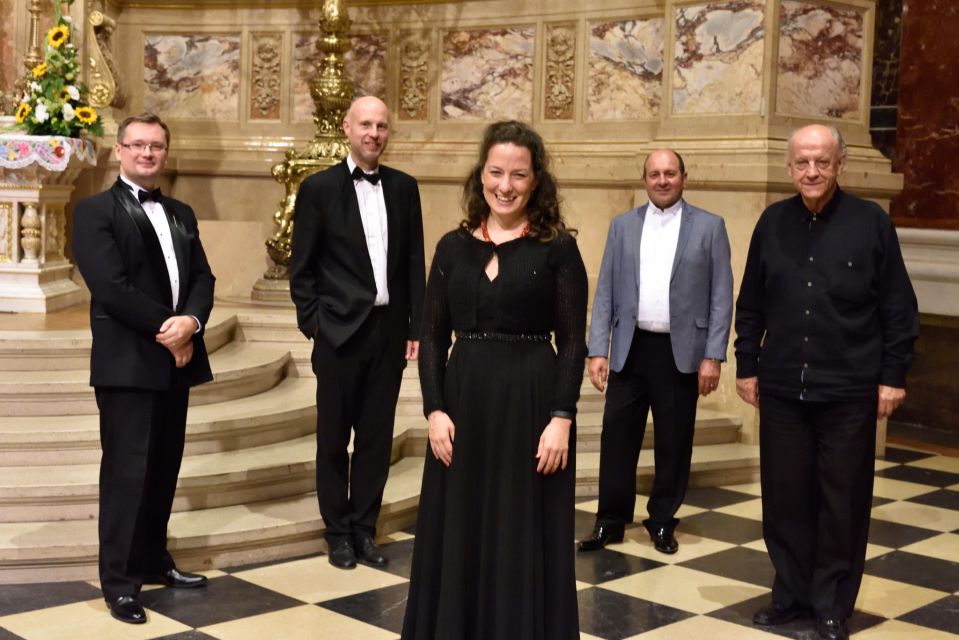
What time should I arrive for the Budapest St. Stephen’s Basilica organ concert?
You should come to St. Stephen’s Basilica at 19:40.
Where does the concert take place?
The concert is held at St. Stephen’s Basilica in Budapest.
Who performs in the concert?
The program includes performances by Miklos Teleki and Kolos Kováts, and there is a flute performance by Eleonóra Krusic.
What composers are included in the program?
The listed program includes works by Mozart, Stradella, Albinoni, Liszt Ferenc and Camille Saint-Saëns (Legend in A major), Giuseppe Verdi, and Bach.
What ticket categories are available and what rows do they cover?
Category I is rows 1 to 6, Category II is rows 7 to 16, and Category III is rows 17 to 26.
Is pick-up or drop-off included?
No. Pick-up and drop-off are not included, though they are available for an additional cost.