REVIEW · BUDAPEST
Budapest: Classical Music Concerts in St Stephen’s Basilica
Book on GetYourGuide →Operated by DKN Zenei Ügynökség Kft. · Bookable on GetYourGuide
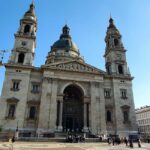
St Stephen’s Basilica turns a concert into an event. You’re listening to top classical soloists in one of Budapest’s most striking churches, with programs that can run from Mozart’s Requiem to an organ-and-vocal mix. I particularly like the choice of three concert programs and the way you can shape the experience with four seating categories. One real consideration: the church’s famous reverb can make the sound feel less crisp, especially if you’re chasing studio-style clarity.
Your evening plans get easier because this is straightforward: arrive, find your seat, and enjoy around 70 minutes of classical music in the heart of the city. If you’re traveling in winter, I’d also plan for comfort limits in older churches (one recent booking noted little/no heating). Still, the atmosphere is the point, and the “wow” factor here is consistent.
In This Review
- Key Highlights You’ll Actually Care About
- St Stephen’s Basilica: Why This Venue Changes Everything
- Picking Your Program: Mozart Requiem vs Organ Favorites vs Ave Maria Airs
- Concert 1: Mozart’s Requiem (D minor) in a Sacred Mood
- Concert 2: Organ Concert with Bach, Handel, Vivaldi, and Friends
- Concert 3: Ave Maria Air Alleluja (and Special Date Variations)
- Seating and Value: What “4 Seating Classes” Really Means in Practice
- Before the Music Starts: How to Find the Right Entrance and Settle In
- Timing: The 70-Minute Concert Rhythm (And Why It’s a Good Deal)
- Sound and Comfort: The Basilica Reverb Trade-Off
- Christmas and Date Changes: Dec 30 Moves to Matthias Church
- Who This Budapest Concert Fits Best
- Price and Value: Is About $70 Worth It?
- Final Call: Should You Book This Basilica Concert?
- FAQ
- Where is the meeting point for the concert?
- How long is the classical music concert?
- Is the venue wheelchair accessible?
- What concert programs are offered?
- What’s included in the ticket price?
- Are food and drinks included?
- Does the concert location ever change?
Key Highlights You’ll Actually Care About
- Three distinct concert programs to match your taste, from Mozart’s Requiem to Ave Maria airs and an organ-focused set
- Four seating categories give you budget control without making it feel like a compromise
- A historic, candlelit-style setting that adds meaning to even well-known pieces
- Arrive early for the best positions, especially if you go for VIP-style front seating (seating can be first-come)
- Plan around acoustics: the reverb is heavy, but it also helps voice and organ sound dramatic
- On Dec 30, venue shifts to Matthias Church, so check your date carefully
St Stephen’s Basilica: Why This Venue Changes Everything
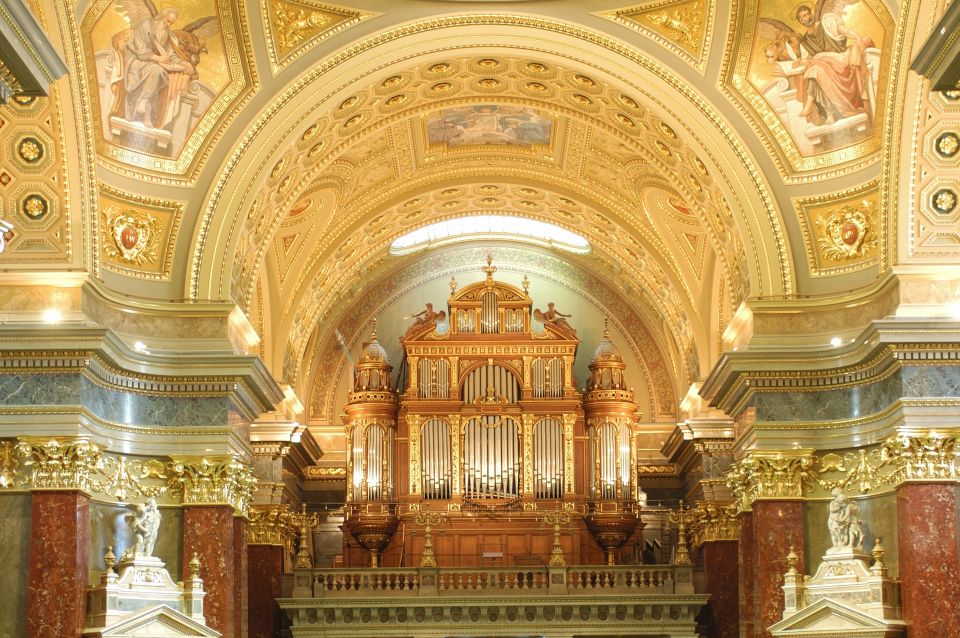
Budapest has plenty of churches. St Stephen’s Basilica has a different effect: it looks like it was built to hold music. Even before the first note, the interior does what a good pre-concert cocktail does. It sets your brain into “slow down” mode.
The biggest win is how naturally the space supports the kinds of pieces offered here. Mozart’s sacred writing, baroque organ lines, and vocal numbers like Ave Maria and Messiah excerpts all fit the basilica’s scale and sound. You’re not just watching performers; you’re in the same room as the architecture that’s shaping how the music lands.
And yes, the building is the star. But the performances matter too. In recent experiences, the standout themes have been strong solo work (especially soprano moments) plus polished ensemble playing. That’s important because if the musicians weren’t genuinely good, the basilica alone wouldn’t be enough to justify the price.
You can also read our reviews of more tours and experiences in Budapest



Picking Your Program: Mozart Requiem vs Organ Favorites vs Ave Maria Airs
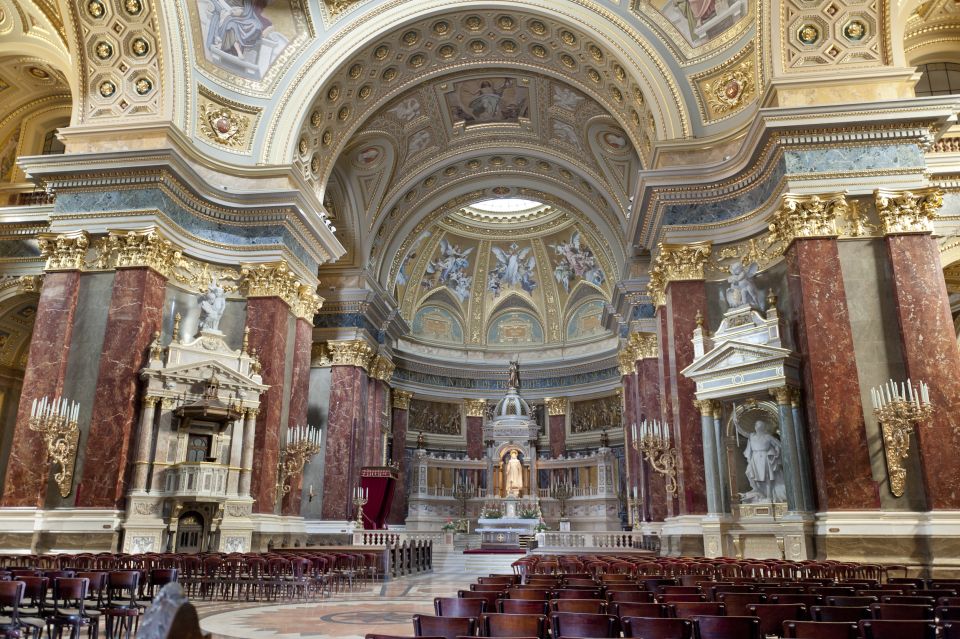
This concert series is built around three different programs (and on certain days the music list shifts). That choice is the whole point, because you can match the concert to your “mood music” preference.
Concert 1: Mozart’s Requiem (D minor) in a Sacred Mood
If you want something dramatic, structured, and emotionally heavy in a good way, choose the Mozart Requiem program. The set follows the Requiem sections, including well-known movements like the Introitus, Kyrie, Sequenzia (Dies Irae and the famous “Tuba Mirum / Rex Tremendae” segments), Offertorium, Sanctus, Benedictus, Agnus Dei, and the final Lux Aeterna-style conclusion.
What this means for you: this is not background music. It’s a concert that guides your attention. If you like classical “storytelling” through composition, you’ll feel it more than with a playlist of highlights.
Concert 2: Organ Concert with Bach, Handel, Vivaldi, and Friends
The organ-focused program leans into recognizable masterpieces and big emotional swings. Expect a mix like:
- Bach: Toccata and Air
- Handel: Messiah selections (including Rejoice) and Xerxes Largo
- Vivaldi: The Four Seasons (Winter Largo) and more
- Gounod: Ave Maria
- Widor: Toccata from the Organ Symphony
- Liszt: Ave Maris Stella
- Franck: Panis Angelicus
- Massenet: Thais Meditation
- Schubert: Ave Maria
- Mozart: an Alleluja segment
For most people, this is the easiest entry point. You get the “wow” factor from organ passages plus vocal lines that feel instantly familiar. One note: while one booking suggested the pipe organ could have been used more in their specific performance, the listing’s focus clearly includes organ repertoire, so if organ is your priority, pick this program.
Concert 3: Ave Maria Air Alleluja (and Special Date Variations)
This third program is built for melody lovers. The recurring theme is voice-and-strings style “air” moments, including:
- Bach Air
- Handel from Messiah (Rejoice) and Xerxes (Largo)
- Albinoni Adagio and Sonata di Chiesa
- Vivaldi (Four Seasons, Winter)
- Purcell: from Dido and Aeneas (When I am laid in Earth)
- Gounod Ave Maria
- Schubert Ave Maria
- Franck Panis Angelicus
- plus other featured instrumental and vocal pieces like Thais Meditation, Sibelius Impromptu, and a violin concert segment
There’s also a special variation on Dec 25 and Dec 31, where the music list shifts (still centered on Bach/Handel/Vivaldi/Gounod, but it also includes Mozart Requiem movements like Lacrimosa and an Alleluja excerpt). If you’re booking for those dates, check you’re choosing the version that matches what you want.





Seating and Value: What “4 Seating Classes” Really Means in Practice
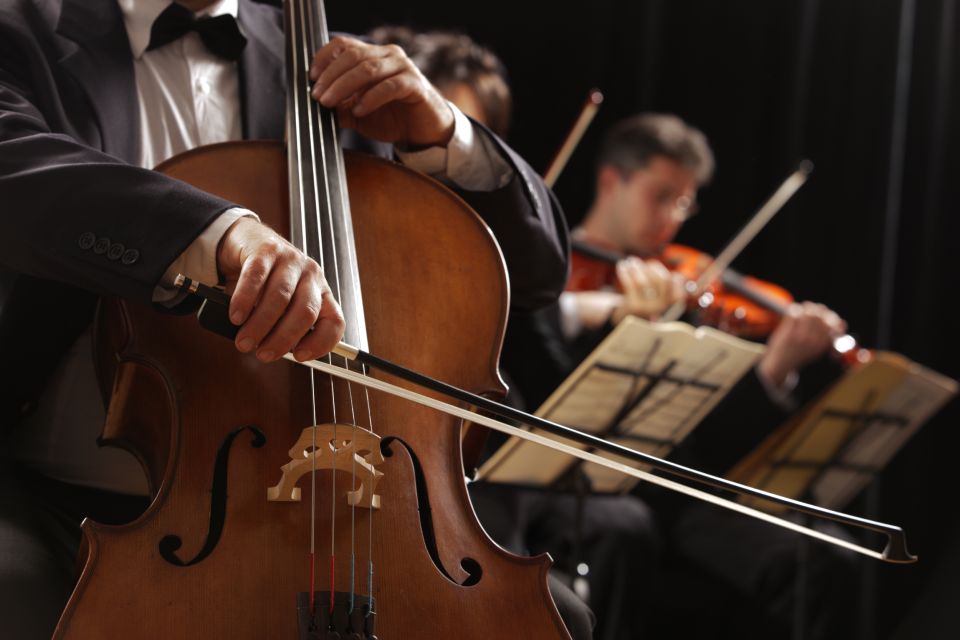
The attraction is the basilica, but you’ll feel the difference between seating classes during quieter moments.
You get four seating categories, which helps if you’re budget-sensitive. With a concert this short (about 70 minutes), you want your money to buy you not just a ticket, but a good line of sight and comfortable listening.
Here’s the practical part: seats may not be assigned in the way you expect. One recent booking specifically warned that VIP seating is first come first serve and that seats aren’t assigned. That means your best move is simple: arrive early enough that you’re not rushed when the doors open.
What I’d do:
- If you care about getting close, plan to be there early rather than right on time.
- If you’re more relaxed and just want the ambiance, a mid-range category can still be very rewarding because the basilica interior does a lot of the heavy lifting visually.
Before the Music Starts: How to Find the Right Entrance and Settle In
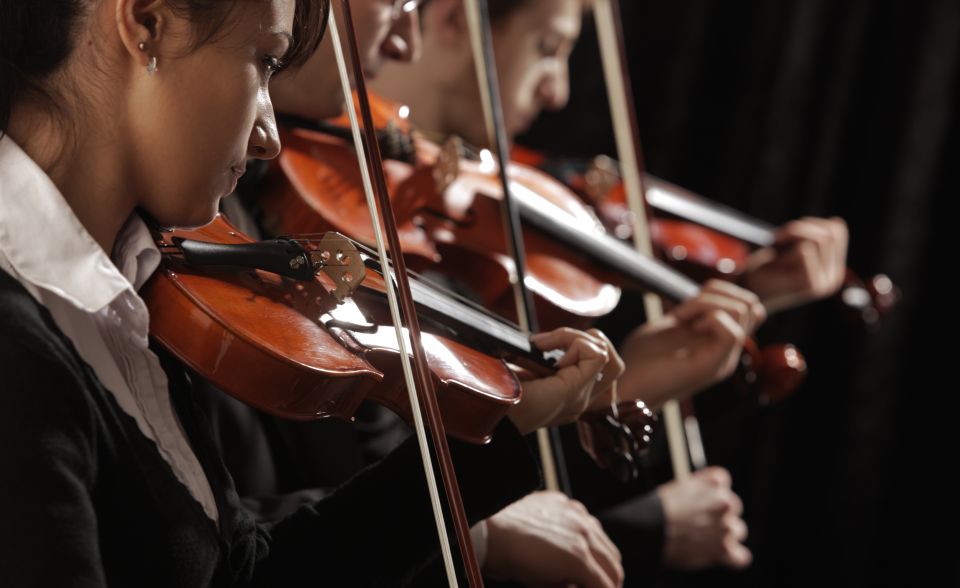
Meet-up details can be slightly confusing here. The official meeting point is St. Stephen’s Basilica (Szent István tér 1, 1051 Hungary), but at least one booking noted you might be directed to a side door first. Their practical advice: don’t get flustered. You typically enter via a side entrance, then go through the front entrance area once inside.
So your strategy is:
- Come a bit early and don’t wait until the last minute.
- Look for the side entrance and any staff cues near the side area.
- If you like photos or want to orient yourself, use the pre-concert time to take in the interior details (one booking described spending the whole pre-show period “keeping occupied” by the basilica’s details).
Also: restrooms can be an issue. One booking said restrooms were usable on entry but locked upon exit. If you’ll need one, do it early.
Timing: The 70-Minute Concert Rhythm (And Why It’s a Good Deal)
This is a compact evening plan: 1 hour to 70 minutes of music. That matters more than it sounds. In a city where you’re juggling sights, meals, and transit, a concert that doesn’t swallow your whole night is a gift.
It also changes how you experience the program. With a shorter performance window, you’ll get a “best-of” arc of emotion rather than a long marathon. That’s ideal if you’re not trying to train your attention for two hours straight.
And because the venue is so visually dramatic, the concert feels like a total experience, not only an audio one. Even people who think they’re attending just for the music often end up remembering the room as much as the notes.
Sound and Comfort: The Basilica Reverb Trade-Off
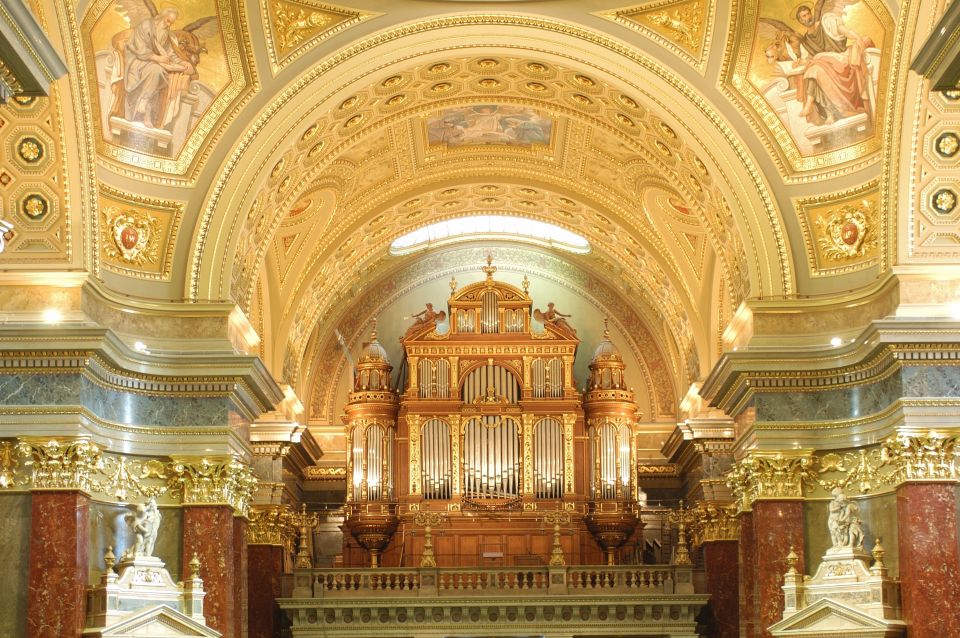
St Stephen’s Basilica is gorgeous—and it sounds like a church. That’s the trade-off.
Some bookings noted sound quality could be less than perfect because the reverb feels strong. That’s not a defect; it’s physics plus design. If you love vocal clarity and precision, heavy reverb can feel like the music spreads out. If you love the feeling of a voice floating through stone and air, that same reverb can be the whole magic.
Comfort is another factor to take seriously:
- One booking mentioned the church could be warm (so it’s not always chilly).
- Another booking warned there might not be heating in certain seasons.
My advice: dress for a range of temperatures. Bring a light layer even if the day outside is mild. The concert length is short enough that you don’t need a whole winter wardrobe, but you do want to feel okay for the full set.
Finally, benches can be uncomfortable for some people. If you know you’re sensitive to sitting, you might prefer a category that puts you on seats that feel less like bench seating.
Christmas and Date Changes: Dec 30 Moves to Matthias Church
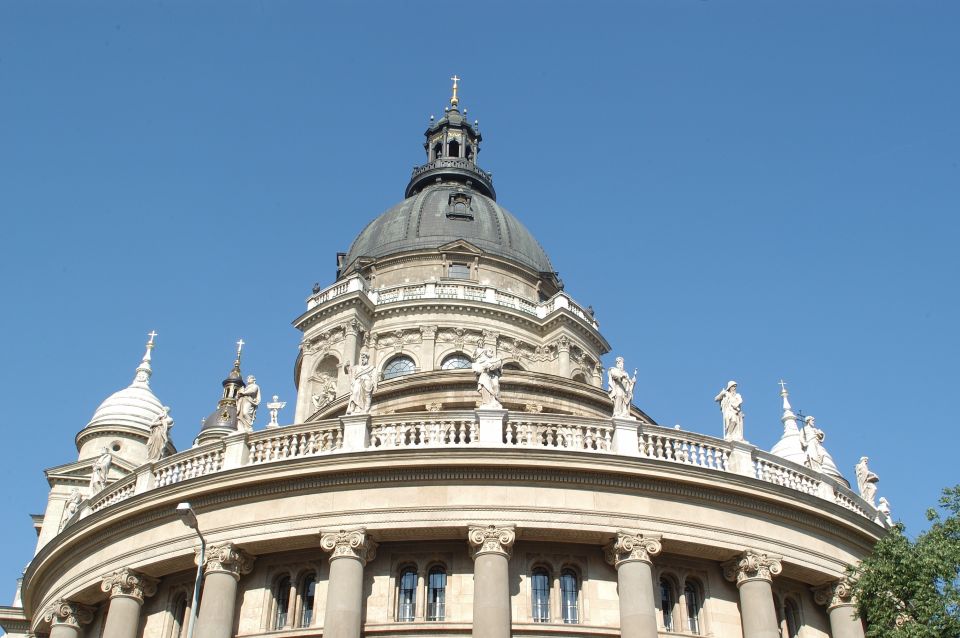
One key warning for anyone booking around the holidays: on Dec 30, the concert takes place in Matthias Church, not in St Stephen’s Basilica. Matthias Church sits on Castle Hill and is reachable from the city center, but it’s a different vibe and a different building.
What this means for you:
- If St Stephen’s Basilica is your main reason for booking, you’ll want to avoid Dec 30 unless you’re deliberately flexible.
- Double-check which venue you’re getting for your specific date, especially in late December when schedules are more likely to shift.
Who This Budapest Concert Fits Best
This is a strong match for you if:
- you want an iconic setting without spending all night on logistics
- you like classical music that’s known for melody and emotional impact (Ave Maria, Handel, Vivaldi)
- you’re planning your first day or first evening in Budapest and want something central and easy
It can also work well for families or mixed-age groups who enjoy culture but don’t want a super long performance. The length is manageable, and the venue itself is an attraction even if you’re not a hard-core classical fan.
Skip it (or pick carefully) if:
- you’re extremely sensitive to reverb and need ultra-crisp sound
- you’re uncomfortable sitting for about an hour in a church setting
- you’re booking late December and you truly need St Stephen’s Basilica specifically on Dec 30
Price and Value: Is About $70 Worth It?
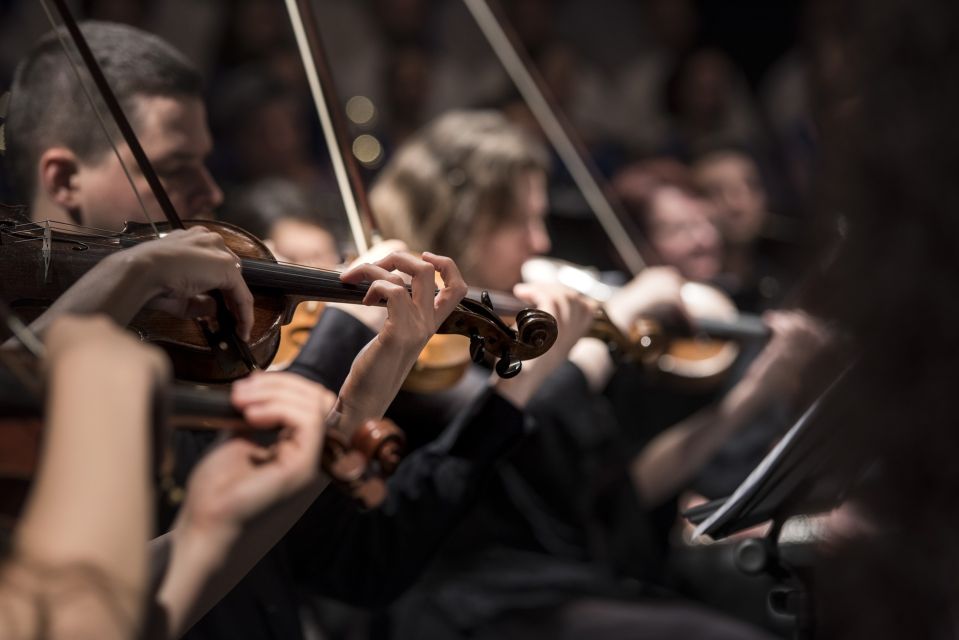
At roughly $70 per person for around 70 minutes, the value depends on what you want out of the ticket.
Here’s where the money makes sense:
- You’re paying for a professional concert setting in a major Budapest landmark.
- The programs are built around famous works (Mozart, Handel, Bach, Vivaldi, Gounod), so the experience doesn’t require deep musical homework to enjoy.
- You have four seating classes, which lets you find a price point that still feels like you’re part of the performance rather than watching from the far edges.
And here’s what to keep in mind:
- Because the sound can be reverb-heavy, your satisfaction will depend on whether you enjoy that kind of church acoustics.
- If you’re expecting a concert that feels like a modern hall with tight sound control, this is a church concert. That’s part of the deal.
In plain terms: it’s a good value when you’re aiming for atmosphere plus high-quality performances, not perfect studio acoustics.
Final Call: Should You Book This Basilica Concert?
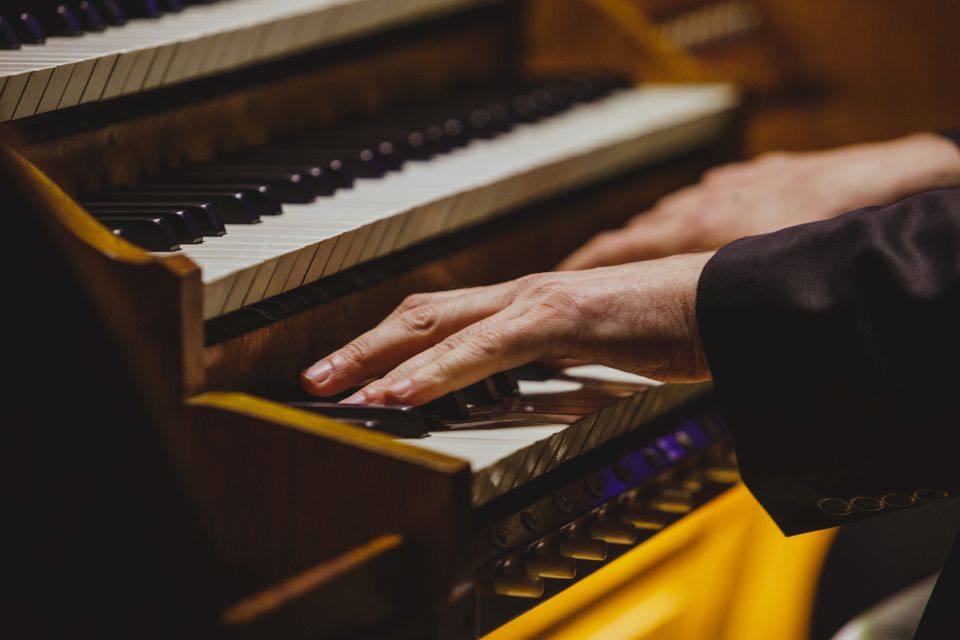
Yes, I’d book it if you want an elegant first taste of Budapest after dark. The location is central, the performance length is ideal, and the program choices let you pick your emotional level—from Mozart’s Requiem seriousness to the lighter pull of Ave Maria airs and organ showpieces.
Book now if:
- you’re excited by the idea of music in St Stephen’s Basilica specifically
- you’re flexible on acoustics and okay with church-like reverb
- you can arrive early to improve your seat position
Hold off or choose carefully if:
- you’re traveling around Dec 30 and St Stephen’s is non-negotiable
- you’re very picky about sound clarity and seating comfort
If you get the date right and show up early, this is one of those Budapest experiences that quietly turns into a highlight you’ll still remember on the flight home.
FAQ
Where is the meeting point for the concert?
The meeting point is St. Stephen’s Basilica, Budapest, Szent István tér 1, 1051 Hungary.
How long is the classical music concert?
The concert runs about 1 hour to 70 minutes.
Is the venue wheelchair accessible?
Yes, it is wheelchair accessible.
What concert programs are offered?
There are 3 concert options, including a Mozart Requiem program, an organ concert program featuring composers like Bach, Handel, and Vivaldi, and an Ave Maria Air Alleluja-style program. Some pieces change on specific dates like Dec 25 and Dec 31.
What’s included in the ticket price?
The ticket includes the concert admission.
Are food and drinks included?
No. Food and drinks are not included.
Does the concert location ever change?
Yes. On Dec 30, the concert is held in Matthias Church instead of St Stephen’s Basilica.