REVIEW · BUDAPEST
Budapest: Sightseeing Cruise on the Danube
Book on GetYourGuide →Operated by Hungaria Koncert Ltd. · Bookable on GetYourGuide
Budapest looks good from land. It looks even better from the water. This Danube sightseeing cruise on the Gróf Széchenyi lets you take in the big-ticket sights from a comfy, atmospheric boat ride, with time to step onto the open balconies when the light is right.
What I like most is the mix of classic landmarks and live music while you glide under six bridges. You also get a little extra curiosity factor: you can visit the engine room below deck, which makes the whole thing feel more than just a pretty view.
One thing to keep in mind: the ride doesn’t include a full-on live guide, and drink service can feel slow when the crowd lines up at the bar—so plan your expectations and pace yourself.
In This Review
- Key cruise highlights worth prioritizing
- Gróf Széchenyi on the Danube: comfortable sights, not a marathon
- Night lights and six bridges: the views you’ll want to chase
- From Akadémia 2 ponton to Gellért Hill: the route in plain English
- Hungarian Parliament Building (starting in Pest)
- Margaret Bridge
- Matthias Church (Matthias Church area on the Buda side)
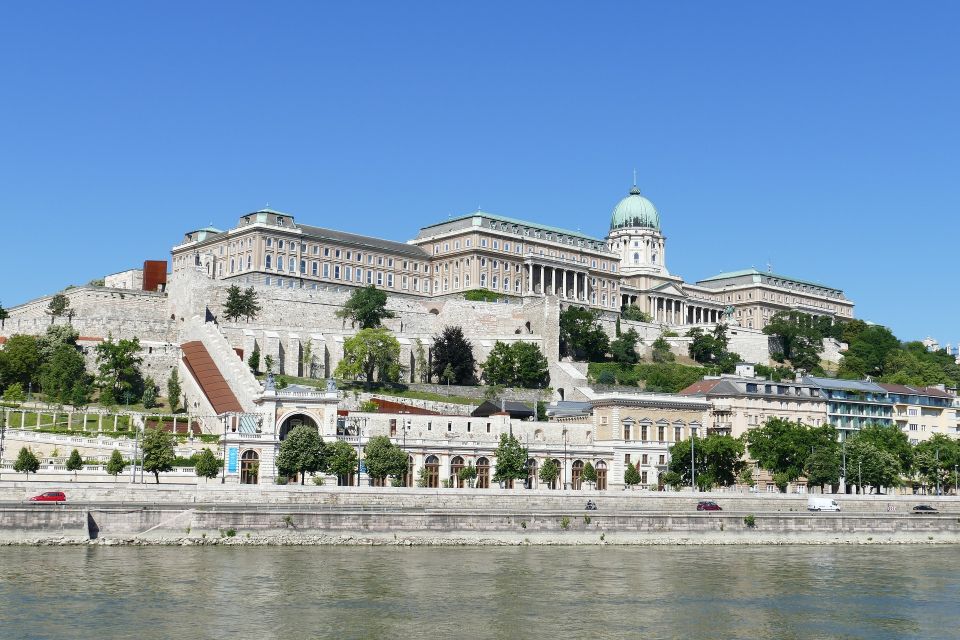
- Buda Castle
- Fisherman’s Bastion
- Citadella
- Gellért Hill
- National Theater, Budapest
- On-board comfort: balconies, engine room, and real music
- Open balconies: your best friend for photos
- Engine room: the surprise stop that adds meaning
- Live music: why it changes the whole mood
- Bar drinks and the real-life service pace
- Price and timing: does $21 feel worth it?
- Who should book this Danube cruise?
- Finding the boat: the one logistical detail you shouldn’t rush
- Should you book the Gróf Széchenyi Danube sightseeing cruise?
- FAQ
- How long is the cruise?
- Where does the cruise depart from?
- What boat name should I look for?
- What sights will the cruise pass during the ride?
- Is live music included?
- Are food and drinks included in the ticket price?
- Is there a guide included?
- Is the on-board bar available throughout the cruise?
Key cruise highlights worth prioritizing
- Open balconies on the top deck for photos without the glass-and-glare problem
- Live music on board, making night lighting and bridge passes feel like an event
- Engine room visit (downstairs) for a behind-the-scenes look at how it works
- Sights from both banks, from Parliament to Buda Castle to Gellért Hill
- On-board bar for a drink option, plus non-alcoholic choices
- Night cruises line up fast, so arriving early helps you get seats you’ll actually enjoy
Gróf Széchenyi on the Danube: comfortable sights, not a marathon
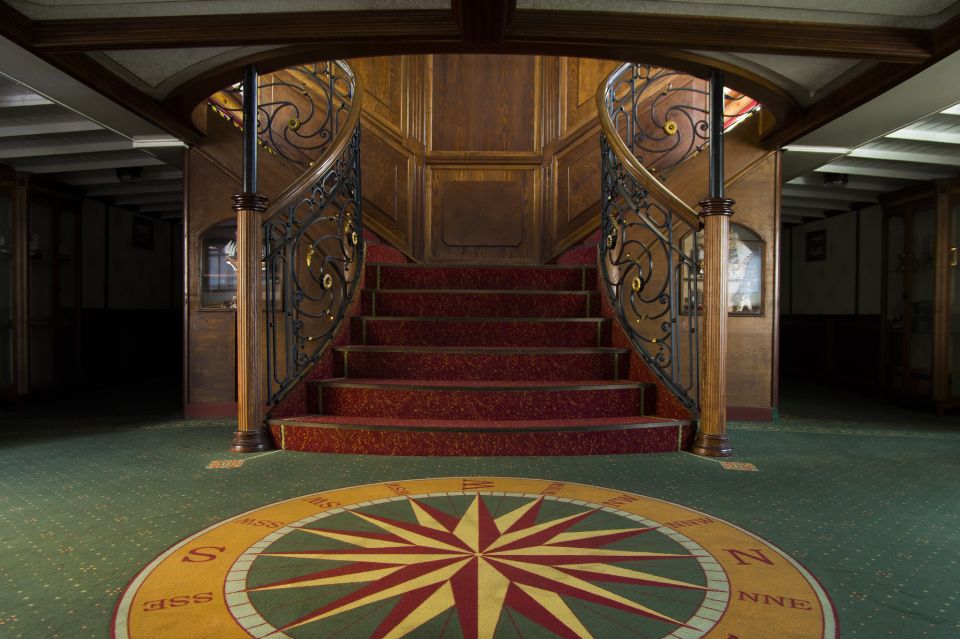
This cruise is built around the sweet spot of Budapest sightseeing: you get major landmarks without the walking fatigue, and you move at the pace of the river. The Gróf Széchenyi ship has a wooden interior and designer touches like patterned carpeting, which sounds fancy until you’re actually inside and realize you’re not stuck in a cold, bare-bones transport.
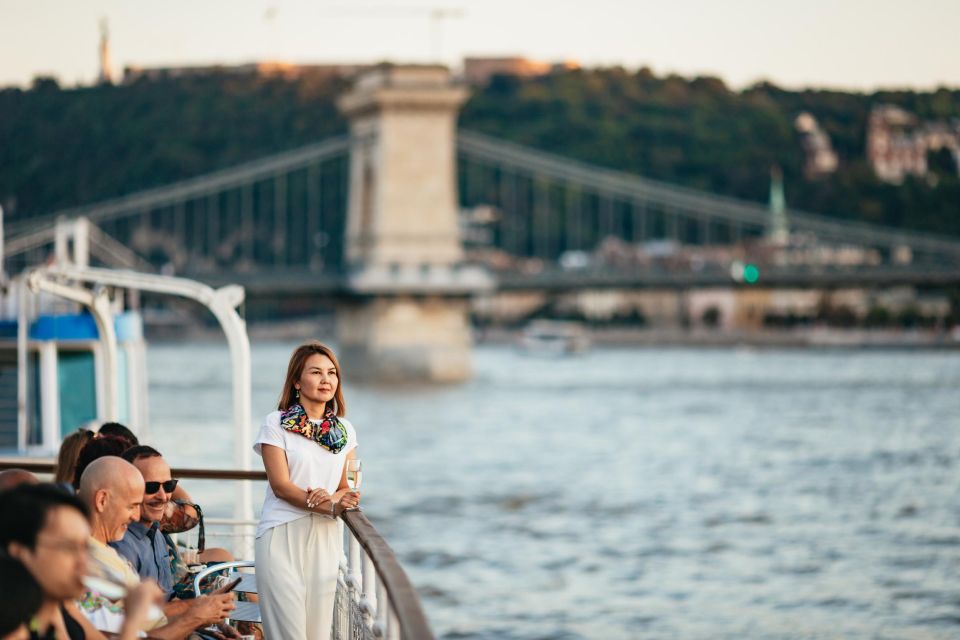
You’re also not locked in one viewing position. When conditions are pleasant, head up to the open balconies/top deck. When the air turns chilly, duck inside for warmth, then head back out again as the light changes. That freedom matters because Budapest’s best moments often come in layers: bright building facades, then bridge silhouettes, then reflections sliding across the water.
And yes, you can add a little curiosity to the experience by exploring the engine room on the lower floor. It turns a standard cruise into something you’ll remember as a little more hands-on and less purely passive.
You can also read our reviews of more boat tours in Budapest
Night lights and six bridges: the views you’ll want to chase
Budapest is often called the Pearl of the Danube, and this cruise is one of the simplest ways to see why. Instead of bouncing between viewpoints, you get a steady stream of recognizable sights as the boat passes the most famous spots.
The route focuses on iconic riverbank architecture and the bridge sequence—six bridges of Budapest—which is where the Danube turns into a real photo editor. Each bridge has its own geometry, and the spacing means the scenery keeps re-framing itself instead of repeating the same angle for the whole ride.
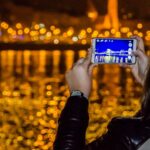
If you choose a nighttime sailing, you’ll be rewarded with buildings and bridges turning on their lights as you go. That timing is a big deal. The 19:00 departure (and the general evening vibe) lines up well with the moment many of the city’s lights appear, so the cruise can feel like it’s moving through a light show rather than just offering transportation with views.
From Akadémia 2 ponton to Gellért Hill: the route in plain English
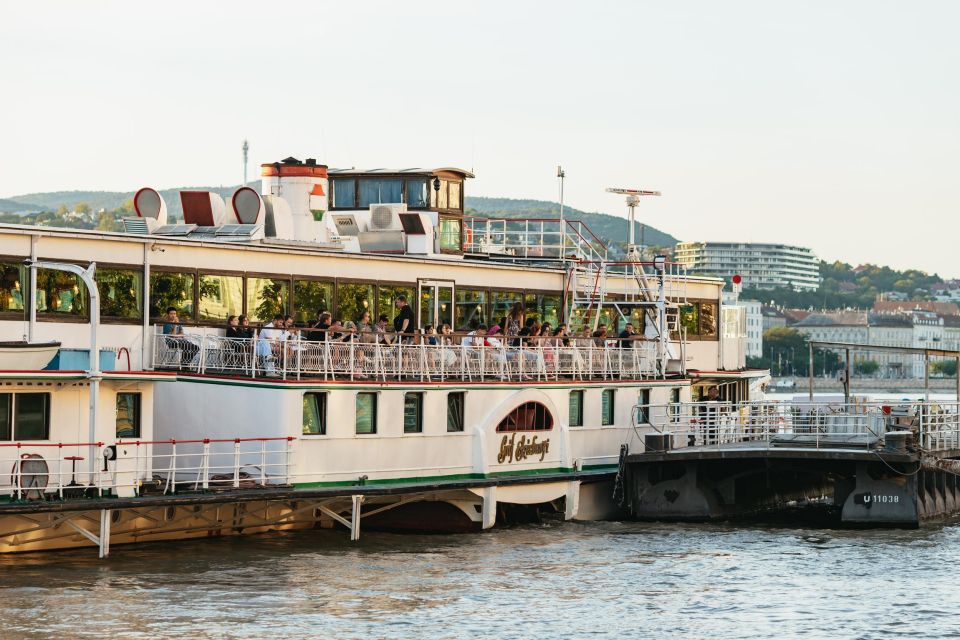
You start at Akadémia 2 ponton and then the cruise moves past the key sights that define Budapest’s “two-city” personality: Pest on the flat side, Buda on the hill side.
Below is what each major stop is really about—what you’ll see, and what to watch for.
Hungarian Parliament Building (starting in Pest)
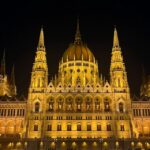
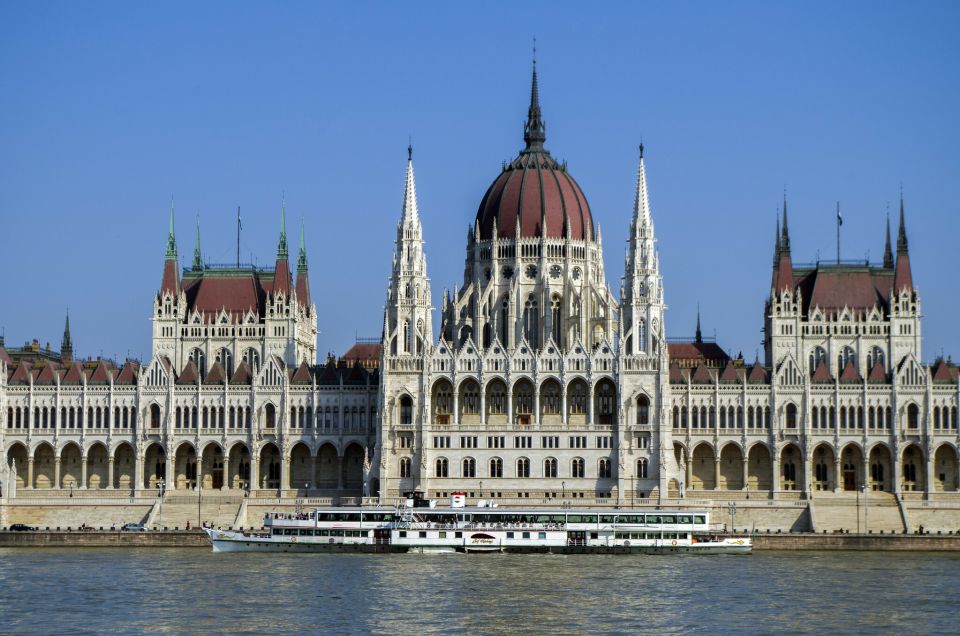
This is the one almost everyone recognizes instantly. On the river, you get the full scale of the building without fighting for position on a crowded sidewalk. The best viewing comes from the deck side where you can adjust your angle as the boat glides closer and then continues onward.
Practical note: inside views are fine, but if you want sharp photos, you’ll likely spend more time outside. Budapest at night can be cold, so bring something warm even if the day felt mild.
Margaret Bridge
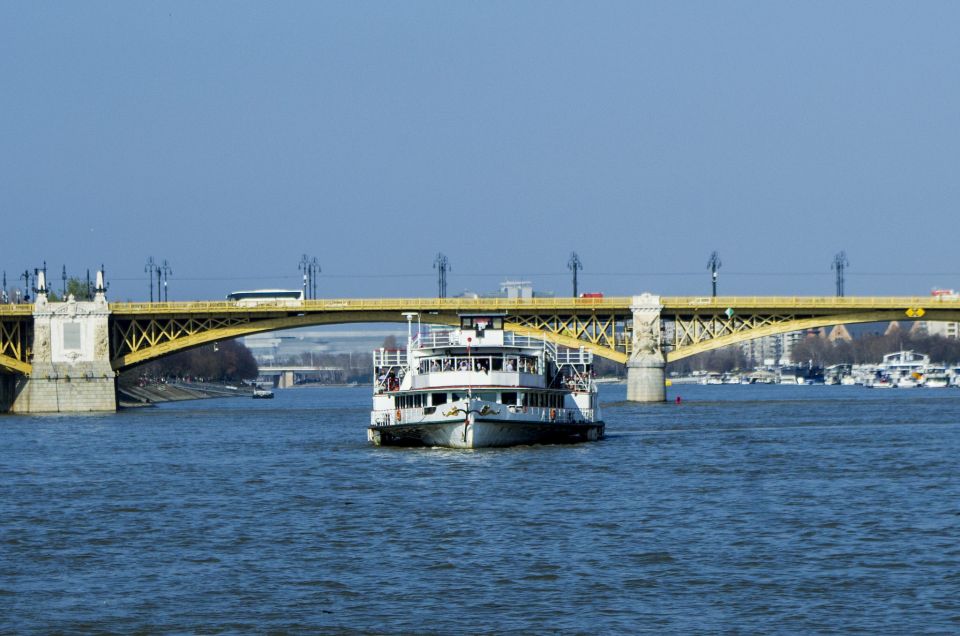
This bridge is a useful “breather” between headline sights. It helps you reorient your bearings because the scenery shifts from major landmark-to-landmark into a more rhythmic flow of bridge structure and river views. It’s also a nice spot to take in the waterline details—reflections, the curve of the river, and how the skyline is framed.

Matthias Church (Matthias Church area on the Buda side)
When the boat turns attention toward Buda, the vibe changes. The hill zone gives you a higher-feeling look at architecture, even from the water. Matthias Church is one of those places that looks especially striking when lit, because the surrounding hillside emphasizes contrast.
If you’re hoping for photos that show the church clearly, position yourself early on deck when the boat approaches, not after you already pass the peak point.
Buda Castle
Buda Castle is a heavyweight on the skyline. From the Danube, you see it as a long, layered complex rather than just a single facade. That matters because it’s how you start to understand why this part of the city feels elevated and dramatic.
What to watch: the way the castle’s mass anchors the view. Other features flash by; the castle tends to feel like the backdrop that everything else rotates around.
Fisherman’s Bastion
Fisherman’s Bastion is the kind of place that can look like a postcard from anywhere. On the river, it becomes part of a larger hill picture. You’ll likely notice how it sits above the river corridor, making it feel perched and intentional.
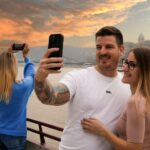
If the weather is clear, your best photos usually come from outside with a stable stance. Wind can be annoying on decks, so hold your phone/camera firmly and choose a spot where you’re not constantly bumping into other people.
Citadella
Citadella (the Citadel) is the crown of this hill section, and it reads especially well from water because you get the height relationship. The structure looks “set apart” rather than blended, which makes it a strong landmark for the last stretch of the cruise.
This is also a good moment to slow down and just watch. The views here aren’t only about buildings—they’re about the sense of geography: river below, hill above, and the city stretched between.
Gellért Hill
Gellért Hill is the connective tissue of the whole Buda-side sequence. You’ll see it as a broader sweep rather than one single stop. The reward is the context: how Gellért and its surroundings relate to what you’ve already seen, and why Budapest’s skyline looks the way it does from this angle.
A tip: if you feel yourself rushing, this is the place to pause. The sightline is wide enough that you can appreciate the big picture.
National Theater, Budapest
As you move back through the final approach sights, the National Theater shows up as a recognizable marker of the Pest side. It’s the kind of landmark that helps you put the whole cruise into a mental map, especially if you plan to continue exploring on foot afterward.
On-board comfort: balconies, engine room, and real music
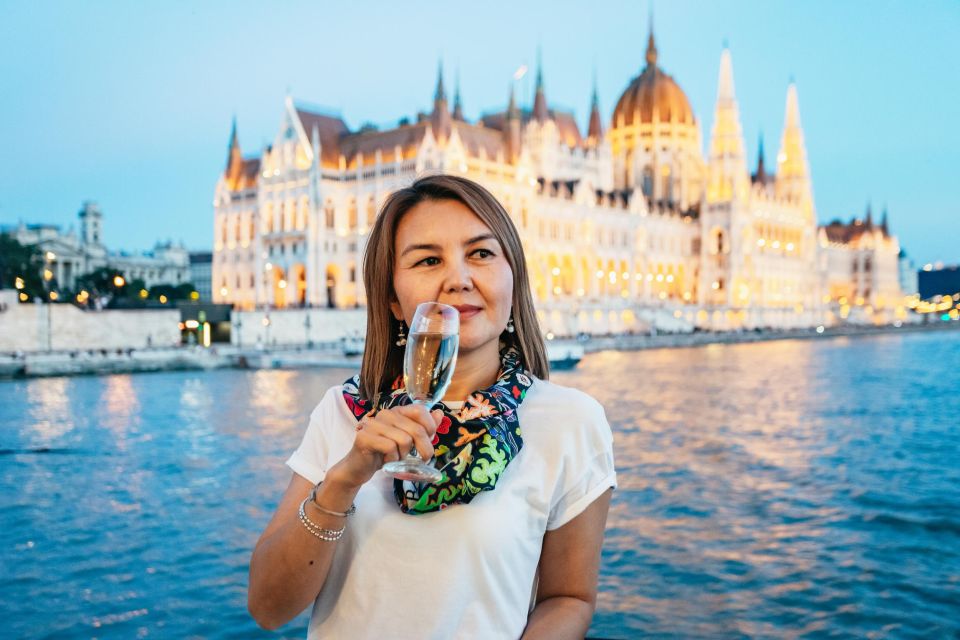
The cruise feels best when you use the ship the way it’s intended. Don’t stay stuck inside the whole time.
Open balconies: your best friend for photos
The ship’s balconies are where the cruise starts to feel special. You can get cleaner shots because you’re not fighting interior reflections and glass glare. Also, being outside gives you the sense of motion—the river air, the bridge rush, and the skyline unfolding in front of you.
For the most enjoyable experience, aim to spend time both outside and inside. The trick is timing: step out when you see something approaching, step in when you want warmth.
Engine room: the surprise stop that adds meaning
Downstairs, the engine room visit makes the experience more tangible. It’s the sort of detail that turns a passive cruise into one with a story. You’ll feel the difference between a scenic boat ride and a working vessel.
Live music: why it changes the whole mood
This cruise includes live music—and it really affects how the night plays out. Instead of the city lighting feeling like a background, it turns into the setting for the performance atmosphere.
One extra detail I’d plan around: music is great, but it also means the bar tends to get busy at predictable times. If you want a drink, don’t wait until you’re already halfway through your favorite viewing moment.
Bar drinks and the real-life service pace
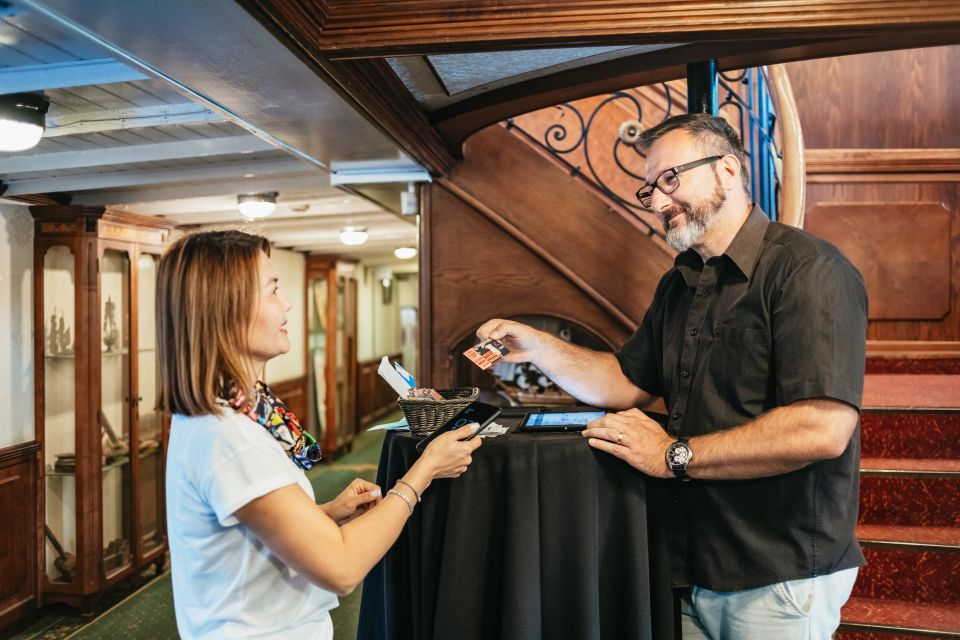
Food and drinks are not included, but the on-board bar is part of the experience. Think of it as a bonus rather than a core promise: you’re paying for the cruise and the sightseeing, and the bar is there to help you enjoy it your way.
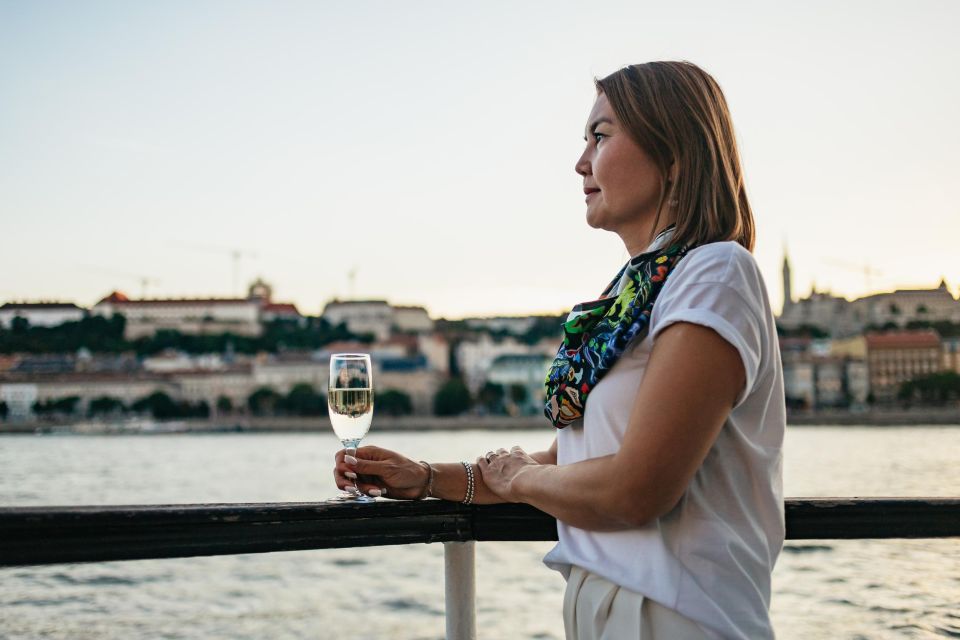
A small planning reality: drink service can move slowly when the deck gets crowded and everyone wants something at once. If you order early, you’ll have more time to enjoy the view instead of standing in line with bridge lights flashing past.
The good news is that non-alcoholic options are available, so you’re not stuck making one compromise or the other.
Price and timing: does $21 feel worth it?
At about $21 per person for this 1.5-hour category of cruise, value comes from two places: duration and what you’re actually seeing. You’re paying for a guided-feeling sightseeing loop without having to stand in a line at each landmark.
Timing is where you can fine-tune value.
- The cruises around 19:00 and 22:00 run 90 minutes. This longer slot is ideal if your priority is evening lights and slower sightseeing pacing.
- The 12:00 option runs 60 minutes. If you want a quick hit and you’ll be sightseeing on land afterward, that shorter window can be a good match.
In other words: pick the departure time based on your mood. If you want “night Budapest,” go later. If you want a fast river break, choose midday.
Who should book this Danube cruise?
This one fits best when you want maximum iconic sights with minimal effort.
You’ll enjoy it most if:
- You’re seeing Budapest for the first time and want an efficient orientation to the main sights.
- You like photo-friendly viewing from the water, especially with open deck access.
- You value atmosphere as much as sightseeing, and you’d like a soundtrack via the live music.
- You enjoy comfortable boat travel more than bus or walking marathons.
It may be less perfect if:
- You expect a detailed live narration with a guide pointing everything out turn-by-turn. The cruise includes live music, but the “guided” component is limited.
- You hate waiting in lines for drinks. If you’re bar-centric, plan to order early rather than right at peak crowd moments.
Finding the boat: the one logistical detail you shouldn’t rush
Meeting at Akadémia 2 ponton is central and convenient, but the dock area can be easy to misread if your app drops you at a slightly wrong marker. Your safest strategy is simple: arrive early and look for the boat called Gróf Széchenyi.
If you’re unsure, ask on-site staff or nearby information points for help locating the specific vessel name. Give yourself a few extra minutes compared to your usual routine, especially if you’re traveling during peak evening hours.
Should you book the Gróf Széchenyi Danube sightseeing cruise?
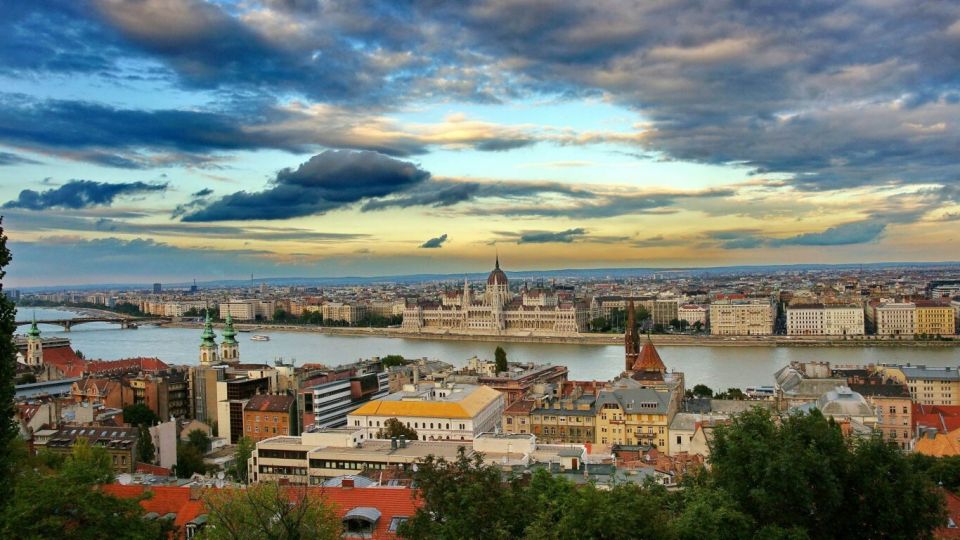
Yes—if your goal is to see Budapest’s most famous river sights in a comfortable, good-vibes time window. The value is strong for the price, and the combination of night views, open balcony time, and live music makes it feel like more than a checklist river ride.
I’d especially recommend it for first-timers, couples, and groups who want a relaxed plan with a clear payoff: Parliament, bridges, Buda Castle, Fisherman’s Bastion, and the Gellért/Citadella skyline sequence, all from the water.
Skip it (or go in with tempered expectations) if you need deep, live, turn-by-turn explanations or if you’re counting on quick bar service every time you want a drink.
FAQ
How long is the cruise?
It depends on the departure time. Cruises at 19:00 and 22:00 last 90 minutes, while the cruise at 12:00 lasts 60 minutes.
Where does the cruise depart from?
The starting location is Akadémia 2 ponton.
What boat name should I look for?
Look for a boat called Gróf Széchenyi.
What sights will the cruise pass during the ride?
You’ll see major landmarks including the Hungarian Parliament Building, Margaret Bridge, Matthias Church, Buda Castle, Fisherman’s Bastion, Citadella, Gellért Hill, and the National Theater area, along with passage beneath six bridges.
Is live music included?
Yes. Live music is included as part of the cruise.
Are food and drinks included in the ticket price?
No. Food and drinks are not included, though there is an on-board bar where you can purchase drinks.
Is there a guide included?
No guide is included.
Is the on-board bar available throughout the cruise?
You can purchase drinks at the boat’s on-board bar during the cruise.