REVIEW · BUDAPEST
Budapest: Buda Castle Walking Tour & Folk Music Performance
Book on GetYourGuide →Operated by Maggino - Magic in Hungary · Bookable on GetYourGuide
A castle hill show-up always beats a checklist. This Buda Castle District walking tour mixes monuments, sharp city views, and a closing Hungarian folk music performance. I especially love how the guide ties the stops to people and moments, not just stones. The main consideration: it’s an exterior walk with no monument entry tickets included, so you’ll want to decide ahead of time what you’ll pay to go inside.
You’ll also like the pace and the payoff. In about 2 to 2.5 hours, you hit the big names like Matthias Church, Fisherman’s Bastion, and the Royal Buda Palace area, then end with singing and traditional dance steps. One practical note: bring comfortable shoes and dress for weather, because the tour runs in all conditions.
Key Points to Know Before You Go
- UNESCO Buda Castle District focus with exterior-only monument viewing
- Matthias Church + Fisherman’s Bastion as your early anchors for orientation and photos
- Architecture variety on Tárnok Street, with building parts spanning centuries
- Panoramic Pest-side views plus mention of the second funicular built in Europe
- Royal Buda Palace stories around King Matthias and Renaissance culture
- A real cultural closer: Hungarian folk songs and dance performed by your guide
In This Review
- What You Actually Do on This Buda Castle Walking Tour
- Starting at Holy Trinity Square: Getting Your Bearings Fast
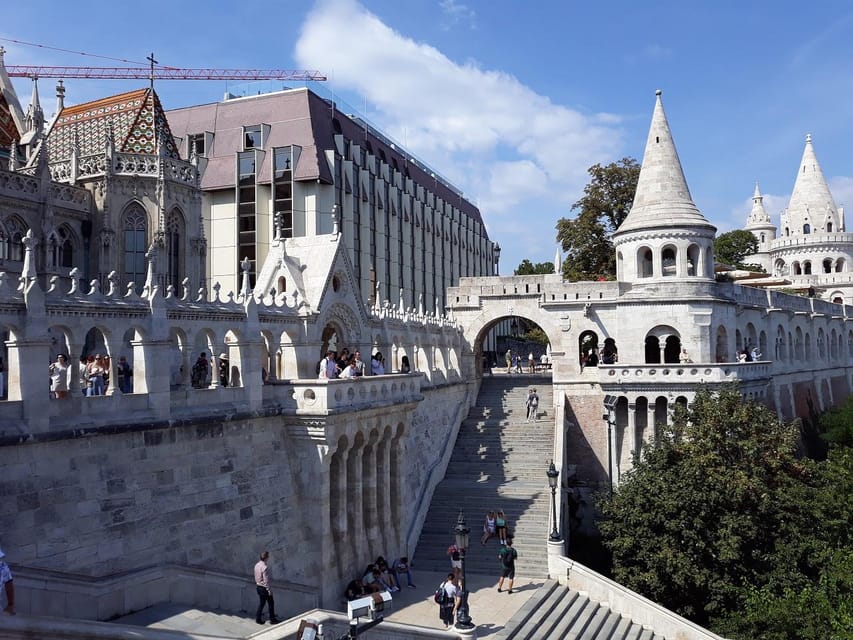
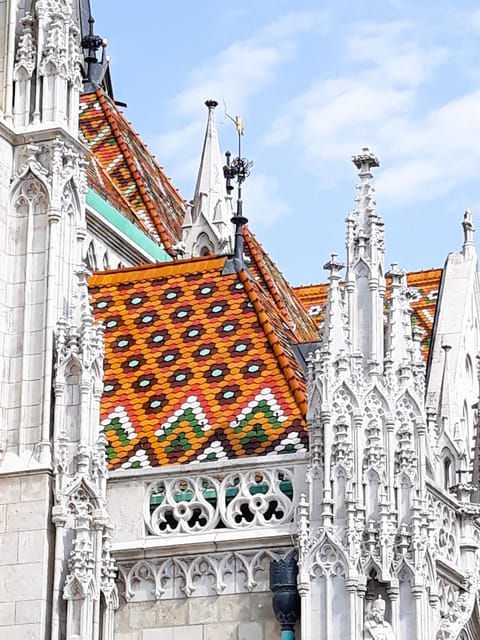
- Matthias Church and Fisherman’s Bastion: The Two Stops That Set the Scene
- Tárnok Street: Where Hungary’s Architecture Tells Time
- Buda Castle Grounds and Royal Seat Stories: King Matthias Brings It to Life
- Pest-Side Panoramas at Tóth Árpád Sétány: Views That Explain the City
- The Closing Folk Music Performance: More Than a Song Break
- Timing, Walking Style, and Comfort: How to Set Yourself Up
- Price and Value: What $58 Buys in Real Terms
- Who This Tour Fits Best (and Who Might Want Something Else)
- Should You Book This Buda Castle District Tour?
- FAQ
- What’s the duration of the Budapest Buda Castle Walking Tour?
- How much does the tour cost?
- Where do I meet the guide?
- Is the tour in English?
- Are monument entry tickets included?
- What are the main sights on the route?
- What’s included besides the walking tour?
What You Actually Do on This Buda Castle Walking Tour
This is a focused, guide-led walk through Budapest’s Castle Hill core, built around three ingredients: landmarks you’ll recognize, historical stories you can carry, and a final folk music set that changes the mood at the exact moment your legs start to wonder what’s next.
Because the visit is exterior, you’re not spending your time in ticket lines or late starts. Instead, you get to build a mental map of how the district works—where the sightlines land, how the city drops away toward Pest, and why this hill became the royal center in the first place. That matters in Budapest, where one hill view can make the whole city click.
The folk music and dance part is also not treated like a random add-on. It’s the emotional punctuation at the end of the walk, and it gives you a different way to remember what you saw—through sound, rhythm, and regional song style rather than only dates and dynasties.
If you’re the type who enjoys walking tours most when they feel like a conversation—asking questions, getting story context, and learning how locals think about the place—this format fits well.
Starting at Holy Trinity Square: Getting Your Bearings Fast
You meet in front of the Holy Trinity Statue (Szentháromság-szobor) at Holy Trinity Square (Szentháromság tér). It’s a smart starting point because it puts you close to Castle Hill without forcing you to start mid-scramble.
From the beginning, your guide sets the tone. You’re not just told where to go; you’re given a framework for what you’re about to see: Castle Hill as a centuries-long home for different kinds of power and everyday life. That helps as the walk gets more detailed—especially when you begin hearing stories about Hungary’s most beloved king and how Renaissance culture shaped this part of the city.
Practical tip: arrive a few minutes early, then take a moment to look around before you move. Castle Hill is all angles and viewpoints, and those first seconds help you orient yourself for the panoramic sections later.
You can also read our reviews of more walking tours in Budapest



Matthias Church and Fisherman’s Bastion: The Two Stops That Set the Scene
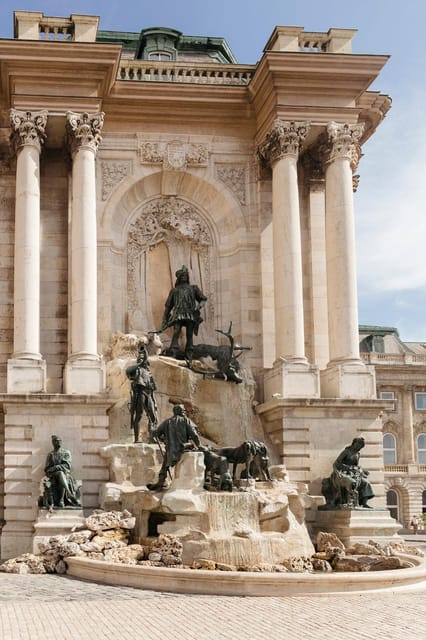
The first major landmark on the route is Matthias Church, followed quickly by Fisherman’s Bastion. The timing on this tour is tight—about 20 minutes for the Matthias Church walk and 15 minutes for Fisherman’s Bastion—but the point is to use them as your orientation anchors.
Here’s why I like this pairing:
- Matthias Church gives you the historical and architectural gravity of the district right away.
- Fisherman’s Bastion gives you the immediate reward: a classic Castle Hill viewpoint where you can start understanding the city’s scale, especially toward Pest.
You’ll get stories that help you connect the monuments to people. The guide’s narrative attention isn’t only about what to photograph; it’s about why these locations mattered. That is what turns a photo stop into a memory.
Drawback to keep in mind: you’re mostly viewing from the outside. So if your top goal is interior details inside either building, you’ll need to plan separate entry tickets on your own.
Tárnok Street: Where Hungary’s Architecture Tells Time
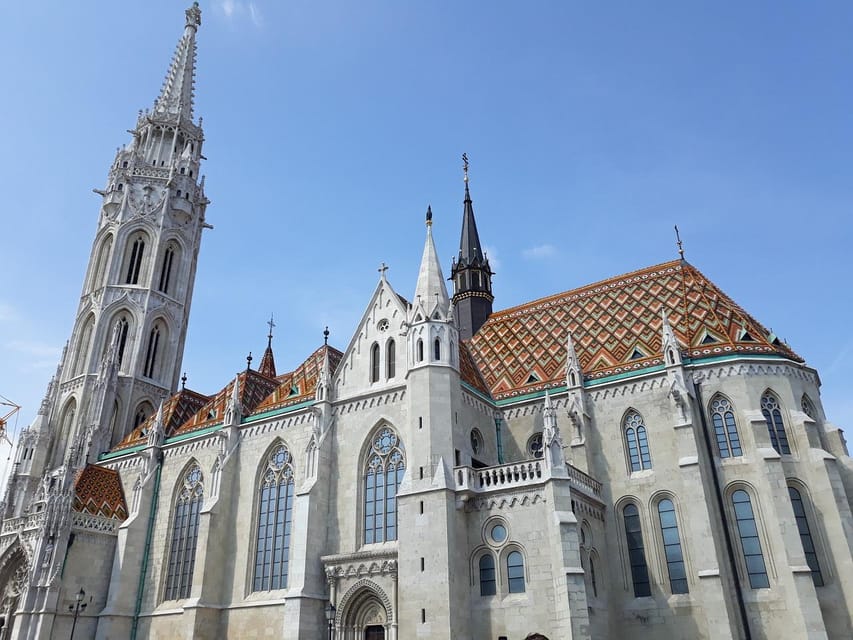
Next comes Tárnok Street, with about 20 minutes of walking through the area. This is one of the most interesting segments because it’s not just a “look at the pretty street” stop.
Your guide highlights a street with a mix of architectural styles, representing Hungary’s built history through the end of the 19th century. You’ll also hear about building parts that are nearly five hundred years old, which changes how you see the street: instead of treating the facades like scenery, you understand them as layers.
This is also a breather moment in the tour. After the big monument visuals, Tárnok Street helps your brain recalibrate: you notice materials, transitions, and changes in style. Even if you’re not an architecture buff, the guide’s framing helps you see patterns fast.
One consideration: if it’s busy, you may need to accept some crowd flow. This is the kind of area where people naturally stop for photos, so the experience can feel a little more “in motion” than your quietest daydream.
Buda Castle Grounds and Royal Seat Stories: King Matthias Brings It to Life
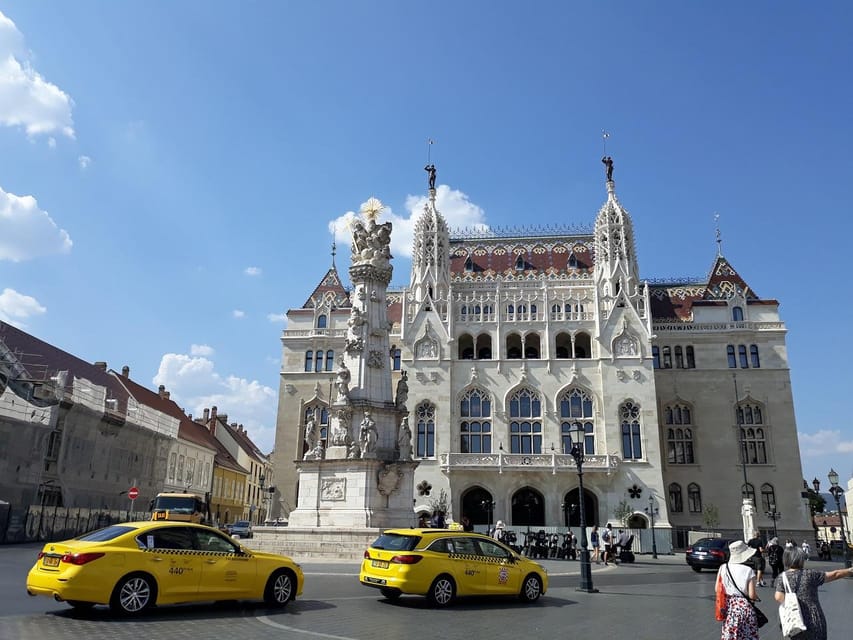
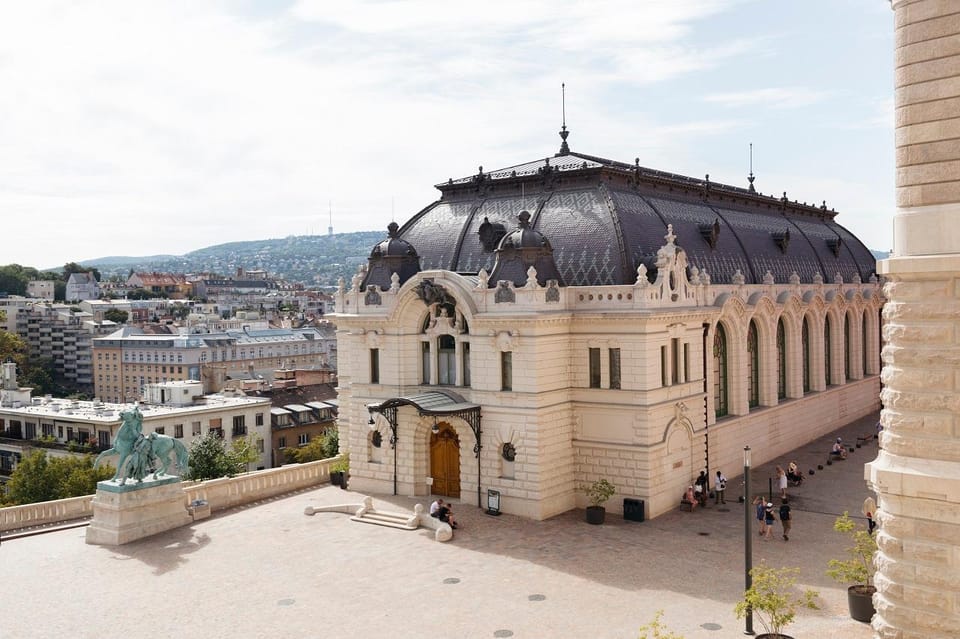
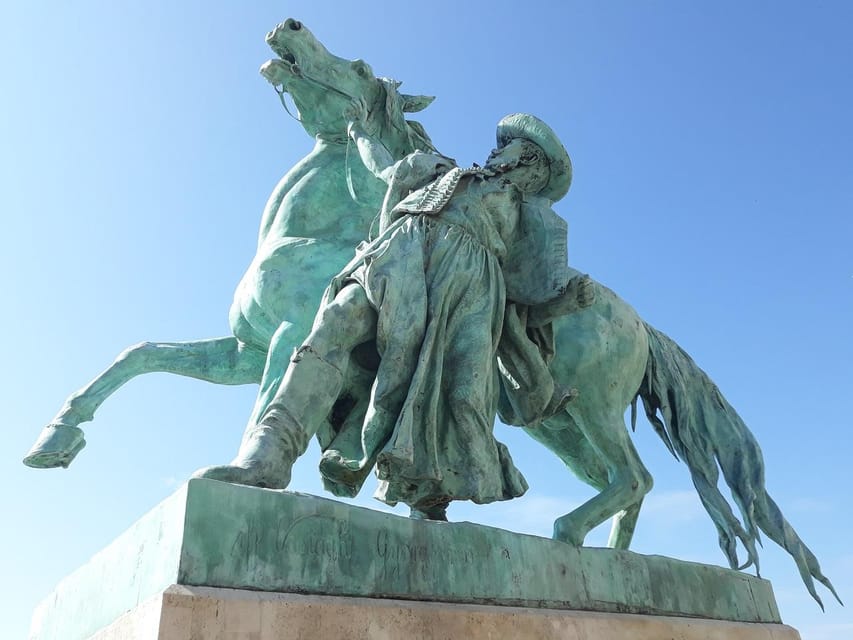
You then move to the Royal Buda Palace—often called Buda Castle—with about 50 minutes here. This is the big “center of gravity” stop, and it makes sense why: it was served as the royal seat of Hungarian rulers through the centuries.
What makes this section valuable is the way the guide connects the palace to King Matthias and Renaissance culture in Europe. You’ll hear that Matthias made Buda Palace one of the centers for Renaissance culture, plus a vivid detail about granite fountains bubbled with wine. That kind of story detail is more than trivia; it helps you imagine daily life and the energy of power living in stone.
You’ll also see mentions of governmental buildings during the walk. Even when you’re only viewing exteriors, that political context helps you understand why Castle Hill is dense with authority, not just art.
And yes, there’s also a human, everyday-life thread: you’ll visit a spot tied to Budapest’s oldest confectioner, known for pastries that were loved by Queen Elisabeth, Sisi, Empress of Austria and Queen of Hungary. It’s a clever contrast to the royal palace theme—proof that this hill is not only about ceremonies, but also about taste and tradition.
This segment is likely the most satisfying if you like history that feels concrete. It’s also the hardest section for your feet, since it’s a longer stretch and the ground is your basic walking-tour reality.
Pest-Side Panoramas at Tóth Árpád Sétány: Views That Explain the City
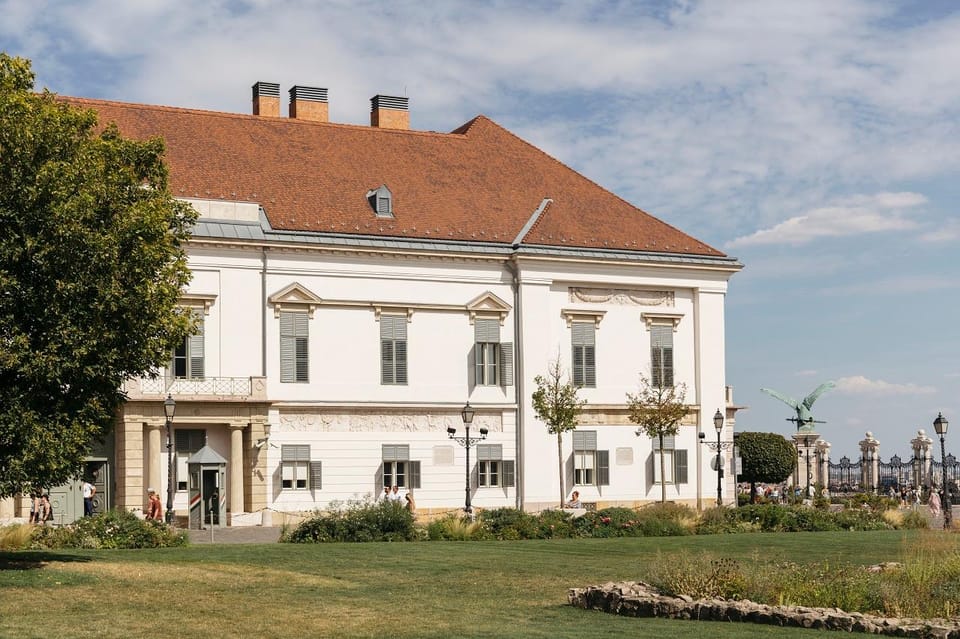
After Buda Castle grounds, you’ll walk to Tóth Árpád sétány for about 15 minutes of scenic viewing and final viewpoints before heading back toward the meeting area.
This part is about the “aha” of Budapest geography. You’ll get breathtaking views on the Pest side of the city and the guide also points out the second funicular built in Europe. Even if you’ve already heard funicular facts before, hearing it tied directly to the view makes it stick.
Why this stop matters for real travelers: it helps you stop thinking of Budapest as two separate halves. From here, you can see how the city’s layout explains why this district mattered so much. You’re not just taking photos—you’re placing the landmarks in a larger story of rivers, slopes, and movement between hills and streets below.
If the weather is clear, this becomes your most memorable visual moment. If it’s gray or windy, you still get value, but the mood changes. Either way, it’s short enough that you won’t feel like you’re standing around for a long time waiting for conditions to improve.






The Closing Folk Music Performance: More Than a Song Break
The tour ends with a folk music experience performed by your guide. You’ll hear Hungarian folk songs through singing, and you’ll also learn a bit about traditional dance steps, not just watch them.
What I like about this kind of add-on is that it turns your knowledge into something physical. You’ve spent the walk learning about a place and its characters. Then the music and dance give you a second “channel” to remember it—rhythm and movement instead of only facts.
In the experiences shared by people who booked this tour, the folk portion repeatedly gets praised for being explained well and delivered with real passion. The guide’s performance isn’t presented like a stage show timed to your ending; it’s more like a personal introduction to Hungarian culture at street level.
If you’re someone who enjoys art forms that connect to local identity—song traditions, dance styles, and regional variation—this closing segment is a big reason the tour feels special. If you hate being asked to watch dance closely, you can keep your distance, but you’ll still get the atmosphere.
Also, since the tour is in English and the performance is part of the same guide-led experience, it tends to land best when you’re comfortable staying engaged at the end, not when you plan to rush away immediately after your last photo.
Timing, Walking Style, and Comfort: How to Set Yourself Up
The total duration is 2 to 2.5 hours, and the route uses short walking segments between stops:
- Matthias Church segment around 20 minutes
- Fisherman’s Bastion around 15 minutes
- Tárnok Street around 20 minutes
- Buda Castle grounds about 50 minutes
- Tóth Árpád sétány around 15 minutes
Then you return to the meeting point.
That structure is helpful because it matches how most people actually experience Castle Hill: you can handle 15–20 minute blocks, but the one longer stretch at Buda Castle will be the “workout” portion. Comfortable shoes are not optional here.
Another comfort factor is the tour style: it’s a guided exterior experience, so there’s a lot of standing for viewpoints and monument context. Plan to bring water, especially in warm weather, since staying hydrated keeps your attention sharp.
And yes, the tour runs in all weather conditions, so pack accordingly. Rain doesn’t cancel the story—it just changes the vibe.
Price and Value: What $58 Buys in Real Terms
At about $58 per person for a 2 to 2.5 hour walk, you’re paying for three things:
1) A licensed Hungarian guide with English-language storytelling
2) Exterior access to major Castle District highlights
3) A live folk music and dance performance at the end
The value equation looks good when you’re trying to do two goals in one: see the monuments and get culture beyond the monument plaques. If you only want photos of Matthias Church and Fisherman’s Bastion, you could probably DIY a similar loop. But DIY doesn’t give you the connecting stories (King Matthias, Renaissance cultural framing, and the Sisi pastry detail) and it doesn’t give you the folk singing and dance steps.
The only major value warning is this: entry tickets to monuments are not included. So if your dream day includes going inside specific churches or palace areas, you’ll need to budget extra. If your dream day is exterior views plus guiding context, you’re set.
Who This Tour Fits Best (and Who Might Want Something Else)
This tour is a great match for you if:
- you want a guided Castle Hill storyline, not just a list of sights
- you like history told through characters and everyday connections
- you want a closing cultural experience with Hungarian folk music and dance
- you’d rather spend your time learning and looking than hunting for details on your own
It might be a weaker fit if:
- you’re mainly focused on interior ticketed experiences (since this tour is exterior)
- you strongly prefer self-paced touring where you don’t stop often for viewpoints and narration
- you have very limited walking tolerance, since it’s a continuous walking route with viewpoints
Group sizes are described as private or small groups, which usually helps the guide keep your experience personal—especially during the story-heavy parts.
Should You Book This Buda Castle District Tour?
Yes—if you want more than monument photo time. This experience is built for travelers who enjoy a clear route, good explanations, and a memorable ending. The mix of Matthias Church, Fisherman’s Bastion, Royal Buda Palace context, and the folk music performance gives you a full, satisfying half-day without needing separate cultural evenings.
I’d especially recommend it as one of your first Castle Hill activities. It helps you understand how the district is laid out and why the city’s sides matter. And if your guide includes the kind of personal cultural storytelling and singing reported by past participants, you’ll likely leave with Budapest feeling more human than just historic.
If you already know you want a lot of interior sightseeing, then pair this with ticketed plans for the specific places you care about most. Otherwise, this tour is a strong, efficient way to make Castle Hill click.
FAQ
What’s the duration of the Budapest Buda Castle Walking Tour?
The tour lasts about 2 to 2.5 hours.
How much does the tour cost?
The price is $58 per person.
Where do I meet the guide?
Meet in front of the Holy Trinity Statue (Szentháromság-szobor) at Holy Trinity Square (Szentháromság tér). The guide holds a board with the Maggino logo.
Is the tour in English?
Yes, the tour is conducted in English.
Are monument entry tickets included?
No. Entry tickets are not included, and the tour is listed as exterior visits of monuments.
What are the main sights on the route?
You’ll see Matthias Church, Fisherman’s Bastion, the Royal Buda Palace (Buda Castle), plus viewpoints over the Pest side of the city. You also walk through Tárnok Street and Tóth Árpád sétány.
What’s included besides the walking tour?
Your guide provides a unique Hungarian folk music performance with singing, and you’ll also see traditional Hungarian folk dance steps.
If you want, tell me your travel month and whether you prefer fewer stops or more time at viewpoints, and I’ll suggest how to pair this with other Castle Hill plans.