REVIEW · BUDAPEST
Budapest Bike Tour
Book on Viator →Operated by Absolute Tours · Bookable on Viator
Budapest on two wheels beats walking for sheer coverage. You get a licensed English guide, bike hire, and a route that hits big sights fast without feeling like a bus tour. I like that the group stays small (up to 20) and that you stop often enough to take photos and ask questions. The only real catch is you must be comfortable biking continuously in city traffic and weather.
Two things I’d gladly do again: the mix of grand architecture and classic Danube viewpoints, and the way guides make the stops more than a checklist. I also appreciate the option for an included refreshment stop on the 4-hour tour, so you get a proper break instead of just rolling on. If you are not a confident bike rider or you want zero exertion, you may feel the hill sections on the Buda side and should consider an e-bike upgrade.
In This Review
- Key things to know before you ride
- Meeting Yellow Zebra and getting your bike rolling
- A quick reality check on the ride
- Starting at the Great Synagogue shadow and moving into Pest
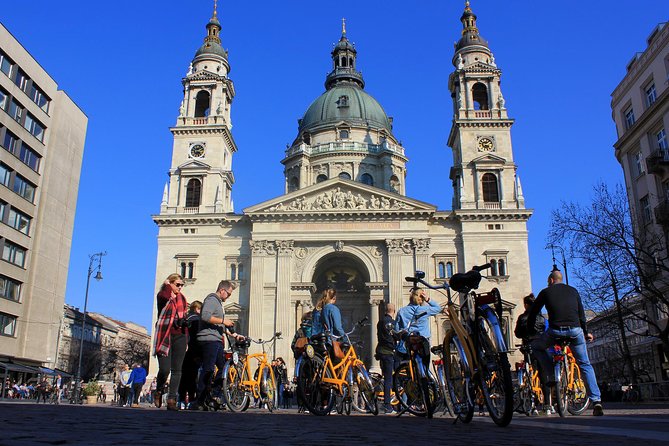
- St. Stephen’s Basilica: your first major church stop
- Szabadság tér: Soviet memorials and Art Nouveau texture
- Hungarian Parliament Building: the famous neo-Gothic moment
- Danube River viewpoints: the short ride that changes the whole trip
- The bridges: Széchenyi Lánchíd and Margit Bridge photo breaks
- Clark Ádám Square: Buda-side landmarks and the Zero Kilometer stone
- Day tour versus evening tour: which timing fits your style?
- The 4-hour option and why the snack stop matters
- How hard is it really: hills, traffic, and e-bike choices
- Your guide makes (or breaks) the experience
- What you see in under four hours (without rushing)
- Practical advice: what to wear, bring, and plan
- Value check: is $47.18 worth it in Budapest?
- Who should book this bike tour, and who should skip it
- Should you book this Budapest bike tour?
- FAQ
- How long is the Budapest Bike Tour?
- What is included in the price?
- Are entrance fees included for sights like the Basilica and Parliament?
- Where does the tour start?
- What should I wear or bring?
- Can I cancel and get a refund?
Key things to know before you ride
- Small group pace: Maximum of 20 cyclists keeps the ride manageable.
- Bike setup included: Bike hire and an optional safety helmet are part of the tour time.
- Major-sight coverage: You tick off landmarks across Pest and the river views toward Buda.
- Photo-friendly stops: Short timed breaks make it easier to aim for good angles.
- Food on the longer tour: The 4-hour version includes coffee or a beverage plus dessert.
- Great-guide factor: Many guides are praised for being attentive, funny, and easy to follow.
Meeting Yellow Zebra and getting your bike rolling
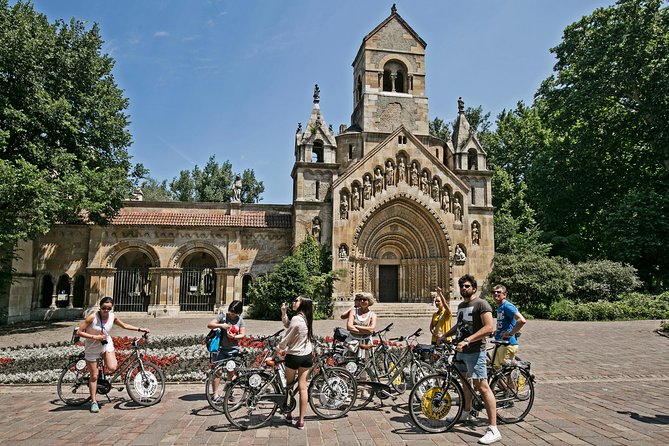
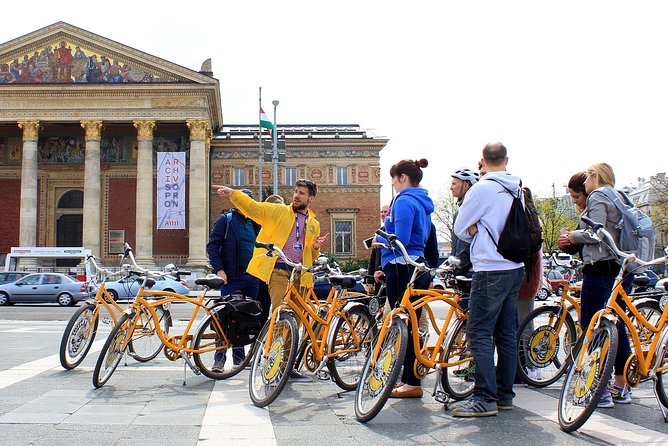
Your tour starts back at Yellow Zebra – Bike & Segway Tours in central Budapest (Régi posta utca 2). You will meet your guide, pick up your bike, and do a quick safety and route briefing before heading into the city. The meeting point is close to public transportation, which matters if you are pairing this with other sightseeing later.
If you booked the day tour versus the evening option, the exact departure point can vary. That is normal here. It also helps because Budapest’s traffic patterns and daylight give different rhythm to the ride, and your guide will try to match the route to the conditions.
Bikes are provided for your tour time, and you can add an optional helmet. I always treat helmets as a must in busy cities, especially when you are weaving through crowds of pedestrians. The bike itself is usually simple and tour-friendly, and most riders find they do not need an e-bike just to finish the tour—though it can make the hilly parts more comfortable.
You can also read our reviews of more cycling tours in Budapest
A quick reality check on the ride
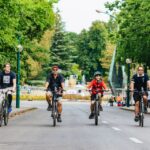
This is not a leisurely cruise where you stop every 10 minutes. You are riding continuously for stretches, then breaking briefly at key points. You must know how to ride a bike, and you should be fit enough to keep going.
Also, the tour runs in all weather. That is good news if you like to keep your schedule, but it means you should dress for wind and rain. In one memorable rain experience, the team even had gloves and rain gear on hand, which helped the mood stay upbeat.
Starting at the Great Synagogue shadow and moving into Pest
The first big “wow” starts near the Great Synagogue area. Even before you hit the main landmarks, the route sets a tone. The ride through the inner parts of Pest means you get city energy right away: streets, shops, foot traffic, and a steady flow of cyclists.
From there, you roll toward the main square of central Pest downtown. This is where you will feel the best purpose of a guided bike tour. Budapest’s center is wide enough that you could walk and still not see it all in a day, but biking lets you move with the city instead of constantly fighting distance.
The guide’s job here is also practical: pointing out what matters, where to stand for photos, and what you can safely ignore until later. Many guides are praised for being easy to follow and responsive to the group’s needs. Names that come up in strong reviews include Becca, Sam, Max, Phillip, and Arash, and a common theme is that they stay attentive to questions without turning it into a lecture.
St. Stephen’s Basilica: your first major church stop
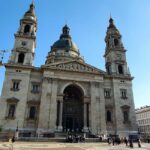
Stop 1 is St. Stephen’s Basilica (Szent István Bazilika). You get about 10 minutes here, mostly for orientation and photos on the beautiful square. Admission is not included, so you should plan on seeing the exterior and surrounding area rather than expecting a full interior visit during this stop.
This is a smart early stop because the scale is obvious from a distance. If you want interior time, you will need a separate plan. But even without entry, it works as a landmark anchor: you quickly understand where you are in the city and how the surrounding streets connect to the rest of your ride.
Szabadság tér: Soviet memorials and Art Nouveau texture
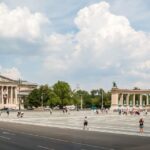
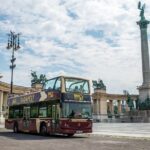
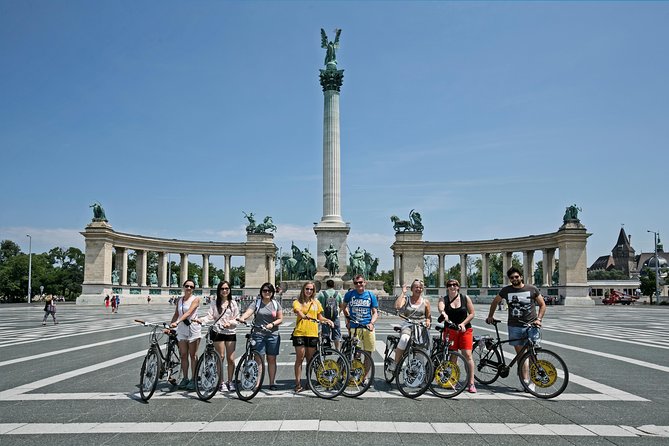
Next is Szabadság tér, around 10 minutes. This square is known for the Memorial of the Soviets and for nearby Art Nouveau buildings. It is a quick stop, but it is a useful contrast after the grand church setting.
One reason this kind of stop matters is context. Budapest’s history layers are visible in the architecture and monuments, not just in museum captions. Your guide can help you read the scene, and you can then decide what you want to research later when you are back on your own.
If you are the type who likes a lot of visual variety per hour, this stop delivers. It is also a convenient place to regroup your legs for the next segment.





Hungarian Parliament Building: the famous neo-Gothic moment
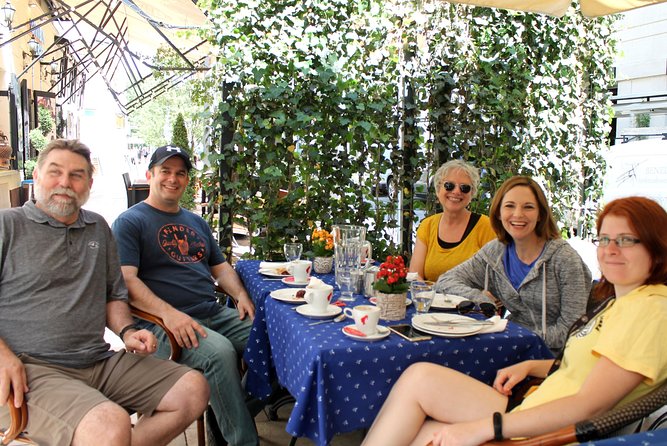
Stop 3 is the Hungarian Parliament Building, with about 10 minutes on site. Admission is not included, so again, you are looking at the exterior and getting your bearings for photos.
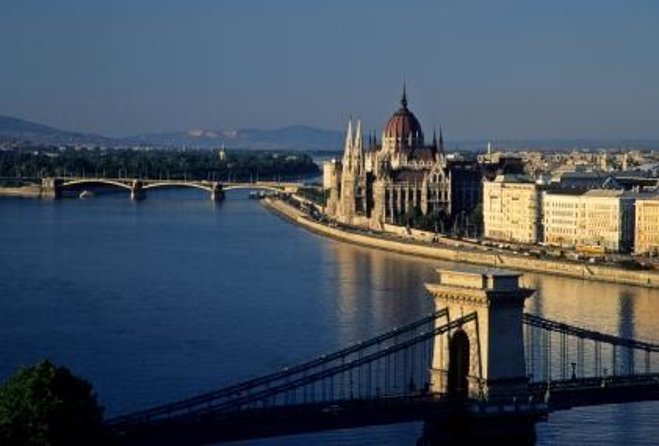
Even if you have seen photos online, being on the ground makes it real fast. The Parliament’s neo-Gothic shape is impossible to ignore, and the river-and-bridge system around it helps you understand why this area is such a major centerpiece.
Your guide will also share the current political setup basics while you are there, which is helpful if you want more than just “what building is this?” It also makes the stop feel less random and more connected to modern Hungary, not only old-world grandeur.
Danube River viewpoints: the short ride that changes the whole trip
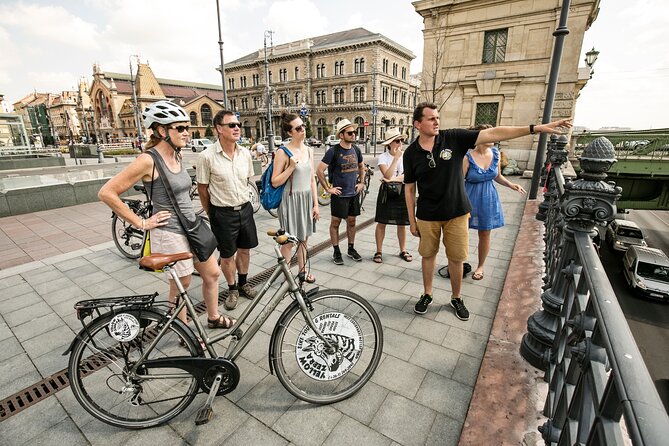
After Parliament, the tour moves toward a Danube River viewpoint. This part is brief (about 5 minutes), but it hits hard. You get a classic view direction—over toward Buda Castle and across the bridges—so even a short stop feels worthwhile.
This is the value of biking here. If you tried to walk from one landmark to the next, you would waste time on distance. By bike, you can turn those seconds and minutes into a real change of scenery, not just movement between stops.
The bridges: Széchenyi Lánchíd and Margit Bridge photo breaks
You will also pass the Széchenyi Lánchíd (Széchenyi Chain Bridge), the oldest bridge in Hungary, with around a 5-minute stop. You get a unique view direction toward Buda Castle. This is one of those locations where the bike tour rhythm works perfectly: short enough to keep flow, long enough to stop and get the angle you want.
Then you reach Margaret Bridge (about 3 minutes). It is shorter, but it frames another layer of the city and links to views toward Margaret Island. If you like “best overview” sightseeing, these bridges are the glue that makes your quick tour feel like more than a list.
Clark Ádám Square: Buda-side landmarks and the Zero Kilometer stone
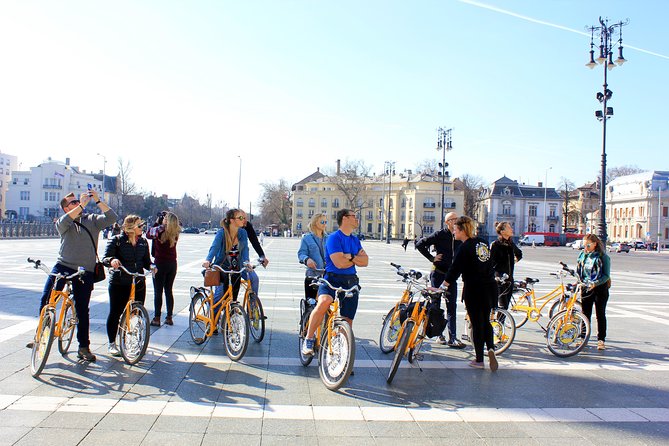
On the Buda side, one of the last stops is Clark Ádám Square (Clark Ádám tér), about 5 minutes. This area puts you near major river crossings and landmark infrastructure—think Chain Bridge, the Tunnel, the Funicular, and the Zero kilometer stone.
This stop feels like a mini geography lesson. You understand where the city’s transit routes funnel you, how the river shapes movement, and why this part of Budapest feels like a hub. It is also a good final “anchoring” point before you cycle back, because it helps you later plan where you want to wander on foot.
Day tour versus evening tour: which timing fits your style?
The tour comes in a day option and an evening option, and the departure point can shift depending on which one you choose. The big practical difference is pacing and mood.
If you are riding during the day, you will get more natural light for photos at places like the Parliament area and the bridges. You also get a stronger match for the “first day in Budapest” strategy: this tour helps you get your bearings fast, then you can come back on your own in the afternoon or next morning for museum time and longer meals.
If you pick an evening option, you usually trade a bit of daylight clarity for the feel of the city at night. You still get guided commentary and the same core landmark sweep, but your photos may lean more toward atmosphere.
The 4-hour option and why the snack stop matters
The tour length generally runs 2 hours 30 minutes to 4 hours. Only the 4-hour tour includes a stop for coffee or a beverage plus dessert. That included break changes the experience. Instead of timing your hunger around your own plans, you get an organized reset.
If you are doing this on an arrival day, that built-in pause can prevent the classic problem: you cover highlights and then realize you are too tired to enjoy a proper meal afterward.
How hard is it really: hills, traffic, and e-bike choices
Budapest biking is mostly manageable, but it is not a flat park ride. Even when the route uses bike paths and quieter lanes, you still deal with an urban mix: pedestrians, intersections, and occasional busy crossings.
Your tour is designed for “most travelers,” but you do need bike confidence and fitness for continuous riding. The guidance also says the tour is not suitable for children under 12 due to traffic laws, so if you are traveling with younger kids, confirm what bike setup and route adjustments are possible before you go.
One detail that comes up in strong reviews: e-bike upgrades are sometimes available for an extra charge. Riders mention paying around 10 euros for an e-bike upgrade, and people are glad they did when the route includes noticeable climbing on the Buda side. So here is the simple decision rule:
- If you are comfortable with moderate hills, a regular bike is often enough.
- If you want to arrive fresh for the rest of your day (or you hate climbing), ask about e-bike options.
Also, if you ever worry about braking in traffic, choose cautious comfort. Some e-bike riders point out that they feel different from standard bikes in acceleration and braking, so you will want a brief moment to get used to it before you hit the busiest areas.
Your guide makes (or breaks) the experience
The tour’s quality hinges on the guide, and the feedback is consistently positive. Names that pop up with praise include Becca, Sam, Max, Beka, Arash, Hamed, Ahmed, and Hafa. Across guides, the common thread is how they combine history with a sense of humor and practical pacing.
It helps that you are not just hearing facts. You are also getting guidance on what to do next. Multiple guides are praised for sharing ideas for local food or what to spend time on later, which turns a short bike tour into a planning tool for the rest of your trip.
There is also a sober side to the route. Starting near the Great Synagogue and having stops that touch Jewish history and Holocaust remembrance is part of the overall experience. A good guide handles that carefully, adds context, and makes sure it is not brushed off as a quick photo moment.
What you see in under four hours (without rushing)
Here is the honest “what you get” math. In a compact time window, you cover major landmarks across central areas:
- The basilica square stop for a first big church landmark
- A Soviet memorial square with Art Nouveau surroundings
- Exterior views and political context at the Parliament Building
- Danube river photo moments and the bridge-and-river angles
- Final Buda-side orientation near Clark Ádám Square and the Zero kilometer stone
The short timed stops matter because they keep the ride flowing. You are not sitting forever in one place, and you still get a chance to catch views that would be harder to line up by yourself in a tight schedule.
Practical advice: what to wear, bring, and plan
Dress for weather because the tour runs in all conditions. That means:
- Wear layers you can manage if you warm up from cycling.
- Bring rain protection if forecasts look messy.
- Expect cobblestones and city surfaces, so keep your footwear stable.
If you are worried about finding the bike shop quickly, give yourself a little extra time. One review notes the location can be tricky to find, even though it is in a central area.
You also need to follow basic rules: if you are suspected of being under the influence of alcohol, you will not be permitted to ride and that can affect your booking. I know that sounds obvious, but it is part of keeping a bike tour safe for everyone.
Value check: is $47.18 worth it in Budapest?
At about $47.18 per person, this sits in the “good value” zone for a guided, bike-based highlights tour. The price makes sense because:
- Bike hire is included during the tour time.
- A licensed English guide is included.
- You cover a lot of landmark distance efficiently.
- On the 4-hour option, you also get coffee or a beverage plus dessert.
Where value can change is in your personal preferences. If you love walking and you plan to hit the interiors of the Parliament or basilica, the entry fees are not included, so you would likely pay extra later anyway. But the tour is built for orientation and exterior viewing, not a full museum day.
If you want a fast way to reduce uncertainty in Budapest—where to start, what areas belong together, and which sights are worth returning to—then the value feels solid.
Who should book this bike tour, and who should skip it
This tour is a great fit if you:
- Want a fast overview of Budapest in just a few hours
- Like guided stories tied to real landmarks
- Are comfortable cycling for stretches
- Enjoy photo stops with time to regroup
It may be a weak fit if you:
- Cannot ride a bike comfortably or get tired quickly
- Want long interior museum time during the ride (entry fees are not included)
- Have limited tolerance for city traffic and mixed pedestrian areas
- Are traveling with young kids under 12, since the tour is not suitable under that age due to traffic laws
Should you book this Budapest bike tour?
Yes, if you want high-sight coverage with a real guide and you like the idea of getting your bearings fast. The best reason to book is the combination of guided stops plus efficient movement: you see major Budapest highlights in a timeframe that walking would struggle to match.
Book the 4-hour version if you value the included refreshment stop and you prefer a slightly slower rhythm. Stick with the shorter option if you are already planning a full day of walking and only want the essentials plus a few river and bridge moments.
If you are unsure about hills or city biking, ask about e-bike upgrades before you go. It is often the difference between a fun ride and a ride where you spend the day worrying about your legs.
FAQ
How long is the Budapest Bike Tour?
The tour runs about 2 hours 30 minutes to 4 hours, depending on the option you select.
What is included in the price?
You get a licensed English-speaking guide plus bike hire (and an optional helmet) during the tour time. If you choose the 4-hour tour, coffee or a beverage and dessert are also included.
Are entrance fees included for sights like the Basilica and Parliament?
No. Entry tickets are not included for stops such as St. Stephen’s Basilica and the Hungarian Parliament Building.
Where does the tour start?
The tour meets at Yellow Zebra – Bike & Segway Tours, Régi posta utca 2, 1052 Hungary, and ends back at the same meeting point.
What should I wear or bring?
The tour goes in all weather. Dress appropriately for rain or cold, and plan for continuous biking. If it is wet, having rain gear helps.
Can I cancel and get a refund?
Yes. You can cancel for a full refund if you cancel at least 24 hours before the experience start time. Canceling less than 24 hours before start time is not refunded.