REVIEW · BUDAPEST
Budapest: City Highlights Segway Tour
Book on GetYourGuide →Operated by GetSegway™ · Bookable on GetYourGuide
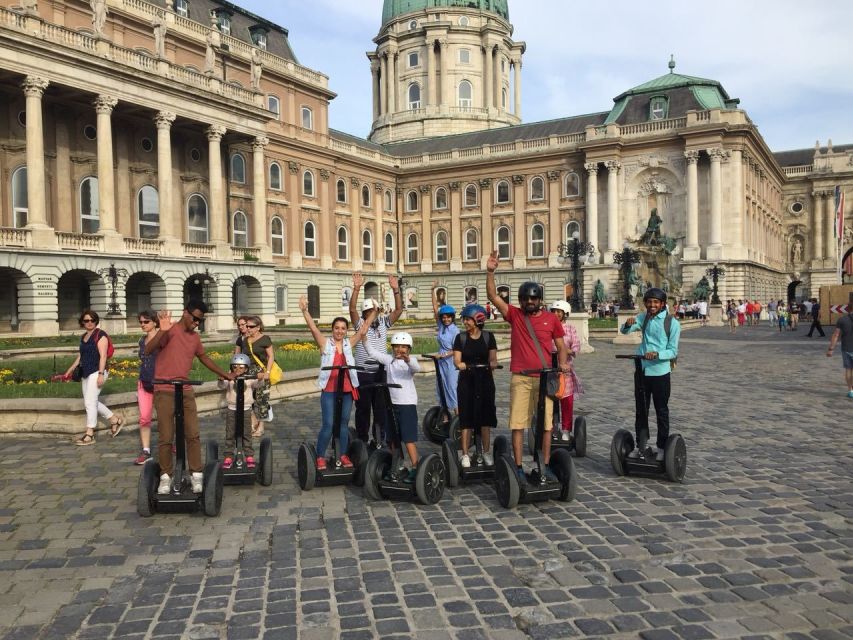
You’ll cover Budapest fast on a Segway. The route is built for quick, satisfying sightseeing, from the Chain Bridge to Buda Castle, with a pro local guide (I’m seeing standouts like Philip and Sam in the guide lineup) who shares stories as you go. I also like that the tour includes hands-on full training first, so you’re not just dropped into traffic with a new toy. Between the timed photo stops and the downhill-from-heights views, it’s a practical way to see a lot without burning hours walking.
The main consideration is simple: this is an active ride with strict weight limits (over 30 kg / 67 lbs and under 140 kg / 308 lbs), and the itinerary moves at a sight-seeing pace.
In This Review
- Key highlights at a glance
- Segway training at Katsuhayabi ki-dojo: confidence first
- Elizabeth Bridge views: the quick Danube wow-up
- St. Gerard Sagredo Statue and Castle-bazaar: built-in photo stops
- Adam Clark Square and Buda Castle: the ride uphill without the slog
- Fisherman’s Bastion and Matthias Church: viewpoints with actual time to breathe
- Chain Bridge and the Danube memorials: big sights on a tight schedule
- Hungarian Parliament Building and Szabadság Square: classic Budapest postcard angles
- St. Stephen’s Basilica and the final ride back
- Price and value: is $81 really a good deal?
- Who should book this Segway highlights tour in Budapest?
- Weather and riding reality: what to expect on the day
- Should you book the Budapest City Highlights Segway Tour?
- FAQ
- How long is the Segway tour?
- Where do we meet for the tour?
- How much does the tour cost?
- Is training provided before we ride?
- What landmarks are included?
- Which languages are available for the guide?
- What’s included in the price?
- Are there weight limits?
- What happens if it rains?
- Is it a private or small-group experience?
Key highlights at a glance
- Learn the Segway properly before you roll out, with safety briefing and time to get comfortable
- Photo stops are baked into the route, not tacked on at random
- You hit both Buda and Pest in one smooth loop, including Chain Bridge and Parliament
- You get real landmark time, with planned breaks at viewpoints and major squares
- Small groups and private options keep things calmer and easier for first-timers
- Rain has a plan, with raincoats for light rain and re-scheduling for hard rain
Segway training at Katsuhayabi ki-dojo: confidence first
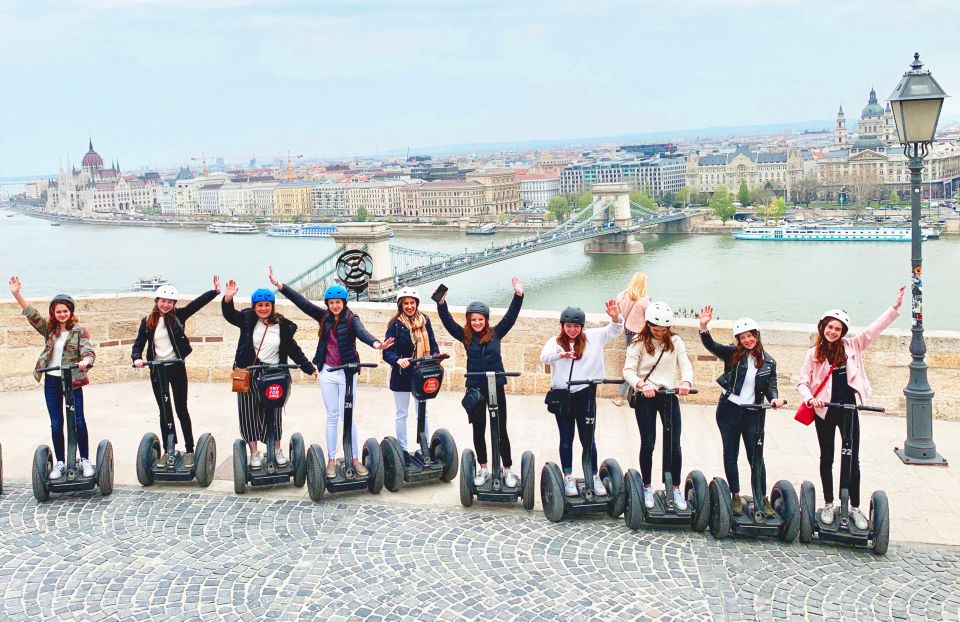
You start at Katsuhayabi ki-dojo (with the tour’s safety briefing tied to Galamb u. 3). Before you see a single big view, you get a 10-minute safety briefing, plus the full equipment setup that makes this tour work for beginners. Guides in this lineup, like Johny and Jose, seem to focus on getting riders comfortable quickly, especially if it’s your first time on a Segway.
This matters because Budapest is not flat. Even when your route uses cycle paths, you’ll still be moving up and down streets and ramps. Getting the handling basics right at the beginning means you can relax and actually enjoy the ride instead of thinking about balance. I’d treat that practice time as the best part of the value, because it turns a novelty activity into real transportation for sightseeing.
Also, small comfort wins are included: coffee and water show up during the experience. Snacks aren’t included (you can bring your own if you want), but the drink setup helps you stay focused for the full 2.5 hours.
At the end, you ride back to Galamb u. 3 and wrap up, usually with one last smooth glide instead of a scramble for public transit.
You can also read our reviews of more city tours in Budapest


Elizabeth Bridge views: the quick Danube wow-up
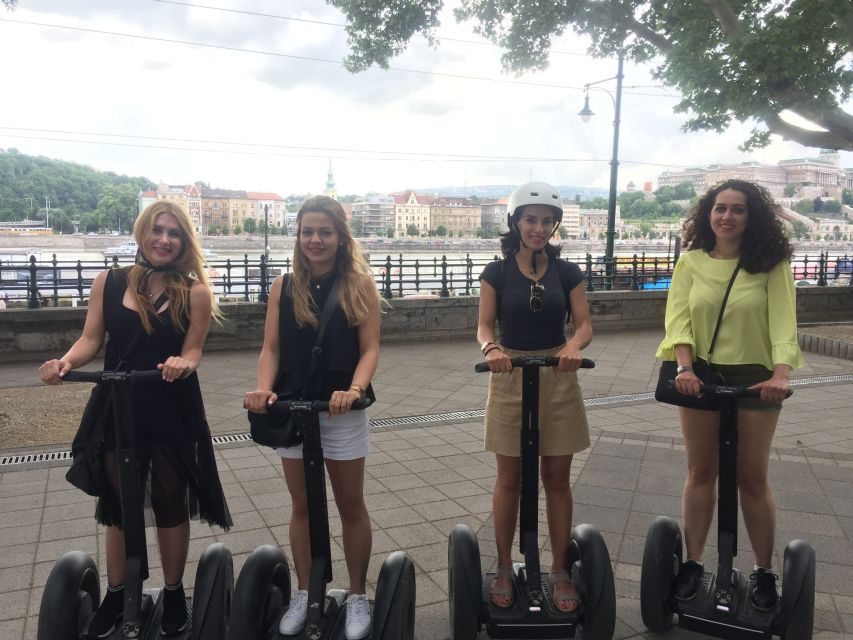
After training, you roll out toward Elizabeth Bridge. This is a smart first big landmark because you get wide river views early, before the route starts stacking up stops. The Segway also makes it feel different from a walking tour: you’re moving fast enough to keep momentum, but slow enough to enjoy the scenery.
What I like here is the “warm-up” effect. You’re not yet hunting for photos in a crowd. You’re easing into the rhythm of riding while the guide points out what you’re looking at and where you’ll go next.
If you’re trying to decide whether a Segway tour is worth it in Budapest, this early bridge moment usually does the convincing. You see the Danube, you get your bearings, and you don’t feel like you’re wasting time lining up or commuting.
St. Gerard Sagredo Statue and Castle-bazaar: built-in photo stops
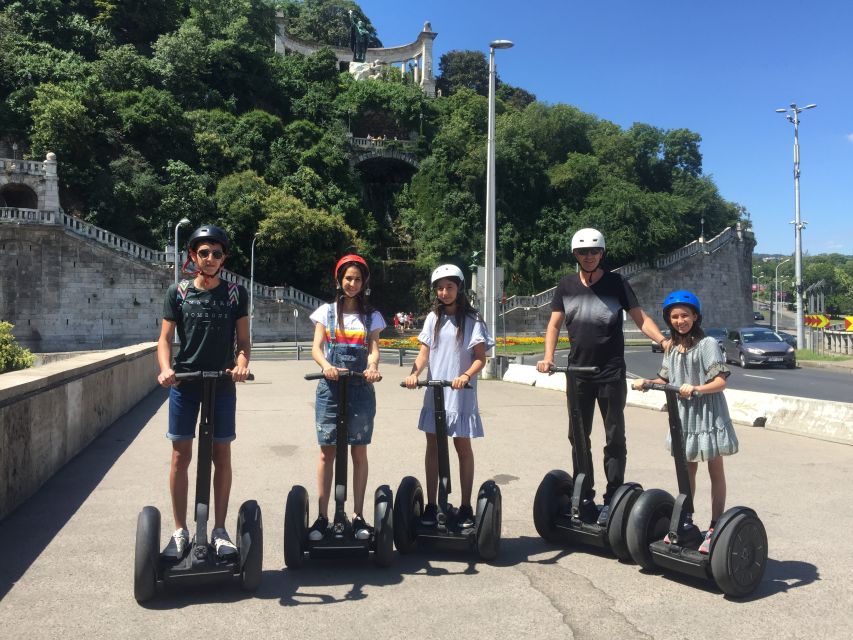
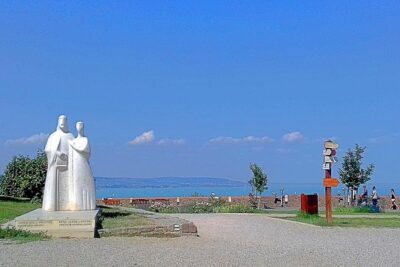
Next up is St. Gerard Sagredo Statue, paired with a photo stop and a short 10-minute window to park the Segway and capture angles. It’s not just about snapping a picture. It gives you a moment to look for details that you’d miss if you were speeding past on foot or stuck in a bus window.
From there, you continue to Castle-bazaar for a quick 5-minute Segway ride. It’s brief, but that brevity is useful. The point of this tour is efficiency: you sample the feel of the Castle District without turning the afternoon into a full-day wandering session. If you later want to return for deeper exploring, you’ll know exactly what direction to go and what you actually liked.
The guides also tend to sprinkle in practical context here. In past groups led by people like Felipe and Max, the tone seems to be friendly and instructional, not a lecture. You’ll get those small “why this place matters” details that make the big sights click.
Adam Clark Square and Buda Castle: the ride uphill without the slog
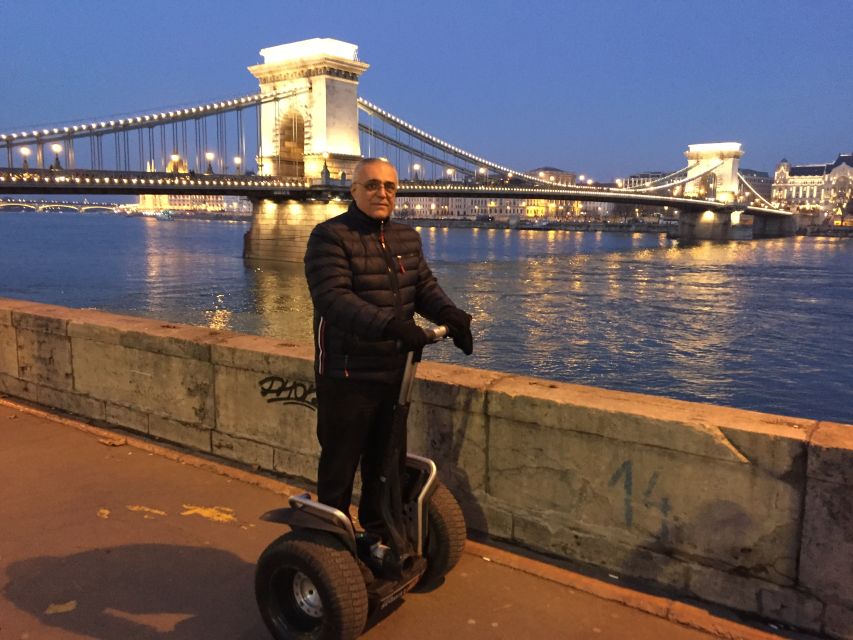
At Adam Clark Square, you get a break time (listed at 5 minutes). That pause is more valuable than it sounds, because it gives your legs a rest while you stay in motion. If you’re traveling in warmer months, that quick reset makes the rest of the Buda portion feel much more manageable.
Then comes Buda Castle. You’re not spending the full time inside, but you do pass by it, which is perfect for the type of tour this is. You get the fortress presence and the sense of where power and history sit in the landscape, without turning this 2.5-hour slot into a ticket-heavy museum day.
In other words: this is a highlights sweep. If you want architecture close-up, you can plan a separate visit after. But if you want to see the Castle District as a connected whole, the Segway route keeps everything flowing.
Fisherman’s Bastion and Matthias Church: viewpoints with actual time to breathe
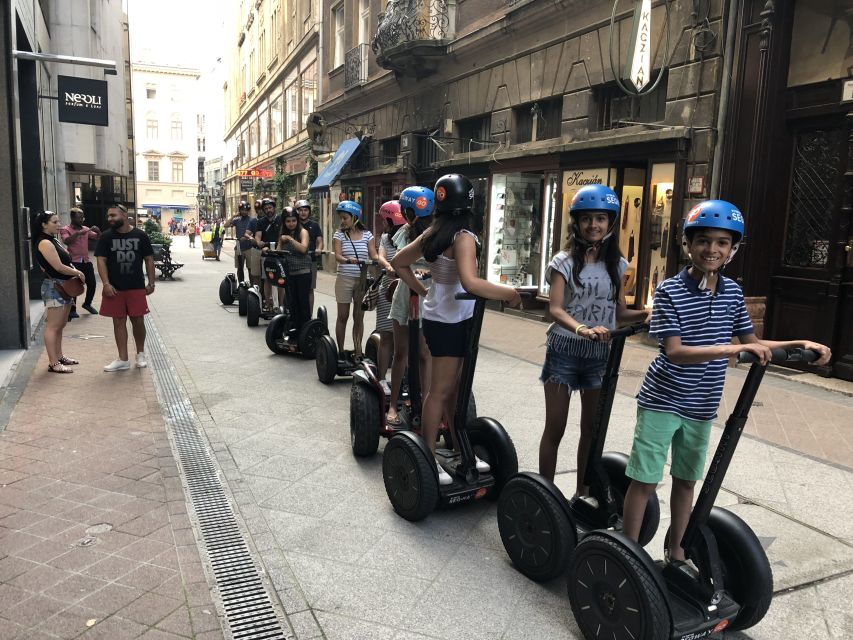
Then the route really leans into the “wow” side of Buda. You head toward Fisherman’s Bastion, with scenic views along the way and a 10-minute segment to take it in. This is a classic Budapest viewpoint, and it’s also a place where walking alone can eat up time. On Segway, you arrive with energy, not exhaustion.
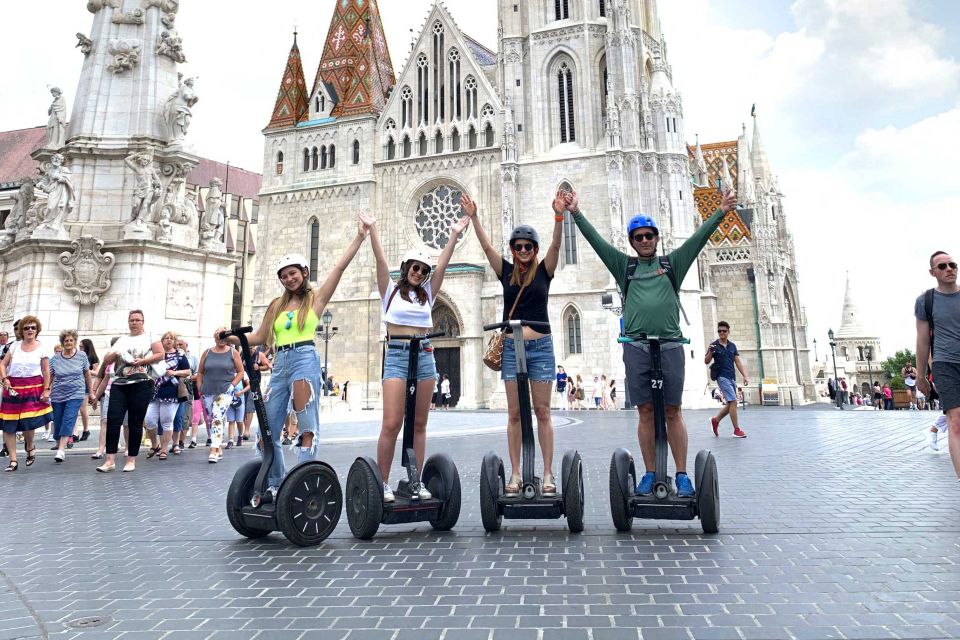
You continue to Matthias Church, with another break time / photo stop (also listed at 10 minutes). The best part of stacking these two stops is that they’re close in spirit, even if the angles differ. You can capture the skyline, then shift to the church setting without feeling like you’re backtracking.
Guides like Argen and Allan have a reputation in this category for being both careful and upbeat, which is important because many people arrive thinking Segways will feel hard. A well-led group turns it into an easy glide with stops that feel intentional rather than rushed.
One practical note: viewpoints mean you may want to step off and take photos deliberately. Don’t plan to do everything at once. Use the provided stop windows for photos first, then look around slowly.






Chain Bridge and the Danube memorials: big sights on a tight schedule
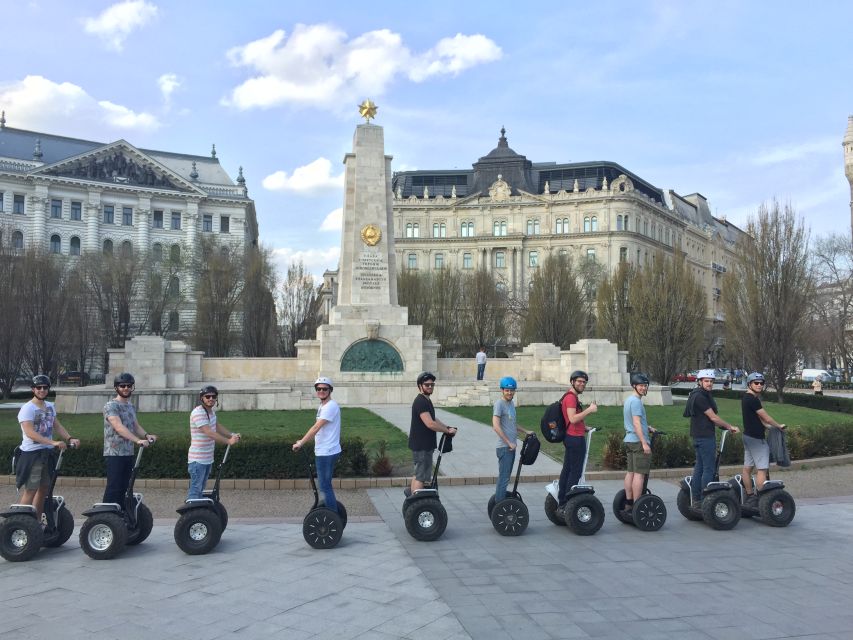
Crossing into the Pest side starts with the Chain Bridge. You’ll ride through it by Segway, which is one of those moments that feels uniquely “Budapest” because the bridge is both a landmark and a connector. You get a moving view, not a still one, and that changes how the scene registers in your memory.
Next is Shoes on the Danube Bank. The tour lists free time here, plus a Segway ride through the area. This stop is emotionally heavy compared to photo-friendly viewpoints, so the free time matters. It gives you space to pause, read, and decide how long you want to stand in the memorial area rather than being herded onward.
Because this is a fast highlights tour, I’d treat Shoes on the Danube Bank as your “slow moment.” If you’re someone who reads plaques, plan to spend longer than you would at a street-corner monument. If you prefer scanning and moving on, keep it brief and save energy for the grand buildings on the Pest side.
Hungarian Parliament Building and Szabadság Square: classic Budapest postcard angles
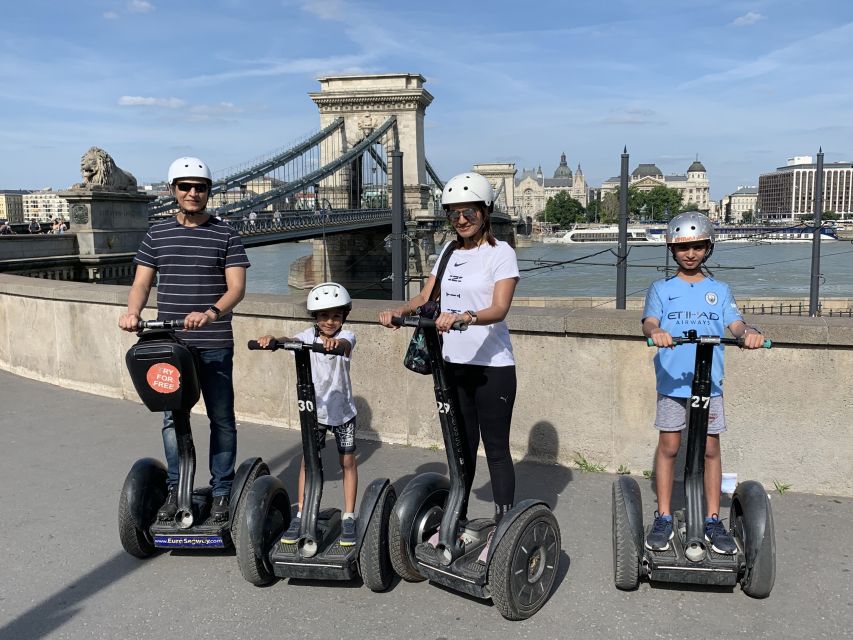
You’ll reach the Hungarian Parliament Building for a photo stop (listed at 10 minutes). This is another strong “Segway advantage” point. Parliament photos are all about angle and position. On a Segway, you can get to the right spot without burning time walking the distance between viewpoints.
Then you continue to Szabadság Square for sightseeing and another Segway ride segment. The square gives you a broader city feel after the iconic Parliament framing. It also helps break up the stop-heavy parts of the route so you’re not constantly getting off and on.
Guides such as Beka, Hafa, and Yusaf are repeatedly highlighted for mixing city storytelling with real-life guidance. That’s what you want here: facts that help you recognize what you’re seeing, plus small suggestions for what to do next when the tour ends.
If you want to maximize the day, take photos at the stop, then ask your guide one follow-up question right there. You’ll usually get better recommendations than from a generic list because the guide is already steering the route through the city.
St. Stephen’s Basilica and the final ride back
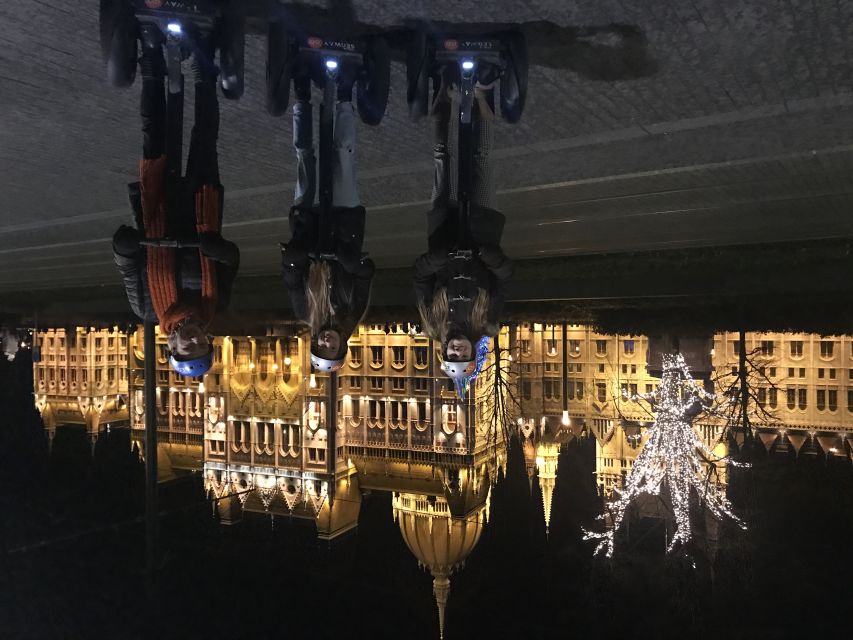
The last major sightseeing block includes St. Stephen’s Basilica for another photo stop, then you head back to Galamb u. 3 for the ride that returns you to the starting area (listed at 15 minutes).
St. Stephen’s is one of those places where the building presence hits you fast. The Segway helps you get there efficiently, and the photo stop format means you’ll get the main exterior shots without turning this into a long detour.
The end segment is also a nice “cool down.” After two and a half hours, you’re not exhausted in a walking way. You’re gliding. That helps the tour feel fun right through the finish instead of turning into a chore.
Price and value: is $81 really a good deal?
At $81 per person for 2.5 hours, the value depends on what you want from Budapest.
Here’s why it can be a strong deal for the right traveler:
- Full equipment and training are included, so you’re paying for the experience to actually work, not just for access to a vehicle
- Photos are included, which removes a common hassle on highlight tours
- Coffee and water are included, which helps you stay comfortable during the ride
- You cover multiple UNESCO-level and headline sights in one loop, saving the time cost of moving between far-apart landmarks
- Your guide is a live interpreter in English, Russian, Spanish, German, or French, plus you can go at your own pace with private or small groups
I’d compare this to the idea of paying for a regular walking tour plus multiple transit rides. Even if Segways are not your everyday choice, you are effectively paying for transport + guided storytelling + photo stops bundled together.
Where $81 may feel less worth it:
If you’re the type who wants long, unhurried museum time and deep interior experiences, this tour is going to feel like a preview. You’ll still likely want additional time on your own to slow down and expand.
Who should book this Segway highlights tour in Budapest?
This is best for you if you want:
- A fast first-time overview of Budapest
- A fun way to handle hills without wearing out your feet
- Photo-rich landmark stops with scheduled breaks
- The help of a guide who’s good at teaching riders and explaining what you’re seeing
From guide styles highlighted in the group feedback, there’s a clear theme: the best sessions are led by instructors who teach you how to ride, then keep the energy up without sacrificing safety. Names like Yousef and Yosef come up with the idea of easy learning and patient guidance, which is exactly what first-timers hope for.
It’s also a reasonable option for travelers who are not trying to prove fitness. One of the recurring points: even riders in their later decades find it doable when the group is paced well and the training is solid.
One more reality check: this is not for people outside the listed body-weight range. If you’re close to the limit, confirm before you go so you do not end up scrambling.
Finally, choose your day based on comfort. In warm months, the quick glides between stops can feel like a relief. In colder or rainy weather, your experience depends on conditions and the rain plan.
Weather and riding reality: what to expect on the day
In case of light rain, you’re provided raincoats free of charge. If it’s hard rain, the tour can be re-scheduled, which matters because slippery conditions change how safe riding feels.
Most of the route is designed for Segway comfort. In group feedback, the riding is often described as mostly on cycle paths, with only a small amount on road. That’s a big deal if you’re nervous about handling a motorized vehicle near traffic.
What you should bring is simple: comfortable clothes, sunscreen if the day is bright, and anything that helps you stay focused on photos. One small tip that came up from guide style: people remember sunglasses at the right time, and your nose often forgets sunscreen, so plan accordingly.
If you’re prone to motion discomfort, take the training seriously and start calm. The goal is smooth riding, not speed-chasing.
Should you book the Budapest City Highlights Segway Tour?
Book it if you want a smart, efficient intro to Budapest’s headline sights, plus you’d like to spend your limited sightseeing hours actually seeing rather than walking between far-apart landmarks. The combo of training, included photos, and a guide who times photo stops and breaks makes this tour feel built for real schedules.
Skip it if you’re planning a slow, museum-first trip and don’t care about getting exterior landmark shots quickly. Also skip if the weight limits won’t work for you, or if you truly don’t want a motion-based activity.
If you do book, pick a departure time when the light looks good for photos and give yourself a little buffer before and after the 2.5 hours. You’ll leave with a solid mental map of Buda and Pest and know exactly where to return next.
FAQ
How long is the Segway tour?
The tour runs for 2.5 hours.
Where do we meet for the tour?
You start at Katsuhayabi ki-dojo, and the tour includes a safety briefing associated with Galamb u. 3.
How much does the tour cost?
The price is $81 per person.
Is training provided before we ride?
Yes. The tour includes full training before you set off, along with safety briefing and Segway equipment.
What landmarks are included?
You’ll cover major sights including the Elizabeth Bridge, Buda Castle, Fisherman’s Bastion, Matthias Church, Chain Bridge, Shoes on the Danube Bank, Hungarian Parliament Building, Szabadság Square, and St. Stephen’s Basilica.
Which languages are available for the guide?
The live guide is available in English, Russian, Spanish, German, and French.
What’s included in the price?
Included are all necessary equipment, photos of your tour, and coffee and water.
Are there weight limits?
Yes. Guests must be over 30 kg (67 lbs) and under 140 kg (308 lbs).
What happens if it rains?
With light rain, raincoats are provided for free. With hard rain, the tour can be re-scheduled.
Is it a private or small-group experience?
You can choose private or small groups.