REVIEW · BUDAPEST
Communist History Evening Walking Tour of Budapest
Book on Viator →Operated by Perfect European Tours - Budapest FREE Walking Tours. · Bookable on Viator
Budapest looks different when you know what was fought over. This 2-hour evening walk connects communist-era decisions to the streets you still see today, with small-group pacing and a guide who tells the story in plain, human terms. I especially like how the tour uses real locations (church, squares, and government buildings) instead of asking you to sit in a museum. One thing to keep in mind: the route is mostly on foot and you’ll need to handle about 3 km of walking, plus it runs in good weather.
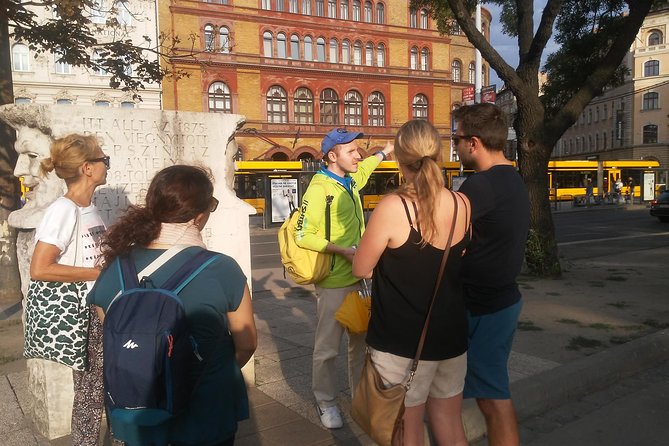
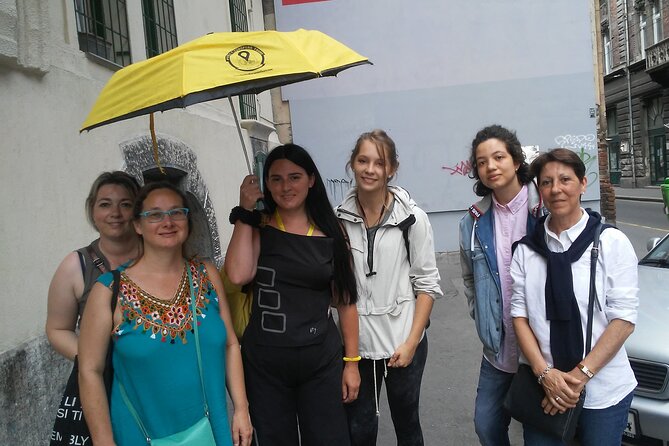
If your guide happens to be Victoria, you’re in for a treat. Multiple visitors highlight her clear English, university-style depth, and a knack for linking past control to today’s habits and attitudes, with bottled water to keep you going. The main drawback is street conditions at certain meeting spots—plan for crowds, noise, or less-than-pleasant corners at times.
In This Review
- Key things that make this tour worth your time
- Why this Budapest communist walk beats a museum visit
- Getting the lay of the land on Andrassy Avenue
- St. Stephen’s Basilica: church pressure under communism
- Liberty Square: where symbols of power met resistance
- Hungarian Parliament Building and the 1956 uprising
- More than buildings: what you learn that sticks
- How long, how far, and where you actually go
- Price and value: what $36 buys you in Budapest
- Who this tour is best for (and who might want another option)
- Should you book this Communist History Evening Walking Tour?
- FAQ
- How long is the Communist History Evening Walking Tour of Budapest?
- What time does the tour start?
- How much does it cost per person?
- Is the tour offered in English?
- What’s included in the price?
- How many people are in the group?
- Where does the tour start and where does it end?
- Do I need admission tickets for the stops?
- What’s the cancellation and weather situation?
Key things that make this tour worth your time
- A guide-led communist history focused on what it changed on the ground, not just dates
- Small group up to 15 people, so questions feel welcome
- St. Stephen’s Basilica with church-and-regime stories (plus a footballer escape story tied to the site)
- Liberty Square’s sharp symbolism, including the stock exchange closure and violent protests
- Parliament and the 1956 uprising, explained through what happened at the building itself
- Bottled water included, helpful for a 6:00 pm walk
Why this Budapest communist walk beats a museum visit
I like walking tours most when they do one thing well: they help you see a place with new eyes. This one turns Budapest into a timeline, using major landmarks tied to Hungary’s communist period and resistance. You’re not just looking at stone—you’re connecting political power to everyday life.
The value here is clarity. You get a story you can repeat to friends on day three of your trip, because it’s anchored to corners you actually walked through. And since it’s a small group, you’ll usually get better answers than you would in a big bus-style format.
You also get a useful contrast: the tour doesn’t only cover ideology. It looks at the long after-effects, so communism feels less like a chapter in a textbook and more like something that still echoes in how people talk, build, and remember.
You can also read our reviews of more walking tours in Budapest
Getting the lay of the land on Andrassy Avenue
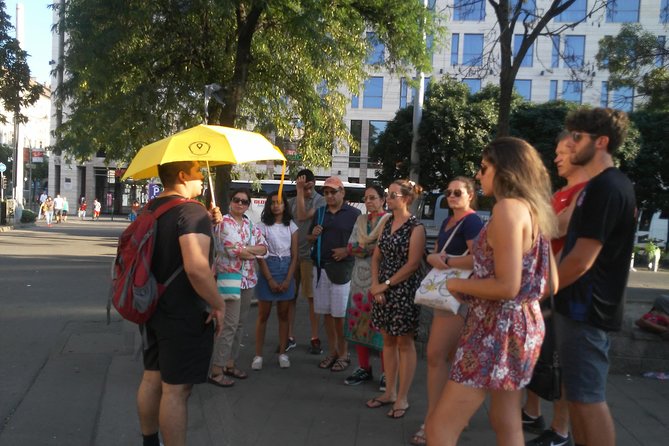
The tour begins at Blaha Lujza tér (1085), starting at 6:00 pm. Right away, you walk down Andrassy Avenue, and your guide explains how the area and former monuments changed over time. Even if you’re new to Budapest, this helps you get your bearings fast—this isn’t a random wander.
Andrassy Avenue is a major spine in the city, so it makes sense as a warm-up corridor. You’ll be moving while the guide sets the historical framework, which is exactly what you want in an evening tour. By the time you reach the first landmark, you already understand what kinds of messages regimes tried to send through public space.
Expect your guide to point out what’s altered, what’s missing, and what replaced it. That kind of commentary is the difference between seeing a building and understanding why it’s there.
St. Stephen’s Basilica: church pressure under communism
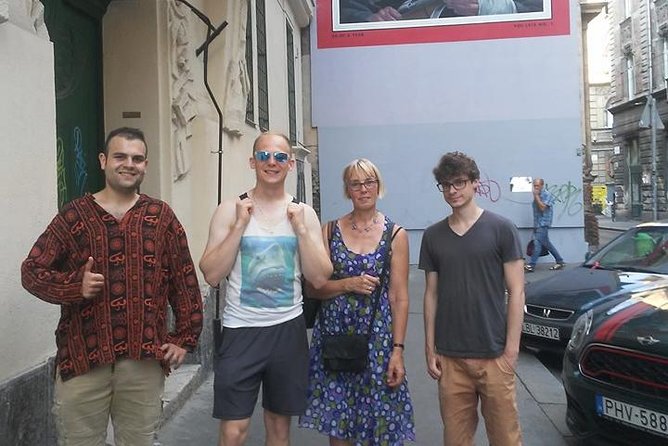
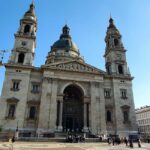
St. Stephen’s Basilica (Szent Istvan Bazilika) is your first major stop. The tone here shifts from street-level urban change to something deeper: how communism impacted Hungarian church and religion.
This is where the tour becomes more than political history. The guide connects state power to faith life—how institutions were affected and how public religious identity played out under pressure. It’s also an easy stop to picture in your head, because the basilica is visually strong even before you start the explanation.
You’ll also hear a story tied to a well-known Hungarian footballer—one who fled the communist system and was later buried at the church. That detail does something important: it makes the history personal. It’s not just policy; it’s people choosing survival, freedom, and a future.
Admission is listed as free for this stop, which keeps the tour moving without surprise costs.
Liberty Square: where symbols of power met resistance
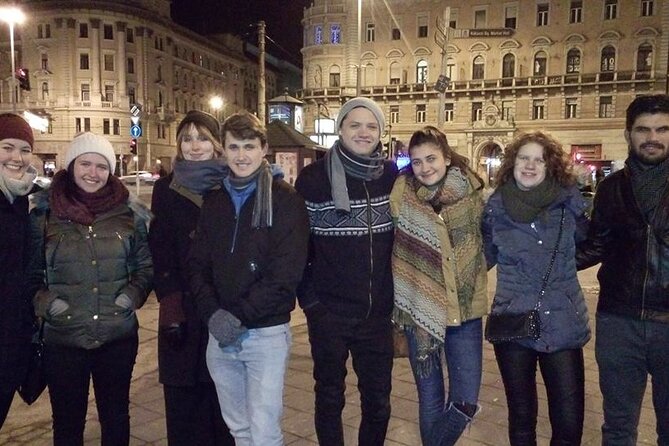
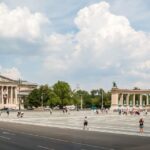
Next comes Liberty Square, one of the most meaningful stops for anyone interested in communist-era conflict. This is where you learn that the stock exchange was located here and it was closed down at the start of communism. That’s a clear example of how regimes can reshape not just politics, but commerce and public life.
But the square isn’t only about institutions. It’s also described as the site of many bloody protests. That’s the tour’s sharper side: not just control from above, but the pushback that rose when people felt cornered.
I like this stop because it gives you a concrete way to read the space. When you stand in a square and you know what happened there—what was shut, what was fought over—you stop treating it like a photo spot and start treating it like a historical stage.
Admission is listed as free here too, so you can focus on the story instead of budgeting for entrances.
Hungarian Parliament Building and the 1956 uprising
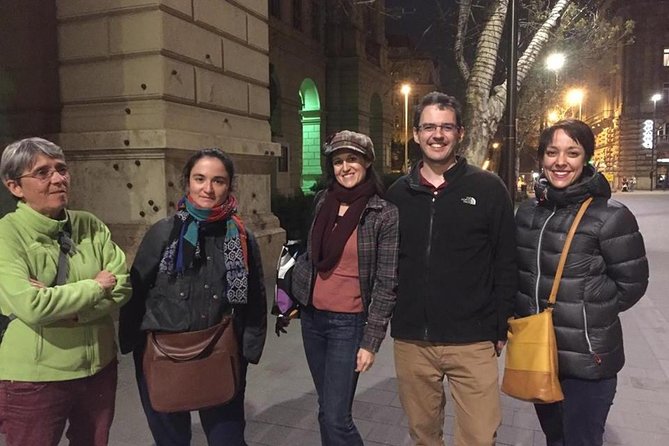
Your final major stop is the Hungarian Parliament Building, with a direct connection to the 1956 uprising against the ruling Communist party. The tour frames the building not as an abstract government symbol, but as a place tied to real bloodshed and real stakes.
If you’ve heard about 1956 before, this stop helps you place it in context physically. The guide’s explanation gives you a street-level feeling for how resistance and authority collided in the same urban frame. That’s powerful for a short walking tour, because so much of history usually feels distant until you can point to the exact location.
Admission is listed as free for the visit connected to this stop as well, which keeps the experience simple. After this, you walk toward the finish near Kossuth Lajos tér 1-3.
You can also read our reviews of more historical tours in Budapest


More than buildings: what you learn that sticks
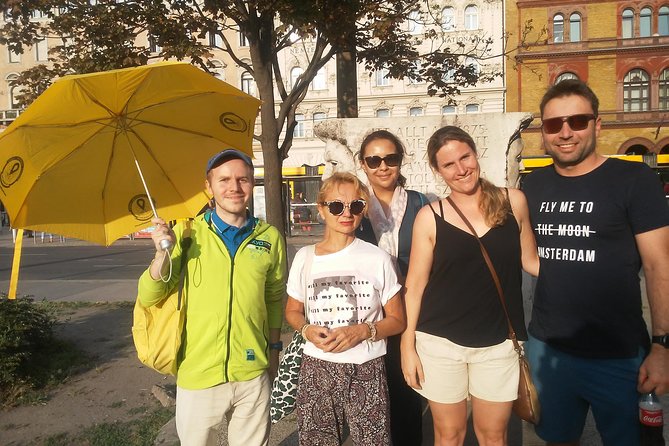
What makes this tour highly rated is the way it connects past regimes to present-day life. The strongest praise focuses on the guide’s ability to explain repercussions—how an earlier system still affects attitudes, structures, and everyday patterns.
People also highlight how the guide doesn’t teach like a robot reciting facts. One theme you’ll notice is storytelling with purpose: you get history plus interpretation, and you learn how Hungarians resisted. That’s why the tour gets compared favorably with museum-only visits—because it’s not trapped behind glass.
I also like that the tour style is described as professor-level. One review explicitly calls out the guide as a history professor teaching at university. Whether your guide is Victoria or someone else, the teaching approach matters: clear speech, lots of detail, and room for questions.
And yes, the tone is human. Humor shows up in the descriptions, which helps in a topic that can otherwise feel heavy. That balance is part of why the walking format works.
How long, how far, and where you actually go
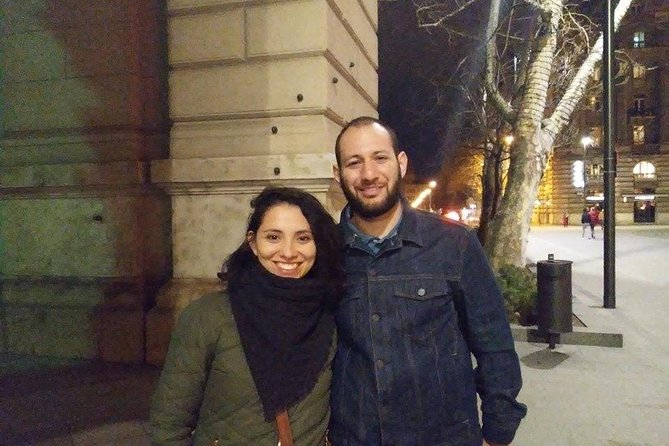
This is an evening tour at 6:00 pm for about 2 hours. It’s built for walking, and the requirement is that you can walk (or wheel) yourself about 3 km. If you’re planning a packed day of sightseeing, this is one of those tours where you’ll want shoes that can handle uneven city sidewalks.
Your route starts in Budapest at Blaha Lujza tér (1085) and ends at Kossuth Lajos tér 1-3 (1055). The end point is close to the Kossuth red line metro station or tram 2. That’s convenient if you want to head out afterward for dinner without a long transfer.
Group size is capped at 15 travelers, which is a big part of the experience. In a small group, the guide can slow down when someone asks a question—and you don’t feel like you’re part of a conveyor belt.
You’ll also get bottled water included. It’s a small detail, but it matters on an evening walk, especially if you’re already out in the city under the day’s heat.
Price and value: what $36 buys you in Budapest
At $36.01 per person, this tour isn’t trying to be the cheapest thing in town. What you’re paying for is a focused, guided, small-group history walk with water included and a structure built around high-impact locations.
For value, consider three points:
- You get a 2-hour guided experience rather than a quick stop-and-go version.
- You get bottled water included, which saves you a small hassle.
- The topics are concentrated: church-life effects, public-space power, and the 1956 uprising.
Also, the overall rating is strong—4.7 with 23 reviews, and 91% recommend it. That doesn’t mean every tour will match your exact interests, but it does suggest you’re likely to come away satisfied, especially if you like history that’s tied to real street corners.
And because the listed stops have free admission (no paid entries called out), you’re less likely to hit unexpected costs mid-tour.
Who this tour is best for (and who might want another option)
This is a great fit if you:
- Like history told through places you can walk to
- Want context around communist-era Hungary beyond slogans
- Prefer a guide who explains the why behind what you see
It’s also a strong choice if you want a change of pace from standard sightseeing. You’ll still see major Budapest landmarks, but the lens is different: political power, religion under pressure, and resistance.
On the flip side, if you’re only interested in architecture as a visual object, you might find the heavy political focus less relaxing. This is history-first, and the guide will spend time on conflict and consequences.
Should you book this Communist History Evening Walking Tour?
I’d book it if you want a short, smart way to understand communist Hungary while you’re already in the city. The route uses iconic places—basilica, Liberty Square, and Parliament—to turn abstract history into something you can picture.
If you’re traveling with limited energy or mobility, pay attention to the 3 km walking requirement and the fact that it depends on good weather. And if street conditions bother you, know that meeting points can be in busy areas even when the content is excellent.
Overall, this is the kind of tour that helps Budapest make sense faster.
FAQ
How long is the Communist History Evening Walking Tour of Budapest?
The tour runs for about 2 hours.
What time does the tour start?
The start time is 6:00 pm.
How much does it cost per person?
It costs $36.01 per person.
Is the tour offered in English?
Yes, it’s offered in English.
What’s included in the price?
Bottled water is included.
How many people are in the group?
The tour has a maximum of 15 travelers.
Where does the tour start and where does it end?
It starts at Budapest, Blaha Lujza tér (1085 Hungary) and ends at Budapest, Kossuth Lajos tér 1-3 (1055 Hungary), near Kossuth red line metro station or tram 2.
Do I need admission tickets for the stops?
The listed stops (including St. Stephen’s Basilica, Liberty Square, and the Parliament area) are marked as admission ticket free.
What’s the cancellation and weather situation?
You can cancel for free up to 24 hours in advance for a full refund. The tour requires good weather, and if it’s canceled due to poor weather, you’ll be offered a different date or a full refund.