REVIEW · BUDAPEST
Private Full Day Tour to Eger – History, Culture and Wine
Book on Viator →Operated by Private Sightseeing Tours in Budapest and in Hungary · Bookable on Viator
Eger is a fortress town with serious stories to tell. I like that this is a private, flexible day trip (you can steer the pace), and I also love that Eger Castle admission is built into the plan. The main drawback to plan for is the long drive from Budapest, since you’re looking at roughly two hours each way.
My favorite part was riding out of the city and watching Hungary’s countryside take over the window. With a guide like Gergely, you get clear history, practical timing, and real choices for wine and lunch so the day doesn’t feel like a checklist.
In This Review
- The key bits that make this Eger day trip work
- Budapest to Eger: the drive time that shapes the whole day
- Eger Castle: fortress stories from 1241 to 1701
- Kethüda Minaret: 97 steps to a 40-meter view
- Dobó István tér: where everyday life meets Eger’s big moment
- St. John the Apostle Cathedral: a fast stop with real context
- Valley of the Beautiful Woman (Szépasszony Valley): wine time with smart choices
- Egerszalók thermal springs: Salt Hill and Water Terraces in a short window
- Price and logistics: what you’re really paying for
- Who this tour fits best (and who should think twice)
- Should you book this private tour to Eger?
The key bits that make this Eger day trip work
- Hotel pickup + A/C comfort make the long ride feel manageable
- Eger Castle includes your admission and a deep look at the Siege of 1552
- Kethüda Minaret gives you a view, but it’s 97 stairs first
- Szépasszony Valley is the wine center, and tastings are decision-based
- Egerszalók thermal stop adds a relaxing contrast in a short visit
- Private guide control means you can adjust if your interests lean history vs. wine
Budapest to Eger: the drive time that shapes the whole day
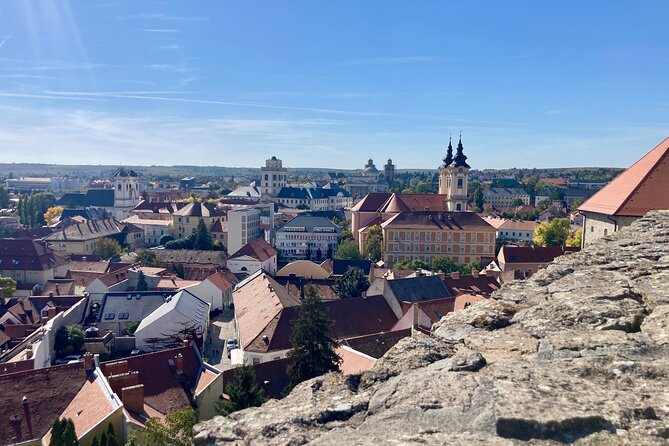
This is an 8-hour day with pickup in Budapest and a private car the whole way. The drive is the big reality check. You’re spending about two hours getting to Eger, then two hours back, with time carved out for sightseeing and food.
That doesn’t make it bad. It just means you should go in with the right mindset: you’re not doing a quick “pop over” to another town. You’re buying a full day to swap city sights for fortress walls, wine cellars, and thermal spring terraces.
If you want a day trip where you barely touch the car, you’d be happier with a closer option. But if you enjoy the journey and like countryside sightseeing, this route makes sense.
You can also read our reviews of more private tours in Budapest


Eger Castle: fortress stories from 1241 to 1701
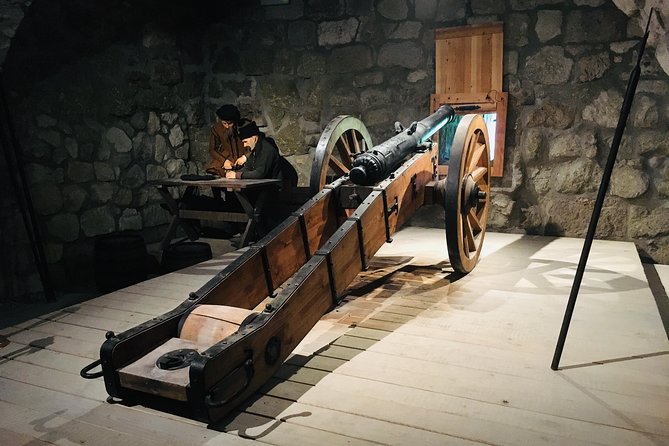
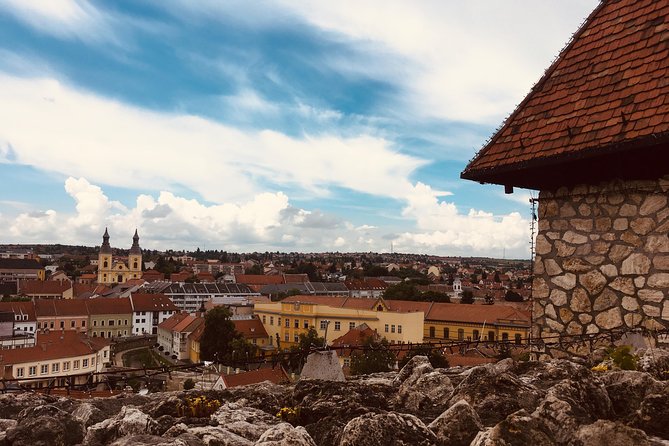
Your first stop is Eger Castle, and it’s the reason Eger is famous beyond wine. The visit lasts about 2 hours, and the castle admission is included, so you don’t waste time on ticket logistics.
Here’s what the guide work makes click:
- After the Mongol invasion in 1241, the bishop of Eger moved to a rocky hill and the castle grew from there.
- The headline moment is the Siege of 1552, when an Ottoman force of roughly 35,000 to 40,000 attacked a much smaller garrison of about 2,100 to 2,300 defenders. The siege failed, and many defenders survived.
- Later, Turks besieged the castle again in 1596, and this time the Ottomans won.
- In 1701, Austrians exploded half of the castle, which adds a strange layer to what you’re walking on now: this isn’t just a preserved monument. It’s shaped by conflict and destruction too.
Practical tip: wear shoes you can trust. Stone steps and uneven ground are part of the fun, not a warning label. If you like photos, bring a strap or keep your gear ready—fortress walls make everyone want one more picture.
Kethüda Minaret: 97 steps to a 40-meter view
Next comes the Kethüda Minaret, the tower that survived in the best condition in Hungary. It’s about 40 meters high, and the balcony sits around 26 meters up.
The catch is the spiral staircase: you’ll climb 97 steps to get there. This is one of those “worth it if you’re up for it” moments. The payoff is the panorama from the balcony.
If you have a fear of heights or mobility limits, you’ll likely enjoy it more from the outside. You’ll still learn why the minaret matters, and you won’t feel like you forced a tough climb for a view you didn’t enjoy.
If you do climb: slow down. The spiral is narrow enough that rushing just turns it into an endurance test.
Dobó István tér: where everyday life meets Eger’s big moment
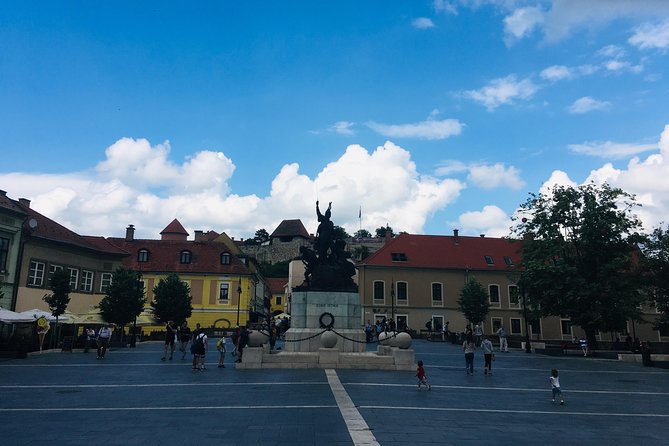
Dobó István tér is short on paper (around 30 minutes), but it’s useful. It’s the lived-in center of the town: you’ll see young people hanging out, kids running around, and people skating or biking past.
This is also where the city’s Baroque feel shows up. And in the focus of the square you’ll find a monument tied to a major historical event of Eger. The square works like a reset button after the fortress walls. You’re back at street level, watching Eger breathe.
Practical tip: if the weather is good, treat this as your “settle in” stop. Grab a coffee, refill your water, and use it as a buffer before you head into church and wine timing.
St. John the Apostle Cathedral: a fast stop with real context
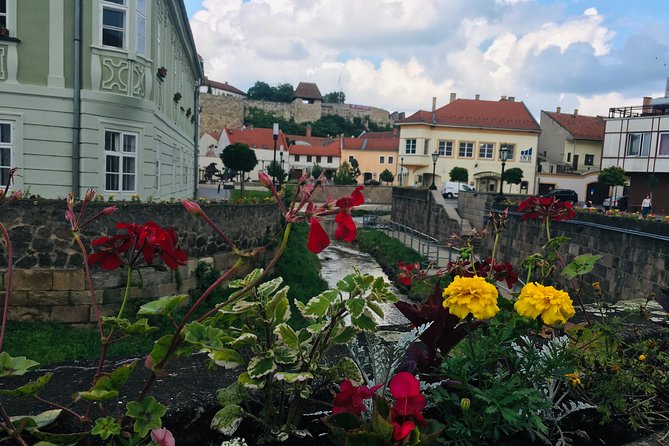
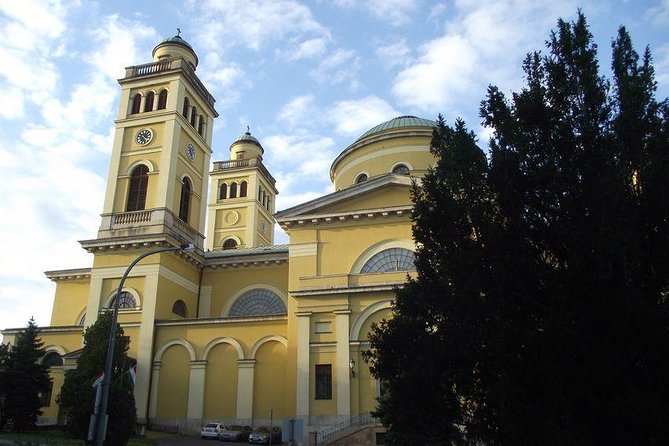
The Cathedral Basilica of St. John the Apostle is another 30-minute visit. It’s free to enter on this tour plan, and it helps balance the day: fortress siege stories in the morning, then a calmer look at religious architecture.
This cathedral was built in the 19th century by József Hild, commissioned by Archbishop János László Pyrker. Even if you’re not a church-history person, the guide context makes the place feel less like a quick photo spot and more like a part of how Eger rebuilt itself after upheavals.
Tip: don’t over-schedule yourself right after the minaret climb. If you’re tired, sit for a minute and let the building’s scale land. A cathedral is one of those places where quiet time is part of the experience.
You can also read our reviews of more historical tours in Budapest





Valley of the Beautiful Woman (Szépasszony Valley): wine time with smart choices
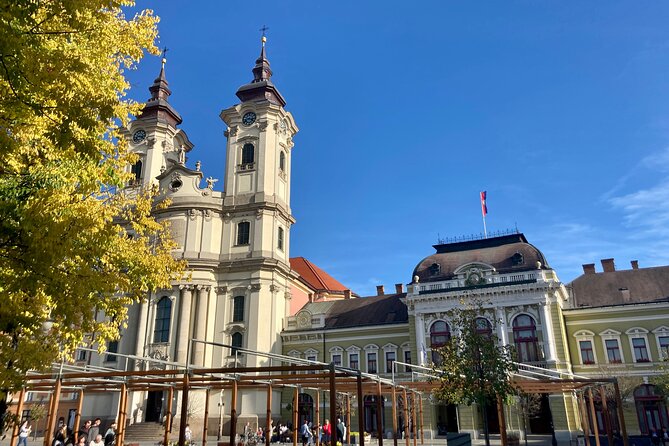
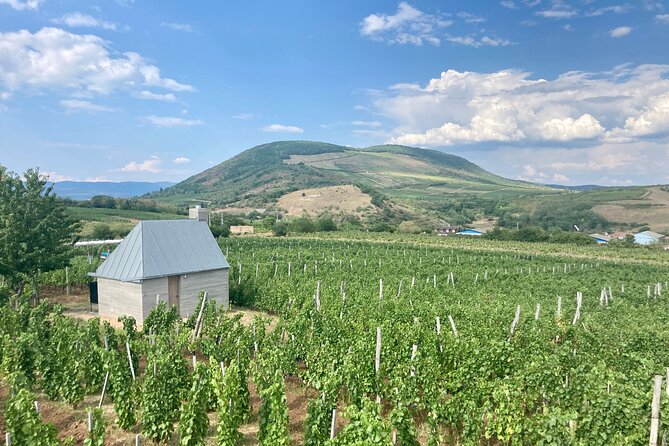
Now you get to the part most people associate with Eger. You’ll visit the Szépasszony-valley (Valley of the Beautiful Woman), where Eger’s wine culture is concentrated.
The story here goes back a long way. Viniculture in Eger traces to Italian and Vallon settlers in the 1200s, so wine isn’t a trendy add-on. It’s part of the town’s long rhythm.
Admission here is free, and the value comes from how the guide helps you taste without turning it into a rushed sprint. Wine tastings are not included in the tour price, so you pay on-site. The good news: you get control. In practice, Gergely asks what you like and how many wines you want to try, then matches you to tastings that fit your pace.
How to get the most out of this stop:
- Tell your guide your taste direction early (white vs. red, dry vs. sweet, if you know it)
- Decide your max number of tastings up front so you don’t lose track mid-valley
- Bring cash or a card just in case the cellars use different payment methods (this varies by venue)
Also, pace yourself. Your thermal stop comes after, and you’ll enjoy it more if you’re not walking around with wine-sleepy legs.
Egerszalók thermal springs: Salt Hill and Water Terraces in a short window
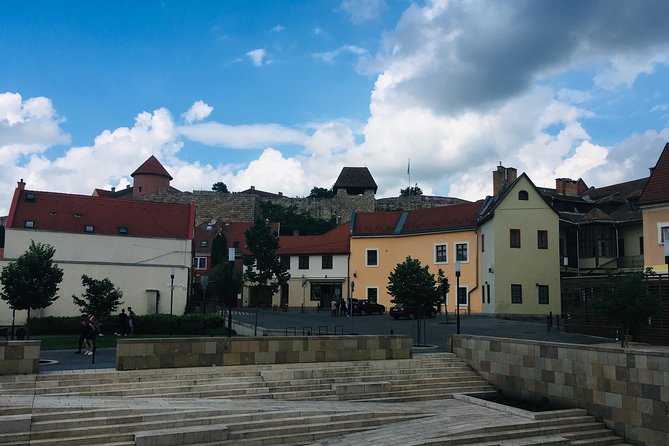
Egerszalók is close enough that it works as a contrast stop without eating the whole day. You’ll visit the thermal resort and focus on the Salt Hill and Water Terraces.
This area is naturally built by two thermal springs. It’s the kind of place where the story is visual: mineral water forms stepped terraces, and the whole setting feels like a spa scene from a travel brochure—without needing a big plan.
The time on-site is short (about 30 minutes). In my view, that’s the right length for a day trip. You get the “wow” factor and a breather without committing your whole afternoon to bathing.
A practical note: if you want to do more than just look, you may find the time tight. Consider saving longer thermal soaking for a separate stay in the area.
Price and logistics: what you’re really paying for
At $307.05 per person for a private full-day tour, you’re paying for three main things:
- A private guide who translates history into something you can actually picture
- Door-to-door transport in an A/C car (important on hot days)
- Built-in admission for Eger Castle
What isn’t included:
- Lunch (there’s time for a break, but you’ll pay on-site)
- Wine tastings (you choose, and you pay on-site)
- Any other site admissions besides the castle
So the real budgeting tip is simple: plan on extra spending for food and wine if that’s your goal. If you drink a lot and eat at full sit-down meals, the total cost will rise. If you keep tastings to a few pours and do a relaxed lunch, the package stays good value.
Also remember: this is private. If you’re traveling as a couple or a small group, you’re getting a personal pacing advantage that’s hard to match with group tours.
Who this tour fits best (and who should think twice)
This works best if you want a classic Eger mix:
- Fortress history that’s explained, not just pointed at
- Wine country time in the right valley
- A quick thermal contrast without needing an overnight plan
It’s also a strong pick if you like flexibility. The guide can adjust the day based on your interests and timing. If you’re the type who wants a specific extra stop that’s workable, it’s worth asking.
It may be less ideal if:
- You hate long drives and want more time on foot
- You’re not interested in Ottoman-era siege history at all
- You’re mostly after wine and would rather taste closer to Budapest (Eger is the famous town, but there are alternatives nearer to the city)
Think of this trip as “two hours of travel for a full day of Eger.” If that trade feels good, you’ll have fun.
Should you book this private tour to Eger?
I’d book it if you want an organized, guided day that turns Eger Castle and the town into a story you understand, not just a set of landmarks. The combination of included castle admission, private transport from Budapest, and a guide like Gergely (who can match your wine-tasting pace and answer real questions) makes it a solid choice for couples and small groups.
Pass or consider another option if you’re sensitive to drive time or you know you won’t climb the minaret and won’t spend much on tastings. This day trip gives you plenty to do, but it assumes you’re okay with a packed schedule and extra spending for lunch and wine.