REVIEW · BUDAPEST
Budapest Private Culinary Walking Tour
Book on Viator →Operated by Sweet Travel Private Tours Kft. · Bookable on Viator
A good meal starts with the right guide. This private Budapest food walk lines up classic Hungarian bites with local drinks, and it moves at your pace. You’re met at your hotel lobby, then guided through Pest’s favorite tasting stops with a route that can flex as the day goes on.
I especially like the variety of tastings—from Central Market Hall staples like goulash, cheese, and cured meats to pastry stops with strudel and pogácsa. I also like that the guide can tailor things to your tastes; at least a couple of past tours called out this kind of personal adjustment, including guides named Christine and Stephen.
One possible drawback: the food mix can lean sweeter for some people. One review complained the selection felt heavy on small desserts and pastries for the price, so if you want more savory meals, it helps to say so up front.
In This Review
- Key things to know before you go
- Price and what you’re really paying for
- Hotel lobby pickup and how the walking works in real life
- Central Market Hall: the most useful place to start
- Bakery stop energy: strudel and pogácsa with context
- Unicum, Pálinka, and Hungarian wines: the drink stops that teach
- Fried comfort and hearty bites: goulash, lángos, sausages, and more
- “Private” really means something here
- English guide, and how the language shapes the tasting
- What to eat expectations: tastings, not a full restaurant meal
- Booking timing and what it means for planning
- Who this tour suits best (and who should think twice)
- Should you book this Budapest culinary walking tour?
- FAQ
- How long is the Budapest Private Culinary Walking Tour?
- Is this tour private?
- Will I be picked up from my hotel?
- What food and drinks are included?
- Is the tour available in English?
- Is it suitable for people with dietary restrictions?
Key things to know before you go
- True private pacing: it’s only your group, not a big shared herd.
- Local drinks included: you’ll taste Hungarian classics like Unicum and Pálinka, plus Hungarian wines.
- Central Market Hall as a core stop: expect familiar comfort foods plus market flavors and seasonal fruit.
- A bakery-and-market style route: you’ll hit a bakery for Pogácsa and strudel, then swing back toward heart-of-city eats.
- Some tours may skew pastry-forward: if that’s not your thing, set expectations with your guide.
Price and what you’re really paying for
At $198.48 per person for about 4 hours, this isn’t a cheap snack tour. You’re paying for a private, English-speaking guide and a sequence of food and drink tastings at multiple local spots. That matters in Budapest, where the difference between tourist food and everyday Hungarian comfort is often one block—or one door—away.
The value angle here is simple: you’re not just eating one place. You’re sampling across a market hall, a bakery, and other local venues, including alcohol tastings such as Unicum, Pálinka, and Hungarian wines. If you’re the type who likes to compare flavors—meaty, cheesy, fried, baked, and sweet—this format can feel like getting a mini education for your stomach.
You do want to keep one thing in mind from the feedback you were given. A couple of reviews didn’t love the balance, saying the food leaned more toward small sweets. That doesn’t mean you’ll get that exact mix, but it’s a good signal: if you care about portion size and savory versus dessert, speak up before the first stop.
You can also read our reviews of more walking tours in Budapest



Hotel lobby pickup and how the walking works in real life
This is a walking tour, so your guide meets you in the hotel lobby and you start from there. Car pickup and drop-off aren’t included, which is normal for a route built around eateries and market walking. The benefit: you avoid waiting for a vehicle and you can start enjoying the city immediately.
The tour calls for moderate physical fitness. That likely means steady walking through busy streets and inside food venues. If you’re traveling with mobility limits or you expect long slow breaks, you might want to plan for shorter spurts and ask your guide to pace the route.
Weather is also a factor. The experience notes it requires good weather, and if conditions are poor, you’ll be offered another date or a refund. In practical terms: bring shoes you trust and plan to stay flexible.
Central Market Hall: the most useful place to start
Your tour is built around Budapest’s Central Market Hall, and it’s a smart choice. Markets do two things at once: they help you understand what locals actually buy, and they funnel you toward foods you can taste without hunting.
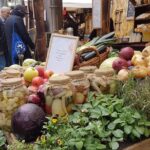
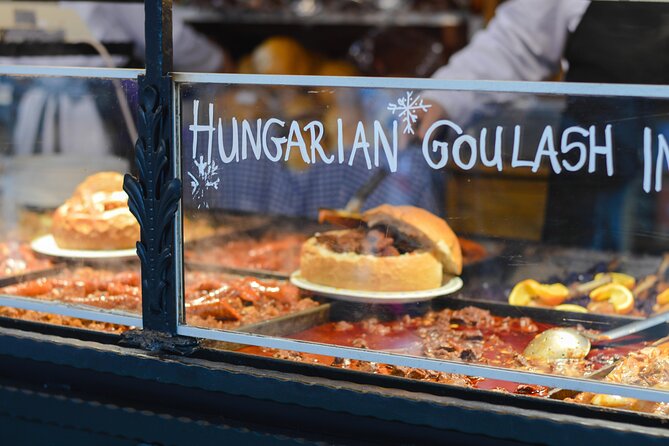
In the market, you’ll work through classic Hungarian flavors. Expect tastings that can include goulash, cheese, cured meat, and even seasonal fruit. This is the moment when the tour stops feeling like random snacking and starts feeling like a regional food lesson.
There’s also a practical advantage to having a guide here. Market halls can be confusing if you don’t know what to look for, and they can be busy. With a private setup, you’re spending less time guessing, and more time eating what you came for.
One note for your expectations: you’ll taste a range of items, but it’s still a tasting tour, not a full sit-down meal. If you’re hungry-hungry, plan to eat a proper dinner later. The reviews do suggest that some people end with full stomachs, but the size and focus can vary by tour day and guide style.
Bakery stop energy: strudel and pogácsa with context
A big part of the experience is the bakery side of Hungarian food. You’ll get the chance to taste Pogácsa and Strudel, among other baked options. These are the flavors many people think of first when they hear Hungarian pastry, but the tour goes further by connecting them to the broader food culture you’re sampling.
Why I like this stop for visitors: pastries are the easiest gateway to local taste. You don’t need to decode a menu or find an unusual ingredient. You can just compare textures and flavors—butter, dough, fillings, and sweetness—while your guide explains what makes them Hungarian rather than just baked goods from anywhere.
Still, based on the feedback you shared, this is where the tour could tilt sweeter for some guests. If dessert-forward is great for you, you’ll likely love it. If you want more savory bites and less pastry weight, tell your guide your preference early so the tastings can match your appetite.
Unicum, Pálinka, and Hungarian wines: the drink stops that teach
Hungarian drink culture is a huge part of how people socialize, and this tour gives you tastings rather than a single bland sip. A highlight at the Central Market Hall segment includes sampling Unicum or Pálinka, plus Hungarian wines at local wine-bar style stops in Pest.
Unicum is an herbal liqueur, and it’s described as a national drink of Hungary. Pálinka is another traditional spirit, and both fit the idea of Hungarian “small tastes” that turn into a conversation with locals: bitter herbs, fruit notes, and a warming finish.
What to expect from a practical standpoint: these aren’t soft drinks. Take small tastes, sip water if you need it, and pace yourself. A drink tasting included in a walking schedule can otherwise sneak up on you.
From the review patterns, the guides named Stephen/Steven and Christine were praised for being enthusiastic and for sharing history and context while you tasted. That matters here because alcohol tastes make more sense when you understand why locals reach for them.
You can also read our reviews of more private tours in Budapest






Fried comfort and hearty bites: goulash, lángos, sausages, and more
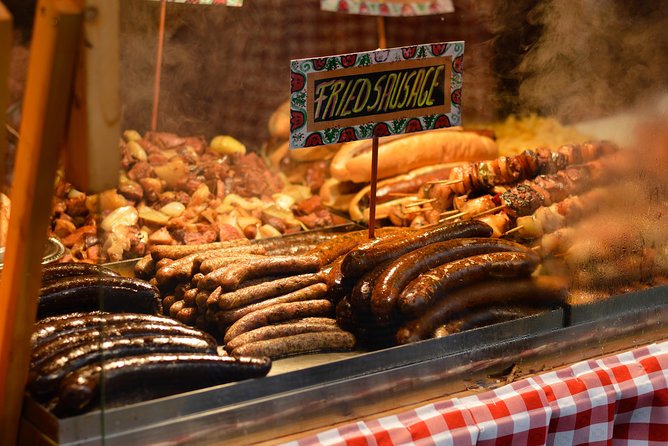
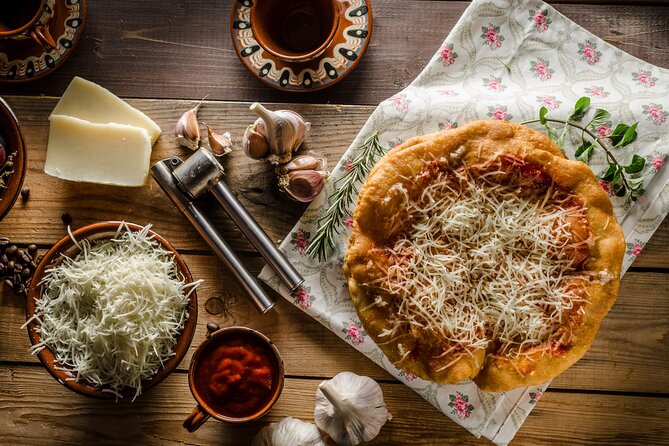
The savory side of the menu is where this tour earns its keep. You may taste goulash, Lángos, sausages, cheese, and cured meat, plus other seasonal or regional bites along the way. This is a good cross-section of Hungarian comfort food: warm stews, fried street-style bread, and rich cured flavors.
Lángos, in particular, tends to be one of those foods that feels like Budapest in a single bite. It’s filling and easy to share, and it helps balance out the pastry stops that can happen earlier in the route.
The cured meats and cheese tastings are also useful because they teach you what Hungarians pair together in real life. If you’ve only encountered Hungarian food through a single dish, this is where you start seeing the bigger pattern.
One word of caution: since the tour is a tasting format, you’ll likely receive multiple small portions rather than one big entree. That’s part of the appeal for people who like variety—but it’s also why one review said they expected more substantial savory servings.
“Private” really means something here

This experience is explicitly a private tour/activity, meaning only your group participates. That changes the feel right away. Instead of being pulled along at a set group pace, you can ask questions, slow down at a stall you’re curious about, and keep the route relaxed.
The reviews reflect this. Several comments praised guides for being flexible and tailoring the experience to what people wanted. In the feedback you shared, guides named Christine and Stephen/Steven came up in a positive light for variety and for sharing historical context while you ate.
For you, the practical result is that you’re more likely to walk away understanding what you tasted—not just collecting photos of food.
English guide, and how the language shapes the tasting
The tour is offered in English, and the guide is described as meeting you in your hotel lobby. Language matters on food tours because small differences in preparation can be lost without explanation—why something is served a certain way, what a local product is known for, and how a national drink fits into daily life.
Past reviews also praised the guides’ knowledge and enthusiasm while sampling. While you shouldn’t expect a classroom vibe, you can expect enough context to make the tastings feel connected rather than random.
If you prefer a more relaxed experience with minimal lecture, tell your guide early. If you love background and want food history, say that too. A private format is the perfect setting for that kind of back-and-forth.
What to eat expectations: tastings, not a full restaurant meal
Let’s set expectations clearly. This is described as food and drinks at several local spots over about four hours. That means you’ll likely get a range of bites—sweet and savory—and a couple of drink tastings. It’s not guaranteed to replace dinner.
One review complaint you provided mentioned expecting more entree-style food for the price. That’s the main risk for people who want big portions. If you’re expecting plates of food like a restaurant meal, you’ll likely feel slightly shorted.
On the upside, another review said the food variety left them with a full stomach. So the likely truth is: you’ll be fed well, but how filling it feels can depend on what’s emphasized on the day and how your guide matches your preferences.
Booking timing and what it means for planning
This tour is typically booked about 40 days in advance on average. That’s not last-minute, and it suggests you should plan ahead if your dates are fixed. A private tour can fill quickly during peak travel weeks, especially because the meeting point is tied to your specific hotel location.
When you book, you’ll also receive confirmation at the time of booking, and it’s listed as offering a mobile ticket. Bring your phone and plan to show the ticket as instructed by the operator.
Who this tour suits best (and who should think twice)
You’ll likely love this if you want:
- A private, guided way to taste Budapest food without spending time hunting
- A mix of market foods + bakery bites + local drinks
- A guide who can tailor the stops (several reviews praised this)
You might think twice if:
- You have dietary restrictions. The tour explicitly says it’s not recommended for travelers with dietary restrictions.
- You hate pastry-heavy moments. One review complained the tour leaned toward sweets, so if that’s a deal-breaker, communicate your preference early.
Also consider your budget. At nearly $200 per person, you want to be confident you’ll enjoy tastings across multiple venues. If your goal is one signature dish only, you might do better with a food-focused restaurant plan.
Should you book this Budapest culinary walking tour?
I’d book it if you want a guided tour that helps you eat beyond the obvious tourist picks—especially the mix of Central Market Hall tastings, bakery staples like strudel, and classic Hungarian drinks such as Unicum and Pálinka. The best part is the private feel: less wandering, more eating, and more chances to ask questions.
I’d hold off or talk carefully with the operator before booking if you’re expecting a more entree-heavy experience or you strongly prefer savory over sweets. The feedback you shared shows that food balance can vary, and that’s the one place you should manage expectations.
FAQ
How long is the Budapest Private Culinary Walking Tour?
It’s about 4 hours (approx.).
Is this tour private?
Yes. It’s a private tour, and only your group participates.
Will I be picked up from my hotel?
Your guide meets you in the hotel lobby. Car pickup and drop-off are not included since it’s a walking tour.
What food and drinks are included?
The tour includes food and drinks at several local spots in Budapest, including items like Hungarian dishes and tastings such as Unicum, Pálinka, and Hungarian wines.
Is the tour available in English?
Yes. It’s offered in English.
Is it suitable for people with dietary restrictions?
It’s not recommended for travelers who are traveling with dietary restrictions.