REVIEW · BUDAPEST
Budapest Grand Half-Day Jewish Heritage Tour
Book on GetYourGuide →Operated by Hungaria Koncert Ltd. · Bookable on GetYourGuide
Budapest’s Jewish history is hard to forget. This half-day tour strings together major landmarks like Dohány Street Synagogue and the Kazinczy Street Synagogue, plus museum time and memorials that put names and dates to what you see. I like how guides such as Benjamin, Orsi, and Petra bring the story to life with clear explanations and room for questions. One thing to consider: the route isn’t for wheelchair users, and you’ll need solid walking shoes because you cover several stops on foot.
You’ll also get a smart balance of big places and street-level context. After the indoor sites, you shift into the Jewish Quarter on the streets of the former ghetto, where synagogues, monuments, and kosher spots sit close enough to feel like a living neighborhood. I like the way the tour connects the past to what’s still here today, from the Tree of Life memorial setting to the Orthodox quarter’s ongoing community life. The main drawback is time pressure at the end if your group runs behind, so bring patience for a fast pace in the last leg.
In This Review
- Key Takeaways Before You Go
- The Big Sites: Why This Tour Works in Just 4 Hours
- Starting at Dohány Street Synagogue: The Size You Feel
- Jewish Museum Budapest: Turning Landmarks into Meaning
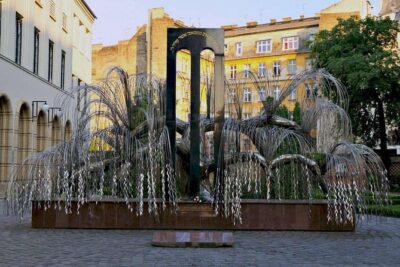
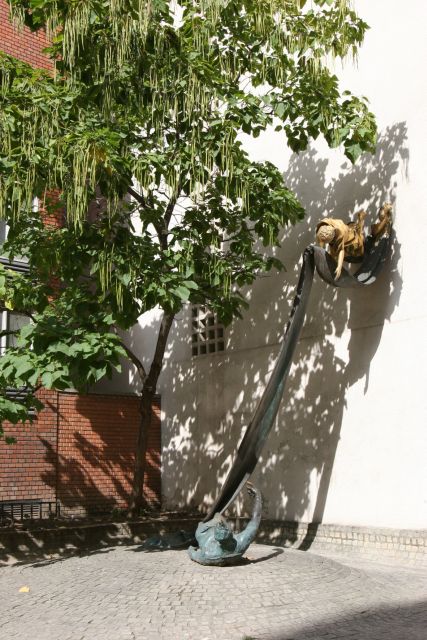
- Raoul Wallenberg Holocaust Memorial Park and the Tree of Life
- Carl Lutz and the Practical Meaning of Hungary’s Schindler
- The Orthodox Jewish Quarter: Streets Where History Still Lives
- Synagogues Beyond Dohány: Rumbach and Kazinczy Stops
- Temple of Heroes and Jewish Community Landmarks
- Pace, Timing, and What to Watch For
- Price and Value: What $116 Buys You
- Who This Tour Is Best For
- What You Should Bring (and What You Should Skip)
- Final Verdict: Should You Book?
- FAQ
- How long is the Budapest Grand Half-Day Jewish Heritage Tour?
- Where does the tour start?
- Is pickup included?
- Is the tour offered in English?
- Do you get skip-the-line entry?
- What entrance fees are included?
- Which key places does the tour visit?
- Is there food or coffee included?
- What should I bring?
- Is the tour wheelchair accessible?
Key Takeaways Before You Go
- Skip-the-line entry helps you spend time inside instead of waiting outside.
- Dohány Street Synagogue + Jewish Museum give you the big-picture and the specifics in one block.
- Holocaust memorial stops bring context to the names you’ll see across the quarter.
- Jewish Quarter walking turns sites into a map of everyday life, not just a checklist.
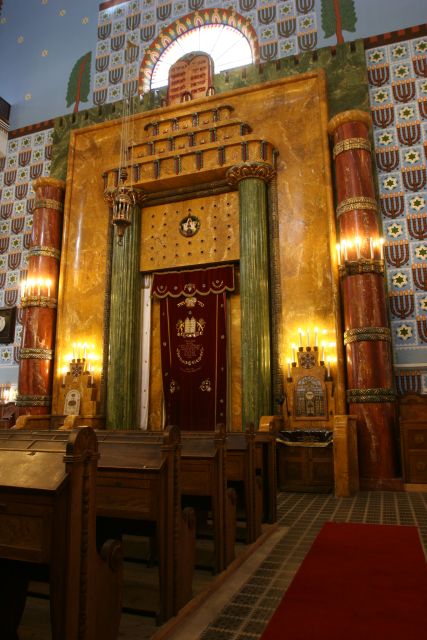
- Kazinczy Street Synagogue is a major Orthodox stop, viewed in the Art Nouveau style.
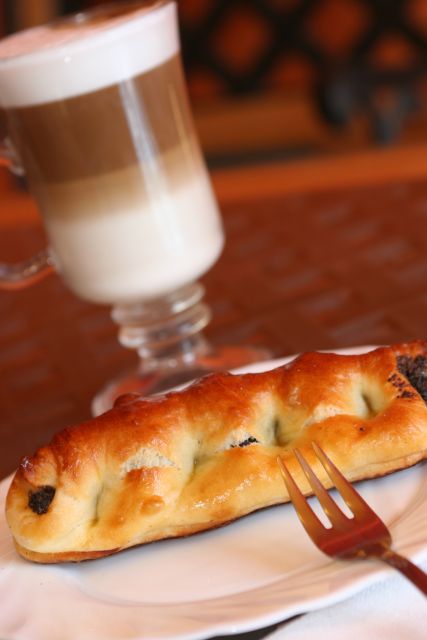
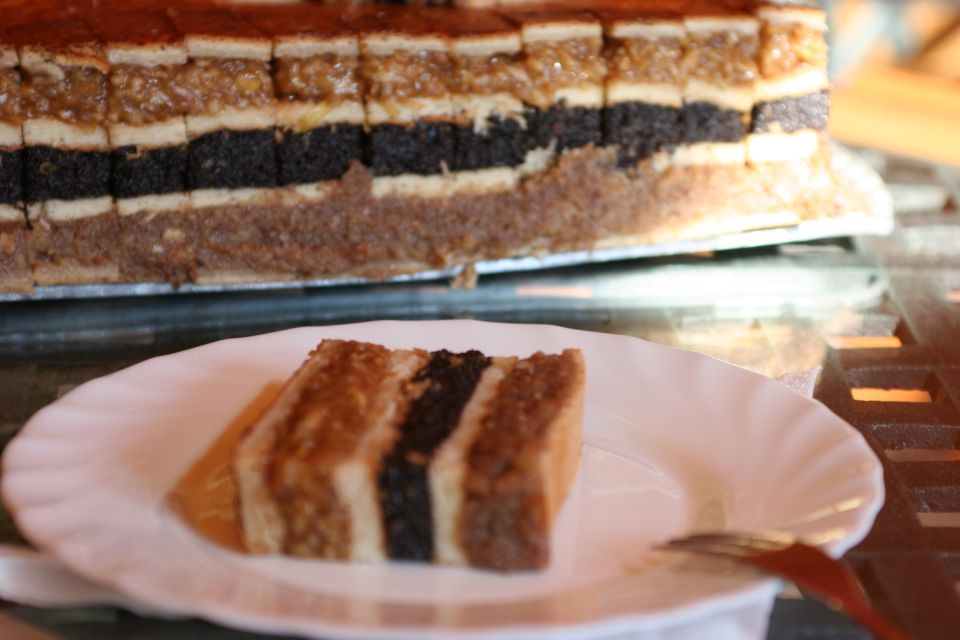
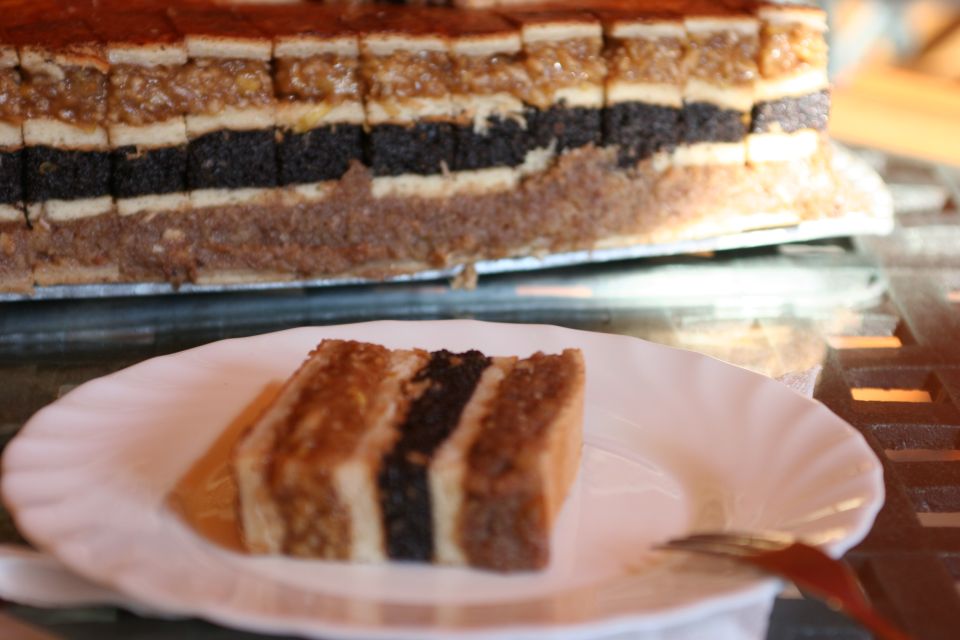
- Coffee and cake at a kosher confectionary is a genuinely nice break in the middle of heavier themes.
The Big Sites: Why This Tour Works in Just 4 Hours
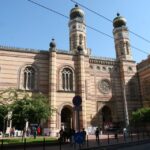
Budapest is one of Europe’s best cities for Jewish history, and this tour targets the parts that most people can’t piece together on their own. You start with the visual anchor: Dohány Street Synagogue, the largest synagogue in Europe. Then you move into the Jewish Museum Budapest, where the story gets organized by objects, documents, and explanations you can actually follow.
The time is the whole point here. You’re not trying to cover the entire city. You’re getting the key locations that explain how the community shaped Budapest, how World War II shattered it, and how the city rebuilt afterward. I think that makes this tour a strong choice if you want depth without losing the rest of the day to transit and extra entrances.
You can also read our reviews of more historical tours in Budapest


Starting at Dohány Street Synagogue: The Size You Feel
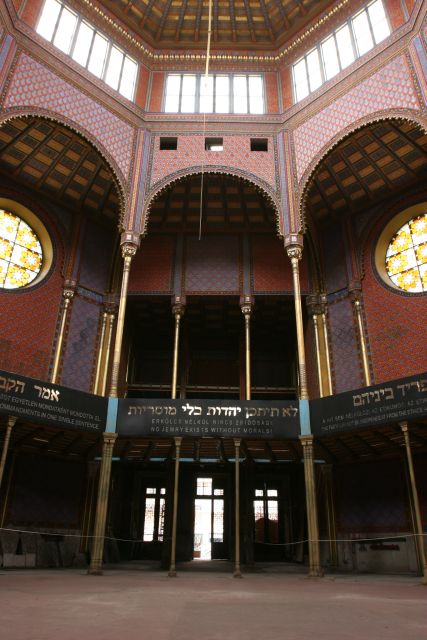
Meeting at Dohány Street Synagogue means you begin in the right mood. Even from outside, the building reads as monumental, and once you’re inside, it’s the kind of space that changes your sense of what a synagogue can be in a big city. You’ll also get guided time inside, not just a quick photo stop.
This is where the tour’s “serious plus human” balance shows up. Guides tend to connect architecture and ritual space to community life—how people gathered, how the neighborhood organized itself, and why this synagogue became such an important symbol. If you’ve visited other Jewish sites in Europe, you’ll still find Dohány in a different category because of its scale and central role.
Practical note: this stop is one of the reasons you’ll want comfortable shoes and a steady pace. You’ll be moving between areas, and you’ll likely spend enough time inside that you’ll feel it in your legs by the end.
Jewish Museum Budapest: Turning Landmarks into Meaning
After Dohány, you head to the Jewish Museum Budapest. This part is valuable because it gives structure. Churches, palaces, and city squares are easier to understand at a glance. Jewish history in Budapest needs context to make the symbols click, and the museum is where that happens.
In the museum, you’re not just seeing artifacts. You’re learning how to connect what you’ll later walk past in the Jewish Quarter—memorials, synagogues, cemetery references, and community buildings—to the larger story. The tour includes local guiding here, so the explanations feel tied to Budapest rather than generic European history.
One drawback to know ahead of time: museum stops can feel heavy if you’re not ready for Holocaust-era content. If you prefer lighter museum themes, you might find yourself processing slowly during the midsection. The good news is that the tour then breaks into outdoor memorials and neighborhood streets, so the experience doesn’t stay trapped in a single tone.
Raoul Wallenberg Holocaust Memorial Park and the Tree of Life
Next comes the Raoul Wallenberg Holocaust Memorial Park, followed by the Tree of Life. This pairing works well because it turns a name you may have heard—Raoul Wallenberg—into a place you can stand and read.
The Tree of Life setting also does something important for your understanding. It’s not only about loss. It points toward rebuilding, continuation, and the way cultural identity persists even after catastrophe. Guides often use this moment to connect humanitarian stories and rescue efforts to the wider community survival narrative.
If you’re the type who wants to leave memorials with something practical in your head (not just sadness), this is one of the best moments on the route. You’ll likely remember this stop when you’re walking the Jewish Quarter afterward.
Carl Lutz and the Practical Meaning of Hungary’s Schindler
Later in the tour, you visit the Carl Lutz Memorial. You’ll hear the name Carl Lutz in a way that’s hard to ignore, including the comparison to Hungary’s Schindler. That nickname matters because it signals how people used diplomatic access and paperwork to save lives.
This stop also ties neatly into Budapest’s larger story. Hungary isn’t just a location on a map. It’s a place where individuals made choices under extreme pressure. When your guide explains that logic, the memorial stops stop feeling like separate exhibits and start feeling like one connected line.
This is one of those segments where you’ll get the most value if you’re willing to ask questions. Guides such as Benjamin have been praised for answering honestly and openly, so it’s a good time to raise what you’re curious about.
You can also read our reviews of more tours and experiences in Budapest




The Orthodox Jewish Quarter: Streets Where History Still Lives
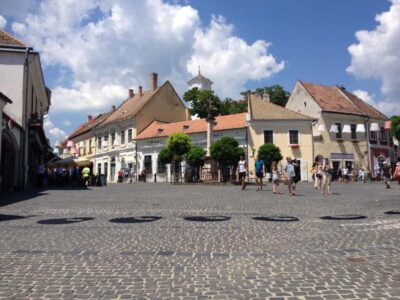
After a break, the tour shifts into neighborhood walking through the Jewish Quarter and streets of the former ghetto area. This is where Budapest turns from a list of famous buildings into a route you can mentally replay later.
You’ll pass or stop near synagogues, monuments, and places tied to day-to-day community life like kosher restaurants and kosher shops. Even if you don’t plan to eat there right away, you’ll see how “history” isn’t trapped behind museum glass. It’s part of the street layout, the storefront rhythm, and the ongoing presence of religious institutions.
One reason I like this section: the guide doesn’t just point out sights. You get basic Budapest context while you walk, which helps you connect the Jewish Quarter to the city you’ll be using later for transport and sightseeing.
Synagogues Beyond Dohány: Rumbach and Kazinczy Stops
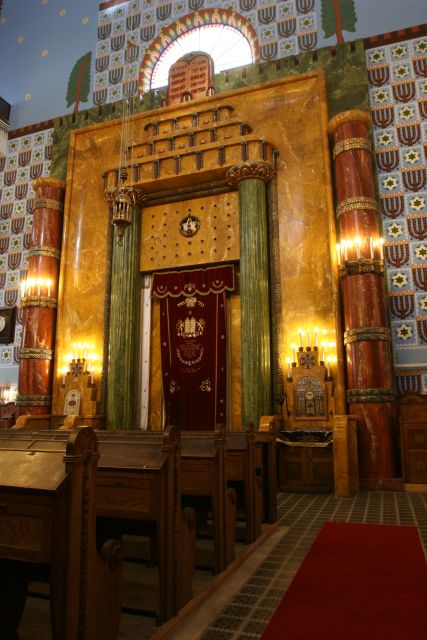
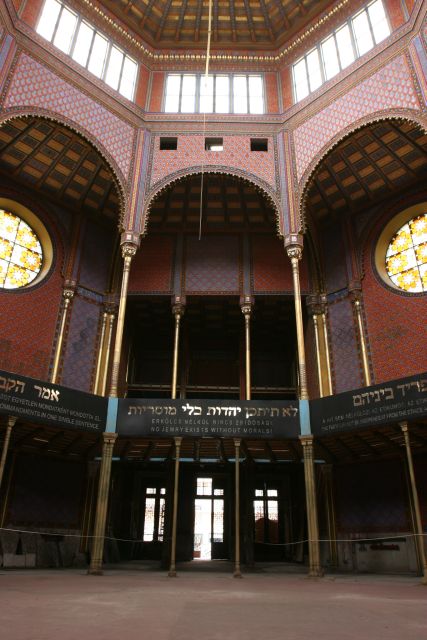
You’ll include an additional synagogue stop: Rumbach Street Synagogue. It’s listed as an outside visit, which can be a little frustrating if you’re hoping for indoor time every time. Still, the outside view works because it keeps the pace moving and sets up your understanding of how different synagogues reflect different streams and needs within the community.
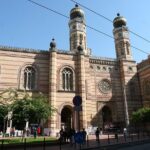
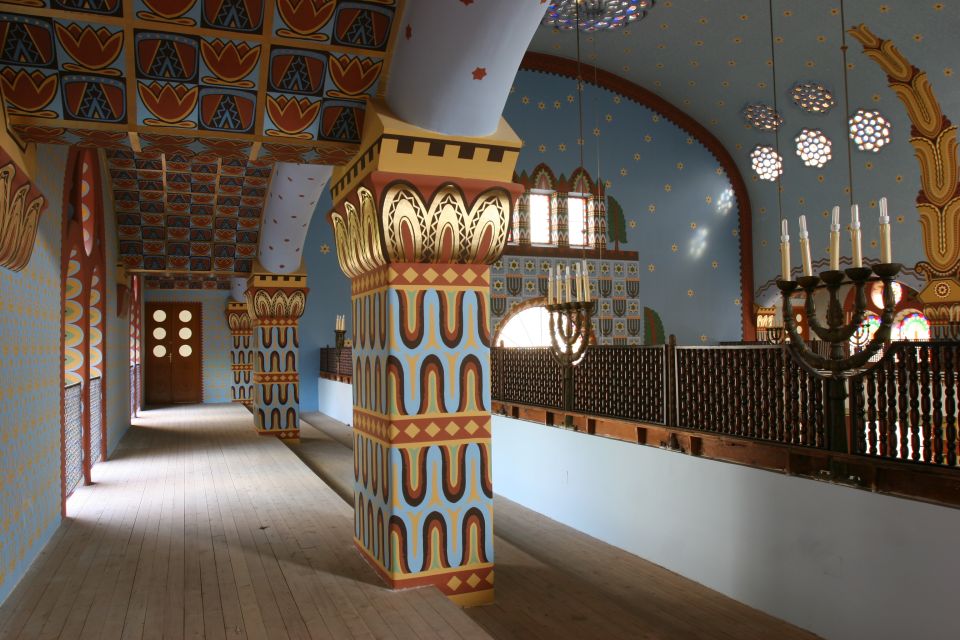
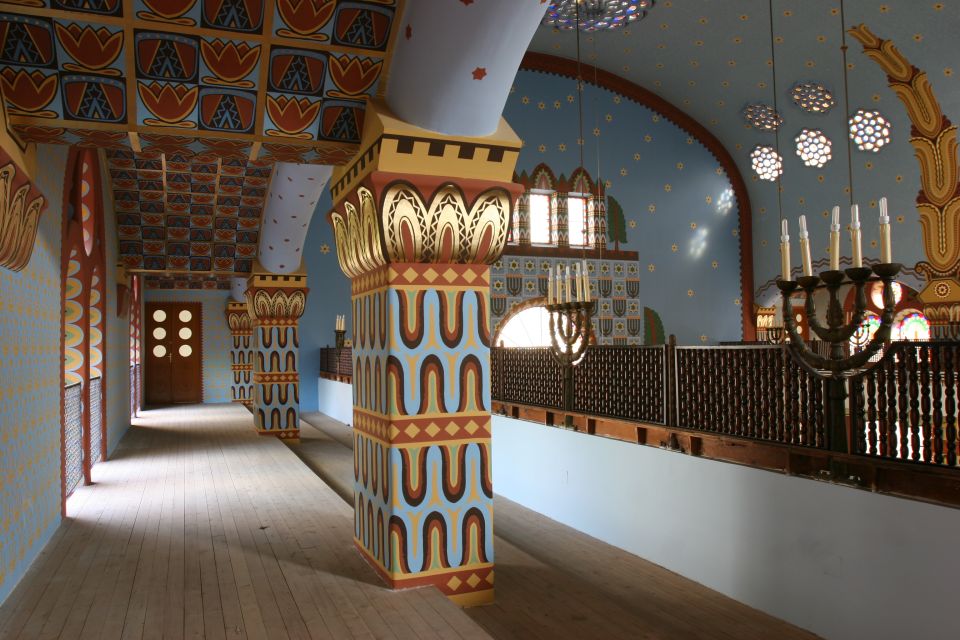
Then comes the third point on the synagogue triangle: Kazinczy Street Synagogue. This is an inside visit, and it’s described as one of the largest operating Orthodox synagogues in Europe, built in Art Nouveau style. That combination is exactly why this stop is so strong for first-timers: you see living religious architecture and also get a style contrast from Dohány’s more grand presence.
If you’re looking for the moment that feels most eye-opening, it’s often Kazinczy. And it helps that the tour includes guided time there, so you’re not just staring at pretty details.
Temple of Heroes and Jewish Community Landmarks
The route also includes Heroes’ Temple as an outside visit and passes the Jewish Centre along the way. Even when these aren’t the main indoor stops, they matter because they widen the lens beyond one synagogue story.
This part is where the tour explains how community institutions worked alongside worship spaces. You begin to see the neighborhood as a network, not a single landmark. For people traveling with kids or multi-generation groups, this helps the experience feel broader than tragedy-focused.
Also on the walking path is Madách Square and Gozsdu Passage. It’s a good palate cleanser between heavier memorial moments and synagogue stops—an urban scene that reminds you you’re still in Budapest, not frozen in 1944.
Pace, Timing, and What to Watch For
The tour lasts about 4 hours, and the schedule is built around timed entrances and guided segments. The best way to treat the experience is like a curated walk, not a slow stroll. If you’re the type who loves stopping to read every plaque or take long photo breaks, you may feel the time squeeze.
A key consideration: some groups can finish earlier or later depending on how your timing lines up with entrances and breaks. That means you should avoid stacking this tour with tight plans right afterward—especially if you’re heading to another major museum nearby. If you want coffee, lunch, or extra time in shops, leave room in your day.
The upside is that most of the stops are big, famous locations you can’t casually replicate alone without planning.
Price and Value: What $116 Buys You
At $116 per person, the question isn’t whether it’s affordable for everyone. It’s whether it’s efficient. This tour includes a professional guide throughout and includes entrance fees for major paid stops like Dohány Street Synagogue, the Jewish Museum, Raoul Wallenberg Memorial Park, and Kazinczy Street Synagogue.
You’re also getting skip-the-line access through a separate entrance, which matters a lot in busy Budapest sites where waiting eats into your time. In practical terms, you’re paying for guided context plus reduced friction.
If you’re deciding between doing this area solo or with a guide, my advice is simple: if you want meaning and you have limited hours, this price buys you time and clarity. If you prefer a slow self-guided itinerary and you’re comfortable reading independently, you might spend less—but you’ll also lose the connective tissue the guide provides.
Who This Tour Is Best For
This is a strong match if you:
- want a focused introduction to Budapest Jewish heritage without building a day-long plan
- like organized museum-and-memorial pacing
- appreciate guides who answer questions directly
It’s also a good fit for mixed-interest groups, because the tour includes both religious architecture and city-neighborhood context. That said, it’s not suitable for wheelchair users, and you should be ready for walking.
What You Should Bring (and What You Should Skip)
Bring a passport or ID card and comfortable shoes. The tour also notes that pets aren’t allowed and that you shouldn’t bring luggage or large bags. That last point matters because synagogues and museums can be strict about entry conditions.
If you’re traveling carry-on light, you’ll likely be fine. If you’re arriving with a backpack full of gear, plan to travel lighter for the half-day.
Final Verdict: Should You Book?
I’d book this tour if you want the highest-impact overview of Budapest’s Jewish landmarks in one tightly guided half-day. Starting at Dohány, adding the Jewish Museum, then moving through memorial parks and the Jewish Quarter gives you a complete arc you can understand later when you read, eat, or walk around on your own.
I’d hesitate only if you strongly dislike structured timing, want an ultra-slow pace, or need wheelchair access. Otherwise, this is the kind of tour that helps your Budapest days feel more intentional.
And if you care about human delivery: guides like Benjamin are known for clear, question-friendly explanations and a sense of humor that doesn’t erase the seriousness of the material. That combination makes the day easier to hold in your head afterward.
FAQ
How long is the Budapest Grand Half-Day Jewish Heritage Tour?
It lasts about 4 hours.
Where does the tour start?
The meeting point is Dohány Street Synagogue, Dohány u. 2, 1074.
Is pickup included?
No, pickup is not included.
Is the tour offered in English?
Yes, it is a live English guided tour.
Do you get skip-the-line entry?
Yes, you enter through a separate entrance to skip the line.
What entrance fees are included?
Entrance fees included are for the Jewish Museum, Dohány Street Synagogue, Raoul Wallenberg Memorial Park, and Kazinczy Street Synagogue.
Which key places does the tour visit?
You’ll visit Dohány Street Synagogue, the Jewish Museum Budapest, Raoul Wallenberg Holocaust Memorial Park and the Tree of Life, and you’ll also include sites around the Jewish Quarter, including Kazinczy Street Synagogue. The route also includes memorial stops connected to Raoul Wallenberg and Carl Lutz, plus outdoor visits such as Heroes’ Temple and Rumbach Street Synagogue.
Is there food or coffee included?
The tour includes a stop for cake and coffee in a kosher confectionary.
What should I bring?
Bring a passport or ID card and wear comfortable shoes.
Is the tour wheelchair accessible?
No. It is not suitable for wheelchair users.
If you want, tell me what dates you’re traveling and whether you’re visiting any other Jewish sites in Budapest. I can help you choose the best order so the day flows.