REVIEW · BUDAPEST
Budapest: Christmas Market Guided Walking Tour with Tastings
Book on GetYourGuide →Operated by Budapest Urban Walks · Bookable on GetYourGuide
Christmas in Budapest is a food game.
This guided walk turns the city’s Christmas Market into a lesson plan: you’ll learn Hungarian holiday customs and taste the treats that make them famous. What I like most is the focus on Hungarian Christmas flavors (chimney cake, marzipan, mulled wine) and the way the experience adds a satisfying finish with coffee at a historical coffee house. One thing to consider: at $106 per person, it’s a pricier way to sample a handful of items, so go in hungry for culture, not just snacks.
You meet your guide right at the Hungarian State Opera House and then move through the market area on foot. The walking pace is easy enough for most people, and the tour format seems flexible—one group even described it as individualized. Still, if you’re expecting a long market wander with lots of extra tastings on top, the included food is clearly a set amount, not an all-you-can-eat situation.
In This Review
- Key things to know before you go
- Entering Budapest’s Christmas Market without feeling lost
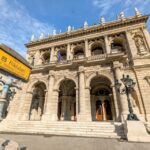
- Meeting at the Hungarian State Opera House: an easy starting point
- The holiday logic: why Hungarian Christmas starts with an eating reason
- Chimney cake stop: the first warm-up you’ll actually remember
- Mulled wine and marzipan: tasting the season’s sweet side
- The handmade goods angle: gifts, not just souvenirs
- Architecture and Budapest context on the walking part
- The historical coffee house finish: why the end matters
- Price and value: is $106 worth it?
- Who this tour suits best (and who should skip it)
- The vibe you’ll likely feel during the walk
- Quick practical advice before you book
- Should you book this Budapest Christmas Market walking tour?
- FAQ
- Where does the tour meet?
- How long is the Budapest Christmas Market guided walking tour?
- What tastings are included?
- Is the tour guided in English?
- Is the tour wheelchair accessible?
- Can I book a private group?
- Is there free cancellation?
- Do I pay right away when booking?
- What is the overall rating for the experience?
Key things to know before you go
- Start at the Hungarian State Opera House for an easy, central meeting point
- 2.5 hours on foot means you get a focused taste of Budapest without a full-day commitment
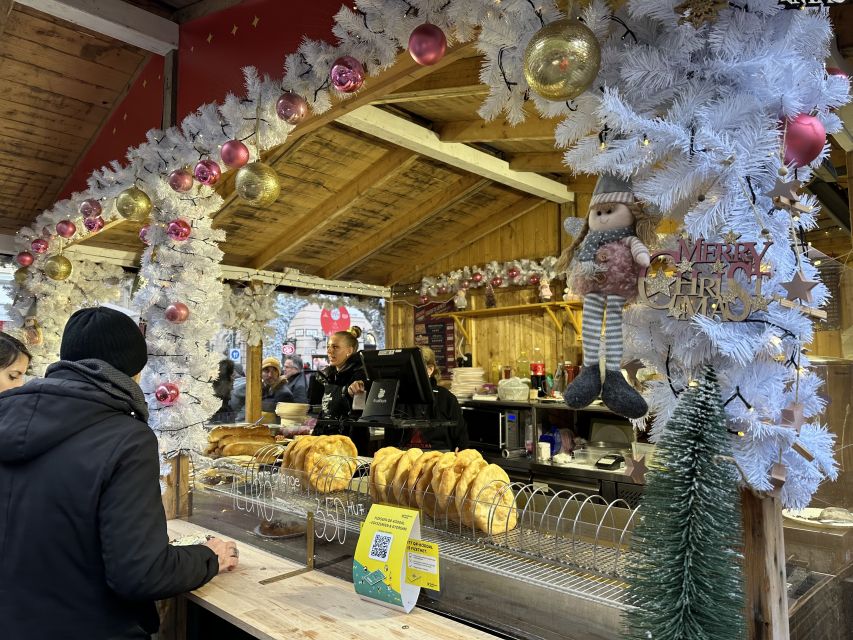
- Tastings are clearly defined: chimney cake, mulled wine, marzipan, plus coffee at a historical spot
- Culture is food-driven: the tour explains why Christmas traditions in Hungary tend to revolve around eating
- English live guide with real local insight, including guides praised by name (like Adam)
- Private group available and the tour is wheelchair accessible
Entering Budapest’s Christmas Market without feeling lost
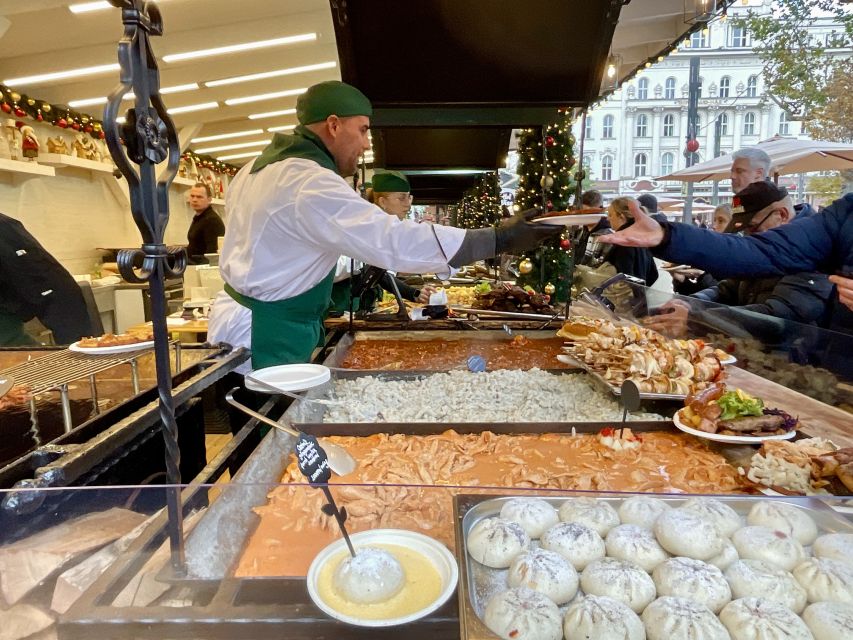
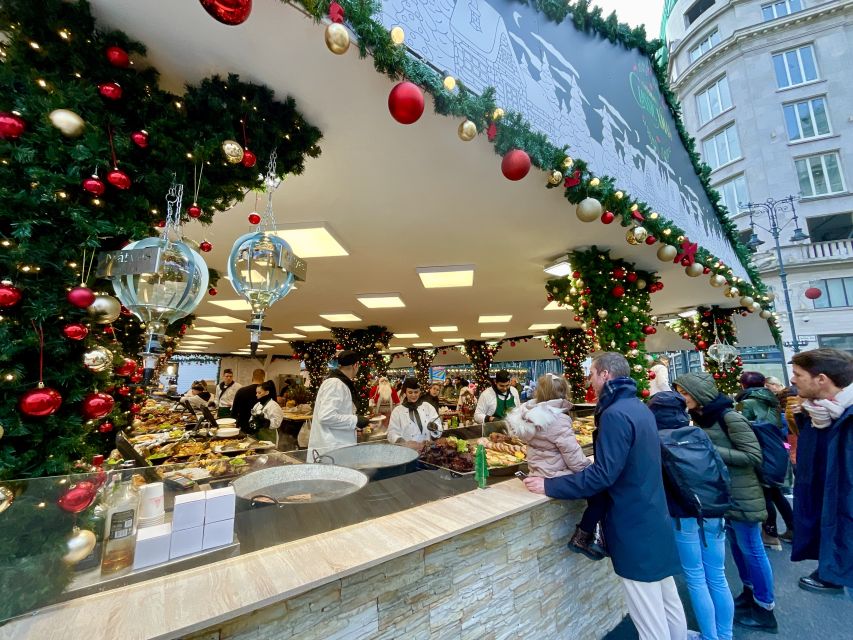
Budapest’s Christmas Markets can look like a beautiful blur—lights, smells, handcrafts, and people everywhere. The smartest reason to book a guided walk is simple: you don’t just look at the stalls, you understand what you’re looking at. This tour is built around one idea—Hungarian Christmas tradition is heavily tied to food—and then it gives that idea a practical shape through tastings and stories.
You’ll walk through the festive market atmosphere while your guide connects the dots: why the season feels different here, what people eat, and how those habits fit into Hungarian holiday timing. The total time is 2.5 hours, which matters because you’re not stuck on your feet for a whole day just to get oriented.
You can also read our reviews of more walking tours in Budapest


Meeting at the Hungarian State Opera House: an easy starting point
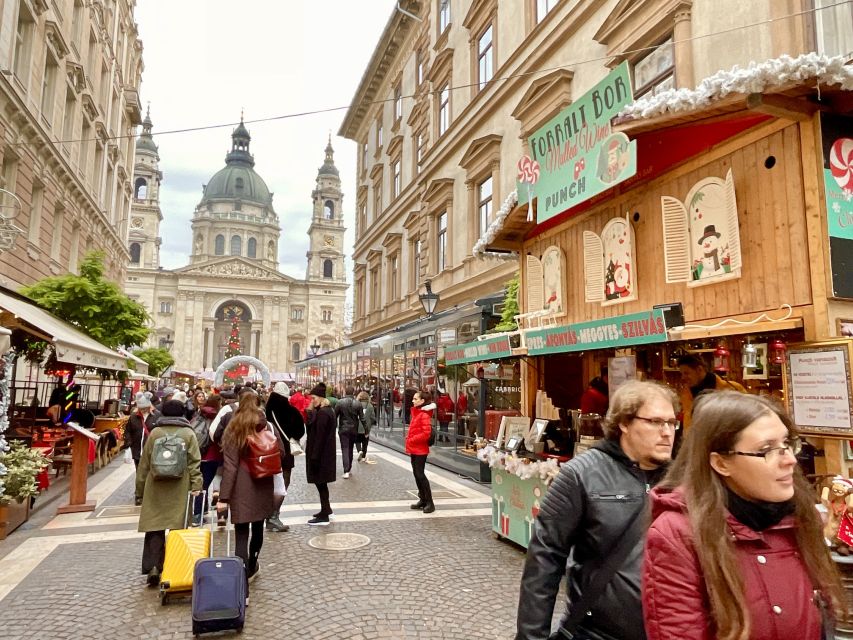
Your guide meets you directly in front of the Hungarian State Opera House. That’s a good detail for first-timers because Opera House area is central and easy to reach by foot from nearby sights. It also sets the tone: you start the tour in a classic Budapest landmark zone, then shift into the market mood.
This is also where I’d pay attention to timing. With a meeting point like this, you’ll want to arrive a few minutes early so you can get your bearings fast and start the walk without stress. If you’re using public transport, build in a buffer—holiday schedules can change the feel of travel even when routes don’t.
The holiday logic: why Hungarian Christmas starts with an eating reason
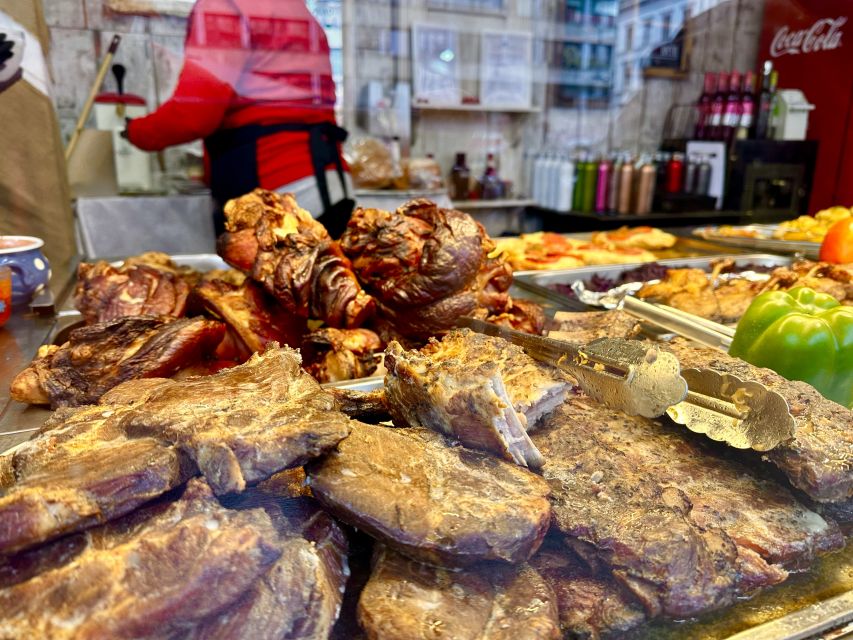
The tour’s core message is that Hungarian Christmas energy is very much food-based. The explanation you’ll hear centers on the fact that the big eating marathon really kicks off on December 24th, so there’s a reason to snack before then. Instead of treating Christmas Market time as pure decoration, the guide frames it as part of the tradition’s rhythm.
That detail makes the tour more than a snack break. It helps you understand why people keep showing up at stalls and why the market feels like a seasonal social space, not just a shopping stop. If you like your travel experiences to have context—why people do what they do—this is a strong fit.
Chimney cake stop: the first warm-up you’ll actually remember
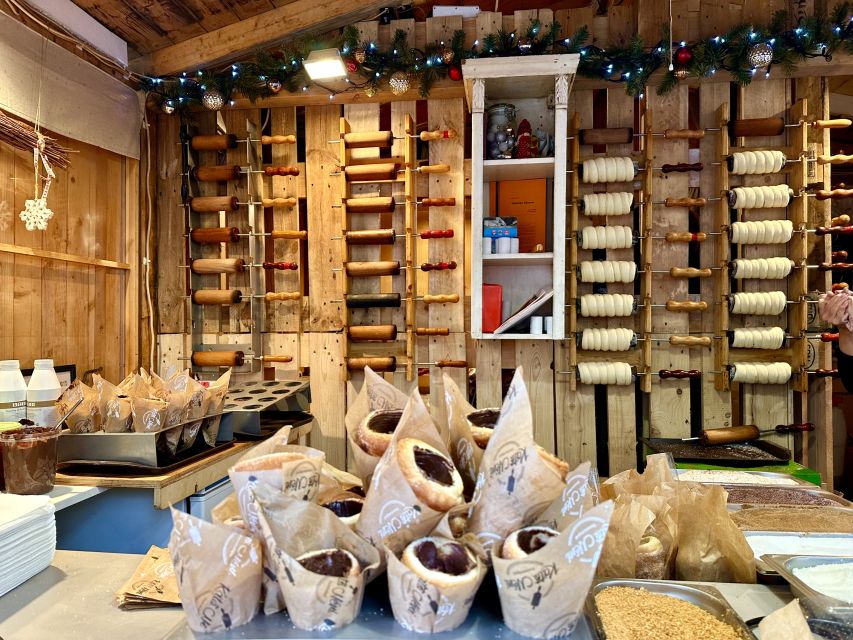
One of the listed tastings is Hungarian chimney cake. Even if you’ve seen it in other places, this kind of first bite is useful on a walking tour: it gives you something warm, sweet, and easy to share mentally as you move through the market.
Why this matters for value: early tastings help you decide what to buy (if anything) later. After you taste the included chimney cake, you’ll have a real reference point for comparing other stalls. And because the tour is time-limited, an early “anchor” tasting keeps the experience from feeling like random wandering.
Practical tip: if you’re sensitive to spice or sweetness, treat that first chimney cake bite as the test. You’ll have mulled wine and marzipan later, so controlling your first taste helps you enjoy everything without getting overloaded.
Mulled wine and marzipan: tasting the season’s sweet side
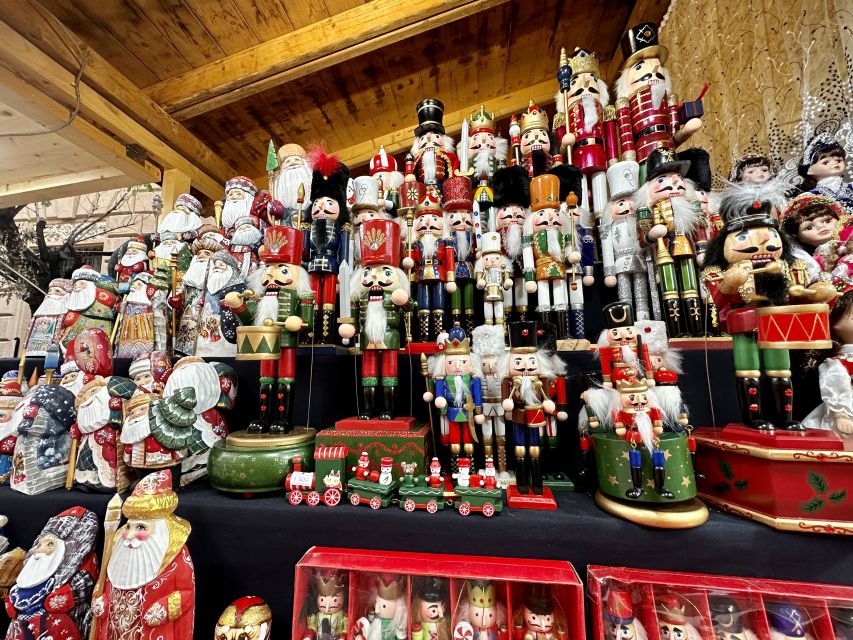
The tour also includes mulled wine and marzipan. These are classic Christmas Market ingredients, but the benefit here isn’t the novelty—it’s the pacing. You’re tasting across multiple flavors, not just piling into one sugary item.
Mulled wine tends to pair well with cold-weather walking, and it also works as a “pause” that lets you enjoy the stalls without rushing. Marzipan is a good bridge between food and gift culture; it’s the kind of treat that people bring home, not only eat on the spot.
If you’re thinking about allergies, this is the point where you should ask your guide what’s in the specific versions you’re served. The tour data confirms you’ll get these tastings, but it doesn’t list ingredients, so don’t assume the recipe matches what you’re used to.
You can also read our reviews of more guided tours in Budapest





The handmade goods angle: gifts, not just souvenirs
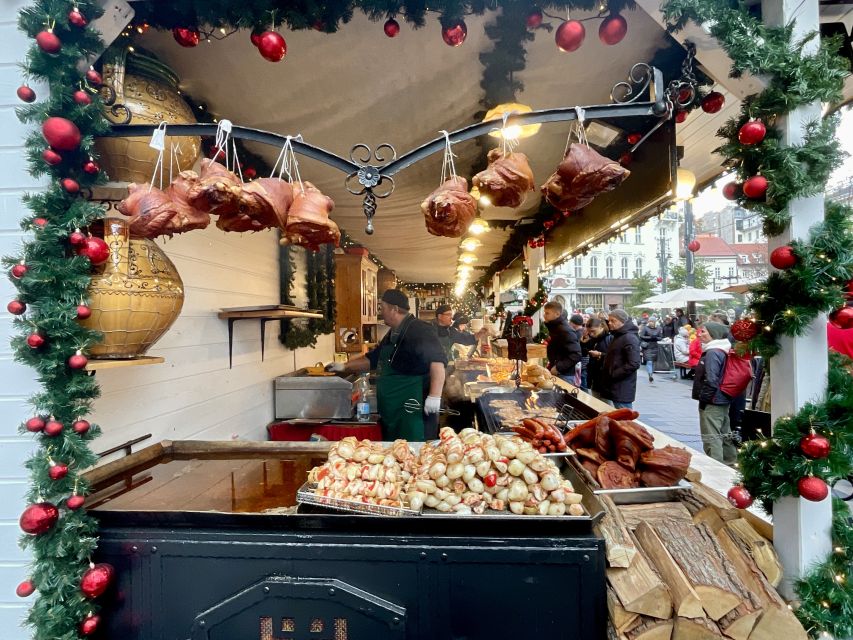
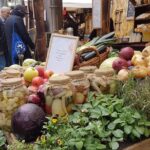
Markets like this can turn into a blur of low-quality trinkets if you wander with no plan. A big part of why this tour is worth it is that it’s not only about food. The guide also points you toward local handmade goods, which gives you something meaningful to buy if you want a real Christmas gift.
Even if you don’t shop, this part changes how you experience the stalls. You’re not just looking for edible items—you’re looking for craft, design, and local choices. That makes your stroll feel more intentional and less like you’re doing the same “snap a photo and move on” loop.
If you are planning to buy something: go for smaller, lighter items unless you’re already set up with luggage space. Christmas-market crafts can be more delicate than they look, and you’ll thank yourself later when you’re traveling.
Architecture and Budapest context on the walking part
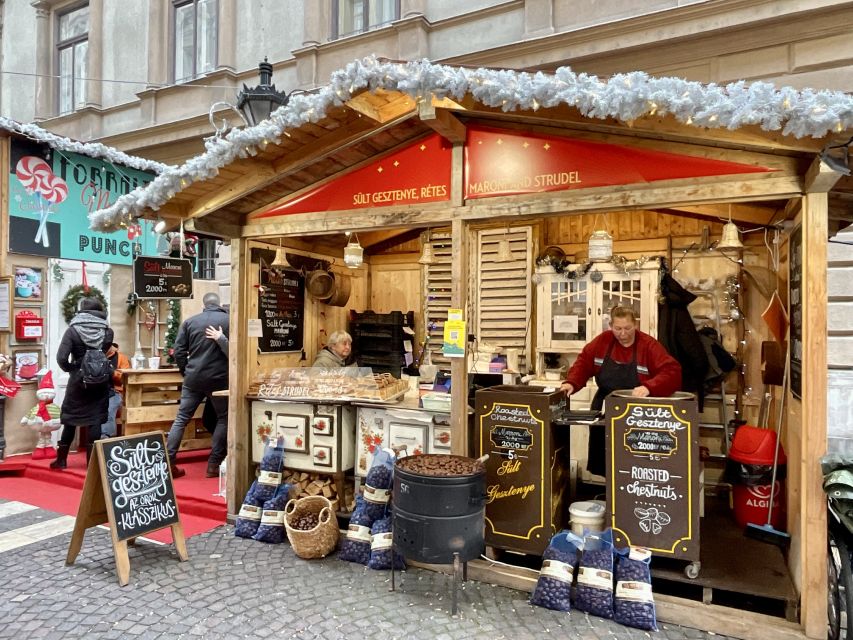
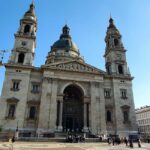
More than one participant highlighted architecture during the walk—so expect your guide to point out features and explain what you’re seeing as you move. Starting at the Opera House makes this natural, and it’s a smart pairing: you get both the festive market energy and the city’s real streetscape context.
One guide named Adam was praised for being not just kind but also knowledgeable, with an added strength in making the area’s architecture understandable. Another guide described as a native of Hungary received thanks specifically for Christmas tradition knowledge. The names matter because they suggest the guiding approach is built on lived understanding, not just scripted facts.
This is also where a 2.5-hour format can shine. You don’t need five hours to learn the difference between a photo backdrop and a place with real meaning. The tour’s structure seems built to deliver that “aha” without draining your energy.
The historical coffee house finish: why the end matters
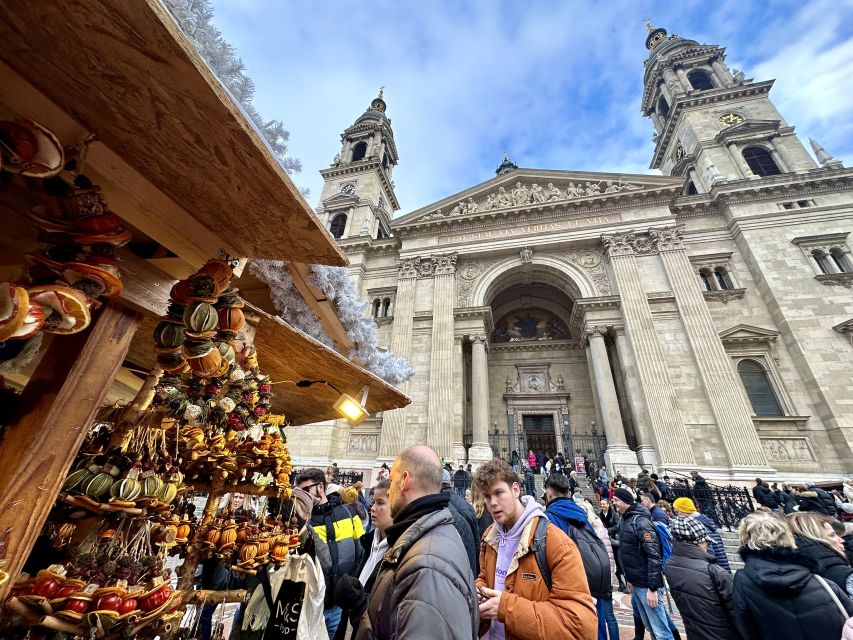
The tastings don’t end at dessert bites. You also get coffee at a historical coffee house, which is a great way to finish a cold-weather market walk. In fact, one positive note singled out the hot chocolate as especially good.
Why I value a coffee-house stop: it gives you a proper wind-down moment. Markets keep moving, but your body needs a reset. You’ll also have time to ask questions—things you might not think to ask while standing between stalls.
This final stop is where the tour often feels most complete. You started at a landmark, moved through festive tradition, and ended in a place designed for lingering. That combination turns the experience from a quick snack run into a proper Budapest moment.
Price and value: is $106 worth it?
At $106 per person for 2.5 hours, this isn’t a budget impulse buy. One point to take seriously: at least one person felt it was overpriced for what they got. That matters because it’s a real signal—this tour is priced as an experience with guiding, multiple tastings, and a venue change, not as a cheap self-guided market bundle.
So how do you judge the value?
- If you want a guided explanation of Hungarian Christmas traditions (and not just tastings), the price starts to make more sense.
- If you like having a set tasting path—chimney cake, mulled wine, marzipan, and coffee—then you’re not guessing where to go or what to order.
- If you mostly want lots of food volume or free wandering time, you may feel the limits because the included tastings are capped.
My rule of thumb: if you treat this as a compact cultural tour with snacks rather than a food festival sampler, it feels closer to fair. If you only want a couple of bites and photos, you can probably DIY the same market vibes for less.
Who this tour suits best (and who should skip it)
This is a great choice if you fall into one of these groups:
- You want Hungarian Christmas traditions explained in plain language.
- You enjoy walking tours with practical stops, not just sightseeing.
- You like food experiences that have a story, especially when the story is about local timing and customs.
- You’d appreciate a guide who can connect the market to the city’s landmarks and architecture.
It may not be your best pick if:
- You’re coming purely for bargain shopping or maximum food quantity.
- You want a long, slow, independent market wander with no structure.
- You’re very sensitive to sweet drinks or sweets, since the experience includes multiple classic treats.
The vibe you’ll likely feel during the walk
Even without you studying schedules, the tour theme is clear: Christmas starts early in Budapest via food. That means the mood is part story, part tasting, part market browsing. The guide’s job is to keep everything moving at a comfortable pace while giving you enough context that you’re not just following people from stall to stall.
And because the tour is in English, it should feel straightforward to ask questions. One of the perks of guided market time is exactly that: you can clarify what you’re seeing without feeling like you’re interrupting your own holiday day.
Quick practical advice before you book
Bring layers. You’ll be outside walking and likely getting drinks while in the market area. If you’re the type who gets cold quickly, dressing for winter comfort will help you enjoy the tastings instead of focusing on temperature.
If you’re planning photos, aim to pause during tastings and coffee. The food breaks naturally create small waiting moments, so you’ll capture signs and stalls without rushing.
Finally, if you’re buying gifts, decide your budget early. The tour includes handmade-goods attention, but you’ll still want to control spending once you’re tempted by what looks perfect.
Should you book this Budapest Christmas Market walking tour?
Yes, if you want an efficient, food-centered way to understand Hungarian Christmas traditions while seeing Budapest’s festive side. The 2.5-hour format, central meeting point by the Opera House, and the set tastings—chimney cake, mulled wine, marzipan, and coffee at a historical coffee house—make it a structured experience that’s easy to fit into a holiday itinerary.
I’d especially book if you’d rather spend your time learning and tasting than wandering in confusion. If you’re price-sensitive or you’re mainly after maximum food volume, you might feel the cost more than the value—so be honest about what you’re buying: a guided cultural walk, not an all-day market feast.
FAQ
Where does the tour meet?
Your guide meets you right in front of the Hungarian State Opera House.
How long is the Budapest Christmas Market guided walking tour?
It lasts about 2.5 hours.
What tastings are included?
The included tastings are Hungarian chimney cake, mulled wine, and marzipan, plus coffee at a historical coffee house.
Is the tour guided in English?
Yes. The live tour guide is listed as English.
Is the tour wheelchair accessible?
Yes, the tour is wheelchair accessible.
Can I book a private group?
Private group availability is offered.
Is there free cancellation?
The activity offers free cancellation up to 24 hours in advance for a full refund.
Do I pay right away when booking?
The option listed is reserve now & pay later, meaning you keep your plans flexible and pay nothing today.
What is the overall rating for the experience?
The rating shown is 4.9 out of 5 based on 8 reviews.