REVIEW · BUDAPEST
Stretched Strudel Making Class with 2 Different Fillings
Book on GetYourGuide →Operated by Cooking Hungary - Culinary Experiences · Bookable on GetYourGuide
Paper-thin strudel starts with a careful stretch. In Central Hungary, this Budapest class is interesting because you learn the traditional stretched-strudel method from Chef Marta, then you actually make and bake your own desserts. I love the hands-on teaching style, with patient guidance while you work the dough. I also love that you’re not stuck with one flavor—you make 2 different strudels and eat what you bake. One drawback: there’s no hotel pickup, and you’ll need to get yourself to the private apartment meeting point in the center of Budapest.
You’ll also get the context that makes the kitchen feel bigger than your cutting board. The chef explains how strudel ties to the Habsburg Empire and traces influence back to Turkish food in Hungary, plus how strudel shows up in countryside wedding dinners. It’s a small group (up to 10), and that matters because you get time to ask questions and actually learn the technique. I especially liked the included family recipes, since they give you something to practice at home, not just a nice meal in Budapest.
During the 2.5-hour session, you’ll stretch elastic pastry by hand until it’s very thin, choose between classic Hungarian-style fillings, then bake and share your results together. While the strudels bake, you also taste other typical Hungarian bites and sip Hungarian wine, soft drinks, mineral water, and coffee. The experience is structured like a real cooking lesson, not a demo, which makes it a fun fit if you want a hands-on souvenir.
In This Review
- Key things I’d circle before you book
- Inside a Central Budapest Strudel Kitchen (No Bus, No Stage)
- The Strudel Backstory: Habsburg, Turkish Influence, and Wedding-Dinner Traditions
- Stretching the Dough: The Moment That Makes You Feel Like a Real Baker
- Two Strudels, Two Flavor Personalities: Poppy-Seed, Cabbage, and Cottage Cheese Cream
- While the Oven Works: Hungarian Snacks, Wine, Soda, and Coffee
- The Best Part: Eating What You Baked, Together
- The Real Souvenir: Family Recipes You Can Actually Use at Home
- Price and Value: What $90 Covers (And Why It’s Fair)
- Who This Fits Best (And Who Might Skip It)
- Should You Book Chef Marta’s Stretched Strudel Class?
- FAQ
- Where does the class start?
- How long is the strudel-making class?
- What’s the group size?
- Is the class taught in English?
- What will I make during the class?
- What fillings are available?
- What’s included in the price?
- Is it suitable for children?
Key things I’d circle before you book
- Up to 10 people in a private apartment setting for real interaction, not a lecture hall
- Stretching the dough by hand until it’s very thin, guided by Chef Marta
- Two different fillings, one class so you can compare flavor styles
- Family recipes included so you can recreate the strudels later
- Hungarian drinks and snacks included while you wait for baking
- English instruction in a small-group format
Inside a Central Budapest Strudel Kitchen (No Bus, No Stage)
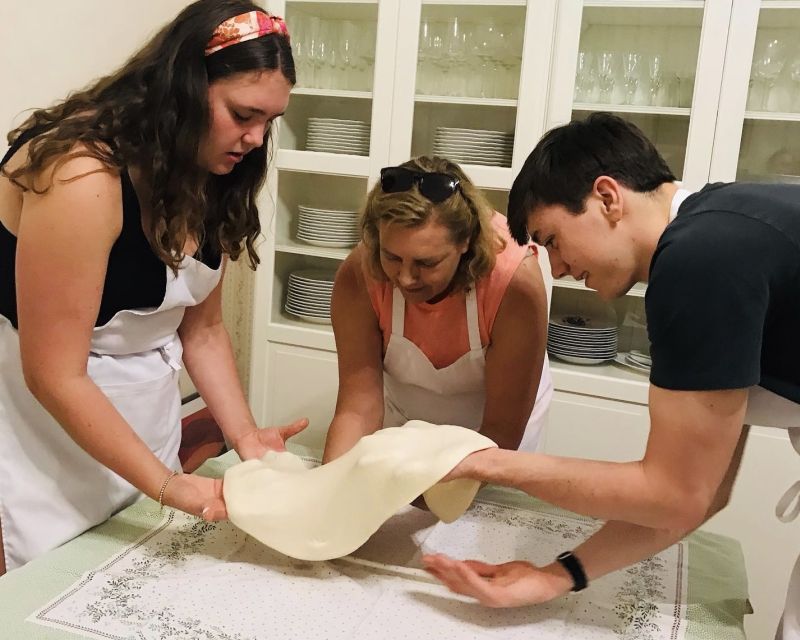
This class runs out of a private apartment in central Budapest, so you don’t arrive at a formal cooking studio. The meeting point is Király u. 77, 1077, and you’ll finish right back where you started. If you like that “someone’s home kitchen” feeling, this setup works well.
The small group size (limited to 10 participants) is the quiet superpower here. In a bigger class, you might spend more time watching than learning. In this one, Chef Marta can keep an eye on your stretching and filling, and you’re more likely to leave knowing what to change next time.
Also note the pacing. Two and a half hours sounds short until you realize you’re doing dough prep, learning technique, stretching it thin, filling it, rolling/assembling, and then baking. You’re not just sampling strudel—you’re building it.
One practical point: because there’s no hotel pickup, plan your route. Central Budapest is walkable and transit-friendly, but you’ll still want to show up on time so the class doesn’t rush you.
You can also read our reviews of more tours and experiences in Budapest



The Strudel Backstory: Habsburg, Turkish Influence, and Wedding-Dinner Traditions
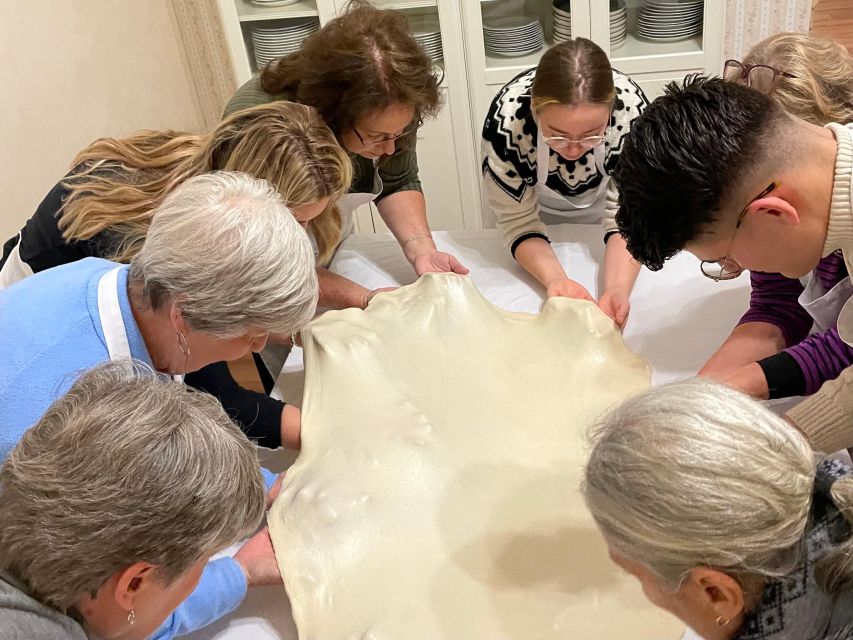
This isn’t just a how-to; you also get the why. Chef Marta shares how strudel became tied to the Habsburg Empire, and how its origins connect to Turkish influence in Hungary. That historical link matters because it explains why strudel feels like more than a single country’s dessert. It’s a “moving recipe” that traveled, adapted, and settled into Hungarian tastes.
You’ll also hear why strudel showed up at major life moments, especially wedding dinners in the countryside. That’s the kind of detail that changes how you think about food. It stops being just a pastry and becomes a tradition people served proudly, not casually.
For you, the takeaway is simple: when you see a stretched pastry that looks delicate and intentional, you’ll understand why technique matters. The thin dough isn’t just dramatic. It’s part of how the dish earned its place at the table.
Stretching the Dough: The Moment That Makes You Feel Like a Real Baker
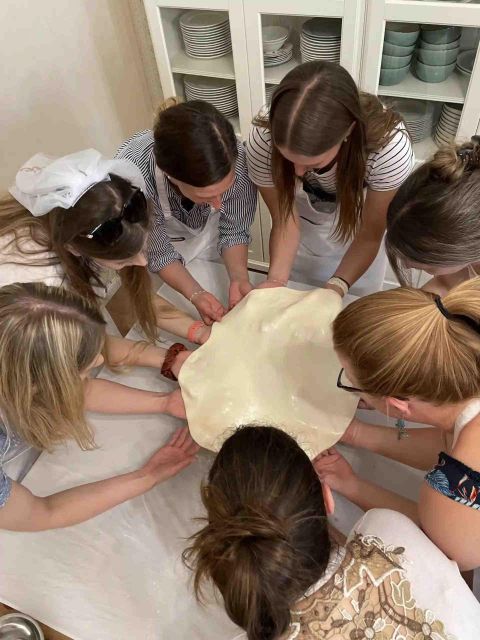
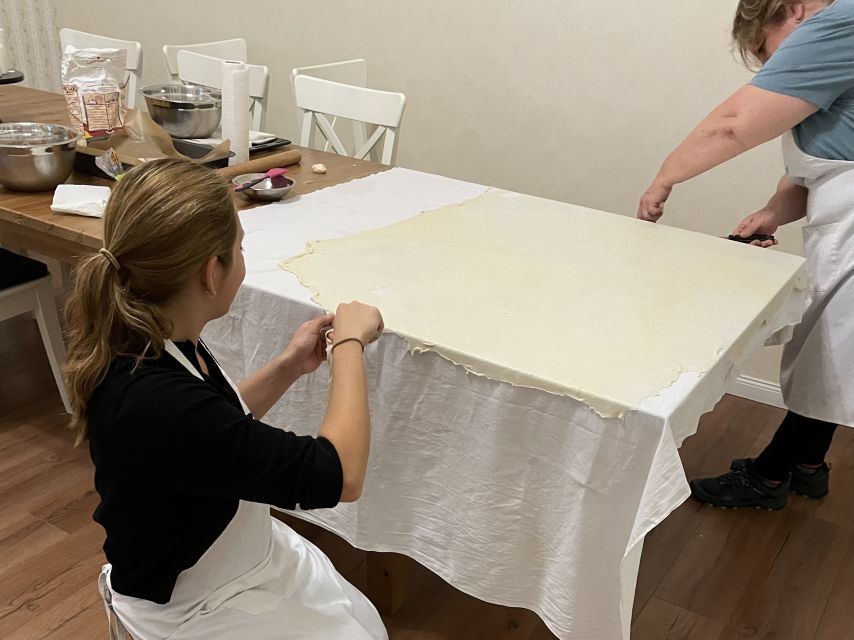
The main act here is the stretching. You learn the stretched version of strudel, using the technique you’d expect to come from a family recipe passed down and refined over time. Chef Marta guides you as you stretch the elastic pastry by hand until it becomes very thin.
This part is where the class earns its name. Store-bought strudel is already rolled and baked, so you never learn what makes the dough special. Here, you feel the texture and learn how to work carefully with something thin and flexible without tearing it.
You’ll also get “little details and secrets,” in the chef’s words and in the way she coaches. I like that the class frames technique as practical skill rather than magic. If you’ve never worked with dough before, you’ll likely appreciate that the lesson is structured so you can succeed during the session, not just at home later.
And because it’s a hands-on format with a small group, you can ask questions while your dough is still on the counter. That’s a big deal for confidence—especially if stretching pastry sounds intimidating on paper.
Two Strudels, Two Flavor Personalities: Poppy-Seed, Cabbage, and Cottage Cheese Cream
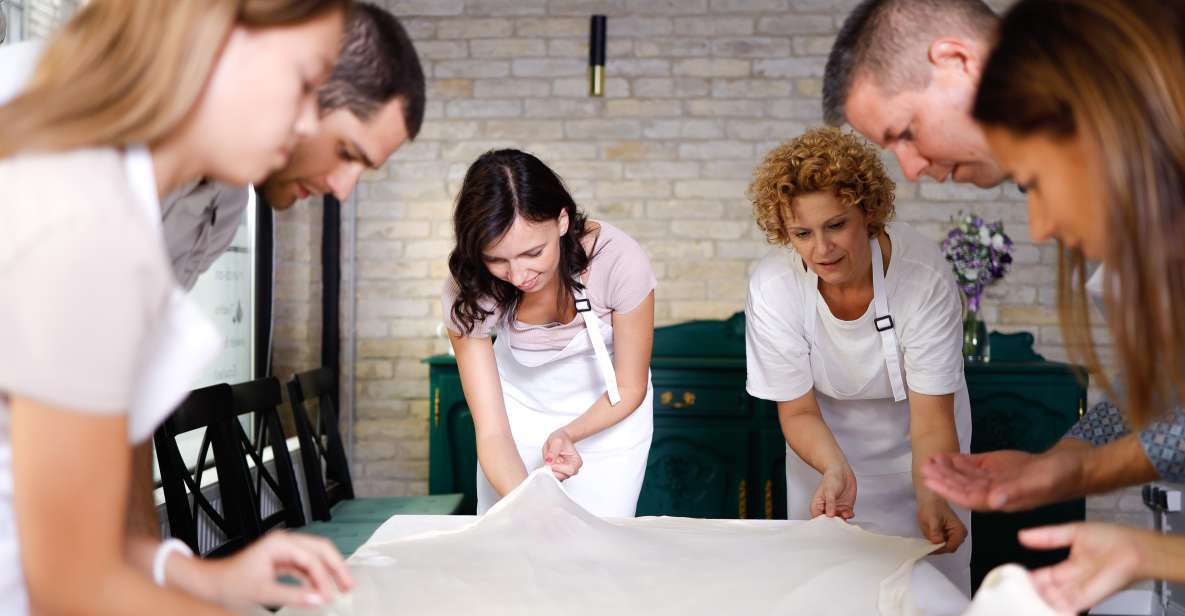
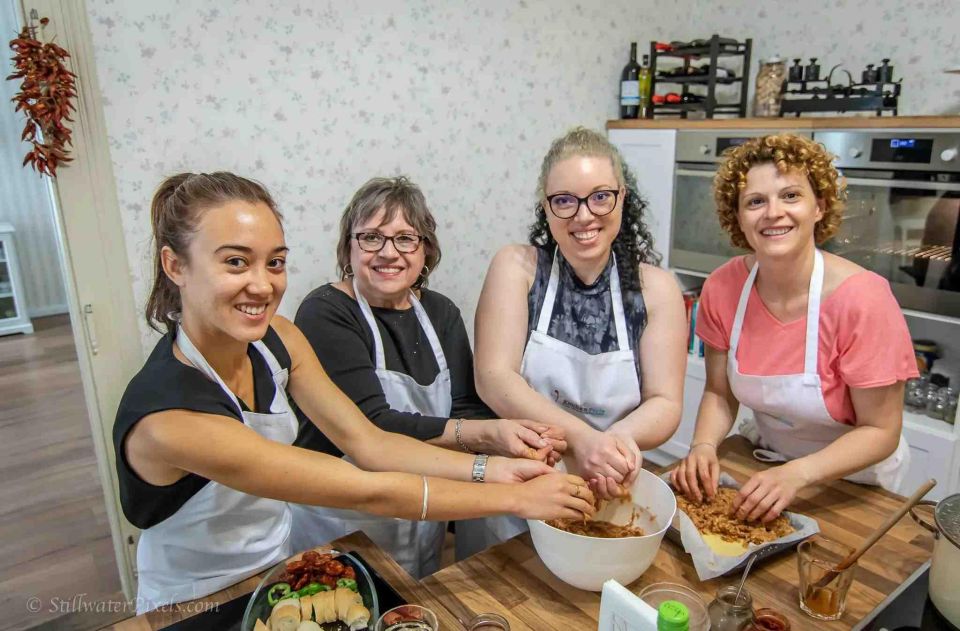
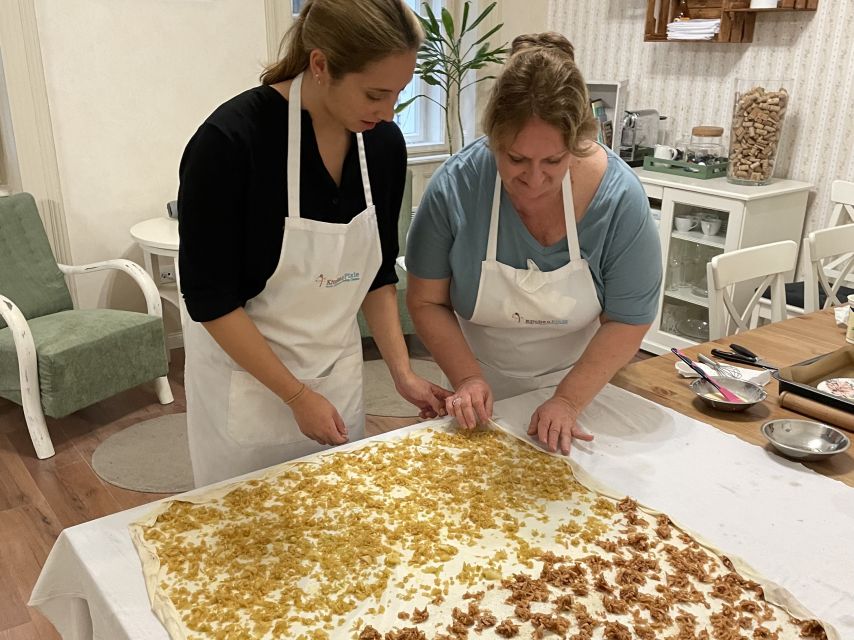
One of the best values in this class is that you make two strudels with two different fillings. That turns a single lesson into a real tasting comparison. You get to notice how filling texture and sweetness level change the whole bite.
Typical filling options include classic Hungarian styles such as:
- Poppy-seed with pumpkin
- Sweet or salty cabbage
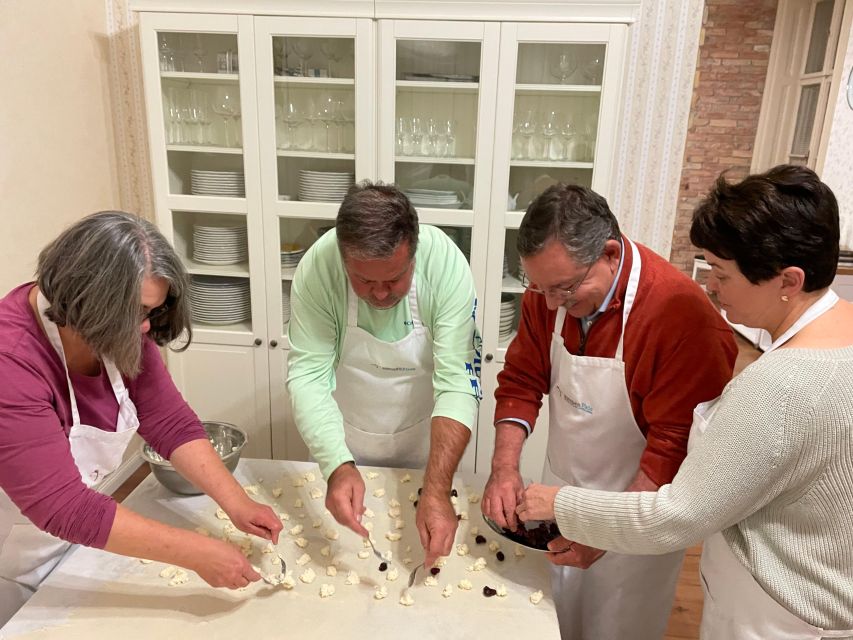
- Sweet cottage cheese cream
You choose your fillings, so you can tailor the class to your preferences. If you like bakery desserts, you might lean sweet fillings. If you enjoy savory comfort food flavors, cabbage can be a great contrast to the sweetness you might expect from strudel.
What I like most is that this makes your learning more useful. After the class, you won’t just remember dough stretching; you’ll remember how different fillings behave in the oven and how they taste once baked.
If you’re the type who always orders the same thing, this setup breaks you out of autopilot. It’s an easy way to explore Hungarian flavors without needing a full food tour schedule.
While the Oven Works: Hungarian Snacks, Wine, Soda, and Coffee
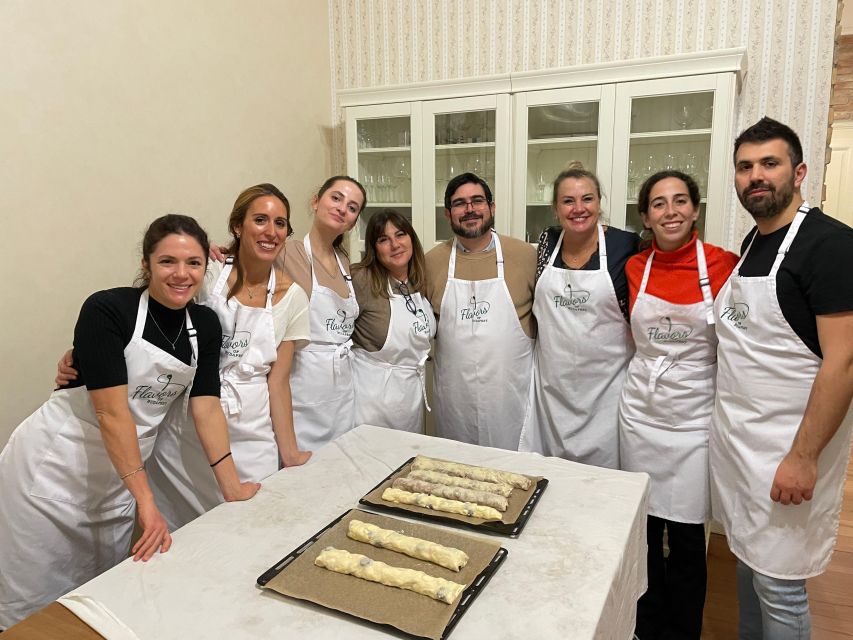
Once your strudels are ready for the oven, you’re not stuck waiting in silence. You sit back and taste other typical Hungarian bites along with drinks.
Included drinks cover Hungarian wine (2 dl), soft drinks, mineral water, and coffee. That’s a thoughtful mix, because baking can take time and you’ll appreciate having something warm or refreshing while you wait.
One review highlight that makes this part feel special is the presence of homemade soda made with syrup from family-grown elderberries and raspberries. Even if your version is slightly different day to day, the idea is consistent: you’re tasting more than just strudel, and you’re getting drinks with a local, household touch.
This is also when the chef’s storytelling lands. With food on the counter and baking in the oven, you’re more relaxed to listen, ask questions, and connect flavors to history.






The Best Part: Eating What You Baked, Together
When the strudels come out, you sit down and savor them as a group. This matters more than you might think. Baking classes can sometimes feel like you rush to the finish line and then barely taste what you made. Here, you get time to enjoy the results while it’s still fresh.
The group atmosphere stays intimate. With a maximum of 10 participants, the meal feels more like a shared table than a production line. It also gives you a chance to compare notes with other people about which filling they liked more and what they’d change next time.
If you’re worried about leaving hungry, don’t. You’ll be making and baking two strudels, plus you’ll have the included Hungarian snacks and drinks during the wait.
The Real Souvenir: Family Recipes You Can Actually Use at Home
Here’s where this class goes beyond a one-off activity: you take family recipes home with you. That’s the difference between eating something tasty in Budapest and being able to repeat the experience later.
Because the recipe set is described as family-level, it’s likely to focus on the stretched strudel process and the kinds of fillings that match Hungarian tradition. And since you baked two different fillings during class, you’ll have a clear reference point for what you’re trying to recreate.
For your kitchen plan, think of it like this:
- You’ll practice the dough stretching technique
- You’ll choose one filling style to start with
- Then you’ll try the second filling once you feel more confident
Even if your home strudel won’t look identical to a chef’s, learning the method is what counts. And having recipes in hand reduces the guesswork that usually kills at-home enthusiasm.
Price and Value: What $90 Covers (And Why It’s Fair)
At $90 per person, this isn’t a cheap snack stop. But it’s also not just a tasting. You’re paying for a full 2.5-hour hands-on class with professional guidance, ingredients, and equipment, plus drinks and Hungarian snack tastings.
Here’s what you get that justifies the price:
- You make 2 stretched strudels from start to bake
- You get help from a professional chef who teaches technique
- All ingredients and kitchen equipment are included
- You receive family recipes to take home
- You’re served Hungarian wine, soft drinks, mineral water, and coffee
- You also get additional Hungarian bites while waiting
If you love cooking classes, the value is strong because you’re learning a skill you can use again. If you’re only interested in eating strudel, it might feel pricey compared to buying a pastry. But if you’re after technique, the included guidance and bake-and-eat structure make the cost easier to swallow.
Who This Fits Best (And Who Might Skip It)
This experience is labeled as not suitable for children under 10, so it’s best for adults and older kids who can handle a hands-on food activity. It also helps if you’re comfortable working with dough and want to be actively involved.
It’s a great fit if you:
- Want an authentic Budapest food experience beyond restaurant dining
- Like learning from home-style technique taught in English
- Prefer small groups where the chef can correct your form
- Enjoy desserts, but also like exploring savory Hungarian flavors like cabbage
If your main goal is quick sightseeing, this may feel like a big commitment for a single afternoon. But for food lovers, this is exactly the kind of class that turns a trip into a story you can repeat at home.
Should You Book Chef Marta’s Stretched Strudel Class?
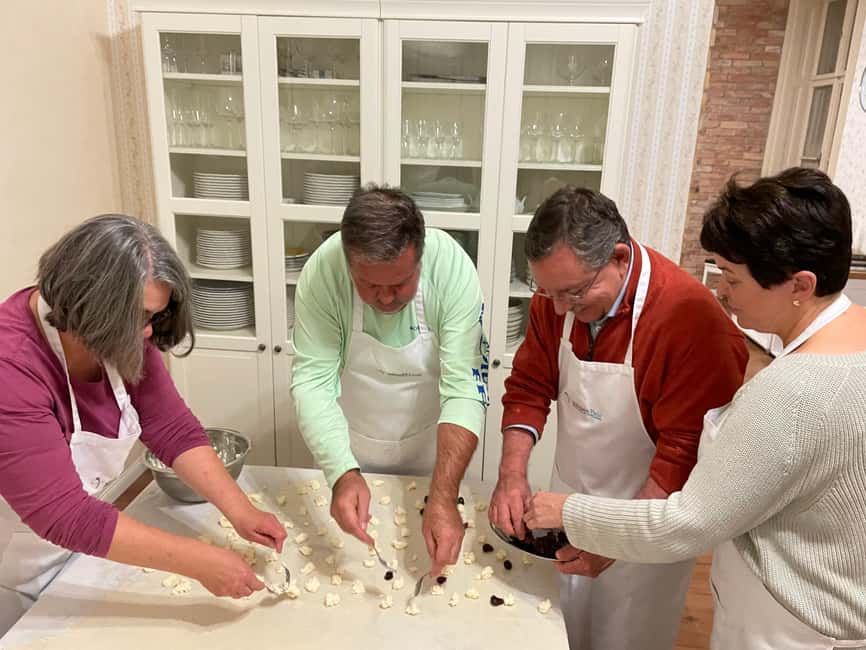
If you want a cooking class where you actually produce food (two strudels), learn stretched-dough technique, and leave with recipes, I’d say yes. Chef Marta’s teaching style seems to be a standout: kind, patient, and focused on the small details that make the difference.
Book this when:
- You’re in Budapest and want a hands-on activity that feels local
- You want both a dessert project and a cultural food context
- You’d use the family recipes after you return home
Skip it when:
- You don’t want to travel to a private apartment meeting point on your own
- You’re mainly seeking fast sightseeing instead of a skill-building class
- You’re traveling with younger kids who can’t do hands-on cooking well
For the right traveler, this is a memorable way to bring Hungarian food tradition home—thin dough, two fillings, and a kitchen lesson that sticks.
FAQ
Where does the class start?
You meet at Király u. 77, 1077 Hungary in central Budapest, at the local partner’s private apartment.
How long is the strudel-making class?
The experience lasts about 2.5 hours.
What’s the group size?
It’s a small group limited to 10 participants.
Is the class taught in English?
Yes. The instructor speaks English.
What will I make during the class?
You’ll make stretched strudel and bake two strudels, each with a different filling.
What fillings are available?
Typical fillings mentioned include poppy-seed with pumpkin, sweet or salty cabbage, and sweet cottage cheese cream.
What’s included in the price?
The class includes ingredients, kitchen equipment, help from a professional chef, drinks (Hungarian wine, soft drinks, mineral water, coffee), typical Hungarian snacks, and family recipes to take home.
Is it suitable for children?
No. It’s listed as not suitable for children under 10.