REVIEW · BUDAPEST
Original Budapest Alternative Street Art & Jewish Tour
Book on Viator →Operated by Original Budapest Tours · Bookable on Viator
Graffiti and Jewish-quarter clues in one walk. That’s the hook of this Original Budapest Alternative Tour: you’ll track public art across Budapest while your guide connects it to the feel of the city and what you’re seeing on the wall. I love that it mixes street art with local cultural context, so the route feels like more than a photo stop.
The second thing I like is the simple, social format. The tour runs about three hours, keeps each stop short, and is built for chatting with other people while your guide points out what to notice and where the art fits in the neighborhood story.
One thing to consider: guide quality can vary. Some guides have strong art-and-history command, while a few have been reported as newer and less confident with details. If you care a lot about specific historical geography, ask early and don’t be shy about follow-up questions.
In This Review
- Key highlights you’ll actually feel on the walk
- A route that ties walls to meaning in Budapest’s 6th and 7th
- Start at St. Stephen’s Basilica: easy meeting point, right vibe
- Lépcső Street Art: where the city gets permission to be strange
- Terézváros: the neighborhood story behind the art route
- Andrássy Avenue and Király utca: a crossing into the 7th district mood
- Színes Esernyők and Színes Város: color with a point
- What’s included, and what you should bring
- The price question: $25.20, but what does it buy you?
- Guide quality is the main wildcard
- Who should book this alternative street art and Jewish-quarter walk
- Quick practical tips before you go
- Should you book it? My decision rule
- FAQ
- How long is the Original Budapest Alternative Street Art & Jewish Tour?
- Where does the tour start?
- What time does the tour begin?
- What’s included in the price?
- Is bottled water included?
- How many stops are there?
- What happens if the weather is bad?
- What is the cancellation policy?
Key highlights you’ll actually feel on the walk
- Sixth and Seventh District focus with a route that keeps you moving through real neighborhoods
- Street art stops designed around visible, walk-up murals and installations
- Színes Város / Színes Esernyők context so the color isn’t just decoration
- Local guide included (and the guide works for tips, so interaction matters)
- Short 30-minute segments that reduce the risk of getting bored mid-walk
- Good weather matters since most of what you’ll do is outdoors
A route that ties walls to meaning in Budapest’s 6th and 7th
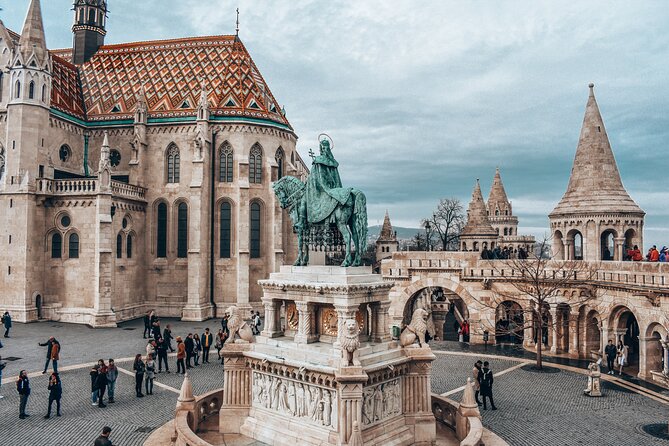
This isn’t a museum tour. It’s a walking route where you read the city like a page. The plan centers on Budapest’s 6th and 7th districts, places where young culture and long-time residents overlap, and where street art shows up not just as spectacle but as part of everyday life.
You’ll be moving at a pace that’s deliberate but not slow. Think short photo breaks, quick explanations, then back on the move. That matters because street art loses impact if you stare too long without guidance, or if you rush and miss what the guide is pointing at.
Also, the whole thing is built to be friendly and social. You’re encouraged to talk with the group while the guide shapes the story, which is great if you’re traveling solo and you want conversation without forcing it.
Practical note: you start and end around the city center, so plan for walking time and comfortable shoes.
You can also read our reviews of more tours and experiences in Budapest


Start at St. Stephen’s Basilica: easy meeting point, right vibe
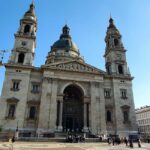
You’ll meet at St. Stephen’s Basilica (Szent István tér 1). It’s one of those landmarks everyone can find, which lowers the stress level on a first day in town. The start time is 11:00 am, so you’ll still have good daylight for street art details.
The day-of setup is also straightforward: you get a mobile ticket, and the start time is fixed. End point can vary, which is normal for walking routes, but it also means you should save a little buffer after the tour if you’re catching transport.
I also like that the tour caps at 100 people. That’s not a tiny group, but it helps keep the experience from feeling like a mass city bus stop.
Lépcső Street Art: where the city gets permission to be strange
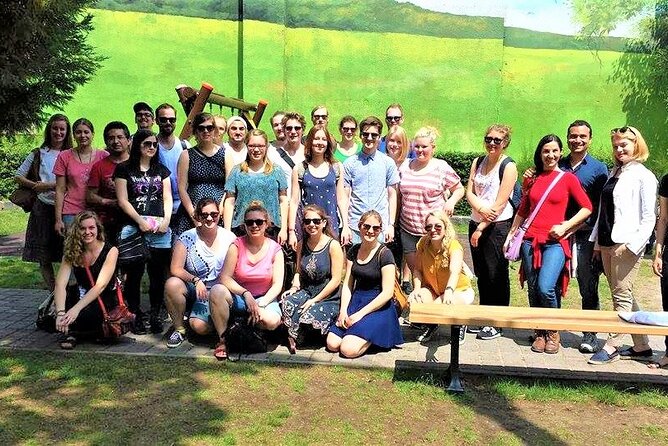
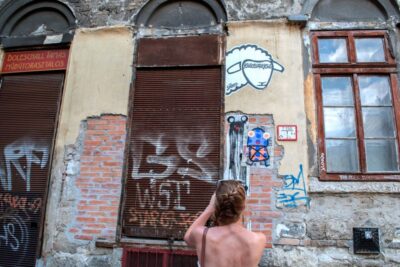
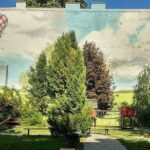
Your first stop is Lépcső Street Art. This is the kind of place where street art feels like it belongs: you’re not looking for a single famous mural and then leaving. Instead, you’re learning how the artwork interacts with the street itself—angles, sightlines, and the way people actually move past the wall.
This start is smart. You begin with the visuals, then your guide can layer on interpretation. It’s easier to understand a city’s “alternative” culture when you’ve just seen examples up close and you’re primed to notice details.
What to watch for: step slightly to change your viewing angle, and pay attention to any recurring symbols your guide mentions. Those patterns are usually the clue that the artist is talking to the neighborhood, not just painting for the camera.
Time check: you have about 30 minutes here. That’s enough time to see the main pieces without letting the visit drag.
Terézváros: the neighborhood story behind the art route
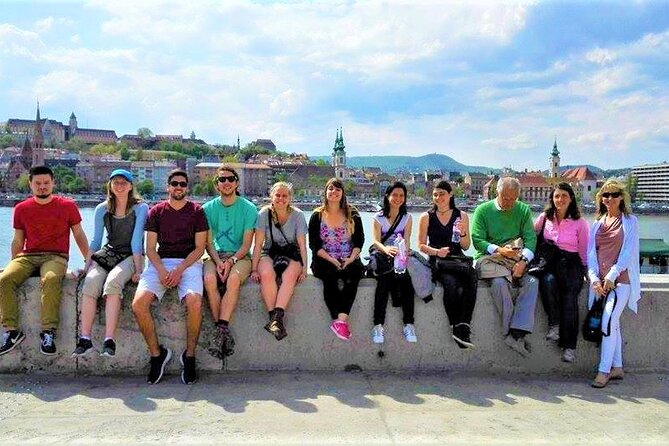
Next you move to Terézváros, and the tour shifts from pure visuals to place-making. This is where the route starts to feel like a guided walk through Budapest’s personality rather than just a street art circuit.
Terézváros is part of the 6th district, and that detail matters. Your guide keeps connecting what you’re seeing to how the area works—who it serves, how it feels, and why alternative culture shows up here. You’ll also get that “social” layer at this stage: the group often settles into conversation, and the guide can answer questions as you walk.
Why I think this stop is valuable: street art explanations land better when they connect to neighborhood rhythm. If the guide talks only about the artwork and not the place, you lose half the point. Here, the emphasis is on understanding Budapest as a lived-in city.
Time check: again, about 30 minutes.
Andrássy Avenue and Király utca: a crossing into the 7th district mood
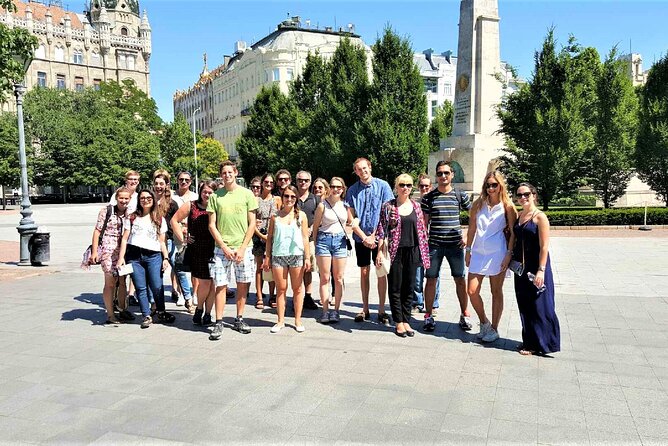
Then comes the big geographic shift. You’ll be on Andrássy Avenue, and the route description notes that it runs between ends like Andrássy Avenue marking the northern side and Király u. marking the southern side. When you cross Király u., you enter Budapest’s 7th district.
That crossing is more than a line on a map. It signals a change in atmosphere. The 7th district is often where Budapest’s energy feels more concentrated in the pedestrian experience—more foot traffic, more lively street scenes, and more visible signs of modern identity alongside older structure.
Your guide uses this stretch to slow things down just enough to notice the way streets shape behavior. You’ll also get a chance to socialize with the group while the guide connects the “street art Budapest” idea to the wider city feel.
Practical angle: Andrássy Avenue areas can attract attention. Keep your phone ready but don’t let filming steal your ability to read the explanations. If you want the story, give your eyes a second pass after you take photos.
Time check: about 30 minutes.





Színes Esernyők and Színes Város: color with a point
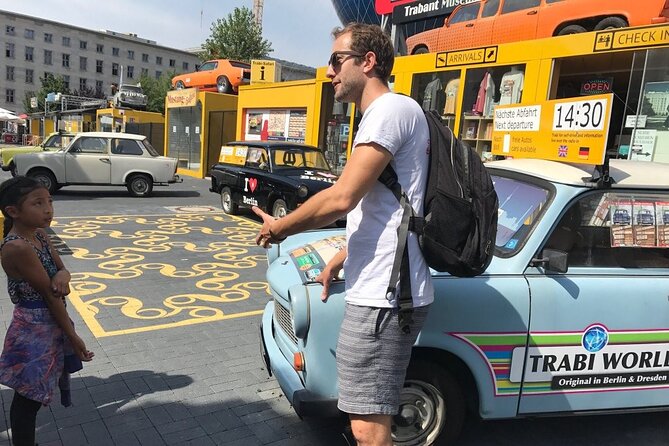
The final art-focused stop is Színes Esernyők, tied to the concept of Színes Város (the Colourful City). This is where the tour’s “alternative” identity becomes clearer: the art isn’t just pretty. It’s framed as a local art revolution that helped kick off street art alternative tours in Budapest.
The point of bringing up Színes Város is that you’re learning the origin story behind a visual style. You’re hearing how artists and projects can transform public spaces so side streets and landmarks start looking like open-air conversation.
This is also one of the places where I’d pay extra attention to what your guide tells you about the surrounding area. Street art projects tend to interact with their street environment, and the guide’s explanation can help you notice details you would otherwise miss—like how the artwork aligns with your route or what it’s responding to nearby.
Time check: about 30 minutes.
What’s included, and what you should bring
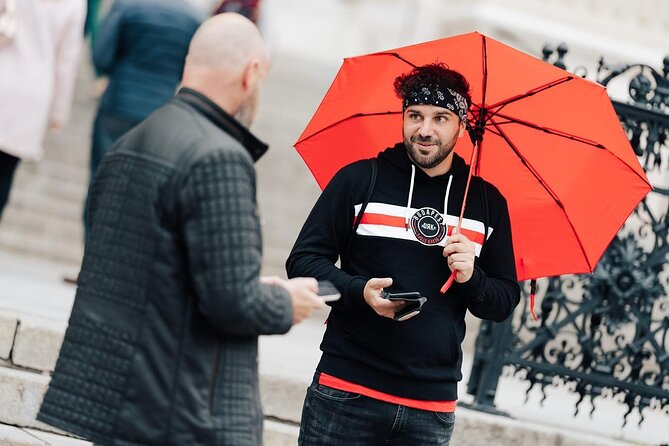
Included is simple: a local tour guide. Not included: bottled water. That’s not a small detail in practice. Budapest days can be warm, and you’ll be outside for the full walk. I’d bring your own bottle or plan to buy water before you start.
The tour is also weather-dependent. Street art work depends on visibility and comfort, and the operator notes that the experience requires good weather. If rain is in the forecast, plan for your backup options.
One more practical thing: the tour uses mobile tickets, so make sure you can access the ticket on your phone without digging for it at the meeting point.
The price question: $25.20, but what does it buy you?
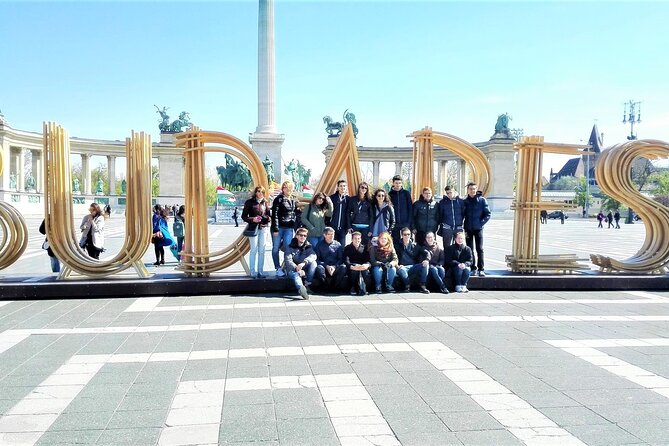
At $25.20 per person for a roughly three-hour guided walk, you’re paying for more than “someone to lead the way.” You’re paying for interpretation—how the guide connects each visual element to neighborhood context and the bigger story of alternative culture.
That value gets even clearer if you care about getting meaning out of street art. Without a guide, you can certainly take photos. With a guide, you learn why the art exists here, and what the project is saying to the city around it.
There’s also a big relationship detail: the tour description frames it as a tip-based approach, where your guide works for tips and your own price supports better guiding. In plain terms: if you show interest, ask questions, and engage, you’ll likely get more from the experience.
Group size consideration: with up to 100 people, some explanations may feel broad rather than hyper-personal. If you’re the kind of person who likes asking lots of questions, pick times where the guide stops talking and the group is moving. That’s when you can get answers without interrupting the flow.
Guide quality is the main wildcard
The strongest version of this tour is easy to recognize: a guide who links art to art and history context, speaks clearly, and helps you connect the murals to what’s happening around you. When that clicks, the walk can feel quick—because each stop adds new layers, and you end up with a mental map you can use later.
There’s also a reported downside: some guides have been described as newly trained and not fully confident answering questions, including concerns about factual placement when discussing the Jewish ghetto. I can’t guarantee how your guide will perform. But I can tell you how to protect yourself.
If Jewish history details matter to you, do this:
- Ask one early question that has a specific geography angle.
- If you get a vague or shaky answer, ask for clarification on the spot.
- If you’re not satisfied, adjust your expectations: focus on the street art storytelling and use Budapest guidebooks later for deeper study.
This kind of tour rewards engagement. It’s not a passive sit-and-listen format.
Who should book this alternative street art and Jewish-quarter walk
You’ll likely love this tour if:
- You want street art plus context, not just photos.
- You like walking routes through real neighborhoods and seeing how culture shows up on walls.
- You want a social, friendly format that works well if you’re traveling alone and you want conversation.
You might choose something else if:
- You want a small-group, lecture-heavy experience with deep historical scholarship at every step.
- You’re very strict about factual accuracy on specific historical locations and don’t want to verify details with additional sources.
- You’re not comfortable walking for about three hours outdoors.
Quick practical tips before you go
- Wear shoes you can walk in for a few hours. The route is made for movement.
- Bring water since it’s not included.
- Keep an eye on weather. If it’s truly miserable, the operator may reschedule or refund rather than run it.
- If you care about the Jewish-quarter side, ask at the first opportunity. The best tours use your questions to shape the walk.
Should you book it? My decision rule
If you’re looking for an energetic, value-priced street art walk through Budapest’s 6th and 7th districts with a guide who can connect murals to the city’s feel, this is worth booking. The price-to-time ratio is solid, the stops are short enough to stay engaging, and the focus on Színes Város / Színes Esernyők gives the route a recognizable theme.
My main caution is the one wildcard: guide training and confidence can vary. If you’re the type who likes to verify details and ask specific questions, that’s a great match. If you absolutely need a scholar-level historical guide with zero risk of uncertainty, you may want to pair this with another Jewish history resource on your own.
If you book, you can also use the flexibility noted by the operator: there’s free cancellation up to 24 hours before the start time, so you can watch the forecast.
FAQ
How long is the Original Budapest Alternative Street Art & Jewish Tour?
It runs for about 3 hours.
Where does the tour start?
It starts at St. Stephen’s Basilica, Szent István tér 1, 1051 Hungary.
What time does the tour begin?
The start time is 11:00 am.
What’s included in the price?
A local tour guide is included.
Is bottled water included?
No, bottled water is not included.
How many stops are there?
There are 4 stops during the walk.
What happens if the weather is bad?
The experience requires good weather. If it’s canceled due to poor weather, you’ll be offered a different date or a full refund.
What is the cancellation policy?
You can cancel for a full refund up to 24 hours in advance. If you cancel less than 24 hours before the start time, the amount paid will not be refunded.