REVIEW · BUDAPEST
Budapest: Street Art and Underground Movements Walking Tour
Book on GetYourGuide →Operated by ET Alternative · Bookable on GetYourGuide
Street art in Budapest is never just decoration. On this 2-hour walk, you get a guided route through the city’s changing wall culture and the underground scenes that shape it. I especially like how the tour brings you to real local spots, and how it keeps things interactive instead of lecturing. One thing to consider: if you hate walking around or you expect famous, fixed museum murals, this won’t feel like that.
The meeting point sets the tone fast: Telep-Art Galéria, a bar-like starting hub covered in stickers and street-level creativity. I also like that you’re not just looking at images—you’re learning the stories, techniques, and social or political messages behind them, in English. ET Alternative runs it as a small group (up to 8), and you may find that the guide is especially good at handling questions. It’s also friendly for families, so it works if you want something more lively than the usual history march.
In This Review
- Key points you’ll care about
- Telep-Art Galéria: Your Street-Art Starting Line
- How the 2-Hour Walk Really Moves
- Secret Stops and Why Some Walls Feel Alive
- Reading Political and Social Messages on Budapest Walls
- Underground Culture: More Than Murals and Stickers
- Price and Value: Why $27 Can Make Sense Here
- Families, First-Timers, and People Who Have Questions
- Who Leads It and What Makes the Tour Feel Personal
- Practical Tips Before You Go
- Should You Book This Budapest Street Art Tour?
- FAQ
- How long is the Budapest street art walking tour?
- What is the price per person?
- Where does the tour start?
- Where does the tour end?
- Is it a small group?
- What language is the tour guide?
- Can I book it as a private experience?
- Is the tour wheelchair accessible?
- What’s included in the tour price?
- Are food and drinks included?
- Is there free cancellation?
- Can I reserve now and pay later?
Key points you’ll care about
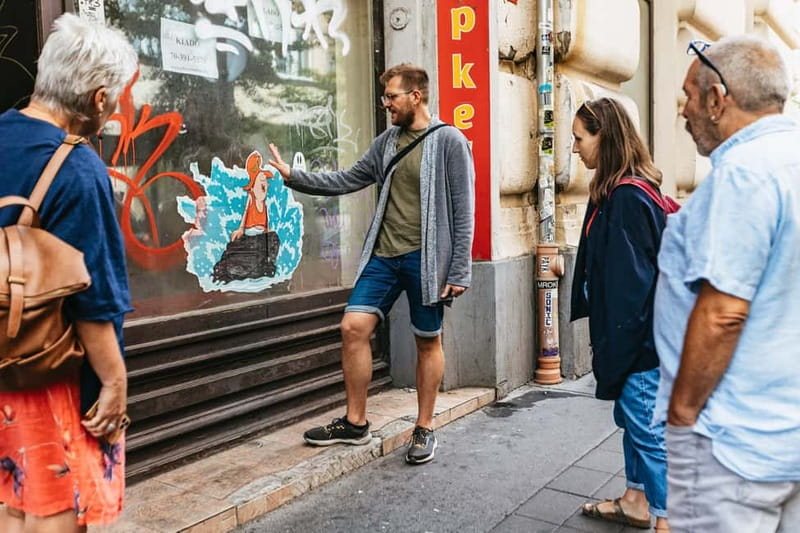
- Telep-Art Galéria is the launchpad, with stickers on the walls and an easy, relaxed start
- Small group size (max 8) keeps the pace human and questions welcome
- English live guide explains the stories, techniques, and messages behind street art
- Underground culture focus gives you context beyond what’s on the wall
- Interactive tour style makes it more than a photo walk
- A summary after the tour helps you remember what you saw and where to look next
Telep-Art Galéria: Your Street-Art Starting Line
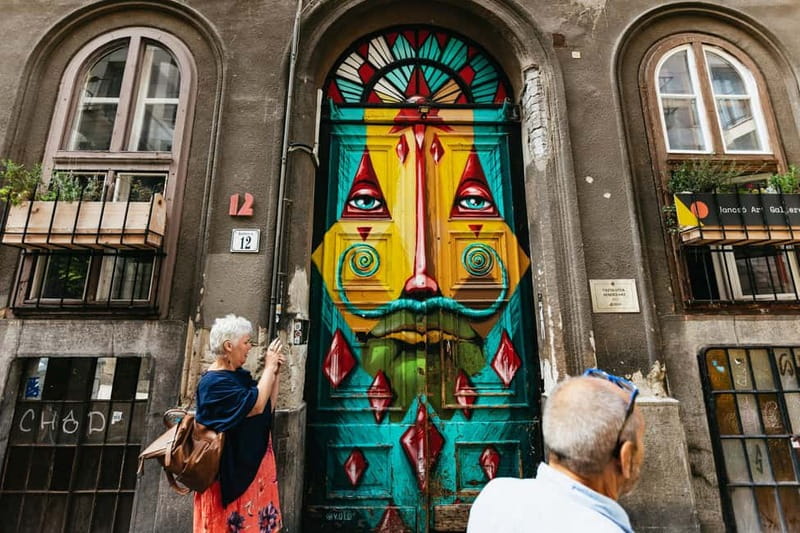
The tour kicks off at Telep-Art Galéria, described as a cool bar and meeting point with lots of stickers covering the walls. That matters more than it sounds. It’s not a neutral “meet here” location—it’s already part of the street art world you came to understand.
You’ll start by getting oriented and shifting your brain from tourist mode to observer mode. Street art is easy to ignore if you’re just walking for sights. Here, the whole idea is to slow down and train your eyes to notice layers: tags, stickers, posters, murals, and the small additions people leave behind over time.
If you’re with kids, this is a smart start. The sticker-covered space is visual and immediate, and it gives the guide an easy way to explain what street art is doing in the city without making it feel like homework.
Possible drawback: if you’re expecting a quiet, sit-down start with a formal introduction, this begins more like you’re joining a local scene than starting a lecture.
You can also read our reviews of more walking tours in Budapest



How the 2-Hour Walk Really Moves
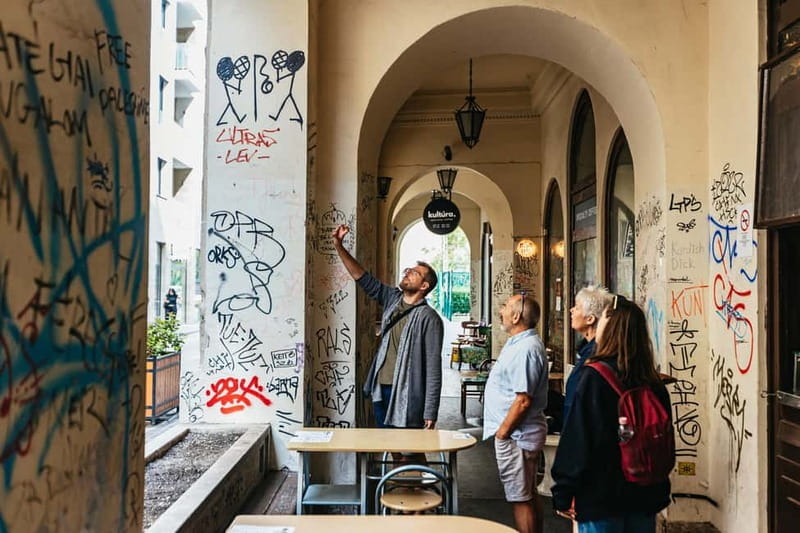
This is a 2-hour walking tour, led by a live guide in English, with a small group limited to 8 people. That size is a big part of the value. In a crowd, you rush. In a small group, you can actually ask: What does this mean? Who makes it? Why here?
The itinerary is built around a guided set of stops rather than one straight line. The tour includes an additional secret stop, so the route is designed to keep your attention and avoid turning into a predictable checklist.
In practice, this pacing tends to work well because street art rewards focus. You can’t fully understand a mural’s message if you’re trying to photograph it while walking at full speed. You’ll spend time looking closely, listening to what the guide points out, and connecting the art to the city around it.
One more practical point: the tour doesn’t include food or drinks. That’s fine for a short, story-heavy walk, but it does mean you’ll want to think about snacks or a plan after the tour.
Secret Stops and Why Some Walls Feel Alive
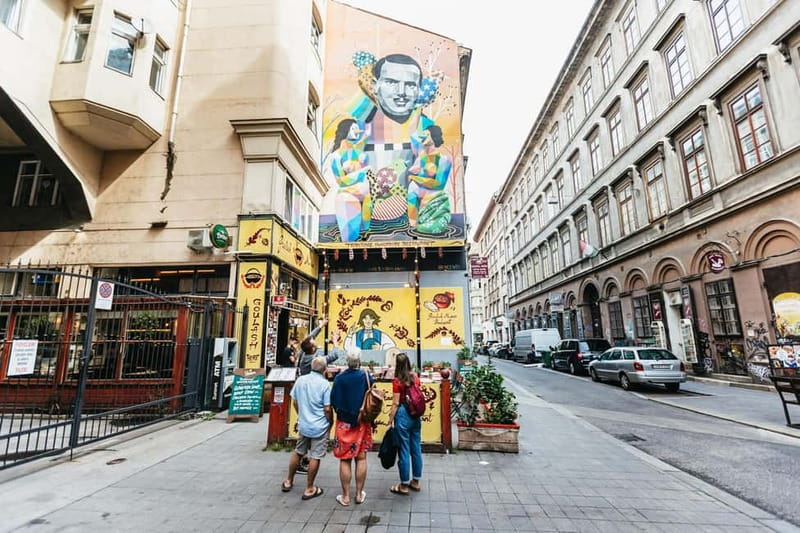
The itinerary includes a secret stop, which is a nice reminder that street art is not a static museum display. The whole premise is that the streets and walls are alive and constantly evolving. That’s not just poetic wording—it changes what you expect from the experience.
Street art can shift quickly: new layers appear, older works get covered, and artists respond to what’s happening in the neighborhood. A guided walk helps because you’re not only seeing the art, you’re learning how people create and communicate in a space that changes week to week.
This also affects the “what if I don’t like street art?” question. You might come in thinking it’s random chaos. The better guides help you see the structure behind it: symbols, recurring styles, and social themes. One of the strongest themes in the reviews is that the guide makes things feel intentional, not accidental.
Possible drawback: because street art changes, you should keep expectations flexible. You’re going for the experience of learning how to read the city’s wall culture, not guaranteeing you’ll see one specific famous piece.
Reading Political and Social Messages on Budapest Walls
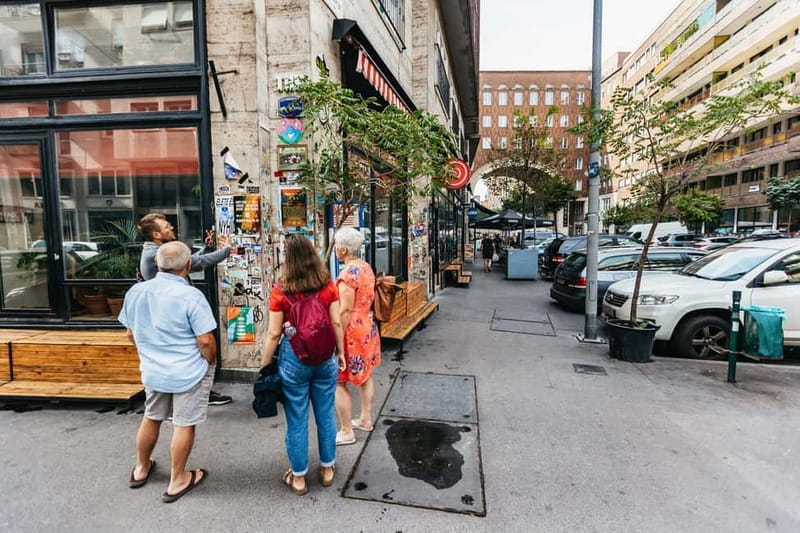
Street art is often described as communication, and this tour leans into that. You’ll learn how murals and pieces can carry political and social messages, and how street artists use visuals, placement, and style to speak to current issues.
That’s where the tour stops being only visual. Instead of asking, What is that?, you start asking, Why is it there? What conversation is it joining? How does it connect to Budapest’s wider culture and contemporary concerns?
I like this approach because it gives you a language for interpreting what you might otherwise miss. In many cities, street art is easy to treat as background texture. On this walk, you’re trained to treat it like commentary—sometimes subtle, sometimes direct.
If you’re someone who likes context (even a little), you’ll probably enjoy how the guide ties the artwork to stories about the city and the underground movements around it. And if you’re not a street-art person, that’s okay. The tour is interactive and built to bring you along.
Underground Culture: More Than Murals and Stickers
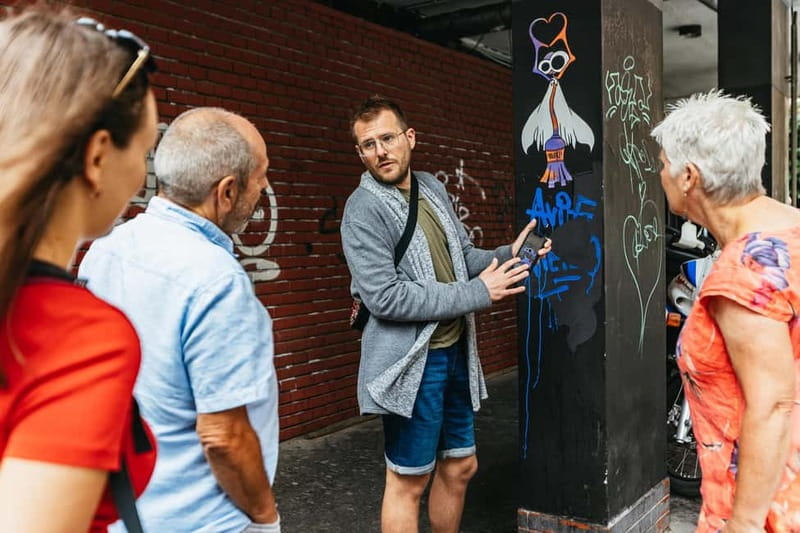
The tour’s focus on underground culture is a key selling point. It’s not only about big murals; it’s about the subculture around street art—the people, the motivations, and the community energy.
You’ll also see how street art connects to other parts of Budapest’s alternative scene. One review mentions a ruin bar stop during the experience, which fits the broader idea: you’re stepping into a side of the city that doesn’t always show up on mainstream walking routes.
Even if you don’t know anything about street art on Day 1, the guide’s job is to connect the dots. The most praised aspect in the feedback is that the guides are warm, patient, and good at answering questions. That makes a difference when you’re trying to understand symbols you might not recognize.
Possible drawback: if you want a purely artistic tour with zero politics and zero social context, you might find the messaging discussion a bit more prominent than you’d like. This tour is built around the messages.
You can also read our reviews of more tours and experiences in Budapest






Price and Value: Why $27 Can Make Sense Here
At $27 per person for about 2 hours, this tour is priced like a focused, guide-led activity rather than a long sightseeing bus ride. The value comes from a few practical ingredients:
- A live English guide explaining meaning and technique
- A small group capped at 8, which helps you get attention
- A short, structured route (with a secret stop) that keeps it from feeling aimless
- A summary after the tour, so you can remember what you learned
If you compare this to the cost of a ticketed experience, it’s a good deal for something that changes how you walk through the city afterward. Street art is everywhere, but most visitors don’t know what to look for. With this, you get a way to interpret what you see afterward on your own.
Is it worth it if you only want photos? Probably not. It’s worth it if you want the story behind the visuals.
Families, First-Timers, and People Who Have Questions
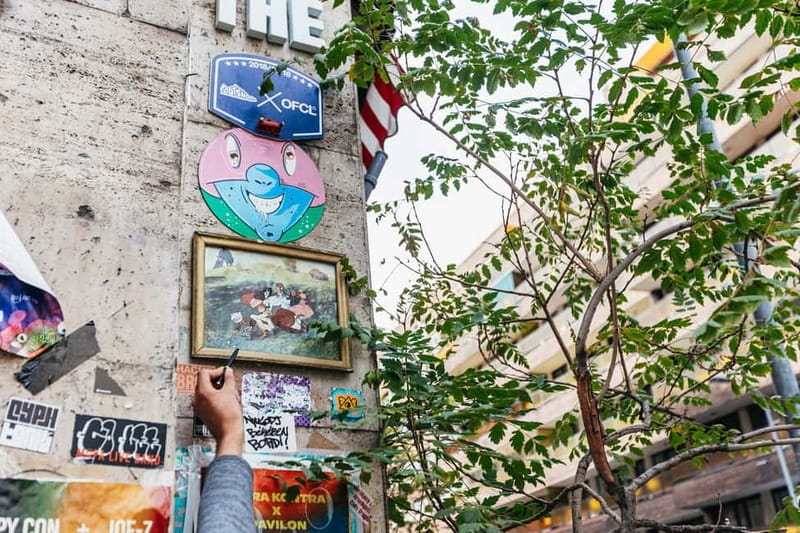
This is one of those rare walking tours that explicitly fits families. It’s also interactive, and that usually means the guide isn’t rushing you from one wall to the next like a timer is chasing them.
For first-timers, the big advantage is that you don’t need prior street art knowledge. The guide explains the who, what, and whys as you go, and the tone is friendly rather than academic.
For question-happy travelers, the reviews highlight guides who answer patiently and keep things relaxed. One person even described it like taking a tour with an art teacher. That’s the vibe: you’ll likely leave with more than just photos—you’ll leave with a new way to read walls.
Practical consideration: because it’s interactive, you’ll get more out of it if you’re willing to ask small questions and pay attention while moving.
Who Leads It and What Makes the Tour Feel Personal
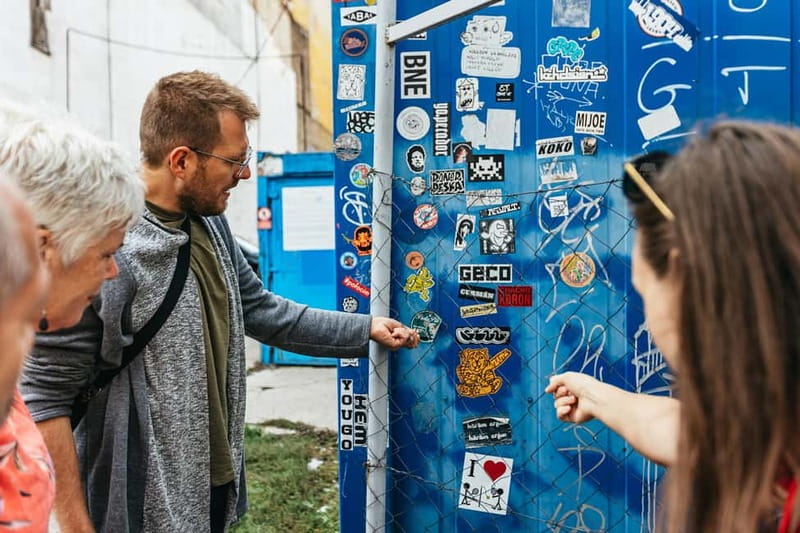
This tour is offered by ET Alternative, and the feedback includes praise for both ET and Suzie as guides. The common thread is strong communication: good English, enthusiastic explanations, and a willingness to adapt to the group.
That personal feel shows up in the details people mention most:
- answers to questions without making you feel rushed
- flexible pacing when the group is curious
- a relaxed atmosphere rather than a rigid script
Even the phrase about walking away with a different perspective fits the guide style. If you’ve ever looked at street art and thought it was just noise, a good guide can help you see the message inside it.
Practical Tips Before You Go
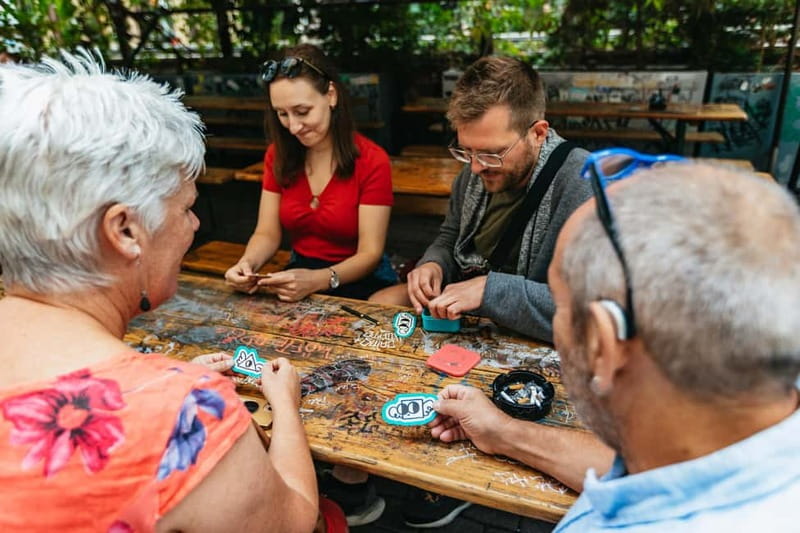
A few simple things will help you get the most out of the walk:
- Wear comfortable shoes. You’re on your feet for 2 hours, scanning walls as you go.
- Bring your curiosity, not your checklist. Street art is layered, and the guide’s explanations matter more than where you stand for one perfect photo.
- Expect to learn. This tour focuses on stories, techniques, and cultural messages—not only visual spotting.
- Plan around food and drinks. The tour doesn’t include them.
- If you use a wheelchair, you’ll be glad to know it’s listed as wheelchair accessible.
One small mindset tip: look at the street art like a conversation. If you treat it that way, the political and social message parts start making sense quickly.
Should You Book This Budapest Street Art Tour?
Book it if you want Budapest from another angle—more contemporary, more local, and more human scale than the standard highlights. This is especially worth it if:
- you like street art but want it explained
- you’re curious about underground culture and social or political messages
- you prefer small groups and interactive walking
Skip it if you’re only interested in classic monuments or you don’t want any context attached to what you see on walls. Also, keep expectations realistic: street art is changeable, so the experience is about learning how to read the city, not chasing one fixed mural.
If your goal is to leave Budapest with streets that suddenly look meaningful, this is one of the most direct ways to get there.
FAQ
How long is the Budapest street art walking tour?
The tour lasts about 2 hours.
What is the price per person?
It costs $27 per person.
Where does the tour start?
You meet at Telep-Art Galéria, a bar used as the meeting point.
Where does the tour end?
The activity is listed as ending back at the meeting point area, and the itinerary also notes finishing at Központ.
Is it a small group?
Yes. It is limited to 8 participants.
What language is the tour guide?
The live tour guide speaks English.
Can I book it as a private experience?
Yes, you can book it as a private experience.
Is the tour wheelchair accessible?
Yes, it is listed as wheelchair accessible.
What’s included in the tour price?
A live guided tour plus a summary after the tour are included.
Are food and drinks included?
No, food and drinks are not included.
Is there free cancellation?
Yes. You can cancel up to 24 hours in advance for a full refund.
Can I reserve now and pay later?
Yes. You can reserve now and pay later to keep your plans flexible.