REVIEW · BUDAPEST
Budapest: Private 4-Hour Walking Tour with a Local
Book on Viator →Operated by Sweet Travel Private Tours Kft. · Bookable on Viator
Budapest clicks faster with a local guide. This private 4-hour walking tour feels interesting because it’s genuinely flexible: you choose a theme (architecture, cuisine, or local culture) and then build a route across both sides of the Danube. Two things I like a lot are the chance to get orientation fast (big-name landmarks without the guesswork) and the way the guide can steer you toward what your group cares about, like pastry stops or the Jewish Quarter. A possible drawback is that food and drinks aren’t included, and with only 4 hours, you’ll want to pick priorities so the time doesn’t get scattered.
You also get a practical setup for sightseeing. Pickup is at your hotel or a spot of your choice, and the tour can be timed within a day with multiple departures, with it ending back at your original starting point (or another location you choose). The group size is up to 15 people, which usually keeps things coordinated without turning into a bus tour.
For planning, aim for moderate walking fitness. It’s designed as a half-day stroll, but some areas (and viewpoint stops) involve stairs and uneven spots, so comfy shoes matter. The tour runs in English, and the guides you might meet include names like Cristina, Erika, Jozef, and Aidée—people who clearly know how to connect stories to real streets.
In This Review
- Key things to know before you go
- Why this private 4-hour walk works in Budapest
- Meeting at your hotel and building a route across both Danube banks
- Icon stops you’ll likely hit: Szechenyi, Fisherman’s Bastion, Vajdahunyad, and more
- Szechenyi Bath: the spa landmark (and where to focus)
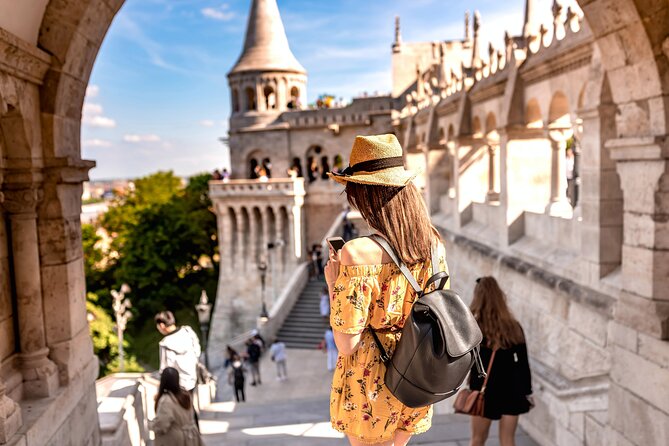
- Fisherman’s Bastion: panoramic views with stairs in the mix
- Vajdahunyad Castle: a castle look with photo-friendly structure
- Hungarian State Opera House: beauty plus context
- St. Stephen’s Basilica: the big spiritual centerpiece
- The food-and-street angle: markets, pastry shops, and ruin bars
- History you can use: Jewish Quarter context, plus modern life stories
- Price and logistics: is $335.51 per group good value?
- Who this tour suits best (and who should tweak the plan)
- Practical tips to get more from your 4 hours
- Should you book this Budapest private walking tour?
- FAQ
- How long is the Budapest private walking tour?
- Is this tour private or shared?
- How big is the group?
- Where do I meet the guide, and do I get pickup?
- Where does the tour end?
- What sights can the tour include?
- What’s included in the price?
- Are food and drinks included?
- Can I cancel for a refund?
Key things to know before you go
- Flexible route based on your interests across both Danube banks
- Private format for your group (up to 15) with pickup at your chosen meeting point
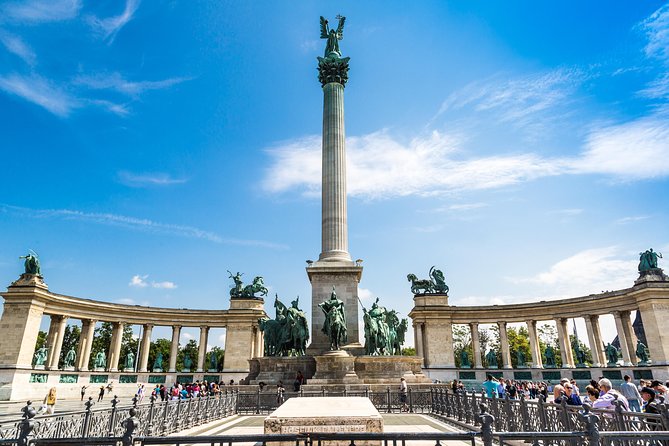
- Big landmark coverage including St. Stephen’s Basilica, State Opera House, and Fisherman’s Bastion
- Baths, viewpoints, and castles as common options depending on your route
- Food-focused detours like markets and pastry shops, even though meals aren’t included
- Jewish Quarter storytelling alongside modern-life context
Why this private 4-hour walk works in Budapest
Budapest is the kind of city where you can spend a lot of time figuring things out, like which side to start on and what’s actually worth your limited energy. This tour is built to reduce that friction. You get a plan, but it’s not rigid—you can shape it as you go, which is perfect when you want a mix rather than a single-issue checklist.
The other reason it works is that the walking time hits the places that instantly make Budapest feel like Budapest. You’re not stuck in one neighborhood. You’re set up to see landmark architecture, river-view moments, and cultural corners in a single half day.
And yes, 4 hours can feel short. That’s the honest trade: you’ll get an overview plus a sense of what to return for, not a deep thesis on every building. If you already know what you want, this tour can act like a fast orientation lap that makes the rest of your trip easier.
You can also read our reviews of more walking tours in Budapest



Meeting at your hotel and building a route across both Danube banks
Pickup is at your hotel—or anywhere you choose in Budapest—and you can decide the departure time after booking. That small freedom matters. It helps you match the tour to your rhythm, whether you’re starting with morning light, midday energy, or late-afternoon golden views.
The route is flexible and can be tailored to your interests. You can steer toward architecture, cuisine, or local culture, and then let the guide suggest the best stops based on how your group wants to spend those 4 hours. Common options span both banks of the Danube, so you’re not trapped in either Pest or Buda for the entire visit.
One practical note: Budapest is hilly in places and distances can add up. Even though it’s a walking tour, the guide may adjust how you move around the city depending on what you pick and what the group needs. If your route includes a far-reaching stretch or viewpoint, ask the guide early how they plan to cover it—so you’re comfortable with the pacing.
Icon stops you’ll likely hit: Szechenyi, Fisherman’s Bastion, Vajdahunyad, and more
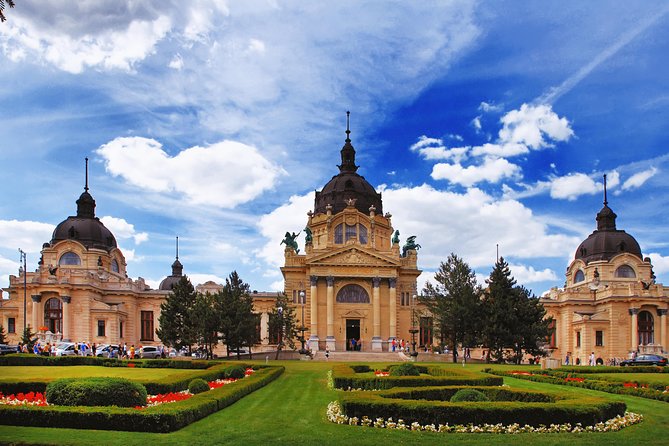
This tour is set up around a menu of classic sights, and your guide helps you stitch them into a route. Some stops you can reasonably expect as options include Szechenyi Bath, Fisherman’s Bastion, Vajdahunyad Castle, the Hungarian State Opera House, and St. Stephen’s Basilica.
Szechenyi Bath: the spa landmark (and where to focus)
Szechenyi Bath is one of Europe’s largest spa complexes, so even if you don’t have time for a full soak, it’s a big visual anchor for your Budapest day. If your route includes it, focus on what makes it special: the sheer scale and the way the complex sits in the city fabric. The tour does not list food and drinks as included, and it doesn’t spell out admission details for specific sights, so if you want to enter, confirm what your guide plans for your exact stops.
Also: baths areas can be active and busy. If your group prefers quiet photos or a quick look, tell the guide. A good guide can time your visit to your group’s style.
Fisherman’s Bastion: panoramic views with stairs in the mix
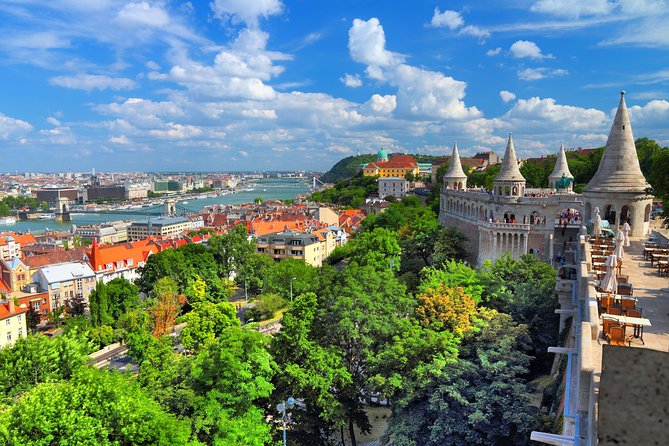
Fisherman’s Bastion is a viewpoint stop that’s famous for a reason. You’ll get the kind of river-and-rooftop perspective that makes the city feel arranged for postcards. The “consideration” here is physical effort: viewpoints often mean stairs and uneven footpaths, so moderate fitness is a must.
If your group has limited mobility or you’re tired after a full day elsewhere, you may want to ask for a version of the stop with a shorter walk. With a private tour, you have more room to negotiate what counts as a “must-see.”
You can also read our reviews of more private tours in Budapest






Vajdahunyad Castle: a castle look with photo-friendly structure
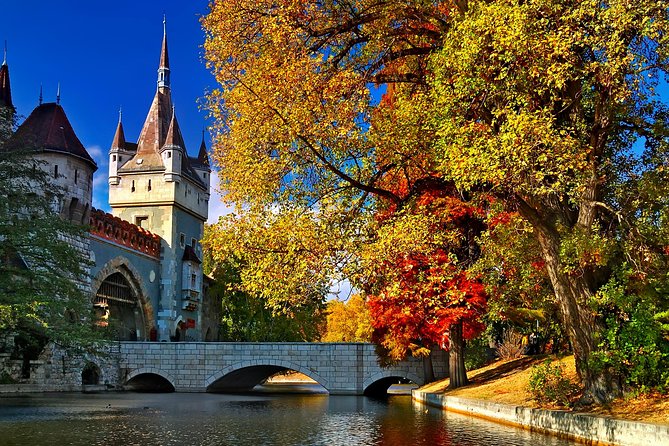
Vajdahunyad Castle is a strong stop for architecture lovers and for anyone who wants a “Budapest postcard” moment without spending hours. It’s also a good reset point: the surroundings make it easy to slow down, frame photos, and get history tied back to what you’re actually looking at.
If you’re choosing the architecture theme, this kind of stop helps connect the city’s built style to the stories your guide shares.
Hungarian State Opera House: beauty plus context
The Hungarian State Opera House is a standout landmark, especially for travelers who like elegant interiors and civic architecture. Even if you don’t go inside, there’s plenty to talk about from the street level: the building’s presence, the role of the opera in cultural identity, and why Budapest treats arts as a serious part of daily life.
When planning your 4 hours, remember that opera-house viewing can eat time if you also want close-up photos. If time is tight, ask your guide to prioritize quick exterior highlights plus key facts.
St. Stephen’s Basilica: the big spiritual centerpiece
St. Stephen’s Basilica tends to be a “can’t miss” moment for first-time visitors. It’s central, visually powerful, and it gives your guide a natural way to tie history into modern Budapest. Since it’s a landmark that people often pair with city-center wandering, it can also anchor the rest of your walk so you don’t feel like you’re bouncing randomly.
The food-and-street angle: markets, pastry shops, and ruin bars
Budapest is known for markets, pastry shops, and satisfying local flavors. This tour can lean hard into that side, especially if you choose the cuisine theme. Food and drinks aren’t included, but the tour can help you find the right places to eat—and understand what you’re ordering beyond just the name.
One of the best signals from the guide experiences: pastry detours. A guide named Erika reportedly took a short walk into a pastry shop to explain the significance of specific Hungarian cakes. That kind of stop isn’t about eating for eating’s sake. It’s about making the city’s food culture legible, so your first bites make sense.
Ruin bars are another common cultural stop option. These are built from abandoned buildings and turned into social spaces, which makes them feel like a clever Budapest compromise between past and present. If your group is into nightlife culture or just wants a sense of how locals socialize, ruin bars are a good fit. Just keep expectations honest: your guide can show you the concept and the feel, but your exact timing will depend on when you reach the area.
Markets and pastry shops also work well because they’re flexible. You can do a quick walk-through and then decide where to spend your money. That’s a smart way to avoid the classic tourist trap of committing to a sit-down meal before you’ve seen what’s around.
History you can use: Jewish Quarter context, plus modern life stories

What makes a Budapest guide valuable isn’t just naming buildings. It’s explaining how people lived, and how they live now. This tour aims for both: stories from Budapest history plus insight into modern life and culture.
A strong example is the Jewish Quarter option. Your guide can share heritage and context for this part of the city, turning a neighborhood walk into something more meaningful than scenery. If your group wants deeper understanding, ask for it directly. A private guide can pace the conversation to your comfort level.
The same approach fits with landmarks like St. Stephen’s Basilica and the State Opera House. Even if you’re not an architecture nerd, a guide can connect why these buildings matter to identity—how religion, arts, and civic pride show up in daily life.
One consideration: storytelling depth can vary by guide and by what you ask. One guide experience noted a need for more exact data at certain points. If you care about details, come armed with questions—like timelines, architectural styles, or how events shaped a specific neighborhood—and you’ll get more out of your 4 hours.
Price and logistics: is $335.51 per group good value?
The price is $335.51 per group for up to 15 people. That’s not a “per person” price, so the value depends on how full your group is.
- If you have a larger group and you’re close to the max (up to 15), it can work out surprisingly reasonable. You split the cost, and you get a guide plus the flexibility that private touring offers.
- If it’s just a couple or a small family, the per-person cost rises fast. In that case, the value comes from customization and time efficiency—getting multiple major sights, plus context, without wasting half a day figuring routes.
Think of it like this: you’re paying for decision-making help. In Budapest, that can be worth it, especially if it’s your first visit or you want to hit both banks without planning a complex itinerary.
Who this tour suits best (and who should tweak the plan)
This experience suits travelers who want structure without rigidity. If you’re the type who likes big landmarks but also wants a say in the day’s vibe—architecture vs food vs local culture—this tour format fits well.
It’s also a good match for small groups and families. A guide named Cristina reportedly tailored the tour to exactly where her clients wanted to go, and another guide named Jozef reportedly adjusted the route and transport methods to cover the sites in the time available. That’s helpful if your group has different interests or different energy levels.
The moderate physical fitness requirement matters. If your group struggles with stairs or longer uphill stretches, you’ll want to choose fewer viewpoint-heavy stops and ask the guide for a lower-walking route.
Finally, since food and drinks aren’t included, build that into your plan. Treat the tour as guidance and orientation, then let Budapest feed you afterward in places your guide points out.
Practical tips to get more from your 4 hours
Here are a few choices that help your day go smoothly.
Wear comfortable shoes with grip. Even on a “walking” tour, Budapest can throw you curveballs like stairs, cobblestones, and short but steep climbs.
Decide your top two priorities before you meet. For example: Basilica plus viewpoint, or Opera House plus markets, or baths plus Jewish Quarter context. When you know your top targets, your guide can build the route without you constantly saying yes to everything.
Ask about timing at the first stop. If your route includes Szechenyi Bath or Fisherman’s Bastion, ask whether you’re doing a quick look, a short walk-in, or a longer stop. That prevents surprises and keeps the pacing comfortable.
Bring cash or card for food stops. The tour can help you find pastry shops and markets, but you’ll be paying for what you actually eat and drink.
Should you book this Budapest private walking tour?
Book it if you want a smart first impression of Budapest without spending your afternoon on planning. The private format, hotel pickup, and English-speaking guide make it easy to shape a route that matches your interests—whether that’s architecture, cuisine, or local culture.
Skip it or adjust expectations if you want a food-included tasting experience or a long, slow deep-dive into one neighborhood. This is a half-day overview plus context. If you treat it like that, you’ll leave with a clear sense of where to go next—and you’ll likely understand Budapest better when you’re on your own.
FAQ
How long is the Budapest private walking tour?
It runs for approximately 4 hours.
Is this tour private or shared?
It’s private. Only your group participates.
How big is the group?
The tour is priced for a group of up to 15 people.
Where do I meet the guide, and do I get pickup?
You can meet at your hotel or any place of your choice in Budapest, and pickup is offered.
Where does the tour end?
It ends back at your original departure point, or at another location in Budapest if you choose.
What sights can the tour include?
Common options include Szechenyi Bath, Fisherman’s Bastion, Vajdahunyad Castle, the Hungarian State Opera House, St. Stephen’s Basilica, markets and pastry shops, ruin bars, and the Jewish Quarter.
What’s included in the price?
A professional tour guide is included.
Are food and drinks included?
No, food and drinks are not included.
Can I cancel for a refund?
Yes. You can cancel up to 24 hours in advance for a full refund.