REVIEW · BUDAPEST
Budapest Highlights️ Live Guided Segway Tour
Book on Viator →Operated by Segway Tours Budapest by GetSegway™ · Bookable on Viator
Segways make Budapest feel instantly closer. This live guided tour pairs a short supervised test-drive with photo-ready sightseeing around major Buda and Pest landmarks, with guides like Beka and Ayman keeping the ride smooth and the stops interesting. I especially like the beginner-friendly training that builds confidence fast, and I love that you get guided commentary plus photos instead of just watching from the sidelines.
The big trade-off is time. Most stops are brief, often around five minutes, so you’ll see a lot quickly, but you won’t get long, slow museum-style visits at every spot.
In This Review
- Key points before you go
- Segway Safety Training at the Start: Confidence Before the Sights
- Why This Half-Day Style Tour Works for First-Time Budapest Plans
- The Actual Route: From Military Views to Castle District Icons
- Danube Moments and Memorial Stops: Quick, Meaningful, and Photo-Ready
- Pest Side Landmarks: Ferris Wheel, Archives, Squares, and Monument Stops
- Pace, Photo Tips, and How Guides Keep Beginners Moving
- Price and Value: What You Pay For, What You Don’t
- Who This Segway Tour Fits Best in Budapest
- Should You Book It? My Take for the Right Day
- FAQ
- Where is the tour meeting point?
- What language is the tour offered in?
- Do I get training before riding the Segway?
- Is a helmet provided?
- Do you provide rain gear?
- Is the Buda Hill Funicular ticket included?
- How big is the group?
- Can I cancel for a full refund?
Key points before you go
- Supervised test-drive first so you’re not guessing how to steer
- English group tours (and private tours for other languages)
- Helmets, raincoats, and gloves provided if you need them
- A long highlight loop with Buda views, bridge crossings, and Danube stops
- Max 20 people for a group that stays together
- Guide takes photos while you’re out capturing the scenery
Segway Safety Training at the Start: Confidence Before the Sights

The tour begins at Segway Tours Budapest by Euro Segway International (Galamb u. 3, 1052 Hungary). Before you roll anywhere scenic, you get guided safety training and a supervised test-drive on-site. That first practice matters. Even if you’ve never stood on a Segway, it helps your body learn the controls before you mix with the rest of the city.
You’ll also be fitted with a helmet (all sizes are available). If the weather turns, they provide raincoats and gloves when needed, so you can keep going instead of cutting the tour short. And if you’re traveling with small kids, there’s a trolley option for youngsters, operated by the tour guide, which helps keep the group moving.
The start is not just paperwork. It’s the moment where your guide sets the rhythm. Many guides keep things orderly with clear instructions on how to ride in a group, including expectations about spacing and following directions. The goal is simple: you should feel steady before you’re asked to enjoy the views.
You can also read our reviews of more guided tours in Budapest



Why This Half-Day Style Tour Works for First-Time Budapest Plans
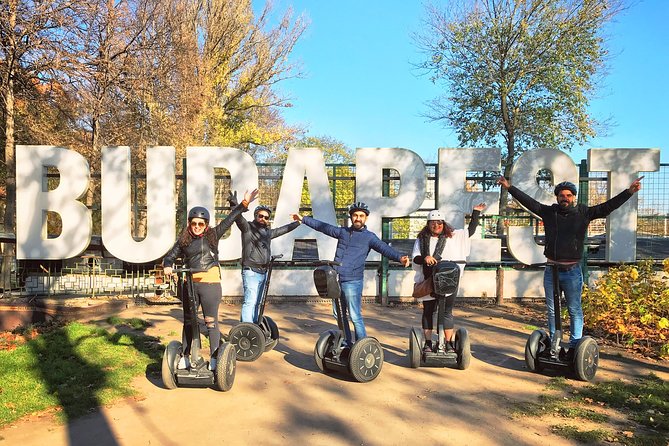
This is built as an overview tour. It’s designed to move you through the city quickly enough to feel like you learned the layout, but with guided stops so you still get context. Expect the ride time to run roughly up to half a day (the duration is listed as about 5 minutes to 4 hours, depending on the exact tour flow), with frequent short photo-and-view breaks.
The tour is also structured for comfort. Riding a Segway means you’re not doing long stretches of walking up and down hills. That’s a real value in Budapest, where you’re often bouncing between viewpoints, bridges, and different neighborhoods. Instead of waiting in lines to get your bearings, you’re getting your bearings from the seat—then using the tour as a map for what to return to later.
Group size is capped at 20 travelers, which helps. Smaller groups mean you spend less time stuck at bottlenecks and more time gliding from one highlight to the next. The tour is near public transportation, and it uses a mobile ticket, which makes it easier to slot into your day.
The Actual Route: From Military Views to Castle District Icons
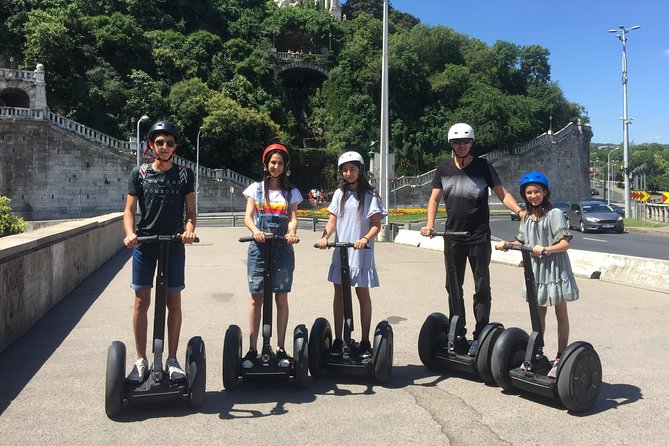
The itinerary is a classic Budapest sweep, starting with a quick warm-up and then moving into the castle-area views. It’s not a random drive-by. The stops are placed like stepping stones so you get a sense of the city’s two-sided story: hills and fortress views on the Buda side, and riverfront and city energy on the Pest side.
Here’s how the flow typically reads, stop by stop:
Stop 1: Segway Tours Budapest office (training + test-drive)
You begin at the company office, get the initial setup, and do the practice ride. This is where you settle your footing and learn the controls before sightseeing.
Stop 2: Museum of Military History
You get a quick hit of a view from here. The time is short, but the purpose is big: start you with a perspective on the hill area and the way Budapest sits.
Stop 3: Fisherman’s Bastion
This is one of the most photo-friendly stops on the list. The time is brief, but the payoff is that you can take in the look-out feel of the castle district without walking the entire hill loop.
Stop 4: Varhegy (castle walls)
You’re in the castle-wall zone. Again, you’re not here for long sightseeing inside. You’re here for the sightlines and the feeling of being on the edge of the city.
Stop 5: Hungarian National Gallery (Magyar Nemzeti Galeria)
This stop is timed like a quick portrait session. It’s a chance to see the building area and get a guided explanation while you’re still fresh.
Stop 6: Matthias Church
Another strong photo-and-look stop. The guide commentary helps connect what you’re seeing to the bigger Budapest story, even when you only have a few minutes at each location.
Stop 7: St. Stephen’s Basilica (Szent Istvan Bazilika)
A separate landmark stop that keeps the itinerary moving. You’ll get a snapshot look and take photos, but you likely won’t feel like you’re lingering forever—which is the nature of this format.
Stop 8: Buda Castle
This is where the tour starts to feel like a full-on castle district pass. You see the area that people associate with Budapest’s classic hill views, and the guide keeps you oriented as you move.
Stop 9: Citadella
Another viewpoint-type stop. Expect a photo break and narration to explain why this location matters in the city’s layout.
Stop 10: Gellért Hill
You’re now in the broader high-view zone again. The point is less about one single spot and more about the arc—why Budapest’s elevation shapes how you experience the city.
Stop 11: Statue of St Stephen
A short stop that functions like a landmark marker. You’ll get the why behind the name as you pass through.
This first stretch is the “Buda viewpoint” chapter. It’s the part of the tour that makes the Segway feel extra worth it because walking would be more time-consuming and tiring.
Danube Moments and Memorial Stops: Quick, Meaningful, and Photo-Ready
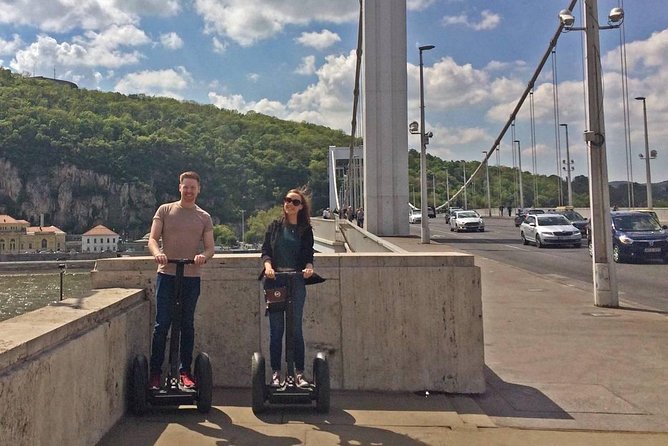
After the castle district area, the tour shifts toward the river. This is where you get the “Budapest is a river city” feeling fast.
Stop 12: Danube River
You’re getting the river context directly, not just from across the city. It’s an orientation moment: you’re learning where the water sits relative to the bridges and major sights.
Stop 13: Váci Street (Váci Utca)
This is the tour’s “move through the city life” stop. It’s quick, but it gives you a sense of the central pedestrian zone and shopping/streetscape vibe.
Stop 14: Gellért Hill Cave
An interesting quick stop. Even in a short time window, the guide can point out what makes this location different from the rest of the hill views.
Stop 15: Shoes on the Danube Bank
A memorial stop with emotional weight. The tour time stays short, but the guided context is the point here—so you understand what you’re looking at and why people stop.
Stop 16: Hospital in the Rock Nuclear Bunker Museum
This one sounds intense, and the name on the list tells you the tone. You’ll see it during the ride and get guided commentary, but don’t expect a full museum session within the short stop length.
Stop 17: Buda Hill Funicular (Historic Funicular)
The funicular is listed as not included. That means you can see the historic funicular area, and you may choose to add the ride on your own if timing and conditions allow. It’s a good moment to decide whether you want to turn this stop into a longer plan later.
Stop 18: Erzsebet Bridge (Elisabeth Bridge)
Bridge crossing views are part of the tour’s visual payoff. You see the city change perspective as you move between sides of the river.
Stop 19: Garden of Philosophy
Another place where the short stop format still works because you’re looking for viewpoints and atmosphere, not an all-day park hangout.
Stop 20: Fountain of King Matthias
A quick photo and landmark moment. The guide’s explanation helps you connect it to the surrounding cluster of sights.
Stop 21: Statue of Queen Elizabeth (Erzsebet)
Another short stop that adds names and meaning to the scenery you’re already seeing.
Stop 22: Liberty Statue
A classic statue stop in the itinerary. It’s quick, but it gives the tour a sense of public monuments and civic memory.
This middle section is where you get the balance: river views, memorial reflection, and city landmarks—without needing a full day of ticket lines and slow walking.
Pest Side Landmarks: Ferris Wheel, Archives, Squares, and Monument Stops
The tour keeps rolling after the riverfront emphasis and starts stacking in more Pest-side landmarks and monument areas.
Stop 23: National Archives of Hungary
A stop that gives architectural variety. Even if you don’t spend long here, the guide helps you place the building within the city’s story.
Stop 24: Ferris Wheel of Budapest
This one is pure “recognizable skyline” energy. You get the big wheel sight and a quick shot session.
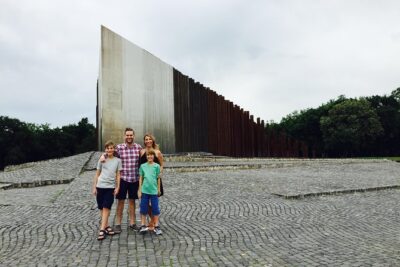
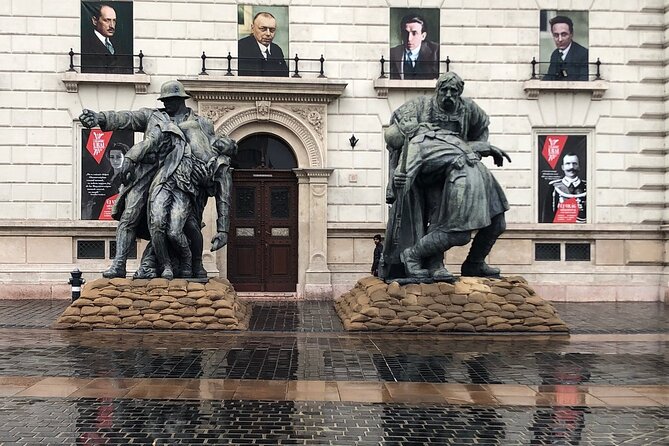
Stop 25: Soviet Heroic Memorial
A monument stop with a different historical tone than the lighter photo spots. Again, it’s brief, but the guided framing matters so it doesn’t feel like a checklist item.
Stop 26: Trinity Square
You end the listed loop at Trinity Square (and the tour returns to the original meeting point). This gives you a sense of where the city opens up again around a central public area.






Pace, Photo Tips, and How Guides Keep Beginners Moving
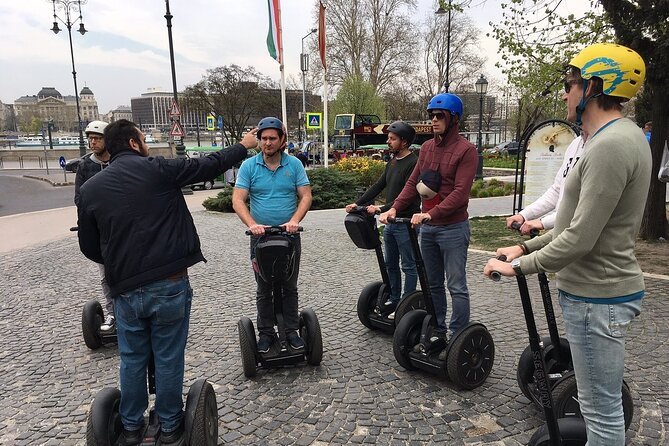
This is where the most praised aspect of the experience shows up: the human factor. Guides like Beka and Ayman are repeatedly highlighted for staying patient, maintaining a steady pace, and adjusting speed based on comfort level. That matters because Segway touring is not just about movement—it’s about group rhythm.
If you’re the type who wants lots of photos, you’re in luck. Photo shooting by your guide is included, which can help if you worry about getting good angles while you’re riding. Many guides also allow small pauses for photos without turning the tour into a stop-start mess.
One useful pattern: expect your guide to keep the group orderly (often in a single-file style) so you don’t get tangled on narrow streets. If someone falls out of pace, a good guide slows down and refocuses the group. I like this approach because it protects both safety and the fun.
Also pay attention to small comfort breaks. One guide extended the trip by a half hour and even stopped for coffee and a snack when conditions were cold. That’s not guaranteed, but it’s a reminder: if your guide senses the group needs a quick reset, they may do it.
If you’re a sunset planner, ask your guide for their best suggestion. Beka, for example, recommended going up Gellért Hill for a sunset view, which is exactly the kind of local tip that turns a highlight tour into a first-day win.
Price and Value: What You Pay For, What You Don’t
The listed price is about $3.62 per person. That’s the part to check carefully at checkout because platform pricing can vary by date and deal structure. Still, even when the final amount is higher than you expect, this kind of tour can be good value if you factor in what’s included.
What’s included:
- Guided safety training and supervised test-drive
- Helmets (all sizes)
- Photo shooting by your guide
- Raincoats and gloves if needed
- Group option in English
- Mobile ticket
- Group discounts
Also, the itinerary shows admission tickets as free for many stops, which reduces the “add-on” feeling of a ticketed day.
What’s not included:
- Optional gratuities for your guide
- Buda Hill Funicular ticket
So the value equation is basically this: you’re paying for a guided, gear-based way to cover a lot of iconic Budapest areas with less walking and fewer logistics headaches. If your goal is to get oriented and grab photos at major landmarks without spending your whole day in transport lines, the cost can make sense.
Who This Segway Tour Fits Best in Budapest
I think this tour fits best if you want an efficient overview and you’re open to short stops. It’s also great if you’re mixing energy levels—some people in your group may love walking, while others just want the city’s big sights without spending hours on hills.
It’s also a strong match for:
- First-time visitors who want Buda + riverfront + Pest orientation
- Beginners who want structured practice before the main ride
- People who value a guide who will answer questions and keep things moving
- Families, since the trolley option can help manage small kids
A quick consideration: because many stops are short, it’s not the best format if you’re expecting long inside visits at every major attraction. Use this as your “see it once” tour, then pick one or two places to return to later on foot with more time.
Should You Book It? My Take for the Right Day
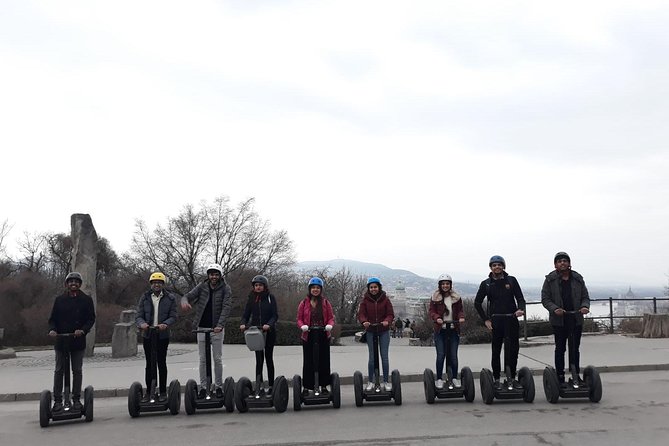
If you want a fun, low-effort way to get bearings, I’d book it. You’re starting with training, you’re getting helmet gear and safety support, and you’re covering a lot of Budapest landmarks in one guided sweep. For many people, it’s the first activity that makes the rest of the trip easier because you can visualize where everything is.
Choose a day when you’re okay with quick stops and photo breaks rather than long museum time. If you’re worried about the route being overly marketed, I’d still plan around the idea of a structured highlight loop, not an open-ended wandering day. And remember the funicular ticket isn’t included, so if that matters to you, be ready to add it separately.
Overall, this is the kind of tour that turns Budapest into something you can navigate with confidence right away—thanks to the combination of Segway fun, guided pacing, and landmark-focused stops.
FAQ
Where is the tour meeting point?
The meeting point is Budapest, Galamb u. 3, 1052 Hungary. The tour ends back at the same meeting point.
What language is the tour offered in?
The group option tour is offered in English. If you want another language, you’ll need to book a private tour.
Do I get training before riding the Segway?
Yes. You get guided safety training and a supervised test-drive before the sightseeing portion.
Is a helmet provided?
Yes. Helmets are provided, and they have all helmet sizes.
Do you provide rain gear?
Yes. Raincoats and gloves are provided if needed.
Is the Buda Hill Funicular ticket included?
No. The Buda Hill Funicular admission is not included.
How big is the group?
The tour has a maximum of 20 travelers.
Can I cancel for a full refund?
Yes. There is free cancellation up to 24 hours in advance for a full refund. If you cancel less than 24 hours before the start time, the amount paid is not refunded.