REVIEW · BUDAPEST
Budapest Culinary & Wine Walk
Book on Viator →Operated by Taste Hungary · Bookable on Viator
Food-first Budapest beats wandering hungry.
This 4-hour Budapest Culinary & Wine Walk is a small-group tour (max 8) that strings together real local food stops, from Central Market Hall to a wine-and-cheese cellar. You’ll get a guided sense of how Hungarians eat and drink, plus tastings that go beyond what you’d easily find on your own.
I really like two parts: the Central Market Hall tastings that introduce you to classic Hungarian ingredients (yes, the pork fat, paprika, and goose liver conversations matter), and the ending wine stop with a sommelier and the golden Tokaji aszú finish. The way lunch, cake, and wine fit together makes the whole day feel like one organized meal, not random snacking.
One consideration: this is a lot of walking and standing. Come with good shoes, and plan to arrive hungry—multiple stops start serving almost right away after the tour begins.
In This Review
- Key things you’ll notice on this walk
- Why this Budapest Culinary & Wine Walk fits real food travel
- Meeting point at Central Market Hall: timing and foot stamina
- Stop 1: Central Market Hall tastings that teach Hungarian comfort food
- Danube bridge pass: the quick scenic stitch between food stops
- Stop 2: Belvárosi Disznótoros lunch in a butcher-shop tradition
- Stop 3: Centrál Grand Café & Bar cakes and coffee
- Stop 4: Tasting Table Budapest wine-and-cheese finale with Tokaji aszú
- Guides, group size, and why the vibe stays relaxed
- Price and value: does $120 make sense for Budapest tastings?
- Who should book this tour (and who might not love it)
- Should you book the Budapest Culinary & Wine Walk?
- FAQ
- How long is the Budapest Culinary & Wine Walk?
- What time does the tour start, and where do I meet?
- Where does the tour end?
- What food and drinks are included?
- Is alcohol included in the tour?
- How big is the group?
- Can the tour accommodate dietary requirements or allergies?
- Is the tour available on Sundays?
- Is it refundable if I cancel?
- Is transportation included?
Key things you’ll notice on this walk
- Central Market Hall: guided tastings plus context on Hungarian home cooking and food culture
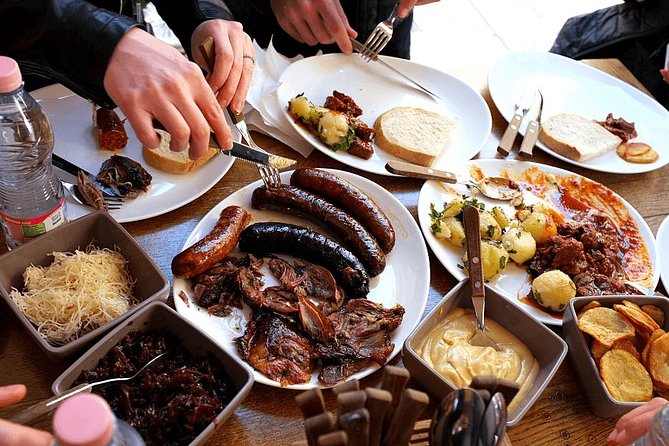
- Butcher-shop lunch tradition: Hungarian dishes served in the Belvárosi Disznótoros style
- Café dessert stop: three Hungarian cakes with coffee at a historic 19th-century spot
- Danube area views: a quick pass by a bridge on the Danube while you transition between neighborhoods
- Sommelier-led tasting: 3 Hungarian wines, plus a Hungarian spirit, ending with Tokaji aszú
- 10% wine discount: available for purchases at the Tasting Table Budapest shop at the end
Why this Budapest Culinary & Wine Walk fits real food travel
Budapest can be a food maze if you only use restaurant lists. This tour cuts through the guessing. You follow a smart route that ties Hungarian flavors to specific places—markets, classic cafés, and a wine cellar shop.
The value sits in three places. First, you get enough tastings that you don’t need a separate meal hunt later. Second, you learn what you’re eating, so paprika and pork fat stop being vague “Hungarian things” and start making sense. Third, the wine portion isn’t just pouring. You get help placing Hungarian wines by region, style, and what makes Tokaji aszú special.
The pacing tends to work best when you enjoy food as a story, not just a checklist. If you like your sightseeing served with snacks and sips, this one matches your style.
You can also read our reviews of more walking tours in Budapest


Meeting point at Central Market Hall: timing and foot stamina
You start at Central Market Hall (1093 Hungary) at 9:30 am. You’ll finish at Tasting Table Budapest (Bródy Sándor u. 22, 1088 Hungary).
This is a walking tour, so dress like you’re sightseeing on foot for about four hours. Wear comfortable shoes with grip. And bring a light layer if the weather turns cool; market hall air can feel brisk once you step inside and out.
One practical tip: start the day with a lighter breakfast or none at all if you can. The day flows fast after the market stop, and several dishes and sweets show up early. If you arrive stuffed, you’ll still have fun—but you’ll feel the limits before the wine and cakes.
Groups are kept small, with a maximum of 8 guests, which matters. It makes it easier to hear the guide, ask questions, and not get pushed through each room like a stampede.
Stop 1: Central Market Hall tastings that teach Hungarian comfort food
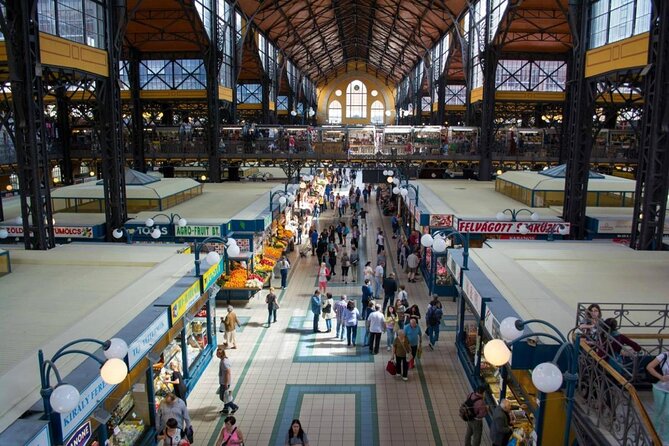
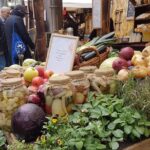
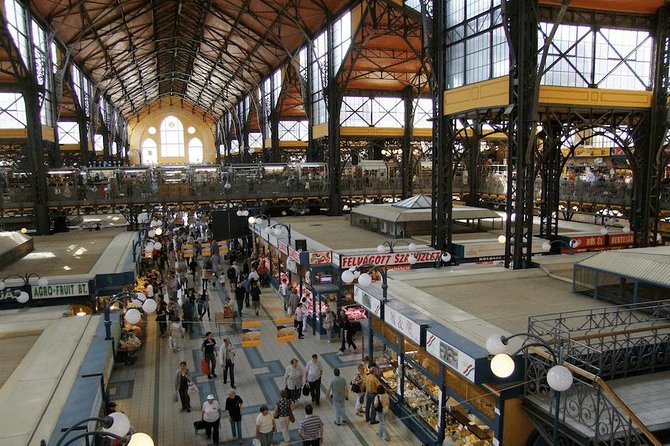
Central Market Hall is Budapest’s food cathedral. It’s huge, loud in the best way, and visually addictive. But the big win here is how the guide uses that space to explain Hungarian ingredients and habits, not just to point at stalls.
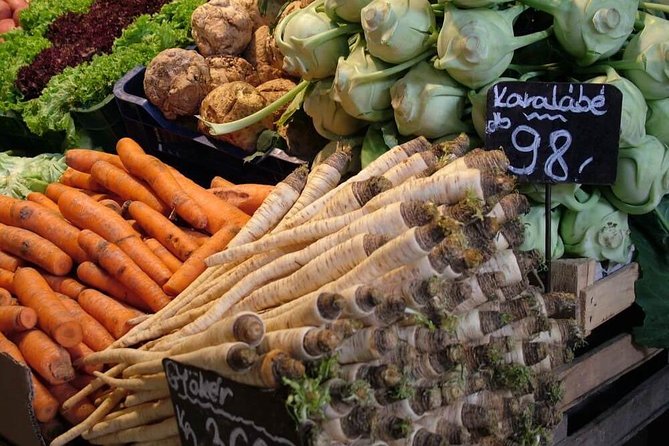
During this first stop, you’ll get a guided look at what’s on display—mostly local and seasonal items—and learn how they show up in everyday Hungarian cooking. The tour also touches on what people do with classic flavors and fats that can sound intimidating on a menu but make sense once you hear the tradition behind them.
Then you taste. The tour includes a selection of foods throughout the market walk, plus an aperitif to fortify you. Expect this to be the moment where you think, Oh, so this is what Hungarian cuisine is doing with pork, paprika, and other staples.
The building itself is part of the experience. You’re there long enough to take in the scale and the “food is the main event” atmosphere. If you’ve ever been to a big market and found it overwhelming, this guided pacing is exactly what you want.
Danube bridge pass: the quick scenic stitch between food stops
Between the main tastings, the route includes a short pass by a Danube bridge. It’s not a long sightseeing detour, but it does something useful: it breaks up the day and gives you a simple orientation moment.
This is the kind of transition that helps when you’re moving across Budapest. You’ll feel like you’re not just following a line from one shop to another. You’re actually walking through neighborhoods and landmarks that connect the food stops into a coherent day.
If you like taking quick photos while you move, this is the moment to do it. Just keep in mind it’s still a tour schedule, so don’t linger.
Stop 2: Belvárosi Disznótoros lunch in a butcher-shop tradition
The next major stop leans into a very Hungarian habit: eating lunch as part of a butcher-shop tradition. At Belvárosi Disznótoros – Károlyi utca, the focus is a lunch feast built around Hungarian dishes.
This is where the tour gets satisfying in a more substantial way. Up to this point you’ve tasted and learned. Now you sit into a meal that feels like the next chapter.
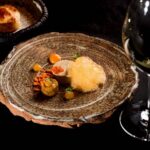
The exact dishes can vary as any good food tour adapts to what’s available, but you can expect variety—Hungarian flavors that commonly appear in pork-forward cuisine and hearty preparations. You’ll get a lunch that helps you understand why so many Hungarian meals center on rich, savory foundations.
The possible drawback here is timing: you’ll want to stay flexible. Lunch is a core part of the experience, so you’re not supposed to be “just looking.” You’ll likely be eating right through the scheduled time.
You can also read our reviews of more wine tours in Budapest

Stop 3: Centrál Grand Café & Bar cakes and coffee
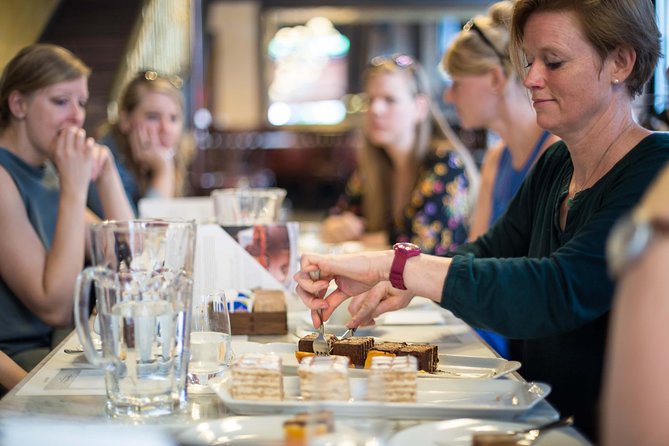
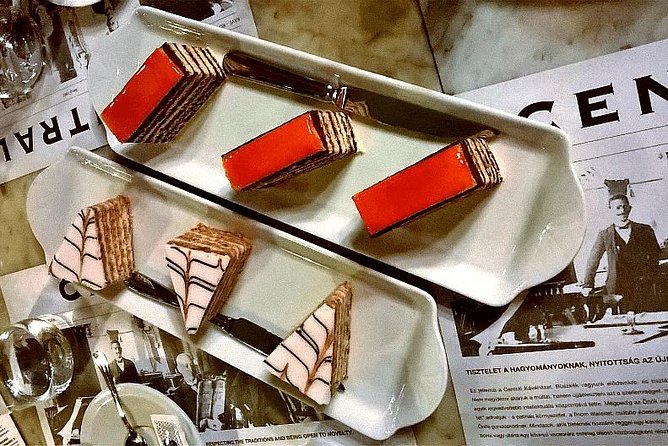
Next comes dessert, and not in a tiny, polite way. At Centrál Grand Café & Bar, you’ll enjoy a tasting of three quintessential Hungarian cakes with coffee.
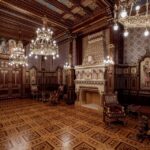
This stop has a built-in nostalgia factor. It’s a historic 19th-century coffeehouse, and the tour context points to how artists and writers once frequented places like this. Even if you don’t care about café lore, the room itself tends to make dessert taste better.
One extra note: the café stop can include extra entertainment. In at least one guide-led session, there was live music with a violinist during the experience. Even when that doesn’t happen, the atmosphere is often part of the payoff.
The cakes are the perfect bridge from savory lunch to wine. You’ll get a sense of Hungarian dessert style—sweet, structured, and often built around nut, cream, or fruit-forward flavors—then you’ll be ready for the later tasting lineup.
Stop 4: Tasting Table Budapest wine-and-cheese finale with Tokaji aszú
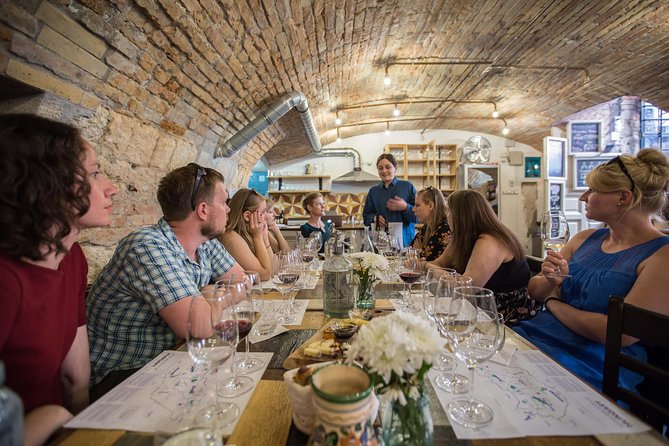
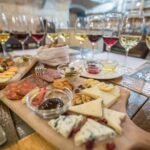
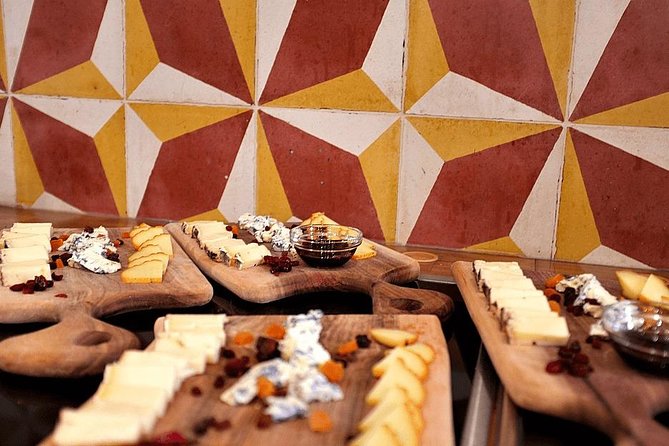
The tour concludes at Tasting Table Budapest, where you get a guided wine and cheese tasting in an independent cellar and shop setting. A sommelier introduces Hungary through wine regions, varietals, and styles, so you’re not leaving with just a list of names.
The tastings include three Hungarian wines, including Tokaji aszú, plus a Hungarian spirit. You also get bottled water during the tour, which is more important than it sounds if you’re tasting alcohol across multiple stops.
Tokaji aszú is the signature moment. It’s described as golden-tinted, and it’s one of the best-known sweet wines from Hungary for a reason. In practice, the tour setting helps you taste it with context—so you understand why people travel specifically for wines like this, not just because it’s famous.
You’ll also get a 10% discount on wine purchases at the shop. That’s a nice value add if you decide to bring a bottle (or a few) home. Even if you don’t buy, the discount can make you more confident about asking questions and exploring styles you might not otherwise choose.
Guides, group size, and why the vibe stays relaxed
This walk is set up as a small-group experience, max 8 travelers, which keeps it human. You’re not getting shoved through a market queue while your guide tries to herd people like a tour bus.
The guide is a big part of the quality. Names that come up often in successful outings include Andy (Andras), Eszter, Daniel, Charlotte, Barbara, and Aniko. Different personalities, same core theme: they connect food to history and culture in a way that feels practical, not academic.
You also get built-in flexibility around comfort. In several experiences, people noted rest time and bathroom opportunities along the way, and that the walking pace stayed manageable. That matters on a tour that’s essentially a rolling sequence of tastings.
The best guides also help you ask better questions mid-meal. If you’re curious about what you’re tasting, you’ll usually get straight answers and clear explanations, not a long speech. It keeps the energy light.
Price and value: does $120 make sense for Budapest tastings?
At $120 per person for an approximately 4-hour culinary and wine walk, the value comes from the combination of stops and what’s included—not from any single item.
Here’s what you’re paying for in concrete terms:
- An English-speaking, food-specialized guide
- Admission/ticket access at Central Market Hall
- Lunch at the butcher-shop tradition stop
- Dessert tastings (three Hungarian cakes) with coffee
- A guided wine-and-cheese finale with three wines, Tokaji aszú, and a Hungarian spirit
- Bottled water, plus plenty of snack tastings along the route
- A 10% discount on wine purchases at the end
If you were to try to replicate this yourself, you’d likely spend time booking multiple reservations, figuring out what to order, and paying for tastings separately. The tour compresses that planning into one structured afternoon.
Is it cheap? No. But if you want the “many places, many tastes” experience with guidance, it’s a fair price. The small group size also justifies part of the cost, because it can’t be done the same way in a big cattle-car group.
Who should book this tour (and who might not love it)
This tour is a strong match for:
- Foodies who want Hungarian staples explained in plain language
- Wine lovers who want context for Hungarian regions and styles, not just drinking
- Travelers who prefer guided stops over guessing where to eat and what to order
You might want to think twice if:
- You dislike alcohol or sweet wine (the finale includes wine, spirit, and Tokaji aszú)
- You hate walking and standing for an extended period
- You need highly specialized accessibility accommodations (the tour requires being on your feet a lot)
If you’re traveling solo, this can work well too. Small groups and lots of guided conversation make it feel social without being overwhelming.
Should you book the Budapest Culinary & Wine Walk?
Yes, if you want a smooth, food-focused introduction to Hungarian flavors that goes further than eating one good meal. The route is built around meaningful stops: Central Market Hall for ingredients, Belvárosi Disznótoros for a proper Hungarian lunch tradition, Centrál Grand Café for cake-and-coffee history, and a sommelier-led wine finale that ends with Tokaji aszú.
My advice before you book is simple: come with an appetite, wear comfortable shoes, and message the operator ahead of time if you have dietary needs or allergies. The tour says they try to accommodate dietary requirements and will work with you when you tell them in advance.
One more practical note. There has been at least one report of a guide not showing up on time. That’s rare, but still: arrive a few minutes early at the correct market entrance and be ready to contact the team if something feels off at the start time.
If you want a fun afternoon where Budapest tastes like Budapest, this is one of the best ways to do it.
FAQ
How long is the Budapest Culinary & Wine Walk?
It lasts about 4 hours.
What time does the tour start, and where do I meet?
The start time is 9:30 am at Central Market Hall, Budapest, 1093 Hungary.
Where does the tour end?
The tour ends at Tasting Table Budapest (Wine Shop), Bródy Sándor u. 22, 1088 Hungary.
What food and drinks are included?
You’ll have lunch, snacks, and tastings at multiple stops. The wine finale includes tasting of 3 wines (including Tokaji aszú) and a Hungarian spirit, plus coffee with dessert tastings.
Is alcohol included in the tour?
Yes. The tour includes alcoholic beverage tastings: 3 Hungarian wines (including Tokaji aszú) and a Hungarian spirit.
How big is the group?
Small group size is limited to a maximum of 8 guests.
Can the tour accommodate dietary requirements or allergies?
The tour says they try to cater to dietary requirements and allergies, so it’s important to let them know in advance.
Is the tour available on Sundays?
It is available year-round with the exception of Sundays and national holidays. For Sundays, there is a Budapest Culinary Walk – Sunday Edition listing.
Is it refundable if I cancel?
This experience is non-refundable and cannot be changed for any reason.
Is transportation included?
No. Private transportation is not included, and you should expect to cover a lot of ground on your feet.