REVIEW · BUDAPEST
Budapest City Walk in Jewish Quarter
Book on Viator →Operated by Budapest Jewish Walk · Bookable on Viator
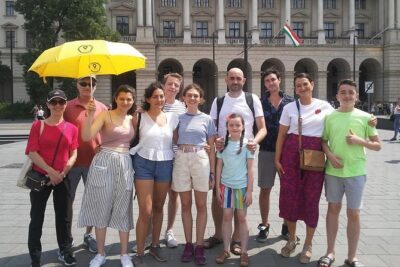
Budapest’s Jewish Quarter tells a lot, fast. This private 4-hour walking tour packs major synagogue sights, WWII memories, and everyday street life into a small area you can actually cover on foot. I love how the route balances big landmarks with small details you’d miss alone, and I especially like that the guide can adapt the pace to your interests. The only real consideration: there’s a moderate amount of walking, and some indoor stops require planning around opening times and synagogue security.
One of the big draws is that the Jewish Quarter in the 7th district is compact, so walking works. You’ll get a clearer sense of how this neighborhood looks and feels today, while hearing what happened here during World War II. I also like that this isn’t just a history lecture; it’s built around story, questions, and local culture in places like Gozsdu Courtyard and ruin bars such as Szimpla. If you prefer a quick hit of only the most famous sites, you may find the emotional weight of the WWII material a bit intense.
In This Review
- Key highlights you’ll care about
- Why walking the 7th district works so well
- The guide role: stories, questions, and personal context
- Synagogue triangle: what you’re really seeing and why it matters
- Kazinczy Synagogue area and the mikveh note
- Rumbach Synagogue: the “other” feel inside the triangle
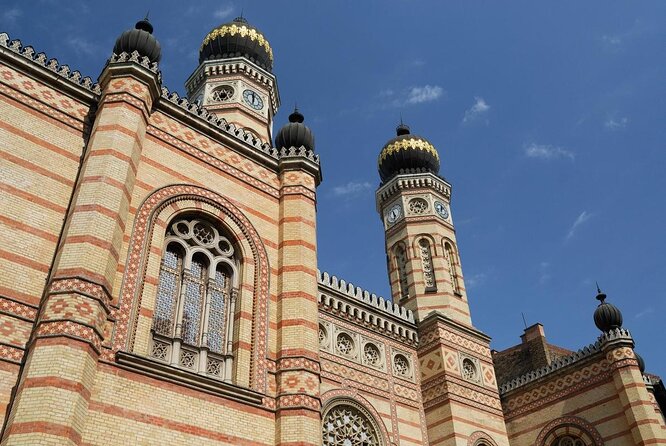
- Dohány Street Synagogue: the major landmark with weight
- Entrance fees you should plan for
- WWII memory stops: Raoul Wallenberg, Carl Lutz, and the ghetto’s edges
- Raoul Wallenberg Memorial Garden and the Emmanuel tree
- Carl Lutz Memorial
- Stumbling stones and street memorials
- The last remaining part of the WWII ghetto wall
- The Danube-side icon: Shoes Monument
- Museum and archives stops: Jewish memory inside institutions
- Local-life stops: cafés, courtyards, shops, and ruin bars
- How the 4 hours typically feel (and how to pace yourself)
- Price and value: what you’re paying for
- Who should book this walk in the Jewish Quarter
- Should you book it? My honest take
- FAQ
- FAQ
- How long is the Budapest Jewish Quarter walk?
- What’s the group size for this tour?
- How much does it cost, and is it per person?
- Do I need to pay entrance fees for synagogues?
- What language is the tour offered in?
- Is hotel pickup included?
- Is food included?
- Can the tour accommodate kosher needs?
- How much walking is involved?
- When does the tour run?
- What’s the cancellation policy?
Key highlights you’ll care about
- Jewish Quarter on foot: tight geography means lots of stops without constant transit
- Synagogue triangle focus: you’ll see the Kazinczy, Rumbach, and Dohány Street Synagogue area
- WWII memorial stops: Raoul Wallenberg Memorial Garden and other ghetto-era reminders
- Local texture, not just monuments: courtyards, shops, cafés, and scenes used by residents
- Small group feel: maximum of 10 travelers, with private-group pricing up to 6
- Flexible routing: you can spend more time where you care most
Why walking the 7th district works so well
The Jewish Quarter is compact. That’s the genius here. Instead of hopping between far-flung spots, you move through streets that connect the sights like chapters in the same book.
This tour is designed for meaningful pacing. The itinerary can shift depending on your interests, so if you want extra time at a synagogue or memorial, you can ask. You’ll also get chances to step into the “in-between” spaces of the neighborhood—courtyards, side streets, small shops—where the district’s personality shows up fast.
You’ll want decent comfort shoes. The tour notes a moderate walking level, and you can ask for a break. Bring a hat/cap and scarf if you don’t want to wear what synagogues provide.
You can also read our reviews of more walking tours in Budapest



The guide role: stories, questions, and personal context
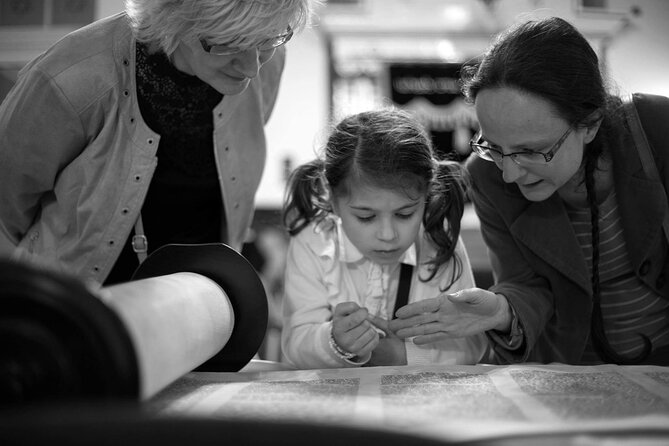
A tour guide can make or break a history experience. Here, the emphasis is on a guide who connects the past to the present, with clear explanations and lots of room for questions.
In the reviews, guides are repeatedly described as warm and deeply connected to the material. Names you may hear include Timea Tarjani (also referred to as Timi or Timmi). People mention her background, her fluency in English, and the way she blends Jewish and Hungarian history—especially WWII-era experiences—with personal perspective. That matters because you’re not just learning dates. You’re learning how a community lived through fear, survival, and change.
If you’re the type who likes to ask why things were built, renamed, or located where they are, this format tends to fit you well. The group size is also small (maximum of 10), which helps the conversation stay natural rather than stiff.
Synagogue triangle: what you’re really seeing and why it matters
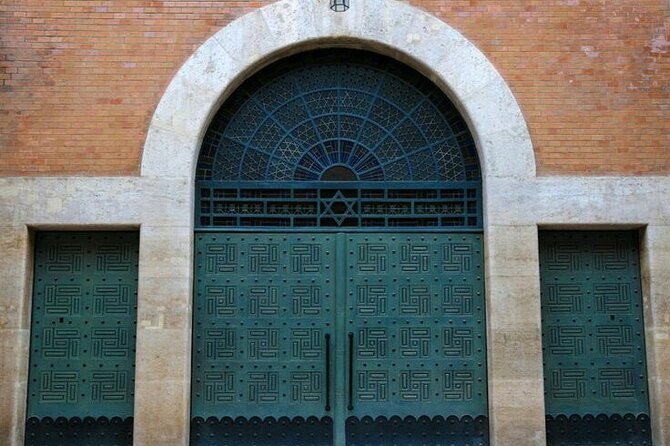
Budapest’s Jewish story isn’t one building. It’s a skyline of beliefs, communities, and generations layered over time. This walk includes stops in the so-called synagogue triangle, including the Kazinczy Synagogue, Rumbach Synagogue, and the Dohány Street Synagogue area.
What I like about seeing multiple synagogues in one walk is that you can compare. Even when the architecture is stunning, the bigger value is understanding what each place represented for the Jewish community. You’ll hear how the neighborhood’s religious life evolved and how different congregations shaped daily rhythms.
Kazinczy Synagogue area and the mikveh note
The tour highlights the Kazinczy area, including a mikveh in Kazinczy Street. That’s a useful detail for perspective: it reminds you that religious life includes everyday practices, not just grand ceremonies.
You may also notice the difference between what looks like a “tourist stop” from the outside and what feels like a living neighborhood around it. The guide’s storytelling helps you read those contrasts.
Rumbach Synagogue: the “other” feel inside the triangle
The Rumbach synagogue is part of why the triangle concept works. Instead of repeating the same theme three times, the tour frames each synagogue as its own thread. In practical terms, this helps you remember what you saw because each stop has a distinct story to anchor it.
You can also read our reviews of more city tours in Budapest



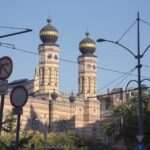

Dohány Street Synagogue: the major landmark with weight
Dohány Street Synagogue is iconic, and this tour places it within the wider Jewish Quarter story rather than treating it like a stand-alone attraction. You’ll likely get context that makes the visit more than sight-seeing—especially when WWII details start connecting the neighborhood’s physical layout to what happened here.
Entrance fees you should plan for
Entrances are not included. The tour states an additional entrance fee maximum of €46.00 per person. You can choose visiting one synagogue only, and you may be eligible for discounted prices (like family or senior rates, where applicable). Plan your budget around that, and consider which synagogue matters most to you before you arrive.
WWII memory stops: Raoul Wallenberg, Carl Lutz, and the ghetto’s edges
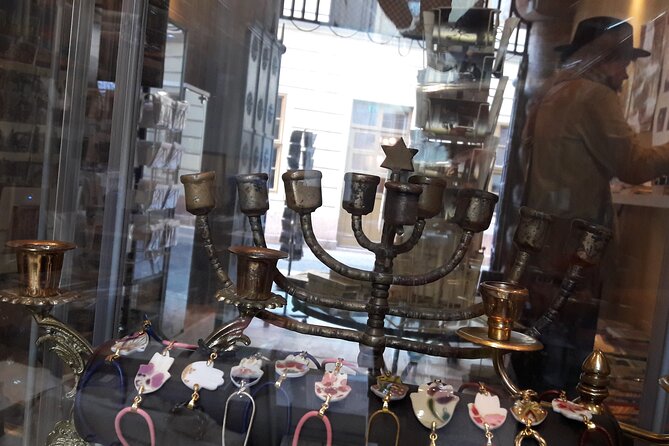
The emotional center of this tour is the WWII material. You’ll visit memorial sites that help explain the tragedy and the survival stories tied to Budapest’s Jewish community.
Raoul Wallenberg Memorial Garden and the Emmanuel tree
The Raoul Wallenberg Memorial Garden is included, along with the Emmanuel tree. It’s the kind of stop where the setting helps you slow down. The guide’s history gives the tree meaning beyond being a quiet landmark.
Carl Lutz Memorial
The tour also includes the Carl Lutz Memorial. In a neighborhood walk, these memorial points are vital because they break the “one big museum” feeling. Instead, history is distributed across streets and corners, which is exactly how it would have felt to people living here.
Stumbling stones and street memorials
You’ll also cover stumbling stones. These are small, street-level reminders that force attention at human scale. If you tend to rush through city streets, this is where you’ll likely feel the route slow your body down even if your feet want to keep going.
The last remaining part of the WWII ghetto wall
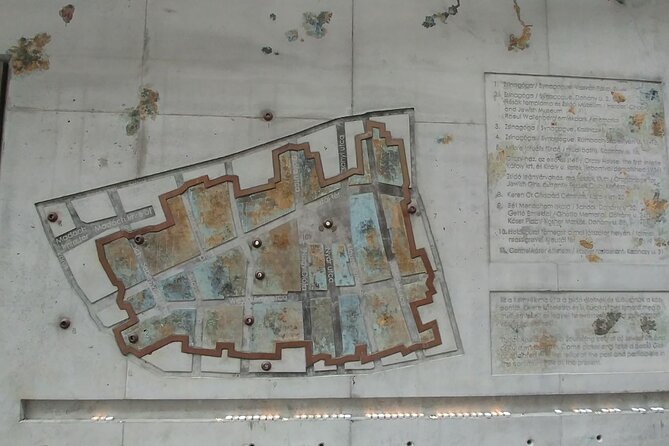
One of the most memorable elements described in the reviews is seeing the last remaining part of the WWII ghetto wall. There’s also mention that guides may have access to locked, private areas with keys, letting you see rare parts of the wall and other behind-the-scenes sights. That’s a big difference from a standard “look from outside” approach.
Even if you’ve read about ghettos before, the physical presence helps your brain understand how confinement shapes a neighborhood.
The Danube-side icon: Shoes Monument
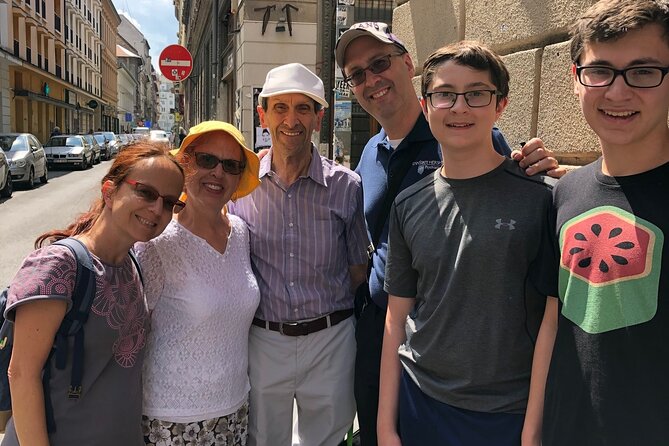
The tour includes the Shoes Monument on the riverbank of the Danube. It’s famous for a reason: it’s simple, and that simplicity hits hard. In this tour, it works as a bridge between the Jewish Quarter and the broader geography of Budapest’s WWII story.
What makes this stop valuable on a walking tour is the sequencing. After seeing memorial gardens, street markers, and ghetto remnants, the Danube stop lands with more clarity. You’re not just ticking a landmark box—you’re matching location to meaning.
Museum and archives stops: Jewish memory inside institutions
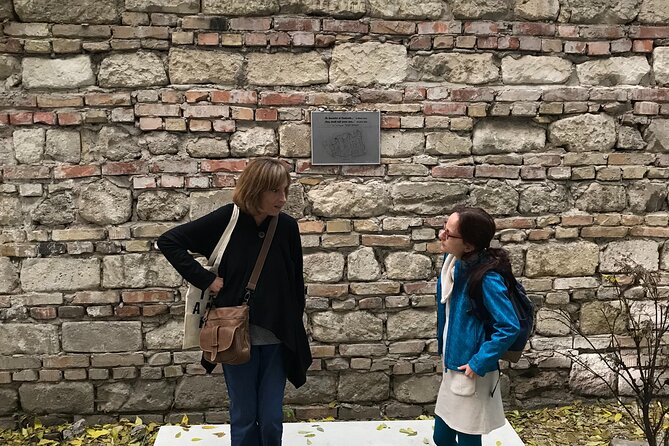
History here isn’t only in the streets. The tour includes the Budapest Jewish Museum and references exhibitions of the Jewish Archives. For me, this kind of stop is where the walk turns from “story you hear” into “context you can revisit.”
Museums are also useful when you want a break from walking. If you’re tired, this is the time to sit with what you’ve already absorbed and check your understanding. If you’re curious, it’s also a chance to go deeper into themes you heard outside.
Just remember: entrances aren’t included, and opening hours can matter. If this is a must for you, choose this tour time carefully.
Local-life stops: cafés, courtyards, shops, and ruin bars
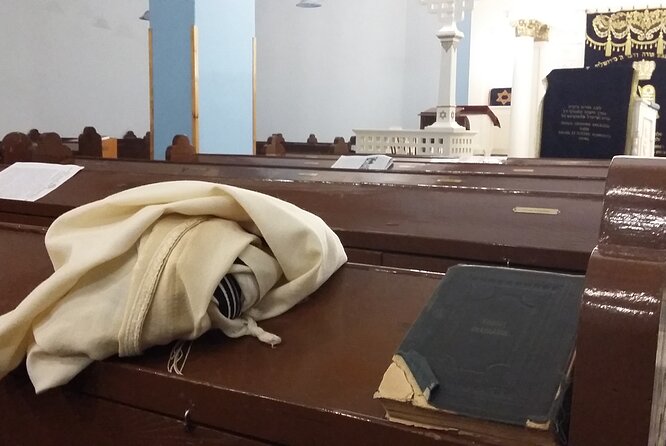
This tour doesn’t treat the Jewish Quarter as a theme park. It also shows how the neighborhood functions now.
You may pass by Gozsdu Courtyard, plus local shops, eateries, and confectioneries. The route also mentions art galleries, festival scenes, and old and newly opened cafés. Even if you don’t stop for a snack, seeing these everyday uses matters because it reminds you this is still a living community.
Then there are the ruin bars, including Szimpla. These are part of Budapest’s broader nightlife scene, but within the Jewish Quarter story they read differently: they reflect how the area has been reused, rebuilt, and reimagined over time.
If you want a sense of where locals linger, you’ll appreciate these touches. They help you picture what the neighborhood looks like on a normal day, not just during major events.
How the 4 hours typically feel (and how to pace yourself)
This is a 4-hour walk (approx.). In that time, you’ll likely cover a lot of ground and see both heavy memorial sites and major synagogues. That mix can be powerful, but it can also be emotionally demanding.
A practical way to enjoy it is to treat it like a conversation, not a sprint. Ask questions as you go. If something hits you, don’t pretend you’re fine—take a break. The tour says you can always request a pause, and that flexibility can keep the day enjoyable instead of overwhelming.
Also, plan your next steps the day of the tour. If you can, leave room afterward for a slower lunch. The tour can also help with restaurant recommendations and even booking a table if you want.
Price and value: what you’re paying for
The price is listed as $356.90 per group (up to 6), with a tour length of about 4 hours. That can sound steep until you look at what’s included and what you’re getting.
You’re paying for:
- a professional, licensed local guide
- hotel pickup and drop-off (or restaurant drop-off for lunch/dinner)
- personalized routing with flexibility
- recommendations and possible table booking
- kosher meal/snack arrangements if required
Now add the “hidden value”: this kind of small, story-driven route can save you time and confusion. Budapest’s Jewish Quarter is easy to visit on your own, but it’s not easy to understand the connections between synagogues, ghetto remnants, memorial points, and modern neighborhood life. A good guide stitches that together.
If you’re traveling solo, the per-person cost effectively increases compared to splitting the group price. But if you’re coming as a couple or family unit, it can feel very fair for a private-feeling experience.
Who should book this walk in the Jewish Quarter
This tour fits best if you want:
- a history-and-meaning experience, not just photos
- WWII context tied directly to what you see on the ground
- a guide who can answer questions and adapt your pace
- a mix of major sights and local street life
It may feel less ideal if you prefer a light, entertainment-style walk only, or if you’re uncomfortable with emotionally heavy topics. Also note that there’s a moderate walking requirement, so it’s better for visitors with at least decent physical comfort.
If you enjoy meaningful cultural travel—where you come away with a clearer sense of how people lived and endured—this route is likely to land well.
Should you book it? My honest take
I’d book this tour if you want the Jewish Quarter to make sense. The combination of synagogues (including the triangle area), memorial stops tied to WWII, and street-level local life gives you a fuller picture than a checklist approach.
It’s also one of the better options if you like to ask questions and get context instead of memorizing facts. And with names like Timea Tarjani showing up again and again in feedback for warmth, clarity, and personal connection, the odds are strong that the guide experience will be the highlight.
Just go in with the right expectations: you’re walking through beauty and grief in the same day. Plan shoes, take breaks, and give yourself time to absorb. That’s how you get your money’s worth.
FAQ
FAQ
How long is the Budapest Jewish Quarter walk?
It runs about 4 hours.
What’s the group size for this tour?
The maximum group size is 10 travelers.
How much does it cost, and is it per person?
The price is $356.90 per group (up to 6).
Do I need to pay entrance fees for synagogues?
Entrance fees are not included. The tour lists a maximum additional cost of €46.00 per person, with the option to visit one synagogue only and possible discounted rates.
What language is the tour offered in?
The tour is offered in English.
Is hotel pickup included?
Yes. The tour includes hotel pick-up and drop-off (or restaurant drop-off for lunch/dinner).
Is food included?
No. Food and drinks are not included, though the guide can recommend and help book a table at a local restaurant.
Can the tour accommodate kosher needs?
Yes. The tour notes that kosher meals/snacks can be arranged if required.
How much walking is involved?
It involves moderate walking, and you can ask for a break.
When does the tour run?
It’s listed as daily, with opening hours shown as 9:00 AM to 2:00 PM during the stated date range.
What’s the cancellation policy?
You can cancel for a full refund up to 24 hours in advance of the start time.