REVIEW · BUDAPEST
Budapest: City Bike Tour with Coffee Stop
Book on GetYourGuide →Operated by Yellow Zebra Tours · Bookable on GetYourGuide
That’s a lot of Budapest, in one ride. This bike tour ties together the big monuments with real street-level context, from Heroes’ Square to Parliament to Castle District views, plus a simple coffee-and-pastry break. I especially like the way the route threads Pest and Buda together efficiently, and how the guide turns landmark spotting into an actual story you can repeat later. One catch: it’s not a flat cruise. The day ride can include a tough cycle up hills for up to 4 hours, so you’ll want decent biking legs.
The good news is the tour is built for flow. It keeps the group small, stops for photos, and lets you ask questions without feeling rushed. In multiple departures, guides like Johny, Sam, Jose, and Brigit have been praised for their friendly energy and clear explanations, and that matters because you’ll be seeing a lot in a short window.
In This Review
- Entering Budapest by Bike: Why This Route Works So Well
- The 3 Big Reasons People Fall for This Tour
- Andrássy Avenue to Heroes’ Square: Opera glamour, then a history jump
- A small consideration here
- Heroes’ Square to Vajdahunyad Castle: the 1896 World Expo idea
- Why this stop is worth it
- St. Stephen’s Basilica and Liberty Square: the big postcard views
- What you should plan for
- Castle District panorama from the riverbank: the view that stitches everything together
- A realistic note
- Margit Bridge and the Danube banks: Chain Bridge to the bath-house zone
- Difficulty factor
- Back to Pest: Liberty Bridge, Grand Market Hall, and a final Opera pass
- Why this ending works
- Coffee and pastry stop: the included break that actually matters
- Price and what you’re really getting for $45
- Fitness, timing, and who this is best for
- A real-world confidence boost
- Weather and comfort tips that save your day
- Should you book this Budapest Bike Tour?
- FAQ
- How long is the Budapest City Bike Tour with Coffee Stop?
- How much does the tour cost?
- What’s included in the price?
- Are museum or attraction tickets included?
- Where do I meet the tour?
- Do I need to know how to ride a bike?
- Is the tour suitable for children?
- What should I wear or bring?
- Does the tour run in bad weather?
- Is there free cancellation?
Entering Budapest by Bike: Why This Route Works So Well
This tour is designed for one main goal: get your bearings fast and show you the city’s key layers. You start in the grand avenue zone and end down by the Danube and the market area, so you’re not doing random backtracking.
You’ll also cover the kind of places that are hard to stitch together on your own in a day. If you’re short on time, a bike tour gives you speed without losing the street feel. You’re moving through neighborhoods and viewpoints, not just staring at a map.
And you’ll get a guide who actively narrates. The stops aren’t just for selfies; you’ll get the “what this is” and “why it matters” context while you’re standing there, ideally before the view gets too familiar in your head.
The 3 Big Reasons People Fall for This Tour
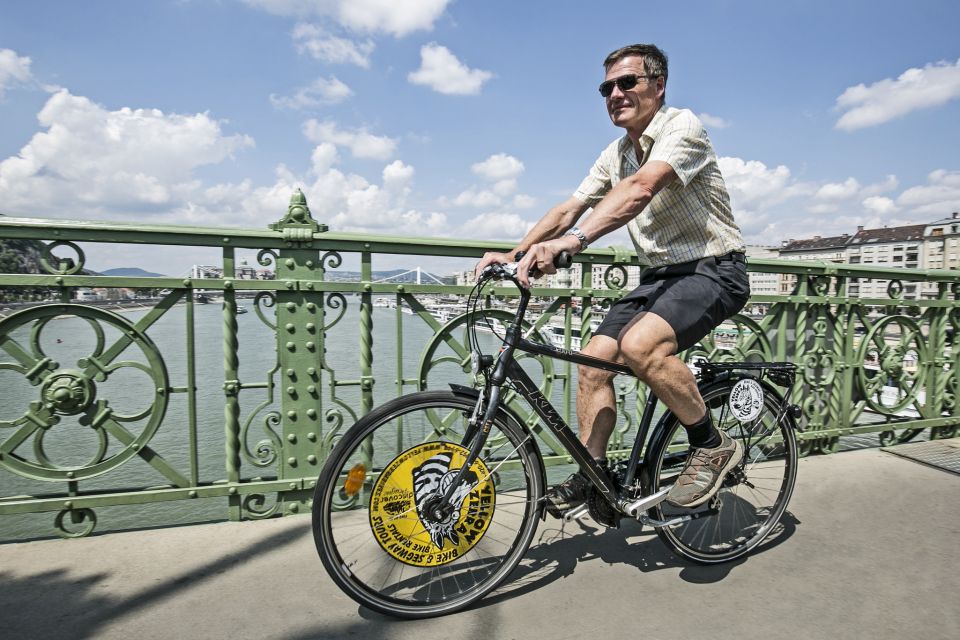
- Small group size (limited to 10): you can actually hear answers, not just listen to background chatter.
- Photo stops built into the ride: you get time to frame the Opera, Heroes’ Square, and the river panoramas without constantly stopping yourself.
- Coffee and a traditional pastry included: it’s a real break, not an afterthought, and it helps you reset mid-tour.
You can also read our reviews of more cycling tours in Budapest
Andrássy Avenue to Heroes’ Square: Opera glamour, then a history jump
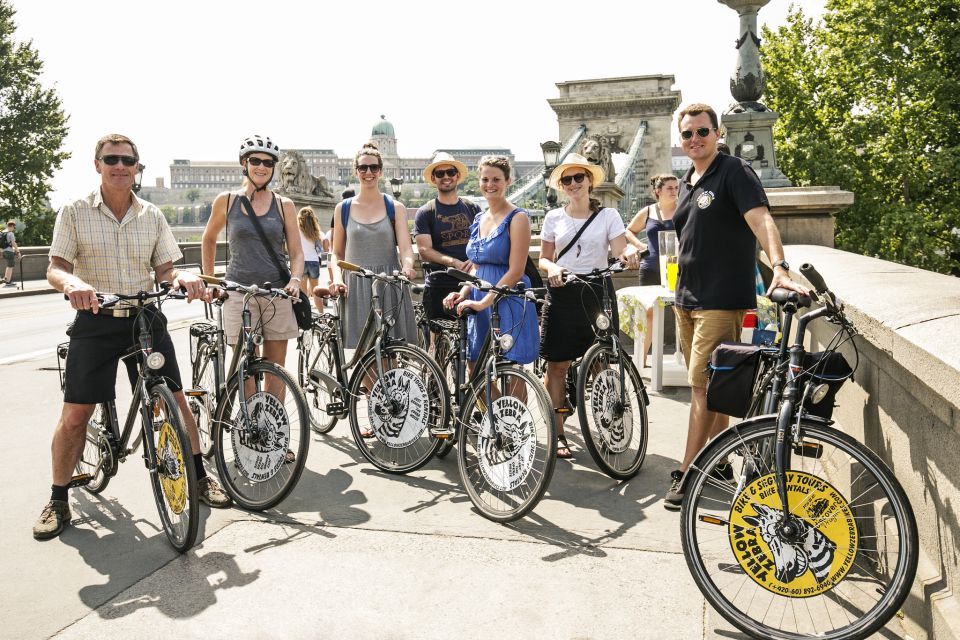
You meet near Váci utca at Yellow Zebra Bike Tours, then roll out from Andrássy Boulevard. This part is the mood-setter. It’s wide, elegant, and instantly gives you that “this city likes big statements” feeling.
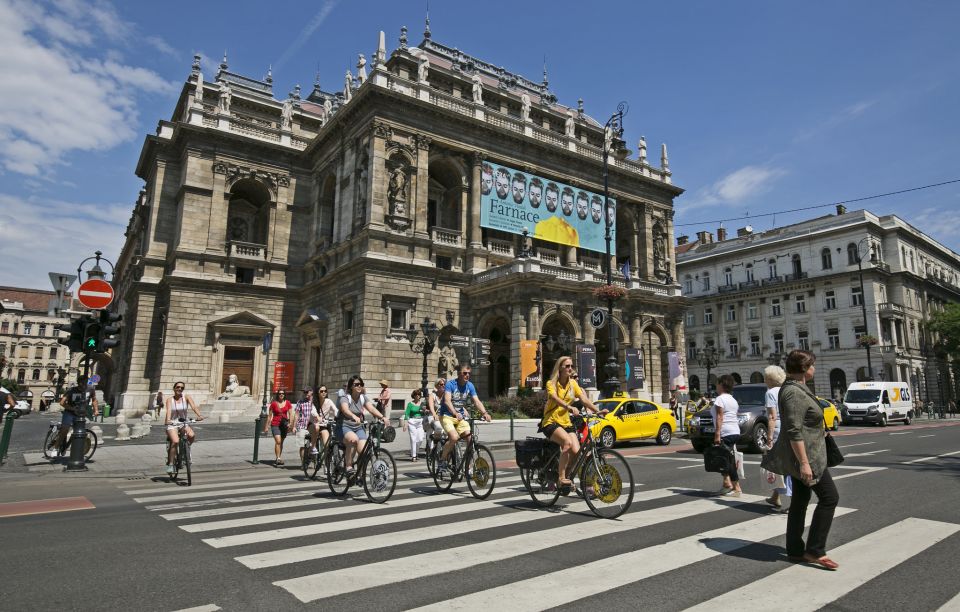
As you bike along the avenue, you pass the Opera House, and the guide connects the architecture and era to what was going on in Hungary at the time. Next comes the ride up toward Heroes’ Square. That climb is part of the deal—Budapest has hills, and the best viewpoints sit on them.
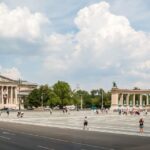
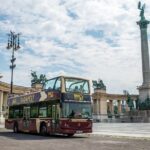
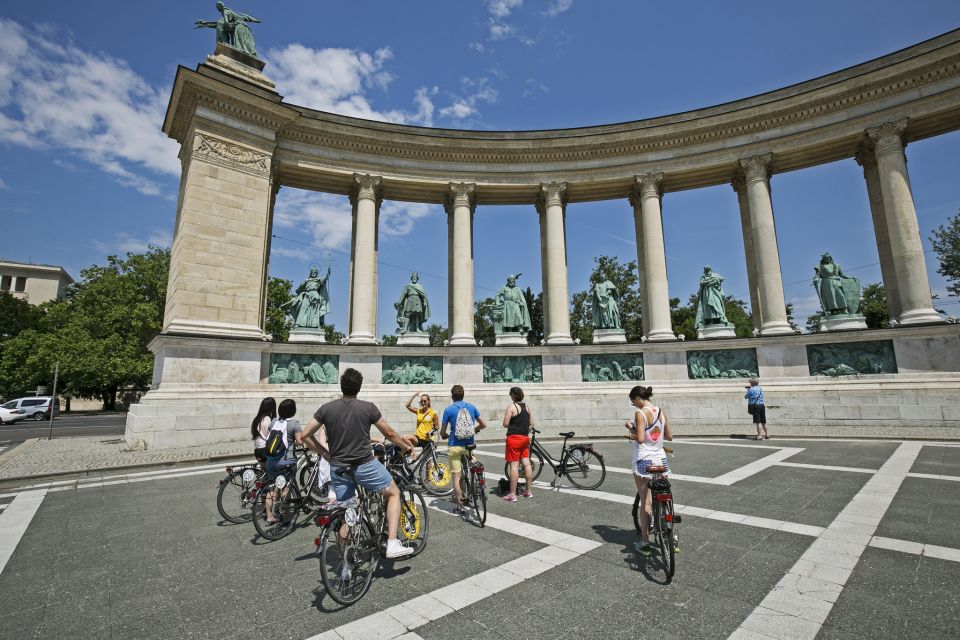
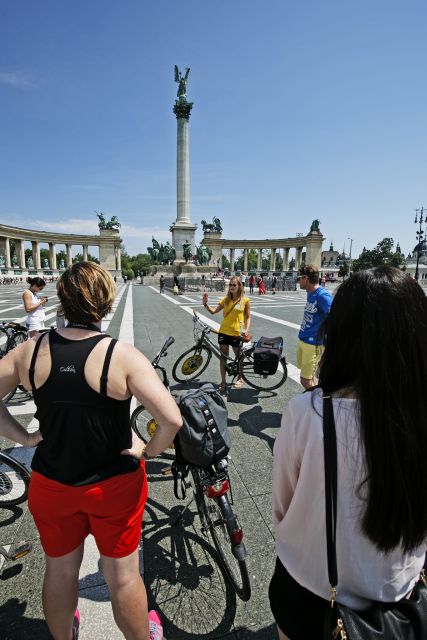
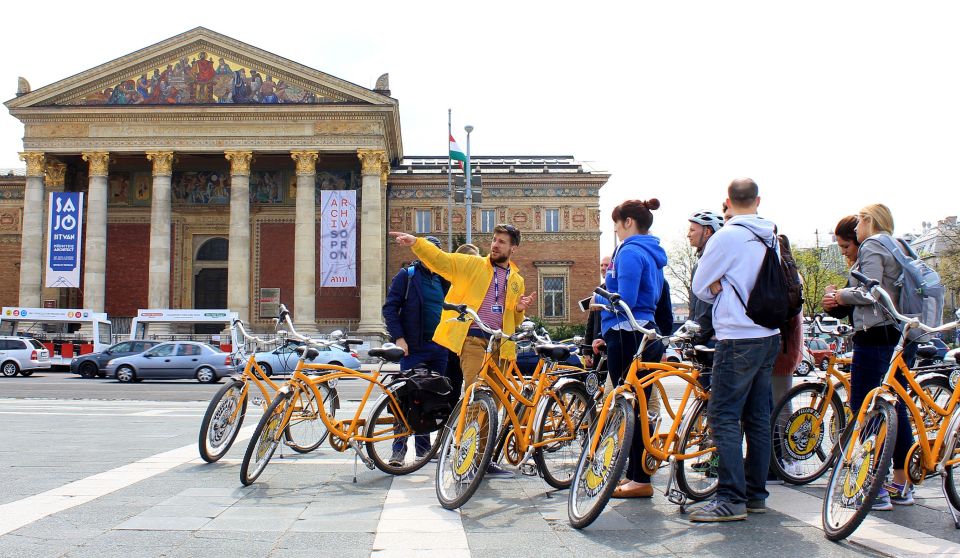
Heroes’ Square is one of those places where standing in the middle of it helps more than reading about it. You get a clear explanation of the symbolism and the role of City Park as a civic space. It’s also a good spot to snap wide shots, because you can capture the plaza geometry that makes the square feel so staged and ceremonial.
A small consideration here
This is also where stamina matters. If you’re not used to cycling for a few hours, the approach to Heroes’ Square can feel like a wake-up call. The good pacing helps, but you should come ready to pedal.
Heroes’ Square to Vajdahunyad Castle: the 1896 World Expo idea
After Heroes’ Square, you head toward the Vajdahunyad Castle complex. This is one of the most interesting “wait, that’s not one building” stops on the whole tour. The complex was built to showcase Hungarian architecture for the 1896 World Expo, so it’s less about a single royal residence and more about a curated architectural statement.
You’ll see it as part of your park-and-monuments sweep, and the guide helps translate what you’re looking at—why the design looks like a mix, and why that matters in a story about identity and presentation.
You’ll also pass the Széchenyi Bathhouse area. Even if you don’t go inside (entry isn’t included), seeing it from the road gives you a sense of how Budapest treats leisure, wellness, and monumental design as part of everyday life.
Why this stop is worth it
This is where the tour starts feeling like more than “points on a map.” The architecture theme lets you understand Budapest’s habit of borrowing ideas from different eras and blending them into something that feels distinctly Hungarian.
You can also read our reviews of more city tours in Budapest



St. Stephen’s Basilica and Liberty Square: the big postcard views
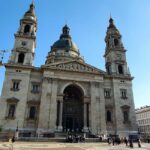
From here you continue through the inner-city sight chain. You’ll ride past St. Stephen’s Basilica, then swing into the Liberty Square area.
Liberty Square is a strong visual contrast: you’ve got the formal square setting, and the guide points out the last Soviet memorial there. At the same time, you’ll be able to see the scale and presence of the Hungarian Parliament from the square. Even without entering, the Parliament view works because Budapest’s design makes the buildings look like they’re hosting the space.
This section of the ride is also ideal if you like walking-and-looking energy but don’t want to spend your day stuck in lines. On a bike, you cover more angles, then stop where the view actually makes sense.
What you should plan for
You won’t be going into sights or museums. This is a “see it from street level and understand it” style of tour. If you’re hoping for indoor cathedral time or museum tickets, you’ll need to add those separately.
Castle District panorama from the riverbank: the view that stitches everything together
Next, the route brings you toward the Danube for one of the most satisfying parts of the day: a panoramic viewpoint over the Castle District.
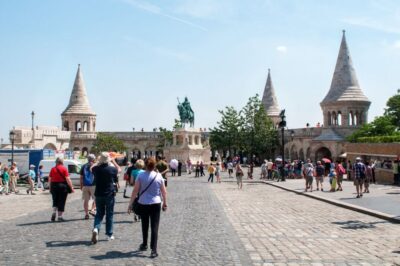
From the riverbank, you’ll get sweeping views of places like Matthias Church, the Royal Palace, and Fisherman’s Bastion. The guide explains what you’re seeing in practical terms—what each building represents, why the castle area matters, and how the layout influences how you experience Budapest.
This is where the tour’s structure really clicks. Earlier stops (Opera, Heroes’ Square, Parliament) tell you about power, culture, and civic symbolism. The castle panorama gives you the “where did all that land and ambition live?” answer.
A realistic note
This is a viewpoint moment, not a long sit-down. Bring your camera-ready mindset, because the best photos happen when you’re quick, not when you wait.
Margit Bridge and the Danube banks: Chain Bridge to the bath-house zone
Then you cross Margit Bridge to the Buda side. Once you’re on that side, the city feels different right away—more riverbank geometry, more sweeping views, and that classic Budapest feeling of bridges acting like stage props.
You’ll ride along the Danube banks and see highlights such as:
- Chain Bridge
- Clark Ádám Square
- Elizabeth Bridge
- Rudas baths
- the famous Gellért hotel and baths area
Even from the bike lane, these places land with impact. The guide connects them to the city’s growth and how transportation and river life shaped Budapest’s development.
The stretch also has a practical advantage: it’s a rhythm section. You’ll have enough “moving time” to keep momentum, but you’ll still get guided stops for photos and short pauses.
Difficulty factor
Expect more rolling terrain on bridges and riverbank sections. The tour isn’t constant uphill, but it’s also not a leisurely pedal for long. If you’re booking, think “4 hours of serious sightseeing effort,” not “easy afternoon cruise.”
Back to Pest: Liberty Bridge, Grand Market Hall, and a final Opera pass
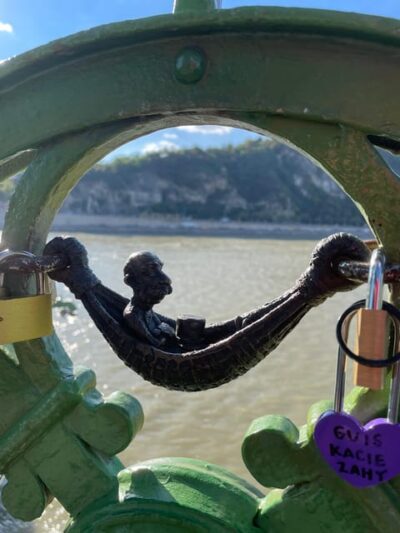
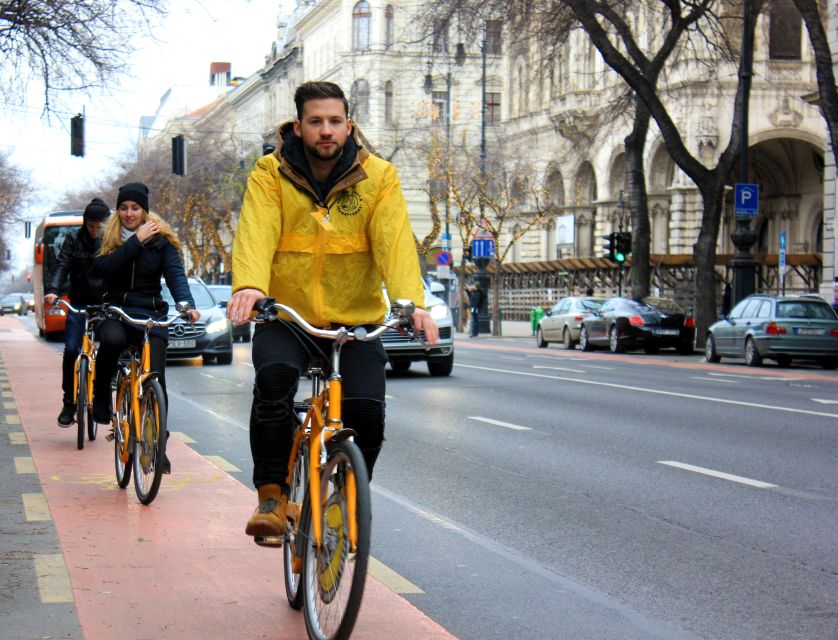
After the Buda-side river ride, you cross Liberty Bridge back to the Pest side. This is a nice payoff moment because it flips the view again—suddenly you’re oriented toward the busier, street-level shopping and market zone.
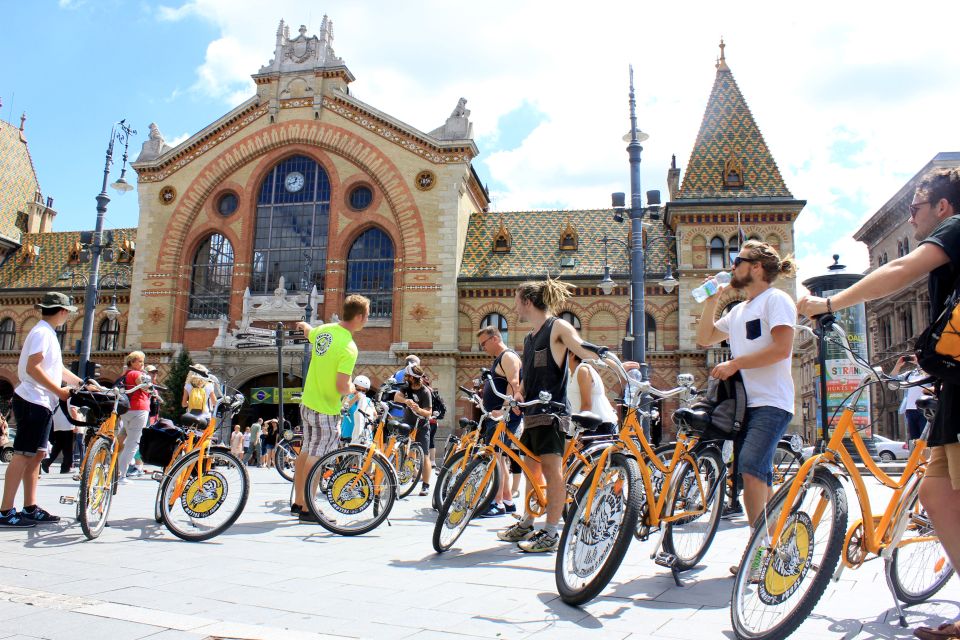
You’ll see the Grand Market Hall from the area near it. Entry isn’t part of the tour, but having this landmark on your radar helps you decide if you want to return later for a snack, a souvenir, or just a look inside.
Then you loop back toward Andrássy Boulevard, with time to check out the Opera area again before finishing.
Why this ending works
It leaves you with choices. After you’ve done the big-picture ride, you can pick what you want more of: markets, cafés, museums, or simply another walk along the parts you liked most.
Coffee and pastry stop: the included break that actually matters
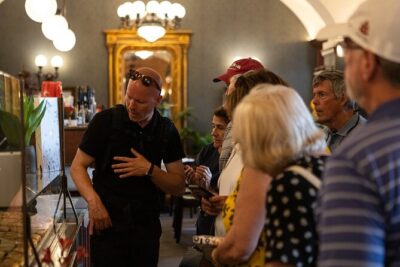
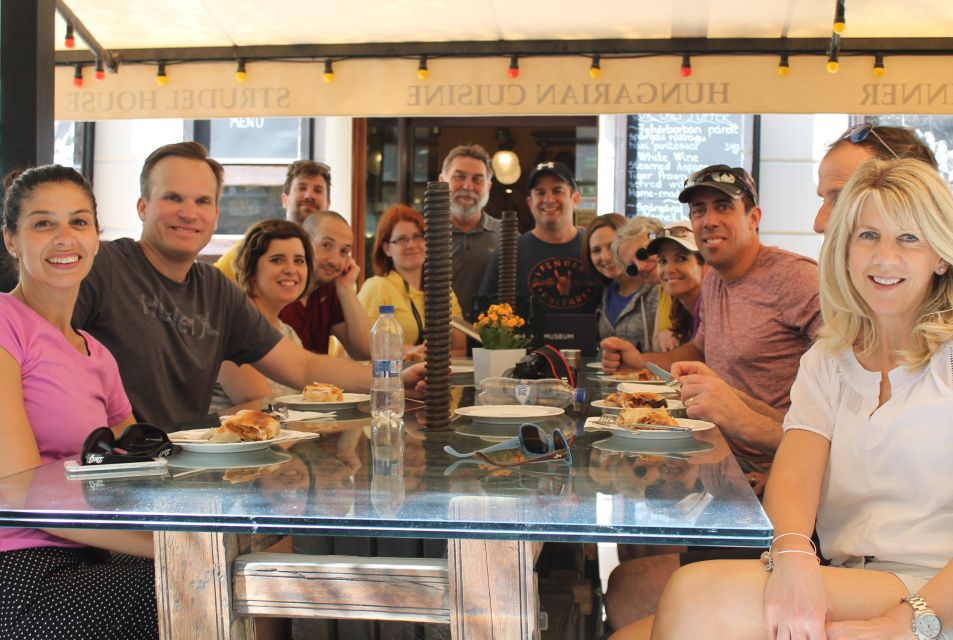
The tour includes a complimentary coffee and traditional Hungarian pastry, plus a soft drink as part of the refreshment break. In practical terms, it breaks up the ride so you don’t end the day running on pure adrenaline.
A pastry-and-coffee stop also makes the city feel local without forcing you into a “pay extra for everything” situation. If you care about value, this matters: it’s not just hydration; it’s part of the experience.
Price and what you’re really getting for $45
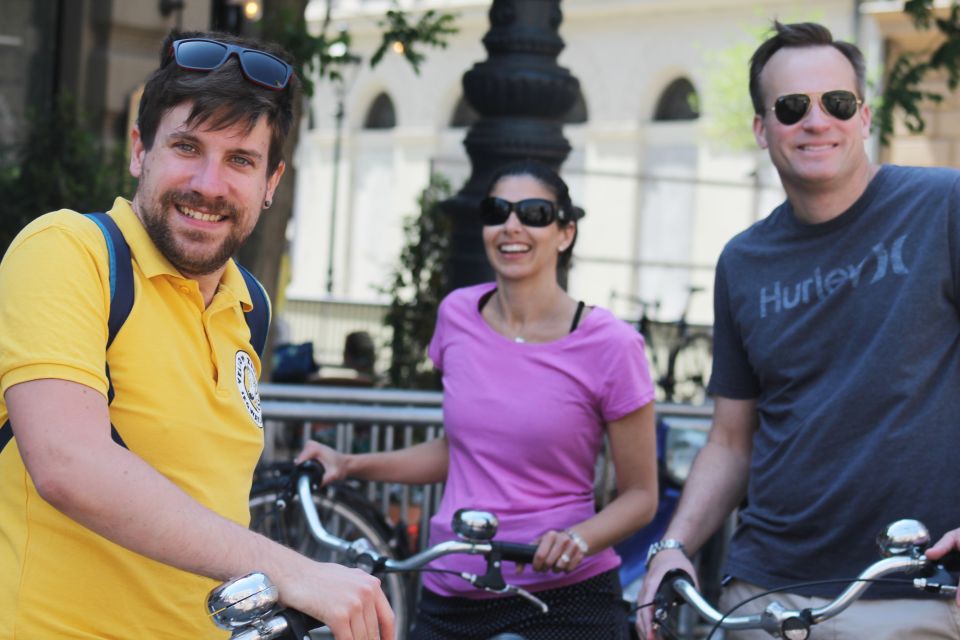
At $45 per person for about 2.5 to 4 hours, the value comes from bundling the essentials:
- A professional English-speaking guide
- Bike hire (helmet available as an option)
- Photo stops
- An included coffee and pastry break
Most self-guided days in Budapest cost money too—bike rental plus time lost figuring out routes, plus paying for every “key moment” stop. Here, you pay for guidance and logistics so you can spend your energy on the sights.
The one thing I’d watch is your expectations around museum entry and paid attractions. Entry into sights isn’t included, so if you’re the type who wants to go inside everything, you’ll need a second plan.
Fitness, timing, and who this is best for
This isn’t a stroller-friendly activity. There’s a clear age guideline (not suitable for children under 12), and you also need to be comfortable riding a bike.
On the day ride, the cycle can run up to 4 hours with short breaks, and there are hills. If you’re physically capable but not a cyclist, you can still enjoy it—just don’t show up treating it like a casual spin.
If you want the easier option, the evening ride is described as less strenuous. That’s a great fit when you want the same sights without feeling cooked by the hills.
A real-world confidence boost
The guides have handled curveballs with composure in past outings—like stepping in when mechanical problems popped up—so you’re not likely to feel abandoned if something small goes wrong. The bigger factor is still weather and your bike comfort.
Weather and comfort tips that save your day
The tour runs in all weather conditions, and refunds or exchanges aren’t offered due to adverse weather. That means you should plan like Budapest is unpredictable.
Here’s what helps in real life:
- wear comfortable clothes and comfortable shoes
- bring layers so you’re not overheating or freezing
- if you’re sensitive to cold or rain, plan your clothing accordingly (since the ride continues)
You’ll also want to avoid the no-nonsense stuff: no pets, and no intoxication. It keeps the group moving safely and stays fair to everyone’s ride quality.
Should you book this Budapest Bike Tour?
Book it if:
- you want maximum sightseeing in a limited time window
- you like learning while you move, not learning in a classroom
- you’re comfortable cycling for a few hours and won’t resent hills
Skip it (or choose a gentler alternative) if:
- you’re not confident on a bike yet
- long rides up hills are a dealbreaker
- you specifically want museum entry included, not just street-level views
If you’re doing Budapest for the first time and you want a smart overview you can build on afterward, this is a practical way to start.
FAQ
How long is the Budapest City Bike Tour with Coffee Stop?
The tour runs for 2.5 to 4 hours, depending on the route timing and departure.
How much does the tour cost?
It costs $45 per person.
What’s included in the price?
You get a professional English-speaking guide, bike hire (helmet optional), photo stops, and a refreshment break with coffee and a traditional Hungarian pastry, plus a soft drink.
Are museum or attraction tickets included?
No. Entry into sights or museums is not included.
Where do I meet the tour?
Meet at Yellow Zebra Bike Tours, about 3 minutes from Váci utca.
Do I need to know how to ride a bike?
Yes. The tour requires participants to know how to ride a bike.
Is the tour suitable for children?
It is not suitable for children under 12 years old (and not for children under 2 either).
What should I wear or bring?
Wear comfortable shoes and comfortable clothes.
Does the tour run in bad weather?
The tour runs in all weather conditions, and refunds or exchanges are not given due to adverse weather.
Is there free cancellation?
Yes. You can cancel up to 24 hours in advance for a full refund.