REVIEW · BUDAPEST
Budapest: Budapest Retro Interactive Museum Ticket
Book on GetYourGuide →Operated by Budapest Retro Interactive Museum · Bookable on GetYourGuide
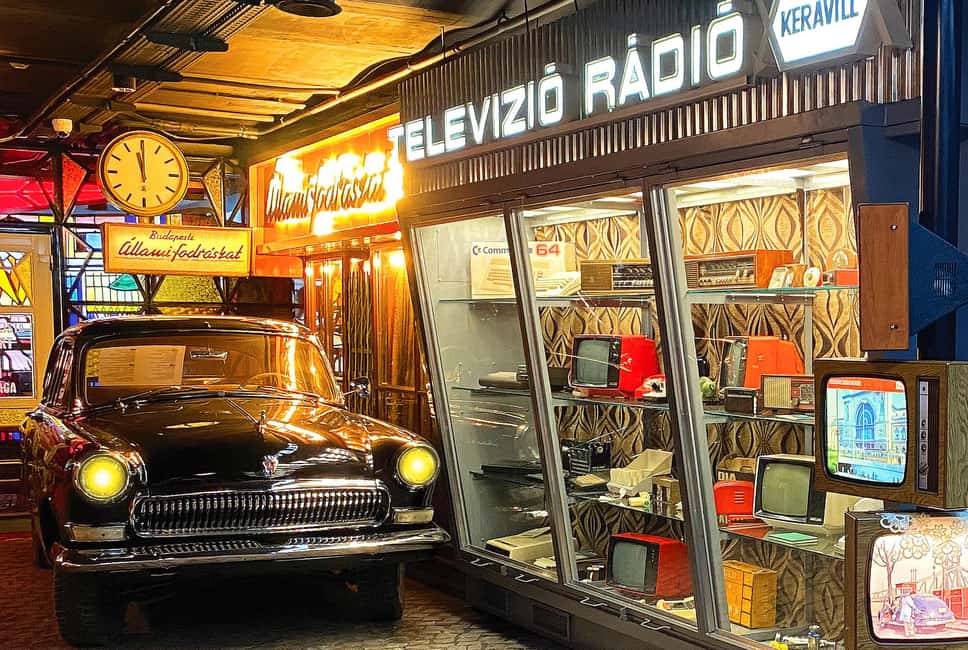
Communism, but make it interactive. The Budapest Retro Erlebnispark ticket turns downtown Budapest into a playable time capsule, with a 3-story set of hands-on scenes from before the iron curtain fell. You’ll move through period life in playful ways, from a real-feeling police-car roleplay to 1970s-era media and everyday objects.
I love two things most. First, the hands-on exhibits feel like you’re testing the era instead of just reading about it—there’s time to patrol in a LADA police car and press buttons to make the museum come alive. Second, the Retro bistro makes the retro theme practical, so you can take a break and snack on period-style foods and drinks while you’re there.
One thing to plan around: not everything is in English, and on warmer days the museum can feel stuffy. If you prefer wall-to-wall English explanations, you may need to go with curiosity and visuals rather than relying on text for every detail.
In This Review
- Key highlights worth circling
- Stepping into Budapest’s 3-story communist-era time capsule
- LADA police-car roleplay and a 1971 jukebox soundtrack
- Híradó newscaster studio, phone booths, and media you can trigger
- Bertalan Farkas and the museum’s pop-science storytelling
- Retro card photo and other hands-on details that slow you down
- Retro bistro breaks: Debreceni sausage, Bambi, and Kőbányai beer
- How long to plan, language expectations, and best timing
- Value for money: does $15 buy enough fun?
- Should you book Budapest Retro Erlebnispark?
- FAQ
- How much is the Budapest Retro Erlebnispark ticket?
- How long can I spend at the museum?
- Is the ticket valid for more than one day?
- Where do I redeem my voucher?
- What’s included in the ticket price?
- Are food and drinks included?
- What interactive things can I do inside?
- When is the museum closed?
- Is there a cancellation option?
- Is there a Wednesday perk for seniors?
Key highlights worth circling
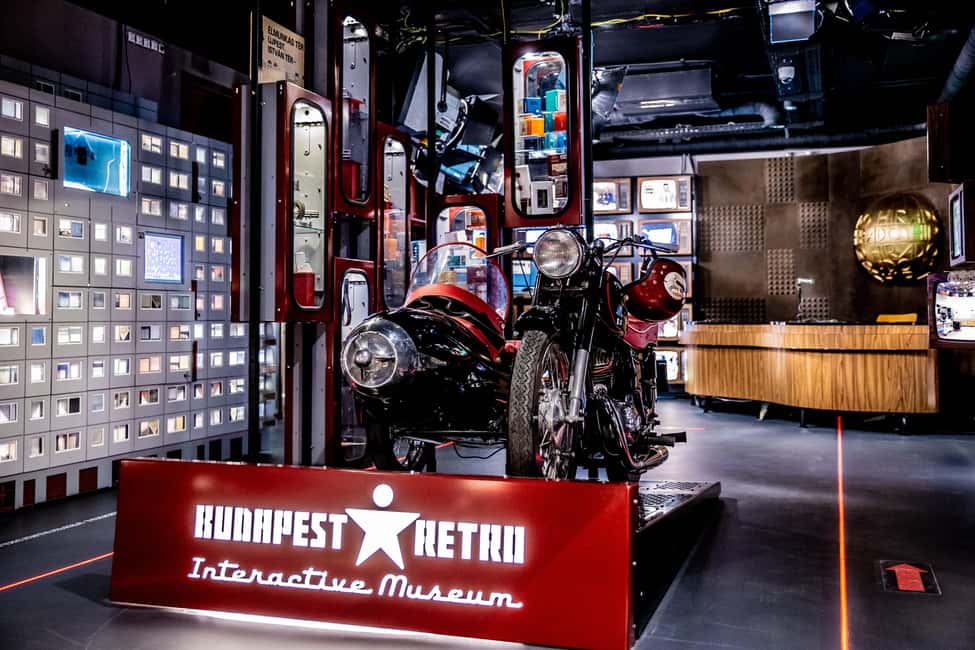
- LADA police car + 1971 jukebox music: roleplay and soundtrack at the same time
- A 3-story communist-era exhibition: built more for interaction than long lectures
- Híradó newscaster studio and phone-booth cabaret-style bits: period media in action
- Space-age Hungary link via Bertalan Farkas themes: part of the museum’s pop-culture story
- Retro card photo souvenir: make your own card during your visit
- Retro bistro menu with period favorites: examples include Debreceni sausage, Bambi, and Kőbányai beer
Stepping into Budapest’s 3-story communist-era time capsule
The Budapest Retro Erlebnispark experience is built like a walk-through set from Hungary’s communist decades, then turned into a place where you can touch, test, and play. With a 3-story exhibition, the flow matters: you’re not meant to rush. Instead, you’re meant to move from scene to scene, stopping when something invites you to press a button, sit down, or try a role.
What makes this style work is that it connects daily life to media and culture. One section isn’t only about objects; it’s about how people experienced the world through broadcasts, jokes, studio talk, and public settings. That’s why the interactive parts feel more meaningful than simple photo stops. Even if you only catch pieces of the story, the museum’s set dressing does the heavy lifting—helping you picture how ordinary routines might have looked and sounded.
You’ll also find that the museum is set up for short visiting blocks. The suggested time is 1–2 hours, and that matches what the format tends to support: enough time to hit the main experiences without turning it into a full-day project. If you’re pairing it with other Budapest sights, this is the kind of attraction that fits neatly into a half-day rhythm.
You can also read our reviews of more tours and experiences in Budapest



LADA police-car roleplay and a 1971 jukebox soundtrack
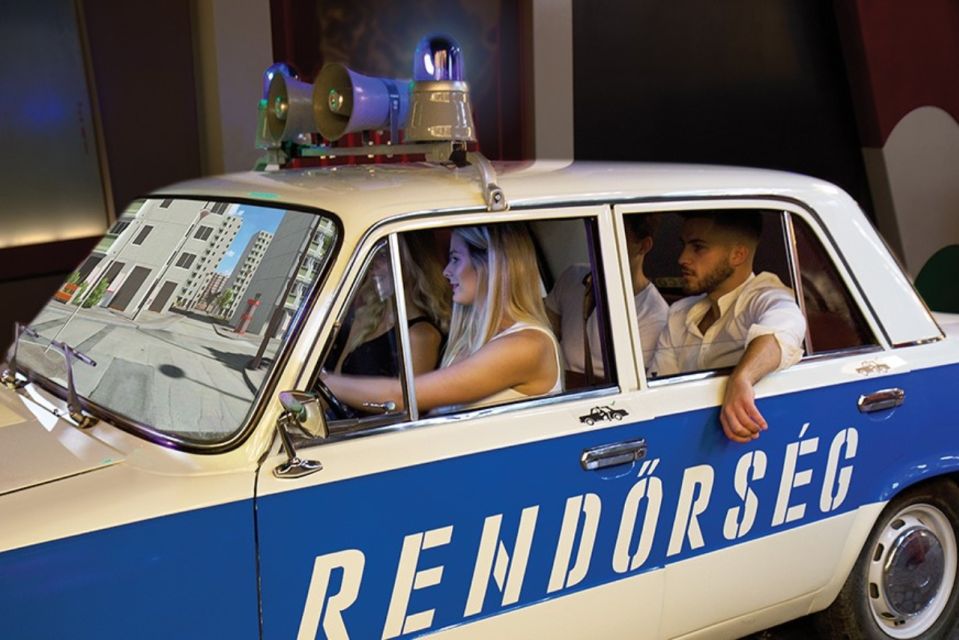
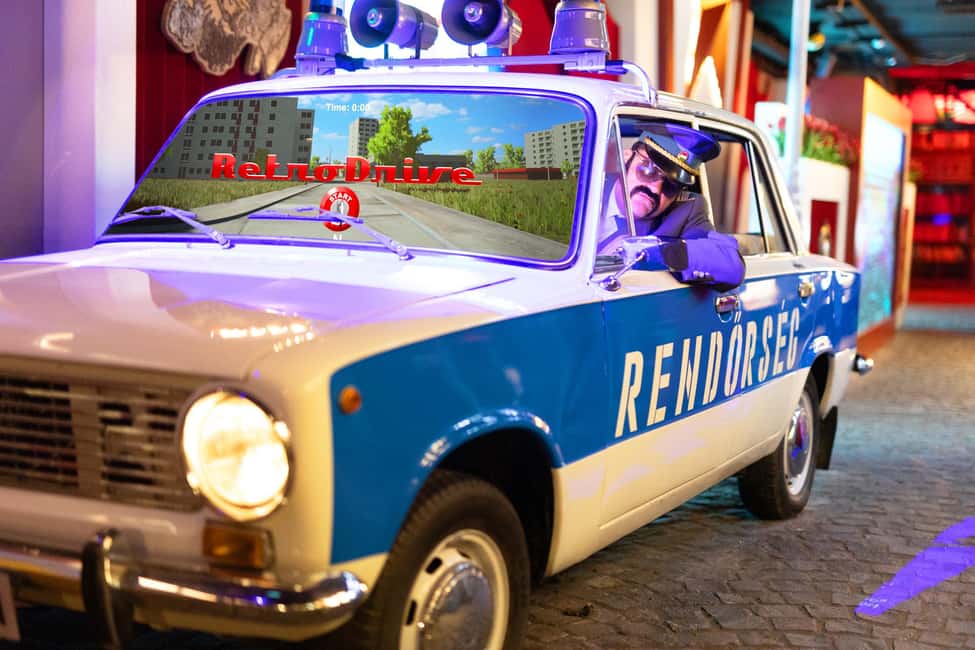
If you want a single “wow” moment, start with the police-car play. The museum includes a LADA police car from the eighties, and you can climb in and enjoy period-style fun—plus the chance to interact with a jukebox from 1971.
This isn’t just about the novelty of seeing an old car. It’s a quick way to break the ice and get you thinking about how authority, routine, and public life were performed. It also gives the museum a strong physical anchor. Instead of drifting through rooms, you have a concrete object to orient around, which makes the rest of the exhibition easier to follow.
Tip: give yourself time to repeat the experience at a slower pace. In museums like this, the best scenes are often the ones where you pause, test the buttons, then step back and notice how the set is built around your actions. If the jukebox is part of a display, you’ll get more out of it when you let the music set the tone for the room rather than treating it like a quick checkmark.
Híradó newscaster studio, phone booths, and media you can trigger
Another strong section focuses on communication—the TV-news style world, the joke world, and the public soundscape. One highlight is the studio of the contemporary Híradó, where you can try being a newscaster. That’s a smart way to connect the past to something familiar: most people know the concept of a news presenter, so the museum can translate communist-era media habits through a recognizable format.
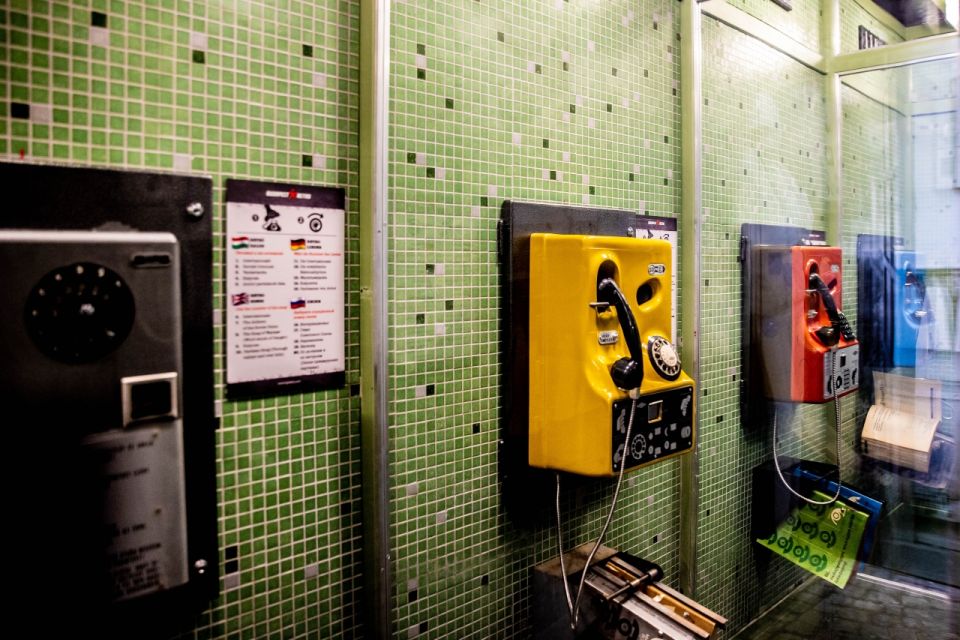
You’ll also encounter phone booths with contemporary jokes or cabaret-style content. That detail matters because it reminds you that the era wasn’t only about official messages. People used public and semi-public spaces for entertainment and humor, and the museum’s inclusion of those pieces shows that the culture had layers.
If you’re visiting with kids, these media stations tend to be high-energy. They turn passive viewing into active play. For adults, it’s still fun because it’s oddly revealing: you see how performance and messaging work, not only how people lived.
One practical caution: since some information may not be in English, keep your expectations flexible. Use the interactive elements as your main guide. If you focus on what you can do in each space, you won’t feel stuck even when you can’t translate every line.
Bertalan Farkas and the museum’s pop-science storytelling
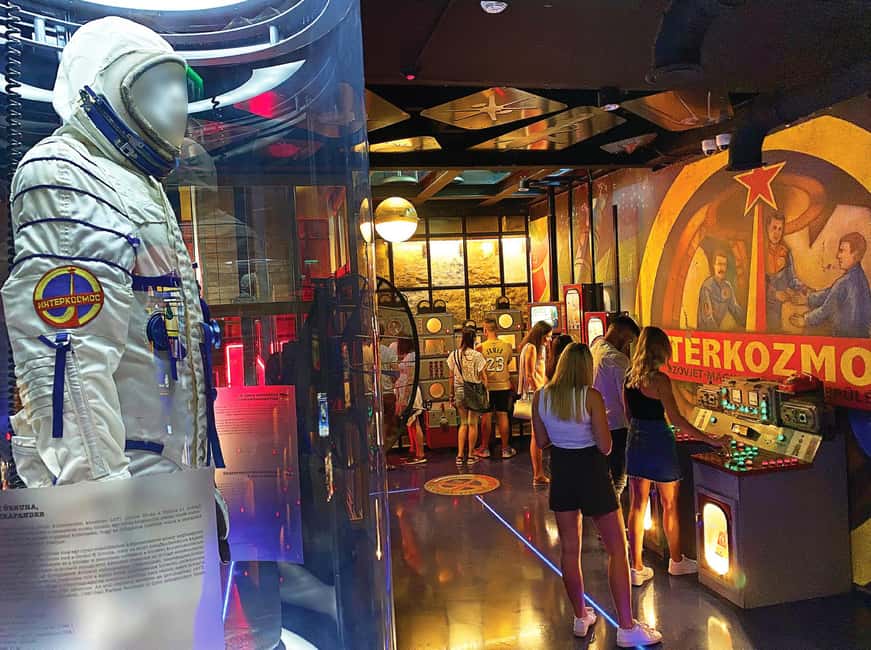
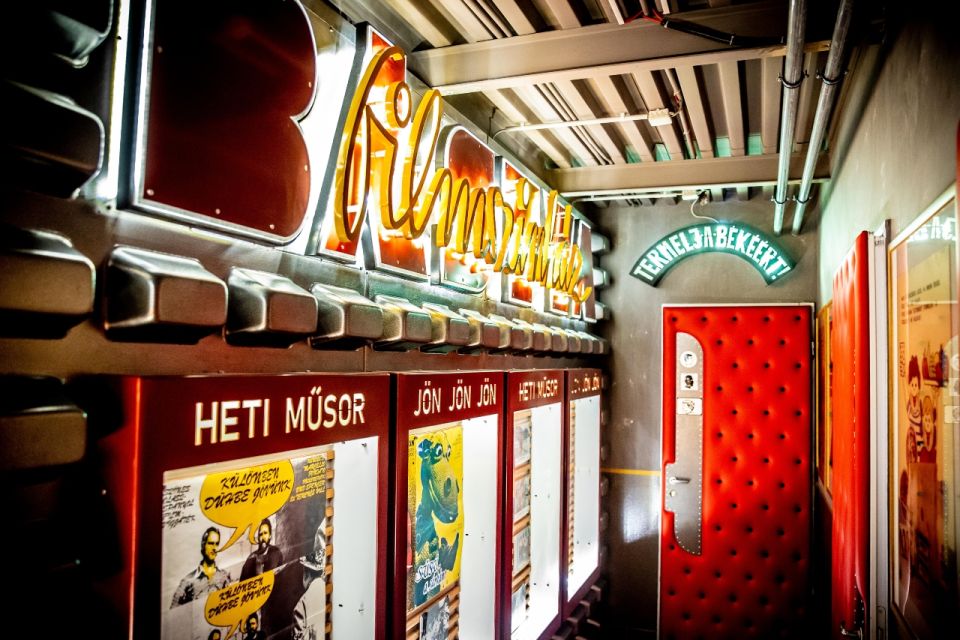
The museum also ties in a space and celebrity angle through Bertalan Farkas, a Hungarian figure known for spaceflight. In the exhibition, you’ll see references to what he took into space, plus even themed experiences that connect that story to everyday retro culture.
Why this works: it prevents the museum from feeling like a single-note lecture about politics. Instead, it paints a wider cultural picture—how achievements and public imagination lived alongside everyday routines. Spaceflight in popular culture often shows up in objects, jokes, advertisements, and even snacks. When the museum echoes that logic, it makes the era feel more like lived experience than sealed history behind glass.
The display includes what you might call “theme layering”: you’ll see the space story referenced in multiple ways, not only in one exhibit panel. That repetition helps you remember the point even if you only understand parts of the text.
Retro card photo and other hands-on details that slow you down
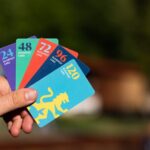
Small interactive touches can be the difference between a museum you walk through and one you actually enjoy. Budapest Retro offers a retro card you can make using your own photo (available for purchase). It’s a classic souvenir idea, but here it fits the theme: you’re not just buying a postcard, you’re leaving with a piece of the museum’s visual world.
There are also several “play while you learn” elements tied to the exhibition’s settings. Some are about pressing buttons or stepping into a role-like space, and others are about audio and media triggers. It means you can approach the museum two ways:
- Follow the interactive pieces first, and let the visuals explain the rest.
- Read what you can, then return to interactive stations to make the story stick.
Either approach works. The museum is short enough that you can do both.
You can also read our reviews of more museum experiences in Budapest



Retro bistro breaks: Debreceni sausage, Bambi, and Kőbányai beer
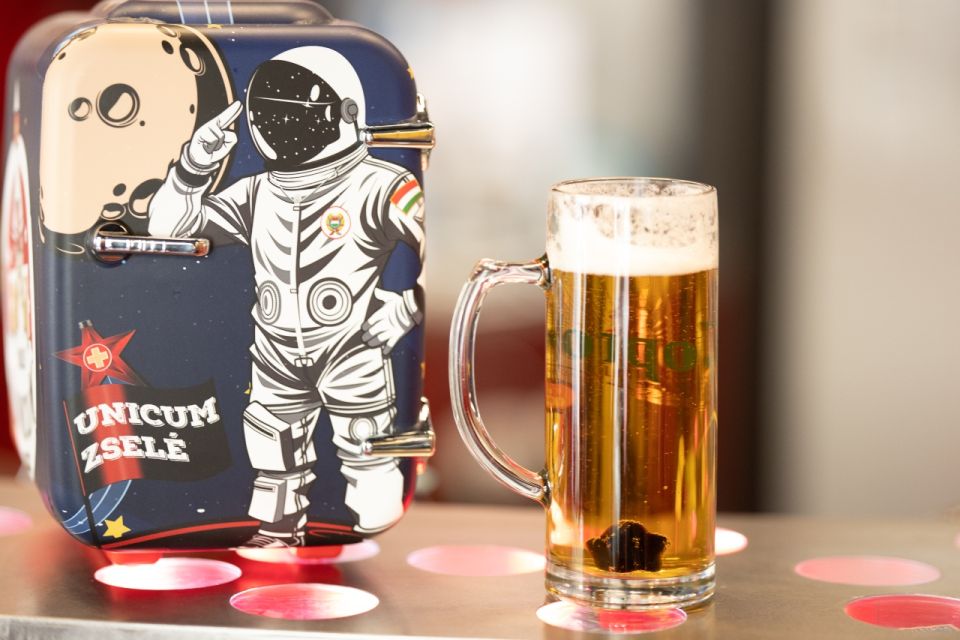
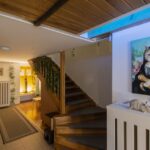
The Retro bistro is where the museum’s theme turns edible. Food and drinks aren’t included in your ticket, but having the bistro on-site is still a real advantage. You can plan around it like a normal museum break, then stay in the retro world instead of wandering out to find a meal in the middle of your visit.
The menu examples lean into recognizable Hungarian flavor and period-style fun. You’ll see items such as fried Debreceni sausage, plus retro drink references like a too-sweet punch mignon, a Márka cherry option, and Kőbányai beer.
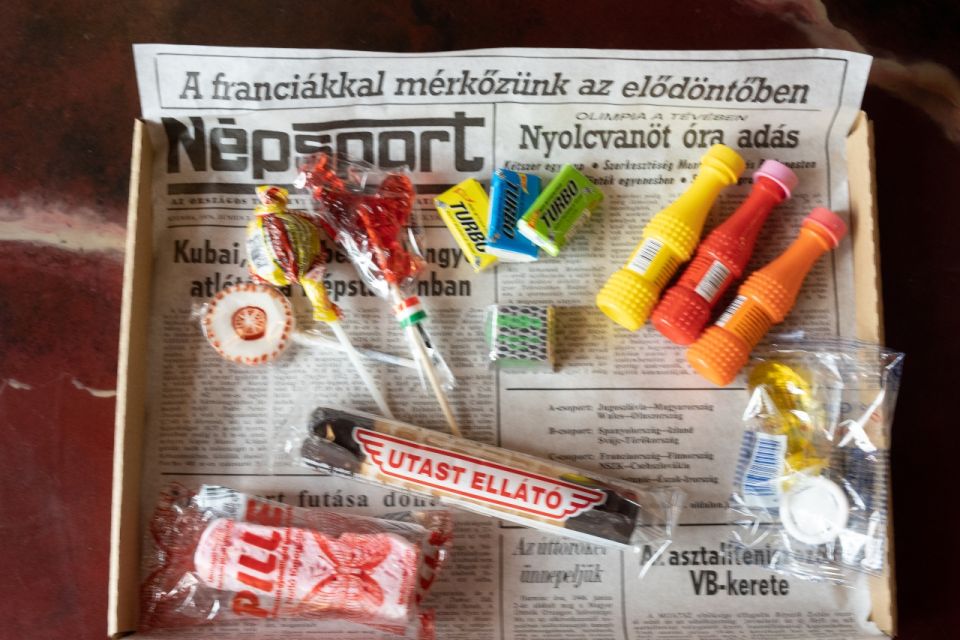
The bistro also connects to the museum’s other retro references. Expect to see themed drinks mentioned in the exhibition world—for instance, Bambi as the most retro summer drink. And if you like sugary nostalgia details, you might spot references like limo powder that no one put in the water, plus small candy-style items such as Turbo chewing gum and a rooster lollipop. There’s even themed alcohol-jelly-style reference tied to Bertalan Farkas.
Here’s my practical advice: if you’re there for the food, don’t wait until the end of your visit. Build in time for a short snack break after you’ve hit the main interactive areas. That keeps your energy up and lets you keep enjoying the museum without the stress of rushing.
Also, on hot days, plan for the possibility you may not feel chilled inside. One improvement people mention is air conditioning—so bring a water mindset and go earlier if the weather is sticky.
How long to plan, language expectations, and best timing
The suggested visit length is 1–2 hours, and that’s a key value point. This is not the kind of museum that demands half a day of careful pacing. It’s meant to be fun and digestible, with enough interaction to justify the time without making you feel trapped.
You’ll also want to think about language. Some of the museum’s information may not be in English, so you might feel a bit unsure in parts if you rely entirely on text panels. The interactive stations help compensate for that. If you approach the museum like a set to play through—press buttons, listen for audio cues, and react to what’s visually there—you’ll get more out of it.
Timing can also improve your experience. The museum is closed on January 1st and December 24th, 25th, and 26th. Otherwise, you can often fit it into a day with other central Budapest stops. And because the ticket is valid 1 day and starting times depend on availability, check your slot so you’re not waiting around at an awkward hour.
If you’re planning for a special day, there’s also a small perk: every Wednesday, senior guests (ticket age 65+) get a free coffee if they purchase a senior ticket. If that applies to you, Wednesday can be a slightly better deal.
Value for money: does $15 buy enough fun?
At around $15 per person, the value depends on what you want from a museum. If you’re looking for deep scholarly exhibits for hours, this won’t replace a long-form history museum day. But if you want a high-interaction, themed experience that gives you playful access to the feel of communist-era daily life, the price looks fair.
Here’s why the cost holds up:
- You’re paying for a format that’s designed for participation, not just observation.
- The museum gives you multiple “replayable” moments—car roleplay, media triggers, and the jukebox experience.
- The bistro on-site means you can stay on theme instead of breaking your day to search for food.
It helps that the museum is relatively compact with a 1–2 hour suggested visit. Shorter attractions can be a win for your schedule and your energy budget. Also, the price may vary depending on the day of the week, so check the date you’re aiming for before you lock in expectations.
One more value note: food and drinks cost extra, so if you’re on a tight budget, eat your main meal before you go. Then treat museum snacks as optional add-ons rather than assuming they’re part of the ticket.
Should you book Budapest Retro Erlebnispark?
Book it if you want an interactive, play-first introduction to communist-era life in Budapest. It’s especially good for people who learn best by doing—pressing buttons, stepping into settings, and using audio or visual cues to piece the story together. It also works well if you’re traveling with kids who enjoy hands-on spaces and odd retro objects.
Skip it (or lower your expectations) if you need extensive English narration everywhere, or if you dislike attractions that are more fun than analytical. Some sections may feel confusing when you can’t read the details, and the museum’s small size means you’ll finish faster than bigger museums.
If you’re deciding between this and another indoor activity, this one is hard to beat for atmosphere and hands-on retro fun, especially in a city where many history stops are less interactive. Make it your “play with history” break in central Budapest—and you’ll get exactly what this museum is built to deliver.
FAQ
How much is the Budapest Retro Erlebnispark ticket?
The ticket price is listed at about $15 per person, and the price may vary depending on the day of the week.
How long can I spend at the museum?
The suggested visit duration is 1–2 hours.
Is the ticket valid for more than one day?
Your ticket is valid for 1 day. Starting times depend on availability, so check what times are offered.
Where do I redeem my voucher?
Present your voucher at the Budapest Retro Élményközpont ticket counter.
What’s included in the ticket price?
The ticket includes admission to the Budapest Retro Erlebnispark.
Are food and drinks included?
No. Food and drinks are available for purchase at the museum bistro.
What interactive things can I do inside?
You can climb into a LADA police car and play some music on a 1971 jukebox, try being a newscaster in the Híradó studio, and experience other interactive retro displays such as phone booths and elements connected to Bertalan Farkas.
When is the museum closed?
The museum is closed on January 1st and December 24th, 25th, and 26th.
Is there a cancellation option?
Yes. You can cancel up to 24 hours in advance for a full refund.
Is there a Wednesday perk for seniors?
Yes. Every Wednesday, senior guests who purchase a 65+ senior ticket get a free coffee.