REVIEW · BUDAPEST
Budapest: Light Art Museum – Immersive New Media Experience
Book on GetYourGuide →Operated by Intersputnik Kft · Bookable on GetYourGuide
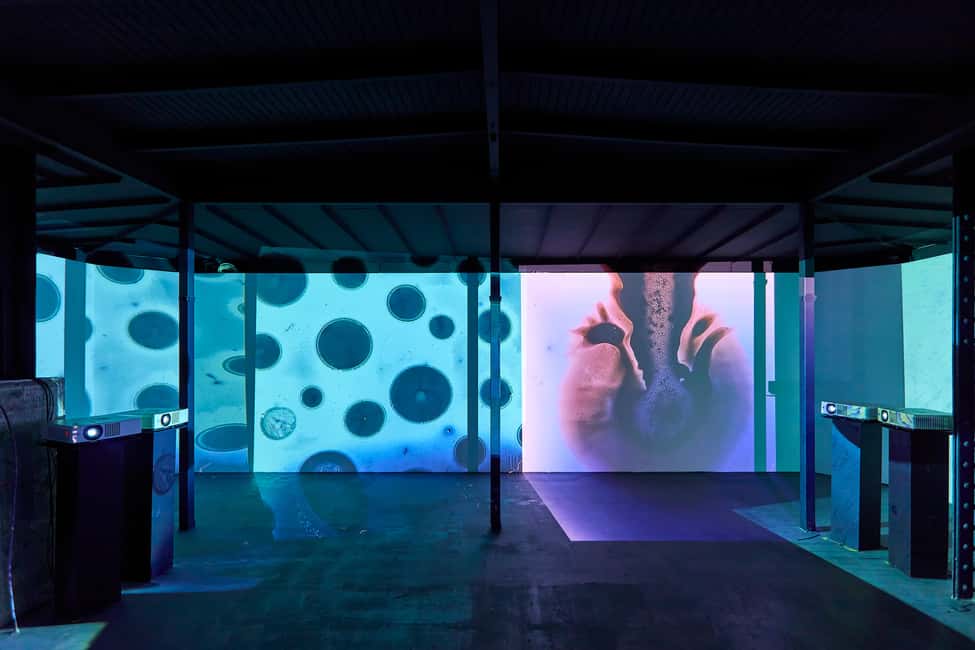
Light here does the talking. In Budapest, the Light Art Museum turns a historic farmers’ market space into a playful world of light, color, and optical illusions, with plenty of room to interact.
I especially like two things: the hands-on, walk-up installations (not just watching behind glass), and the way the exhibits connect art with tech themes like projection, new media, and light-as-a-medium. You’ll also see references to major pioneers such as László Moholy-Nagy and Victor Vasarely, which gives the show some art-historical backbone.
One consideration: your experience can feel uneven if certain installations are closed, and there’s also an adults-only zone (listed for over 18s), so plan around that if you’re traveling with kids.
In This Review
- Key Things to Know Before You Go
- Inside the Former Farmers’ Market: Budapest’s Light-Art Setting
- The 2-Hour Flow: How the Experience Actually Plays Out
- Installations Worth Prioritizing: Air-Lock Dome, Sphere, and the Blimp
- The Air-Lock Dome (and why you should lie down)
- The Sphere (the one people call unbelievable)
- The blimp-like moment
- A reality check: some exhibits can be closed
- Art + Science Meets New Media: What You’re Really Looking At
- Photo Rules for Light-Art Success (So Your Pics Don’t Look Flat)
- Price and Value in Budapest: Is $18 Worth Two Hours?
- Best For Who: Families, Date Nights, and Curious Minds
- Families with kids
- Couples and friends
- Art-and-tech fans
- Skip the Line Tips and Timing That Makes the Visit Easier
- What You’re Not Getting: No Tour Guide, No Script
- Should You Book This Light Art Museum Ticket?
- FAQ
- How long is the Light Art Museum experience?
- Is there a skip-the-line option?
- Do I get a tour guide with the admission?
- What languages are available?
- Can I reserve now and pay later?
- Can I cancel for a full refund?
Key Things to Know Before You Go
- A former farmers’ market hall: the building itself becomes part of the mood.
- Two hours is the sweet spot: enough time to take it in without rushing.
- Light + optical illusions + projections: expect eye tricks, not just pretty colors.
- Limited capacity: the setup is designed so you can actually move and look.
- Works by Moholy-Nagy and Vasarely: art references add context beyond the effects.
- Some areas are adults-only: check before you show up with younger children.
Inside the Former Farmers’ Market: Budapest’s Light-Art Setting
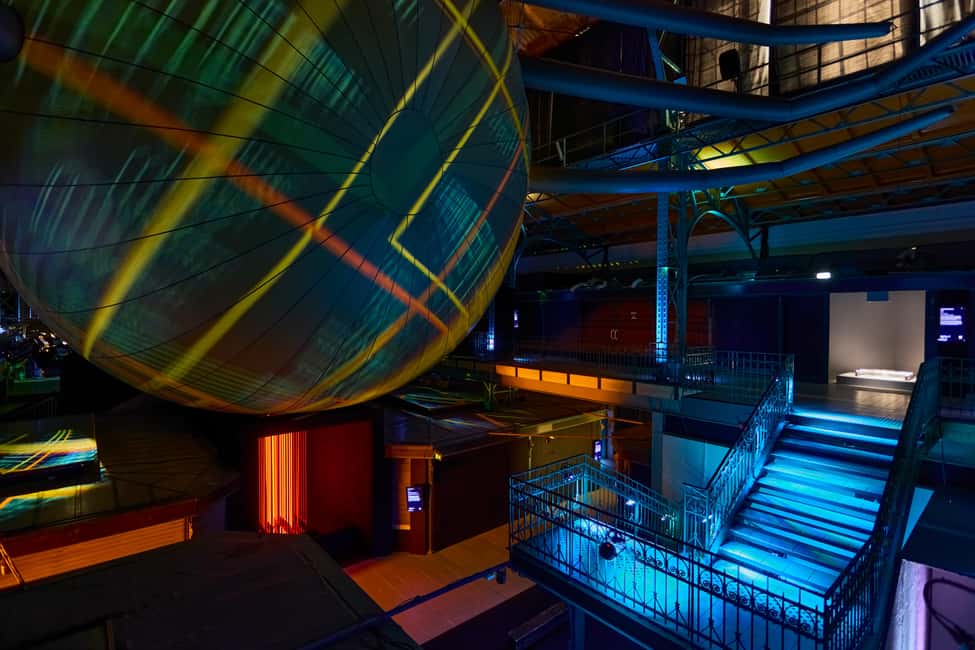
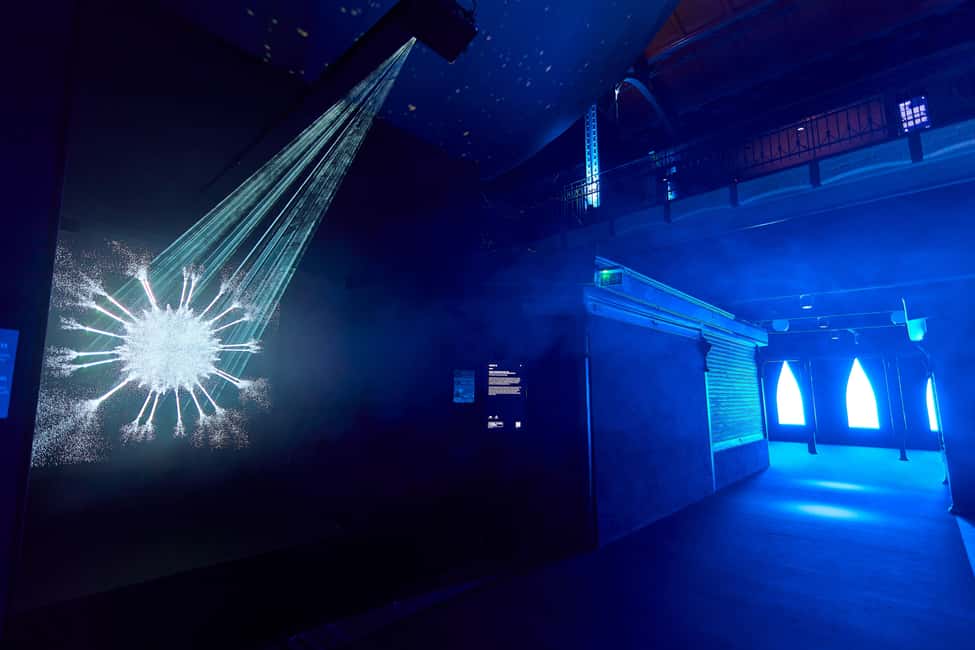
This is one of those places where the location does half the work. The Light Art Museum is set in a hall that used to be a popular farmers’ market. That matters more than you’d think. A market building has the right kind of geometry: open space, a sense of movement, and lots of surfaces that light can bounce off.
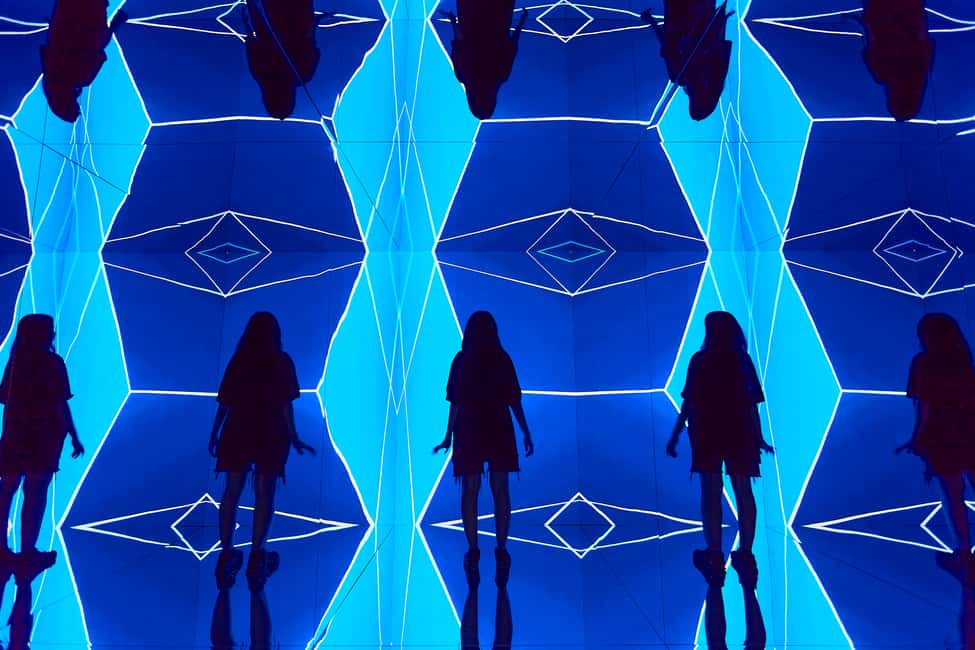
So instead of a traditional gallery where you quietly read labels, you get a controlled light environment. You’ll step into rooms where colored light becomes the main visual “material,” and the whole space nudges you to look up, look around, and sometimes change your physical position to get the full effect.
The museum is priced like an “event,” not like a long, slow museum day. At around $18 per person, it’s basically a short, concentrated session of new-media art—about two hours of ticketed exploration.
You can also read our reviews of more museum experiences in Budapest


The 2-Hour Flow: How the Experience Actually Plays Out
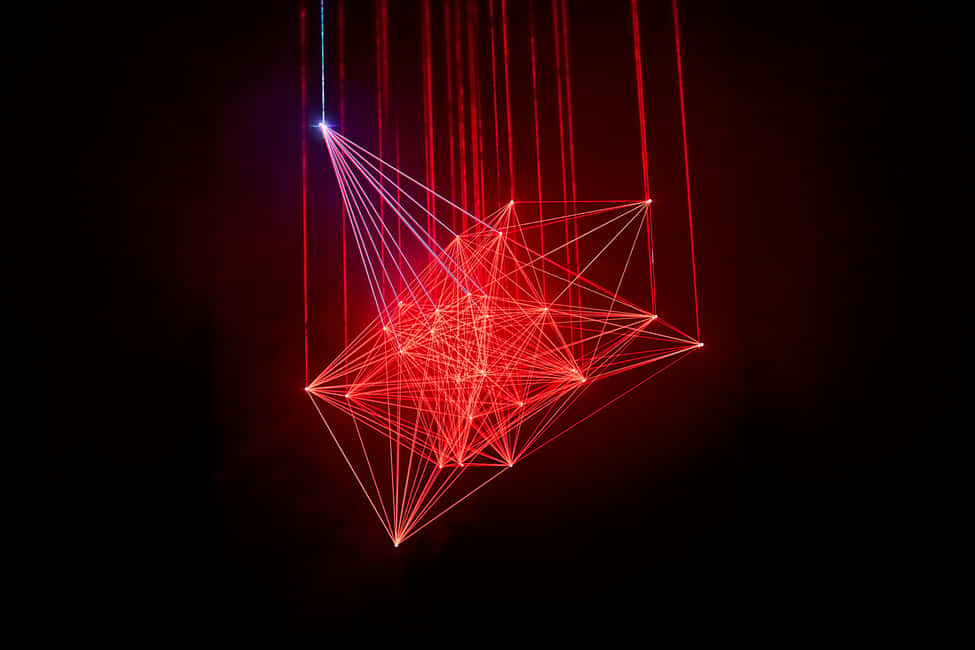
You’re not stuck with a set tour script. Your ticket is designed for around two hours to explore the installations at your own pace, and you can take breaks for photos or just stand in one spot until the light effect clicks.
A useful mental model: think of the museum as a sequence of “scenes.” Each one has a different visual language—some lean toward abstract shapes and optical perception, while others use projections and spatial effects to trick your sense of depth.
Because you’re limited to that ~2-hour window, it helps to go in with a plan:
- Start by taking in the big central areas first.
- Then loop through the smaller installations where you’ll want extra attention.
- Save time for the pieces that make you pause (the ones that feel more physical or spatial).
One nice bonus from the experience style here is comfort. The setup can limit how many people are inside at once, which means you’re not constantly shoulder-to-shoulder. That makes the experience feel more like play than a queue.
Installations Worth Prioritizing: Air-Lock Dome, Sphere, and the Blimp
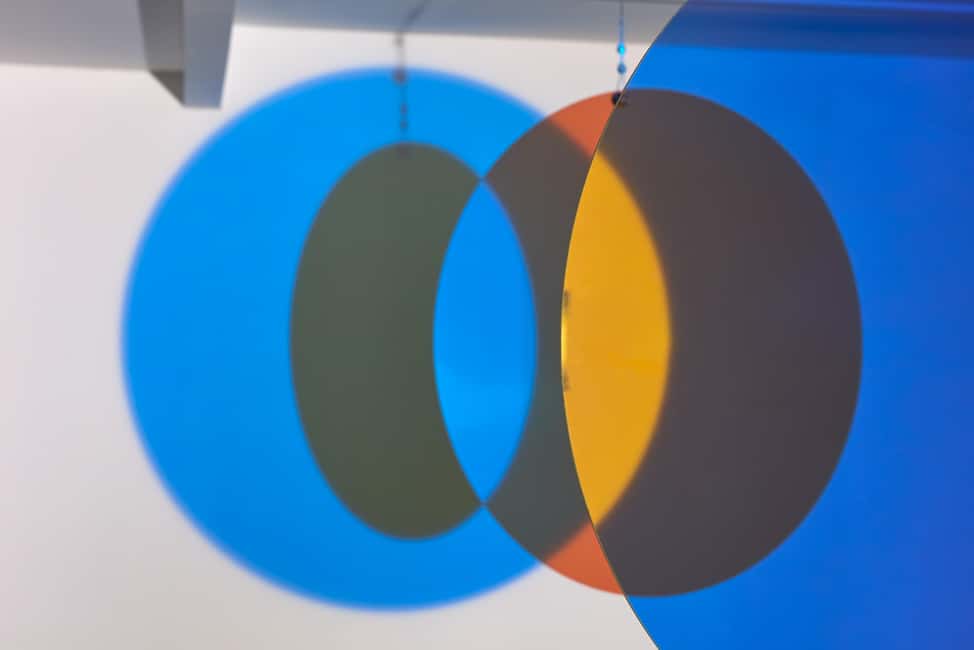
Not every light artwork hits the same for everyone—some are pure sensation, others are more concept-driven. But a few installations show up repeatedly as favorites for a reason: they use the room itself.
The Air-Lock Dome (and why you should lie down)
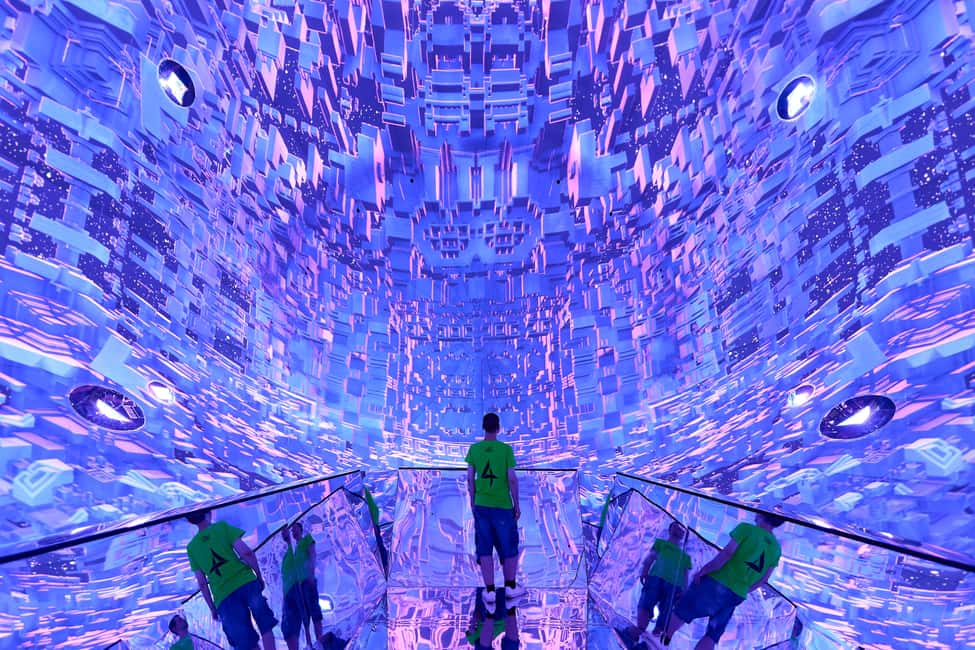
One standout is an airlocked dome in the middle of the museum. The big tip: lie down to experience it properly. That’s not a random gimmick. In domes like this, your angle changes what you perceive—shapes and light gradients can feel totally different when you’re no longer viewing them at eye level.
If you’re the type who likes “wow” moments that rely on physics and perception, this is the one to target early.
The Sphere (the one people call unbelievable)
Another piece that earns strong praise is the Sphere. Even if you don’t know what it’s doing ahead of time, the reputation is consistent: this is the kind of installation that makes you stop, look around, then look again from a new angle.
If you care about optical illusions and spatial effects, put this on your mental shortlist.






The blimp-like moment
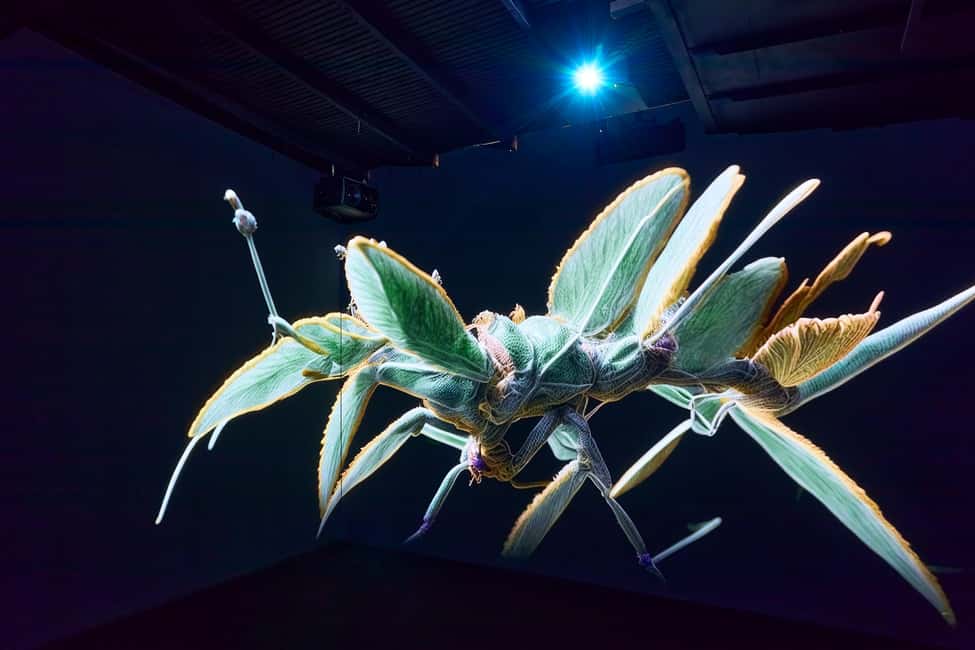
People also mention a blimp installation. Like the Sphere, it seems to be one of those whimsical-but-crafted elements that adds variety. In a museum full of light, it’s easy for everything to blend together—having a “character” piece helps you remember the visit.
A reality check: some exhibits can be closed
There’s a downside to any museum with changing installation schedules: sometimes artworks can be closed. When that happens, your total walkthrough time can shrink. If you’re visiting with kids, or you only have a short window in Budapest, it’s worth treating your ticket as “up to two hours,” not a guaranteed full circuit of every artwork.
Art + Science Meets New Media: What You’re Really Looking At
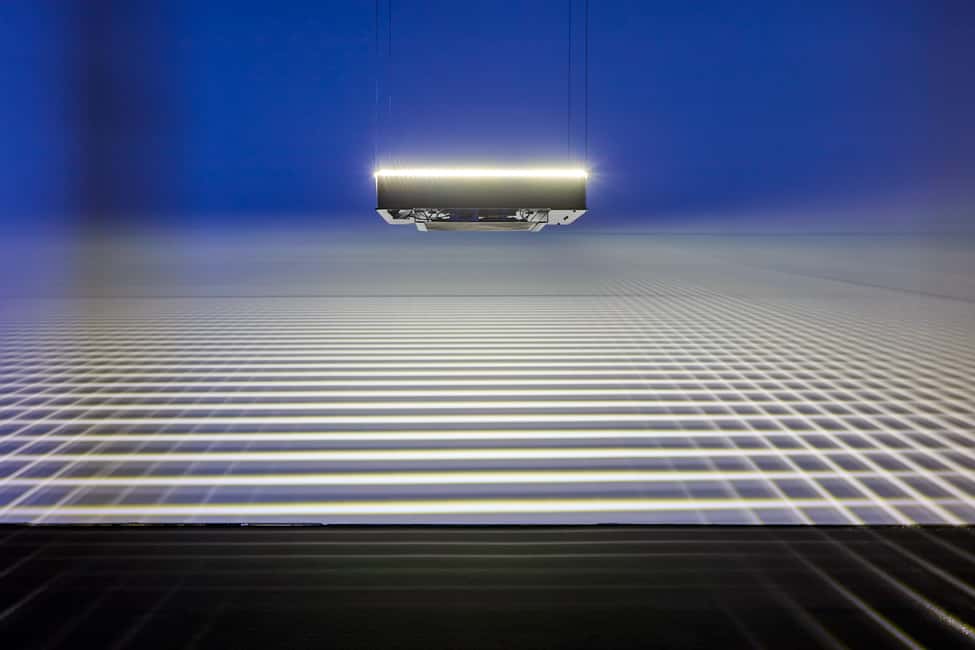
The museum is built around a simple idea: light can be art, and art can be a lab.
That shows up in the themes you’ll see across installations—projection mapping, optical effects, and new-media presentations that use perception as part of the design. You’re not only looking at art; you’re experiencing how your brain interprets light and shape.
This is also where those art references matter. Seeing mentions of László Moholy-Nagy (a pioneer connected to modern visual experiments) and Victor Vasarely (an op-art icon) helps explain why some pieces feel like they’re playing with geometry and vision rather than telling a literal story.
And yes, some parts are conceptual. Some explanations can feel tough to fully grasp in English, especially if the installation is intentionally abstract. If you hit a piece that feels a bit vague, don’t treat that as a failure. These shows often work better as mood + sensation than as a textbook.
Photo Rules for Light-Art Success (So Your Pics Don’t Look Flat)
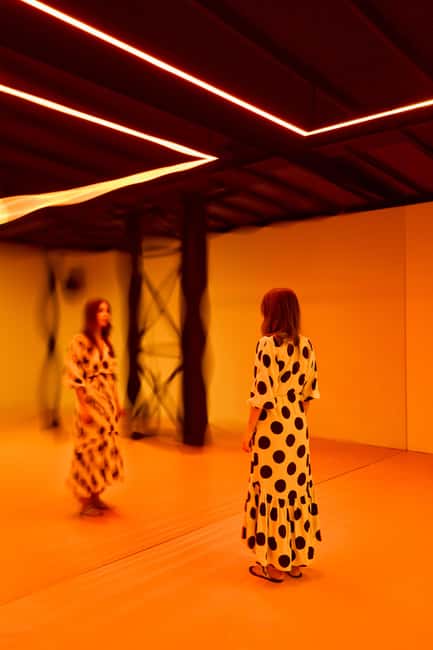
You’ll probably want photos—there’s a lot here designed for camera-friendly color and shapes. But light art can be tricky. The best photos usually come from two habits:
First, move your position. Light changes quickly with angle, and the best effects are often only obvious from a certain viewpoint. If you can, spend an extra minute at each installation instead of rushing to the next one.
Second, don’t expect every projection to photograph cleanly the first time. Some effects are more about how they feel in the room than how they read on a phone screen. When that happens, I’d treat photos as a bonus, not the main point.
For the air-lock dome, remember the practical advice: lie down. That’s not just about comfort—it’s about getting the visual effect at its best.
Price and Value in Budapest: Is $18 Worth Two Hours?
At about $18 per person, this isn’t a “cheap and cheerful” add-on, but it’s also not priced like a top-tier museum marathon. The value comes from three things:
- You get skip-the-line access (so you’re not burning time).
- You get two hours of hands-on looking and moving around.
- The building and tech effects make it feel like more than a basic exhibition.
In other words, you’re paying for an art-with-light event format. If you like modern, tech-adjacent art—and you’re happy to spend your time moving through light scenes—this is a fair deal.
If you’re expecting a classic museum with long galleries and lots of quiet interpretation time, you might find the structure short. Some people even say a visit can feel like it goes quickly, especially if certain installations are closed.
Best For Who: Families, Date Nights, and Curious Minds
This is a great fit for a broad mix of travelers, with one important warning for families.
Families with kids
There’s strong kid appeal. People mention kids (even very young ones) enjoying the experience, and the setup tends to feel playful rather than intimidating. But don’t assume it’s all child-friendly space.
One review note flags a section marked for over 18s. If you’re traveling with kids, check before you plan to spend the whole time together in every room. If you can manage separation for part of the route, this can still work.
Couples and friends
If you want a low-effort, high-weirdness activity in Budapest—something that doesn’t require research or a guide—this is a fun date or group outing. The limited crowd feel helps too. You can look without constant pressure.
Art-and-tech fans
If you like optical art, projection, and the idea that perception can be art, you’ll probably get more from it. The nods to Moholy-Nagy and Vasarely also help connect the modern effects to real artistic movements.
Skip the Line Tips and Timing That Makes the Visit Easier
You can choose the skip-the-line option. That means less waiting and more time in the rooms—especially useful in a city where you’re juggling lots of sights.
A simple tip: when you arrive, tell the host/greeter you want to skip the line. The hosts are available in English and Hungarian, and they can guide you into the experience flow.
Timing matters because you’ll enjoy the museum more when it’s not crowded. The good news is that the museum seems designed to limit capacity, which helps keep the experience comfortable. Still, if you can go earlier in the day, you’ll likely have an easier time finding your pace and taking in the light effects without delays.
Also, since the ticket is valid for one day (with starting times shown when you check availability), plan your visit slot based on what else you want to do that day in central Budapest.
What You’re Not Getting: No Tour Guide, No Script
This ticket does not include a tour guide. That’s not automatically a problem. In fact, for light-and-illusion art, you often don’t want a lecture—part of the fun is letting your senses lead.
But it does mean you should be ready to:
- read labels when you want,
- accept that some installations are intentionally interpretive,
- and let some pieces be more about experience than explanation.
If you strongly prefer guided context for every stop, you might feel under-supported. On the other hand, if you like exploring at your own speed, the no-guide format is part of the charm.
Should You Book This Light Art Museum Ticket?
Book it if you want a short, modern Budapest activity that mixes light art, optical effects, and new-media technology in a single place. At about $18 for around two hours, it’s good value when you’re the kind of person who enjoys walking around, changing your viewpoint, and reacting to visuals.
Skip it or adjust expectations if:
- you’re expecting a long-form traditional museum day,
- your visit depends on seeing every single installation (some can be closed),
- or you’re traveling with kids who may not fit the over 18s zone.
If your ideal trip includes playful, perception-based art, this is one of the easiest “worth the time” stops in Budapest—especially when you want something different from the city’s usual architecture and river views.
FAQ
How long is the Light Art Museum experience?
Your ticket includes about 2 hours of exploration in the Light Art Museum.
Is there a skip-the-line option?
Yes. The ticket includes a skip the ticket line option.
Do I get a tour guide with the admission?
No. A tour guide is not included.
What languages are available?
Hosts/greeters are available in English and Hungarian.
Can I reserve now and pay later?
Yes. You can reserve now & pay later, keeping plans flexible.
Can I cancel for a full refund?
Yes. You can cancel up to 24 hours in advance for a full refund.