REVIEW · BUDAPEST
Budapest Dohany Synagogue & Hungarian Jewish Museum & free extras
Book on Viator →Operated by Hidden Treasure Tours · Bookable on Viator
Budapest’s Jewish quarter has gravity, and this tour gives you structure. I like that you get secured tickets for Dohány Street and the museum, plus a guide who keeps the story clear and human. One thing to consider: the guided part is short, so if you want lots of time inside every room, you may feel the clock.
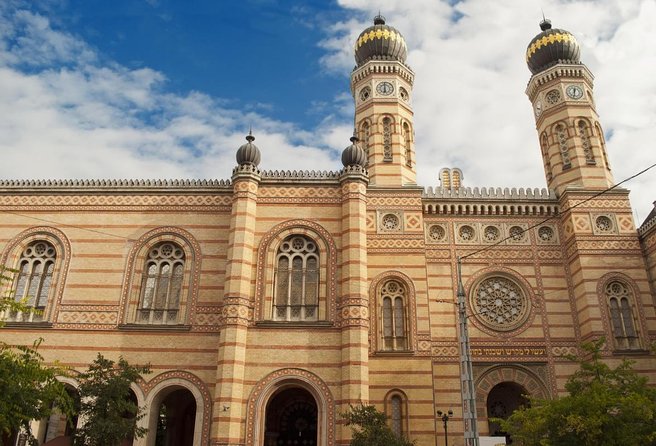
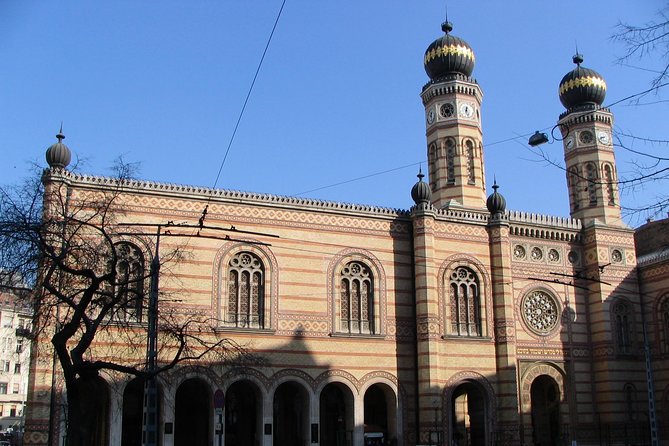
You’ll start at the Dohány Street Synagogue and see why it’s such a landmark: built in the 1850s, with standout architecture and even the organ associated with Franz Liszt. Then you’ll move to the memorial spaces tied to the Holocaust—Raoul Wallenberg’s park, the Emmanuel Tree of Life memorial, and the Holocaust Cemetery on the ghetto grounds.
At the end, you still have museum time on your own, which helps you slow down where you want. Just plan for practical rules at the synagogue—security checks and a dress code that requires covered shoulders/thighs.
Quick take: what makes this worth your time
- Skip the ticket scramble with reserved entry at Dohány Street Synagogue and the Hungarian Jewish Museum
- Flexible timing: pick one of three daily entry times that fits your day
- Three key spaces in one tight route: synagogue, Raoul Wallenberg Memorial Park, and the Holocaust Cemetery
- Museum time at your pace after the guided highlights
- Small group format (up to 35) that feels easier to manage and photo-friendly
- Guide-led context that connects architecture, community life, and tragedy without getting lost in jargon
In This Review
- Why This Tour Works as a First Stop in Budapest’s Jewish Quarter
- Price and Value: What $44.89 Gets You (and What It Doesn’t)
- Where It Begins: The Dohány u. 2 Meeting Point and Easy Orientation
- Entering the Synagogue: What You’ll See at Nagy Zsinagóga
- The Holocaust Memorial Park: Raoul Wallenberg and the Emmanuel Tree of Life
- Holocaust Cemetery on Ghetto Grounds: What to Notice in 15 Minutes
- Museum Time: Using Your Free Explore to Get What You Actually Want
- The Guide Matters: What You’ll Want to Look for in the Experience
- Dress Code, Security, and the Bag Rules That Affect Your Day
- Who This Tour Is For (and Who Might Want a Different Format)
- Should You Book This Tour?
- FAQ
- What’s included with the tour?
- How long does the experience last?
- Can I choose my entry time?
- Where do I meet the guide?
- Is there a dress code?
- Is there security screening?
- How big is the group?
- Can I get a full refund if I cancel?
Why This Tour Works as a First Stop in Budapest’s Jewish Quarter
This is a tour built for real time in Budapest. You’re not given hours and hours; instead, you’re guided through the places that matter most, then released to explore the museum at your own pace.
The value here isn’t only the sites. It’s the way the pieces fit together: a major house of worship (Dohány Street Synagogue) leads into the story of the Hungarian Jewish community, which then leads into the memorial landscape of the Holocaust. When sites are arranged like that, your brain can follow the sequence instead of jumping from building to building.
I also like the “pick your time” approach. Three entry times daily means you can choose a slot that works with your other sightseeing plans, rather than forcing your day around one strict schedule.
One caution: because the guided portion is about 45 minutes total, you’ll want to arrive mentally ready. This is a strong overview tour. If you’re hoping for a long, room-by-room deep explanation of everything inside, budget extra time for self-guided reading after the tour.
Price and Value: What $44.89 Gets You (and What It Doesn’t)
At $44.89 per person, you’re paying for two things that can be hard to handle on your own: reserved entry and a guide who links the spaces into one coherent visit.
Reserved tickets matter here. Dohány Street Synagogue is not a casual drop-in. There’s a security process, and the venue has rules. A guided format with confirmed admission reduces friction so you spend time looking, not waiting.
The tour duration is short, and that’s the main trade-off. Some people feel disappointed when they expect “extras” beyond the core route. If you come in expecting a long guided walkthrough, you may end up thinking about what you skipped. But if you’re smart about your timing—arrive with curiosity, then use your museum time well—this price can feel fair for what you gain.
A good way to judge value is to ask what you’re optimizing for:
- If you want a guided orientation plus the option to read more later, this fits well.
- If you want maximum time with the guide and maximum time inside every section, you’ll probably want a longer-format tour instead.
You can also read our reviews of more museum experiences in Budapest


Where It Begins: The Dohány u. 2 Meeting Point and Easy Orientation
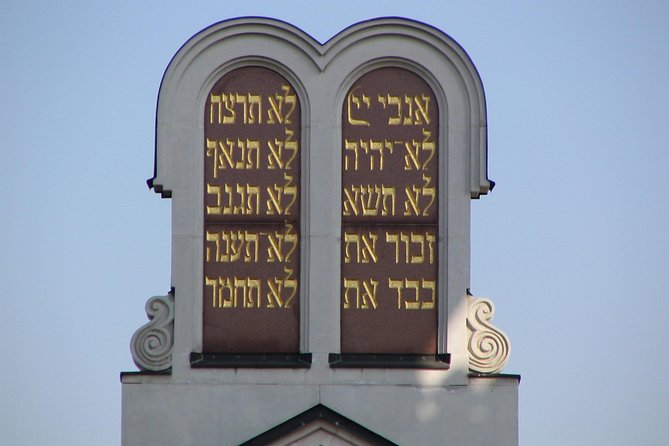
The tour starts at Budapest, Dohány u. 2, 1074, at the synagogue complex. That’s a big deal because you don’t waste time traveling across the city for an opening briefing. You’re already in the right neighborhood and you’re already on the right site.
It also means you can plan around your day. If you’re doing other sights nearby—walking is usually easiest in this part of Budapest—you can treat the tour as a clean anchor.
One practical consideration: you’ll go through security control at the synagogue, and large backpacks or suitcases are not allowed. That affects value because it changes how long you’ll spend getting ready before you enter. If you show up with a “big bag,” you might lose time deciding where to put things or buying a cover for your clothing. Light packing makes your visit smoother.
Entering the Synagogue: What You’ll See at Nagy Zsinagóga
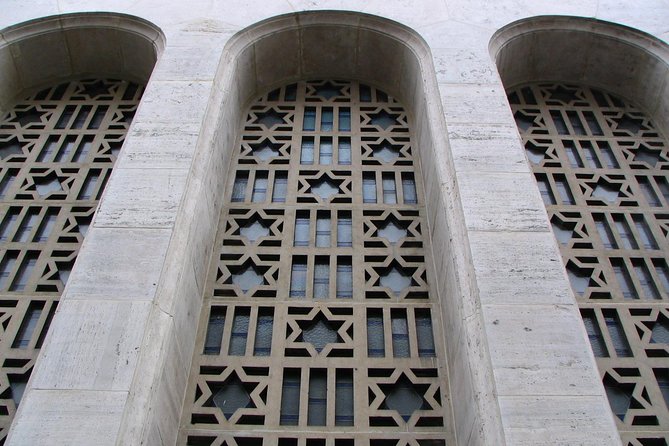
The heart of the tour is the synagogue visit at the Great/Central Synagogue, the Nagy Zsinagóga. This is where you get the iconic visuals: a major Jewish temple, the architectural statement of 1850s Budapest, and the sense of scale that makes this site famous.
You also get context that helps you understand what you’re looking at. The tour covers the Hungarian Neologue Jewish community and the broader history of Hungarian Jewry. That matters because without some background, it can be easy to admire the building and miss the human story behind it.
One very specific detail I’d put on your mental checklist is the mention of the organ associated with Franz Liszt. Even if you aren’t a music person, it signals how deeply connected this community was to broader cultural life in Hungary.
Another plus: you should get time for photos. The synagogue is visually dramatic, and the format tends to allow time to take pictures without feeling like you’re being shoved along.
The downside is the time constraint. The guided stop here is about 30 minutes. So you’ll be best served by treating it like a guided “highlight reel,” then using what you learned to focus your museum reading afterward.
The Holocaust Memorial Park: Raoul Wallenberg and the Emmanuel Tree of Life
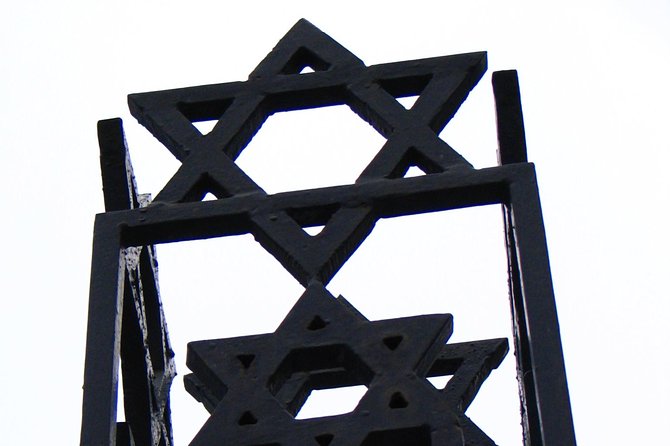
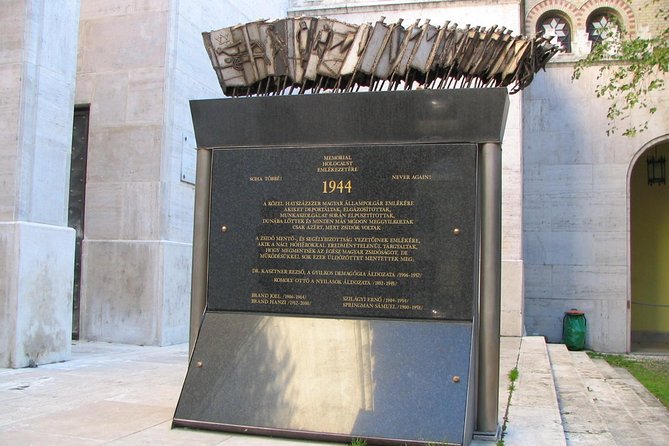
After the synagogue, the mood changes quickly, in a necessary way. The next stop is the Raoul Wallenberg Holocaust Memorial Park. Here you’re learning about the Hungarian Holocaust and the idea of “Righteous Gentiles”—people who saved tens of thousands of Hungarian Jews while risking their own lives.
This section is powerful because it shifts from community and architecture into survival and moral courage. It also keeps the story local: Hungarian Jewish history doesn’t stay abstract; it is tied to specific choices and outcomes.
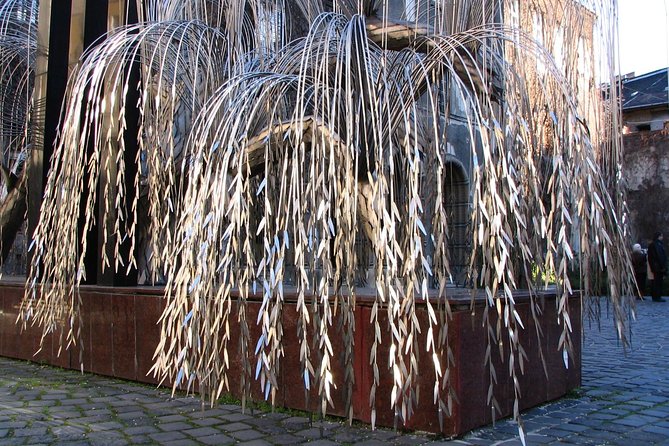
You’ll also see the Emmanuel Tree of Life memorial. Memorials like this work differently than a museum display. They make you slow down without needing to read an entire brochure. If you’re the type who likes to look and absorb first, this kind of stop can feel more meaningful than a fast explanation.
The Emmanuel Tree and the memorial park are also where the tour’s emotional tone becomes clearer. Expect the visit to feel heavier. That’s not a “bad thing.” It’s part of why this tour is worth doing carefully.
Holocaust Cemetery on Ghetto Grounds: What to Notice in 15 Minutes
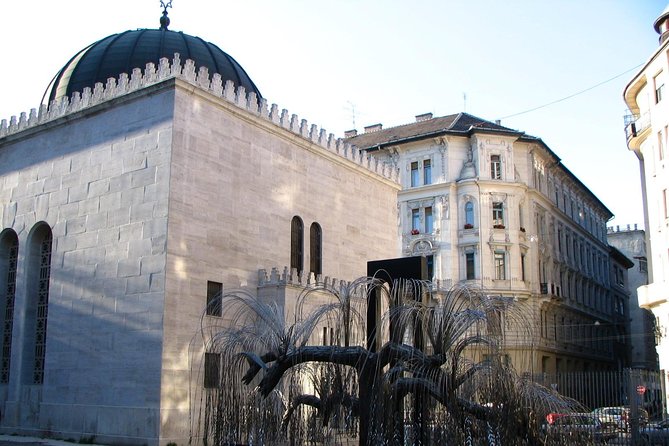
The final memorial stop is the Holocaust Cemetery created on the territory of the Budapest ghetto, with the resting place of more than 2000 victims.
Fifteen minutes sounds short on paper, but cemetery sites often don’t benefit from speed. Even in a short slot, you can still do the most important part: let the setting register, then read the key information so the place has meaning.
If you’re visiting with family or friends, this is the moment when it helps to slow down and talk. Use the guide’s explanation as a starting point, then take a quiet moment for yourselves. I’ve found these locations hit hardest when you give them a little space.
One consideration: the tour is time-managed. If you want to linger for longer than the guided segment allows, you’ll have to do it after—by planning your overall schedule so you’re not rushing out. Keep that in mind if you have later reservations that same day.






Museum Time: Using Your Free Explore to Get What You Actually Want
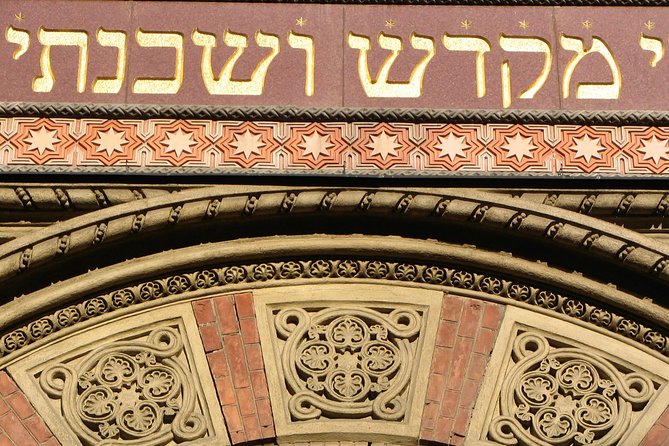
Your stop at the Hungarian Jewish Museum and Archives comes with admission included, and you can explore at leisure. This is one of the best parts of the format because it compensates for the short guided route.
In practice, museum time is where you can match the visit to your own curiosity:
- If you want more background on community life, you can focus on what explains the synagogue’s story.
- If you want deeper context on the Holocaust and its impact, you can spend extra time reading and looking at what’s offered in the museum spaces.
Some people may not get access to every part in the exact way they expected (for example, archives access can vary). So here’s the smart move: before you commit time to a particular section, check what areas are open when you’re there. Then adjust your plan on the spot.
If your time is limited in Budapest, this free museum window can turn a “quick tour” into a genuinely complete visit—especially if you take 10 minutes at the beginning to scan exhibits and decide where to linger.
The Guide Matters: What You’ll Want to Look for in the Experience
One name keeps showing up in accounts of this tour: Milan. People describe him as funny and engaging, and they praise how he connects Hungarian history with Jewish history in a way that feels personal rather than pasted-on.
That kind of guiding is especially useful at these sites. You can’t rely on signs alone. You need someone to translate architectural and historical cues into a story you can actually hold in your head.
A small heads-up: in the synagogue, sound can be tricky because of the space and the presence of multiple groups. If you’re near the back or the side, you might miss parts of what’s being said. If you want the full benefit, position yourself so you can hear well and don’t be afraid to ask questions during appropriate pauses.
Another helpful aspect is that the guide format allows for questions. If something catches your attention—an element of the synagogue, a memorial theme, the connection between the community and the city—ask. That’s when the tour turns from information into understanding.
Dress Code, Security, and the Bag Rules That Affect Your Day
This is the part that can either be a non-issue or a headache, depending on how you pack.
At the synagogue, you’ll need clothing that covers shoulders and thighs, and your legs must be covered down to the knee. Beach-type outfits are not acceptable. If you forget, cover options may be available for purchase on the spot.
Men may be offered a head cover upon entry. Regular clothing is fine as long as it meets the requirements.
Then there’s security control. Large backpacks and suitcases aren’t allowed and can’t be stored. So if you’re touring Budapest with luggage, this is not a good stop to schedule as your first move right after arrival with a heavy bag.
Practical tip: wear long pants if you can and bring a light layer for your shoulders. It keeps the entry smooth and protects your time for looking around.
Who This Tour Is For (and Who Might Want a Different Format)
This tour fits best if you:
- Want a high-impact overview of the synagogue plus major Holocaust memorial sites in one go
- Like having a guide for context, then prefer time on your own for museum reading
- Are traveling with limited time and want to make one ticket count
It may be less ideal if you:
- Want a long, slow guided walkthrough inside every space
- Need lots of detailed guided time in the museum or archives
- Are sensitive to the emotional weight of Holocaust memorial sites and need extra time for reflection beyond the set schedule
Also, the maximum group size is 35. That’s large enough for logistics to be smooth, but small enough that your guide can still manage questions without losing the flow.
Should You Book This Tour?
I’d book it if you want a structured, emotionally honest visit that saves you time on ticketing and gives you clear connections between the synagogue, Hungarian Jewish history, and the Holocaust memorial landscape. The price can feel fair because admission is included where it counts, and you get both guided highlights and museum time.
I would skip or look for a longer version if your priority is spending hours with the guide inside the building, or if you need lots of extra time at the cemetery and memorial park beyond what fits in the schedule. In this format, you’re getting focus, not endless wandering.
If you’re planning your day thoughtfully—light bag, correct clothing, and a calm pace—you’ll get a visit that feels coherent and memorable for all the right reasons.
FAQ
What’s included with the tour?
The tour includes admission to the Dohány Street Synagogue and the Hungarian Jewish Museum, plus entry associated with the memorial stops at Raoul Wallenberg Holocaust Memorial Park and the Holocaust Cemetery.
How long does the experience last?
It runs about 45 minutes on the guided portion, with the museum included for you to explore at leisure.
Can I choose my entry time?
Yes. There are three times available daily, and you can select the time that fits your schedule.
Where do I meet the guide?
The meeting point is Budapest, Dohány u. 2, 1074 Hungary, and the activity ends back at the same location.
Is there a dress code?
Yes. Shoulders and thighs must be covered, and legs must be covered down to the knee. Beach-type outfits aren’t acceptable, and cover options may be available for purchase on the spot. Head cover for men is available upon entry.
Is there security screening?
Yes. You’ll go through a security control. Large backpacks or suitcases aren’t allowed and can’t be stored.
How big is the group?
The group size is capped at a maximum of 35 travelers.
Can I get a full refund if I cancel?
Yes. Free cancellation is available, and you can cancel up to 24 hours in advance for a full refund. If you cancel less than 24 hours before the start time, the amount paid won’t be refunded.