REVIEW · BUDAPEST
Budapest All In – Full Day Tour with Lunch & Metro Pass
Book on Viator →Operated by Budapest Urban Walks · Bookable on Viator
Budapest in one long day, with subway help. This all-in tour is built for time-saving sightseeing while a guide keeps you moving between top neighborhoods. You’ll also get a day that doesn’t feel like a checklist because you stop for real local food and quick context along the way.
I really like how the day packs in famous landmarks such as Heroes’ Square and the Danube bridges without making you figure out routes. And the included meal is a serious one: lunch, traditional Hungarian dessert, snacks, and alcoholic beverages (if you’re 18+), so you’re not hunting for food between photo stops.
One consideration: don’t plan on going inside every major building. Some big “icon” stops are walk-by experiences, and interiors are often ticketed separately.
In This Review
- Key highlights I’d watch for
- What this “all in” day really feels like
- Starting at the Hungarian State Opera and getting your bearings fast
- Heroes’ Square: the monument that sets the tone for Hungary
- City Park energy: Vajdahunyad Castle as a time capsule
- Széchenyi Baths: thermal water at the heart of the stop
- Andrássy Avenue again: opera-area architecture and big-city style
- St. Stephen’s Basilica: the relic angle (and the ticket reality)
- Liberty Square: civic institutions and big-government geography
- The Chain Bridge segment: seeing the Danube’s split personality
- The synagogue and Parliament stops: impressive exteriors, tickets may be extra
- Shoes on the Danube: the memorial you should slow down for
- Castle District viewpoints: Matthias, Fisherman’s Bastion, and the panorama payoff
- Matthias Church
- Fisherman’s Bastion
- Buda Castle complex
- Central Market Hall and the real lunch break you need
- About the guides: why the day feels smooth
- Price and logistics: is $204.04 good value?
- Who this tour suits best
- Should you book Budapest All In?
- FAQ
- How long is the Budapest All In tour?
- Where does the tour start and end?
- Is lunch included?
- Do I need to pay extra for entrance tickets?
- What transport is used during the day?
- Does the tour run in bad weather?
Key highlights I’d watch for
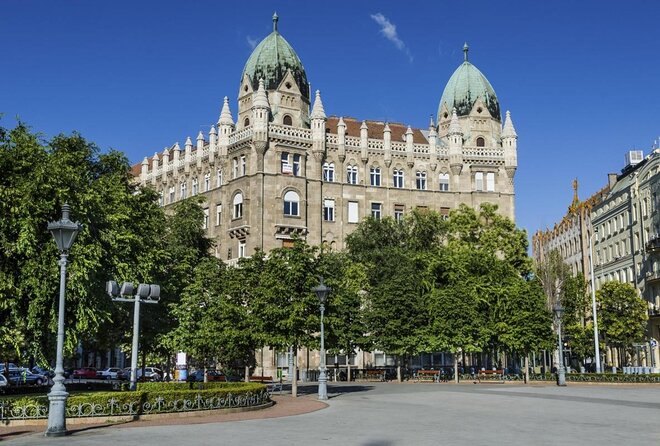
- Max 20 people means more hands-on guidance instead of a stampede
- Metro pass + public transport helps you cover both sides of the Danube efficiently
- Széchenyi Baths time plus thermal details make the stop feel worth dressing up for
- Castle District viewpoints are photo-ready without needing extra tours
- Lunch with dessert and drinks keeps the day comfortable instead of frantic
- Major memorials and landmarks are handled with enough context to make them meaningful
What this “all in” day really feels like
This tour is designed for first-time orientation. You start in the city center near the Hungarian State Opera, then spend the rest of the day hopping through the grand boulevards, bathhouses, and the Castle District viewpoint zone.
The big idea is simple: you get guided pacing plus a transport rhythm that stops you from wasting hours crossing town on your own. The other big idea is the included food. In practice, that means you’re less likely to end the day cranky and hungry, which matters because the sightseeing totals a lot of walking and stairs.
Group size is capped at 20 travelers, and that helps. Smaller groups mean questions get answered, the guide can slow down when needed, and you’re less likely to feel like you’re just herded from one photo spot to the next.
You can also read our reviews of more tours and experiences in Budapest



Starting at the Hungarian State Opera and getting your bearings fast
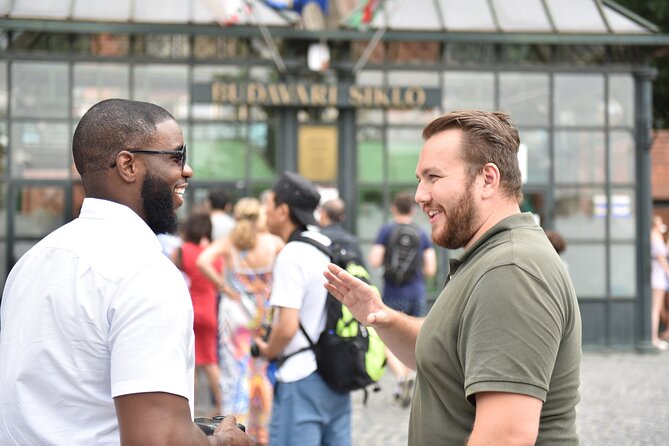
You meet at the Hungarian State Opera on Andrássy út (Andrássy Avenue), address Andrássy út 22, 1061. You begin at 9:00 am, and that early start is a quiet advantage in Budapest, where popular places can get crowded as the morning stretches into midday.
Andrássy Avenue matters because it’s not just a street. It’s one of those grand, long visual corridors that tells you what the city wanted to look like in the late 1800s. You’ll walk and look along the boulevard, and you’ll also get the kind of architectural framing that helps you “read” what you’re seeing rather than just snapping pictures.
The opera house stop is also useful as a landmark. The building is neo-Renaissance and tied to major Hungarian architecture—designed by Miklós Ybl—so even if you only view the façade, it connects you to the city’s style.
Heroes’ Square: the monument that sets the tone for Hungary
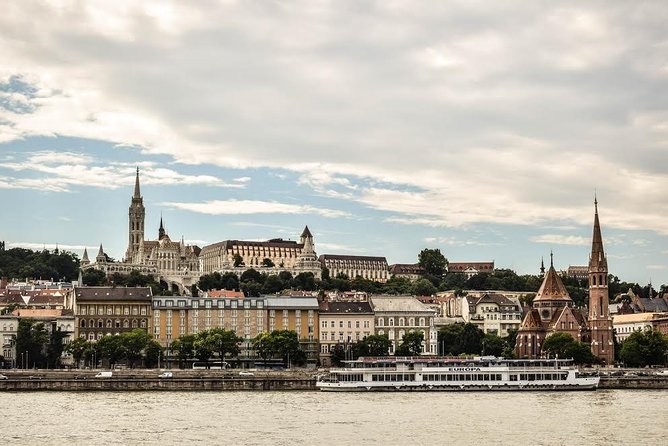
Heroes’ Square is the obvious “first big dramatic moment,” and for good reason. The statue complex features the Seven chieftains of the Magyars, plus other leaders tied to Hungary’s national story. It’s easy to treat this as a photo stop, but you’ll get enough context to understand why it’s such a cultural reference point.
There’s also a detail worth keeping in mind: the Memorial Stone of Heroes is sometimes mistakenly called the Tomb of the Unknown Soldier. The difference matters because it’s about meaning and who is being honored—so take a minute and don’t just speed through.
City Park energy: Vajdahunyad Castle as a time capsule
From Heroes’ Square, you’ll head into City Park area with time set aside for Vajdahunyad Castle. This castle is famous partly because it wasn’t built centuries ago in the usual way. It was created in 1896 as part of Hungary’s Millennial Exhibition, marking 1,000 years since the Hungarian Conquest of the Carpathian Basin (dated to 895).
The charm here is that the castle feels like a bundle of architectural stories. Even when you’re not going inside, it’s the kind of place where you can understand why Budapest loves to mix history, symbolism, and public space.
If it’s rainy, this stop can be a good “pause point.” It still gives you something to look at, and you’re not forced into a long indoor wait.
Széchenyi Baths: thermal water at the heart of the stop
Next is Széchenyi Medicinal Bath, the biggest medicinal bath in Europe. The two thermal springs feeding the baths are warm—74°C (165°F) and 77°C (171°F). That’s not just trivia. Those temperatures help explain the steam, the way the water feels, and why bathhouses are a key part of Budapest’s identity.
This is one of the best stops on the day if you’re even mildly interested in how locals relax. It’s a living, functioning place, not just a monument. The drawback is that weather and logistics can shape how much you actually do here. The tour runs in all weather conditions, so plan to dress for comfort and for the reality of wet floors and temperature shifts.
Also: alcoholic beverages are included during the day. That’s fun for some people, but if you’re planning to spend time at the baths, keep it sensible. Warm water plus alcohol is not the time to get careless.
You can also read our reviews of more tours and experiences in Budapest





Andrássy Avenue again: opera-area architecture and big-city style
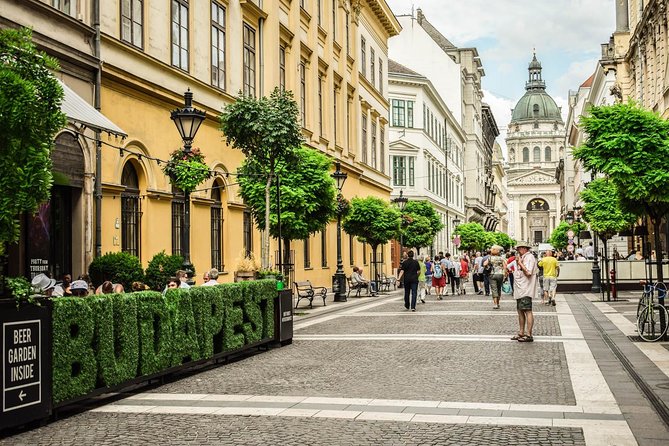
You’ll spend additional time along Andrássy Avenue, including the World Heritage–listed stretch. The relevance here is that it’s a guided walk through the city’s “grand façade” era—neo-Renaissance mansions and townhouses with impressive exteriors and street-level details.
Think of this segment as your Budapest visual reset. After statues and thermal bath energy, you get a more elegant, structured feel. It’s also a good time to catch the rhythm of the city center because the route then keeps you moving toward the Danube and the grand civic landmarks.
St. Stephen’s Basilica: the relic angle (and the ticket reality)
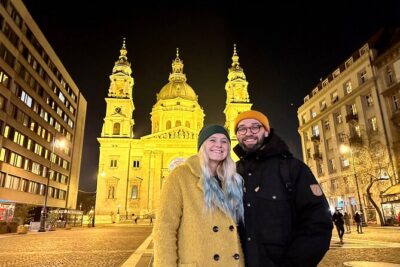
At St. Stephen’s Basilica, you’re in the Roman Catholic center of gravity for Budapest’s historic story. The basilica is named for Stephen, the first King of Hungary, and the tour notes that his right hand is housed in the reliquary.
This is where you should manage expectations. The tour data lists the basilica as not included for admission, and the practical result is that you may not get an interior visit with this package. If your priority is entering the basilica, that’s something you may need to add separately, depending on what you want from the stop.
If you’re mainly after architecture, exterior views, and the “sense of place,” this still works well because you’re getting the meaning, not just the photo.
Liberty Square: civic institutions and big-government geography
Szabadság tér (Liberty Square) gives you a different kind of sight: institutions. The square includes the United States Embassy and the Hungarian National Bank headquarters nearby, sitting in an area that blends offices and residences.
This stop is useful because it shifts your perspective. Up to now, you’ve been seeing national symbols and cultural landmarks. Here, you’re seeing how modern Budapest operates around the civic core.
The Chain Bridge segment: seeing the Danube’s split personality
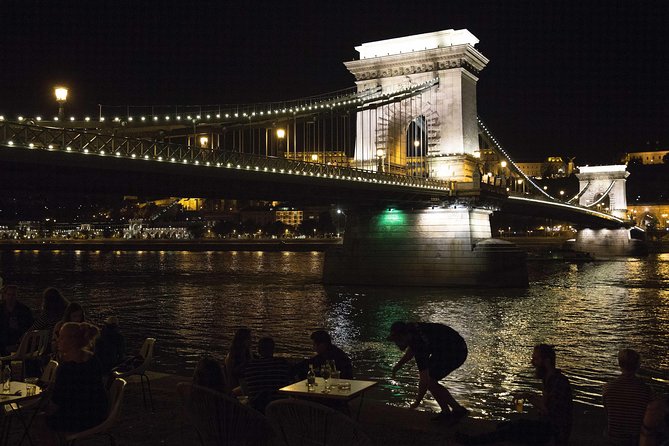
You’ll reach Széchenyi Chain Bridge, the main Danube crossing that links Buda and Pest. The bridge is an iconic chain-bridge form, and it’s a natural “pause for scale” moment. From here, the city’s layout makes more sense—two sides, different vibes, and the river acting like the main divider and connector.
Even if you keep your feet moving, take a minute here. It’s one of those places where a quick look teaches you more than an extra museum hour later.
The synagogue and Parliament stops: impressive exteriors, tickets may be extra
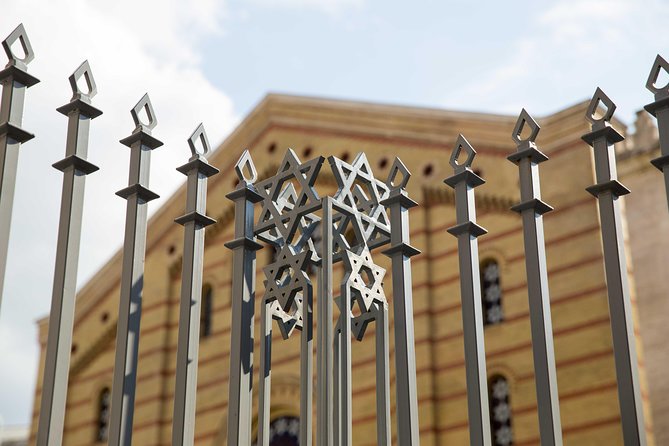
The tour includes stops connected to both the Great/Central Synagogue (Dohány Street Synagogue) and the Hungarian Parliament Building—but the provided admission notes indicate these are not included.
The Great Synagogue is historically significant in Erzsébetváros (7th district). If you’re drawn to architecture and Jewish history in Hungary, the outside viewing and context still matter, but you shouldn’t count on interior time with this specific tour format.
Parliament is the same situation. It’s a landmark seat of Hungary’s National Assembly and one of the city’s big-name icons. With admission not included, you may have to keep the visit to exterior impressions unless you arrange extra entry separately.
Shoes on the Danube: the memorial you should slow down for
This stop is short but serious: Shoes on the Danube Bank. It’s a Holocaust memorial honoring Jews who were massacred by fascist Hungarian militia (the Arrow Cross Party) during World War II.
Don’t rush this one. Even if the stop is brief, it’s the kind of place where your guide’s framing can make it land. Treat it as a reflective moment, not just a stop on a route.
This is also a good example of why a guide matters. Landmarks become more than coordinates when someone helps you connect what you’re seeing to what happened.
Castle District viewpoints: Matthias, Fisherman’s Bastion, and the panorama payoff
As you move into the Castle District area, the tour hits the kind of scenic “finish line” that makes Budapest feel like Budapest.
Matthias Church
Matthias Church (Mátyás-templom) is in Holy Trinity Square in front of Fisherman’s Bastion area. The church is named for the Assumption and is often linked to coronation traditions—something your guide can help you place in the larger story of the city.
Fisherman’s Bastion
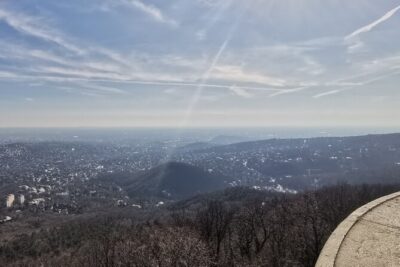
Then comes Fisherman’s Bastion, one of Budapest’s best-known viewpoints. It’s famous for the panorama terraces and the neo-Romanesque look, and it delivers the kind of view that makes people stop taking pictures and just watch the city.
This is also a practical benefit of the tour: you get to the viewpoint without needing to navigate the castle hills on your own.
Buda Castle complex
Finally, you’ll reach Buda Castle itself. It’s the historical palace complex of Hungarian kings. It was first completed in 1265, but the Baroque palace you see mostly today was built between 1749 and 1769.
The tour lists free admission for Buda Castle generally, but real-world interior access can be different. The safe way to think about this stop is: you’re getting the castle area and major external sights, and interiors may require extra planning if you want to go in.
Central Market Hall and the real lunch break you need
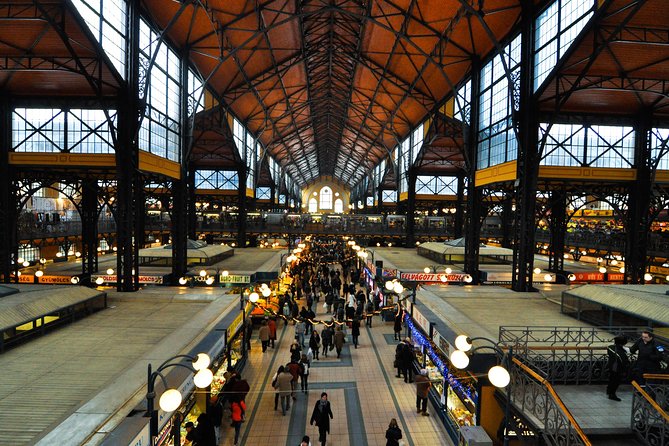
Between the big city landmarks, the tour includes time at the Central Market Hall (Nagyvásárcsarnok). This is the largest and oldest indoor market in Budapest. The idea for building such a big hall came from the city’s first mayor, Károly Kamermayer. He retired in 1896, and participated in the opening ceremony on February 15, 1897.
Even if you’re not there to shop for souvenirs, the market hall is a great way to taste the city’s everyday energy. You also get a place to reset visually before the final stretch of viewpoints and bridges.
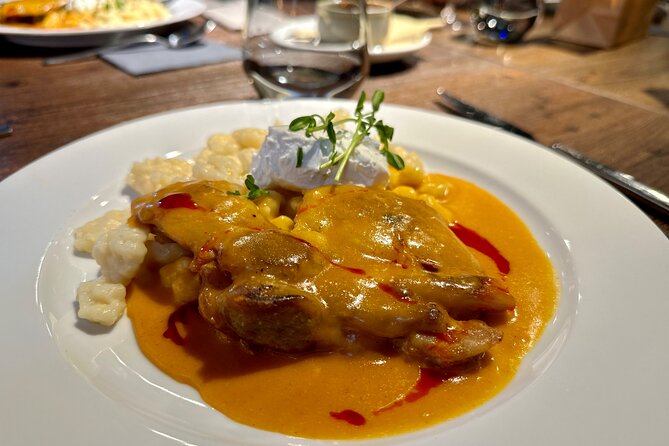
And then there’s the lunch: the tour includes lunch, traditional Hungarian dessert, and alcoholic beverages. The meal is described as a traditional preset format (so substitutions may be hard). If you have dietary needs, it’s worth confirming in advance so you’re not stuck in an awkward situation mid-tour.
About the guides: why the day feels smooth
The biggest “quality difference” isn’t the sights. It’s how the day is taught and managed. Names that show up in guidance include Zoltan, Emese, Fanni, and Odea—and the consistent theme is that they keep the day moving while explaining what you’re looking at.
In rainy weather, guides play an even bigger role. This tour runs in all weather, and you’ll still get from place to place using public transport. That mix—walk a bit, ride a bit, then walk again—is what keeps the long day from feeling like a nonstop grind.
If you prefer a slower pace, pick a guide who is comfortable managing groups on and off the metro. People on this tour emphasize that kind of pacing as part of the experience.
Price and logistics: is $204.04 good value?
At $204.04 per person, the value depends on what you’d otherwise do on your own.
If you’re planning to cover Heroes’ Square, both Danube sides, thermal baths, and multiple Castle District icons in a single day, the price becomes easier to justify. You’re paying for:
- a guide who connects the stops so you understand what matters
- a metro pass to reduce time spent figuring out transit
- a full lunch experience (not just a snack)
- snacks and drinks, plus dessert
The tradeoff is that you’re not buying a bundle of paid entries into every major interior. The tour data shows several key sites where admission is not included, and the practical message is: you’ll see many landmarks from the outside or with limited entry time unless you add tickets yourself.
So the best way to judge value is this:
- Great value for getting your bearings fast and learning the story behind landmarks.
- Less value if your main goal is stacking inside tickets for multiple famous buildings in one day.
Who this tour suits best
This tour is a strong match for:
- first-timers who want a one-day orientation to both Pest and Buda
- people who like guided explanations and don’t mind a long walk day
- visitors who want lunch and a structured plan rather than improvising meals and transit
It may be less ideal if:
- you only want big interior ticket stops and are strict about entrance inclusion
- you’re very sensitive to walking and stairs (there can be a lot of moving between sights)
If you’re unsure, the format is still worth considering because the transit help is real. Public transport is part of the plan, and it keeps the day efficient.
Should you book Budapest All In?
Book it if you want a focused “see the best of Budapest in one day” experience with a guide, a built-in meal, and transport support. It’s especially good when you only have one day and you want to hit the major landmarks without micromanaging your route.
Skip it or plan extra tickets if you’re the type who wants to go inside everything. This tour is best thought of as guided sightseeing with some optional admissions, not a prepaid pass into every major interior.
If you do book, bring solid walking shoes and a rain layer. Budapest weather can change fast, and the tour keeps going.
FAQ
How long is the Budapest All In tour?
The tour runs for about 7 hours 30 minutes.
Where does the tour start and end?
It starts at the Hungarian State Opera, Andrássy út 22, 1061 Hungary, and ends back at the same meeting point.
Is lunch included?
Yes. Lunch is included, along with traditional Hungarian dessert. Alcoholic beverages are also included for travelers 18+, and the day includes snacks and drinks.
Do I need to pay extra for entrance tickets?
Some stops include admission ticket-free time, but several major sights are listed as not included for admission, including St. Stephen’s Basilica, the Hungarian Parliament Building, and the Great/Central Synagogue. Expect that some interiors may require separate tickets.
What transport is used during the day?
The experience includes a metro pass and the route is designed around public transportation, with the group traveling between stops by metro and other transit.
Does the tour run in bad weather?
Yes. It operates in all weather conditions, so you should dress appropriately for rain and changing temperatures.